REVIEW · MALE
3 Point Snorkeling Safari
Book on Viator →Operated by Secret Paradise Maldives · Bookable on Viator
Three reef stops, one small, focused outing. This Malé snorkeling safari takes you from Hulhumale by speedboat to multiple underwater areas selected for weather and sea conditions.
I especially like the lesson on respectful, responsible snorkeling, plus the small-group feel that makes it easier to get comfortable with your gear. You also leave with a handy fish ID card to help connect what you saw with what it was. One thing to consider: if there’s swell, getting in and out using the boat ladder can feel more awkward than you’d expect.
In This Review
- Key things to know before you go
- Malé’s easiest way to get reef time in (without a long day)
- Price and what $110 actually covers
- Getting to Hulhumale Lakudi Jetty and starting on time
- The speedboat ride: scenery, sun, and quick setup
- How respectful snorkeling is taught (and why you should care)
- Stop by stop: what each reef can feel like
- First reef stop: rays and colorful fish close to the action
- Second reef stop: turtles and mixed reef life
- Third reef stop: sharks, nurse sharks, and the wow factor
- On good days, extra marine life appears from the boat
- Safety and fit-for-water requirements (read this part twice)
- Boat ladder reality: the one practical drawback to plan for
- What you should bring (so nothing ruins your photos)
- Who this snorkeling safari fits best
- The best guide you can hope for: named experiences show the difference
- Quick FAQ about the 3 Point Snorkeling Safari
- FAQ
- What’s the duration of the 3 Point Snorkeling Safari?
- Where does the tour start?
- What time does the tour run?
- How many people are on the tour?
- Is snorkel equipment included?
- Are buoyancy aids provided?
- What should I wear and bring?
- What animals might I see?
- Should you book this snorkeling safari?
Key things to know before you go
Max 8 people: small group, more attention from your guide in the water.
Three stops, not just one: you get variety without a full-day commitment.
Respectful snorkeling lesson first: you start with simple rules that protect the reef and keep you safe.
Guide stays with the group: comfort and safety come first, especially for first-timers.
Equipment and fish ID card included: mask, fins, snorkel, and identification support are part of the deal.
Weather affects comfort: calm water makes everything easier, including the boat ladder.
Malé’s easiest way to get reef time in (without a long day)
If your Maldives plan is more short-visit than live-on-a-speedboat, this kind of 3-hour safari fits well. You’re based near Malé, and you’re not spending half the day traveling between islands. Instead, you get a concentrated run of snorkeling time with breaks for setup and the next location.
The tour’s format is also friendly for people who want guidance. You’re not just handed gear and pointed at the water. There’s an orientation on respectful snorkeling, then you go in with your snorkel guide and group.
You can also read our reviews of more tours and experiences in Male.
Price and what $110 actually covers
At $110 per person, you’re paying for a full package, not just a boat ride. Your fee includes a local accredited snorkeling guide, snorkel equipment, buoyancy aids, a fish ID card, and all local tax. That matters in the Maldives, where “extras” can add up fast.
You also get a smart time trade-off. Three reef stops in about three hours can be a good value if you’re staying close to Malé or you want to sample snorkeling without committing to a longer expedition. If your main goal is wildlife sightings with minimal logistics hassle, this price can feel fair.
Getting to Hulhumale Lakudi Jetty and starting on time
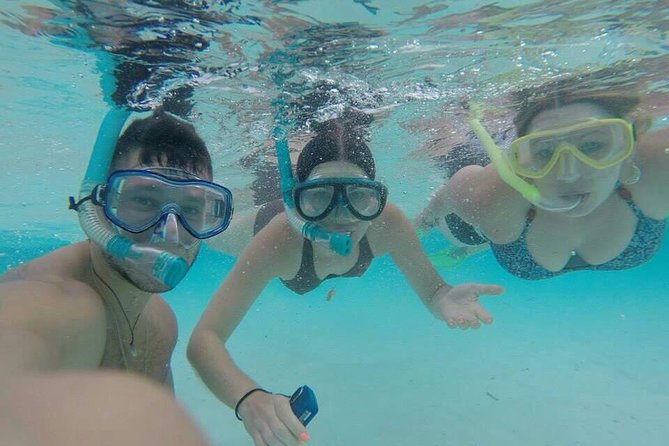
Your day begins at Hulhumale Lakudi Jetty. The scheduled start time is 9:30 am, and the tour ends back at the original departure point.
This is a practical setup if you’re already near public transport. It’s also a good option if you don’t want to coordinate a complicated inter-island transfer. If you’re hoping for hotel pickup, that’s listed as an option in the overall plan, but your exact pickup details will depend on where you’re staying.
One heads-up from real-world operations: boats can sometimes run a few minutes late due to refueling schedules. In most cases, the tour runs with a bit of flexibility, and sometimes you may get extra time to make up for it.
The speedboat ride: scenery, sun, and quick setup
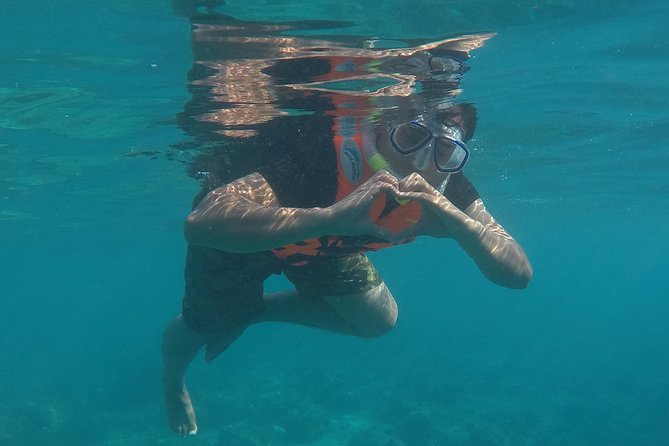
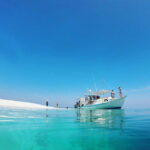
You’ll travel by speedboat after meeting the captain and crew. Onboard, they fit you with a snorkel mask, fins, and snorkel. Buoyancy aids are available too.
This isn’t a casual “hang out for an hour” ride. You’ll want to use the trip time to get your gear sorted and your body ready. If you’re bringing your own mask and snorkel, the provider explicitly recommends it for comfort and fit, and it can also reduce leakage (and the stress that comes with it).
Dress for the sun. Swimwear is the base, then add loose lightweight clothing for shade on the boat. Sunglasses and a sun hat help a lot, because Maldives midday light can turn from friendly to intense fast.
How respectful snorkeling is taught (and why you should care)
Before you enter the water at the first site, you get an orientation on responsible snorkeling practices. The point isn’t lecturing. It’s making sure you enjoy the reef without damaging it and without creating safety risks for your group.
Key rules you’ll likely hear (and should follow) include staying a respectful distance from marine life and the coral, not touching the reef, and keeping a calm, controlled body position. The guide staying with you helps enforce this in real time.
I like this approach because it levels the playing field. Even if you’re an experienced swimmer, it helps to get local guidance on what calm behavior looks like in that specific reef setting. It also makes the group more confident, which usually means more time actually looking at fish instead of adjusting gear again and again.
Stop by stop: what each reef can feel like
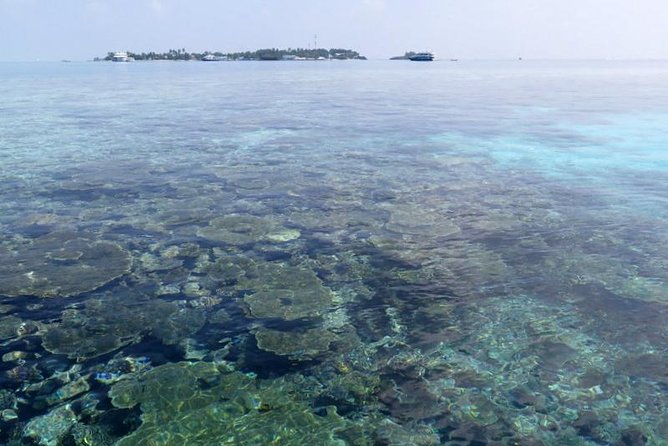
The exact sites are chosen based on weather and ocean conditions, so you can’t treat the stops like a guaranteed checklist. But you can use the patterns below to set expectations for what you might see.
First reef stop: rays and colorful fish close to the action
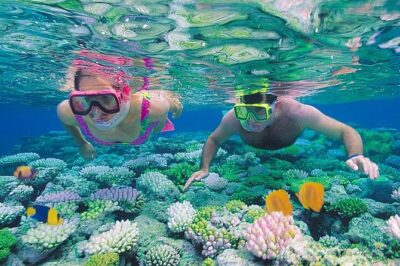
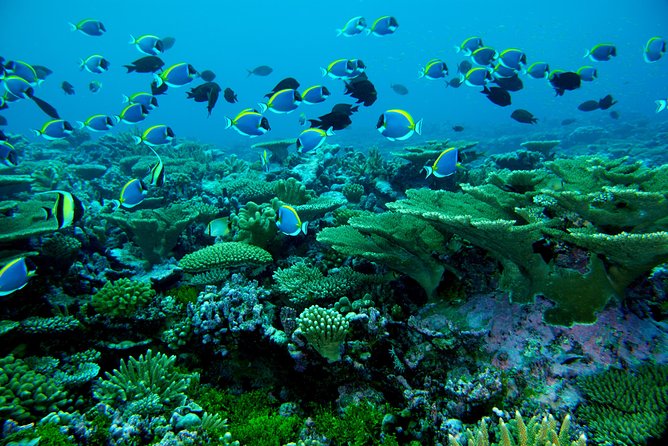
At the first location, many people get that classic “right here” feeling: rays and lots of brightly colored reef fish. Sightings in the experience data include stingrays, reef sharks, and big schools of fish that feel almost close enough to count.
If you’re new to snorkeling, this is often the stop where you settle in. Being able to see wildlife early usually boosts confidence, and guides can adjust how they pace you in the water.
Second reef stop: turtles and mixed reef life
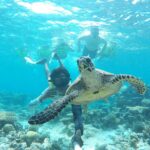
The middle site is often where the variety shows up. Turtles show up in multiple accounts, alongside more reef fish and coral variety. This is also where the “light and dark” look underwater can feel magical, especially when the sun filters down and you see movement at different depths.
If you’re the kind of person who gets easily distracted (same), the second stop is useful. It gives you another chance to slow down and watch behavior instead of just scanning for the biggest animal.
Third reef stop: sharks, nurse sharks, and the wow factor
The last stop tends to be the payoff for people chasing bigger wildlife. In the info tied to this tour, you can encounter reef sharks, black-tip sharks, nurse shark sightings, and sometimes even larger rays and eels like moray eels. Starfish and strong coral structure also show up in some experiences.
This is the stop where you’ll likely remember the details: the way the reef fish keep moving around you, and how the bigger animals don’t act like you’re the main event. That’s a good sign. It usually means you’re doing the respectful, non-intrusive snorkeling they’re coaching.
On good days, extra marine life appears from the boat
Not every safari will add this, but dolphin sightings from the boat at the start have been recorded with this experience. It’s not a promise, but it’s a nice bonus when it happens. Even when you don’t see dolphins, the short route means you’re not missing too much because you’re already in the water fast.
Safety and fit-for-water requirements (read this part twice)
Safety is a core part of how this tour runs. The guides are listed as Emergency First Responders & Life Guard Certified, and hygiene standards are aligned with Maldives safe tourism guidelines and World Travel & Tourism Council requirements.
That certification matters most if you’re not 100% confident in the water. You’re not going solo here. Your snorkel guide stays with the group to support comfort and safety.
One non-negotiable detail: snorkeling is only appropriate for those who can swim unassisted. Buoyancy aids are available, but the plan still assumes you can manage without relying on flotation the entire time. If you can’t swim confidently, you should think twice before booking.
Moderate physical fitness is also recommended. This usually means you can handle getting in and out of the boat, staying comfortable in the water, and moving with the group.
Boat ladder reality: the one practical drawback to plan for
A few reviews highlight that the ladder can be challenging for some people. That’s not a small issue in choppy conditions. If there’s swell or wind, climbing back onboard may feel harder, and it can turn “fun” into “just hurry up.”
If you’re prone to motion sickness, this tour notes that you might experience swell while snorkeling. In those moments, you’ll enjoy the water more if you’re prepared mentally and physically. If you’re worried, ask questions before you book, and consider whether you want a calmer-water activity.
Also, if you dislike stepping into the water with a jump, you’ll be glad to know there are ladders and rear platform access. But the exact feel depends on conditions.
What you should bring (so nothing ruins your photos)
The essentials list is simple and solid:
- Dry bag (for phone or camera)
- Beach towel
- Sunscreen
- Water and snacks
- Camera
For your snorkeling experience, also consider:
- Your own mask and snorkel if you have one that fits well
They recommend bringing your own because it helps with comfort and proper fit, plus it lowers the chance of leakage.
I’d add one tip that fits this specific safari style: pack a little extra snack if you get hungry after time in the sun. The tour is short, but you’re still burning energy in warm water.
Who this snorkeling safari fits best
This tour is a strong match if:
- You want snorkeling close to Malé with minimal travel time
- You prefer a small group (maximum 8)
- You want guidance on respectful snorkeling, especially if it’s your first time
- You can swim unassisted and are okay with boat access via ladder
It’s not suitable if you’re staying on a private island resort. So if your hotel is in a resort bubble, you’ll need a different format that can accommodate transfers.
The best guide you can hope for: named experiences show the difference
The experience data includes guides such as Kamei and Archie, and crew members like UB and Zaff. People consistently describe guides as friendly, patient, and focused on helping them get comfortable in the water.
That matters because snorkeling comfort is half technique and half nerves. When a guide is patient with beginners—especially with gear setup and entry—it can turn an intimidating first swim into something you actually enjoy.
If you’re anxious about snorkeling, look for the kind of tour that builds confidence step by step. This one is structured to do that.
Quick FAQ about the 3 Point Snorkeling Safari
FAQ
What’s the duration of the 3 Point Snorkeling Safari?
The tour runs for about 3 hours.
Where does the tour start?
It starts at Hulhumale Lakudi Jetty, with an option for hotel pickup listed in the tour description.
What time does the tour run?
The start time is 9:30 am.
How many people are on the tour?
The tour has a maximum of 8 travelers.
Is snorkel equipment included?
Yes. Snorkeling equipment is provided, and you can also bring your own mask and snorkel if you prefer.
Are buoyancy aids provided?
Buoyancy aids are available, but snorkeling is only appropriate for people who can swim unassisted.
What should I wear and bring?
Wear swimwear with loose lightweight clothing. Bring sunscreen, a towel, water, snacks, a dry bag, and a camera if you want.
What animals might I see?
You may see coral and marine life, with possible sightings including rays, reef sharks, turtles, and other reef fish. Exact sightings depend on conditions.
Should you book this snorkeling safari?
Book it if you want an efficient, guide-led snorkeling experience near Malé with three reef stops and gear included in a tight time window. The combination of a respectful snorkeling lesson, a small group size, and safety-certified guides is a strong match for both beginners and confident swimmers.
Skip it or choose carefully if you can’t swim unassisted, if boat ladder access will be a dealbreaker for you, or if you know you struggle badly with swell. Since sites depend on weather, you’ll get a better day when conditions are calm.
If you’re deciding today, I’d make the call like this: if your goal is to see lots of reef life without complicated logistics, this one works. And if the sea turns a bit rough, safety-first decisions can mean you’re offered an alternate date or a refund for poor weather.