REVIEW · BYRON BAY
Byron Bay: Nguthungulli Julian Rocks Snorkeling Tour
Book on GetYourGuide →Operated by Turtle School - Byron Bay Dive Centre & Whale Watching · Bookable on GetYourGuide
Turtles and sharks are the stars at Nguthungulli Julian Rocks. You get guided snorkeling in a protected marine reserve plus a hands-on Turtle School citizen-science workshop where you learn to identify local sea turtles. It’s the kind of trip where the instructions matter, because it helps you spot wildlife without harassing it.
I also like that the tour is built around real ecology: you’re not just looking, you’re learning how these animals live and how your photo-identification can support conservation. One thing to think about first: this is open-ocean snorkeling, and you must be able to swim 200 meters unassisted. If you’re not comfortable with surge and current, the experience may feel stressful rather than fun.
In This Review
- Key things to know before you snorkel Julian Rocks
- Snorkeling the Nguthungulli Julian Rocks Marine Reserve
- Turtle School: learning turtle ID before you get in the water
- How the 3-hour format actually plays out
- Summer vs winter wildlife: what seasons change in the reserve
- Getting on the boat at The Pass: the one logistics detail that matters
- Equipment, comfort, and what you’re actually wearing
- What the guides do that makes sightings feel easy
- Price and value: how $91 stacks up for this area
- Who should book, and who should skip this one
- Weather and communication: plan for last-minute changes
- Should you book the Byron Bay Nguthungulli Julian Rocks snorkeling tour?
- FAQ
- Where is the tour meeting point?
- How long is the tour?
- What do I need to bring?
- Is hotel pickup included?
- What’s included in the snorkeling equipment?
- Do I need to be a strong swimmer?
- Are children allowed?
- Can I go if I’m pregnant or have medical conditions?
- What if the tour is canceled due to weather?
Key things to know before you snorkel Julian Rocks
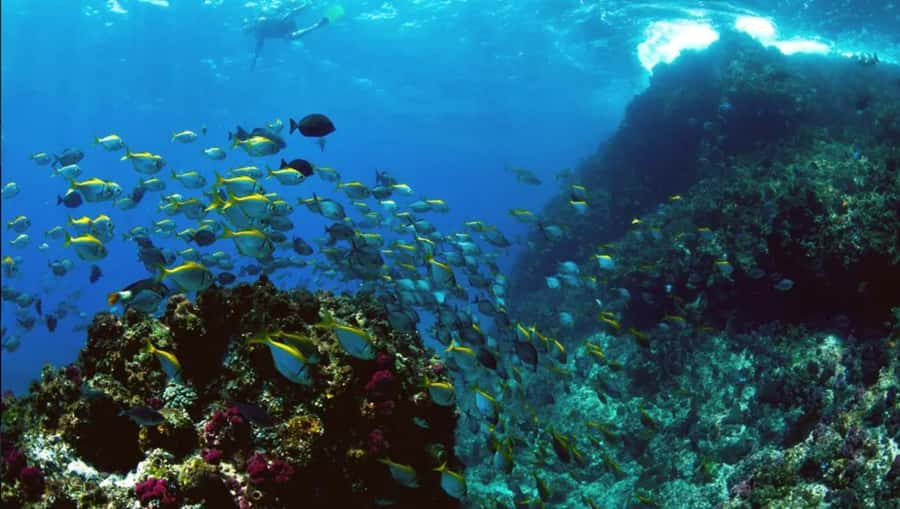
- Small group size (up to 10) keeps the guide-to-water ratio comfortable.
- Equipment and wetsuit are included, so you can travel light and get in fast.
- You snorkel in the Nguthungulli Julian Rocks Marine Reserve, not a random shoreline stop.
- Turtle School teaches ID skills before you practice underwater with photography.
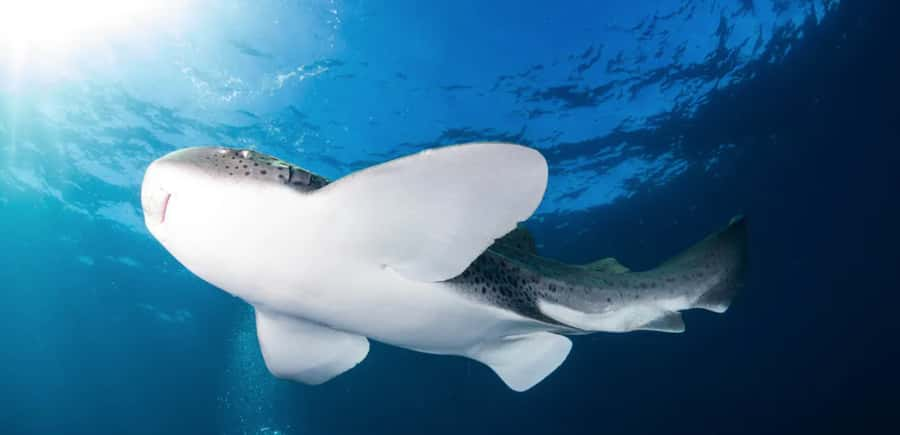
- Wildlife varies by season, with leopard sharks and manta rays in summer and grey nurse sharks and humpback whale aggregations in winter.
- Boat entry at The Pass requires you to step up from shore with water up to your waist.
Snorkeling the Nguthungulli Julian Rocks Marine Reserve
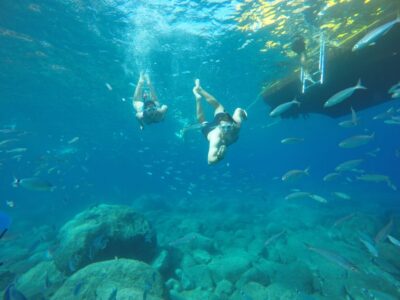
Byron Bay’s Nguthungulli Julian Rocks Marine Reserve is one of those places where the water is doing the entertaining. The reserve sits right off the coast and supports more than 1,000 marine species, including sharks, rays, and sea turtles. That variety matters for you because it increases your odds of seeing something cool even if animal activity is a little different day to day.
The snorkeling here is guided, and that’s not a small detail. When you’re in a marine reserve, the best sightings often happen the same way: you need someone watching the water, watching your position, and helping you move safely and calmly. A small group also helps because the guide can keep an eye on everyone without turning the experience into a crowded conga line.
What you’re looking for is impressive on paper—loggerhead, green, and hawksbill turtles are part of the local story, along with sharks and rays—but the real value is the learning angle. You’ll get taught how to identify turtles and interact responsibly while you’re in the water, so your photos and observations mean more than a fun souvenir.
Turtle School: learning turtle ID before you get in the water
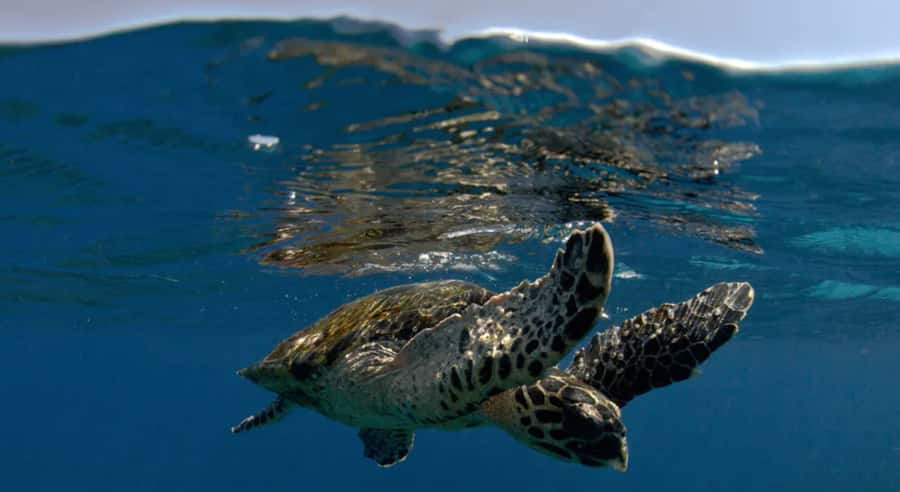
This is the part that makes the tour feel different from a standard snorkeling outing. You join Turtle School for a workshop on local turtle ecology and biology, including how to identify species. Then you practice those skills during the snorkel, using photography as a tool.
Why that matters: sea turtles aren’t just animals you happen to see. They’re critically endangered, and the tour’s approach connects your spotting and photo-identification to conservation work. The data-sharing piece is specifically tied to protecting these animals, and the program runs under an NSW government permit.
In plain terms, you’ll spend some time learning what differences to look for, and then the water becomes your classroom. If you like feeling useful on a holiday—without turning the day into a lecture—this is a strong match. If you’re hoping for nonstop adrenaline, it still delivers wildlife, but the tone is more thoughtful than chaotic.
How the 3-hour format actually plays out
The total tour time is about 3 hours, with a focused snorkeling window. You start at 5 Marvell Street, Byron Bay, then you’ll ride in the van to the launch area. That transfer is short—about 15 minutes—so you’re not burning your day on getting there.
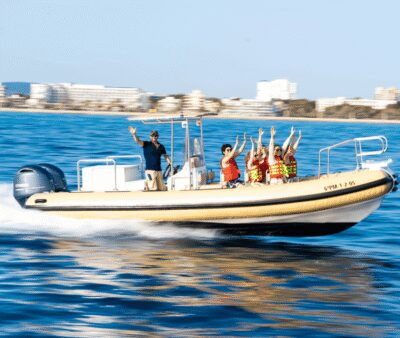
Once you reach the launch site, the tour moves into boat mode. You’re taken out to the Nguthungulli Julian Rocks area, and the guide stays with you during the snorkel so you can follow the plan safely. The water time itself is around 1 hour, which is long enough to get comfortable, see multiple passes of fish and rays, and build confidence if you’re newer to snorkeling.
After the snorkeling session, you head back by van to 5 Marvell Street. This back-to-base rhythm makes it easier to fit into a Byron Bay day, especially if you’re also doing beaches, cafes, or whale watching separately.
One small practicality to keep in mind: you’ll be asked to complete a health questionnaire before you snorkel. That’s normal for safety, and it helps keep the group matched to conditions and physical comfort levels.
Summer vs winter wildlife: what seasons change in the reserve
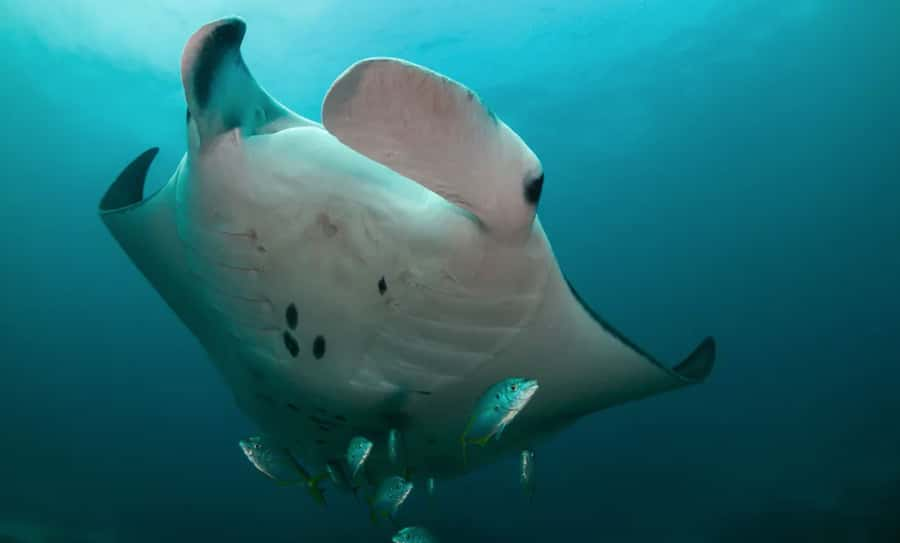
Nguthungulli Julian Rocks is a year-round habitat, but the “who shows up” changes depending on the season. In summer, the tour highlights the chance to see leopard sharks and manta rays swimming peacefully. In winter, the focus shifts to grey nurse sharks and even humpback whales aggregating in these waters.
All year round, you can expect rays and sea turtles as part of the mix, plus over 500 species of tropical and temperate fish. That matters for your expectations. You’re not betting the whole trip on one single animal. Even if a turtle doesn’t swim directly by your mask, you’re still in an ecosystem packed with fish life and the kind of movement that makes snorkeling interesting.
Best approach: check the season you’re traveling, then bring a flexible mindset. If it’s summer, you’ll likely be scanning for rays and leopard sharks. If it’s winter, you’ll probably be more tuned to bigger shark activity and whale presence. Either way, the guide’s role is crucial for spotting things calmly and helping you view without rushing.
Getting on the boat at The Pass: the one logistics detail that matters
The boats launch from The Pass, and there’s one requirement you should read twice: you or anyone in your party must be able to step into the boat from the shore with the water up to your waist. That’s not about athleticism for show—it affects safety and timing when the boat is moving and conditions are active.
On top of that, the snorkeling conditions can be rough at times. The tour says waves, surge, and current can occur, always kept within safety limits. That’s why the swim test exists. You need to swim at least 200 meters unassisted in open ocean, and the open-ocean part matters even if you feel confident in a pool.
If you’re unsure about your comfort level, treat this as your first “gate.” The tour will be more enjoyable if you already know you can handle open water with a steady, relaxed pace.
Equipment, comfort, and what you’re actually wearing
The tour includes full snorkeling equipment: fins, mask, snorkel, and a wetsuit. You’ll also get lockers plus wet and dry storage, which is a big deal when you’re bouncing between boat, water, and back on land.
They also provide water onboard, so you’re not left scrambling for hydration during the session. For personal gear, bring what the tour requests: a sun hat, swimwear, a towel, sunscreen, and a waterproof camera.
My practical tip: if you plan to do turtle photo-identification, bring a camera you can handle confidently with wet fingers and limited glove grip. You don’t need fancy gear for this style of wildlife photography, but you do need something you can operate without panicking once you’re in the water.
The guide’s presence also helps with comfort. When guides are watching the water and your spacing, you waste less time adjusting and more time actually seeing.
What the guides do that makes sightings feel easy
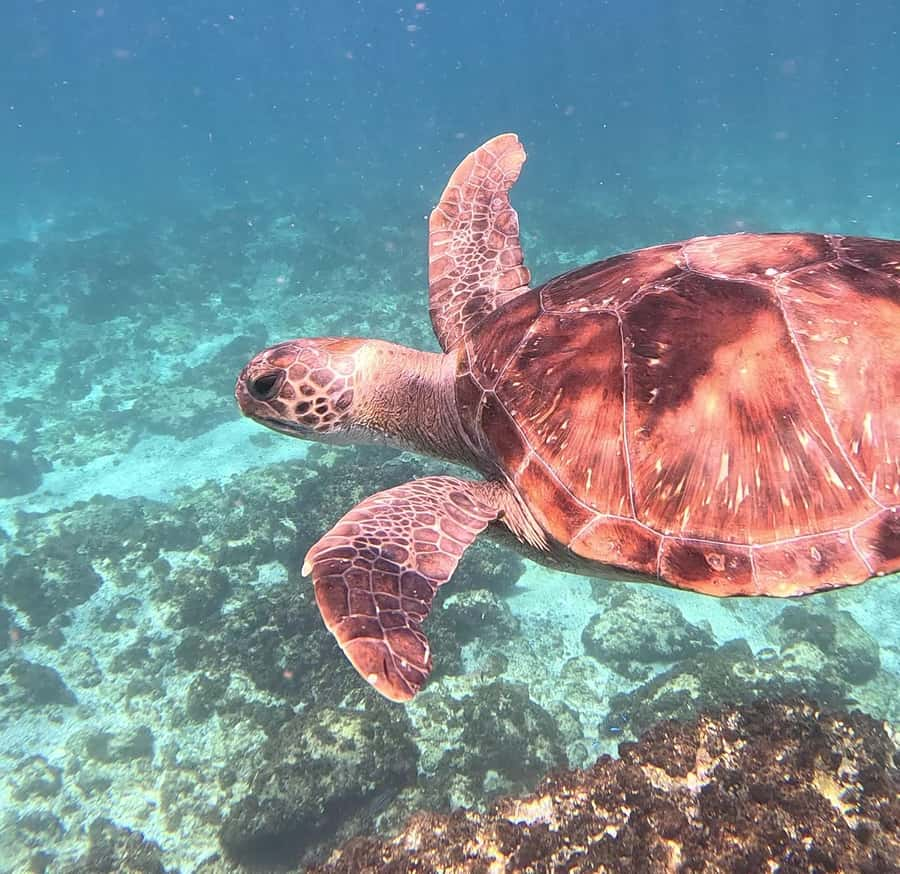
The tone of the tour is described as chilled and well organized, with guides that actively show you what to look at. That matters more than it sounds. In a place with moving currents and shifting visibility, it’s easy to miss the best pass if you’re focused only on your own view.
The best-case moments you’ll want to chase are exactly the big animals on the list: sea turtles, rays, and sharks. Specific sightings highlighted by recent experiences include leopard sharks, green turtles, and large manta rays. You also get the sense that the guide is scanning continuously and guiding you toward interesting moments rather than just sending you off with a checklist.
If you’re new to snorkeling, that kind of guidance can turn the day from uncertain to enjoyable. If you’re experienced, it still helps because it keeps you safe and positioned for the right viewing angle.
Price and value: how $91 stacks up for this area
At $91 per person for a ~3-hour experience, you’re paying for more than rental gear. You’re getting:
- a guided snorkeling session in a marine reserve setting
- boat transport to the reserve area
- snorkeling guide support during the snorkel
- transport between 5 Marvell Street and the launch site
- wetsuit and snorkeling equipment
- lockers and storage
- water onboard
That’s the value equation. A cheaper “just rent gear” plan might get you in the water, but it doesn’t automatically give you the boat access, the guide-driven wildlife viewing, or the citizen-science turtle workshop.
The one tradeoff is time and physical requirements. This isn’t a casual float. You need to meet the swim ability requirement and be comfortable with open-ocean conditions, boat entry, and a real health questionnaire.
Who should book, and who should skip this one
This tour is best for people who genuinely want wildlife, not just the idea of it. If you like learning and you’re curious about local sea turtles, Turtle School makes a big difference. You’ll also get more out of it if you’re comfortable following instructions and moving calmly in the water.
It’s designed for:
- confident swimmers who can handle open ocean
- people 10 and up (the tour says it’s not suitable for children under 10)
- adults who want a guided reserve experience with equipment provided
It’s not suitable for:
- wheelchair users
- people who can’t swim the required distance
- pregnant women (not recommended)
- people with back problems or serious medical conditions
- people over 70
- unaccompanied minors
- pets
If you’re traveling as a family, double-check the minimum age and the swim requirement. If someone in your group doesn’t meet those standards, the day could become stressful rather than fun.
Weather and communication: plan for last-minute changes
Wildlife is amazing, but the ocean is still the ocean. The tour depends on favorable conditions, and there can be weather-related rerouting or cancellation. There’s also been at least one experience where schedule changes and communication didn’t go smoothly.
So here’s the practical move: keep your phone charged, and treat your departure day as something you should confirm. If your plans are tight, give yourself buffer time in Byron Bay.
If the tour does have to adjust due to currents or poor weather, the tour generally offers options like rescheduling, gift vouchers, or refunds. Having flexibility in your calendar makes these situations less annoying.
Should you book the Byron Bay Nguthungulli Julian Rocks snorkeling tour?
Yes, if you want a guided snorkeling day in a real marine reserve and you’re interested in the conservation side. The combination of equipment + small group + reserve access plus Turtle School’s turtle ID workshop gives you a more meaningful day than a standard water outing.
Skip it if you’re not a strong swimmer for open ocean or you know you’ll struggle with boat entry from The Pass. Also skip if you fall into the tour’s listed health and age categories.
Here’s how to decide fast:
- Book if you’re excited about sea turtles, rays, and sharks, and you’re willing to follow safety instructions closely.
- Pass if open-water conditions make you nervous, or if the swim requirement would be a problem.
If you want an experience that mixes wildlife viewing with learning you can actually use, this one is a solid bet in Byron Bay.
FAQ
Where is the tour meeting point?
Meet at 5 Marvell Street, Byron Bay.
How long is the tour?
The experience runs for about 3 hours total.
What do I need to bring?
Bring a sun hat, swimwear, towel, sunscreen, and a waterproof camera.
Is hotel pickup included?
No. Hotel pickup and drop-off are not included.
What’s included in the snorkeling equipment?
You’ll get fins, mask, snorkel, and a wetsuit, plus lockers and wet and dry storage, and water onboard.
Do I need to be a strong swimmer?
Yes. The tour requires you to be able to swim at least 200 meters unassisted in open ocean.
Are children allowed?
Children must be accompanied by an adult, and the tour is not suitable for children under 10.
Can I go if I’m pregnant or have medical conditions?
It’s not recommended for pregnant women and not recommended for people with serious medical conditions or serious pre-existing issues. A health questionnaire is required before snorkeling.
What if the tour is canceled due to weather?
If canceled due to poor weather, you’ll be offered an alternative date, a gift voucher, or a full refund, depending on what’s available.