REVIEW · CAPE TOWN
Cape Town: Great African Sea Forest Guided Snorkel
Book on GetYourGuide →Operated by Cape RADD · Bookable on GetYourGuide
Kelp forests in Cape Town can feel like another world. This guided snorkeling experience pairs marine biologists with the Great African Sea Forest, so you’re not just watching marine life—you’re learning how it works and helping with real shark research.
I especially like the hands-on role in shark photo identification, where you help the team document a friendly endemic shark species. I also like the small-group feel (up to 8) plus the included underwater photos, which make it easy to remember what you actually saw.
One thing to consider: shark sightings aren’t guaranteed on every outing. Some people leave with lots of octopus and other kelp creatures but no shysharks that day, so come for the whole sea-forest ecosystem, not only for sharks.
In This Review
- Key things I’d circle before you go
- Great African Sea Forest Snorkeling in Cape Town: the real appeal
- Where the tour starts on False Bay (and how that affects your experience)
- The 2-hour flow: what happens before, during, and after your snorkel
- 1) Briefing that sets your “underwater eye”
- 2) Gear up in wetsuit and snorkel kit
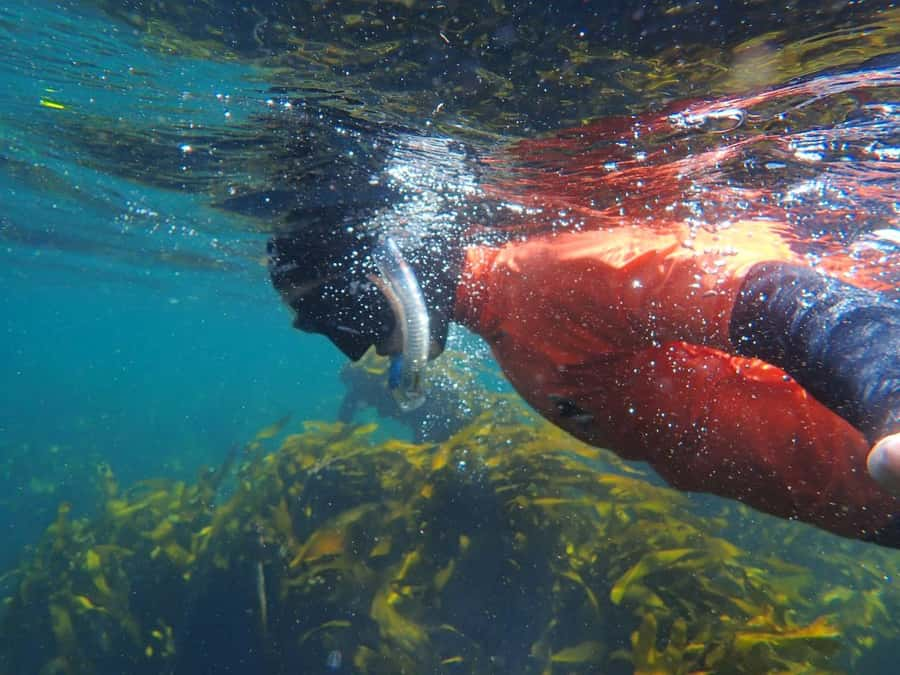
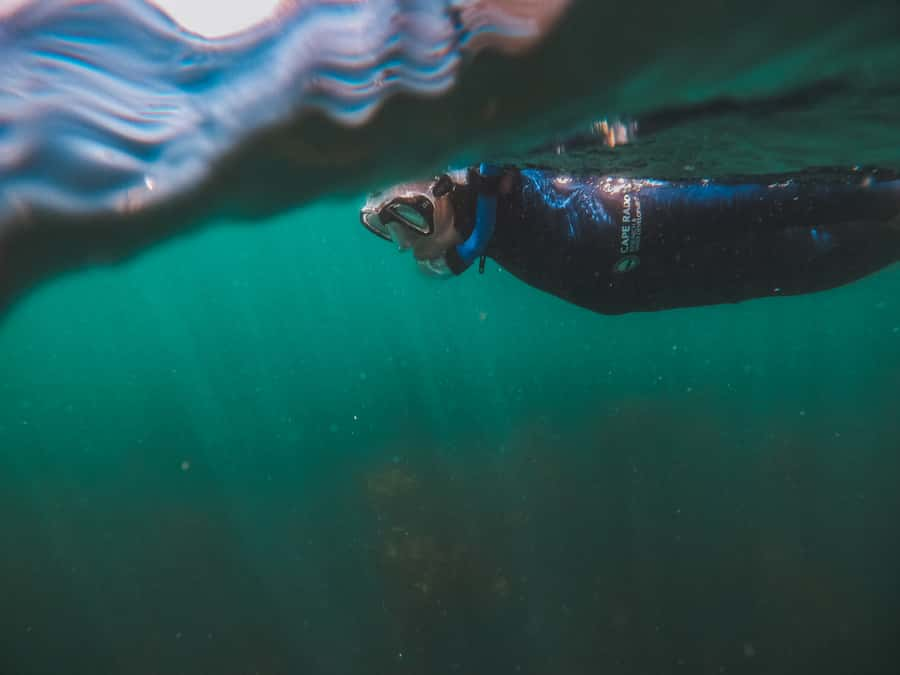
- 3) The snorkel: guided through kelp, not just around it
- 4) Your science role: shark photo identification
- 5) After the water: photos and a conservation “close”
- The animals and moments that people remember most
- Ocean Ambassador and FinSpotter: how the tour extends past 2 hours
- Ocean Ambassador honor
- FinSpotter app access for shark sightings
- Price and value: is $74 for 2 hours actually fair?
- Safety and comfort: who it suits (and who should skip it)
- Practical tips to get the most out of your snorkel day
- My verdict: should you book this Cape Town sea-forest snorkel?
- FAQ
- How long is the snorkeling tour?
- Where do we meet for the Cape RADD guided snorkel?
- What’s included in the price?
- Do I need to be a strong swimmer?
- What should I bring with me?
- What’s the group size?
Key things I’d circle before you go
- Marine biologists lead the briefing and explain what you’ll look for in the kelp ecosystem
- You support shark research by doing photo ID of an endemic shark species
- Small group (max 8) keeps attention high in the water
- Photos are included, including underwater shots taken during the snorkel
- FinSpotter app access helps you track shark sightings after your tour
- You’ll learn “why” behind the animals—from shyshark hiding spots to sea urchins and their “hats”
Great African Sea Forest Snorkeling in Cape Town: the real appeal
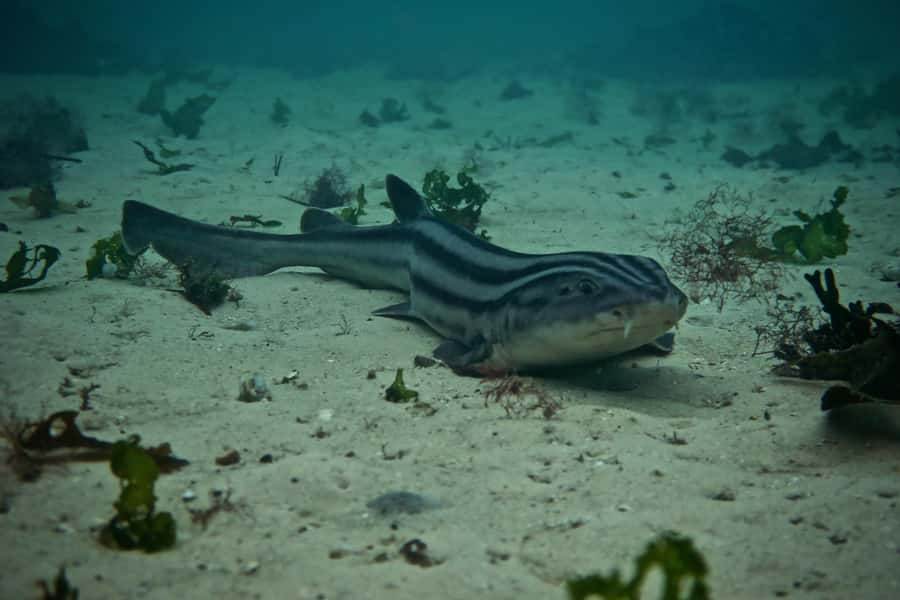
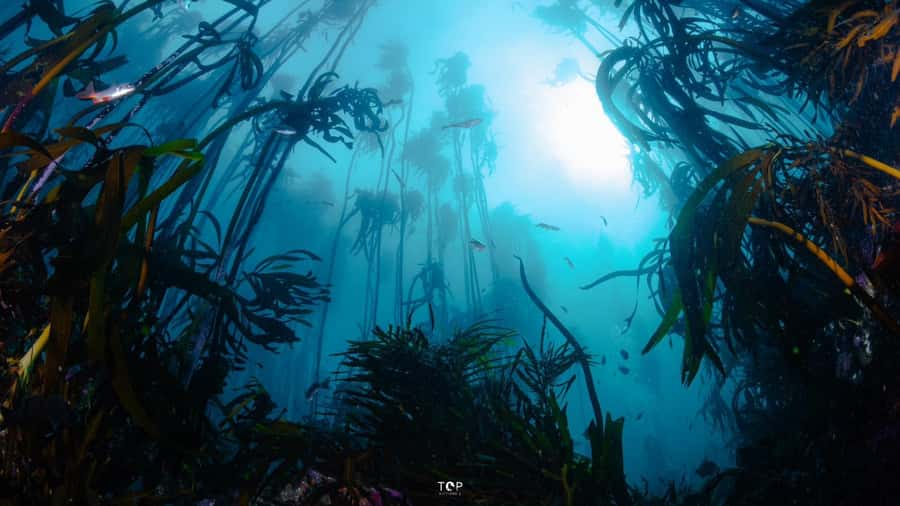
Cape Town has a special kind of underwater habitat: kelp forests. Not coral. Not a clean, open swimming pool. Kelp is a living underwater structure—like a forest canopy that sways, shades the seabed, and creates homes for everything from small invertebrates to shy, secretive sharks.
What makes this tour stand out is the pairing of snorkeling with marine science. You get an in-depth briefing before you enter the water, and the guides are marine biologists who talk you through what you’re about to see and why it matters. One of the guides people remember is Mark the Shark (a marine scientist), plus guides like Danni and Megan, who bring the same mix of calm guidance and real animal focus.
And you’re not just a passive observer. You’re given a role in the shark research portion—specifically, you help with photo identification of a friendly endemic shark species. That turns your “trip souvenir” into a genuine conservation contribution.
Where the tour starts on False Bay (and how that affects your experience)
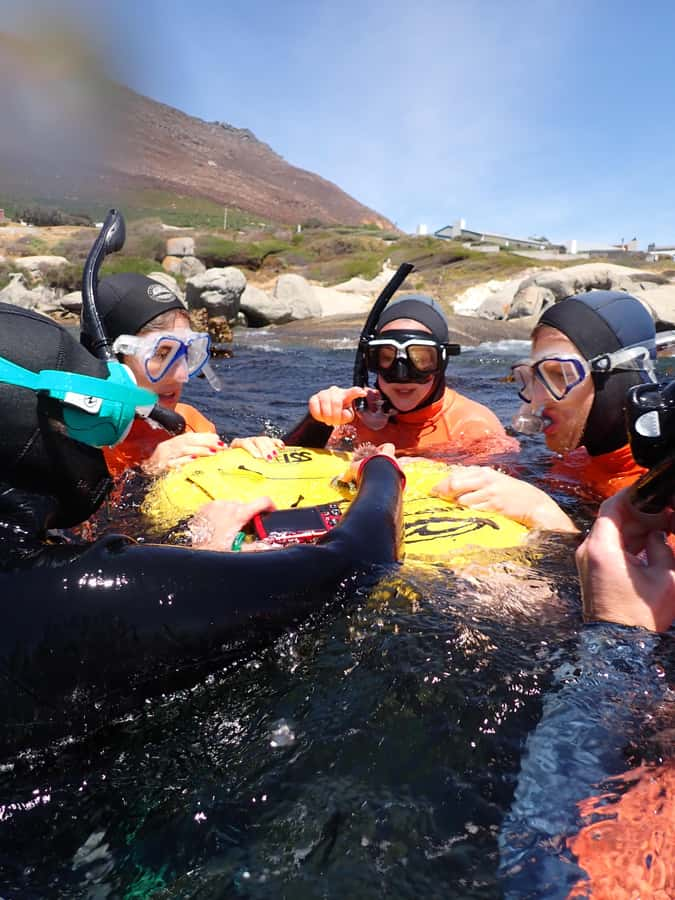
You meet at the Cape RADD base on the shore of False Bay, inside the center. This matters for two reasons.
First, False Bay is the working area for this sea-forest snorkeling. You’re not traveling across town and switching habitats. You’re getting a focused experience in the kelp zone the team studies.
Second, being at the coast with a small group means you’ll likely spend more time in the water and less time waiting around. The format is built for a 2-hour outing, so the day’s flow is usually: meet, gear up, briefing, then straight into the kelp.
Timing details like low tide show up in the experience as well. One review mentioned the group was onsite at low tide, and that shaped how the guide planned depth—starting in shallower water for comfort and then going deeper once everyone was ready.
The 2-hour flow: what happens before, during, and after your snorkel
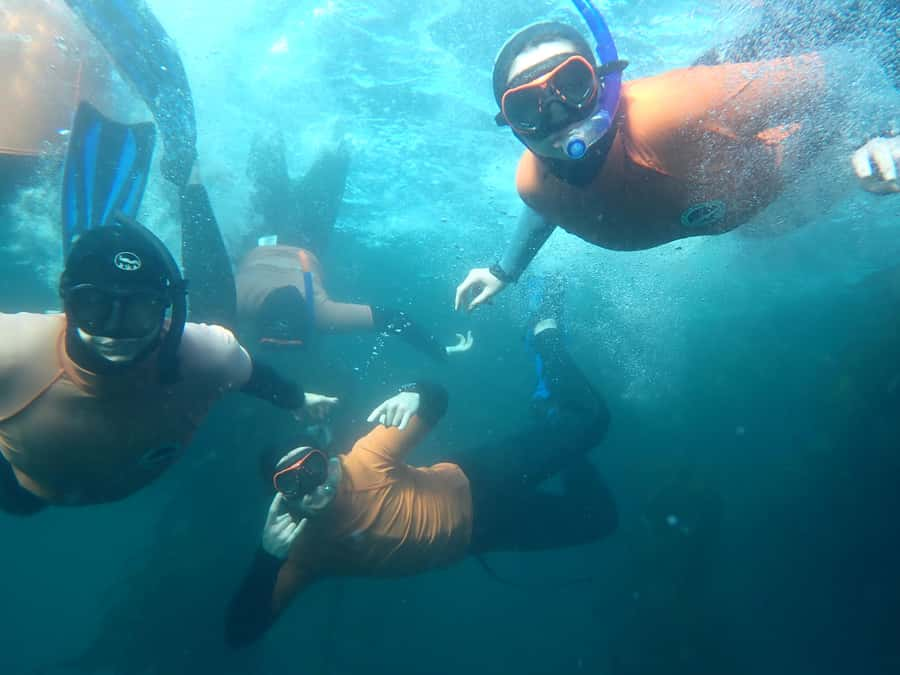
Even without a minute-by-minute schedule, the order of events is pretty clear:
1) Briefing that sets your “underwater eye”
Before you snorkel, you get an in-depth briefing led by a marine biologist. This briefing isn’t generic. It’s designed to help you recognize the small stuff that would otherwise look like random bits of the kelp.
You’ll get explanations tied to the research and the habitat. People describe learning about how octopus hunt, where shysharks like to hide, and why sea urchins have that so-called hat look. You’ll also be oriented to the shark part of the study—what you’re trying to document and how your photos fit into the project.
In practical terms, this briefing helps you avoid the most common snorkel letdown: swimming around and seeing “some sea plants.” Instead, you start noticing behavior, hiding spots, and the way animals use the kelp as structure.
2) Gear up in wetsuit and snorkel kit
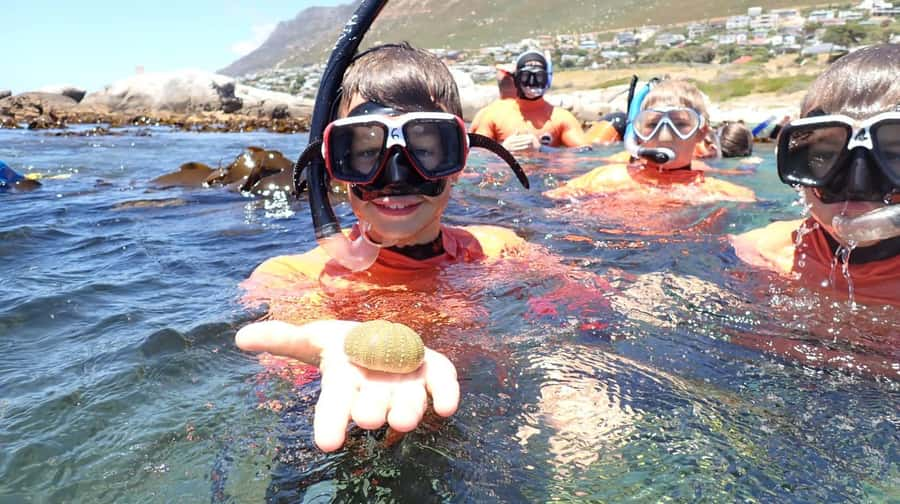
Snorkeling equipment is included: mask, snorkel, fins, and wetsuit. That wetsuit matters here because kelp-forest snorkeling can be colder than you expect, depending on conditions. You also should bring swimwear and a towel.
This is not a “barely get your hair wet” experience. One reviewer even pointed out that snorkel skill matters more here than in some warm, open-water spots: you’re working through a forest of plants. You’ll want to be comfortable keeping your head above water and moving with control.
3) The snorkel: guided through kelp, not just around it
Once you’re in, the guide leads you through the Great African Sea Forest. The goal isn’t speed. It’s sighting and understanding.
You’ll likely spend time at both shallower and deeper spots. One person described a transition: an intro in shallower water first, then a deeper section around 5–6 meters where they finally felt the excitement of swimming along the kelp. That tracks with how guides manage group confidence—start easier, then go where you’ll see more if conditions and comfort allow.
4) Your science role: shark photo identification
The tour includes photos, and it also includes your involvement in shark research. You’ll be finding and collecting photo identification of a friendly endemic shark species as part of the study.
This is where the experience becomes more than scenery. When you’re looking with purpose—trying to capture identifying features in a specific way—you naturally slow down, pay attention, and see more of what’s around you. That often means you spot extra life beyond sharks: octopus, sea urchins, sea stars, and other kelp-forest animals.
5) After the water: photos and a conservation “close”
You’ll finish back at the center with included photos from the snorkel. There’s also an Ocean Ambassador element—an honor given for your assistance with marine research. It’s not a big lecture; it’s a symbolic way of saying the work you helped with counts.
The animals and moments that people remember most
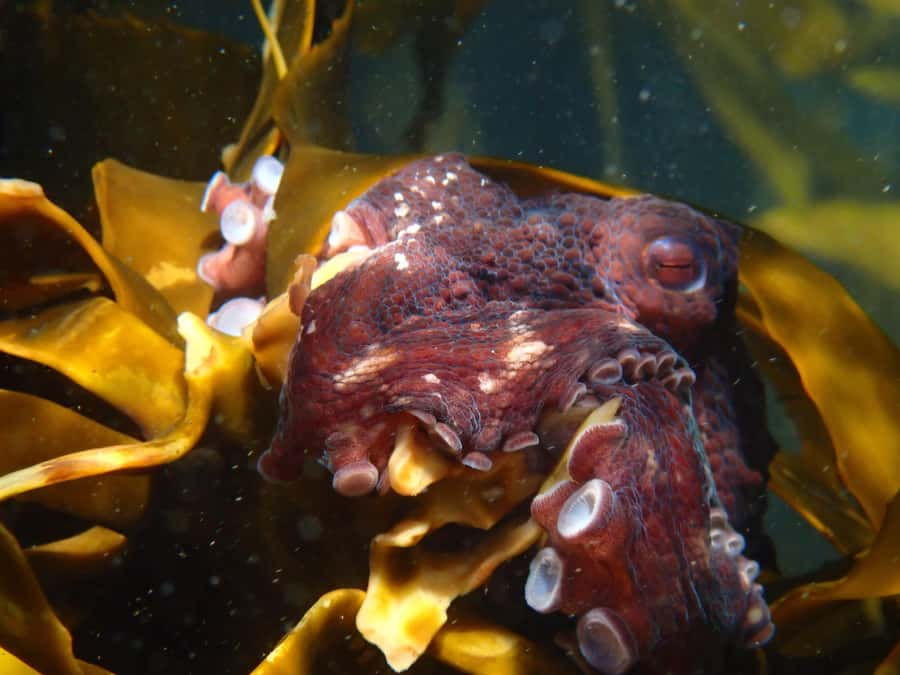
The kelp forest is where the magic is. Kelp creates a stage for behavior, hiding, and camouflage.
From the experiences people described, you can reasonably expect a mix of:
- Octopus (including hunting behavior you’ll learn about in the briefing)
- Sea urchins (people specifically mention the “hats” lesson)
- Sea stars / starfish
- Other kelp-forest species like abalone
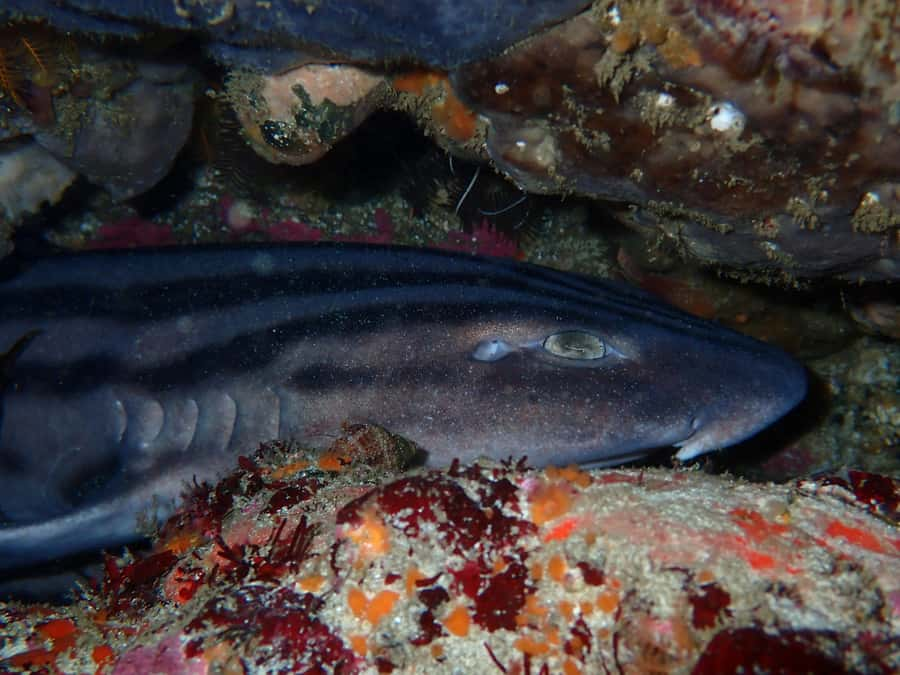
- Occasional sightings of sharks, including shysharks and the endemic species tied to the study
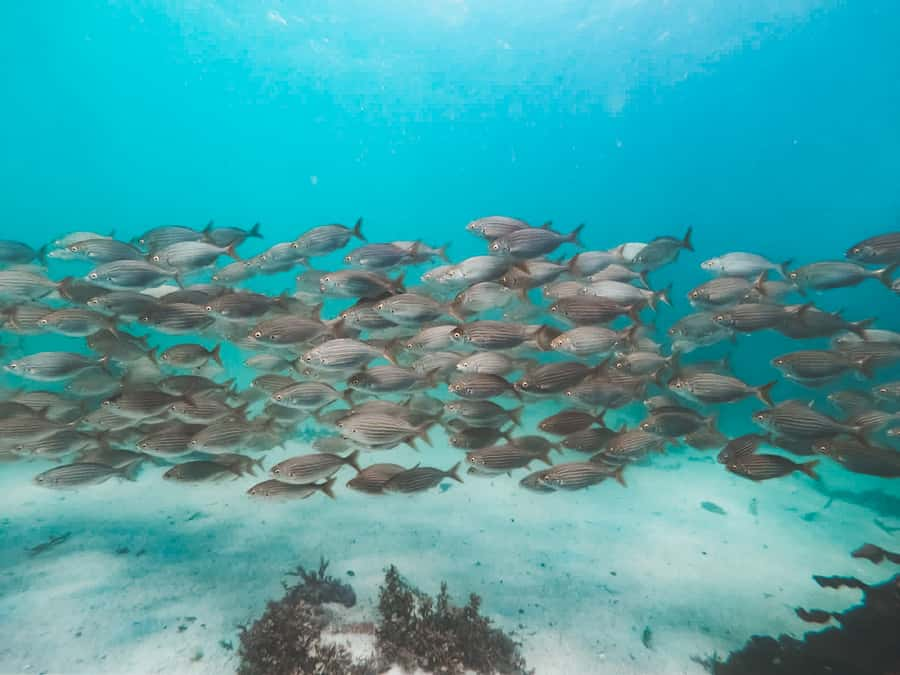
Some nights (and days) are built around the kelp itself. One review highlighted the beauty of huge swaying kelp trees and lots of small life. Another stressed that even when the elusive shysharks weren’t seen, the team still delivered a strong kelp-forest experience with octopus and plenty of other creatures.
If you’re hoping for a shark photo for your own memories, keep expectations flexible. If a shark does show up, it’ll feel like you lucked into something special. If it doesn’t, you’ll still come away with a solid education and lots to observe.
Ocean Ambassador and FinSpotter: how the tour extends past 2 hours
Two features push this tour beyond the typical “snorkel and leave” format.
Ocean Ambassador honor
The tour includes an Ocean Ambassador honor for your assistance with marine research. It’s a small but meaningful acknowledgment. For me, that fits the whole point of doing this with a marine biology team—you’re not just consuming nature, you’re supporting how people learn and protect it.
FinSpotter app access for shark sightings
You also get special access to the FinSpotter app to stay updated on your shark sightings. That’s a nice bridge between your time in the water and the ongoing work afterward. Instead of the experience ending when you dry off, you have a way to check what’s been seen and where.
Price and value: is $74 for 2 hours actually fair?
At $74 per person for a 2-hour small-group snorkel, the value comes from what’s included—not just that it’s a guided activity.
You’re getting:
- A marine biologist guide and in-depth briefing
- Snorkeling equipment (mask, snorkel, fins, wetsuit)
- Photos
- A structured role connected to shark research
For Cape Town, this is a solid deal if you want both entertainment and contribution. The included photos also matter because kelp forests are not easy to photograph with your own gear. Having a team take photos saves you from the tradeoff of trying to film and snorkel at the same time.
Where value can shift is in what you personally expect. If your #1 goal is guaranteed shark sightings, you may feel a bit let down on a day sharks don’t show. If your goal is a kelp-forest experience plus education plus the chance to contribute, this price feels more than reasonable.
Safety and comfort: who it suits (and who should skip it)
This isn’t marketed as a high-fitness challenge, but it does require comfort in the water. The activity runs rain or shine.
The tour says you need to be able to swim, or at least feel comfortable in the water. That’s not a “you must be Olympic” requirement, but it’s a real factor for choosing the right trip.
It also is not suitable for:
- Children under 10
- Pregnant women
- People with mobility impairments
- People over 95
If you’re a confident snorkeler who understands you’ll be moving through kelp (not an open reef), you’ll probably enjoy this more. One review noted that snorkeling here can be harder than in some other places because you may need to go through kelp structures to see the good stuff—staying on the surface can mean fewer views.
Practical tips to get the most out of your snorkel day
Based on the vibe of the guides and what people noticed, here’s what helps:
- Bring swimwear and a towel, and plan to warm up afterward since you’ll be in a wetsuit.
- If you’re nervous, take the briefing seriously. The guides use that start-up explanation so you can look with intent once you’re in the kelp.
- Expect the group to start easier and then potentially go deeper if conditions and comfort allow.
- If you care about shark sightings, know that sightings are still wildlife sightings. You’re more likely to get a great experience by focusing on the kelp ecosystem as the main event.
- If you’re sensitive to hot surfaces on short transfers, wear flip-flops or water-friendly footwear for the walk/transport portion. One review mentioned an uncomfortable transport detail on hot ground (they had no shoes), so don’t repeat that mistake.
My verdict: should you book this Cape Town sea-forest snorkel?
Book it if you want:
- A small-group snorkeling experience with a marine biologist at the front of the class
- A real chance to contribute to shark photo identification (not just watch from the sidelines)
- Included underwater photos and a thoughtful conservation angle, capped with Ocean Ambassador recognition
Skip it (or choose another format) if:
- You need guaranteed shark sightings on your schedule
- You’re not comfortable swimming or you dislike moving through a kelp-filled underwater environment
- You fall into one of the not-suitable categories
If you match the vibe—curious, comfortable in the water, and happy learning while you snorkel—this is one of the better ways to experience Cape Town’s coastline as a living system, not just a view.
FAQ
How long is the snorkeling tour?
The tour lasts 2 hours.
Where do we meet for the Cape RADD guided snorkel?
You meet inside the Cape RADD base on the shore of False Bay.
What’s included in the price?
The package includes a marine biologist guide, snorkeling equipment (mask, snorkel, fins, wetsuit), photos, and an in-depth briefing.
Do I need to be a strong swimmer?
Yes, you need to be able to swim or at least be comfortable in the water.
What should I bring with me?
Bring swimwear and a towel.
What’s the group size?
It’s a small group limited to 8 participants.