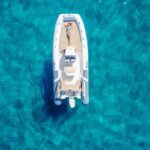
REVIEW · SARDINIA
Dolphin watching and snorkeling in Figarolo
Book on Viator →Operated by DST - Diving & Snorkeling Team · Bookable on Viator
Dolphins and snorkel stops in Sardinia’s wild north. I love the dolphin focus at Capo Figari and the planned snorkel breaks on the way. The best part is that the guides, including Adriana (and often Fabiana and Lucho as noted in feedback), keep things engaging, with clear explanations about what you’re seeing and how dolphins behave.
The one real consideration: this trip depends on good weather, so rougher conditions can affect whether everything runs as planned. If you’re prone to seasickness or you’re traveling with a small child who’s not yet 4, it’s worth factoring that in before you commit.
In This Review
- Key Things You’ll Notice on This Dolphin + Snorkel Trip
- From Olbia Marina to Capo Figari: how the 3½ hours work
- Dolphin watching around Capo Figari: what you’re actually looking for
- Cala Greca and Cala Moresca swim stops: why short water breaks matter
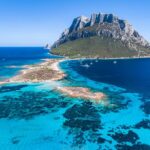
- Figarolo Island: the calm payoff of the underwater world
- Meeting point details you should care about (DST Olbia Escursioni in barca)
- The guide experience: why Adriana, Fabiana, and Lucho get mentioned
- Price and value: is $84.10 worth 3½ hours in Sardinia?
- Who should book this dolphin + snorkeling tour (and who shouldn’t)
- Should you book Dolphin watching and snorkeling in Figarolo?
- FAQ
- Where does the tour start and end?
- How long is the dolphin watching and snorkeling tour?
- What language is the tour offered in?
- What’s the minimum age for children?
- Is the tour suitable for people with mobility limitations or weight limits?
- How large are the groups?
- What happens if weather is poor or I need to cancel?
Key Things You’ll Notice on This Dolphin + Snorkel Trip
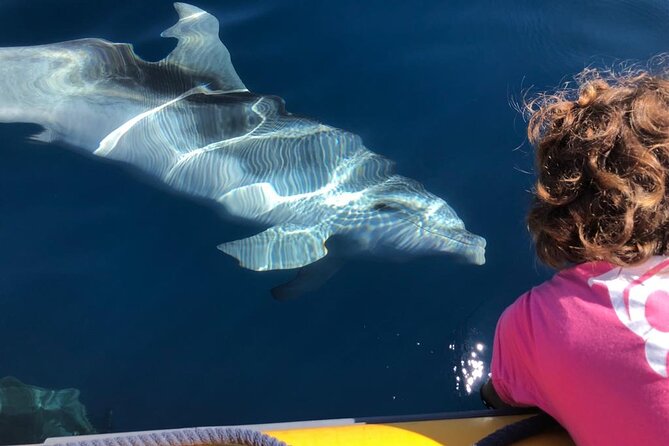
- Capo Figari dolphin watch: designed around the headland area where sightings are more likely
- Multiple water stops: Cala Greca, Cala Moresca, and Figarolo Island each get time to swim or snorkel
- Small group size (max 12): easier listening and a more personal feel on deck
- Ecology-focused guidance: the guide role isn’t just spotting—it’s also interpreting dolphin behavior
- Sustainable sighting standards: operators are trained to encourage environmentally responsible watching
From Olbia Marina to Capo Figari: how the 3½ hours work
This is a 3 hours 30 minutes outing that starts and ends back at the same meeting point in Olbia, at DST Olbia Escursioni in barcaMarina di on via Piovene. It’s also listed as near public transportation, which matters because you don’t want the start of a short day to turn into a mini quest.
The trip runs with a small headcount—up to 12 travelers—so you’re not lost in a crowd. That changes the vibe. You can actually hear the guide when they’re describing what dolphins do when they surface, and you can ask questions without waiting for a microphone line. This matters most because the tour isn’t only about swimming; it’s also about learning how to watch.
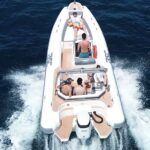
You’ll head out toward the Capo Figari area by boat. From there, the route shifts into scenic cruising with dinghy stops at swim/snorkel locations. Think of the day as a series of short, high-payoff moments rather than one long stretch where you’re stuck waiting.
A practical note: it’s offered in English, and you’ll receive a mobile ticket. If you’re the type who likes to have everything ready to go, this keeps things simple.
You can also read our reviews of more dolphin watching tours in Sardinia
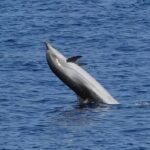
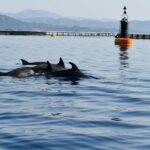
Dolphin watching around Capo Figari: what you’re actually looking for
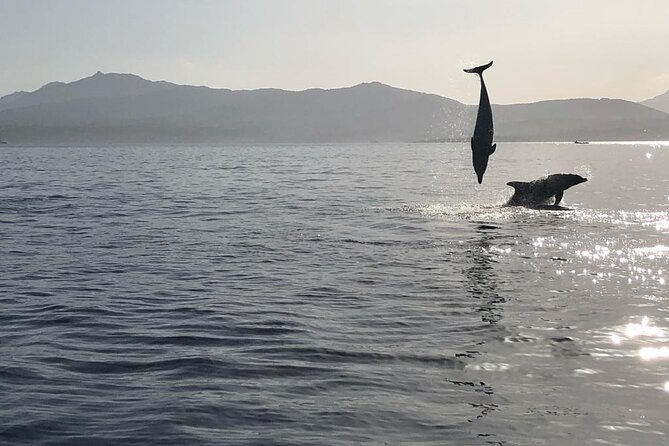
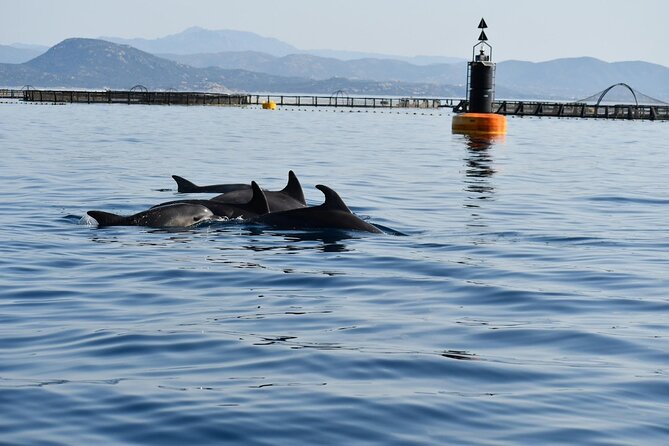
Capo Figari is the centerpiece. The tour is built around the high-probability chance of spotting dolphins in the waters around the headland. You’re not being told to just stare into the distance and hope. The guide’s job is to help you read dolphin behavior in real time.
Here’s what to watch for during the sighting window:
- Dolphins may break the surface and play, so don’t only look when the sea is perfectly calm
- If the guide points out activity cues, follow them—dolphins often show up where the water changes a bit, not where you first started looking
What I like about this setup is the education angle. You’re not just collecting a photo. The operators are trained to explain dolphin ecology, characteristics, and behavior. When you understand what you’re seeing, the whole experience becomes less random. Instead of chasing moments, you learn how dolphins use the water around coastlines.
And there’s a sustainability piece baked into the way sightings are handled. The operators focus on environmentally sustainable conduct during the sighting. In plain terms: dolphin watching should not mean chaos in the water or unsafe behavior around wildlife. That mindset is a big part of why this type of tour can feel respectful instead of intrusive.
One small heads-up: dolphin watching is never guaranteed, even with “high probability.” The tour design gives you multiple chances through the route and the focus on the Capo Figari area, but you should still treat it as nature doing nature things.
Cala Greca and Cala Moresca swim stops: why short water breaks matter
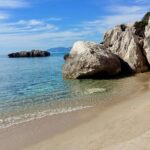
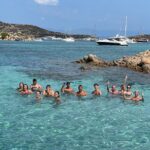
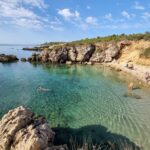
After you leave the Capo Figari area, the day shifts into scenic stops. Dinghies make visits to Cala Greca and Cala Moresca, where you get time to jump in and enjoy the clear water. The way this is scheduled is smart for two reasons.
First, it keeps the day comfortable. A 3.5-hour total trip doesn’t leave room for one long activity that drains you. Instead, you get manageable chunks: cruise, then swim/snorkel time, then move on.
Second, it matches the way snorkeling works best in coastal conditions. You’re not locked into one spot for hours. You get variation—different water feel, different underwater visibility, and different shoreline context—so the snorkeling time tends to feel more like a sequence of mini-explorations than one repetitive look.
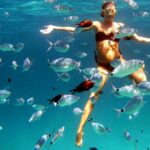
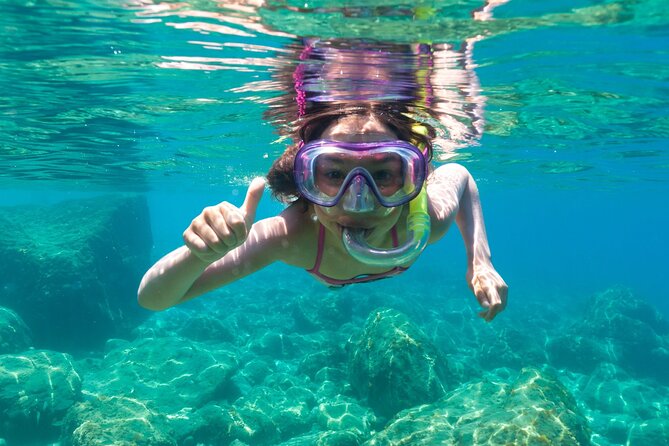
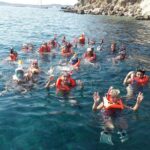
What you’ll do at these stops is straightforward: you can swim and snorkel in the refreshing water. Since the tour is built around seeing the underwater world, the water time is the heart of the “snorkeling” part, not a token 5-minute break.
If you want to feel most prepared, bring your own basic comfort items if you have them—things like a snorkel mask that fits well, or water-friendly footwear—because it’s your comfort that makes snorkeling enjoyable. (The tour does not list what equipment is provided, so having your own gear is the safest bet.)
Figarolo Island: the calm payoff of the underwater world
Figarolo Island is the other big draw, and it sits at the end of the scenic loop. The itinerary includes time at the island itself, again with dinghy stops so you can swim or snorkel.
This is where the tour’s balance really shows. It combines wildlife watching with water exploration, and it doesn’t shove everything into the same moment. By the time you reach Figarolo, you’ve already had the dolphin focus and a couple of water breaks. That pacing helps you actually enjoy each part rather than feeling like you’re running from one activity to another.
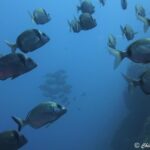
In practical terms, you’ll get time to explore the underwater world around Figarolo. The tour description emphasizes clear water and snorkeling, which is exactly what you want from a coastal island stop: less time feeling “on a boat,” more time experiencing the sea up close.
And because the operators focus on education during the sightings and the overall experience, snorkeling isn’t just about drifting and hoping. Even if you’re not able to identify every fish or detail, learning how to look—how to move calmly, how to stay aware of wildlife and water conditions—makes a noticeable difference.
Meeting point details you should care about (DST Olbia Escursioni in barca)
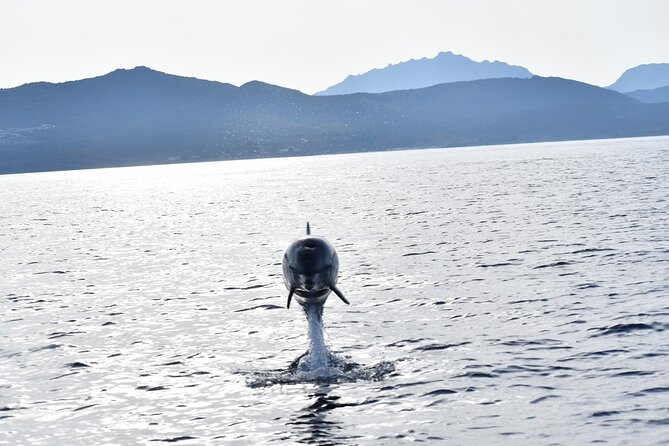
The start point matters more than most people think because this is a tight half-day tour. You’re meeting at DST Olbia Escursioni in barcaMarina di, via Piovene, n.8, 07026 Olbia SS. The tour ends back at the same meeting point, so you don’t need to think about transfers at the end of your trip.
Also keep in mind that it’s not listed as “accessible for all.” It’s not suitable for people with motor disabilities, and it has a weight limit of 286 lbs (130 kg). If mobility is a factor for you, it’s worth checking with the provider before booking so you don’t end up with an unpleasant surprise on the day.
The tour is described as “most travelers can participate,” and it welcomes families with small children—but it’s not suitable for children under age 4. So if you’re planning a family outing, age timing is the key constraint.
You can also read our reviews of more snorkeling tours in Sardinia
The guide experience: why Adriana, Fabiana, and Lucho get mentioned
One of the strongest themes in the feedback is the guides themselves. Adriana stands out as engaging and fabulous at keeping the group involved. Fabiana and Lucho are also described as very nice professionals who resolve doubts about the marine world.
That’s important because dolphin watching can feel repetitive if the guide just points and watches. The value here is that the guide helps you connect dots: behavior, ecology, and what you should look for when dolphins move near the surface.
If you like tours where you learn something real—without turning it into a classroom lecture—this one fits. You’re getting short, practical knowledge tied to what’s happening right then. That kind of interpretation makes wildlife encounters feel more meaningful.
And because the operators are trained for environmentally sustainable conduct, you’re not only watching animals; you’re learning how responsible watching should look in action.
Price and value: is $84.10 worth 3½ hours in Sardinia?
At $84.10 per person, this isn’t a throwaway activity. But it also isn’t priced like a private charter. The value comes from what’s included in the “package feel”:
- Boat time from Olbia toward Capo Figari
- A high-probability dolphin watching focus
- Scheduled dinghy stops for swimming/snorkeling (Cala Greca, Cala Moresca, Figarolo)
- An English-speaking guide who explains dolphin behavior and marine ecology
- A small group limit (max 12), which generally improves the quality of the experience
- A sustainability-focused approach to dolphin viewing
So you’re paying for more than a seat on a boat. You’re paying for guided interpretation and multiple chances to get into the water during the same short outing.
If you’re comparing against “single-stop” marine tours, you can see where the money goes. Two or three swim opportunities inside a 3.5-hour window tends to feel like better use of time—especially in Sardinia, where weather and daylight both matter.
Booking wise: it’s described as being booked about 8 days in advance on average. That’s a good sign that dates can fill, especially in the season. If you have flexible plans, you might wait. If you have fixed travel days, earlier booking is usually the smart move.
Who should book this dolphin + snorkeling tour (and who shouldn’t)
You should strongly consider this if you:
- Want a short Sardinia outing with both wildlife watching and water time
- Like guides who explain what you’re seeing (Adriana/Fabiana/Lucho style)
- Prefer small groups (max 12) so questions and attention don’t get swallowed
- Are comfortable with the idea that good weather is essential for the experience to run well
You might want to skip it or rethink it if you:
- Need motor accessibility support. It’s not suitable for people with motor disabilities.
- Are traveling with a child under 4.
- Have a weight limit concern over 286 lbs (130 kg).
- Are likely to struggle in potentially choppy coastal conditions. The tour requires good weather, and the sea is part of the deal.
Families can fit well here as long as the child meets the age requirement. The overall tone feels designed for a mixed range of ages, as long as everyone can handle being out on the water and in and out of the dinghy stops.
Should you book Dolphin watching and snorkeling in Figarolo?
If your priority is a well-run, small-group half day that blends dolphin watching with actual snorkeling time, I think this one earns a yes. The combination of Capo Figari dolphin focus, multiple water stops (Cala Greca, Cala Moresca, and Figarolo), and an education-first guide approach makes the time feel purposeful.
Also, the guide praise matters. When people highlight Adriana’s engagement and the way Fabiana and Lucho handle questions, that’s usually a sign the experience won’t feel like you’re just along for the ride.
The main reason to hesitate is simple: weather dependence and the physical limitations listed for age, mobility, and weight. If you fit within those boundaries and you’re aiming to spend your Sardinia time watching dolphins responsibly and snorkeling in clear coastal water, this is a strong book.
FAQ
Where does the tour start and end?
It starts at DST Olbia Escursioni in barcaMarina di, via Piovene, n.8, 07026 Olbia SS, Italy, and it ends back at the same meeting point.
How long is the dolphin watching and snorkeling tour?
The tour lasts about 3 hours 30 minutes.
What language is the tour offered in?
The tour is offered in English.
What’s the minimum age for children?
This activity is not suitable for children under age 4.
Is the tour suitable for people with mobility limitations or weight limits?
It is not suitable for people with motor disabilities, and it has a weight limit of 286 lbs (130 kg).
How large are the groups?
The tour has a maximum of 12 travelers.
What happens if weather is poor or I need to cancel?
The tour requires good weather. If it’s canceled due to poor weather, you’ll be offered a different date or a full refund. You can cancel for a full refund up to 24 hours in advance.