REVIEW · LEIGH
Goat Island Guided Snorkeling Tour for Beginners
Book on GetYourGuide →Operated by Goat Island Dive & Snorkel · Bookable on GetYourGuide
Goat Island makes snorkeling feel possible. You’ll get fitted, learn how to breathe and look around underwater, and snorkel a protected area built for first-timers at Goat Island Marine Reserve. I especially liked the beginner-focused instruction that keeps things calm and practical right from the start.
I also love the value twist: after your guided session, you can use the snorkel gear for the rest of the day until 5pm. The main trade-off is the setup is self-drive, and the tour is intentionally kept in shallow water so you build comfort before anything farther out.
In This Review
- Key moments that make this tour work well
- Why Goat Island is such a smart first snorkel stop
- Price and time: what your $56 really buys
- Before the water: gear fitting that sets you up
- Your 150 minutes: the lesson plan from shore to sea
- What you’ll see in the reserve: fish, rays, kelp, and surprises
- Safety rules that help you relax (and what they mean)
- Who this beginner tour is best for
- Using your snorkeling gear until 5pm: the best kind of extra time
- Photo support and guide energy you’ll actually feel
- Practical tips so you don’t lose time at Goat Island
- Should you book this beginner snorkeling tour?
- FAQ
- How long is the Goat Island guided snorkeling tour for beginners?
- Where do I meet for the tour?
- Is transport from the shop to the marine reserve included?
- What’s included in the price?
- What do I need to bring?
- Do I need to be able to swim?
- Are there age limits?
- What rules are there in the water?
Key moments that make this tour work well
- Shallow-water practice first so you get used to the mask, fins, and that odd new underwater breathing feeling
- A full safety briefing before you enter the water so you know what to do if anything feels weird
- A natural aquarium setting with colorful fish and kelp in New Zealand’s first marine reserve
- Guides who talk you through it in English, which matters when you’re new to ocean conditions
- Your gear stays available until 5pm, so you can keep exploring at your own pace
Why Goat Island is such a smart first snorkel stop
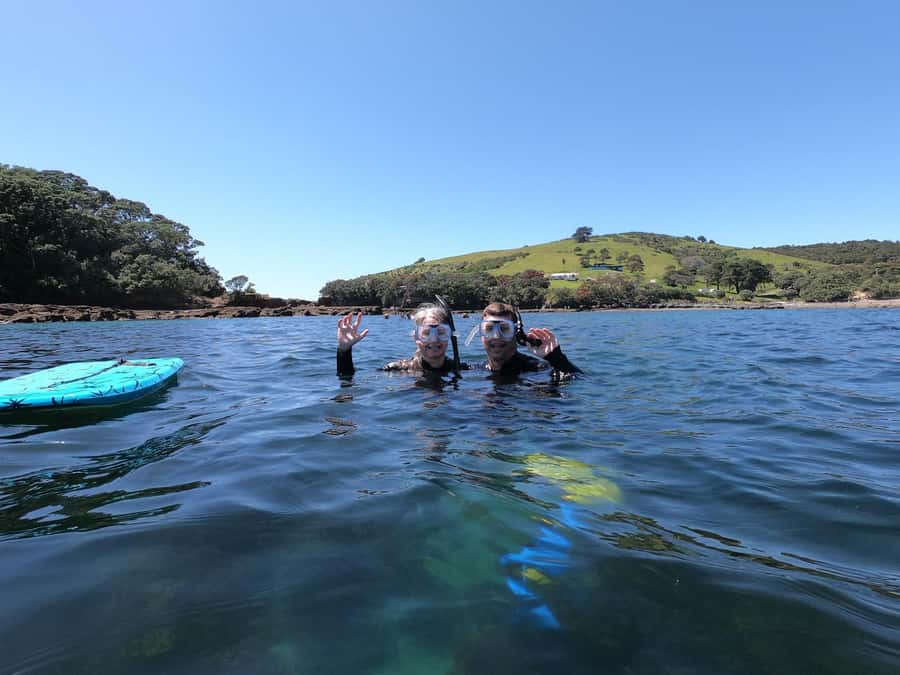
If you’ve ever stared at the ocean and thought, I want to do that, but I’m not sure I can, Goat Island is set up for you. This is a guided snorkeling experience designed for beginners, including people who are new to being in the water.
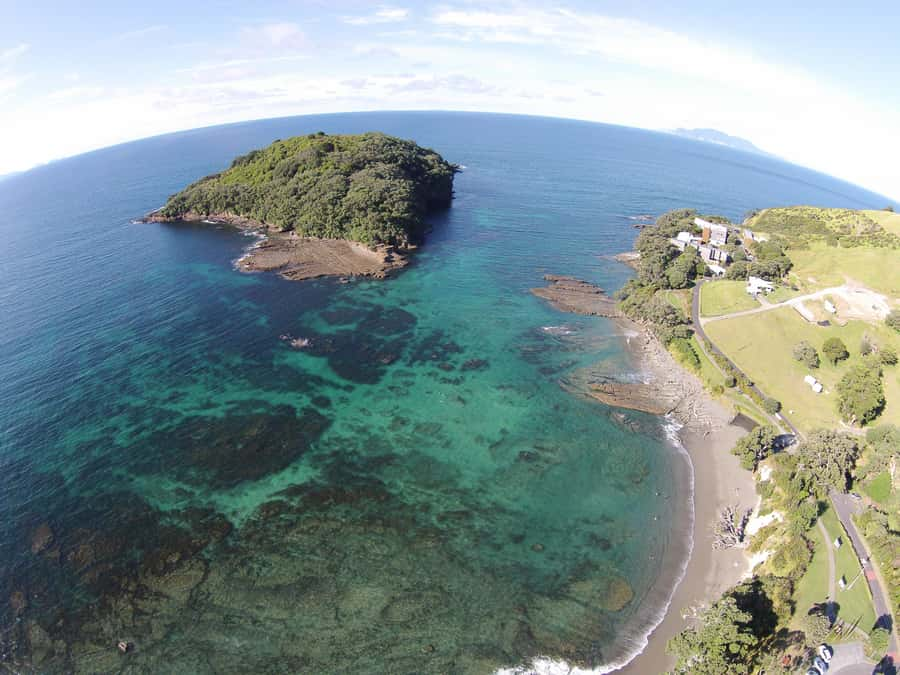
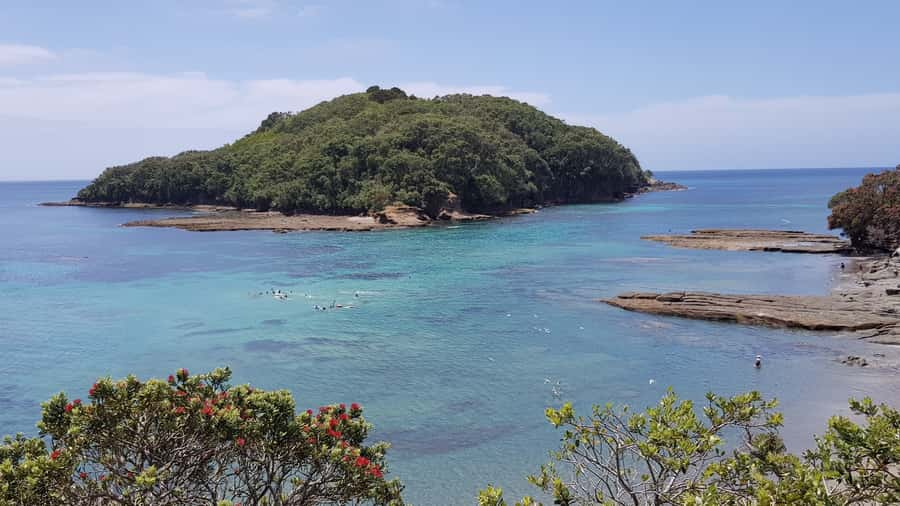
The big reason it’s a good learning environment is the Goat Island Marine Reserve itself. It’s New Zealand’s first marine reserve, and it’s known for clear shallow habitat where you can see marine life without having to “perform” in rough water.
You’re not pushed into the deep end. Instead, you’ll start where the water stays shallow while you get comfortable with the equipment and the view underwater. That approach takes the pressure off, and you learn by doing, not by guessing.
Price and time: what your $56 really buys
At $56 per person for a 150-minute guided tour, you’re not just paying for a short lesson. You’re paying for guided practice plus gear time that continues after the instructor wraps up.
The included gear package is a wetsuit, mask, snorkel, and fins for the tour, and you can keep using the same snorkel equipment for the rest of the day. For a first-timer, that matters because you can come back to your comfort level slowly, without rushing to make the most of a single window.
If you’re comparing options, this one is a strong value if you want structure and safety up front, then free time later. If you’d rather get in, see a quick highlight, and be done immediately, you might find 150 minutes feels like a bit more time than you need—though it’s built for confidence, not just photos.
Before the water: gear fitting that sets you up
Your day starts with check-in and getting kitted out. You’ll meet the team at the snorkel center, then you’ll be fitted with everything you need: mask, snorkel, fins, and a wetsuit. Even if you’re already comfortable in swim gear, the wetsuit and fins change how you move, so getting properly set up is part of the lesson.
Then you’ll drive yourself to the marine reserve. The transfer is short—about 2 miles (3km)—but it’s still on you to handle, since transport from the shop to the reserve isn’t included.
Once you’re at the reserve, the instructor will explain what you should expect underwater and how the session will run. This isn’t a “we’ll figure it out” setup. It’s step-by-step so you’re not wrestling with the basics while you’re trying to enjoy the ocean.
Your 150 minutes: the lesson plan from shore to sea
The tour follows a clear rhythm that beginners tend to appreciate. You’ll get introduced to the equipment and basic techniques before you enter the water, and you’ll receive a thorough safety briefing right before anyone goes in.
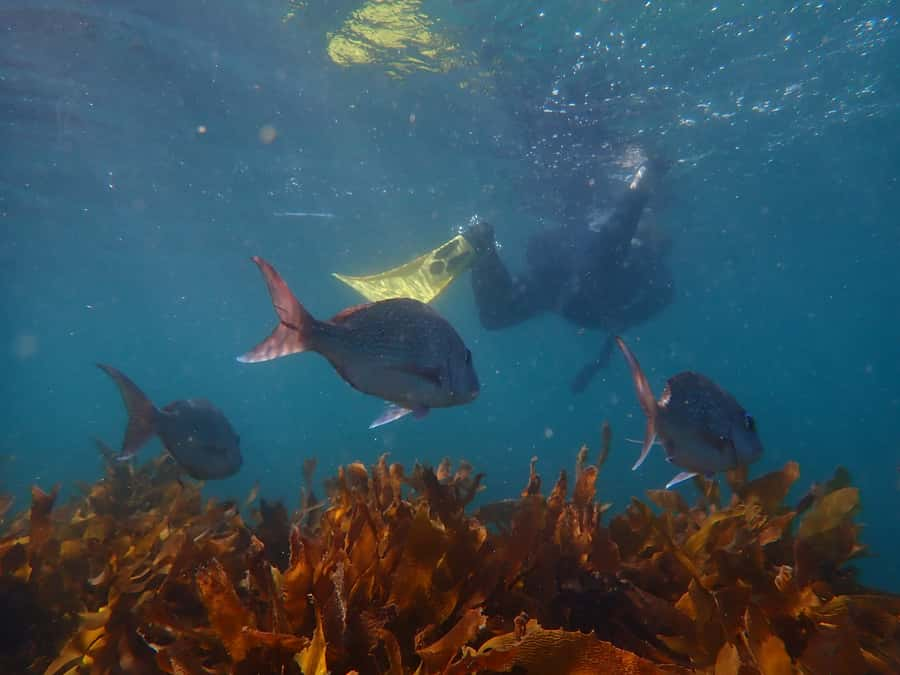
After that, everyone goes into the water together. The group stays in shallow areas while you practice with the mask and snorkel and learn how it feels to look around underwater while breathing normally through the snorkel.
Here’s what I think makes this part so effective: the goal is comfort. The tour uses special safety equipment that helps you stay afloat, so you can move naturally instead of treading water with panic energy.
When everyone looks and feels confident, the instructor guides the group farther out to continue the experience. “Farther out” doesn’t mean you’re suddenly on your own in open water, but it does add a bit of adventure once you’ve built a foundation.
What you’ll see in the reserve: fish, rays, kelp, and surprises
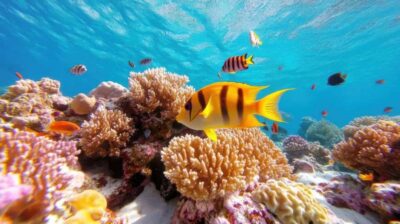
Goat Island’s marine life is a big part of the appeal, especially for beginners. The reserve is often described like a natural aquarium, and the whole point of the shallow beginner route is to put you in front of that world.
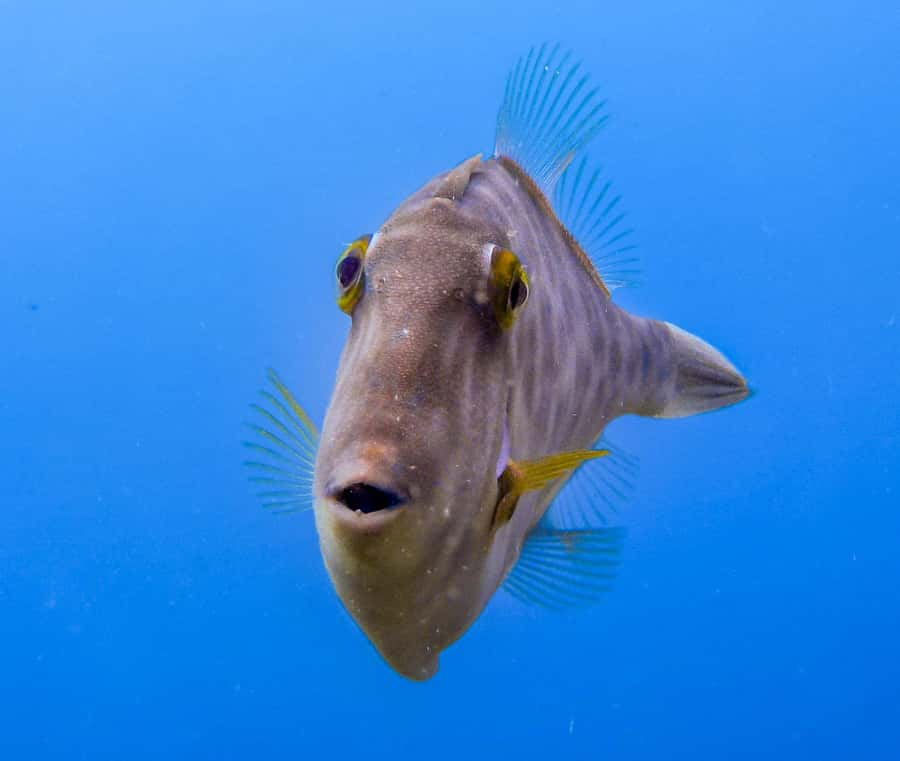
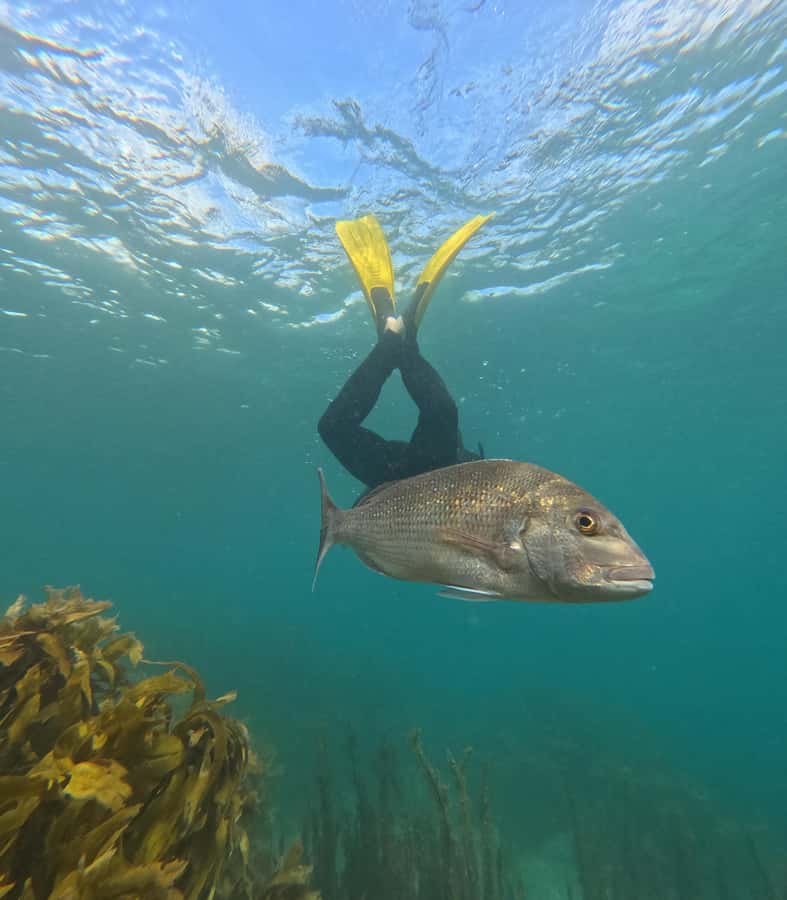
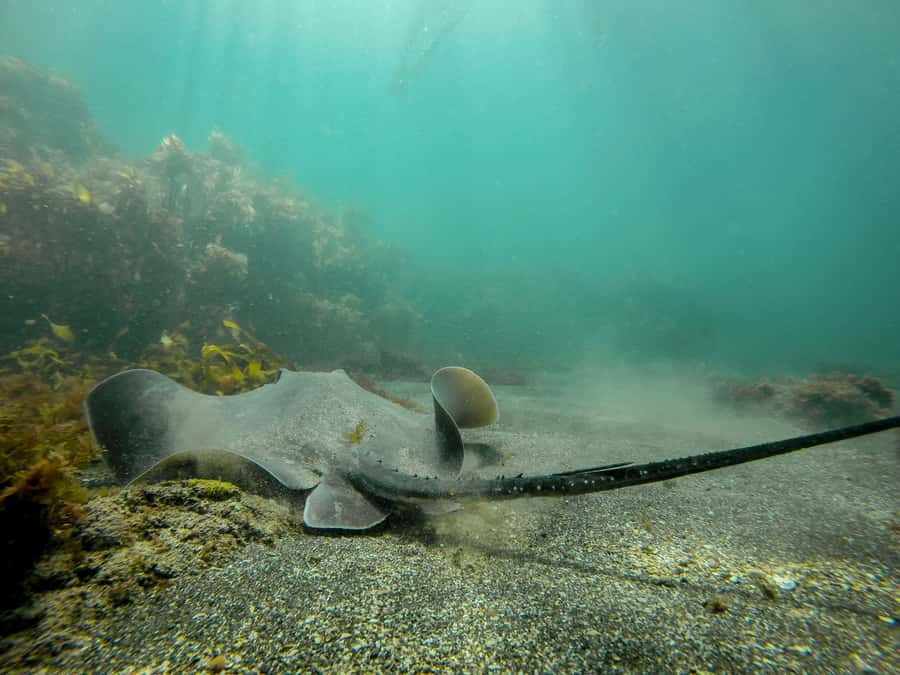
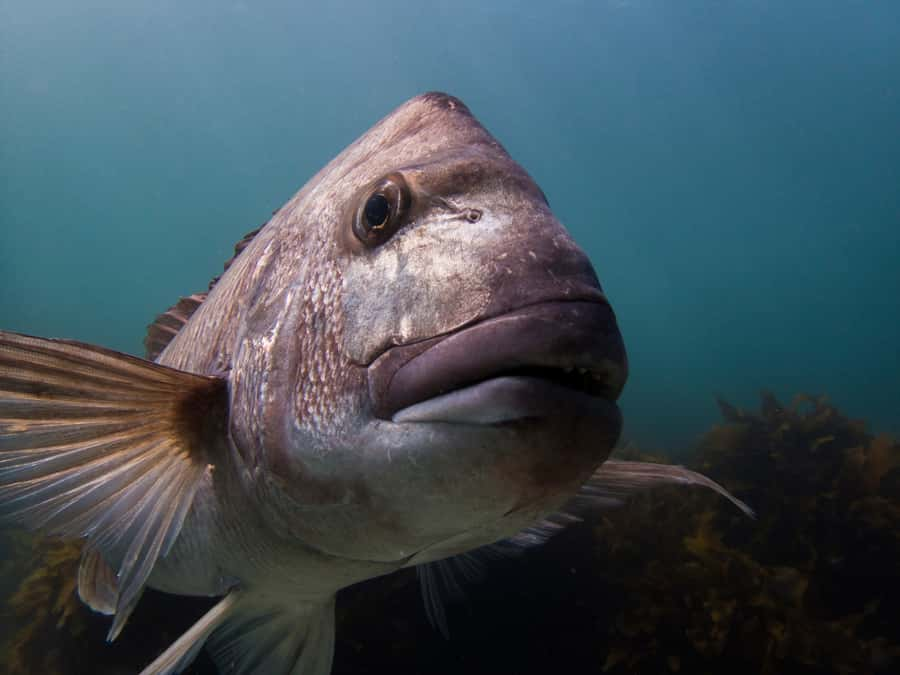
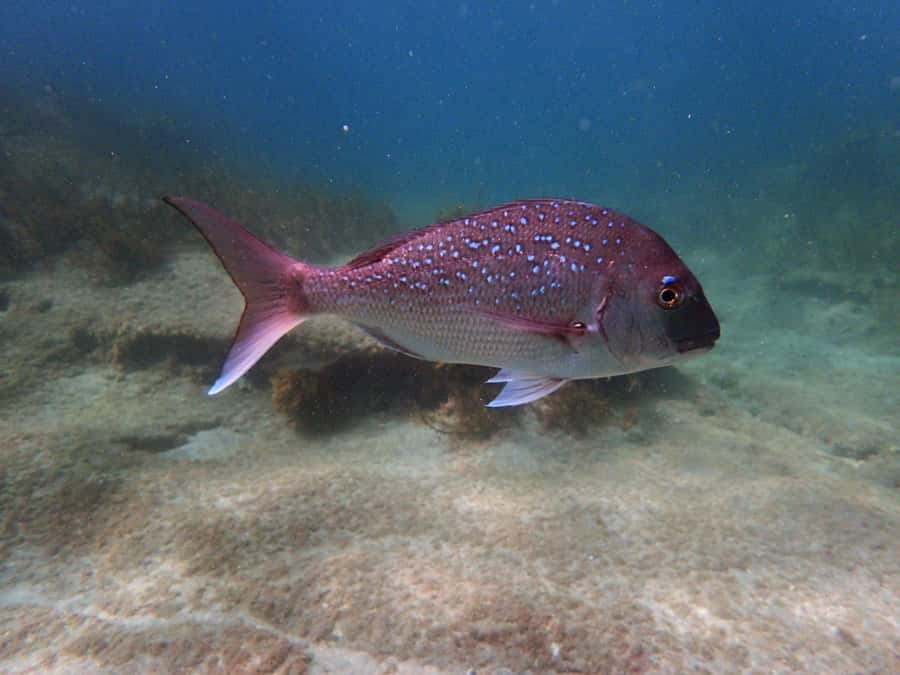
You can reasonably expect to spot colorful fish and marine animals such as Blue Maomao, Snapper, Blue Cod, Kahawai, Octopus, and Crayfish. You may also see Eagle and Sting Rays, depending on conditions and where you drift during the session.
Kelp is another highlight. When the water is clear, the kelp edges and underwater plants help frame the view. It makes the ocean feel structured, not just like you’re floating in a big empty place.
Then there’s the wild-card factor: dolphins or orca can sometimes visit the reserve, and when they do, the group may get a little extra excitement in the water. You shouldn’t count on it every time, but it’s a nice possibility in an area where marine animals are active.
Safety rules that help you relax (and what they mean)
The whole experience is built around safety and confidence. Everyone must understand safety instructions in English, and the session is led by an English-speaking instructor who stays focused on keeping the group comfortable.
You’ll also have clear rules for respectful snorkeling. Touching marine life isn’t allowed. That’s not just a moral rule—it also keeps animals safe and helps you avoid accidental stings or damage to fragile creatures.
Alcohol and drugs aren’t allowed. That’s a common-sense rule for any water activity, but it’s good to see it clearly stated here.
One more practical point: this tour uses safety equipment that helps you float. That’s a big deal if you’re nervous because you’re not relying entirely on your own endurance to stay calm.
Who this beginner tour is best for
This isn’t marketed as “for everyone,” and it shouldn’t be. It’s tailored for people new to snorkeling and also aimed at those who are new to swimming or being in the ocean.
You must be over 14 years old. That age line matters because the experience involves equipment use, ocean conditions, and safety briefing comprehension.
It also says it’s not suitable for people with pre-existing medical conditions. If you’re unsure about your fitness for this kind of activity, you should treat that note seriously and talk to a medical professional before you commit.
If you’re a nervous first-timer, this tour is a great match because the instruction focuses on calming techniques and building comfort step-by-step. If you’re looking for a high-adrenaline swim program, you may find the “shallow + confidence first” approach less thrilling than you expected.
Using your snorkeling gear until 5pm: the best kind of extra time
A clever part of this tour is the after-hours freedom. During the guided portion, you learn the setup, the movements, and what to watch for.
After the tour, you can keep the snorkel equipment for the remainder of the day until 5pm. That means you can revisit what you liked most—fish areas, kelp edges, or simply the sensation of gliding without an instructor constantly directing your every move.
This is also where value stacks up. Many beginner snorkeling tours end when the guide ends. Here, your day extends, and you can practice at your own pace once the basics feel less scary.
Some people also like taking underwater photos. If you’re bringing a camera, you’ll want a way to keep it secure. The tour area is designed for clear viewing, so a photo attempt can be worth it.
Photo support and guide energy you’ll actually feel
One of the most repeated themes is how the guides make the experience feel safe and fun. Names that showed up in recent feedback include Tiff, Sky, Kyle, Amber, Jodi, Mikayla, Sarah, and Connor.
What I’d take from that for your planning is simple: you’re not just getting instructions. You’re getting someone who keeps the tone friendly and the learning focused.
Some first-timers start out anxious, especially if they’re unsure about what “deeper” water will feel like. In that situation, a good guide helps you reset, slow down, and continue instead of abandoning the plan.
If you’re going with kids or a group that includes someone nervous, the guide support is a major reason this tour earns high marks. You get the kind of guidance that helps people relax and stay with the group.
Practical tips so you don’t lose time at Goat Island
Goat Island conditions can change, and that affects beginner snorkeling. One factor that came up is tide level. If it’s low tide around your session time, it can influence how the area feels and how far out you end up going.
That’s not something you can control, but you can control how you arrive. I’d plan to show up early to get fitted without rushing. A couple reviews emphasized arriving ahead of time to handle gear hire and briefing calmly.
Also bring the basics: swimwear and a towel. That’s what you’re told to pack, and it’s enough. If you’re wearing anything under your wetsuit setup, keep it simple so you can change easily after you’re done.
Finally, if you’re worried about English instructions, don’t assume you’ll “figure it out” once you’re in the water. The tour requires you to understand safety instructions in English, so it’s worth confirming that before you go.
Should you book this beginner snorkeling tour?
Book it if you want a first-time snorkeling experience with structure, safety, and shallow-water practice. The 150 minutes are long enough to learn the basics and feel comfortable, and the gear-for-the-rest-of-the-day option means you get more than one chance to enjoy the reserve.
Skip it if you’re hoping for a deep-water, advanced-style swim. This tour is designed around flotation support and confidence building, not exploration at bigger depths. It also isn’t for people with pre-existing medical conditions, and there’s an age limit of over 14.
If your main goal is to see New Zealand marine life up close and leave with real skills you can use on your next water day, Goat Island makes it hard to beat.
FAQ
How long is the Goat Island guided snorkeling tour for beginners?
The tour lasts 150 minutes.
Where do I meet for the tour?
You meet at the Goat Island Dive and Snorkel Center to pick up your equipment, then you drive yourself to the Goat Island Marine Reserve where the tour starts.
Is transport from the shop to the marine reserve included?
No. Transport from the dive shop to the Marine Reserve is not included.
What’s included in the price?
The price includes a guided snorkelling tour, a safety briefing, and use of all snorkel equipment during the tour. You can also use the snorkel equipment for the rest of the day.
What do I need to bring?
Bring swimwear and a towel.
Do I need to be able to swim?
This beginners tour is designed for non-swimmers too, but it is tailored for people who are new to swimming or being in the ocean. You’ll learn techniques and stay in shallow waters with safety equipment for flotation.
Are there age limits?
Yes. All participants must be over 14 years old, and it is not suitable for children under 15.
What rules are there in the water?
You’re not allowed to touch marine life. Alcohol and drugs are also not allowed.