REVIEW · MIYARA RIVER
Ishigaki: Mangrove SUP or Canoe & Phantom Island Snorkeling
Book on GetYourGuide →Operated by ISHIGAKI ADVENTURE PiPi · Bookable on GetYourGuide
A day on the water, timed to the tides. This Ishigaki outing strings together Phantom Island snorkeling and a mangrove SUP or canoe run on the Miyara River, with equipment and safety gear handled for you. I especially like the way Phantom Island can feel like a natural aquarium, and I also like the calm, low-stress paddle experience in the mangroves. The only real catch is that weather and tide can shuffle the exact snorkeling spot and the order of activities.
For most people, the value comes from the combo: one trip, two habitats, and a guide who works on both fun and safety. You’re paying for more than just a ticket—you’re getting a full set-up (snorkeling gear, life jacket, special shoes, and a wetsuit in winter) plus photo data. The drawback to think about up front: the tour isn’t for everyone, including kids under 5, pregnant travelers, people with heart problems, and anyone over 60.
In This Review
- 6 Things You’ll Love About This Ishigaki Water Day
- Phantom Island: sand that reshapes with the tide
- Hamahiga stop and the snorkeling hour: what you’ll do with your time
- Miyara River mangroves: SUP or canoe through the hirugi forest
- How the 6-hour flow really feels: speedboat, break, and switching orders
- Gear and guidance: the small things that prevent a bad day
- Price and value: why $119 can make sense on Ishigaki
- Weather, tides, and who should book (and who should skip)
- Should you book the Phantom Island + mangrove SUP or canoe combo?
- FAQ
- What’s included in the price?
- How long is the tour?
- Where do I meet and where do I end?
- Do I need to bring anything?
- Is snorkeling beginner-friendly?
- What if the weather is rough?
- What languages do the guides speak?
- Is there free cancellation and a pay-later option?
6 Things You’ll Love About This Ishigaki Water Day
- Phantom Island snorkeling where the shoreline shape changes with the tide, so the water feels different every visit
- Mangrove river time on the Miyara River, framed as a national natural treasure experience
- Choose SUP or canoe, so you can match the paddling style to your comfort level
- A full snorkeling block and a full paddle block, not a quick stop-and-go
- Photo data included, so you can focus on swimming and paddling instead of filming
- Guides who adapt, including switching plans when conditions aren’t ideal
Phantom Island: sand that reshapes with the tide
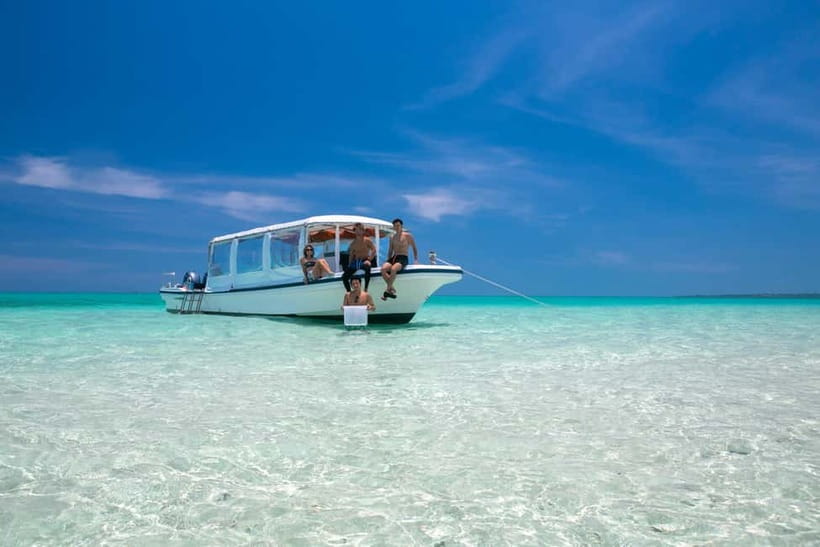
Phantom Island in Ishigaki isn’t one of those places that always looks the same. Its name comes from how the sandbank changes shape depending on the tide level, and that matters for your snorkeling experience. At certain tides, the shallow sandy edges can make it feel like you’re floating over a moving stage set.
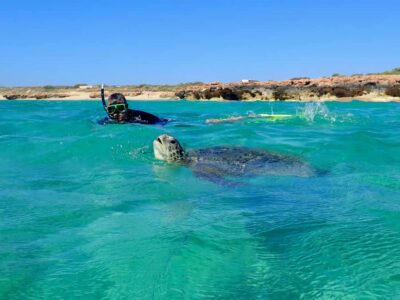
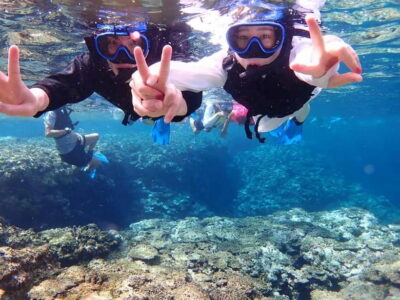
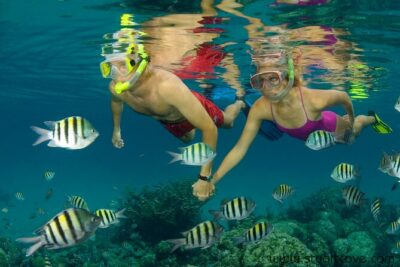
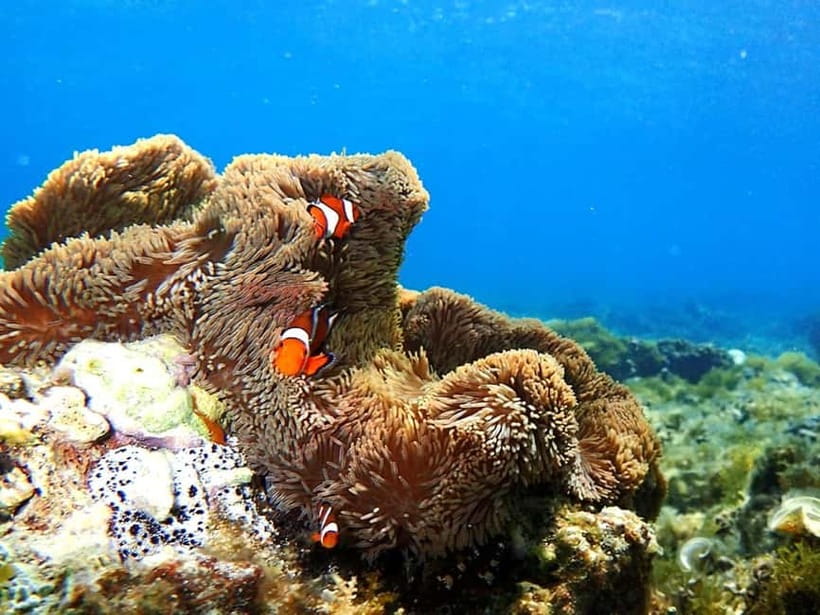
What you’re really there for is the life in the water. The tour description sets expectations clearly: you swim with a lot of fish and colorful coral, with the surrounding water likened to a natural aquarium. Even if you’re not a serious snorkeler, the setup is designed so you can enjoy the scene without needing advanced skills.
One practical note: the tour can swap snorkeling fields if the boat can’t depart due to weather. That doesn’t mean you lose the water time—it just means you should treat the exact location as tide and conditions dependent.
Hamahiga stop and the snorkeling hour: what you’ll do with your time
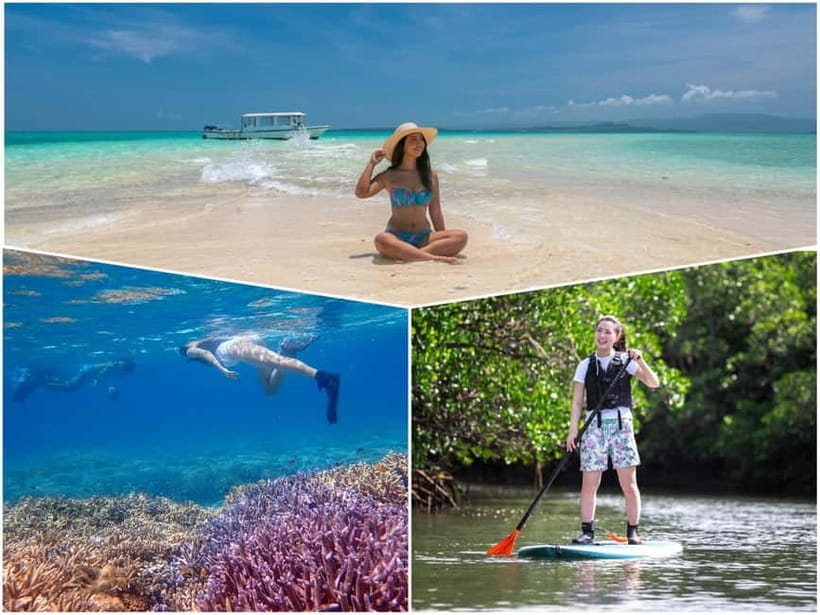
After the speedboat hop, you’ll get a stop at Hamahiga Island that includes both a photo stop and snorkeling. The snorkeling window is scheduled for about one hour, which is long enough to enjoy multiple passes along the same area instead of rushing just to see coral for a minute.
A good thing to know: snorkeling here can be more beginner-friendly than you’d expect, as long as you follow the guide’s instructions. On a rougher day, your guide’s job becomes extra important—keeping you safe, managing your gear, and choosing the best approach within the conditions.
You’ll be given snorkeling equipment and safety equipment, including a life jacket and special shoes. The special shoes are a small detail that can make a big difference when you’re stepping in and out with wet feet.
Miyara River mangroves: SUP or canoe through the hirugi forest
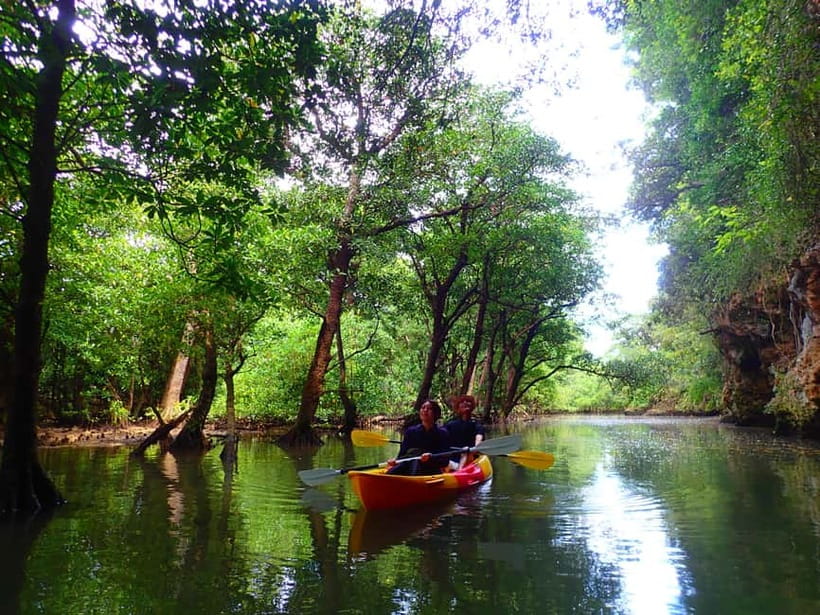
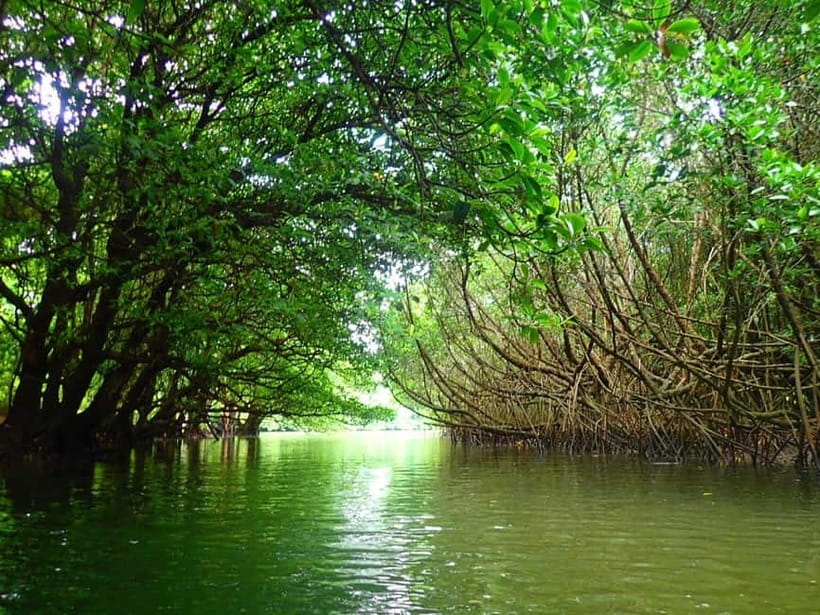
Then the day shifts from reef life to mangrove waterways. The Miyara River section is described as running through the hirugi forest, also framed as a national natural treasure. This is the slower, quieter half of the tour, and that’s a big part of why the combo works.
If you choose canoe, you’ll be paddling through the mangrove river like you’re cruising a living corridor. If you choose SUP, you’ll stand and balance while gliding through shallow channels. Either way, it’s about moving gently through a different ecosystem, not about speed.
This is also where your guide’s communication matters most. In the reviews, guides like Ayaka and Arai are praised for clear instruction in English, plus patience while you get your bearings in the water. If you’ve never done mangrove paddling before, that kind of coaching is exactly what you want.
The paddle time is scheduled for about one hour. It’s enough to feel like you’re part of the landscape, without dragging on so long that you just want to get back to dry land.
How the 6-hour flow really feels: speedboat, break, and switching orders
The tour runs about six hours. You start from one of the Yugenera Ishigaki Port ferry terminal meeting points, then head out by speedboat for around 30 minutes. After the first water block (snorkeling tied to the Phantom Island area experience), you’ll have a break of about two hours at the Euglena Ishigaki Port terminal.
That break is more than downtime. It’s your buffer for changing conditions and for cooling down after snorkeling gear and saltwater. It’s also the moment to reset—grab water and something to eat if you need it, and let your legs recover before the paddle portion.
Depending on tide level and strait conditions, the order of canoe/SUP and snorkeling can change, and the guide will confirm details the day before the tour. In plain terms: you’re not locked into one rigid script. You’re in a dynamic island schedule, and your best move is to stay reachable.
Gear and guidance: the small things that prevent a bad day
This tour includes a lot of the stuff that can otherwise turn into hassle. You get SUP or canoe equipment, plus snorkeling equipment and safety equipment. There’s also life jacket support, special shoes, and wetsuits for winter conditions.
Bring a change of clothes and a towel. Even with wetsuits, you’ll get wet—expect it. Bring drinks too, since hydration matters when you’re switching between snorkeling and paddling. Cash is listed as something to have on hand, which is useful on island days where not every place is setup for cards.
No alcohol and no smoking are listed, and baby carriages aren’t allowed. You’ll also want dirty-ready clothes, because mangrove and reef outings often mean you’ll be handling wet gear, stepping on uneven surfaces, and getting saltwater where it shouldn’t go.
What I’d call the “human value” here: the guides get repeatedly credited for kindness, adaptability, and professionalism. Sebastian is specifically praised for being friendly and accommodating, and Arai and Ayaka are praised for patient, clear English instruction while managing different participant needs.
Price and value: why $119 can make sense on Ishigaki
At $119 per person, this isn’t a cheap half-day. But it’s also not just a single activity. You’re paying for a combined day that includes:
- Snorkeling equipment and safety gear
- SUP or canoe equipment and safety gear
- Wetsuits in winter
- Photo data
- Experience fees plus liability insurance
- Sales tax
Transportation isn’t included, so factor that into your real total. If you’re already planning to be near Ishigaki’s port terminals, the tour’s structure can still feel like strong value because so many essentials come bundled.
The photo data piece is a quiet win. It reduces the need for you to bring a waterproof camera or spend the day fighting with a phone in saltwater. You can just enjoy the water while someone else captures the moment.
Also remember: the tour can adjust due to weather. If the boat can’t depart, snorkeling may happen at another field. That flexibility is part of what you’re paying for—you’re not left stranded with only a partial experience.
Weather, tides, and who should book (and who should skip)
Ishigaki is a water destination, so weather and tide aren’t minor details. The tour notes that the boat may not be able to depart depending on conditions. If that happens, snorkeling may be conducted at a different field, and the order of canoe tour and snorkel tour can change.
You’ll get the key info the day before the tour via phone number or email, and if you don’t receive it by then, the company provides WhatsApp support. Their WhatsApp contact is +8180-9508-9146. The practical takeaway: keep your contact reachable in Japan so your day doesn’t get delayed by simple communication gaps.
Now the suitability rules are important. This tour isn’t suitable for:
- Children under 5
- Pregnant women
- People with heart problems
- People over 60
If you’re within the limits, it can fit a wide range of travel styles: couples who want one memorable day, solo travelers who like guided structure, and families with older kids who can handle water activities safely.
If you’re older, pregnant, or have heart concerns, don’t treat this as negotiable. The safety stance is part of the experience design here.
Should you book the Phantom Island + mangrove SUP or canoe combo?
Book it if you want one organized day that gives you both reef snorkeling and mangrove paddling, with equipment and safety gear included and photo data taken care of. It’s a smart choice when you only have a limited window on Ishigaki and you want variety without bouncing between separate tour providers.
Skip it if you fall into the listed unsuitability categories, or if you know you’re the type who hates schedule shifts. This is a tide-and-weather dependent outing, and the tour may change snorkeling fields or swap the activity order based on conditions.
If you’re okay with that, you’ll likely come away with two different “Ishigaki looks” in one day: Phantom Island’s tide-shaped sandy world and the calm Miyara River mangrove run where the guide helps you move safely through the hirugi forest.
FAQ
What’s included in the price?
You get SUP or canoe equipment, snorkeling equipment and safety equipment (including a life jacket and special shoes), plus wetsuits in winter. Photo data, experience fees, liability insurance, and sales tax are included too.
How long is the tour?
The tour is scheduled for about 6 hours. Starting times vary, so you’ll need to check availability for the day you want.
Where do I meet and where do I end?
You meet at one of the Yugenera Ishigaki Port ferry terminal options, and the tour ends back at the meeting point.
Do I need to bring anything?
Bring a change of clothes, a towel, drinks, cash, and clothes that can get dirty. You’ll also want to be prepared to get wet.
Is snorkeling beginner-friendly?
The snorkeling portion is set up to be approachable for beginners, and guides work to make the experience work even when conditions aren’t perfect.
What if the weather is rough?
The tour notes that the boat may not be able to depart depending on weather. If that happens, snorkeling may be done at another field, and the order of activities can change. You’ll be informed the day before.
What languages do the guides speak?
The tour offers guides in English and Japanese. Depending on availability on the day, the guide may speak only Japanese.
Is there free cancellation and a pay-later option?
Yes. Free cancellation is available up to 24 hours in advance for a full refund, and there’s a reserve now & pay later option.