REVIEW · CAPTAIN COOK HAWAII
Kailua Kona: Manta Ray Night Snorkel Tour with Guide
Book on GetYourGuide →Operated by Snorkel Big Island · Bookable on GetYourGuide
Manta rays at night feel unreal. This Kailua Kona manta ray snorkel puts you in the water close to gentle giants, guided with extra attention to safety and timing. I especially like the small-boat feel people describe and the way the crew uses lighting to pull mantas in for feeding. One consideration: this is not a walk-on activity—you’ll need prior snorkeling ability and the ability to climb up a side ladder.
What makes this tour practical as well as magical is the structure. You get a short ride from Honokohau Harbor, a focused chunk of time in the water (at least 35 minutes), and a trained team in control. Guides and captains often mentioned by name include John, Jay, Bradley, Elijah, Eli, Hunter, and Captain Kelly, and the vibe is calm even when the ocean is dark and a little choppy.
In This Review
- Quick take: what you should know fast
- Kailua Kona Night Snorkel: Why Manta Rays Feel Different Here
- Getting to Honokohau Harbor: The Meeting Spot That Matters
- The Short Ride Out: Dark Water, Quick Timing, and What to Expect
- In the Water With Gentle Giants: How the LED Feeding Works
- Snorkel Time and the 2-Hour Flow: How the Stops Fit Together
- Gear, Wetsuits, and What the Crew Actually Handles
- Safety Rules You Must Read First (Especially the Ladder)
- Price of $137: Does It Feel Like Good Value?
- Who Should Book This Manta Ray Tour
- Photo and Video Tips for Night Manta Snorkeling
- Should You Book Snorkel Big Island’s Manta Ray Night Tour?
- FAQ
- How long is the Kailua Kona manta ray night snorkel tour?
- What’s included with the tour?
- Do I need to already know how to snorkel?
- Where do you meet for the tour?
- What should I bring?
- Who should not take this tour?
Quick take: what you should know fast
- LED lighting for feeding helps create the manta show, not just random sightings
- 35+ minutes in the water gives you real time, not a quick stop-and-wave
- Small-boat groups (many reports put it around 10–20) make it easier to feel settled
- Extra safety focus: CPR lifeguard certified crew and a guide in the water
- Wetsuits and snorkel gear provided, including shorty wetsuits
- You must be comfortable with the ladder and able to swim/snorkel independently
Kailua Kona Night Snorkel: Why Manta Rays Feel Different Here
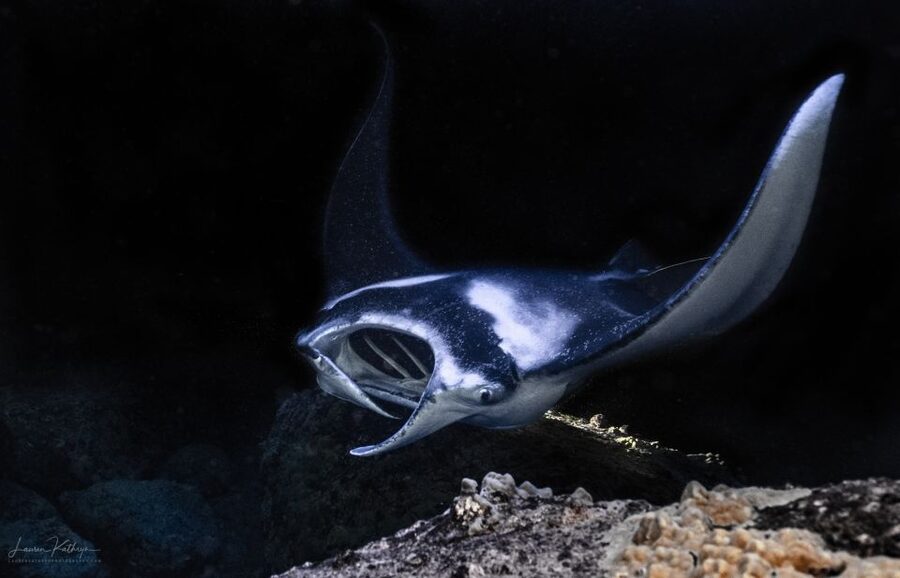
Day snorkeling is great. Night snorkeling with manta rays is a different category of wow.
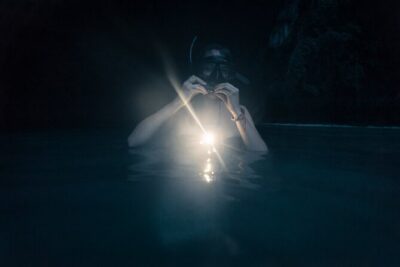
The core idea is that you’re not just hoping mantas pass by. The crew uses LED lights to attract plankton, which draws the mantas in to feed. That’s why so many descriptions feel “other-worldly” rather than just “we saw something big.” When the lights turn the water into a feeding zone, you’re more likely to get mantas directly beneath you, circling up and down.
And yes, the mantas really can feel close. Multiple reports describe mantas brushing close to bodies or cruising just inches away. That’s the main reason people keep calling this one of the best things to do on the Big Island’s Kona side: the scale is hard to grasp until it’s right under you.
Getting to Honokohau Harbor: The Meeting Spot That Matters
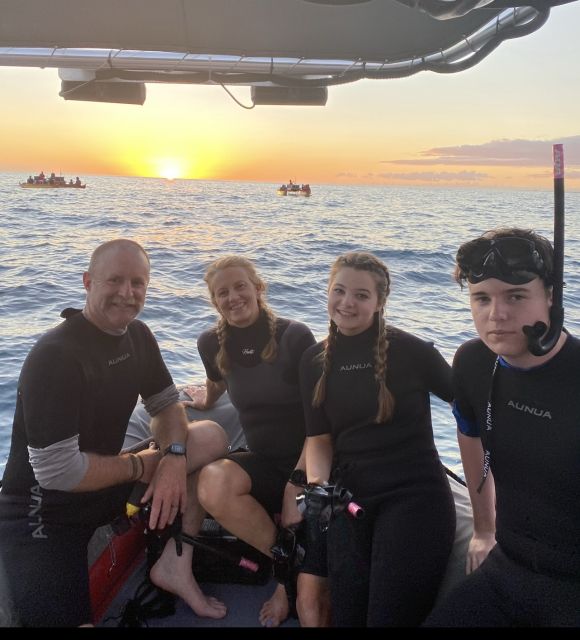
The tour departs from the north side of Honokohau small boat harbor. The address you’ll use for navigation is 74 Kealakehe Pkwy, Kailua-Kona, HI 96740.
Directions are straightforward, but do them early. From Highway 19, you turn west on Kealakehe Pkwy toward the ocean by the Honokohau Marina and Small Boat Harbor sign, take the first right into the north harbor, then follow the road around and park near Kona Sailing Club. The captain meets you by the Snorkel Big Island truck (Black Ram 2500), and the boat pulls into the ramp between the pavilion and Kona Sailing Club.
A small but important detail: don’t mess with Kona Sailing Club. The meeting instructions are specific for a reason, and you’ll save time if you follow them exactly.
Also, arrive on time. At night, “almost there” can turn into “too late,” because they run a schedule and want everyone ready for the ladder, gear, and safety talk.
The Short Ride Out: Dark Water, Quick Timing, and What to Expect
This whole experience runs about 2 hours, with a 15–25 minute ride to the site and another 15-minute transfer back. The plan is tight on purpose: you’ll spend the majority of your time where it counts—out on the water with mantas.
Some people mention the ride can be rough going out, especially if conditions are choppy. That’s normal for an open-ocean departure at night. If you’re the type who gets seasick easily, take that seriously in advance.
What I like about the timing is that it respects your energy. You’re not stuck on a long boat ride half asleep, waiting for the “real moment.” The encounter portion is where most of your attention should go.
In the Water With Gentle Giants: How the LED Feeding Works
When the crew says mantas are coming, it’s not vague. The lighting setup is designed to create a feeding situation.
Here’s the practical meaning for you: during the snorkel time, you’re swimming where the food chain is active. Plankton gets pulled in, which gets mantas moving. That’s why so many accounts describe mantas under the lights for long stretches—sometimes with multiple mantas in the same area.
In the water, you’ll have a guide with you, keeping everyone calm and positioned. The guides also explain how to behave so you don’t stress the animals. The repeated message is simple: respect the manta space and don’t touch.
The view is the point. When mantas are feeding, they often glide and circle, so you’re not watching one passing shape. You might see them repeatedly, and you may get more than one moment where you think they’re going to drift right over your head.
If conditions are good, you could also spot other marine life. A few reports mention dolphins and sharks on the seafloor. That’s not guaranteed, but it’s a nice reminder that the night ocean can come with bonus surprises.
Snorkel Time and the 2-Hour Flow: How the Stops Fit Together
The tour is built around a simple rhythm:
- Board and ride: short trip out so the night encounter starts quickly
- Snorkeling period: at least 35 minutes in the water with an experienced guide
- Return: a short transfer back to the harbor
That structure helps you in two ways.
First, it reduces the “waiting anxiety.” Night tours can make you tense just because you’re out there and you want the magic now. A timed plan makes it easier to relax.
Second, the snorkel portion is long enough to settle into night conditions. You get time to adjust your breathing, your gear handling, and your comfort level in the water with a guide close by.
And yes, people often describe the overall vibe as safe and organized. Even with darkness, they run the process in steps: get your gear sorted, follow instructions, then focus on what’s happening underwater.
Gear, Wetsuits, and What the Crew Actually Handles
You don’t need to hunt down equipment for this one. Shorty wetsuits and snorkel gear are included, which is a big value point if you’re doing this right after arriving in Kona.
What you should wear:
- Swimwear (that’s all that’s explicitly listed)
The guide team handles the rest—gear distribution and the on-water guidance—so you can focus on the encounter instead of logistics.
One more safety detail that matters: the crew includes a CPR lifeguard certified team. That doesn’t mean you’ll be scared; it means they’re trained to respond fast if anything goes sideways. At night, calm competence is not a small thing.
Safety Rules You Must Read First (Especially the Ladder)
This tour is exciting, but it’s not for everyone, and the rules are clear.
You need:
- prior swimming and snorkeling experience to book
- the ability to independently climb up a side boat ladder
It’s not recommended if you’ve had surgery recently, have mobility restrictions, or if you’re dealing with:
- back problems
- heart problems
- recent surgeries
- pregnancy
If you’re unsure, check directly with the operator for exceptions. The instructions specifically say to contact them if you think you may fall outside the standard requirements.
Here’s my practical take: ladder climbing is the main dealbreaker. Night + ladder + gear can be awkward even for strong swimmers. If stairs or uneven steps are a problem for you on land, treat this as a red flag.
Price of $137: Does It Feel Like Good Value?
At $137 per person for about 2 hours, the key question is what you’re paying for.
You’re paying for:
- a specialized manta ray night encounter
- a guide in the water and trained crew support
- included wetsuits and snorkel equipment
- real time in the water (at least 35 minutes)
The value shows up most in the “how many mantas and how long you see them” factor. In the accounts provided, people describe multiple mantas at once—sometimes many more than a single pass. When the feeding setup works, you’re getting the full show rather than a quick glance.
You’re also paying for reduced stress. The crew runs the night process in a controlled way, and people repeatedly mention feeling safe and calm. That’s worth money, especially when the ocean is dark and you’re in it for longer than a token dip.
Who Should Book This Manta Ray Tour
This is a strong fit if you:
- already know how to snorkel and feel comfortable at night
- can handle gear and independently manage the ladder
- want a close, feeding-focused manta experience, not just a distant sighting
It’s also a good choice if you like smaller group dynamics. Several accounts mention small group sizes—some around 6 people, and others around 10–20—and that can make the whole experience feel more personal and less crowded than big-boat setups.
If you’re going with family, it can work well as long as everyone meets the physical and swim requirements. The company is described as family owned and operated, and the crew attention gets folded into how they run the boat and the water.
Photo and Video Tips for Night Manta Snorkeling
Night photography is fun, but it’s also a bit chaotic. Your best strategy is to plan for close-up motion and limited visibility.
A few practical tips based on what people bring up:
- Bring a reliable underwater camera or action cam if you have one. Many reports say you’ll want it.
- Keep your setup simple before you enter the water. Adjusting gear underwater at night is stressful.
- Expect multiple mantas and repeated passes. That’s your chance to capture more than one moment, not just a single shot.
One more thing: focus on behavior first. If you’re trying to film constantly, you might drift or touch gear in ways that aren’t helpful. The best footage usually comes from staying calm, positioned, and respectful.
Should You Book Snorkel Big Island’s Manta Ray Night Tour?
If you’re in Kona and you want the signature Big Island manta experience, I think this is an easy yes—assuming you meet the requirements.
Book it if:
- you can swim and snorkel confidently
- you’re able to climb the side ladder without assistance
- you want a LED-fed feeding zone with real time in the water (35+ minutes)
Skip it if:
- ladder climbing is hard for you
- you have restrictions related to back/heart issues, recent surgery, mobility limits, or pregnancy
- you’re a non-swimmer or not ready for independent water comfort
One practical bonus: this kind of night tour often has a feel-good safety level when the crew is organized, and that’s exactly what people describe. It also helps that the tour is priced reasonably for what it delivers—specialized equipment, trained support, and enough water time to actually enjoy the show.
If your schedule is flexible, you may appreciate the option to cancel up to 24 hours in advance for a refund. And if you like holding your plan until the last moment, the reserve now & pay later option can reduce stress.
FAQ
How long is the Kailua Kona manta ray night snorkel tour?
The tour lasts about 2 hours total.
What’s included with the tour?
It includes shorty wetsuits and snorkel equipment, plus an expert crew focused on safety.
Do I need to already know how to snorkel?
Yes. Prior swimming & snorkeling experience is required to book, and non-swimmers aren’t suitable.
Where do you meet for the tour?
You depart from the north side of Honokohau small boat harbor. The meeting address is 74 Kealakehe Pkwy, Kailua-Kona, HI 96740, and the captain meets you by the Snorkel Big Island truck (Black Ram 2500).
What should I bring?
Bring swimwear. The rest of the key snorkel gear and wetsuits are provided.
Who should not take this tour?
It’s not recommended for people with back problems, heart problems, recent surgeries, or mobility/physical restrictions. It’s also not recommended for pregnant women, and you must be able to independently climb the side boat ladder.