REVIEW · MATEMWE
Mnemba dolphin & snorkel: from matemwe, pwani, kwingwa, Uroa
Book on GetYourGuide →Operated by TripTrek · Bookable on GetYourGuide
Seeing dolphins up close changes your day.
This Mnemba dolphin and snorkel outing pairs open-ocean dolphin time with snorkeling over Mnemba’s famous coral gardens, so you get two different kinds of ocean magic in one tidy 4-hour block. It also includes a relaxed sandbank option when tides cooperate, plus fresh fruit and water to keep your energy up.
I especially like how the crew tries to make dolphin encounters feel personal, not scripted. And I like the snorkeling focus: you’re there to see lots of coral and fish around Mnemba, not just to float for a photo. One consideration to keep in mind: dolphins aren’t guaranteed on cue, and sandbank access depends on the tide, so timing and conditions can change what you get out of the day.
In This Review
- Mnemba and the open ocean: why this combo makes sense
- Pickup from Matemwe, Pwani, Kwingwa, and Uroa (and the 4-hour reality)
- First stop: how the dolphin portion actually plays out
- Dolphin swim and safety: what to listen for before you enter
- Second stop: snorkeling the coral reefs around Mnemba
- Sandbank time: what low tide changes (and what high tide can take away)
- Guides, captains, and the small-group advantage
- What you actually get for $52: value breakdown
- What to bring (and what to leave at home)
- Who this is best for (and who should skip it)
- Price and logistics: the practical things to plan around
- Should you book the Mnemba dolphin and snorkel tour?
- FAQ
- How long is the Mnemba dolphin & snorkel tour?
- What does the tour cost?
- Where is the experience located?
- What’s included in the price?
- What should I bring with me?
- Is tipping included?
- What are the main restrictions for participation?
- What’s the cancellation and payment approach?
Mnemba and the open ocean: why this combo makes sense
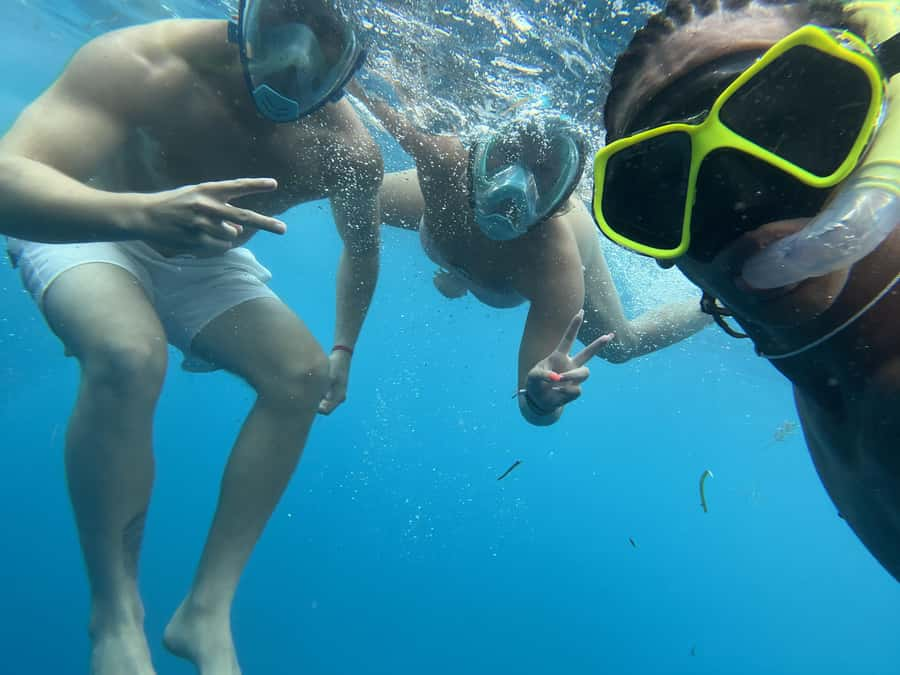
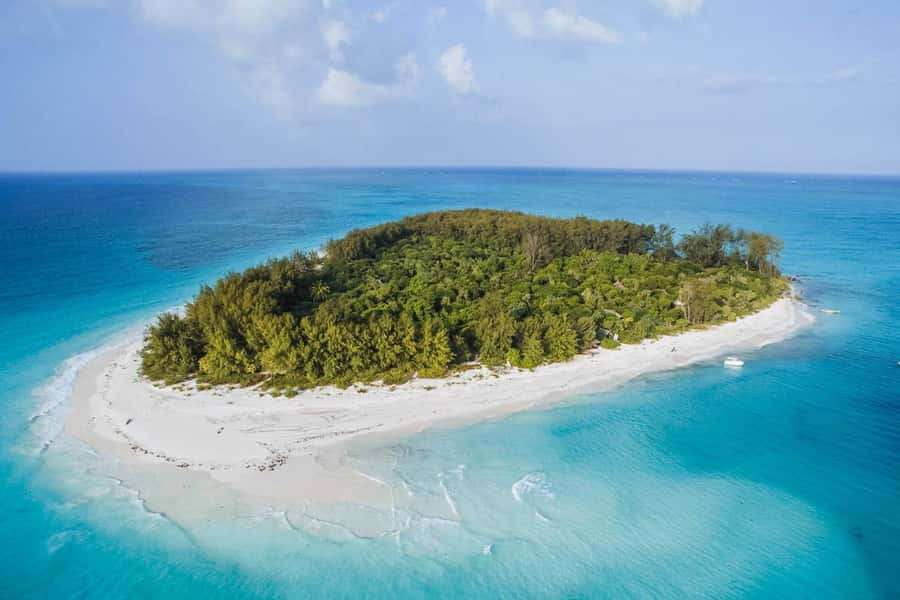
Mnemba (often paired with the name Belgits) is famous for one simple reason: the water around it can be stunningly alive. The coral reefs are known for attracting colorful fish, and dolphins tend to cruise and play in the nearby open ocean where boats look for them.
That’s why this tour format works. You start with the dolphin search first, when you have the most time and energy for the fastest-moving part of the trip. Then you move to snorkeling, when the pace slows down and you can actually look closely. If low tide lines up, you finish with sandbank chilling, which can feel like a Zanzibar postcard in real life.
The tour also stays practical. You’re not planning your day around a complicated schedule. You’re doing one concentrated outing with small-group limits of 8, English-speaking guidance, and included snorkeling gear.
Pickup from Matemwe, Pwani, Kwingwa, and Uroa (and the 4-hour reality)
This is a morning-style activity. The plan is built around an approximately 8:00 van pickup from your hotel, then transport back after the tour ends. The full experience is listed as 4 hours, which is short enough to fit into a beach vacation without stealing your whole day.
Short tours have a trade-off: there’s less time to “make up” for delays. Even though the crew is focused on dolphin and reef stops, your experience can be affected by basic realities like finding dolphins at the right moment or riding tides for sandbank time.
For you, the upside is clarity. You know what you’re getting: a focused, half-day ocean outing with transport handled for you. If you’re staying around Matemwe, Pwani, Kwingwa, or Uroa, this setup is a convenient way to reach Mnemba without arranging your own boat transfer.
First stop: how the dolphin portion actually plays out
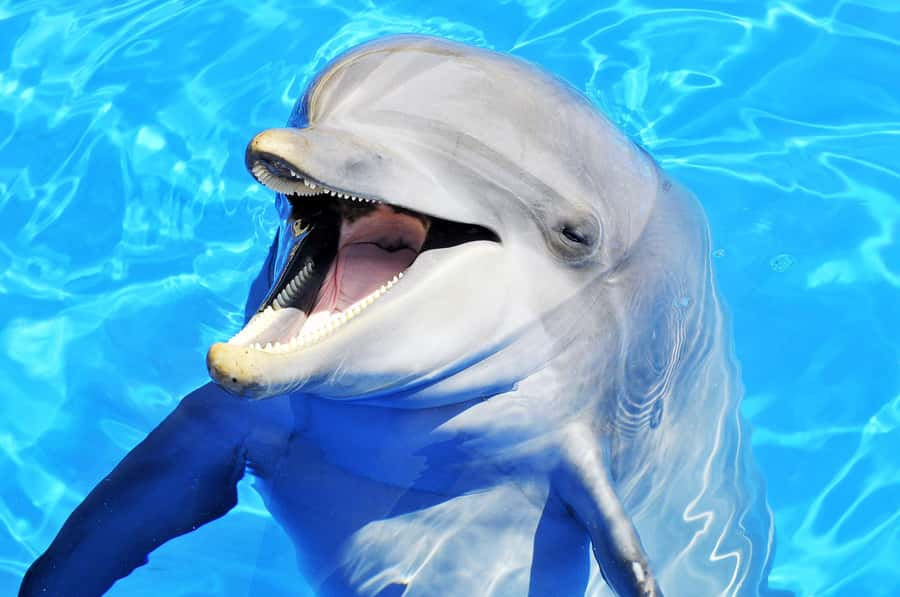
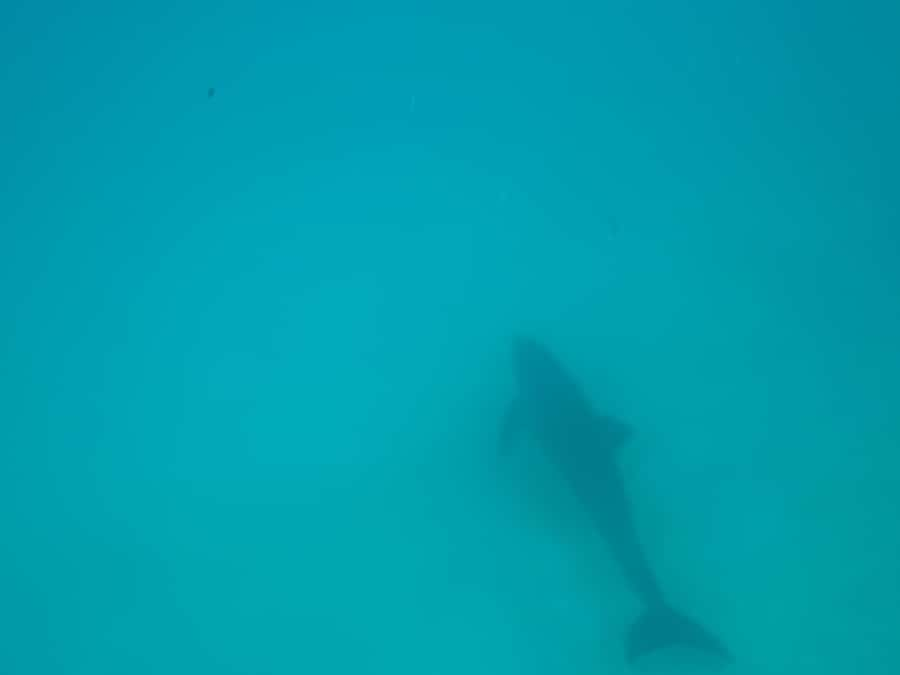
The captain takes you to the first stop for dolphins. This is the part of the trip that can feel the most magical and the most unpredictable, because dolphins choose the timing and the route.
What I like about this dolphin approach is that it’s not just about spotting fins. Guides and captains work at it. In the experience notes you’ll see a consistent theme from guide behavior: staying alert, switching locations as needed, and handling everyone’s safety and comfort while you try to swim.
You should also know the etiquette side is taken seriously. Some guides explicitly talk about being respectful and responsible around dolphins before you get in the water. That matters because this is not a zoo; it’s their ocean.
One more practical reality: Mnemba is famous, so you may share the area with multiple boats. The bright side is that skilled guides can often position you well and focus on your group rather than treating it like a mass event. The goal is to give you a real chance to see dolphins clearly and, when conditions allow, to swim near them.
Dolphin swim and safety: what to listen for before you enter
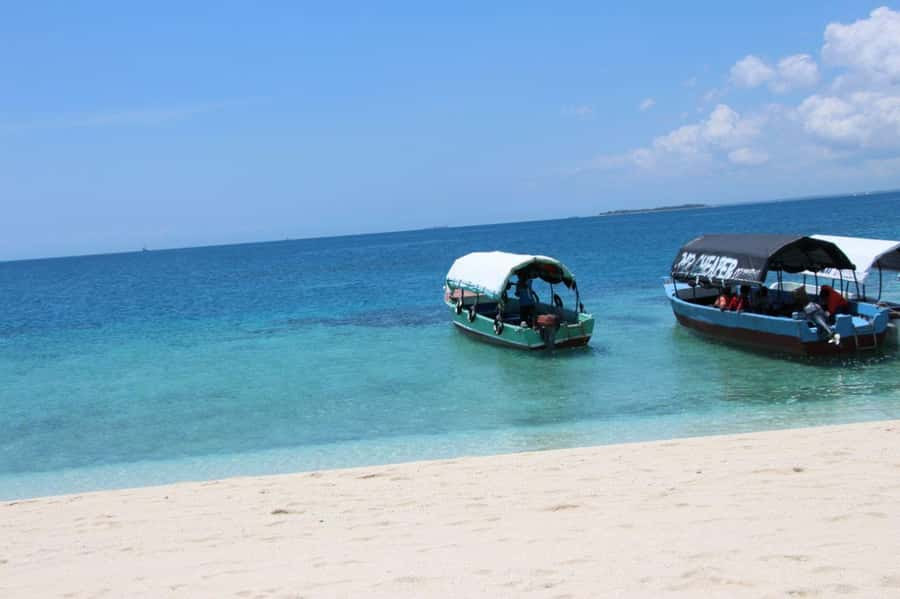
Even when you’re excited, the dolphin segment works best if you follow instructions. Expect an English-speaking guide to brief you on how to behave in the water and how to handle the swim portion safely.
You’ll also want to be mentally ready for a range of dolphin sightings. Sometimes you might see a lot of dolphin action quickly. Other times, it’s fewer sightings and more patience as the boat searches.
If you’re a non-swimmer, don’t assume this is impossible. The tour is designed with a guide who can help people through their first experience in the water. Still, you should be honest with yourself about comfort levels. Ocean water is a different setting than a pool, and you’ll be dealing with boat movement.
Second stop: snorkeling the coral reefs around Mnemba

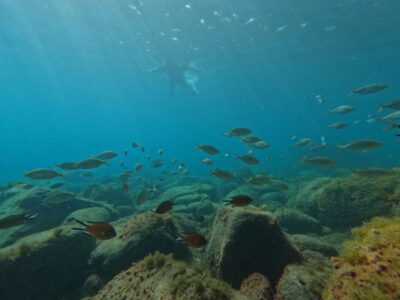
After the dolphin portion, you head to the second stop for snorkeling around Mnemba Island. Here’s the key detail: Mnemba is described as a private island, so you do not go inside it. Instead, you snorkel the surrounding reef area where coral and fish gather.
This is where the trip delivers its reliable payoff. Dolphins can vary day to day, but snorkeling over coral habitat gives you a steady reason to be excited. In the experience info, the snorkeling goal is clear: see lots of coral reefs and fish.
A few practical notes from how this trip typically feels:
- You might see currents, and that can make snorkeling more tiring than you expect.
- There can be jellyfish in the water, which is a personal comfort issue. If you’re sensitive, you may want to ask your guide about conditions before getting in.
Bring a calm attitude. If you focus on slow observation—looking at coral shapes, watching fish weave in and out—you’ll get more out of the snorkel time than if you sprint for the next photo.
Also, the tour includes snorkeling gear and offers fresh fruits and water during the outing. That’s not just a nice touch; it helps you stay comfortable between water sessions.
Sandbank time: what low tide changes (and what high tide can take away)
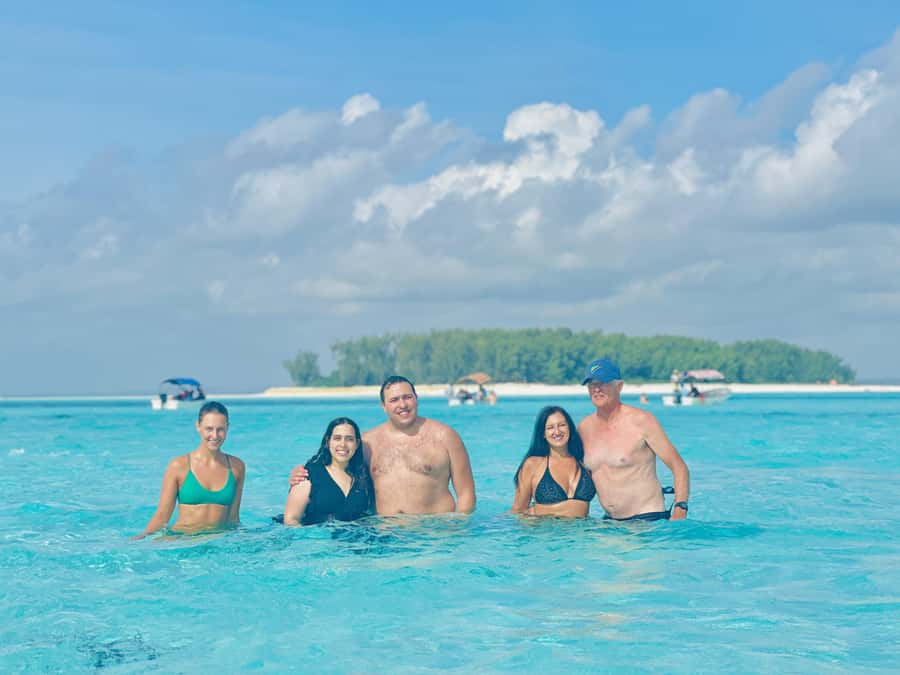
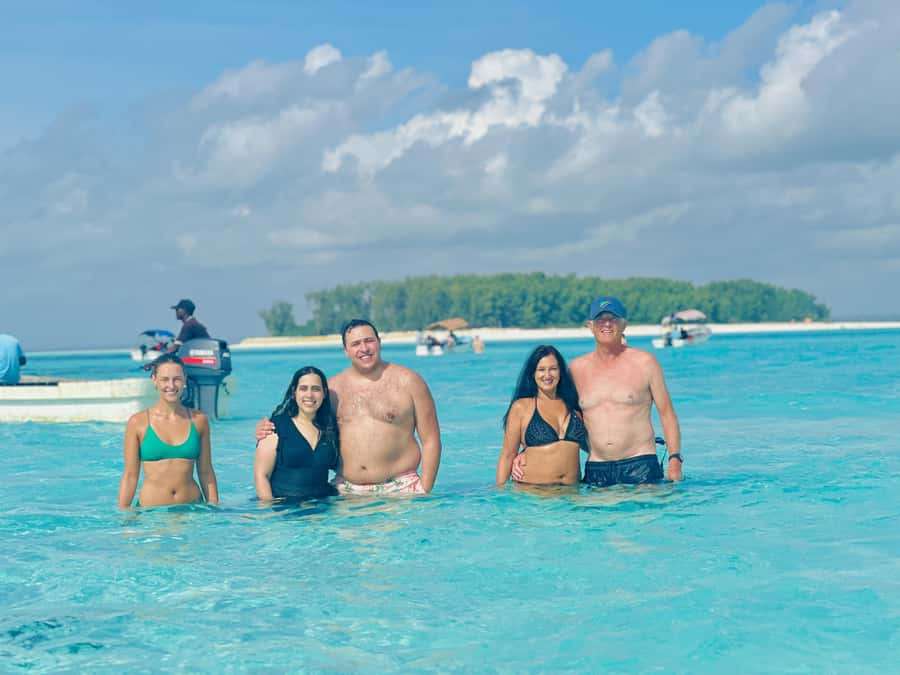
The last stop is optional sandbank time. This only works if there’s low tide. When low tide happens, you can enjoy the sandbank, chilling in shallow, calm-feeling water in a way that’s rare for open-ocean tours.
When tides don’t cooperate, the sandbank part can be limited. One key lesson is to be flexible in your expectations: the ocean sets the schedule more than the calendar does.
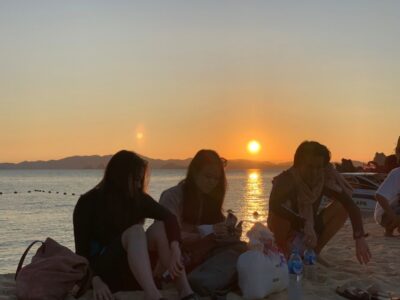
If you do get sandbank time, it tends to be the most relaxing part of the day. It’s also a good moment to catch your breath, dry off a bit, and let the dolphin and reef experience sink in. It can even feel like you’ve landed on your own patch of sea rather than being on a moving tour boat.
Guides, captains, and the small-group advantage
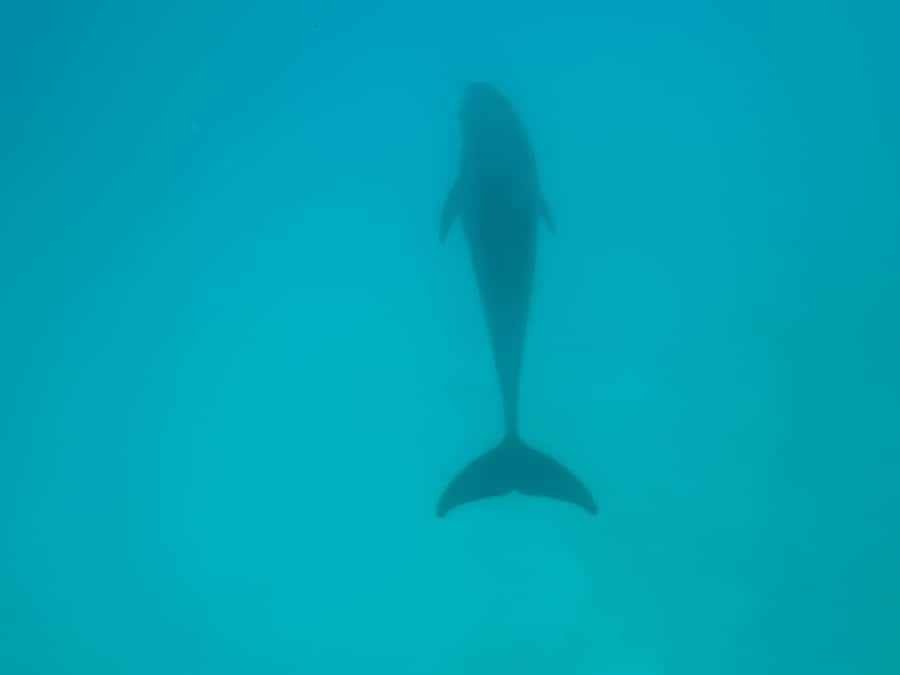
One of the biggest reasons this tour earns strong ratings is the human factor. Guides such as Juma, Fauz/Fau, Bakari, and Isaac show up repeatedly in the notes, and the pattern is consistent: they actively work to find dolphins, and they manage the group with a “take care of everyone” mindset.
You’ll also see that some guides try to separate your group from the most chaotic boat pileups. For example, Bakari is mentioned as pulling away from other boats to find dolphins and giving the group just enough time to actually swim. Other guides are described as taking photos or filming with people’s phones and cameras, which is a small but real upgrade if you hate juggling gear during active moments.
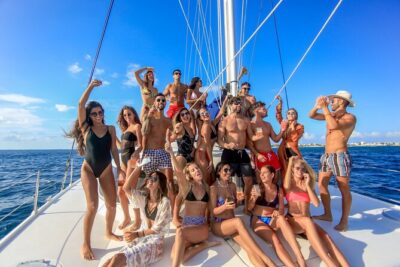
The small-group size matters too. Limited to 8 participants, you’re more likely to get attentive guidance and better positioning during snorkeling and dolphin searching. That makes a difference if it’s your first time in open-water snorkeling or if you’re not a confident swimmer.
What you actually get for $52: value breakdown
The price is listed at $52 per person for 4 hours. At first glance, it’s easy to compare this to other half-day tours and wonder if it’s worth it. Here’s why it can be good value:
You get transport from your hotel and back, snorkeling gear, fresh fruits and water, and a guide who works in English. You’re also getting access to two distinct ocean experiences—dolphins first, reef snorkeling second—in one package.
Where the value equation gets real is in the “included” part. Snorkeling gear and van transfers can add up fast if you price them separately. Plus, the dolphin-and-reef combo saves you the hassle of coordinating separate activities.
One cost to remember: tipping is not included. That doesn’t mean you must tip a certain amount, but you should budget for it if you want to follow local norms.
Also, because the itinerary is short, you should view this as an active morning plan. If you want long beach time and slow sightseeing, you might feel rushed. If you want efficient ocean action, this price-to-time ratio can be a win.
What to bring (and what to leave at home)
This is the kind of outing where packing mistakes become annoying fast. Bring:
- Sunglasses
- Sun hat
- Swimwear
- Towel
- Sunscreen
Other helpful basics, if you have them, are a small waterproof way to keep essentials dry. But note the rules: you can’t bring bags on the activity. You also can’t bring alcohol, drugs, baby strollers, or baby carriages.
If you’re thinking about a day like this, plan your clothing accordingly. You’ll be in swimwear for parts of it, and you’ll need sunscreen coverage that won’t wash off immediately.
If you’re sensitive to sun, sunglasses and a hat are not optional. The Zanzibar sun is strong and you’ll be exposed on the boat.
Who this is best for (and who should skip it)
This trip is listed as not suitable for:
- Children under 2
- Pregnant women
- Wheelchair users
- People with altitude sickness
That sounds strict, but it matches how boats and open water work. If you have mobility needs beyond the tour’s setup, you’ll want to choose a different format.
It also suits best if you:
- Want dolphins plus reef snorkeling in one short morning
- Like a small-group feel rather than a huge crowd
- Can handle some ocean conditions like current and saltwater movement
If you’re prone to seasickness, be honest with yourself. The tour’s data doesn’t list a seasickness restriction, but you’re on a boat for 4 hours. If you’re unsure, pack what you need and consider asking your guide about current and conditions before snorkeling.
Price and logistics: the practical things to plan around
Logistics are mostly handled for you. You’re picked up by van and dropped back after. The guide speaks English, and the group is small.
The two things you should plan around are:
- Tide timing for the sandbank segment
- Dolphin availability on the open ocean
Because dolphin sightings are not guaranteed on a schedule, you should treat that part like a nature event, not an appointment. The crew will work to find them, but the ocean doesn’t do reservations.
Also, since Mnemba is popular, you might encounter a lot of boats in the area. A good guide will help position your group well, and a great guide will make sure your time feels worth it rather than like waiting.
Should you book the Mnemba dolphin and snorkel tour?
If you want a short, high-impact ocean day, I think it’s an easy yes. The biggest selling points are the chance to swim with dolphins when conditions allow and the straightforward snorkeling focus around Mnemba’s coral reef area. Add the small group of 8, included gear, and the fruit-and-water break, and it’s a solid package for the money.
I’d hesitate only if you’re very worried about sandbank time or you dislike uncertainty. The dolphin segment can vary, and the sandbank depends on low tide. If your ideal vacation is calm, predictable, and completely controlled, this might feel like a gamble.
But if you’re the type who’s happy when nature sets the pace—and you’d rather spend 4 hours chasing sea life than planning a complicated day—this is a strong choice to book.
FAQ
How long is the Mnemba dolphin & snorkel tour?
It lasts 4 hours.
What does the tour cost?
The price is $52 per person.
Where is the experience located?
It takes place in Unguja South Region, Tanzania, around Mnemba Island.
What’s included in the price?
Included are hotel transport and back, snorkeling gear, fresh fruits, and water.
What should I bring with me?
Bring sunglasses, a sun hat, swimwear, a towel, and sunscreen.
Is tipping included?
No. Tipping is not included.
What are the main restrictions for participation?
The tour is not suitable for children under 2 years, pregnant women, wheelchair users, and people with altitude sickness.
What’s the cancellation and payment approach?
You can cancel up to 24 hours in advance for a full refund, and you can reserve now and pay later.