REVIEW · PORTO SANTO STEFANO
Porto Santo Stefano: Snorkeling Day Trip with Lunch
Book on GetYourGuide →Operated by Diving il Nostromo · Bookable on GetYourGuide
Snorkel where the seafloor tells stories. This Porto Santo Stefano day trip takes you out on calm, family-friendly schedules to snorkel in the waters of Argentario, Giannutri, or Giglio, with the skipper choosing the route based on sea conditions.
I really like that you get snorkeling kit and a wetsuit included, so you can focus on the water instead of shopping gear. I also like the food rhythm: a snack onboard, then a proper lunch, so you’re not running on vibes and crackers.
One thing to consider: this experience is not for non-swimmers and it depends on sea weather, so if you’re prone to seasickness, plan carefully.
In This Review
- Key things to know before you go
- Porto Santo Stefano: What This Snorkeling Day Trip Is Really About
- 8:30 Meet-Up and the Captain’s Real Job: Picking Argentario vs. Giannutri vs. Giglio
- Multiple Swimming Stops: How the Underwater Stops Shape the Day
- Argentario waters: red corals and promontory charm
- Giglio: white granite seabed and a different feel
- Giannutri: volcanic rocks with shallow marine life
- Snorkeling Setup and Family-Friendly Pacing (Without Overpromising)
- What the Crew Actually Does: History, Biology, and On-Board Explanations
- On-Board Food: Bruschetta Snack, Pasta Lunch, and Real Fuel for the Afternoon
- Sea Weather, Seasickness, and When to Choose a Different Trip
- Practical Packing: What to Bring for a Comfy Day in the Sun
- Pricing and Value: Is $94 Really Reasonable Here?
- Who This Trip Fits Best (And Who Should Skip It)
- Should You Book This Porto Santo Stefano Snorkeling Day Trip?
- FAQ
- FAQ
- Where do I meet for the trip?
- How long is the snorkeling day trip?
- Which islands will we visit?
- Is snorkeling gear included?
- How many swimming stops are included?
- What food is included onboard?
- What should I bring with me?
- Is the tour affected by sea weather?
- Is it okay if I have seasickness or I am not a swimmer?
Key things to know before you go
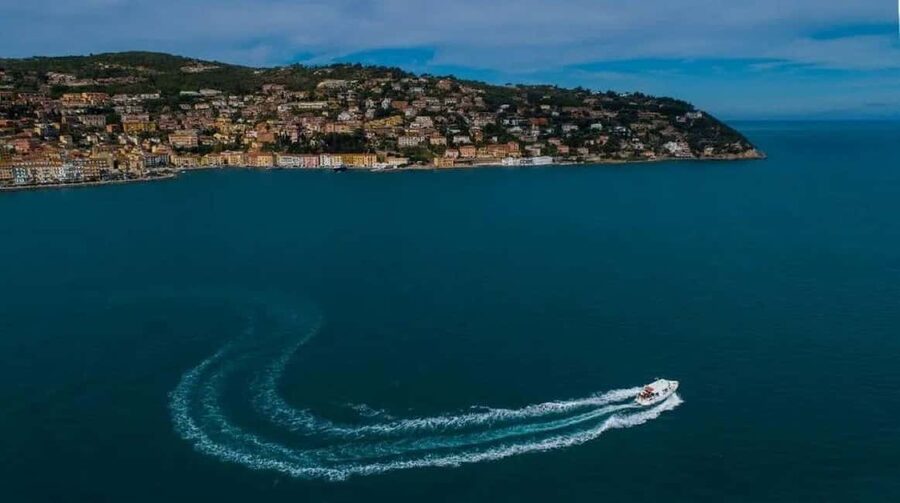
- Captain chooses the itinerary close to departure based on sea conditions for safety and comfort
- At least 4 swimming stops to explore the seabed instead of one quick look
- Snorkeling kit included (mask, snorkel, wetsuit) so you can go straight from the pier
- Three-island style experience: red corals near Argentario, granite seabed around Giglio, volcanic rocks near Giannutri
- Lunch is on board with pasta, fruit, coffee, and drinks to keep the day satisfying
Porto Santo Stefano: What This Snorkeling Day Trip Is Really About
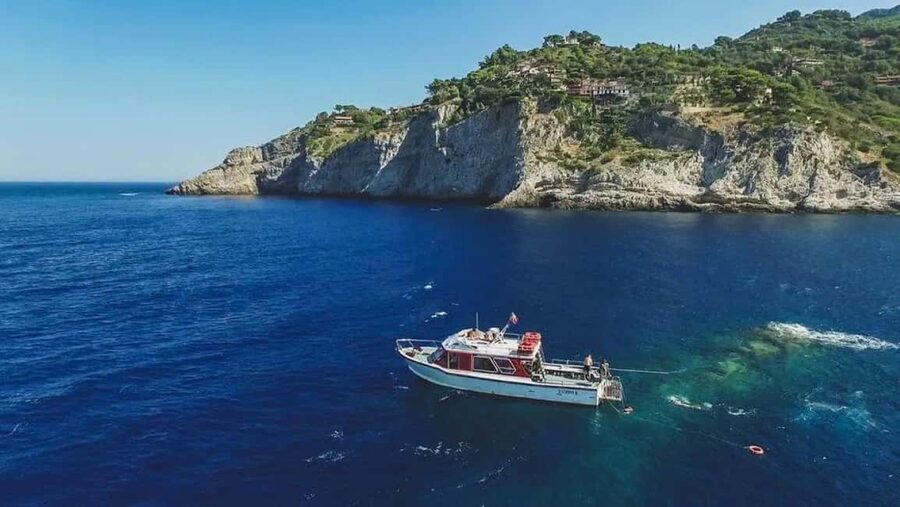
This is a straightforward, good-value kind of sea day. You’re paying for time on the water plus the stuff that makes snorkeling work: the boat, the kit, and multiple chances to get in. For $94 per person, it’s not just a ticket for a view from a deck. You’re set up for contact with marine life.
The other part I appreciate is the “why” the crew gives you while you swim. On these islands around Tuscany, underwater life isn’t random. The seabed changes how the plants and animals grow—and that’s exactly what the crew explains while you’re there. It makes each stop feel less like a repeat and more like a different chapter.
If you’re traveling with family, the pacing matters. The day is planned around stops, not speed. And if you’re the sort of person who enjoys learning a little while you do something fun, you’ll probably find the onboard explanations a real bonus.
8:30 Meet-Up and the Captain’s Real Job: Picking Argentario vs. Giannutri vs. Giglio
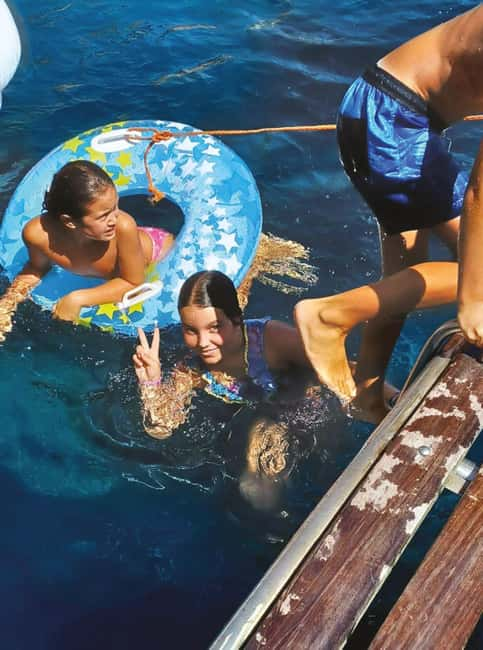
You meet at 8:30 AM in Porto Santo Stefano, then you’re welcomed onboard. From there, the skipper decides the route depending on sea weather. That isn’t a small detail—it’s the whole reason this day stays pleasant instead of choppy.
You can end up:
- along the Argentario coast, with the promontory area known for marine flora including red corals
- heading toward Giglio, where you’ll find a white granite seabed
- going toward Giannutri, with volcanic rocks and lots of marine life types even at shallow depths
Here’s the practical takeaway: you’re not stuck hoping for one exact itinerary. You’re choosing the experience style—snorkeling in protected waters with enough stops to matter—and letting the skipper steer you to the best conditions that day.
You’ll also want to plan for a last-minute feel. The itinerary is decided close to departure for safety. If you’re the type who likes schedules to the minute, you might find this slightly less rigid than other tours. But it’s also the reason the day is built around real sea conditions.
Multiple Swimming Stops: How the Underwater Stops Shape the Day
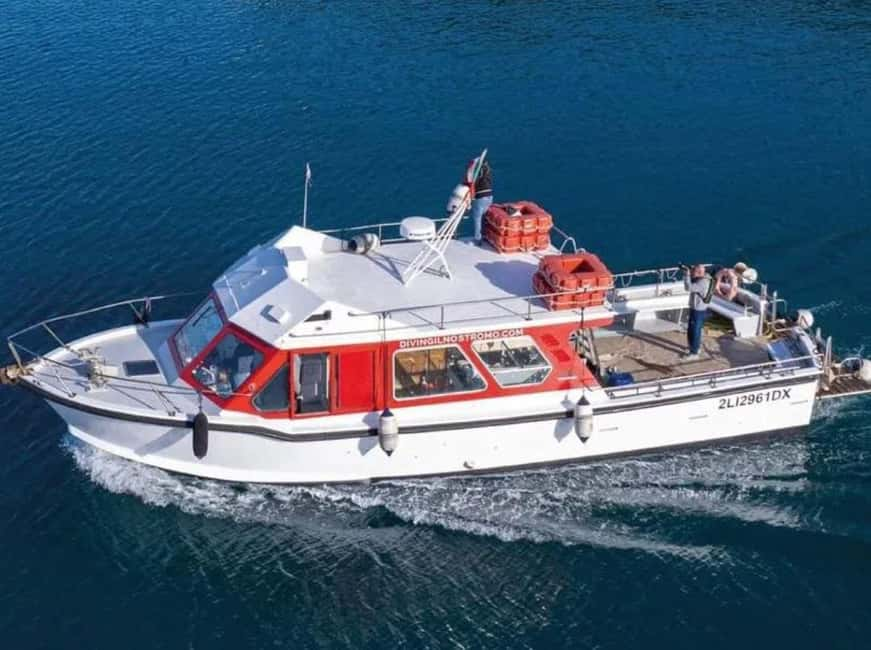
The tour includes at least 4 swimming stops. Each stop is built for snorkeling, with the crew providing your kit setup (mask, snorkel, wetsuit) and time to explore.
In practice, multiple stops do two useful things:
- You get repeated chances to adjust—breathing, buoyancy, and where you like to look—so the day feels easier as it goes.
- You don’t burn out chasing one perfect moment. You can take your time.
During the day, you’ll follow the route from the coastlines and island areas toward the spots chosen for the best seabed and water visibility. You’ll be swimming over different types of ground, and that matters because it changes what you’ll see.
Argentario waters: red corals and promontory charm
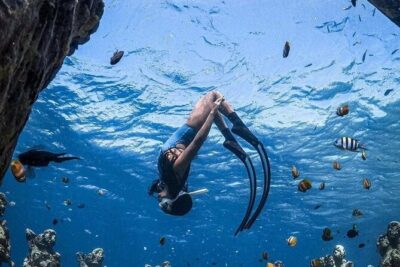
If the skipper chooses Argentario, you’re snorkeling around Monte Argentario, a promontory surrounded by sea. The area is described as having a marine flora rich in red corals, which is exactly the kind of detail that makes snorkeling feel like more than just “fish and rocks.”
What to expect here: look for the way color appears on the seabed—especially coral-like growth where the water conditions allow it. It’s not just scenic; it’s biological.
Giglio: white granite seabed and a different feel
If Giglio is on the day’s list, the focus shifts to seabed type: a white, granite bottom. This changes the underwater texture, and that tends to influence what grows there and how marine life gathers.
What to expect here: a more mineral-looking seabed, with your eyes tracking shapes and movement against the lighter ground. Even without perfect visibility, that contrast helps your brain find things faster.
Giannutri: volcanic rocks with shallow marine life
If the day goes to Giannutri, you’ll snorkel over volcanic rocks. The description emphasizes that this island has flora rich in corals, sponges, and gorgonians, even at shallow depths.
What to expect here: shallow water snorkeling can feel more relaxed for families, because you’re not going deep to find life. You can keep your head up more often while still exploring the seabed closely.
Snorkeling Setup and Family-Friendly Pacing (Without Overpromising)
You’re provided a snorkeling kit—mask, snorkel, and a wetsuit. That’s a big deal because it removes the guesswork. Water temperature can vary, and a wetsuit helps you stay comfortable long enough to enjoy each stop instead of checking the time and shivering.
The experience is also explicitly not suitable for non-swimmers. That doesn’t mean it’s “only for experts,” but it does mean you should honestly assess comfort in open water. You’ll be in the sea, in gear, during repeated swim stops.
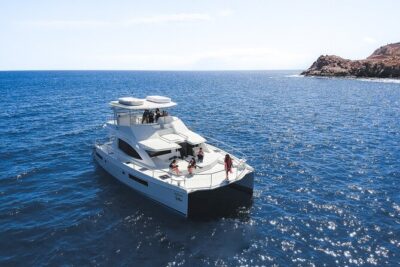
For families, I like that the day is organized around a small-boat feel (based on what people describe). Fewer people onboard usually means easier logistics: more room to move, fewer long lines, and a calmer atmosphere while you’re in and out of the water.
Also, if you’re going with kids, set expectations early: this is about short explorations in each stop, not a single nonstop swim. The crew’s onboard guidance helps, but your job is to keep it fun and manageable.
What the Crew Actually Does: History, Biology, and On-Board Explanations
This is the part I’d call the “value glue” of the trip. The crew doesn’t just hand you gear and point at the water. They explain the landscapes and provide notions of marine biology tied to what you’re seeing.
Why that matters: underwater snorkeling can turn into a blur. The explanation gives you names and reasons—so your eyes know what to look for next. When you understand why something is there (coral type, seabed type, how it connects to the surrounding area), your snorkeling feels more intentional.
And it’s not just facts. In one description of a similar day, the captain is described as both an experienced sailor and a great cook. That combination tends to translate into a smoother day: confident sailing plus a relaxed onboard mood.
On-Board Food: Bruschetta Snack, Pasta Lunch, and Real Fuel for the Afternoon
Food onboard is often the weak part on sea trips. Here, it’s more like the day’s middle anchor.
You’ll get:
- a snack with bruschetta, fruit, and fresh drinks
- then lunch based on pasta, fruit, wine, drinks, and coffee
So the day doesn’t rely on empty energy. Snorkeling burns calories, and saltwater makes you hungry fast. Having a snack plus a real lunch helps you stay cheerful in the later stops and not just survive until the return.
In at least one described experience, lunch included tuna pasta and ended with bread and Nutella prepared onboard. That’s not listed as a guaranteed menu item, but it matches the overall theme: food prepared onboard with an upbeat tone, not pre-packaged sadness.
One practical tip: eat early-ish in the day. Your stomach will thank you if you’re prone to nausea. And if you’re watching sugar or alcohol intake, remember wine is included; you can always go lighter.
Sea Weather, Seasickness, and When to Choose a Different Trip
This activity is subject to sea weather conditions, and you should expect some flexibility. If the sea is rough, your skipper will likely prioritize safety and choose a route that keeps the boat comfortable.
The tour also notes it’s not suitable for people prone to seasickness. That’s worth taking seriously. With multiple swim stops, even a little motion can wear you down.
My advice:
- If you’ve had strong nausea on boats before, don’t assume this will be magically different.
- Consider packing motion-sickness medication if it’s something you’ve used successfully before.
- Focus on hydration and light meals before you board.
Also, contact the organizers 24 hours before to confirm departure. Since the itinerary is chosen close to departure for safety, checking right before you go keeps you from walking into surprises.
Practical Packing: What to Bring for a Comfy Day in the Sun
The tour gives you the snorkeling gear, but you still need the basics for a long day outside.
Bring:
- sunglasses
- hat
- swimwear
- sunscreen
- beachwear
A few real-life tips:
- Put sunscreen on early. Water glare and sun time stack up fast.
- Bring a towel or plan for wet changes. The day includes several times in the water.
- If your mask sits awkwardly, double-check it early at the first stop so you aren’t fighting it all morning.
Onboard rules include no pets and no smoking. If you’re traveling with a dog, plan a different activity for land time.
Pricing and Value: Is $94 Really Reasonable Here?
At $94 per person for a 9-hour outing, this trip competes well with other sea activities because you’re not paying for just one thing.
You’re getting:
- a guided day with itinerary choices around major islands
- a snorkeling kit (mask, snorkel, wetsuit)
- lunch plus a snack on board
- at least 4 swimming stops
- explanations tying seabed type to marine life
If you’ve ever tried to build your own day—boat rental, gear rental, plus a decent meal—you know it adds up quickly. Here, the cost includes multiple pieces that make snorkeling realistic instead of theoretical.
The main “cost” to factor in is your sea comfort. If you’re likely to feel sick, the best value on paper won’t feel like value when you can’t enjoy the stops.
Who This Trip Fits Best (And Who Should Skip It)
This snorkel day trip is a good match if you want:
- a family-friendly sea day with multiple swim opportunities
- included gear and onboard food
- an experience that mixes fun with basic marine biology info
- a route that can change based on real conditions (instead of forcing a fixed plan)
It’s a poor match if:
- you’re a non-swimmer
- you’re prone to seasickness
- you need a strict itinerary down to the minute
If you’re comfortable in the water and you like learning while you explore, this is the kind of day you’ll remember when you think about the islands as ecosystems instead of just scenery.
Should You Book This Porto Santo Stefano Snorkeling Day Trip?
I’d book this if you want a well-fed, well-paced day on the water with multiple snorkeling stops and gear provided. The price makes sense for what’s included—especially the wetsuit kit and lunch—so you’re not scrambling for logistics mid-trip.
I’d hesitate if you get seasick easily, or if your group includes someone who isn’t comfortable swimming. In that case, the “many stops” format becomes stressful instead of fun.
If you’re ready for a day that mixes Argentario, Giglio, or Giannutri depending on conditions, you’ll get far more out of it than a quick one-water-stop outing.
FAQ
FAQ
Where do I meet for the trip?
You meet at 8:30 AM in Porto Santo Stefano, then you’ll be welcomed onboard.
How long is the snorkeling day trip?
The duration is 9 hours. Return to port is typically between 4:30 PM and 5:30 PM.
Which islands will we visit?
The skipper chooses the itinerary based on sea conditions, and the day can go along Argentario, toward Giglio, or toward Giannutri.
Is snorkeling gear included?
Yes. The snorkeling kit includes mask, snorkel, and a wetsuit.
How many swimming stops are included?
The excursion includes at least 4 swimming stops to explore the seabed.
What food is included onboard?
You’ll have a snack with bruschetta, fruit, and fresh drinks, plus lunch with pasta, fruit, wine, drinks, and coffee. Alternative lunch options are available for allergies or intolerances.
What should I bring with me?
Bring sunglasses, a hat, swimwear, sunscreen, and beachwear.
Is the tour affected by sea weather?
Yes. The activity is subject to sea weather conditions, and the itinerary is decided close to departure for safety. You should contact the organizers 24 hours before to confirm departure.
Is it okay if I have seasickness or I am not a swimmer?
No. It’s not suitable for people prone to seasickness and it’s not suitable for non-swimmers.