There is no way this is just like the Caribbean. Snorkel Alaska turns chilly Ketchikan water into a hands-on, guided snorkeling outing, with gear that keeps you warm and a one-hour marine life tour led by Fred and Kurt. You get round-trip transport from the cruise docks plus full instruction before you hit the water.
I especially like the way the team sets you up for success: full wetsuit outfit, mask fit checks, and close in-water supervision for all skill levels. The snorkeling itself tends to be packed with the small stuff that makes Alaska fun, like sea stars, sea urchins, sea cucumbers, hermit crabs, and often lots of fish. The main trade-off is real: the tour is rated most strenuous because the tight 7mm wetsuit helps you stay warm, but it is not the easiest gear to put on or move around in, and the water entry is from a rocky beach.
In This Review
- Key things I’d plan around
- Ketchikan water, but made practical for humans
- Gear-up: the part that decides if you’ll love it or hate it
- Getting to the right place: pickup from the cruise docks
- What actually happens on the water (and how instruction helps beginners)
- Wildlife time: why this Alaska snorkeling feels different
- Warmth, rain, and the wetsuit reality check
- Price and value: where your $209.99 goes
- Who this tour suits best (and who should think twice)
- Should you book Snorkel Alaska?
- FAQ
- How long is the Snorkel Alaska tour in Ketchikan?
- What snorkeling equipment is included?
- Do I need prior snorkeling experience?
- Is pickup from the cruise docks included?
- What should I bring to the meeting point?
- Is the tour physically strenuous?
- Are there weight or age limits?
- What happens if weather is bad?
Key things I’d plan around
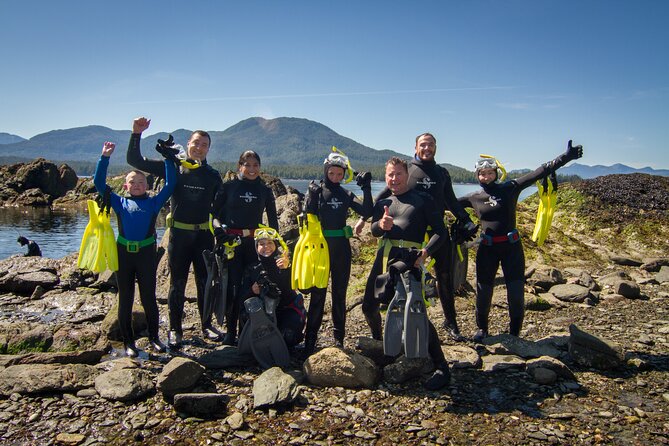
- Full wetsuit from head to toe: 7mm Harvey’s or SCUBAPRO wetsuits plus hood, boots, and gloves
- Top mask and fin setup: Tusa and SCUBAPRO masks with Twin Jet fins
- Instruction before and care in the water: safety directions, mask checks, and in-water supervision
- One-hour marine life tour: guided time underwater where you actually learn what you are seeing
- Small group size: maximum 10 travelers, which helps with attention and pacing
- Snorkeling from a rocky beach: expect tougher entry and exit than smooth docks
Ketchikan water, but made practical for humans
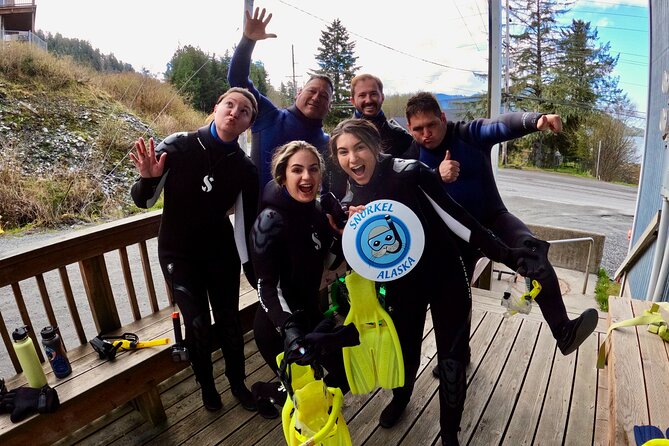
Ketchikan is a place where you can’t rely on warm water and thin swimsuits. What makes this tour work is that it treats Alaska snorkeling like a system, not a guess. You suit up in thick protection, you get taught how to move in fins and manage your breathing, and then you snorkel with guides close by so you are not just drifting around hoping for the best.
The biggest win for your comfort is that they outfit you with a full 7mm wetsuit plus hood, boots, and gloves. Reviews repeatedly point out that people stayed warm even with rain and cool conditions. That matters because the cold is usually what ruins snorkeling fast. Here, the gear is built to keep you functioning and enjoying the experience.
If you are expecting an easy, flip-flop kind of adventure, plan for something different. The tour notes currents may be present, and you enter from a rocky beach, which means the first steps are part of the fun and part of the challenge.
Gear-up: the part that decides if you’ll love it or hate it
This is one of those tours where the equipment is not an afterthought. It is a major part of the value. You receive everything you need to snorkel safely and comfortably, including your wetsuit and mask.
Here is what you should expect to wear and use:
- A full 7mm Harvey’s or SCUBAPRO wetsuit (tight fit by design)
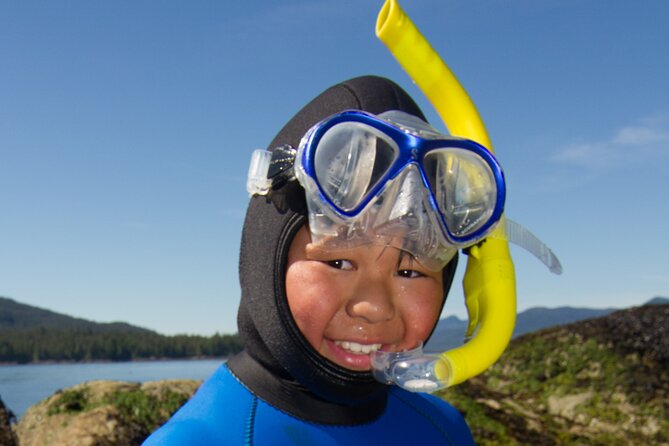
- Hood, boots, and gloves
- A Tusa or SCUBAPRO mask that the team adjusts so it seals properly
- Twin Jet fins for efficient movement
- Hot beverages and water included
Two practical upgrades are worth calling out:
- Prescription masks are available if you need them.
- Weight belts are optional for guests doing any free-dive style practice (if you want extra stability while you are learning).
What I’d tell you to bring (based on what they recommend to guests):
- A towel
- A swimsuit
- An extra pair of socks for wearing under the wetsuit
Those socks sound small, but the goal is simple: make suit-on and suit-off easier. When you are in a thick wetsuit, every little friction point adds up.
Also, the wetsuit is rated “most strenuous” mainly because it is tight-fitting. That tight fit is not a gimmick. It’s how they keep you warm. Just don’t pretend you’ll be in athletic leggings. You will feel the suit when you move.
Getting to the right place: pickup from the cruise docks
Timing is everything on a cruise port day, and this tour takes that seriously. Your meeting point is at the Ketchikan Cruise Ship Docks, specifically at the Ketchikan Visitors Center near the Liquid Sunshine gauge on Berth 2 (131 Front St.). You look for a Dock Representative holding a Snorkel Alaska sign.
Arrive about 15 minutes early. That’s not a suggestion; it’s what lets you get outfitted without turning the day into a sprint. If you are short on time, you feel it instantly once you hit gear prep.
If you are on Norwegian Cruise Line, there’s a special note: you take the FREE shuttle from The Mill at Ward Cove to downtown Ketchikan. Plan for about 45 minutes to one hour to get from disembarkation to town, and it’s imperative you are among the first off the ship. If you miss the departure time, refunds won’t be provided.
You’ll also get a mobile ticket, which helps once you are at the dock. From the way the tour runs, the flow feels built for cruise schedules: quick check-in, fast suit up, then straight into instruction.
What actually happens on the water (and how instruction helps beginners)
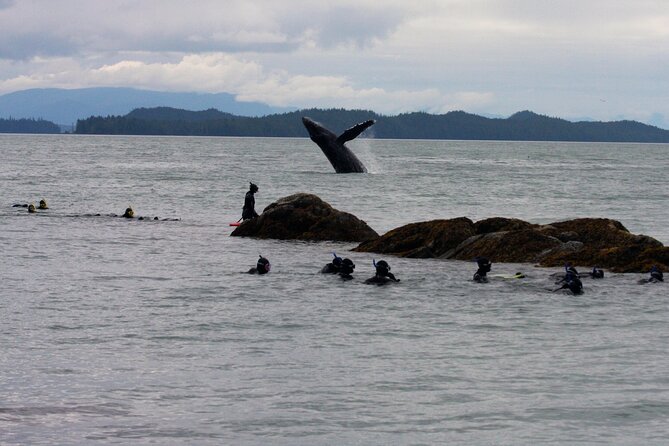
This outing is designed for first-timers. You get guided snorkeling with instruction beforehand, and you snorkel with your guides providing in-water support. That matters because snorkeling in Alaska is not just “put on gear and swim.” You’re dealing with thicker equipment, a different body position in fins, and colder water than most people are used to.
The standard rhythm looks like this:
- You get help getting into the wetsuit.
- You receive complete instruction and directions.
- The team checks your mask seal before you enter.
- You practice and snorkel with guides staying attentive in the water.
- You do a one-hour guided marine life tour.
One review mentions the tour went out to an area often referred to by locals as Mountain Pass at high tide, but the bigger lesson is the tides matter. If you have any option on the day, low tide tends to be better for easier viewing closer to shore (without inventing a plan you might not get).
Also note the entry: you go into the water from a rocky beach. That means there is some scrambling. Your guides help with the logistics before you start, but you should still assume the start and end of the water time require balance and effort.
In the water, the team guides you around the site while explaining what you are seeing. The tour is not silent wandering. You should come away understanding the animals, not just spotting them.
Wildlife time: why this Alaska snorkeling feels different
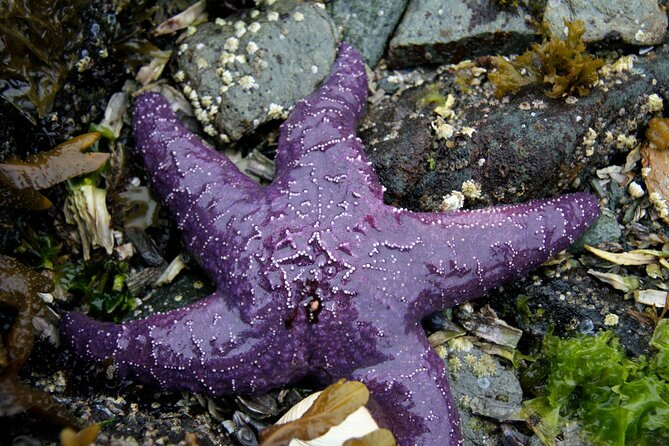
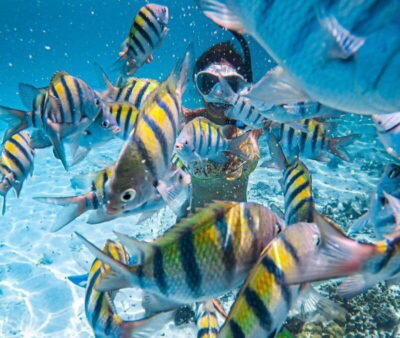
If you’ve only snorkeled in places with bright reefs and big color, Alaska can surprise you in the best way. This tour tends to focus on the animals that live in the bay and near shore. That is where Alaska’s underwater “personality” shows up: sea stars, sea urchins, sea cucumbers, hermit crabs, and lots of fish.
From actual sightings described, here are common highlights:
- Sea stars in multiple types and sizes
- Sea urchins
- Sea cucumbers (including burrowing types)
- Hermit crabs everywhere
- Eels and schooling salmon reported in some outings
- Jellyfish reported on at least one trip
- Close-up animal handling or close encounters, with guides demonstrating what to look for
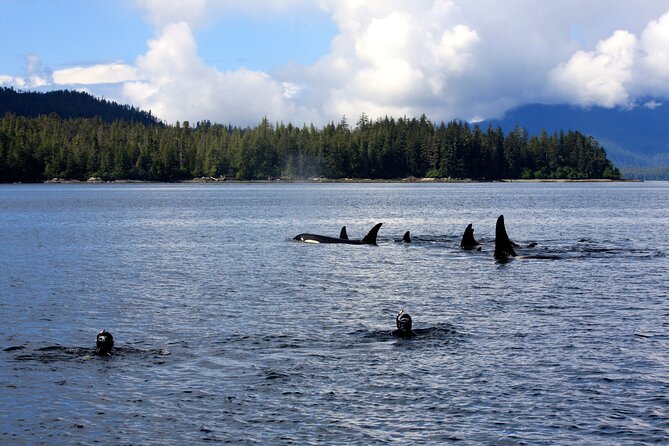
A very memorable detail: one guest described Fred using his hands to show a buffalo sculpin. That kind of moment only works when the guides know the area and keep things safe. Another review notes a whale and seal sighting during the tour, and another mentions whales from about 100 yards away. You cannot count on marine mammals every day, but it does show that the wildlife zone can be active.
Why this matters for your experience: the guided time helps you see the small life you would miss on your own. And because you are snorkeling with a wetsuit setup designed for the cold, you are not rushed out by discomfort before the best animals come into view.
Warmth, rain, and the wetsuit reality check
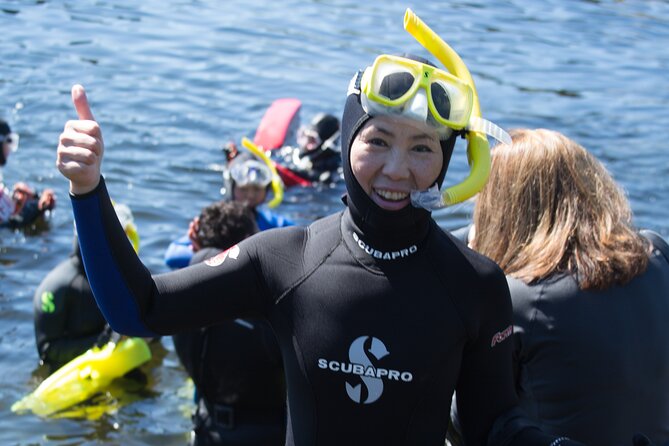
Let’s talk about the most important variable: how it feels in real weather. Alaska can do sudden rain. The good news is that the gear and the way the guides run the day helps you stay comfortable while you are in the water.
Multiple reviews highlight that people were not cold during snorkeling even when it was raining, and one even notes water temperature around 47°F. The key point is that the 7mm suit with hood helps regulate your temperature so the cold water doesn’t shut you down.
That said, you should plan for two discomfort moments:
- Suit-on and suit-off take effort. A thick wetsuit is tight and you’re working around the hood, boots, and gloves.
- After you get out, you may feel cool air until you warm back up.
Also, you are entering and exiting from a rocky beach. Currents may be present, and that means your body needs to be steady when you start and stop.
The tour is not for everyone physically. The rules call out not being recommended for the severely obese or people with limited mobility because of the rocky entry/exit. You also need reasonably strong physical fitness, and they note no mobility issues.
They set weight limits too: 80 to 260 pounds for proper wetsuit fit. That’s not a random number. If you are outside the range, the suit fit won’t do its job of keeping you warm and giving you a workable snorkel platform.
Price and value: where your $209.99 goes
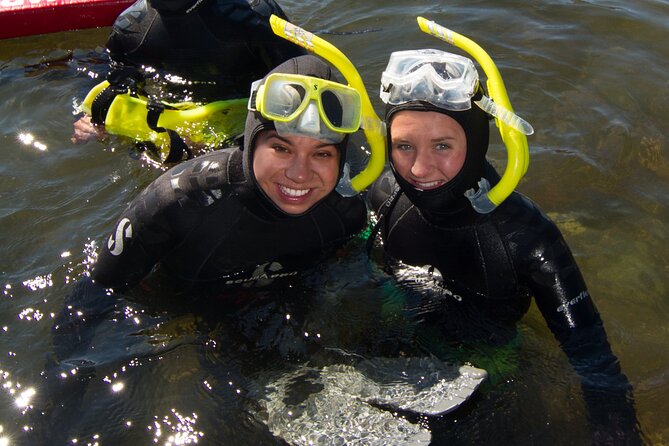
At $209.99 per person for about 3 hours, the price might look steep if you only think about “snorkeling.” But this is closer to a short guided training session plus a guided marine tour, with real gear and transport included.
Here is the value breakdown you can actually feel:
- Round-trip transport from the cruise ship docks
- Complete snorkeling equipment, including full 7mm wetsuit and hood/boots/gloves
- High-quality mask and fins (not bargain-bin junk)
- Instruction before you enter the water
- In-water supervision during your snorkeling
- One hour guided marine life tour
- Hot beverages and water included
- They also mention hot showers after snorkeling in staff replies
When you compare it to DIY snorkeling, you’re paying for safety support, gear that fits cold-water conditions, and a guide who points out what you are seeing. In Ketchikan, that last part matters. Alaska’s underwater life isn’t always obvious to a first-time snorkeler, especially when you are wearing a thick suit that changes how you move.
There’s also a small-group feel. Maximum of 10 travelers means less waiting around and more attention. That often shows up as quicker mask checks, better help with fins, and less confusion at the start.
One more value point from the overall rating: people consistently give high marks to the staff and the equipment, plus they mention not missing the cruise ship when timing is tight.
Who this tour suits best (and who should think twice)
This snorkeling outing is built for all skill levels, including beginners, as long as you can handle the physical side of the day. The biggest gate is warmth and suit fit, not swimming ability.
It’s a good fit if:
- You want a hands-on, guided Alaska experience, not just a photo stop
- You’re comfortable with instruction and following directions
- You’re physically able to handle rocky entry and exit
- You can wear and move in a tight wetsuit for the duration
It’s likely not a good fit if:
- You have limited mobility or significant difficulty with steps and uneven footing
- You’re outside the weight range of 80 to 260 pounds
- You have health conditions listed as disqualifying: heart conditions, respiratory disorders, or a history of seizures or fainting
- You’re over the suggested maximum age of 70 due to the strenuous nature of snorkeling in Alaska
That health restriction isn’t negotiable and should be respected. No refunds are given the day of the tour if you are medically disqualified, so check your situation early.
For most active travelers, this comes off as an adventure that feels doable because you are not dropped in alone. The guides help with the gear and keep an eye on safety in the water, which is exactly what you want when the temperature is not forgiving.
Should you book Snorkel Alaska?
Book it if you want an Alaska snorkeling experience that actually accounts for cold water, and you care about seeing real animals with guidance. The combination of high-quality wetsuits, tight mask fit checks, small-group attention, and a guided marine life tour is the reason this feels like more than just snorkeling.
Skip it if you dread tight gear, have mobility limitations, or you want a casual, low-effort excursion. The rocky beach entry and the thick wetsuit are the biggest deciding factors.
If you like structured adventures where you learn what you are looking at, and you’re ready for a hands-on underwater lesson, this is one of the more rewarding ways to spend a Ketchikan cruise day.
FAQ
How long is the Snorkel Alaska tour in Ketchikan?
The experience runs about 3 hours, approximately.
What snorkeling equipment is included?
You get all snorkeling gear, including a full 7mm wetsuit (with hood, boots, and gloves), mask, and fins. Prescription masks are available.
Do I need prior snorkeling experience?
No. Beginners are welcome, and you’ll receive instruction before entering the water plus in-water supervision.
Is pickup from the cruise docks included?
Yes. Round-trip transport from the Ketchikan Cruise Ship Docks is included.
What should I bring to the meeting point?
Bring a towel and swimsuit. They also recommend bringing an extra pair of socks to wear under the wetsuit to make it easier to get into and out of the gear.
Is the tour physically strenuous?
It is rated most strenuous due to the tight-fitting nature of the wetsuit. You should have reasonably strong physical fitness and be able to handle the rocky beach entry and exit.
Are there weight or age limits?
Yes. You must weigh between 80 and 260 pounds for proper wetsuit fit. The suggested maximum age is 70.
What happens if weather is bad?
This activity requires good weather. If it’s canceled due to poor weather, you’ll be offered a different date or a full refund.