REVIEW · LA JOLLA
Snorkeling Adventure in La Jolla
Book on Viator →Operated by Water Sports San Diego · Bookable on Viator
Emerald Cave snorkeling means swimming, not paddling. This La Jolla trip mixes reef sightseeing with a guided push into the cove and toward Emerald Cave, with a friendly local leading the way.
What I like most is the combination of high-quality snorkeling gear and a guide who knows the local underwater world, including how to get you oriented fast. You’ll likely leave with more than just photos.
The best part for me is the animal spotting. You can expect a good lineup of native marine life like horn sharks, sea lions, Garibaldis, zebra fish, opal eye, kelp bass, and water birds, plus lots of fishy neighbors around the cave and reefs.
One big consideration: this is for people who can swim. There are no life jackets, even though the wetsuits are buoyant, so confidence in open water matters.
In This Review
- Key things to know before you go
- Meet at La Jolla Cove Market, Suit Up, and Get Briefed
- La Jolla Underwater Park: Where the Tour Gets Real
- Emerald Cave: The Highlight, the Work, and Why It’s Worth It
- The Reef Cast: Horn Sharks, Sea Lions, and Kelp Bass
- Safety Rules You Can’t Skip: Swim Skills and Wave Reality
- Gear and Wetsuit Comfort: What’s Included and What to Plan
- Why the 10-Person Limit Improves the Experience
- Value: What You’re Paying For (and What You’re Not)
- Weather Can Change Everything (and That’s Part of the Deal)
- Who Should Book This La Jolla Cave Snorkeling Trip
- Should You Book This Snorkeling Adventure in La Jolla?
- FAQ
- Where is the meeting point for this snorkeling tour?
- How long is the snorkeling experience?
- Is the tour offered in English?
- What snorkeling gear is included?
- Are wetsuits included?
- Do I need to know how to swim?
- Are life jackets provided?
- What marine life might I see?
- Is this a large group tour?
- What if weather conditions are poor?
Key things to know before you go
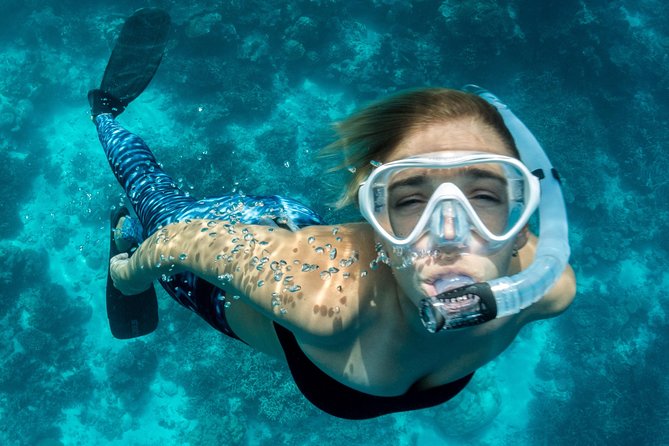
- Local guide-led cave swimming: You’ll be guided through the cove and into the water cave area.
- Gear is provided, wetsuit may be extra: Snorkeling equipment is included; wetsuit rental is available at the shop.
- No life jackets: Wetsuits are buoyant, but you still need solid swim skills.
- Small group size: The max group size is 10, which helps the guide keep eyes on everyone.
- Expect real ocean conditions: Waves and current can change the vibe fast around the cove.
- You’ll see caves, not just fish: The cave swim is a major highlight of the trip.
Meet at La Jolla Cove Market, Suit Up, and Get Briefed
Your adventure starts at La Jolla Cove Market at 8008 Girard Ave, Suite 190, La Jolla. This is set up for a simple rhythm: you meet at the shop, get geared up, then take a quick walk to the water where you’ll jump in.
Plan time like a local: arrive early enough to avoid rushing through the waiver and gear check. The tour requires a signed waiver before entering the water, so give yourself breathing room.
A couple practical notes that matter here. It’s offered in English, and the tour uses a mobile ticket. It’s also described as near public transportation, which is helpful in this area where parking can eat time.
Most importantly, you’ll want to be clear about swim ability. The water time isn’t a “stand still and float” situation. This is swimming throughout the cove and into the cave area, so you’ll feel the difference right away once you’re out there.
You can also read our reviews of more tours and experiences in La Jolla.
La Jolla Underwater Park: Where the Tour Gets Real
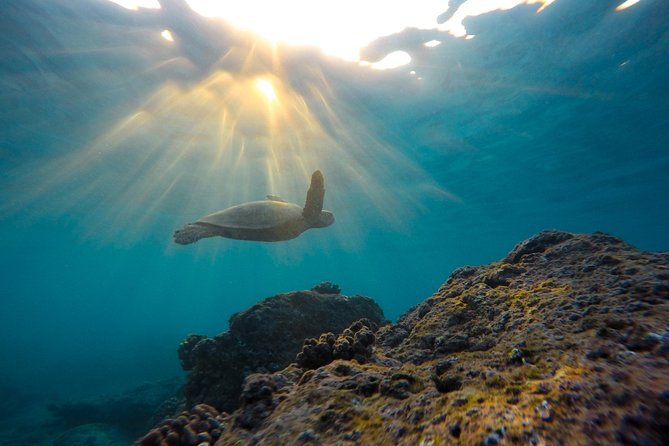
Stop 1 is La Jolla Underwater Park, and think of it as your launch point into the experience. This is where you’ll settle into the feel of the equipment, get used to moving with fins, and start spotting marine life close to the structure.
The guides tend to run the tour like a mix of safety training and playful exploration. You’ll be taken past spots people often free-dive at (you won’t need to free-dive yourself to benefit). The point is that you’ll be moving along reef zones where fish are active and where you’re most likely to spot the area’s common residents.
There’s also a psychological benefit to starting here: you get oriented before you commit to the cave swim segment. If you’re even slightly nervous, this earlier stage helps you find your breathing, your buoyancy comfort, and your rhythm.
If you’re someone who gets tired quickly, this is also the stage where you’ll feel it first. I’d treat the first stretch as your check-in with yourself: can you swim at a steady pace while looking around?
Emerald Cave: The Highlight, the Work, and Why It’s Worth It
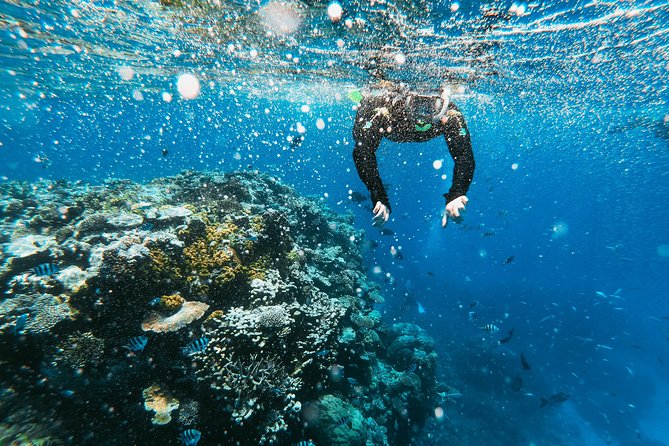
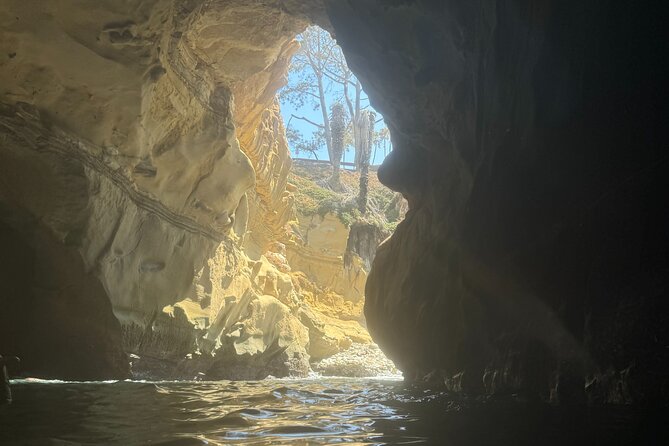
The headline is swimming toward La Jolla’s famous Emerald Cave. In plain terms: it’s scenic, but it’s not a stroll.
You’ll pass along multiple cave and reef entry points as you head toward the main cave experience. The route matters because the underwater world here is shaped by rock, wave action, and water movement. That means you’re not just chasing fish in open water—you’re syncing with the environment that makes this coastline special.
A buoyant wetsuit helps. Still, you should expect that you’re doing real work: you’re swimming in a protected wildlife area where you won’t have life jackets to rely on.
Here’s the practical takeaway: if you’re strong and comfortable in choppy water, the cave swim often feels like the moment the whole trip clicks. If you’re anxious or you struggle to stay steady when conditions change, the cave segment can feel stressful fast. This is why the tour is repeatedly framed as a strong-swimmer experience.
One more thing: cave time can be more memorable than you expect because it gives you a different view angle on the water and the wildlife. You’re not just floating above a reef; you’re moving through the geometry of the coast.
The Reef Cast: Horn Sharks, Sea Lions, and Kelp Bass
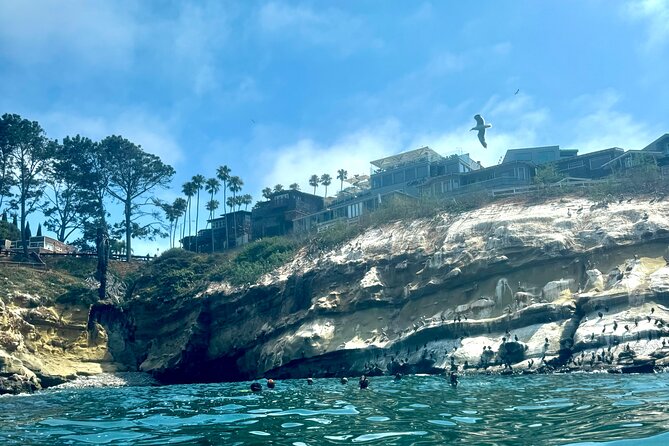
This is the kind of tour where you don’t have to hunt. The guide-led approach puts you in the areas where marine life tends to show up, and the cave-and-reef layout makes it easier to spot different species as you move.
Here’s the lineup you should realistically expect to encounter:
- Horn sharks
- Sea lions, including curious pups near swimmers
- Garibaldis
- Zebra fish
- Opal eye
- Kelp bass
- Water birds
- Plus plenty of other smaller reef residents
Sea lions are a recurring highlight. They can keep their distance like big professionals, but pups may come closer out of curiosity. The best way to enjoy that moment is to stay calm, keep your fins controlled, and let them approach rather than trying to chase the moment.
Guides also help you read what you’re seeing. People mention different guides by name—Jayne, Cass, Jane, Skylar, and Skyler all come up—so you’ll likely get a strong mix of local ecology storytelling and practical snorkeling coaching. That combination matters because it turns a random fish sighting into something you understand, and it also helps you move safely through the water.
Safety Rules You Can’t Skip: Swim Skills and Wave Reality
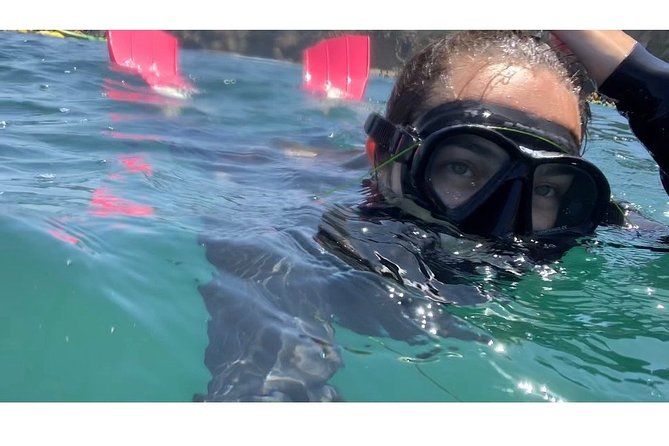
Let’s be direct. This experience has no life jackets in the cove because it’s a protected wildlife area. Yes, your wetsuit is buoyant, but buoyancy is not the same thing as flotation support.
So what should you do with this information?
- Show up only if you can swim confidently.
- If waves are making you tense on the shore, treat that as a real warning sign, not something to “tough out.”
- Keep your energy for the water. Panic uses calories.
One thing I appreciate about the better moments of this tour is how guides respond when someone starts to flag. Several experiences highlight guides helping calm down, addressing cramps, or even adjusting where someone swims if they’re tired. That support helps, but it’s still on you to come prepared.
Also, this isn’t a pool session. The cove has waves and water movement, and that can make it harder to stay upright and composed while scanning the water. If you’re older, have balance challenges, or get calf cramps, consider how you’ll handle physical exertion and uneven surf.
Gear and Wetsuit Comfort: What’s Included and What to Plan
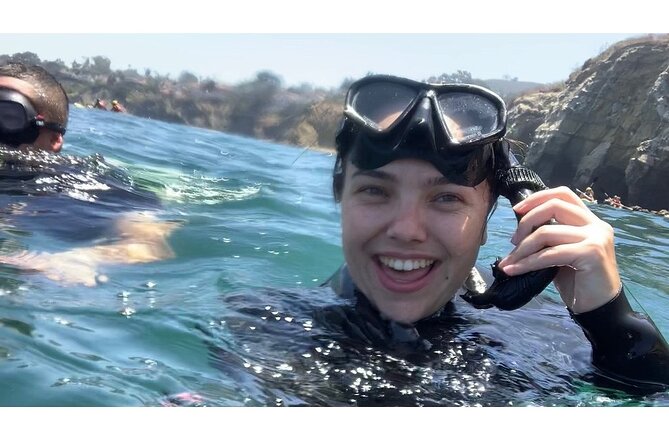
Snorkeling equipment is included. That typically covers the basics you need to see clearly and move safely once you’re in the water.
Wetsuits are the part you may need to rent at the shop. This is worth thinking about even if you’re not a cold-weather person. Your wetsuit affects buoyancy, which affects how quickly you fatigue. One September snorkeler described using a 7 mm wetsuit and staying comfortable in water around 67°F, without feeling chilled for a long time. Not everyone will match that, but it’s a useful data point for how thickness can change comfort.
If you’re deciding whether to rent a wetsuit, use a simple rule: if you tend to get cold in ocean air or you’re concerned about lasting the full swim, plan on renting. The buoyancy can take the edge off leg fatigue.
You’ll also want to bring practical basics: if you have a way to secure your things and keep your phone dry, do it. The tour includes a quick walk to the water, plus a waiver process at the shop, so you don’t want to be juggling everything while you’re changing gear.
Why the 10-Person Limit Improves the Experience
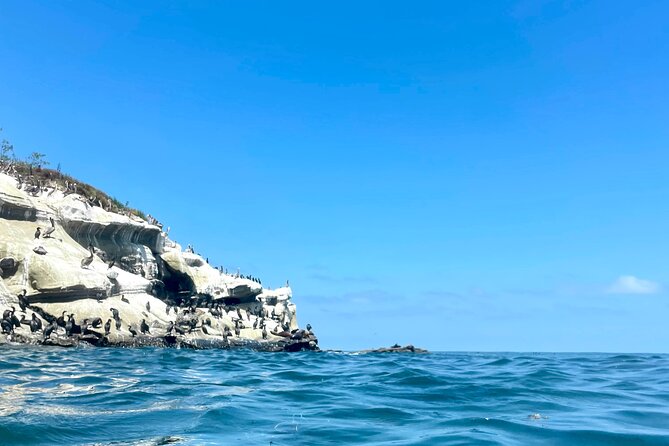
This tour caps at 10 travelers, and that’s not just a number. It affects how safely you feel, how quickly you get help, and whether the guide can actually pay attention to everyone.
Small groups make coaching more practical. It’s easier for a guide to help you with fin control, buoyancy adjustments, and where to look so you spend less time flailing and more time actually seeing fish and cave structure.
The other big value is guide attention. Multiple guide names show up in the experience history—Cass, Skylar, Maddie, Jayne/Jane—so you’re likely getting someone with both local knowledge and a steady manner in the water. And when you’re in conditions that are a little more than calm-lake snorkeling, that temperament matters.
If you’re a first-timer, the small-group format also helps you practice technique without feeling rushed. You’ll have enough time to get comfortable with breathing, hand positioning, and keeping your fins from drifting into everyone else’s space.
Value: What You’re Paying For (and What You’re Not)
There’s no mystery here about what you get. You’re paying for:
- Guided movement in a marine-protected area
- Equipment use (snorkeling gear)
- A focused cave-and-reef route likely to produce consistent animal spotting
What you’re not paying for (based on what’s listed): a wetsuit rental, since that’s available at the shop rather than included for everyone.
So does the value hold? For me, it does if you match the conditions. The cave swim and reef spotting are the core product, and the guide-led approach is what makes it more than just a random swim. If you show up confident and ready to work a little, you’re likely to feel like you got your money’s worth.
If you’re not a strong swimmer, the risk-to-reward trade shifts. The experience can still be enjoyable for the right person, but your comfort is the limiting factor more than the scenery.
Weather Can Change Everything (and That’s Part of the Deal)
This snorkeling experience requires good weather. If conditions are poor, the tour can be rescheduled or you may receive a full refund.
You should watch the forecast and think honestly about your tolerance for waves. Several accounts mention choppier-than-expected water, and that’s not a minor detail when you’re in open water without life jackets.
My advice: if the ocean looks rough on your arrival, treat that as information. The guide’s job is keeping people safe, not forcing a perfect day.
Who Should Book This La Jolla Cave Snorkeling Trip
This tour fits best if:
- You can swim confidently in open water.
- You’re okay with a workout level of swimming for about 1 hour 15 minutes (approx.).
- You want reef life plus a cave swim, not just a quick surface float.
- You like guided help, especially for first-timers who still want strong technique and safety coaching.
It may be a mismatch if:
- You’re anxious in the ocean or tend to panic when you get tired.
- You struggle to stay upright when waves push.
- You’re relying on life jackets for comfort. They’re not available in the cove.
That said, it can still work for beginners who come prepared and listen to the guide. The key is your swim confidence and your willingness to follow instructions quickly.
Should You Book This Snorkeling Adventure in La Jolla?
Book it if you want a guided cave-and-reef snorkeling experience with a small group and you’re genuinely comfortable swimming when conditions aren’t perfectly calm. The chance to see sea lions, horn sharks, and a steady mix of reef fish in the same trip is a strong reason to go.
Skip (or pick a calmer option) if you’re not confident in open water. In this specific spot, the lack of life jackets means your comfort level isn’t a bonus. It’s the whole game.
If you’re ready for real ocean snorkeling in La Jolla, this one is the kind of trip you’ll talk about after you’re back on shore, especially once you get into the cave segment.
FAQ
Where is the meeting point for this snorkeling tour?
You’ll meet at La Jolla Cove Market, 8008 Girard Ave, Suite 190, La Jolla, CA 92037. The tour ends back at the meeting point.
How long is the snorkeling experience?
It lasts about 1 hour 15 minutes (approx.).
Is the tour offered in English?
Yes, the tour is offered in English.
What snorkeling gear is included?
The tour includes use of snorkeling equipment.
Are wetsuits included?
Wetsuit rental is available at the shop. The included items are snorkeling equipment.
Do I need to know how to swim?
Yes. Guests MUST know how to swim, because the tour includes swimming throughout the cove and into the water cave.
Are life jackets provided?
No. Life jackets are not available in the cove because it is a protected wildlife area.
What marine life might I see?
You may see horn sharks, sea lions, Garibaldis, zebra fish, opal eye, kelp bass, water birds, and other sea life around the cave and reefs.
Is this a large group tour?
No. The maximum group size is 10 travelers.
What if weather conditions are poor?
This experience requires good weather. If it’s canceled due to poor weather, you’ll be offered a different date or a full refund. Free cancellation is available up to 24 hours in advance.