REVIEW · SRI LANKA
Snorkeling at Pigeon Island
Book on Viator →Operated by Pigeon Island National Park · Bookable on Viator
Sea life comes close at Pigeon Island. I love that this is a small-group snorkel outing with snorkeling gear handled for you, so you can get into the water quickly and focus on fish instead of logistics. And when you do snorkel, you can expect plenty of reef action like parrotfish and eels, with other animals possible nearby.
One thing to plan for: the national park entrance ticket may be collected at the meeting point, and the whole trip depends on good weather.
In This Review
- Key highlights at a glance
- Pigeon Island’s reef payoff in about three hours
- Gear and a small group: why this tour feels less stressful
- Getting from the beach to the island: the short hop that saves energy
- Stop 1: Snorkeling at Pigeon Island National Park
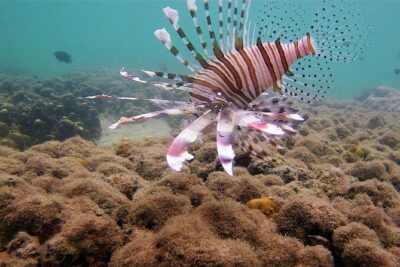
- What you’ll likely see in the water
- The big “maybe” animals
- A practical tip about staying comfortable and safe
- Entrance tickets and on-the-water fees: what your final cost can look like
- Boat ride, timing, and what to pack for a better snorkel day
- Who this snorkeling trip is best for (and who might want a different plan)
- Should you book snorkeling at Pigeon Island?
- FAQ
- How long is the snorkeling experience?
- Is snorkeling gear included?
- Do I need to pay for the park entrance ticket?
- What marine life can I expect to see?
- What does the boat part include?
- Is there a guide fee?
- Is lunch included?
- What are the pickup/drop-off options?
- What happens if weather is bad?
Key highlights at a glance
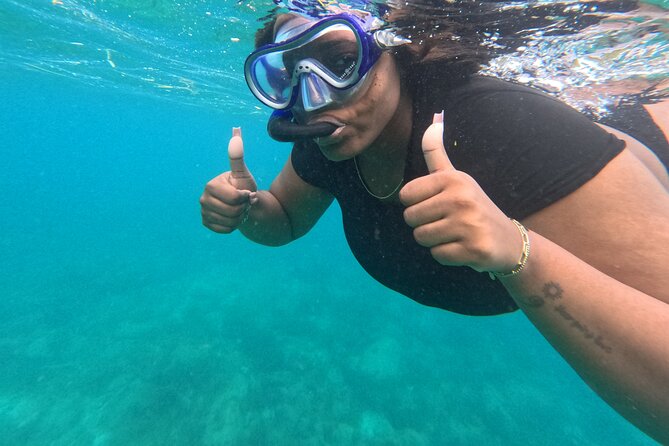
- Small group (max 7 people) keeps things calmer and makes it easier to manage gear and timing
- Snorkeling gear included, so you can pack lighter
- Round-trip boat to the island so you avoid haggling over boats
- 3 km offshore snorkel zone means you’ll be in real reef habitat, not just near-shore water
- Reef life is the main event, with parrotfish, eels, and boxfish you can watch for long stretches
- Possibilities beyond fish, including turtles, rays, and reef sharks (not guaranteed, but realistic)
Pigeon Island’s reef payoff in about three hours
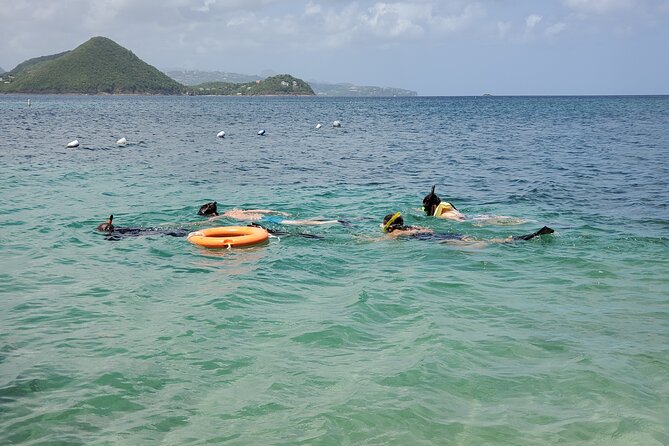
This trip is built around one goal: getting you snorkeling at Pigeon Island National Park without the usual headache of arranging boats, paying separate fees, and trying to line up timing with random schedules. The time on the water is the star, and the whole plan keeps moving so you’re not stuck waiting around.
What I like most is how direct the experience feels. You go out, snorkel in a designated area, then come back to the main beach. You’re not chasing multiple stops or switching activities every hour. If you want a straightforward reef session with good odds of seeing coral and fish, this fits nicely.
The snorkeling spot is about 3 km from the beach, which matters. Near-shore water can be hit-or-miss depending on currents and reef access. Here, you’re going to the park where the marine life is the point, not an accidental bonus.
Gear and a small group: why this tour feels less stressful
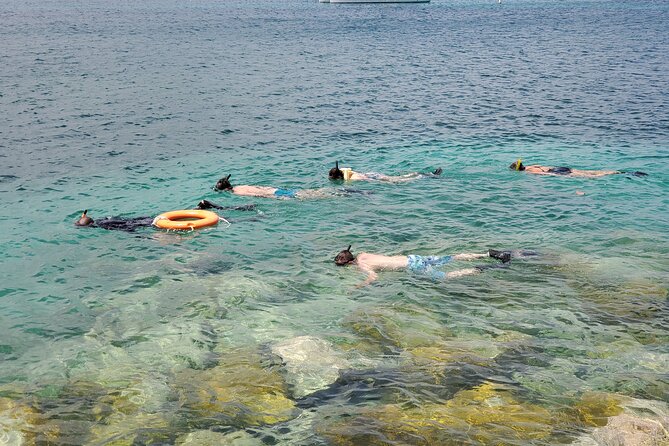
You’ll notice right away that this is set up for people who don’t want to overthink equipment. Snorkeling gear is included, meaning you don’t have to pack your own mask and related gear. That’s a real value in Sri Lanka, where space and planning can get tight as you move between locations.
The group size is also capped at 7 people. In practice, that usually means fewer bottlenecks and more time in the water because the boat and offload process stays simple. It also makes it easier for the team to keep a loose eye on everyone while you snorkel.
Also, the boat part is round trip. You’re not dealing with the “okay, now find your own way back” problem. The pace is more predictable, which is especially helpful if you’re trying to fit this around beach time in the Trincomalee area.
Getting from the beach to the island: the short hop that saves energy
You start at a main beach area and head out by boat to Pigeon Island. In the feedback I read, the ride has sometimes been very quick—around 10 minutes—and that matters because it keeps the whole excursion from feeling like mostly transit.
You’ll snorkel in the designated snorkeling zone at the park, and you’ll be able to leave bags and equipment in a safe place before going back in the water. That little detail helps. You don’t want to juggle belongings while you’re trying to stay focused on fish and coral.
Transport is also where you can tailor the experience. There are options for pickup and drop depending on where you’re staying. If you’re based near Trincomalee, Uppuveli, Nilaveli, or Uga jungle beach, the tour lists different per-person transfer costs for pickup and drop-offs. If you’d rather not deal with taxis or meeting points that keep changing, the transfer upgrade is worth considering.
Stop 1: Snorkeling at Pigeon Island National Park
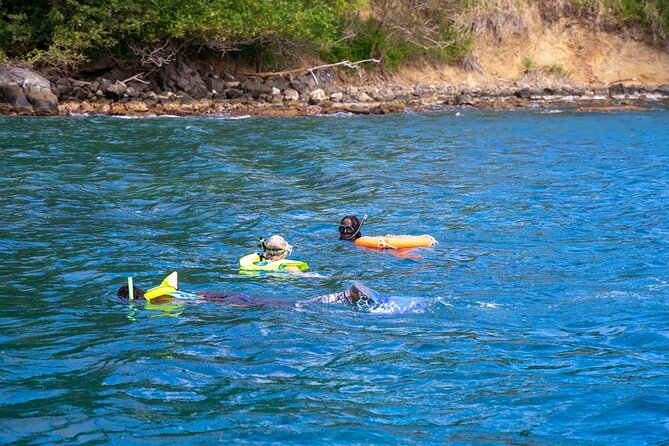
Once you’re at Pigeon Island, the snorkeling time is where the trip earns its keep. You snorkel for about 3 hours total (the timing is designed as a full session at the park, rather than a quick taster).
What you’ll likely see in the water
This isn’t just about “seeing coral.” You’re watching reef life move through the water column. Based on the descriptions and the common patterns in how the park area is presented, you can reasonably expect:
- Colorful coral and reef structure that gives fish places to shelter
- Eels (often the kind that hide in crevices, then slide out as you drift nearby)
- Parrotfish and damselfish, which tend to be active and noticeable as you glide
- Boxfish and other small reef fish that hang around the reef area
- Sweetlips fish you may spot in calmer moments while you float and watch the current
The water conditions in a snorkel session can change—some spots feel calmer, others have a bit more drift—but the reef zone is chosen for visibility and marine activity. The overall vibe is peaceful: you float, watch fish pass, and learn to spot movement before you see the animal clearly.
The big “maybe” animals
The trip also gives you a chance at bigger sightings. You might encounter turtles, rays, or reef sharks, but it’s not presented as a guaranteed checklist. That’s actually good news for your expectations. Reef wildlife sightings can be unpredictable, and you don’t want a tour that promises specific animals as if they’re on schedule.
Still, the fact that these species are mentioned tells you you’re in the kind of park habitat where larger marine life can pass through or hang around the reef area.
A practical tip about staying comfortable and safe
One useful piece of advice from the experience is simple: if you’re a strongish swimmer, consider skipping the flippers and using beach shoes instead. Coral can be sharp, and footwear can reduce the sting if you need to step around rocky areas or adjust your entry.
If you’re not confident without fins, of course use what you’re comfortable with. But if you hate finning around and you’d rather keep your feet protected, this tip can make your session more comfortable from start to finish.
Entrance tickets and on-the-water fees: what your final cost can look like
This is the part to pay attention to, because the fee situation is easy to misread. The trip descriptions include snorkeling gear, a boat, and park entrance coverage in some places, but the snorkeling plan also states that the park entrance ticket is not included and you’ll need to pay an additional 1,3000 LKR per person at the meeting point.
So here’s the practical approach: when you book, confirm whether your total includes the park entrance ticket or whether you’ll pay on site. Don’t assume one line of the description equals the full final total.
Beyond the entrance ticket, there’s also a guide fee of $5.00 per person listed as not included. That implies there’s staff support during the experience, but your booking price may not cover that piece.
And if you want hotel pickup/drop, transfer costs vary by location:
- Trincomalee: $12.00 per person
- Uppuveli: $11.00 per person
- Nilaveli: $5.00 per person
- Uga jungle beach: $12.00 per person
When you combine these, the real value question becomes: does this tour save you time and hassle compared to arranging a boat and paying separate fees on your own? For many people, the answer is yes—especially if you want to avoid bargaining and still get a simple, timed snorkeling session.
Boat ride, timing, and what to pack for a better snorkel day
This tour is designed for a focused day: get to the park, snorkel in the designated area, then return to the main beach after the session. Because it’s weather-dependent, you’ll want to be flexible.
For your snorkel kit (even with gear included), I’d plan for the basics:
- Reef-friendly sunscreen (if you have it)
- A light cover-up for after snorkeling
- Water and a small snack if you’re prone to getting hungry
- Towels and dry clothes in a bag you can keep closed
Also, bring a bit of patience for the human rhythm of any marine trip. Even with a short boat hop, you’ll be timing around gear checks and getting everyone into the water safely. The upside is that the excursion doesn’t feel like it’s stretching out unnecessarily.
Who this snorkeling trip is best for (and who might want a different plan)
This works best for:
- People who want an organized reef snorkel without figuring out boats and separate arrangements
- Anyone staying near Trincomalee / Uppuveli / Nilaveli who can use the transfer options
- Snorkelers who like marine life watching for an extended stretch (about 3 hours)
- Swimmers who are comfortable in open water near a reef zone, even if you stay within the designated area
It may be less ideal for:
- People who strongly prefer a “no extra payments” experience, because the entrance ticket may be handled at the meeting point
- Anyone who gets stressed by weather-related changes, since the tour requires good weather and can be rescheduled or refunded if it’s canceled for weather
If you want a controlled, small-group snorkel session and you’re okay confirming fees up front, this tour fits well.
Should you book snorkeling at Pigeon Island?
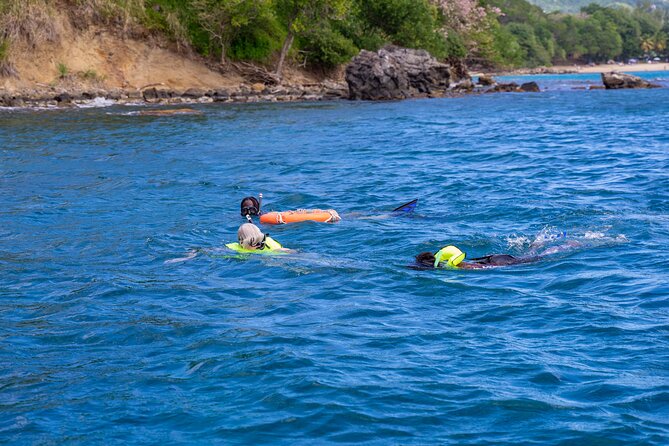
I think you should book if you want a straightforward reef outing with snorkeling gear included, a round-trip boat, and time built specifically for watching fish and coral. The small group size (max 7 people) and the short, direct format make it feel efficient without cutting corners.
I’d hold off or confirm details if you’re very cost-sensitive or you hate surprises on fees. The park entrance ticket may be paid at the meeting point, and there’s also a $5 guide fee per person listed separately. Ask for clarity before you go.
If you’re traveling around Trincomalee and you want one high-value snorkeling session that’s easy to manage, this is a solid choice.
FAQ
How long is the snorkeling experience?
It’s about 3 hours (approx.) spent snorkeling at Pigeon Island, with time also needed for the boat ride out and back.
Is snorkeling gear included?
Yes. The experience includes the use of snorkeling equipment.
Do I need to pay for the park entrance ticket?
The snorkeling plan notes that the park entrance ticket is not included and that you must pay an additional 1,3000 LKR per person at the meeting point. Confirm what your booking includes.
What marine life can I expect to see?
You’ll see coral and reef fish such as parrotfish, eels, and boxfish, and you may also encounter turtles, rays, and reef sharks.
What does the boat part include?
You get a boat with round trip service to reach Pigeon Island and return to the main beach.
Is there a guide fee?
Yes. A guide fee of $5.00 per person is listed as not included.
Is lunch included?
Lunch is listed as not included in the experience details.
What are the pickup/drop-off options?
Pickup/drop-off costs vary by where you stay. The listed per-person options include Trincomalee ($12), Uppuveli ($11), Nilaveli ($5), and Uga jungle beach ($12).
What happens if weather is bad?
The experience requires good weather. If it’s canceled due to poor weather, you’ll be offered a different date or a full refund.