REVIEW · OAHU
Snorkeling in Waikiki Many Fish All Levels Free Video & Pics!
Book on Viator →Operated by Discover Tours Hawaii LLC · Bookable on Viator
One of Waikiki’s easiest ways to see fish up close. This small-group snorkeling class in a marine conservation spot focuses on calm, shallow water and real hands-on coaching from Lynne, with free photos and a personalized video included. It’s a low-stress alternative to bigger, boat-heavy plans, and it runs right off Waikiki Beach.
I especially like how Lynne explains what to expect before you get in, so first-timers are not guessing. I also like the safety setup: floating first practice, water depth capped at about 5 feet, and equipment sized for kids to adults. A possible drawback is that the experience has real minimums for comfort in the water: you must be able to float, have stable footing, and meet a height requirement for gear and safety.
In This Review
- Key Things to Know Before You Go
- Waikiki Snorkel With Personalized Photos and Video
- Your 1-Hour Plan at Waikiki Beach: What Happens in Order
- Where You Swim: Marine Conservation Water Right in Waikiki
- Gear Setup and the Floating-First Safety Rules
- What You’ll See: Fish Close Up, With Real-Life Variety
- Why Lynne’s Coaching Works for Beginners (and Not Just Swimmers)
- Gear Location Helps: Where to Store Belongings Nearby
- Price and Value: Why $38 Can Make Sense in Waikiki
- Who Should Book This and Who Should Rethink It
- Tips to Get the Most Out of Your Waikiki Snorkel Class
- Should You Book It?
- FAQ
- How long is the snorkeling session?
- Is transportation or a boat included?
- Do I get photos and video?
- How deep is the water?
- What equipment is provided?
- Are fins included?
- What’s the minimum comfort level required?
- Is it limited to small groups?
Key Things to Know Before You Go
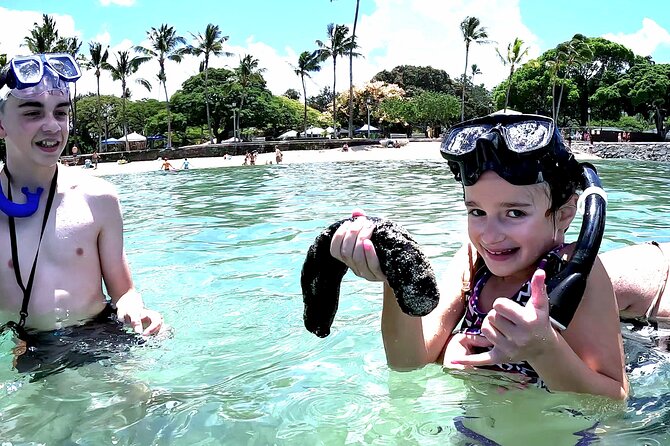
- Free video and photos: you get a compilation video plus personalized pictures of your session
- Shallow water approach: water is max 5 feet, so you can stay relaxed and adjust quickly
- Small group attention: limited class size helps Lynne coach each person’s comfort and timing
- Reef-aware snorkeling: the session happens in a specific marine conservation area spot in Waikiki
- Equipment included: snorkel, mask, watershoes, and float support are provided (fins only for experienced)
Waikiki Snorkel With Personalized Photos and Video
This is the kind of Waikiki activity you can do even if you do not plan to be in the ocean all day. The whole experience is about one hour, with no boat and no transportation needed, and you start and end right at the Waikiki meeting point near public transit. That makes it simple to plug into a busy day that also includes beach time, shopping, or food.
The big value hook is the photo and video package. You’re not just handed generic “group snorkeling” shots. The operator includes a free compilation video and free pictures, and multiple people note that Lynne’s custom video and photo set feels like a real souvenir rather than an afterthought. Even better, Lynne uses the moment before you enter the water to point out what you might see, so the camera footage captures more than random swim-backs and hand waves.
There is also a smart focus on comfort. This is not about forcing advanced skills. It’s about getting you stable in shallow water, confident with the mask, and able to float while you watch fish close enough to feel like you are in the action instead of hovering at a distance.
You can also read our reviews of more snorkeling tours in Oahu
Your 1-Hour Plan at Waikiki Beach: What Happens in Order
You should plan for a straightforward flow from start to finish. The whole session is built around making the water time work for beginners and more comfortable snorkelers alike.
First comes gear and coaching. You’ll get the snorkeling equipment and supportive gear, then Lynne walks you through what will happen in the water. Many first-timers describe feeling nervous at the start, and the common theme is that Lynne takes the time to explain things clearly and helps you get fitted and comfortable.
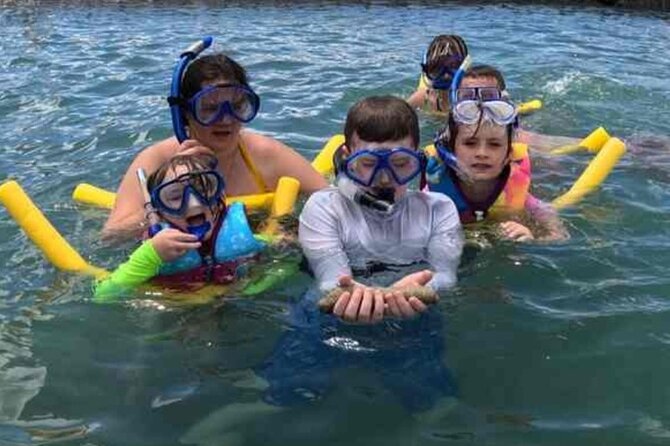
Then you practice the basics. Because this is shallow ocean and not a pool, the operator emphasizes floating and mask comfort. The rule is simple: you have to be comfortable floating in the water and have stable footing. You’ll use provided flotation support (floaty noodles or a belt) so you can focus on breathing calmly and staying relaxed.
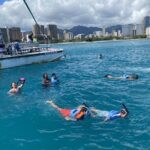
Next is the snorkeling itself. You’ll snorkel in a specific spot inside the marine conservation area in Waikiki. The idea is that you are not just “free-floating anywhere.” You’re going to one of the best-use areas, where the fish show up and the water depth makes it realistic to look around without white-knuckling it.
Finally you’re done and back at the meeting point. There’s no drawn-out “tour day” feeling here. It’s one focused chunk, and then you’re free to keep exploring Waikiki.
Where You Swim: Marine Conservation Water Right in Waikiki
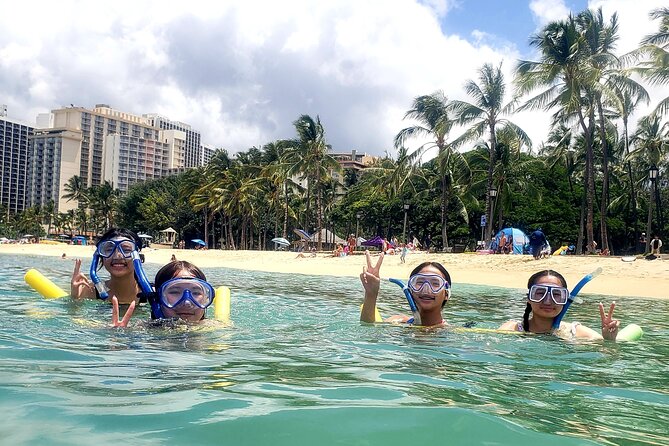
One of the most useful details is that this is not random shoreline snorkeling. The operator says you will snorkel in a particular Marine Conservation Area spot, and that Waikiki has only a limited number of great snorkeling spots across Oahu. That matters because reef life is not the same everywhere, and access can vary by conditions and designated areas.
Also, this is positioned as a Hanauma Bay alternative. If you like the idea of marine life but you want something closer and easier to manage, snorkeling in Waikiki can be a good swap. You still get the “fish right there” feeling, but with the convenience of being in the Waikiki area and keeping the whole session shorter.
One more practical point: conditions can change. The experience requires good weather. If conditions are not right, you can be offered a different date or receive a full refund. On an island, that’s not a weakness. It’s how you keep the water time safe and enjoyable.
Gear Setup and the Floating-First Safety Rules
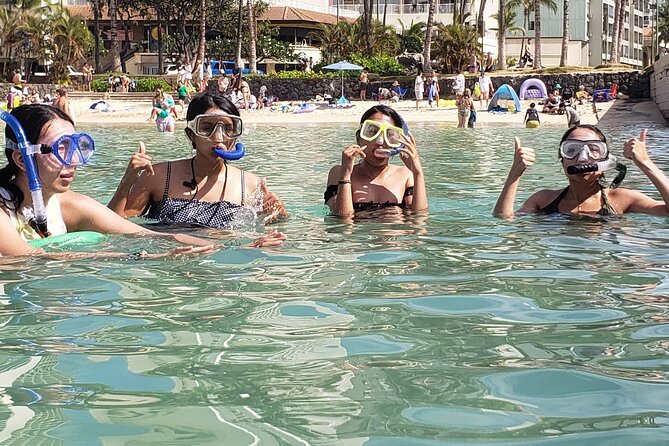
Safety here is not vague. It’s stated up front, and it shapes how the class runs.
You must be comfortable floating. That is the first requirement. In plain terms: you should be able to float without panic so Lynne can guide you through breathing, mask comfort, and looking around. They also specify a height requirement: you must be 3.5 feet or taller for equipment and safety, plus you need stable footing because the bottom can be sandy with rocks and you may have waves.
The water is shallow. The max depth is about 5 feet, which helps beginners because you can stand if needed and you’re not relying on advanced buoyancy skills the whole time.
Equipment is provided. You’ll get a snorkel, mask, and watershoes (sizes listed from 3 to 13, plus you can use your own if you prefer). You’ll also get flotation help: floaty noodles or a belt.
Fins are for experienced snorkelers only. The operator explicitly says that fins are only for people with enough experience for safe use. If you want fins, you’ll need to let them know ahead of time. If you are brand new, you should take the hint and focus on proper comfort first, not speed.
A real-life consideration: one less-positive comment criticized reef footwear practices because the reef looks rough. The operator’s broader approach is still about safety and comfort, but the practical takeaway for you is this: if you’re unsure about reef feel or you have sensitive feet, bring extra attention to your footwear choice. Watershoes are provided, and using your own can be an option, so plan to be comfortable rather than tough it out.
What You’ll See: Fish Close Up, With Real-Life Variety
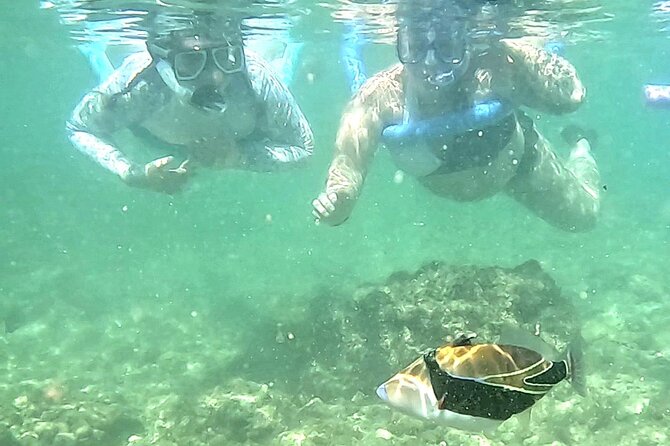
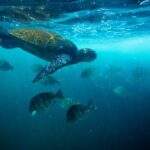
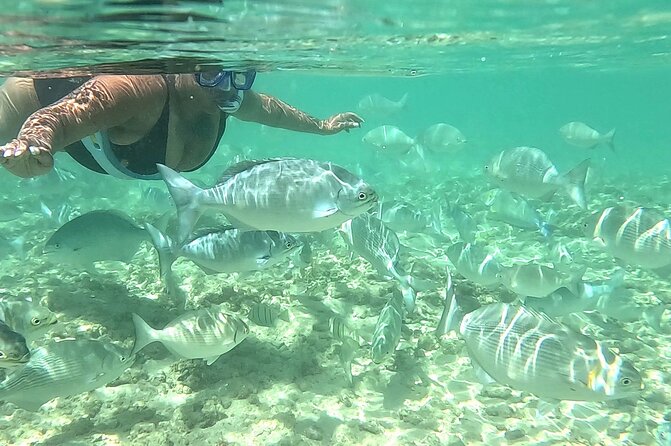
This tour’s entire pitch is fish visibility, and the reports line up with that. People consistently describe seeing many fish up close, often with surprising variety for such a short session.
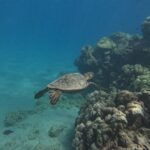
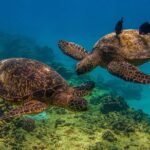
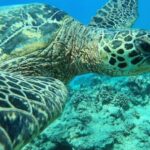
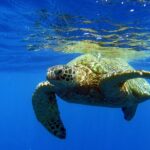
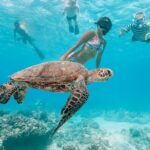
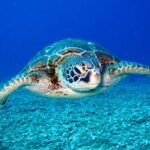
You should expect a mix of common reef visitors, and you might also see rarer types depending on conditions and where the group goes in the conservation area. One family highlights seeing an eel and a sea cucumber, and another notes turtles as a possibility. I would treat those as may-happen moments rather than guarantees, but they’re exactly the kinds of sightings that make Waikiki snorkeling feel like more than a basic beach activity.
Lynne’s role is more than pointing and saying “there’s a fish.” She helps you understand what you’re looking at, and people mention that she identifies fish along the way. That matters because once you recognize the species or at least the style of fish behavior, the whole experience becomes more satisfying. You spend less time “searching” and more time actually watching.
Why Lynne’s Coaching Works for Beginners (and Not Just Swimmers)
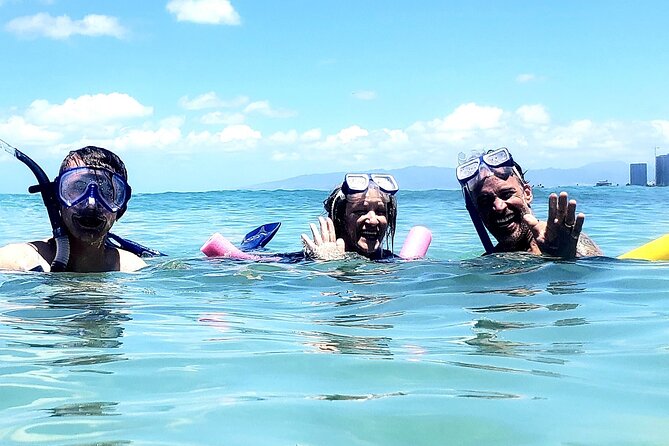
Small-group attention is not a luxury here. It’s built into the experience because everyone enters with different comfort levels.
The operator keeps groups limited and emphasizes personalized attention. That translates into more time for gear fitting, more time for mask comfort, and more time for Lynne to adjust how you’re positioned in the shallow water. If you are new, this is huge. Nervous first-timers do better when the guide slows down and gives you time to try things at your pace.
You also get a kind of “guided confidence” effect. People describe Lynne walking them through the experience start to finish and taking a calm, patient approach. The snorkeling itself is shallow, but learning to float and breathe normally while wearing a mask can take a few minutes of real practice. Lynne builds that into the session so you are not thrown into ocean time without a safety net.
One extra detail that sounds small but helps: several people appreciated that Lynne explained what fish they might see before they got in. That turns your ocean view into a hunt with clues. You’re not just hoping for wildlife. You’re watching with a plan.
Gear Location Helps: Where to Store Belongings Nearby
You’re snorkeling at Waikiki, and that means you’re dealing with beach logistics. One helpful note from a past experience: lifeguards at Tower 2F allowed the group to leave belongings nearby while they got set up. That’s the kind of local practical detail that can save you from hauling everything back and forth.
So plan to travel light. Bring what you need, keep valuables secure, and ask on-site about the closest practical spot for belongings if you’re unsure.
If you want food nearby afterward, there’s also a mention of good eating right there at the Barefoot Beach Cafe. The point is simple: you can make this snorkeling stop one piece of a longer Waikiki day rather than a standalone chore.
Price and Value: Why $38 Can Make Sense in Waikiki
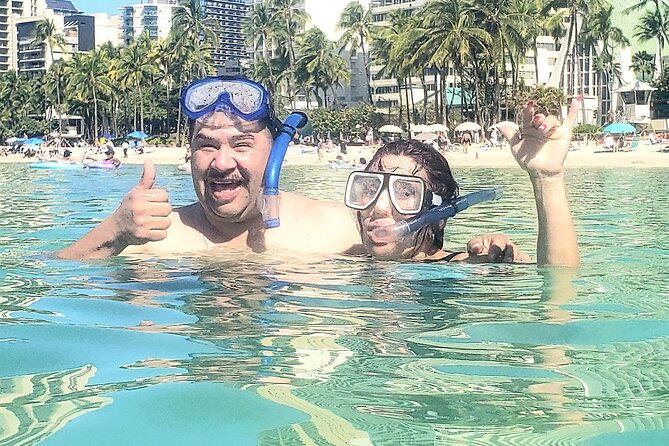
$38 might sound like a “small” number compared to boat trips. That’s exactly why this works for many people. You’re paying primarily for the guiding, the shallow controlled setup, and the personalized media package.
Here’s where the value shows up:
- You get free photos and a free compilation video, which turns the experience into a tangible souvenir
- Equipment is included, so you do not need to rent gear separately
- No boat, no long transit, meaning less time spent getting there and more time where you actually snorkel
- Small-group coaching reduces the risk of a first-time session turning frustrating
If you have ever paid for snorkeling where you spend most of the day waiting in line, hauling gear, or feeling rushed in deeper water, the structure here is easier to justify. It’s built for short, successful water time.
The main value tradeoff is that this is shallow and reef-focused, not a big “spectacle” swim. If you want long-distance snorkeling or deep-water reef exploration, you might want a different style of outing. But if you want fish, coaching, and photos without stress, this price-to-payoff ratio is strong.
Who Should Book This and Who Should Rethink It
This tour fits best if you:
- want a beginner-friendly snorkeling introduction
- like the idea of small-group teaching and patience while you learn
- care about having video and pictures taken for you
- prefer shallow, manageable water over big-water challenges
It might not be your best choice if you:
- cannot comfortably float in the water
- struggle with stable footing on sandy and sometimes rocky bottoms
- do not meet the height requirement for equipment and safety
- want to use fins despite not having experience (fins are restricted to experienced snorkelers)
Families often like it because the water depth supports learning, and the gear setup helps kids and adults participate in the same general experience. Couples also tend to like it because it feels like a fun, focused date-day activity with a souvenir video at the end.
Tips to Get the Most Out of Your Waikiki Snorkel Class
These are the practical moves I’d recommend before you go:
- Confirm your comfort level with floating honestly. If you are tense, tell Lynne early so she can help you get stable.
- Choose footwear thoughtfully. Watershoes are provided, but if you have specific needs, use your own if it’s allowed and you feel safer.
- Tell them about fin experience if you want fins. If you are unsure, skip them and focus on the basics.
- Bring a flexible mindset for weather. The activity needs good conditions, and there can be schedule changes if waves are too high.
- Plan to arrive ready to spend about an hour on the water, not to treat it like a long wandering beach walk.
Also, this is a good time to ask questions. Lynne’s approach is built around explaining what you’ll see, and people mention she answers and adjusts on the spot.
Should You Book It?
If you’re deciding between a DIY beach snorkel and a guided option, I’d lean guided for this one—because the safety setup and the media package change the whole value equation. This is especially worth booking if you want fish right off Waikiki, you’re open to a shallow-water learning environment, and you really care about leaving with photos and a customized video.
Book it if:
- you want an easy, guided introduction
- you want small-group attention
- you want free photos and free video without paying extra
Skip or choose another style if:
- you want deeper water exploration
- you cannot comfortably float
- you do not like reef footwear expectations or rough-feel beach bottoms and do not want to plan for that
FAQ
How long is the snorkeling session?
The experience runs for about 1 hour (approx.).
Is transportation or a boat included?
No. There is no transportation and no boat. You meet in Waikiki and return to the same meeting point.
Do I get photos and video?
Yes. You get free pictures and a free compilation video of the experience.
How deep is the water?
Water depth is stated as a maximum of about 5 feet.
What equipment is provided?
The tour provides snorkel, mask, and watershoes, plus float support like floaty noodles or a belt. You can also use your own watershoes if you have them.
Are fins included?
Fins are not automatically positioned as for everyone. The operator says fins are only for experienced snorkelers, so you should let them know your experience level.
What’s the minimum comfort level required?
You must be comfortable floating in the water, have stable footing for sand and possible rocky bottom, and meet the stated height requirement of 3.5 feet or taller.
Is it limited to small groups?
Yes. The activity states a maximum group size of 10 travelers, and the promotional description also notes a limited group size (with a cap mentioned as 14).