REVIEW · PIGEON ISLAND MARINE NATIONAL PARK
Snorkeling Trip To Pigeon Island
Book on GetYourGuide →Operated by PIGEON ISLAND TOURS PVT LTD · Bookable on GetYourGuide
Sharks and turtles, no hard hike required. This 3-hour snorkeling trip to Pigeon Island Marine National Park near Nilaveli is all about drifting over reefs and watching wildlife glide by. Two things I really like: the chance to spot blacktip reef sharks and turtles, and the fact that key gear like masks, fins, and a safety jacket are included. One drawback to plan for: the marine park entrance fee is not included, so your total cost can jump.
You meet at Pigeon Island Tours, get your snorkeling equipment and water, then hop on a shared boat and return the same day. I also like that you’re not stuck in an all-day tour mode; it’s focused, simple, and paced for an easy outing. Expect an English-speaking host/greeter on hand, plus the option for private or small groups depending on availability.
Do keep the seasonal timing in mind. Between October and March, rough seas or rain can affect the trip, so it’s smart to contact the operator before you book. Also, this is not a hotel pickup tour, and it’s not suitable for pregnant travelers, people with high blood pressure, or anyone over 70.
In This Review
- Quick hits before you go
- Meeting at Pigeon Island Tours: gear, water, and the first safety steps
- The short boat ride to the marine park: quick access, less fatigue
- 3 hours on Pigeon Island: drifting reefs with fish, turtles, and sharks
- What the coral scene may look like (and how to set your expectations)
- Price reality check: $17 feels low, but entrance tickets change the math
- Rules that protect the reef (and keep your water time stress-free)
- Best timing: when the seas help you, and when you should check first
- Who should book this Pigeon Island snorkeling trip?
- Should you book: Pigeon Island snorkeling with Pigeon Island Tours?
- FAQ
- FAQ
- How long is the snorkeling trip?
- Where do I meet for the tour?
- What snorkeling gear is included?
- Are entrance tickets to Pigeon Island Marine National Park included?
- Is a snorkeling guide included?
- What about hotel pickup and drop-off?
- What does the tour include for drinks and food?
- What should I bring with me?
- What items are not allowed?
- When is the best time to go?
Quick hits before you go
- Turtles and blacktip reef sharks are part of the goal, with lots of reef fish in between.
- Snorkeling mask, fins, and safety jacket are included, plus 1000ml bottled water per person.
- You’ll spend about 3 hours on the island, not just a quick stop.
- Entrance tickets cost extra (paid at the ticket office area), so budget for that.
- Corals may vary—some sections can be less alive after past natural events.
- No hotel pickup means you’ll handle your own way to the meeting point.
Meeting at Pigeon Island Tours: gear, water, and the first safety steps
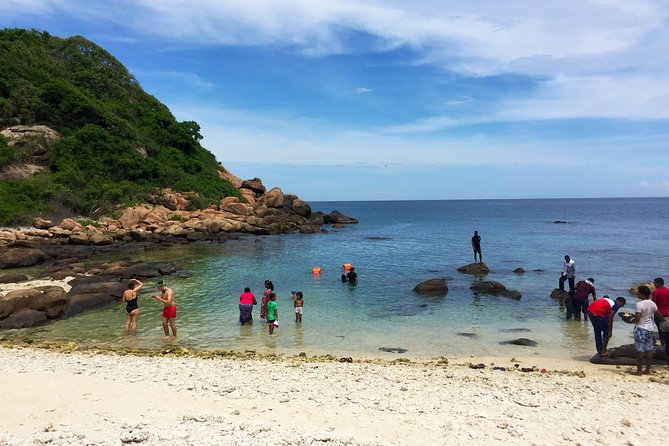
Your day starts at Pigeon Island Tours in Sri Lanka’s North Central Province region, near Nilaveli (the park is about 3 km from Nilaveli Beach). The operation is set up to be practical: you arrive, complete check-in, and get what you need before heading toward the boat.
Here’s what’s included when you show up:
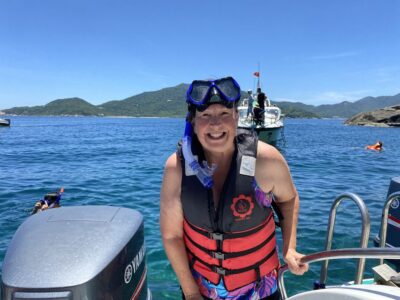
- snorkeling mask
- swimming fins
- safety jacket
- 1000ml bottled drinking water per person
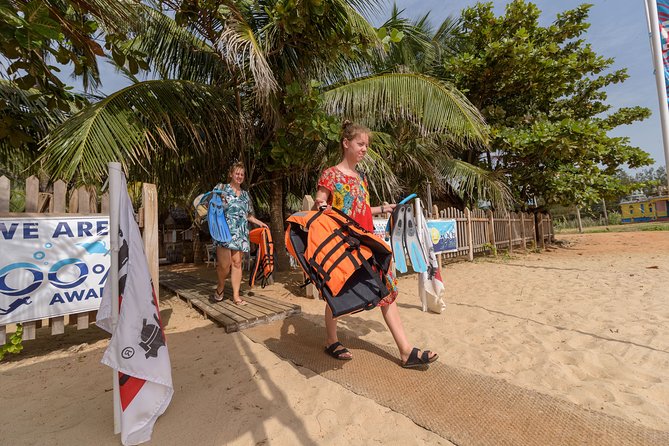
That matters because it removes a common hassle with sea trips: you don’t have to hunt for rentals or worry about whether your gear fits. You’ll also want to bring your own essentials for comfort and safety—especially sunglasses, a sun hat, and biodegradable sunscreen. Cash helps too, since you’ll need to handle the marine park entrance ticket.
The operator also lists an English-speaking host/greeter. That’s useful because the day is short. When there’s limited time, clear instructions on what not to do (and how to stay safe) are more valuable than a long briefing.
If you’re thinking about cameras: plan to bring one, but remember that flash photography is not allowed. That’s not just a rule for show; it helps keep the reef space calmer for wildlife.
The short boat ride to the marine park: quick access, less fatigue
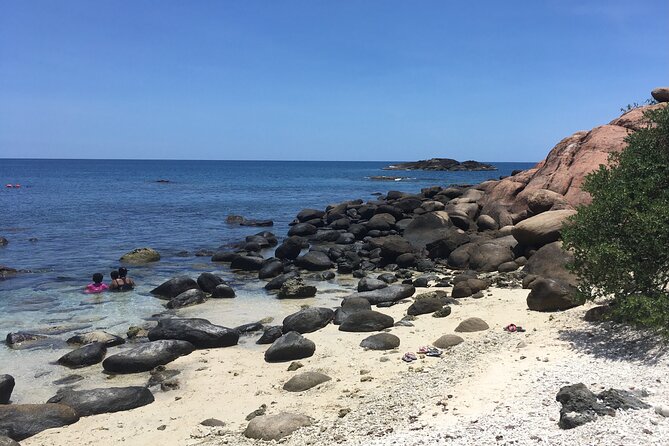
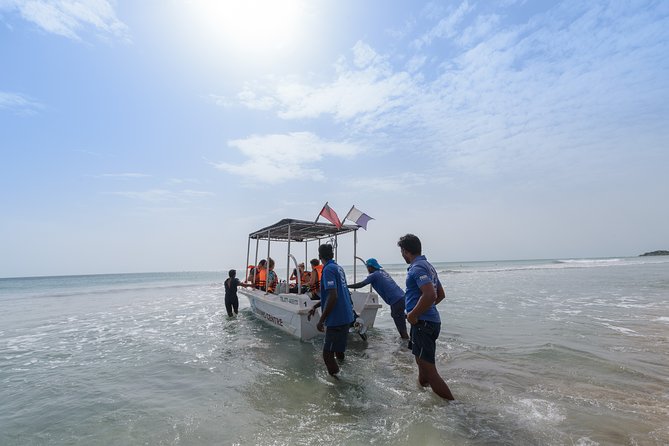
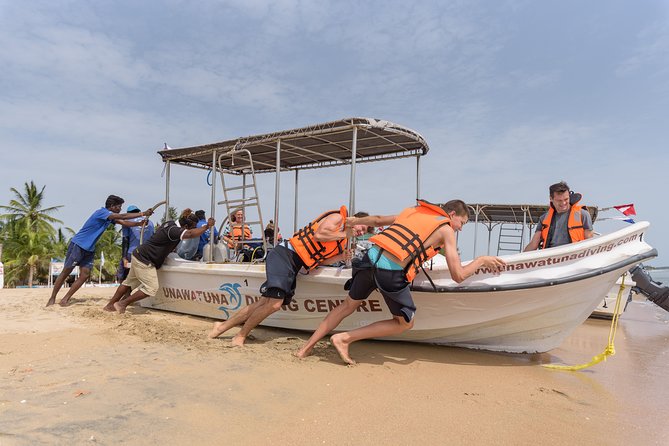
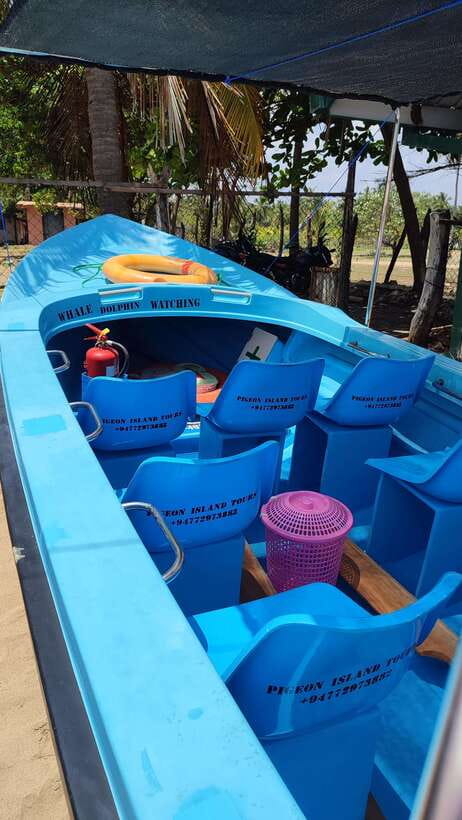
Once you’re checked in and equipped, you’ll head to the boat starting point. This trip uses a shared boat for the ride out and the return trip, and you’re back on the mainland with about 3 hours on Pigeon Island itself.
Why this matters: Pigeon Island is close to Nilaveli, so you get a real snorkeling outing without the “all-day transport marathon.” For families and mixed-age groups, that’s the big advantage. You’re not trying to time a long drive, long waiting, and then a short water window.
Also, because you’re not getting hotel pickup, the timing is built around people meeting at the activity base and getting moving. That can be a plus if you like structure and don’t want surprises—just be ready to get yourself to the meeting point.
Your return is scheduled after the snorkeling time. The drop-off locations listed include Pigeon Island Tours and the Pigeon Island National Park Ticket Office area, so you might end up closer to the ticket zone depending on how the route is handled that day.
3 hours on Pigeon Island: drifting reefs with fish, turtles, and sharks
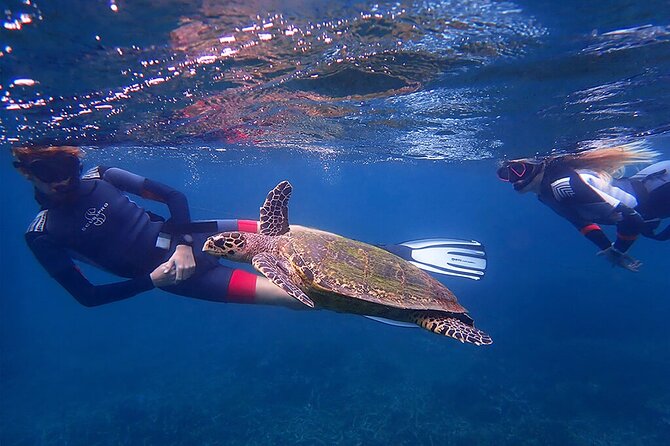
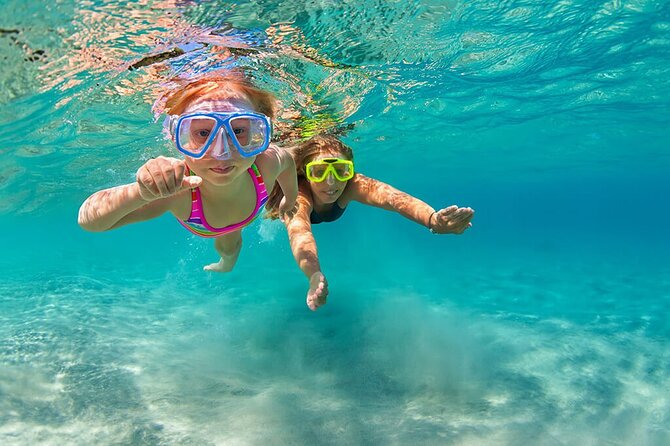
This is a snorkeling trip focused on wildlife and reef viewing. Once you’re at the island, you swim (snorkel) for roughly three hours, and the experience is built around calm drifting and visual exploration.
The reef life you can look for is the whole point:
- colorful corals
- eels
- small groups of reef fish and boxfish
- parrotfish and damselfish moving through the water
- sweetlips, butterfly fish, and banner fish
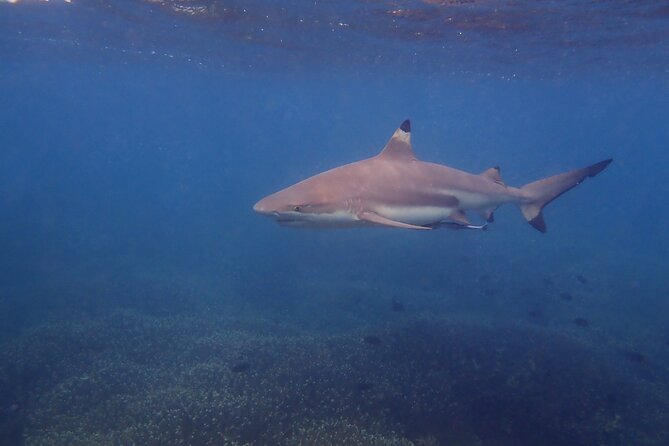
- with luck: turtles, various species of ray, and blacktip reef sharks
The best way to experience it is to treat it like a slow moving show rather than a race. The description encourages drifting while you watch fish pass by—especially helpful if you’re not a confident swimmer. The included safety jacket also means you can stay relaxed without feeling like you need to constantly fight the water.
If you’re photographing underwater, plan your timing. You’ll have a limited window of good light and clear visibility. Also, because flash photography is banned, you’ll do best with natural light and patience rather than trying to force dramatic shots.
One more practical tip: wear what dries quickly or brings comfort under sun. You’ll be in and out, and you’ll want a change of clothes for the return trip.
What the coral scene may look like (and how to set your expectations)
Pigeon Island is known for its snorkeling, but it’s also part of the real world—weather happens, and reefs don’t always look the same year to year. One key idea to take with you: don’t assume every coral patch will be equally alive and colorful.
In fact, it’s been noted that some coral areas can be mostly dead while other sections still look vivid. That’s not a deal-breaker for snorkeling here. Even when coral coverage is damaged, you can still see plenty of marine life—especially schools of smaller fish and occasional larger animals cruising through the water.
So I’d plan your “success criteria” differently:
- If you’re chasing a coral garden made of fully thriving colonies, you might be disappointed.
- If you want reef wildlife, fish behavior, and the excitement of spotting turtles or sharks when conditions allow, you’re more likely to be happy.
It helps to remember what you’re buying: access to the marine park area, the equipment, and the time in the water. You’re not paying for a guarantee of perfect coral.
Price reality check: $17 feels low, but entrance tickets change the math
At $17 per person for a 3-hour snorkeling session, the base price sounds like a bargain—until you do the full calculation.
Here’s the important part: marine park entrance tickets are not included. The listed approximate cost is:
- USD 48 per adult
- USD 28 per child
That means your all-in price could be noticeably higher than $17, depending on age. The good news is that the check-in process at Pigeon Island Tours includes equipment setup and water, and you’ll handle the entrance ticket at the ticket office step.
So when is this a good value?
- If you value convenience: mask, fins, safety jacket, boat transport, and return included.
- If you’re going for wildlife encounters and the specific Pigeon Island area experience rather than just snorkeling anywhere.
- If you’d otherwise spend time and hassle finding rentals plus a way to reach the park area.
When might it feel expensive?
- If you were expecting a fully guided, premium experience with a snorkeling guide in the water and all park costs rolled into the same price.
- If entrance fees are a large part of your total budget.
One more note: the activity description states that a snorkeling guide is not included. That doesn’t ruin the outing—many people can snorkel safely on their own with clear staff directions—but it does explain the lower service “package” compared with tours that include a dedicated guide for your group.
My practical advice: price-shop in your planning, then decide based on your comfort level. If you’re a confident snorkeler who wants great access with minimal logistics, this can make sense. If you need constant in-water guidance, you’ll want to confirm what guidance (if any) is actually provided on the day.
Rules that protect the reef (and keep your water time stress-free)
This trip has a clear set of rules. They’re there for safety, wildlife protection, and keeping the marine environment intact.
Not allowed:
- pets
- drones
- food
- fishing
- flash photography
- alcohol and drugs
- glass objects
- littering
- feeding animals
- fireworks and explosive substances
- making fire
- alcohol on the vehicle
Even if you don’t think you were planning to do some of these, it’s useful to scan the list before you pack. For example, bringing food isn’t allowed, even though you get water. That means you should eat beforehand and then travel light.
Also, bring cash. Even when a tour feels simple, entrance and on-site steps can require payment handling. The meeting process includes equipment check and water collection, so having money ready reduces stress.
Best timing: when the seas help you, and when you should check first
The operator’s guidance is straightforward: between October and March, rough seas or rain can cause cancellations, so you should contact the operator before booking. From April to September, you can book directly without that extra inquiry step, and that’s described as the best season for visiting.
If you can choose dates, I’d target April to September. The water conditions tend to be more reliable, which makes your snorkeling more comfortable and less risky.
If your travel dates fall in October to March, don’t treat this like a “sure thing.” Ask early, so you don’t lose an entire day of your itinerary with a last-minute cancellation.
Who should book this Pigeon Island snorkeling trip?
This experience is designed to be accessible and fun with wildlife encounters, but it’s not for everyone.
It may be a great fit if:
- you want an easy day with about 3 hours on the island
- you’re happy to snorkel without a dedicated snorkeling guide
- you want a realistic chance at seeing turtles and blacktip reef sharks
- you like clear structure: equipment provided, shared boat ride, return after the set time
It’s not suitable for:
- pregnant women
- people with high blood pressure
- people over 70
Also, if you’re the kind of swimmer who panics in open water, you should take comfort in the fact that a safety jacket is included—but still be honest about your ability. The reef experience depends on calm movement, good buoyancy, and not trying to race to the farthest point.
Should you book: Pigeon Island snorkeling with Pigeon Island Tours?
If your top goal is wildlife—especially turtles and blacktip reef sharks—and you want a short, focused snorkeling outing near Nilaveli, I think this is worth considering. The value comes from the convenience stack: equipment, safety jacket, bottled water, and the boat logistics, all centered on a true marine national park setting.
But book with eyes open:
- Plan for entrance ticket costs on top of the base $17.
- Know that a snorkeling guide isn’t included, so you’ll rely on staff orientation and your own comfort level in the water.
- Set coral expectations realistically; some coral areas may be less alive than you hope, while other sections remain attractive.
My bottom-line recommendation: if you’re flexible, comfortable snorkeling on your own, and you can travel in calmer months (April to September), you’re likely to come away feeling like you got a lot of sea time for your money.
FAQ
FAQ
How long is the snorkeling trip?
The experience runs for about 3 hours, with time on Pigeon Island and a return trip back to the meeting area.
Where do I meet for the tour?
You meet at Pigeon Island Tours. The operator notes that you can use Google Maps for the surcharge location and follow guide lines, and contact them on WhatsApp if you have trouble finding it.
What snorkeling gear is included?
A snorkeling mask, swimming fins, and a safety jacket are included.
Are entrance tickets to Pigeon Island Marine National Park included?
No. National Park entrance tickets are not included. The approximate cost is listed as USD 48 per adult and USD 28 per child, paid at the ticket office step.
Is a snorkeling guide included?
No. A snorkeling guide is not included.
What about hotel pickup and drop-off?
Hotel pickup and drop-off are not included.
What does the tour include for drinks and food?
You get 1000ml bottled drinking water per person. Food is not included.
What should I bring with me?
Bring sunglasses, a sun hat, change of clothes, a camera, biodegradable sunscreen, and cash.
What items are not allowed?
Pets, drones, food, fishing, flash photography, alcohol and drugs, glass objects, littering, and feeding animals are not allowed (among other prohibited items listed).
When is the best time to go?
The operator advises contacting them before booking between October and March due to rough seas or rain that may cause cancellations. From April to September, you can book directly and it’s described as the best season for visiting.