REVIEW · BERMUDA
Two Stop Snorkel and Shipwreck from Dockyard
Book on Viator →Operated by Island Tour Centre · Bookable on Viator
Shipwreck snorkeling beats the usual reef tour. I like the small capped group and the fact that snorkeling gear and flotation are included. One thing to consider: open-water conditions can make the ride feel tougher if it’s windy.
This is a two-stop boat outing that’s friendly for first-time snorkelers as long as you can swim confidently. The captain gives step-by-step coaching so you know how to manage your mask, fins, and breathing before you head into the water.
Between the wreck and the coral reef, you also get real Bermuda shoreline views from the sea—an angle you just don’t get from shore.
In This Review
- Key things to know before you go
- Dockyard starting point: where this Bermuda snorkel trip begins
- Price and value: what $127.62 buys you in real terms
- What you need to be able to do: swimming skills and boat access
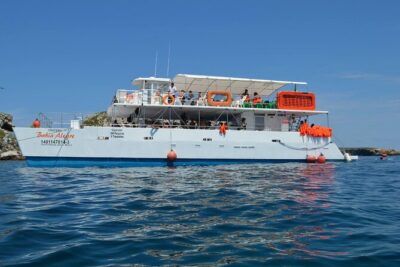
- The boat ride: small-group energy without the crush
- Stop 1: the shipwreck area—what to expect and how to handle rougher water
- Stop 2: the coral reef site—fish, corals, and what makes it worth it
- Captain coaching: why instruction makes the difference
- Comfort tips: towels, food, and being ready for cooler water days
- Equipment and flotation: included, but know what it means for your confidence
- Small-group logistics: what the 2.5 hours really feels like
- Who should book this Dockyard snorkel and shipwreck trip
- Should you book it? My practical take
- FAQ
- How long is the snorkeling trip from Dockyard?
- How many snorkeling stops are included?
- Is snorkeling equipment included?
- Do I need to bring food or towels?
- Is this tour suitable for first-time snorkelers?
- Do I need to be able to swim?
- What group size should I expect?
- Where do I meet, and where does it end?
- What if the tour is canceled due to weather or not enough participants?
- What is the cancellation window for a full refund?
Key things to know before you go
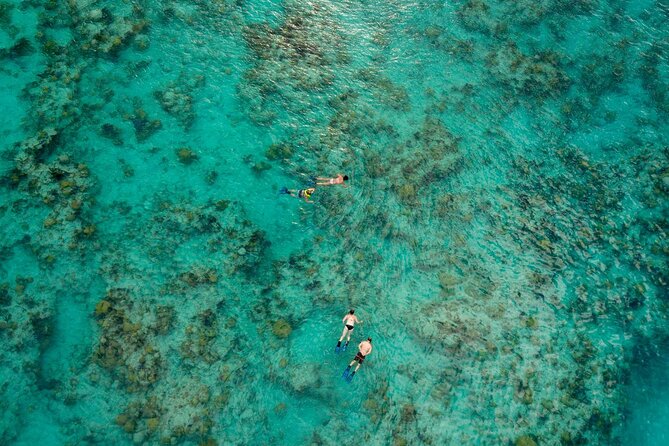
- Two snorkeling stops in one trip: a shipwreck area plus a coral reef site reachable by boat
- Max group size of 10 for a calmer, more hands-on experience
- Flotation noodles or snorkel vests included to add support in the water
- Captain instruction is part of the plan, so you’re not guessing on day one
- Weather may change the exact spots, but you’ll still snorkel when conditions allow
Dockyard starting point: where this Bermuda snorkel trip begins
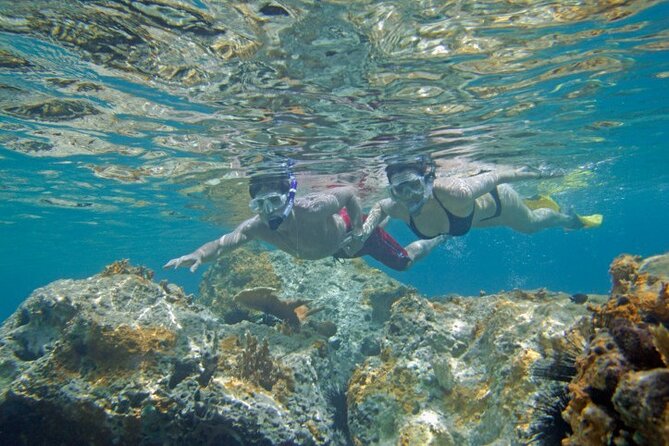
You’ll start at the Island Tour Centre, Dockyard Watersports Centre, at 4 North Arm Drive, Sandys MA 01, Bermuda. The good news for planning: it’s near public transportation, so you’re not forced into one specific way of getting there.
This tour runs about 2 hours 30 minutes and returns to the same meeting point. That makes it easier to pair with other Dockyard plans the same day, especially if you like not having to coordinate multiple transfers.
A small but important detail: snorkeling participation depends on you completing a liability waiver to the crew’s satisfaction. It’s normal for water activities, but it does mean you should arrive early enough to get checked in calmly.
You can also read our reviews of more tours and experiences in Bermuda.
Price and value: what $127.62 buys you in real terms
At $127.62 per person, you’re paying for more than just time in the water. You’re funding the boat ride to two marine sites, plus the gear that lets you snorkel without lining up a separate rental.
Here’s the value equation I’d use: if you were hiring equipment and paying for separate boat access, the total usually climbs quickly. This trip bundles the equipment, plus flotation support (noodles or vests) and coaching, which matters if you’re new.
You should also note what’s not included. Food and towels aren’t provided, so factor that into your day planning. Bring a plan for a snack and a dry change of clothes after you get back out of the water.
What you need to be able to do: swimming skills and boat access
This tour is designed for confident swimmers. You must be able to swim in water too deep to stand, not just float for a few seconds near the edge.
There’s also a physical reality check that’s easy to miss when you’re excited about snorkeling: you have to walk on and off the boat via steps, and you must be able to go up and down a swim ladder unassisted. That’s a meaningful requirement, because it affects both safety and how smoothly your first minutes in the water go.
Other limits are clearly stated:
- Minimum age is 7 years old
- Maximum weight is 265 lbs
- You should have moderate physical fitness
- There’s also a maximum of 10 travelers, which keeps the experience from turning into a crowded scramble
The boat ride: small-group energy without the crush
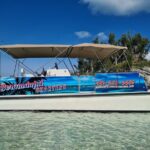
The experience is built around a small, capped group, and that comes through in how the trip feels. With a tight headcount, you’re more likely to get direct attention when it’s time to gear up and when you’re moving between snorkel spots.
The boat experience itself depends on conditions. Some people report it can be bumpy when the water is rough, which makes sense for open-water travel to snorkeling sites. If you’re prone to motion sickness, you may want to plan for that, because a windy day can turn the ride into a workout.
One tradeoff that pops up in feedback: the sound environment can be loud if the music is turned up. That doesn’t ruin the trip for most people, but if you’re the type who wants quiet nature time, it’s worth knowing.
Stop 1: the shipwreck area—what to expect and how to handle rougher water
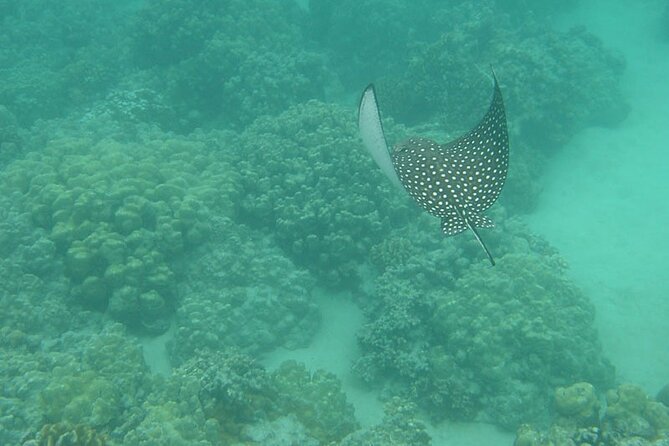
Your first snorkel stop is at or near a shipwreck. This is the kind of site where the underwater structure can change how you look for life: fish may hover near edges, sea fans can catch the current, and the wreck can give you a frame of reference when you’re orienting underwater.
Shipwreck snorkeling also tends to be more variable than a calm reef. If swells or wind kick up, you might find conditions feel more challenging. In at least one case, larger swells led to alternate snorkeling choices, which tells you the crew watches conditions and adapts.
In practical terms, your best move is to treat this stop like a confidence check. Go slow, breathe steadily, and keep your position controlled. If the water is rough, it can be easy to get pushed off your comfort zone quickly, so focus on calm fin kicks rather than trying to sprint after every fish.
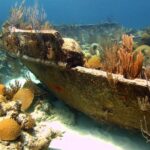
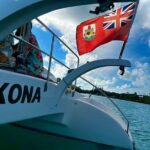
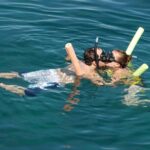
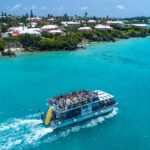
Stop 2: the coral reef site—fish, corals, and what makes it worth it
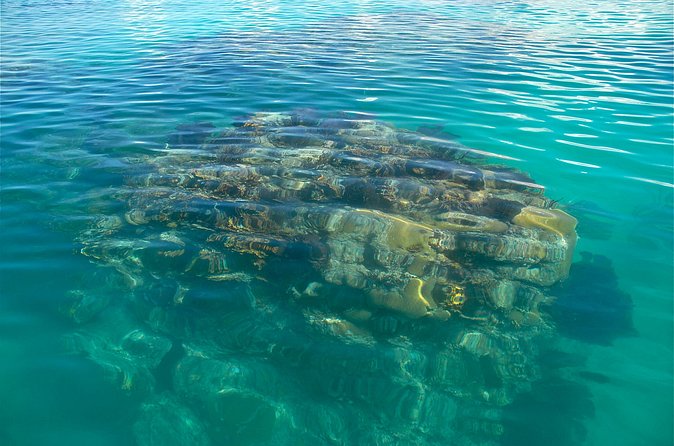
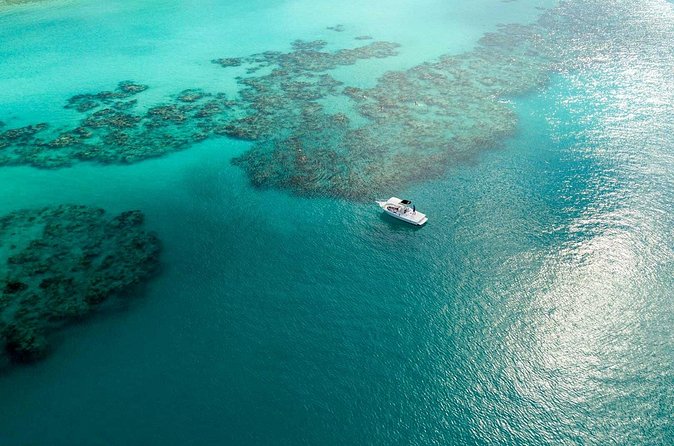
The second stop is at a coral reef area reachable only by boat. This matters because boat access often means less shoreline crowding and a more direct route to the actual snorkeling ground.
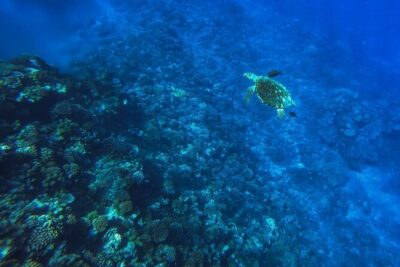
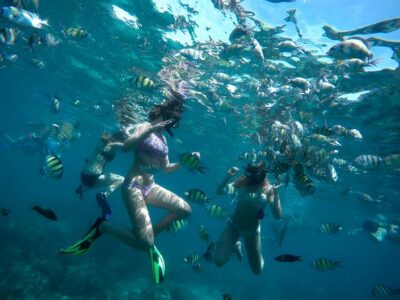
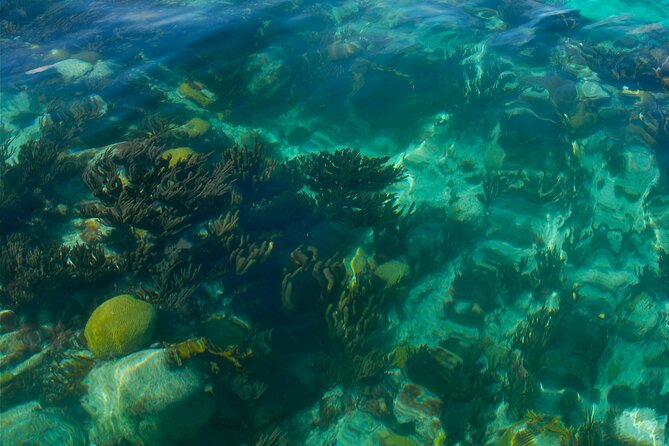
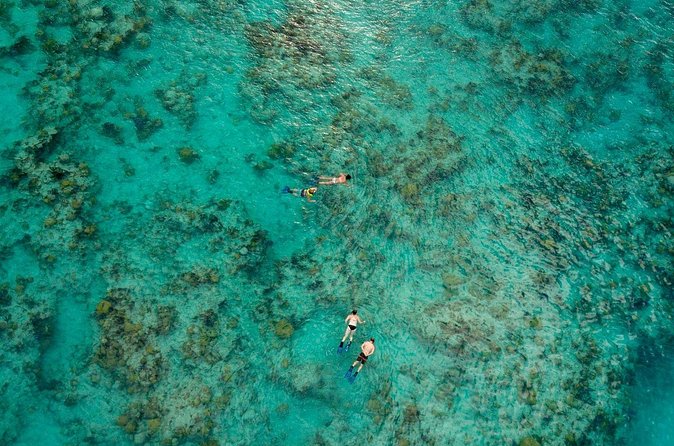
When conditions cooperate, this is where you get the classic Bermuda snorkel payoff: fish activity, coral growth, and the kind of underwater details that keep your eyes busy. Several people specifically call out seeing corals and sea fans, and describing the reef as full of life.
Visibility can vary by day and water movement. Some snorkelers report really good sightlines and lots of fish, while others mention the second stop being busy or that there weren’t as many fish in their particular moments. If you’re coming with realistic expectations, you’ll still enjoy it more.
Captain coaching: why instruction makes the difference
One of the standout parts of this trip is the coaching approach. The captain teaches you how to use the snorkeling equipment and how to get the most out of the experience, even if it’s your first time.
In feedback, Captain Tori (also written as Tory/Torrie in different notes) shows up again and again for being patient and helpful—especially with people who are still learning how to balance, equalize, or manage gear. That kind of support can be the difference between a frustrating first swim and a “now I get it” first snorkel.
Also, the instruction doesn’t just stop at gear. The captain’s guidance helps you find better spots to view and snorkel, instead of wandering underwater wondering what you’re supposed to be looking at.
Comfort tips: towels, food, and being ready for cooler water days
This tour lists no food and no towels. So I treat this as a half-day water plan: you eat before you go, then you plan to refuel after you return.
A few other comfort considerations you should keep in mind:
- You’ll need a swimsuit under clothes, and you’ll want something dry for after
- Cold water can feel shocking even when the sun is out, and it can affect how long you want to stay comfortable in the water
- Some snorkelers report mask fogging with no anti-fog option, so consider how you’ll handle a quick visibility drop (steady breathing helps)
Equipment and flotation: included, but know what it means for your confidence
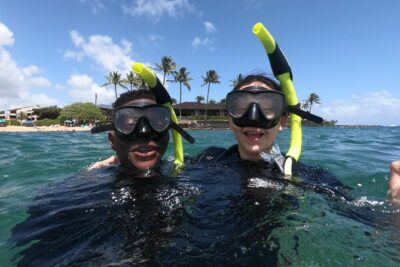
The trip includes snorkeling equipment and flotation support: snorkel vests or flotation noodles. That’s a big deal if you’re strong enough to swim but still not fully confident in the snorkel rhythm.
Flotation also helps you focus on looking around. Instead of spending all your energy holding position, you can spend more time watching fish and coral structure.
That said, equipment quality can vary by day and by boat setup. Some notes call out older or worn gear, which is the reason I recommend doing a quick fit check right when you board. If something feels off—straps too tight, fins uncomfortable—speak up early so you’re not dealing with it mid-water.
Small-group logistics: what the 2.5 hours really feels like
With only up to 10 people, time feels less rushed than big-boat outings. Many people like that they’re not pressured to move instantly, and that there’s time to get comfortable before the snorkel spots.
You should still expect the day to run like a water activity, not a slow museum stroll. You’ll gear up, get out, snorkel at the first stop, move to the second, and then return. If you’re the type who gets stressed waiting to start, arrive a little early so you can settle.
One detail that can add charm: some participants mention fun moments like ducks showing up during the experience. It’s not the main point, but it’s the kind of small island vibe that makes a simple snorkel day feel memorable.
Who should book this Dockyard snorkel and shipwreck trip
This trip is best for you if:
- You want two marine environments in one outing (wreck + reef)
- You prefer a small group where instruction feels personal
- You like active vacation days and don’t mind being out in the elements
- You can swim in water too deep to stand, and you can handle boat steps and the swim ladder unassisted
It’s a weaker fit if:
- You’re not comfortable swimming away from shore
- You have limited mobility or can’t manage ladder access safely
- You expect a perfectly calm ride every time (wind and swell can make it feel more physical)
If you’re traveling with kids, the tour has a minimum age of 7, and some families report good experiences with mixed ages. The key is matching each person’s swimming comfort and ability to follow safety instructions.
Should you book it? My practical take
If you’re choosing between a standard reef snorkel and this Dockyard two-stop shipwreck-and-reef plan, I’d lean toward this one when you want variety and better odds of getting real coaching. The included equipment, flotation support, and small group size make the day feel more “learn and enjoy” than “just follow along.”
Book it if you’re confident in the water and you’re ready for the conditions to shape the ride and possibly the exact snorkeling spots. In exchange, you get a shipwreck site, a coral reef stop reachable only by boat, and the kind of small-group attention that makes snorkeling click faster.
FAQ
How long is the snorkeling trip from Dockyard?
It runs for approximately 2 hours 30 minutes.
How many snorkeling stops are included?
There are two snorkeling stops—one at or near a shipwreck and one at a coral reef site.
Is snorkeling equipment included?
Yes. Snorkeling equipment is included, along with flotation noodles or snorkel vests.
Do I need to bring food or towels?
No food or towels are included, so you’ll need to plan for your own snack and a dry towel after.
Is this tour suitable for first-time snorkelers?
It’s suitable for people who can swim confidently, and the captain provides instruction on how to use the equipment and get the most out of snorkeling.
Do I need to be able to swim?
Yes. You must be a competent swimmer and able to swim in water too deep to stand.
What group size should I expect?
The tour has a maximum of 10 travelers.
Where do I meet, and where does it end?
You meet at Island Tour Centre, Dockyard Watersports Centre at 4 North Arm Drive, Sandys MA 01, Bermuda, and the activity ends back at the meeting point.
What if the tour is canceled due to weather or not enough participants?
The experience requires good weather and a minimum number of participants. If it’s canceled due to poor weather, you’ll be offered a different date or a full refund. If it doesn’t meet the minimum, you’ll also be offered a different date/experience or a full refund.
What is the cancellation window for a full refund?
Free cancellation is available up to 24 hours in advance for a full refund. If you cancel less than 24 hours before the start time, the amount paid is not refunded.