REVIEW · VILA FRANCA DO CAMPO
Vila Franca do Campo: Snorkeling Tour
Book on GetYourGuide →Operated by Espírito Azul · Bookable on GetYourGuide
Saltwater and cannon ruins—right under your goggles. This is a short, focused snorkeling tour in the Vila Franca do Campo Marine Reserve where you spend about an hour in the water with an instructor, plus you get the extra wow factor of XVII-century cannon relics on the seabed. You’ll also see plenty of marine life that makes the Azores feel less like a postcard and more like a living reef.
What I like most is how practical it feels: clear pre-water briefing, all snorkeling gear included (including a neoprene suit), and a small group size that makes it easy to stay together. The other big plus is the variety—fish and animals you can actually recognize (parrot fish, octopus, sting rays, morays, barracudas, plus amber and guelly jacks) alongside that time-travel cannon detail. The one main drawback to think about is comfort: sea conditions and water temperature can change how enjoyable the session is, and you’re not guaranteed calm, warm lagoon-style conditions.
In This Review
- Key highlights at a glance
- How Vila Franca do Campo’s Marine Reserve makes snorkeling feel real
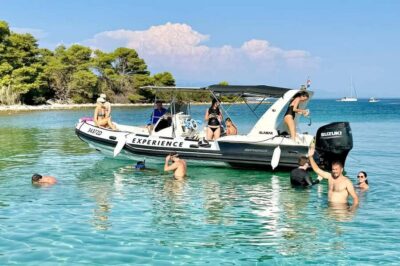
- From Espírito Azul Marina to the islet: a quick speed-boat start
- The pre-water briefing and gear: what you should expect to feel ready
- Your 1-hour snorkeling plan: instructors, marine life, and keeping it fun
- The XVII-century cannons underwater: the reason this isn’t just another reef tour
- Comfort, water temperature, and sea conditions: how to stay happy in the Azores
- Small group coaching and language options: getting the most out of your hour
- Price and value: why $70 can feel fair (or not) depending on you
- Who should book this snorkeling tour—and who should skip it
- Should you book? My straight answer for Vila Franca do Campo snorkeling
- FAQ
- Where is the meeting point for the Vila Franca do Campo snorkeling tour?
- How long is the tour, and how much time do I spend in the water?
- What snorkeling equipment is included?
- Is there an instructor in the water?
- What marine life and underwater features will I see?
- Do I need to bring anything?
- What’s included in the price, and what’s not?
- Is this tour suitable for kids and non-swimmers?
Key highlights at a glance
- Small groups (up to 6 people) mean more attention in the water.
- 5-minute speed-boat ride from the marina to the islet area.
- About 1 hour snorkeling with an instructor always guiding you.
- Full snorkeling kit included, with neoprene suit, mask, and fins.
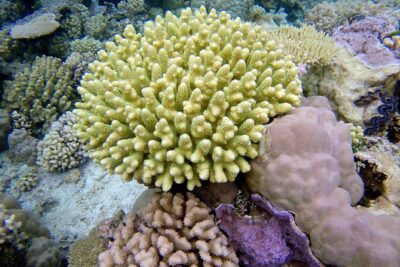
- Marine Reserve islet with lots of life plus parrot fish, octopus, sting rays, and more.
- XVII-century cannons you can observe underwater.
How Vila Franca do Campo’s Marine Reserve makes snorkeling feel real
Vila Franca do Campo is one of those rare places where you can do a “simple” activity—snorkeling—and still feel like you’re in a protected ecosystem, not just floating around. The tour is built specifically around the Marine Reserve around the islet, with the idea that you’ll get the conditions that matter most: decent depth, visibility, and a lot of marine life.
This is also a very “snorkeler-friendly” kind of plan. You’re not thrown into long transfers or complicated logistics. The activity is designed to keep you in the water long enough to enjoy it, while still being short enough that most people can handle it after a day of walking around the island.
And then there’s the bonus that sets this tour apart: the snorkeling area includes XVII-century cannons placed underwater. Even if you’re not a history buff, it adds a kind of “pause and look closer” moment. Fish and rays are exciting, but the cannon detail gives you something different to focus on—like you’re seeing two stories at once: ocean life and maritime history.
One practical note: the experience depends on conditions. People sometimes find the water calmer than expected, but sometimes you’ll feel more movement than you’d want. If you’re sensitive to swell, plan on taking that seriously.
You can also read our reviews of more snorkeling tours in Vila Franca Do Campo
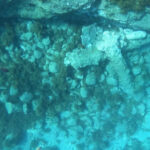
From Espírito Azul Marina to the islet: a quick speed-boat start
Your tour begins at Espírito Azul at the Vila Franca do Campo Marina (look for their team there). You’ll meet at the scheduled time and then do a briefing before heading to the snorkel area.
The boat part is short on purpose: a speed-boat ride of about 5 minutes. That matters more than it sounds. In practical terms, it reduces the chance that you’ll spend a chunk of your limited vacation time in transit. It also helps keep the whole experience feeling tight and well-paced—get in, get geared up, get out to the water.
For motion-sensitivity, this short transfer can be a big deal. One of the strongest pieces of feedback I noticed was that the trip can feel doable even if you get a little sea sick. You’re not out there all day in choppy water, and the session is paced around the snorkeling.
Still, even a short boat ride can be uncomfortable if conditions are rough. If you know you’re prone to motion sickness, bring whatever helps you personally (like medication you’ve used before) and plan to start steady.
The pre-water briefing and gear: what you should expect to feel ready
Before you go in, the crew does a briefing in the shop area so you know what to do. This is not just “here’s the mask, go for it.” You get guidance so you can snorkel comfortably and follow the instructor’s movement around the water.
Here’s what’s included, and it’s a big part of the value:
- Snorkeling equipment (including mask and fins)
- A neoprene suit (important for Azores water temps)
- A snorkeling instructor guiding you the whole time in the water
- A hot shower afterward
The tour is also clear that the instructor speaks multiple languages: English, Portuguese, French, and Spanish. That’s helpful if you’d like explanations in your preferred language, especially for figuring out how to use the snorkel setup smoothly and safely.
One caution from real-world experience: if you book with a particular language in mind, double-check day-of. There’s at least one report where the tour time or language didn’t match expectations. Most of the experience still runs as planned, but you’ll have a better time if you confirm what language the session will be delivered in and ask a quick question about equipment before you hit the water.
And please do bring a towel. It sounds tiny, but it’s one of those “don’t make it harder than it needs to be” details once you’re damp and rinsed.
Your 1-hour snorkeling plan: instructors, marine life, and keeping it fun
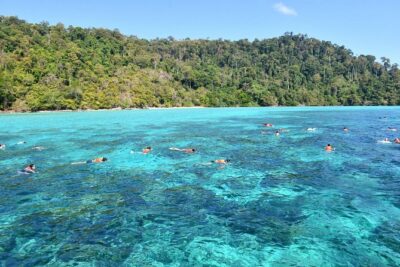
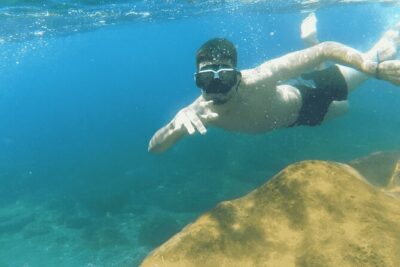
Once you reach the snorkel area, the plan is straightforward: you stay in the water for about 1 hour and you’re guided throughout. That guided element is what makes this feel less like “survival snorkeling” and more like a relaxed wildlife encounter.
You can expect to look for species such as:
- Parrot fish
- Octopus
- Sting rays
- Moray eels
- Barracudas
- Amber and guelly jacks
If you’re new to snorkeling, this is where the instructor really matters. You’re not just watching from the surface—you’re learning how to move safely, manage your breathing, and keep your eyes scanning without getting exhausted. In a small group (limited to 6 participants), you’re less likely to feel lost or left behind.
The water time is long enough to feel satisfying. But it’s not so long that you’ll fade. That balance is a big part of why people rate this tour well: it’s structured to deliver marine life encounters without dragging on.
One more honest note: visibility and how many fish you spot can shift with conditions. If the sea is choppier, you may find it harder to hold position and scan the area. That doesn’t mean the tour failed—it means you’re dealing with the ocean doing ocean things.
The XVII-century cannons underwater: the reason this isn’t just another reef tour
This is the standout difference. In the snorkeling zone, you can observe XVII-century cannons underwater. The cannons are part of the underwater landscape, meaning you’re not only searching for animals—you can also spend time looking at the historical pieces themselves.
What I like about this detail is that it makes your eyes work in two modes:
- Search marine life (scan for movement and shape).
- Slow down and look for structure (the cannons give you a stable point of interest).
Even when marine life feels quieter, the cannon remains can still make the experience memorable. And when marine life is active, it’s even better, because you can switch between watching fish behavior and then tracking where animals gather around the objects.
It also adds a bit of wonder. You’re standing in Azores water, guided by a real person, with living creatures nearby, and then you see old war-era hardware sitting on the seabed. That mix of natural and human history is exactly the kind of detail that turns a routine activity into a story you’ll remember later.
Comfort, water temperature, and sea conditions: how to stay happy in the Azores
Let’s talk comfort, because it’s the part that can make or break snorkeling.
The tour includes a neoprene suit, which helps a lot. Still, Azores water can feel cold, especially if you spend time floating in place or if there’s wind-chop that makes the surface feel cooler.
There are two specific comfort considerations to keep in mind:
- If conditions are rough, it can be harder to enjoy the water time. Some reports mention sea movement affecting how well people could focus.
- If you run cold easily, pay attention to the suit coverage you’re given. One report noted that short neoprenes weren’t enough for warmth after about half an hour. That doesn’t mean every participant gets the same setup, but it’s a real-world reminder to plan for temperature.
If you’re the type who always thinks about warmth when doing water activities, you’ll probably be happiest here. Bring your towel, stay close to your instructor, and don’t pretend you’re fine if you feel chilled—signal it early so the crew can help you stay comfortable.
Small group coaching and language options: getting the most out of your hour
A max group size of 6 participants is more than a nice detail. It usually means:
- you get closer attention,
- it’s easier to manage safety,
- and you can ask questions without feeling rushed.
The instructor experience is repeatedly a key reason people enjoyed the trip. Reports describe guides as excellent and tours as running as planned, which tells me the team prioritizes making the experience smooth from briefing to water time.
Language is another big factor. The tour is offered in English, Portuguese, French, and Spanish. That’s a strong plus if you want more than just safety instructions—you’ll also understand what you’re seeing and why you’re searching in certain areas.
But do keep your expectations realistic. Even with multiple languages available, things like how the group is assigned can shift. If Spanish is your main language, ask before you go: confirm the language for your session and ask if anyone in your group will be in English. It’s a small step that can help the whole experience feel more relaxed.
Price and value: why $70 can feel fair (or not) depending on you
At $70 per person for a 2-hour activity, the value comes from what’s included. You’re not just paying for water access. You’re paying for:
- the speed-boat ride,
- an instructor guiding you during the full snorkeling time,
- snorkeling equipment (including neoprene suit),
- hot shower,
- and insurance, plus taxes and fees.
That list is the key. If you tried to piece this together yourself—renting gear, arranging instruction, and handling safety—this kind of price can actually look reasonable. The hot shower is also more valuable than people think. After saltwater and neoprene, you’ll feel better having a quick rinse, not just wandering around damp.
What’s not included: food and drinks. That means you may want to plan to eat before or after, depending on your day on the island. If you tend to get hungry soon after being active, bring a plan. Also, there’s no hotel pickup/drop-off, so you’ll need to get yourself to the marina meeting point.
Overall, if you want a guided, gear-included snorkel session with history underwater, this price can be a good deal. If you’re already an independent snorkeler and you’d rather explore on your own, it might feel less cost-effective. For most people though, the guidance and included gear are exactly what you’re paying for.
Who should book this snorkeling tour—and who should skip it
This tour is designed for people who can snorkel comfortably with guidance. It is not suitable for:
- children under 4,
- pregnant women,
- wheelchair users,
- non-swimmers,
- people with heart problems,
- people with respiratory issues,
- people with epilepsy,
- and people with pre-existing medical conditions.
If you’re unsure where you stand medically, don’t guess. Use the activity’s safety limits as your first filter.
Who it’s best for:
- First-time snorkelers who want an instructor guiding the whole time.
- People who want marine life plus a unique underwater historical element.
- Families with older kids who can follow instructions (one report mentioned kids around 10+ handling the trip well).
- Anyone who wants a short outing that still feels like a real experience rather than a quick photo stop.
If you’re very sensitive to cold water or sea movement, go in with eyes open. Bring your towel, listen to the crew, and treat comfort as part of the success of the trip—not an afterthought.
Should you book? My straight answer for Vila Franca do Campo snorkeling
If you want an easy, structured snorkeling experience with gear included, a small group, and the chance to see both marine life and XVII-century cannons, I think you should book. It’s short, guided, and designed to make your hour in the water count.
Skip it (or at least reconsider) if you know you get strongly affected by cold or choppy conditions, or if you’re in any of the groups the activity says aren’t suitable. And if language comfort matters to you, take one minute to confirm the instructor language when you arrive—so you get explanations you actually understand.
FAQ
Where is the meeting point for the Vila Franca do Campo snorkeling tour?
Meet at Espírito Azul in Vila Franca do Campo Marina. Look for the team at the marina where they operate.
How long is the tour, and how much time do I spend in the water?
The activity lasts 2 hours total. You’ll spend about 1 hour snorkeling in the water, after a short speed-boat ride.
What snorkeling equipment is included?
The tour includes necessary snorkeling equipment, including a neoprene suit, mask, and snorkeling fins.
Is there an instructor in the water?
Yes. A snorkeling instructor guides you and stays with the group while you’re in the water.
What marine life and underwater features will I see?
You may spot parrot fish, octopus, sting rays, moray eels, barracudas, amber and guelly jacks. You can also observe XVII-century old cannons underwater.
Do I need to bring anything?
Bring a towel. Everything else needed for snorkeling is included.
What’s included in the price, and what’s not?
Included: the boat tour, snorkeling equipment, instructor, hot shower, taxes and fees, and insurance. Not included: hotel pickup/drop-off and food and drinks.
Is this tour suitable for kids and non-swimmers?
It’s not suitable for children under 4, non-swimmers, and wheelchair users. If your child is older, you’ll still need to make sure they can safely follow instructions and handle the water time.