REVIEW · ALICANTE
Alicante: Calas and Beaches E-Bike Tour with Snorkeling
Book on GetYourGuide →Operated by Alicante by Bike & Rental Tours · Bookable on GetYourGuide
E-bikes and snorkeling in Alicante, right on time. This 3-hour ride hits Cabo de las Huertas, Cantalar, and Calita plus snorkeling gear, and I love how it mixes big sea views with a hands-on water break. One drawback: you must be able to swim and ride a bike, so it’s not the right pick for non-swimmers or cautious cyclists.
I also like the guide-led pacing. People in the group get a safety briefing, and the vibe stays friendly and organized—especially with guide Chadi (and Gabriel, depending on the group).
The price is pretty good value for what you get: bike, guide, snorkeling kit (mask and goggles), water, and a snack. Just remember to bring your own towel, plus water shoes and sunscreen.
In This Review
- Key highlights at a glance
- Riding Alicante’s coves on a bike you’ll actually want to use
- Starting at the yellow bike shop in Alicante
- The coastal ride: Cabo de las Huertas, Cantalar, Calita
- Cabo de las Huertas: the postcard cove intro
- Cantalar: more cliff-and-cove, less crowd-pressure
- Calita: an easy final stop before snorkeling
- The Roman fish farm stop in Albufereta
- Snorkeling gear, masks, and how to make the most of it
- What you should focus on underwater
- Don’t forget water shoes and your comfort
- Pace, effort, and who this tour really fits
- Price value: $36 for bike, guide, snorkeling gear, and snacks
- What to bring for a smooth, no-stress day
- Guide experience and safety tone that helps you relax
- Should you book the Alicante calas and beaches e-bike with snorkeling?
- FAQ
- How long is the Alicante calas and beaches e-bike tour with snorkeling?
- Where does the tour start and end?
- What’s included in the price?
- Do I need to bring a towel?
- What swim and bike skills do I need?
- What types of bikes are offered?
- What languages are the guides?
- Is it suitable for children?
- Is the tour suitable for non-swimmers or people who can’t ride a bike?
Key highlights at a glance
- E-bike option on the coast: less sweat, more sea time, and smoother getting to the snorkeling area
- Three named calas: Cabo de las Huertas, Cantalar, and Calita, each with its own cliff-and-cove feel
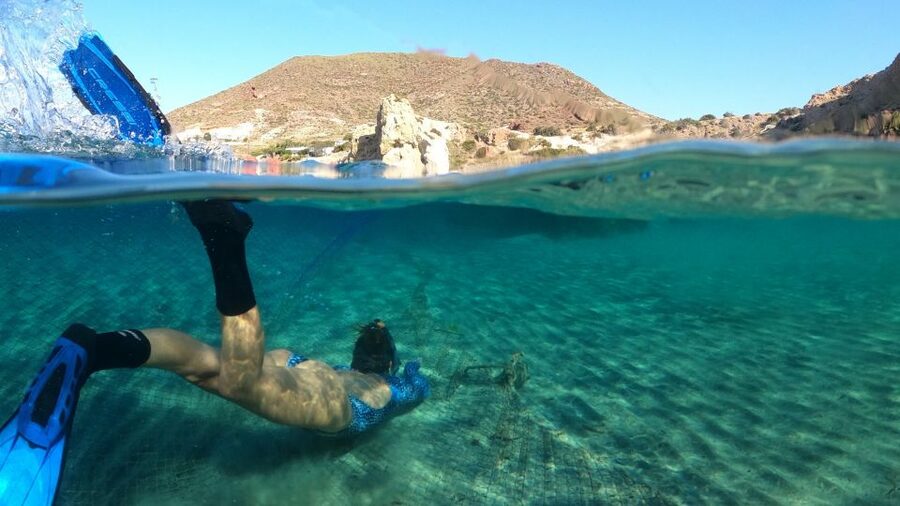
- Snorkeling gear included: mask and goggles, so you can focus on spotting fish
- Roman fish farm ruins in Albufereta: history stop that actually makes sense after you’ve seen the water
- Guide support in and around the water: Chadi is trained for emergencies, which helps you relax
- Water + snack included: a small finish that makes the 3 hours feel like a real outing
Riding Alicante’s coves on a bike you’ll actually want to use
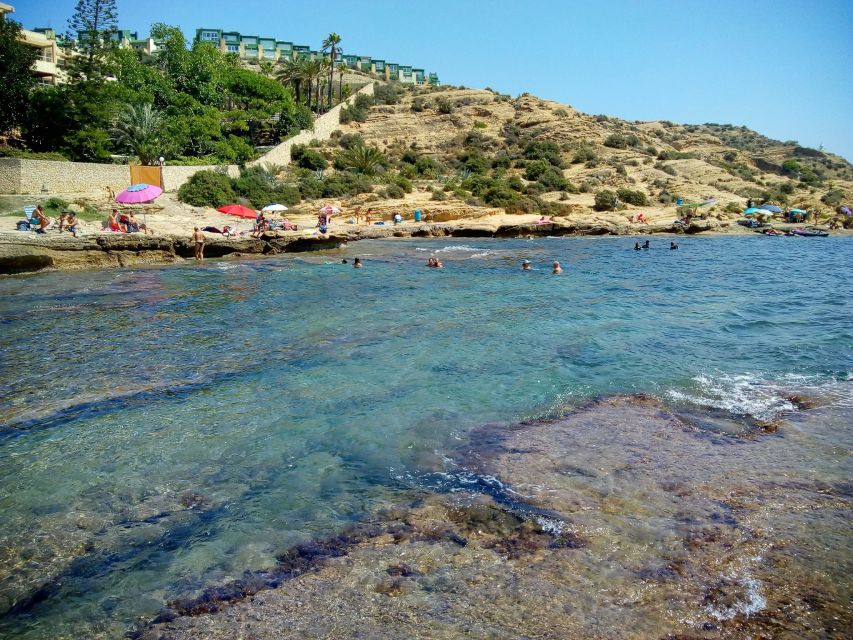
Alicante’s shoreline can look postcard-perfect from the city. But on a bike—especially an e-bike—you move through it at the speed that lets you enjoy the views without fighting traffic, finding parking, or rushing from beach to beach.
This tour keeps things practical. You’re on a standard or electric bike (you choose the option), guided along the coast, then you shift from “watching the sea” to “being in the sea” with snorkeling. That one change of mode is the whole point: you get the calas by land, and you get the marine life by water.
If you’re the type who wants a plan that’s active but not punishing, this fits well. I also like that the route includes both classic viewpoints and a stop at Albufereta’s Roman-era remains, so the outing has more than just scenery.
You can also read our reviews of more cycling tours in Alicante
Starting at the yellow bike shop in Alicante
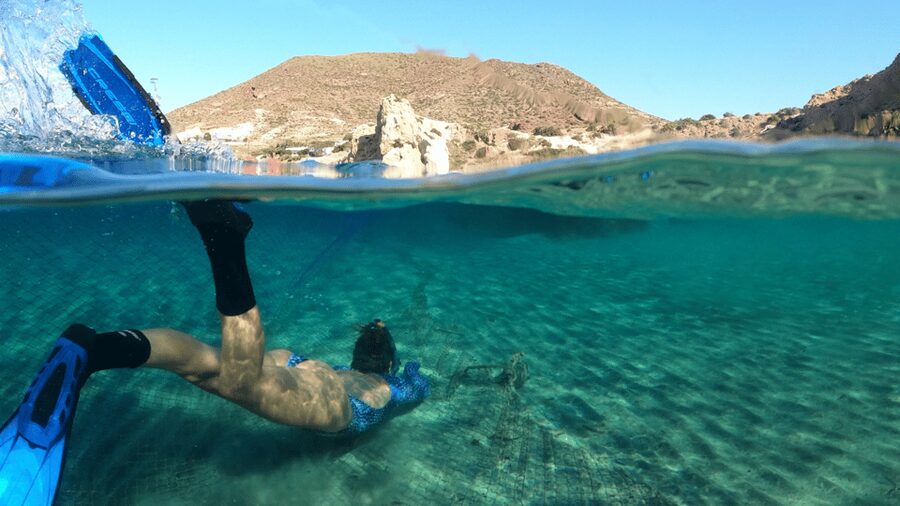
You meet at the Alicante by Bike shop. Look for a yellow building. The tour ends back at the same meeting point, so you’re not trying to catch a bus or track down your bike after you’ve been in the water.
Since the duration is 3 hours, think of it as a tight, well-paced highlight run. You’ll want to arrive ready to move—sunscreen on, swim stuff and beachwear planned—because you don’t want to scramble after you’re already rolling.
The coastal ride: Cabo de las Huertas, Cantalar, Calita
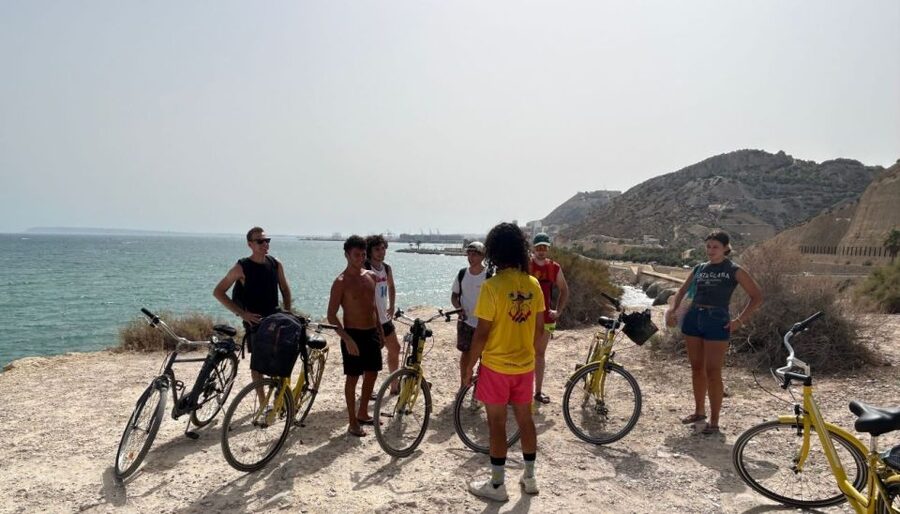
The core of the experience is three stops at popular coves. Each one is part viewpoint, part beach break, part “wow, that water is clear” moment.
Cabo de las Huertas: the postcard cove intro
Cabo de las Huertas is the kind of spot where cliffs and sea meet hard, and the water looks clean enough to make you want to grab a mask. As you ride into the area with the guide, you’ll get context for what you’re seeing, not just a photo-op stop.
This is a good first cove because it sets expectations. If you’re deciding whether to choose the e-bike or a standard bike, this early segment makes the decision feel real: you’ll get the rhythm of the coastal route, plus an idea of how much effort the hills might demand depending on your bike type.
Cantalar: more cliff-and-cove, less crowd-pressure
Then you move on to Cantalar. It’s the kind of cove that feels like it belongs to the coast more than to the city. The cliffs and rocky edges make the coastline look dramatic, and that’s exactly what makes the ride worth it even before snorkeling.
Practical note: wear sunscreen and keep an eye on water shoes. Even if you don’t walk far, rocky access points and wet surfaces can be awkward if you’re in flip-flops.
Calita: an easy final stop before snorkeling
Calita rounds out the trio. By the time you reach the last cove before snorkeling time, you’re warmed up by the ride and primed for water. It’s also when the guide’s instructions start to feel extra relevant—when you’re finally standing close to where you’ll swim and look around underwater.
And yes, there are hills on the route to the snorkeling spot. The good news is that the e-bike option helps a lot. If you go standard bike, be honest with yourself about stamina.
The Roman fish farm stop in Albufereta
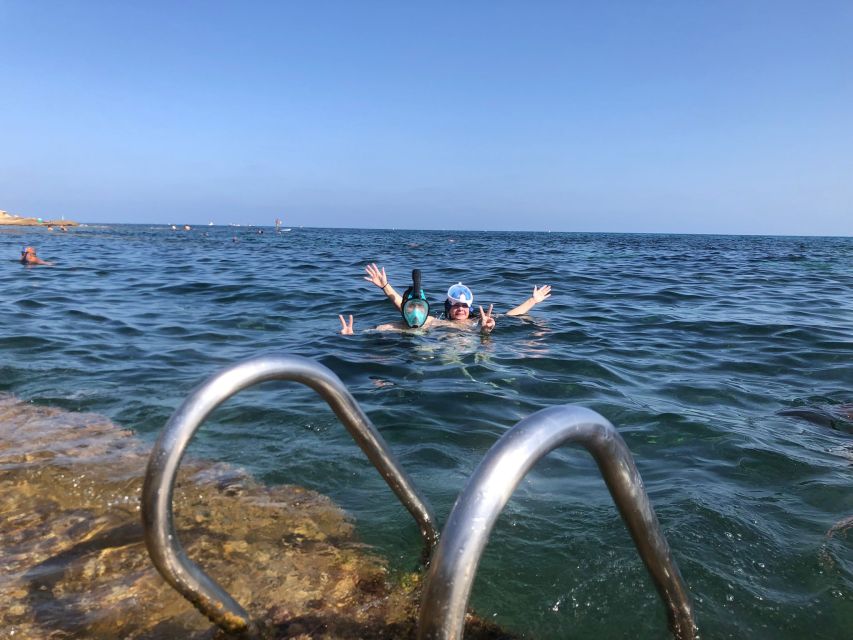
Between the calas and the water time, you’ll stop at remains of an ancient Roman fish farm in Albufereta. This is one of the best “why this tour is more than a beach day” elements.
It matters because it connects the coastline to human use over centuries. You’re not just looking at water—you’re learning how people once relied on these coastal conditions for farming fish. After you’ve spent time cycling and staring at the coves, the ruins feel less random and more logical.
If you enjoy history only when it has a setting, this stop is a smart break. It also gives your legs a little reset before you gear up again.
Snorkeling gear, masks, and how to make the most of it
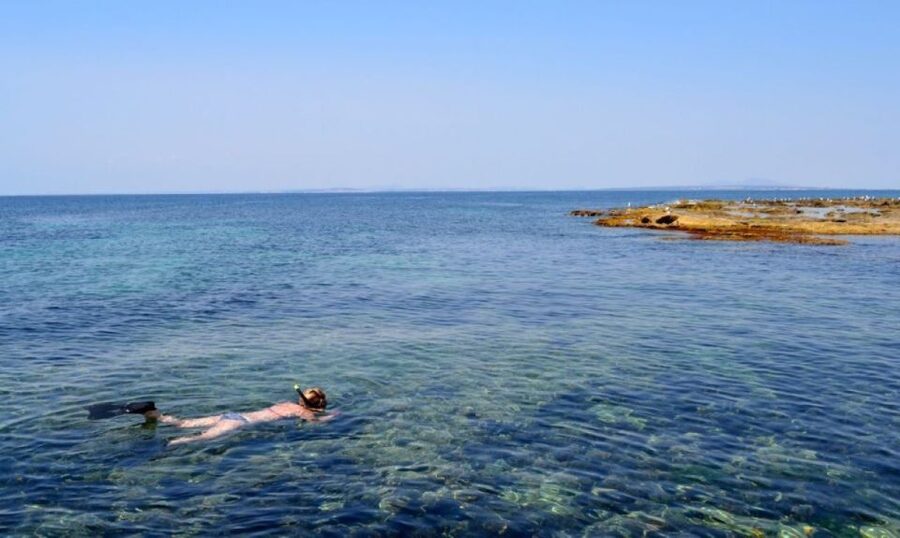
Here’s what you’re getting for snorkeling: snorkeling gear plus goggles and a set of instructions and support from your guide. You’re not expected to bring anything fancy, but you do need to show up ready to swim.
One key detail: it’s not suitable for non-swimmers. The tour also says you need to know how to swim and ride a bike, so this is not for people who want a casual “stand near the water” experience.
What you should focus on underwater
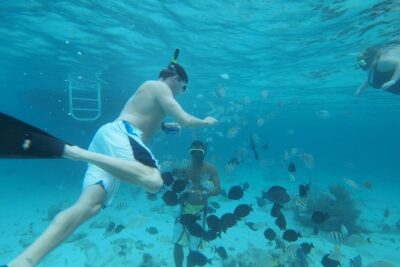
You’ll see fish and underwater plants/sea growth, and the whole point is to spend time looking at what’s actually there. I’d treat it like a guided scavenger hunt: watch the areas the guide points out, then slow down and scan for movement.
If you’ve snorkeled before, you’ll still benefit from the local guidance. If you haven’t, it helps that the group is organized and the gear is included—less time figuring things out, more time enjoying the water.
Don’t forget water shoes and your comfort
The tour includes helmet rules for kids under 16, but for adults your main “comfort gear” is footwear. Bring water shoes. They’ll help with uneven rocky access and keep you stable when you’re wearing a mask and thinking about breathing calmly.
Also: towel is not included. Bring one if you care about being comfortable after.
Pace, effort, and who this tour really fits
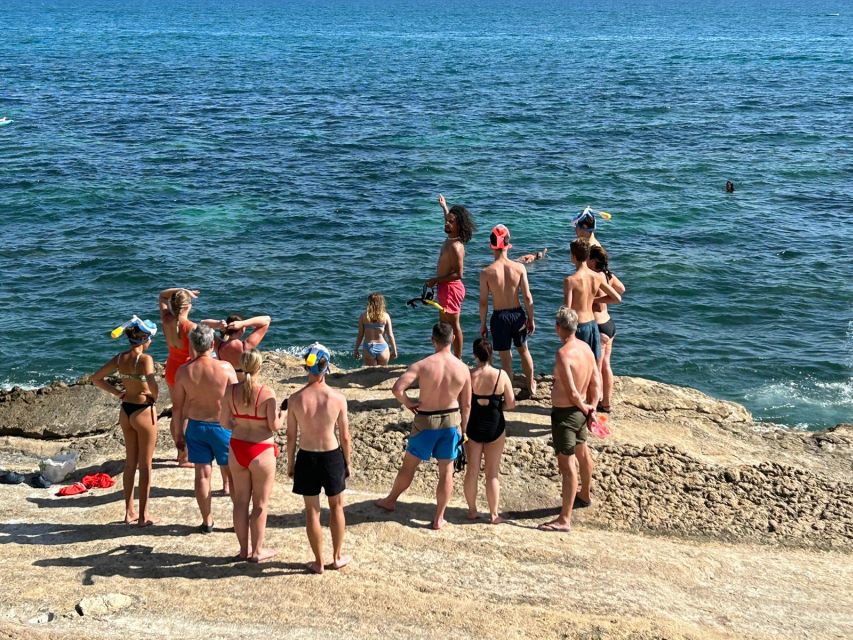
This is an active coastal tour that mixes riding with short water time. The biking portion is central, and snorkeling is real snorkeling—so you’re doing both, not choosing one.
A few “fit” points based on the tour rules:
- Not suitable if you can’t ride a bike
- Not suitable if you can’t swim
- Not suitable for pregnant women
- Not suitable for wheelchair users
- Not suitable for people over 60
- Not suitable for children under 14
If you’re a strong swimmer and you can ride (even with some hills), you’ll likely have a great time. If you’re a comfortable intermediate biker but want to avoid exhaustion, the e-bike option is the smarter move.
Also, it’s only 3 hours. That’s a plus for people who want fun without losing a full day. You’ll get a full “coast + history + water” mix, then you’re back at the shop with time left for a beach walk or a late lunch.
Price value: $36 for bike, guide, snorkeling gear, and snacks
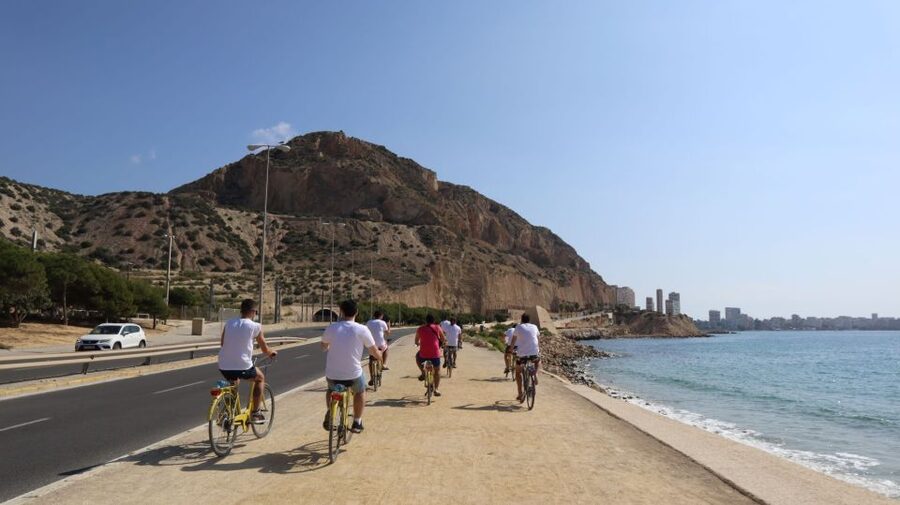
At about $36 per person for a 3-hour tour, you’re paying for a bundle: the bike, a live guide (English and French), snorkeling gear, helmet for kids, plus water and a snack.
Is it the cheapest thing you can do in Alicante? No. But it’s also not trying to be a bargain bus tour. You’re paying for logistics that would be annoying to DIY:
- finding the right coastal route for multiple calas in a short time
- bringing snorkeling gear (and making sure it fits)
- having someone explain what you’re seeing, including the Roman fish farm stop
- getting insurance included as part of the package
The value feels strongest if you’re arriving in Alicante with limited time and you want maximum “wow” per hour.
And if you’re comparing bike options: the e-bike is often worth it here because the snorkeling access involves getting to the water area. Less fatigue means better snorkeling focus.
What to bring for a smooth, no-stress day
This is a short tour, so pack only what you’ll use. You’re told what to bring, and it’s spot-on:
- Sunscreen
- Comfortable clothes for cycling
- Beachwear
- Water shoes (important for rocky/uneven access)
- Anything you need to feel comfortable in swim mode
Also, towel is not included. If you want to dry off after, bring one. And wear gear you can handle getting wet—phones and bags need a plan.
Guide experience and safety tone that helps you relax
A big reason this tour earns high scores is the guide. Chadi is repeatedly praised for being attentive, energetic, and professional, and there’s mention of lifeguard training. That combination matters because snorkeling is the main “risk” moment, and you want someone calm, organized, and ready if something goes sideways.
You’ll also see safety rules taken seriously. The goal isn’t to kill the fun—it’s to keep the whole group comfortable so you can actually enjoy the sea instead of worrying about what’s going wrong.
Should you book the Alicante calas and beaches e-bike with snorkeling?
I’d book it if:
- you want a 3-hour active outing that mixes coast, history, and water
- you can swim and you can ride a bike (no exceptions)
- you’re picking Alicante for the sea and want snorkeling without the hassle
I would skip it if:
- you want a beach day where you can stay mostly on land
- you’re not confident in the water or on a bike
- you fall into one of the tour’s clear “not suitable” categories, like non-swimmers, wheelchair users, or pregnant women
If you’re in the sweet spot—fit for cycling plus real swimming—this tour is a strong value. You get the named coves, the Albufereta Roman stop, and an actual snorkel session with included gear and guide support. That’s a lot to pack into one morning or afternoon.
FAQ
How long is the Alicante calas and beaches e-bike tour with snorkeling?
The tour lasts 3 hours. You can check availability to see starting times.
Where does the tour start and end?
You meet at the Alicante by Bike shop, in a yellow building, and the tour ends back at the same meeting point.
What’s included in the price?
The tour includes an e-bike, a tour guide, snorkeling gear (including goggles), insurance, a helmet for children under 16, water, and a snack.
Do I need to bring a towel?
A towel is not included, so you may want to bring one.
What swim and bike skills do I need?
You must know how to swim and how to ride a bike to take this tour.
What types of bikes are offered?
You can choose a standard bike or an electric bike (e-bike).
What languages are the guides?
The live tour guide is available in English and French.
Is it suitable for children?
It is not suitable for children under 14. Helmets are compulsory for children under 16.
Is the tour suitable for non-swimmers or people who can’t ride a bike?
No. It is not suitable for non-swimmers and not suitable for people who can’t ride a bike.