REVIEW · AMED
Amed: Snorkeling Trip to the Japanese Shipwreck
Book on GetYourGuide →Operated by TripGuru · Bookable on GetYourGuide
This is the kind of Bali day that feels like a postcard, then gets better once you’re in the water. You’ll head to the east coast, ride out by boat, and spend your morning at the Japanese Shipwreck Point with coral and marine life around it.
Two things I especially like: you get snorkeling gear included (mask, snorkel, fins, plus a life jacket if you need one), and you’re not stuck in a huge crowd—this tour runs as a small group (up to 9) or as a private option. The schedule also packs in more than one spot, so if one area’s conditions are less than perfect, you still have more chances to see fish.
One possible drawback: water clarity can vary. Even with a great guide, the shipwreck itself can be harder to see when the water is cloudy, so keep your expectations flexible and focus on the fish-and-coral experience.
In This Review
- Key things to know before you go
- From pickup to Lipah Beach: how the day starts on Bali’s east coast
- Traditional boat ride to the Japanese Shipwreck Point (Amed Wreck)
- Snorkeling the Japanese shipwreck: coral, fish, and what to do if visibility drops
- Lipah Bay swim stop: a second chance for reef life
- Vienna Beach: calm water, white sand, and a different vibe
- The guide and small-group setup: why it feels easier
- Timing and energy: how a 5-hour schedule really plays out
- What’s included for $44, and why that price can make sense
- What to bring (so your day stays comfortable)
- Who should book this Amed snorkeling trip
- Should you book the Japanese shipwreck snorkeling in Amed?
- FAQ
- How long is the Amed snorkeling trip to the Japanese shipwreck?
- How much does the tour cost?
- What snorkel spots are included in the itinerary?
- Is snorkeling gear provided?
- Is lunch included?
- Do I need cash?
- Is pickup included?
Key things to know before you go
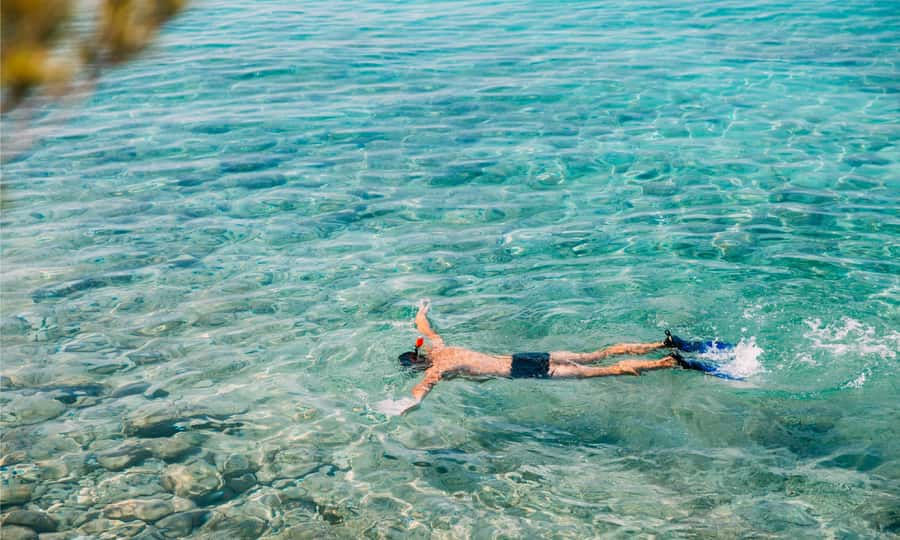
- Up to 9 people: a calmer snorkeling day than the big buses
- Japanese Shipwreck Point + coral: a real underwater structure with marine life around it
- Two (really three) swim stops: Japanese shipwreck, Lipah Bay, and Vienna Beach
- Gear and safety support: mask, snorkel, fins, and life jacket when needed
- Lunch is on you: you’ll get time at a local restaurant, but it’s not included
From pickup to Lipah Beach: how the day starts on Bali’s east coast
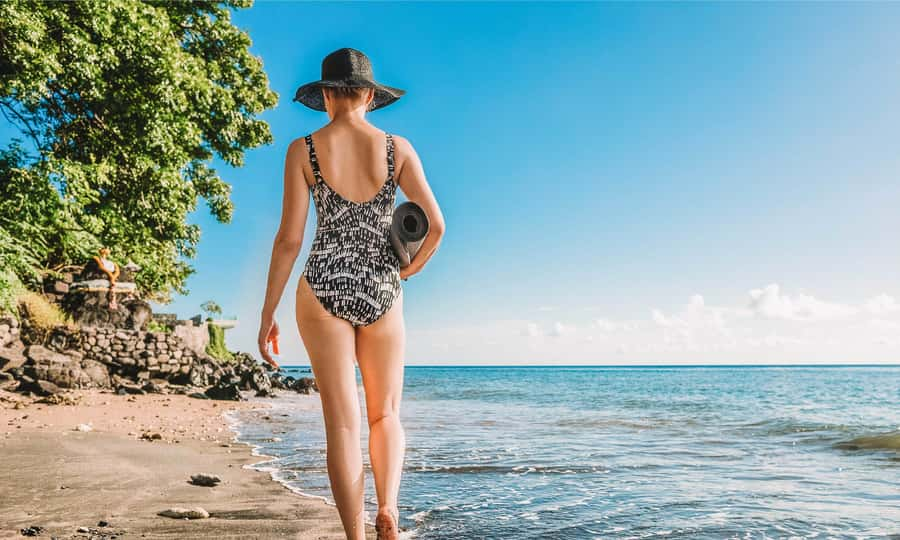
The tour begins with a morning pickup, and the drive is part of what makes the experience work. You’re traveling to Lipah Beach on Bali’s east coast, which is where the water access is easiest and where the route to the wreck starts.
You’ll typically spend about 1.5 hours in the air-conditioned vehicle (if you selected pickup). Then there’s another stretch of travel time before you reach the water area, and eventually you’re on a traditional boat for the crossing.
What this means for you: you’re not sprinting between spots. The schedule builds in travel time so you can actually enjoy each snorkel stop instead of doing a frantic shuffle.
Tip: plan to arrive at your meeting point a few minutes early. The guide won’t wait more than 10 minutes, and morning traffic can be slower than navigation apps promise.
Traditional boat ride to the Japanese Shipwreck Point (Amed Wreck)
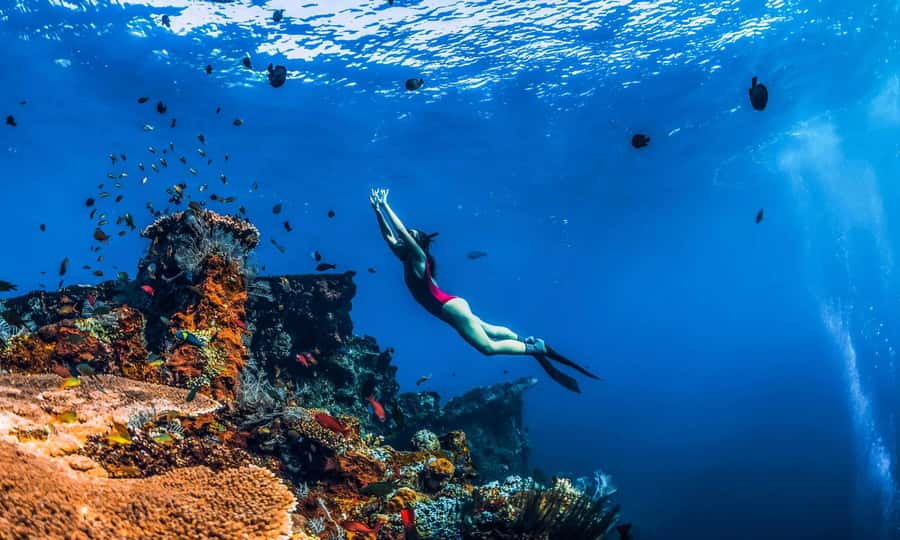
Once you reach the beach, the tour shifts from “drive time” to “water time” fast. You’ll board a traditional boat and head across crystal clear waters toward Amed Wreck—one of the best-known areas in this part of Bali for snorkeling and reef watching.
That boat segment matters more than it sounds. It gives you a real change of scenery and helps you arrive at the wreck area without wasting energy. It also sets expectations: you’re going out for a full snorkeling experience, not just a quick splash.
On the water, you’ll be looking for the kind of conditions that make reef life easy to spot—gentle movement, good visibility, and time to float comfortably. The tour is timed so you don’t feel rushed once you hit the water.
Snorkeling the Japanese shipwreck: coral, fish, and what to do if visibility drops
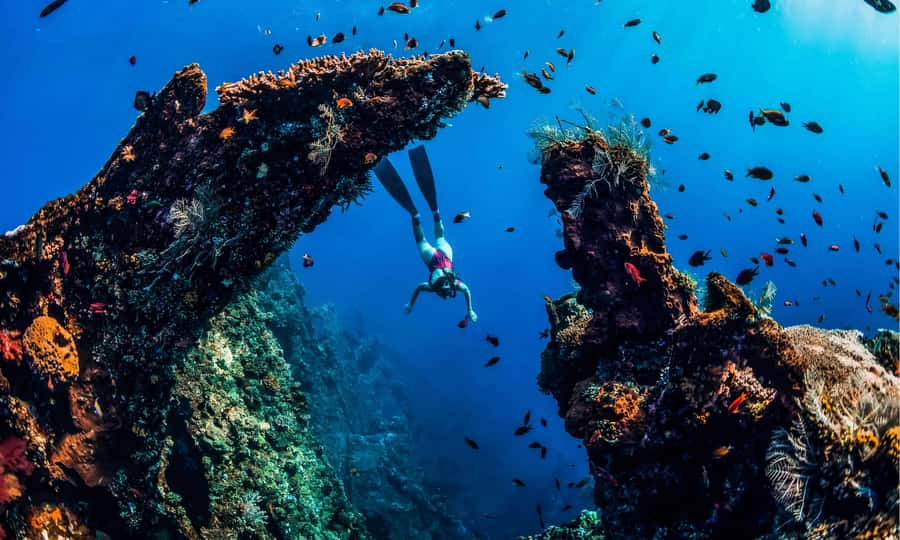
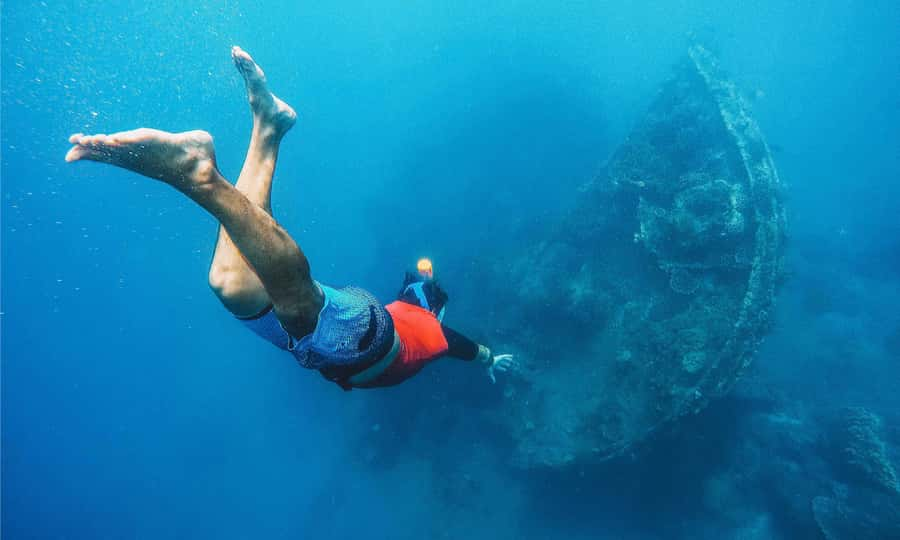
The star stop is Japanese Shipwreck Point, where you’ll have about 1.5 hours in the water. This is the moment most people book for: a sunken ship with coral growing across it, plus plenty of reef fish moving in and around the structure.
Here’s what makes this stop compelling even when conditions aren’t perfect:
- The ship creates habitat. When you look carefully, you’ll usually see fish tucked along edges and coral patches.
- Even if the wreck itself is harder to spot, the surrounding reef life can still be impressive.
- The underwater structure gives you something to “read” with your eyes. You’re not just scanning the open water.
Marine life you might see includes parrotfish, turtles, and manta rays. In one recent experience, the highlight was finally spotting turtles after some searching. That’s a reminder: snorkeling at a shipwreck is as much about patience and scanning as it is about luck.
Also, one realistic downside: if the water turns turbid, the wreck may be harder to view clearly. When that happens, the guide can’t control visibility, but you’ll still be able to focus on coral growth and the fish activity around it.
My advice: don’t treat the shipwreck like a single fixed target. Treat it like a whole underwater neighborhood. Slow down. Breathe evenly. Move your gaze across the structure, the coral, and the fish paths.
Lipah Bay swim stop: a second chance for reef life
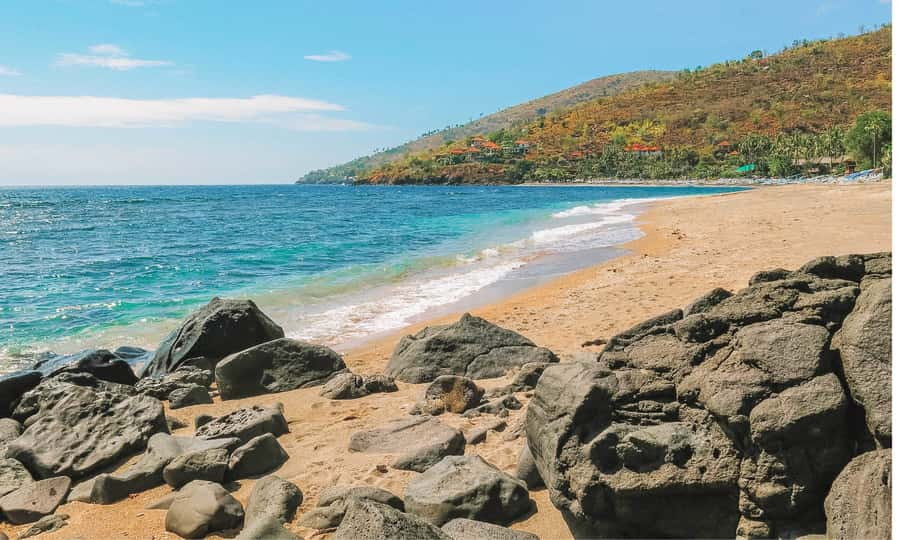
After the wreck time, you’ll head to Lipah Beach for another snorkeling session of about 1 hour. This stop is shorter, but it’s a smart addition because it gives you a different underwater feel than the ship structure.
Lipah’s waters are often calmer than you might expect, which can help if you’re still getting comfortable with snorkeling gear. You’ll also get another stretch of time to look for turtles, reef fish, and color in the coral.
What I like about a second spot: it reduces the impact of variable conditions. If the wreck visibility wasn’t great, Lipah gives you a fresh reset. If the wreck was amazing, Lipah lets you keep the good momentum going without extending the day too long.
Practical note: you may feel more tired after the first swim. Use the second stop as “enjoy and observe” time. Try not to rush to cover everything. The longer you float and watch, the more you notice.
Vienna Beach: calm water, white sand, and a different vibe
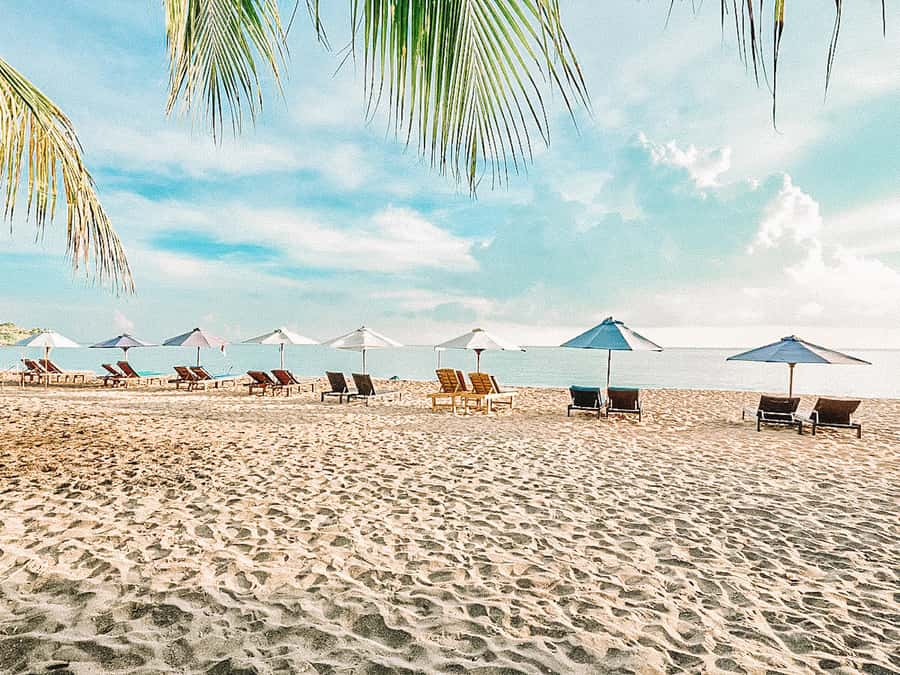
The tour also includes Vienna Beach, described as white sand with calm waters and marine life you can enjoy while snorkeling. This stop is where the day often feels more relaxed, less “mission-driven,” more “let’s enjoy this.”
Why Vienna Beach is worth including: it changes the look and feel of your snorkeling. Shipwrecks bring structure and fish behavior tied to that environment. A calmer beach setting tends to feel easier on your body and can be great for getting steady with breathing, taking photos, and scanning for movement close to the surface.
If you’re the kind of snorkeler who likes variety—different water textures, different light, different fish behavior—this final stop helps you leave with more than one type of memory.
The guide and small-group setup: why it feels easier
This is run as either a small group of up to 9 people or a private option. That size matters in real life. You’re less likely to be crowded in the water, and it’s easier for the guide to check on everyone’s comfort and safety.
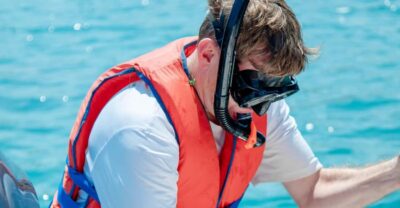
You’ll have an English-speaking tour guide, and the tour includes insurance, mineral water, and local fees and taxes. There’s also snorkeling gear provided—mask, snorkel, fins, and a life jacket for those who need one.
One detail I’d call out: if your guide’s English is a bit less strong, the important part usually still works—safety basics, directions, and help with gear. In at least one recent outing, the guide worked hard to communicate clearly and stayed focused on getting the group a good experience.
Another small but meaningful factor: if your hotel happens to be located close to one of the snorkel points, you might get a shortcut where the guide drops you directly at the beach. That can save you time and reduces back-and-forth driving.
Timing and energy: how a 5-hour schedule really plays out
The full experience is about 5 hours, which is a sweet spot for people who want a highlight without giving up an entire day. The day includes transportation, boat ride time, two main snorkeling blocks, and a lunch stop.
The schedule generally works like this:
- Morning pickup and drive to Lipah Beach
- Boat ride toward the wreck area
- Japanese Shipwreck Point snorkeling for about 1.5 hours
- Lipah Bay snorkeling for about 1 hour
- Lunch time at a local restaurant
- Final snorkel stop at Vienna Beach
- Return transport and drop-off
Because the day is relatively compact, you’ll want to show up ready. Bring your gear needs in mind (sunscreen, towel, a change of clothes), and plan to treat the boat ride and transfers as part of the experience, not wasted time.
Also note: the tour is not suitable for people with mobility impairments. That’s important because there’s boat access and beach movement involved.
What’s included for $44, and why that price can make sense
At $44 per person, this tour is positioned as good-value for Bali because several key costs are wrapped in. You’re paying for:
- Hotel pickup and drop-off (if you select that option)
- Air-conditioned transport (if pickup is selected)
- A professional English-speaking guide
- Snorkeling gear
- Boat ride
- Local fees, taxes, and transport costs (fuel and toll charges)
- Insurance
- Mineral water
What’s not included: lunch and personal expenses. You’ll have about 1.5 hours for lunch at a local restaurant where you can buy your own food.
Value math tip: if you were to arrange boat access plus guide support plus gear on your own, the totals can climb fast—especially once you factor in safety gear, local fees, and the time pressure of coordinating everything. Here, you’re buying a structured day that’s already planned for the snorkeling sequence.
And because it’s only 5 hours, you’re also buying back time. You can still enjoy the rest of your day on your own schedule.
What to bring (so your day stays comfortable)
You’ll have the essentials covered with snorkel gear, but you still need your basics. Bring:
- Swimwear
- Change of clothes
- Towel
- Sandals
- Camera
- Sunscreen
- Cash
Why cash matters: lunch is not included, and you’ll be buying food at a local restaurant. Having cash on hand avoids last-minute problems.
Also, pack smart for photo time. A wreck structure plus coral can give strong visuals, but only if you’re ready to move slowly and protect your gear from sand and spray.
Who should book this Amed snorkeling trip
I’d recommend this tour if you want:
- A structured snorkeling day with real access to the Japanese shipwreck area
- A balance of “big highlight” (the wreck) and “easy enjoyment” (Lipah and Vienna)
- A small-group feel without the chaos of large tours
- Gear included, so you don’t spend your day hunting for rentals
You should think twice if you:
- Need mobility-friendly access (this isn’t designed for mobility impairments)
- Are only interested in a guaranteed clear view of the wreck itself. Visibility can vary, and the wreck may be harder to spot when water is cloudy.
If you’re a first-time snorkeler, you’re also in a good spot because the gear is provided and the guide supports you. Just remember: calm breathing and slow movements will improve your odds of seeing more fish.
Should you book the Japanese shipwreck snorkeling in Amed?
Book it if your goal is a complete snorkeling outing that includes the wreck, a second reef-friendly beach stop, and a final calmer snorkel area. The gear included, the boat ride, and the small-group size are the big value reasons. You’ll spend your money on time in the water and not on logistics.
Skip it or choose a backup plan if you’re very sensitive to water clarity. Even the best wreck visit can be affected by cloudy conditions, and the wreck’s visibility may not be perfect on every day.
If you’re flexible and you enjoy watching fish and coral as much as you enjoy the underwater structure, this is a strong way to spend a half day on Bali’s east coast.
FAQ
How long is the Amed snorkeling trip to the Japanese shipwreck?
The total duration is 5 hours.
How much does the tour cost?
The price is $44 per person.
What snorkel spots are included in the itinerary?
You’ll visit the Japanese Shipwreck Point (Amed Wreck), Amed Beach/Lipah Beach, and Vienna Beach.
Is snorkeling gear provided?
Yes. Snorkeling gear is included, and it typically covers mask, snorkel, fins, and a life jacket if needed.
Is lunch included?
No. Lunch is available at a local restaurant, but you pay for it yourself.
Do I need cash?
Cash is recommended because lunch and personal expenses are not included.
Is pickup included?
Hotel pickup and drop-off are included if you choose the pickup option. Pickup time is confirmed the evening before, and you should arrive at your meeting point at least 10 minutes early.