REVIEW · BIG ISLAND OF HAWAII
Night Manta Ray Snorkel
Book on Viator →Operated by Ocean Eco Tours · Bookable on Viator
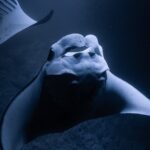
Mantas feel like they are right there. This night snorkel on the Big Island blends a relaxed sunset cruise with a dark-water swim to watch manta rays feeding nearby. It’s one of those tours where the setup matters as much as the sighting.
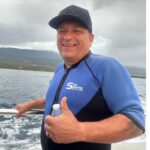
What I love most is the small group size and the way the guides keep things organized. Monet and Brandon run it with a calm, personal feel, and Monet stays in the water with you so you’re not just hoping you’ll end up in the right spot. The added touch: they send video after the tour, so you get more than just fuzzy memories.
One possible drawback is gear fit. They include snorkeling equipment and wetsuits, but you’ll need your own prescription snorkel mask if you use one, and you should pack towels and a reusable water bottle. Also, they use waist flotation noodles rather than a full life vest setup, which is fine for most people but worth knowing in advance.
In This Review
- What Makes This Night Manta Snorkel Work So Well
- Night Manta Ray Snorkel: The Two-Hour Rhythm
- Sunset Cruise Setup: How You Get Ready Without Feeling Rushed
- Dark-Water Snorkeling: What the Viewing Feels Like
- Monet and Brandon: Small-Group Guidance That Actually Helps
- Gear and Comfort: Wetsuits, Snorkel Equipment, and What You Bring
- Price and Value: Why $150 Can Make Sense
- Group Size, Boat Type, and Why It Changes Your Experience
- Who Should Book This Night Manta Ray Snorkel
- Practical Tips So Your Night Goes Smooth
- Should You Book This Night Manta Ray Snorkel?
- FAQ
- How long is the Night Manta Ray Snorkel?
- How many people are on the tour?
- What’s included, and what should I bring?
- Do they provide prescription snorkel masks or life vests?
- Where does the tour start and end?
- What happens if the weather is poor?
What Makes This Night Manta Snorkel Work So Well
- Small group limits crowd stress: up to 12 people, so you spend more time watching and less time squeezing around.
- Sunset first, questions answered early: you learn how manta rays feed before you go in at night.
- Monet stays in the water: you get hands-on help and support while you’re snorkeling.
- Dark-water viewing with flotation noodles: comfort-focused safety gear, not a rigid “life vest” approach.
- Videos after the tour: you can relive the sightings with high-quality footage.
Night Manta Ray Snorkel: The Two-Hour Rhythm
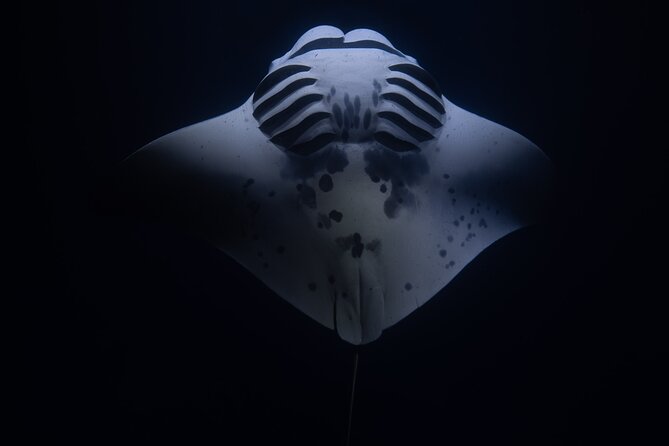
This tour is about 2 hours total, starting in the late-day calm and ending back where you meet. I like this timing because it fits the way Big Island nights actually feel: you get daylight for the cruise, then a smooth transition to the darker conditions when the mantas move in closer.
The experience is also designed for real viewing, not just a quick stop. You’ll go out, learn what to look for, then spend time in the water where mantas feed just beneath the surface. That combination is why it’s easy to recommend: you’re not guessing what you’re seeing.
And because it’s a max of 12 people, the energy stays steady. If you’ve ever been on a tour where everyone talks at once and the group feels rushed, this one is built to avoid that.
You can also read our reviews of more evening experiences in Big Island of Hawaii
Sunset Cruise Setup: How You Get Ready Without Feeling Rushed
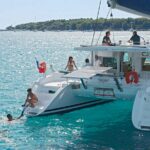
The tour starts with a sunset cruise, and that part matters more than you’d think. Before it gets dark, your guides share facts about manta rays and what behavior to watch for when you’re in the water. That means when the water time starts, you already know what you’re looking at.
If you’re the type who needs context (or you’re bringing kids), this stage helps a lot. Instead of feeling like you’re just floating and hoping, you’re actively tracking what mantas are doing. The guides keep the tone relaxed, and it feels more like a guided nature moment than a production.
You’ll also be on a boat ride to the site, so you’re not standing around in a parking lot waiting for the “real” part. It’s a full experience from start to finish.
Dark-Water Snorkeling: What the Viewing Feels Like
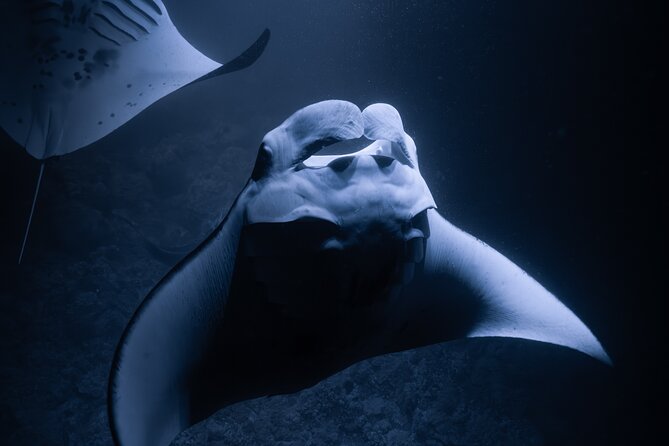
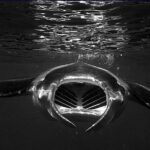
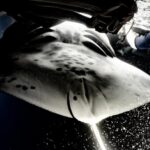
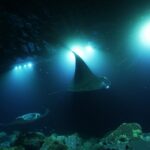
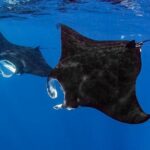
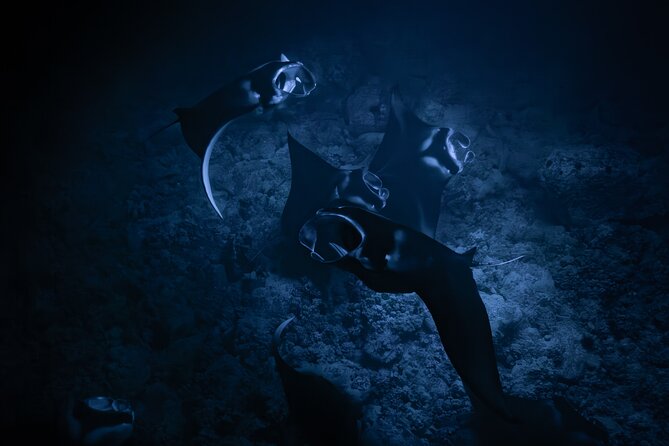
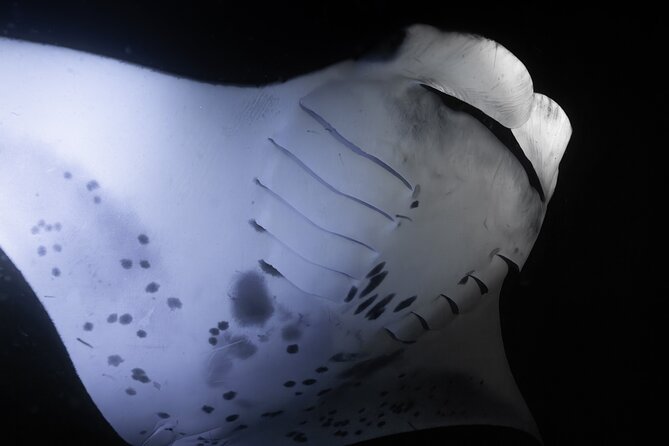
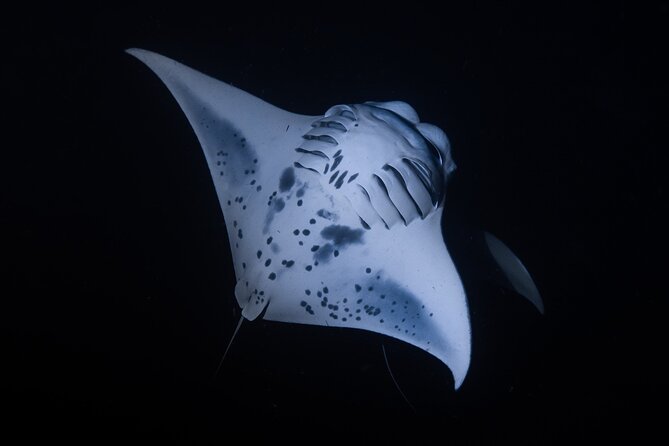
After dark, you slip into the water to observe manta rays feeding beneath you. This is where the tour earns its name, and it’s also where the small details make the biggest difference.
The guides’ approach is focused on respectful, calm presence in the water. That’s not just a nice philosophy. It helps you stay comfortable, keeps the group coordinated, and improves the odds of clean viewing passes.
Expect the sightings to be occasional rather than constant. In one commonly reported pattern, people saw around three mantas in roughly 30 minutes of time in the water. That gives you a useful expectation: you’re not guaranteed a manta every second, but the session is long enough that you should see at least a few passes if conditions are good.
Monet and Brandon: Small-Group Guidance That Actually Helps
Guide quality is the difference between snorkeling that feels smooth and snorkeling that feels chaotic. Here, Monet and Brandon are the names you’ll hear most, and they bring a very hands-on style.
Monet staying in the water with you is a big deal. It means you’re not stuck figuring out where to go by yourself at night. It also helps with positioning so you can watch the mantas without constantly changing everything you’re doing.
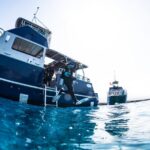
Brandon is often described as an excellent zodiac pilot, which matters on a night outing. A calm ride to the site keeps everyone from getting rattled, and it also helps you get settled before you gear up and enter the water. The boat and the zodiac setup are part of why the tour feels clean and controlled rather than crowded.
Gear and Comfort: Wetsuits, Snorkel Equipment, and What You Bring
Included gear is solid and practical. You’ll get snorkeling equipment and the use of wetsuits. I like this because it removes two common travel headaches: finding the right gear and guessing whether the water will be comfortable.
There are a few items you should plan to bring yourself:
- Towels
- A reusable water bottle
- Any prescription snorkel mask you need
They do not provide prescription snorkel masks, so if that’s part of your setup, it’s best to handle it before you arrive. You don’t want to troubleshoot eyewear compatibility while everyone’s waiting to go out.
One more comfort detail: flotation. Instead of providing life vests, the tour uses waist flotation noodles. From a practical standpoint, that often feels less bulky for snorkeling at night, and it can be more natural once you’re used to floating. Still, if you’re not comfortable in open water, you should take flotation and comfort seriously before you go in.
Price and Value: Why $150 Can Make Sense
At $150 per person for about 2 hours, this isn’t a bargain-basement activity. But it can be good value if you care about seeing mantas in a way that feels organized, calm, and not overcrowded.
Here’s what you’re paying for:
- Guided sunset cruise plus dark-water snorkeling time
- Snorkeling equipment and wetsuits included
- A small max group size (12 people)
- On-water support from the guides
- Video follow-up after the tour
When you break it down, the best value isn’t just the sightings. It’s the flow and the control: smaller groups, more attention in the water, and less time spent feeling like you’re negotiating space with strangers.
Also, you’re on the Big Island, and night viewing is weather-dependent. That adds risk and cost for operators. In a tour that’s built around respectful handling and tight group management, the price starts to feel more reasonable.
Group Size, Boat Type, and Why It Changes Your Experience
With a max of 12 people, you’ll likely feel less rushed and less tangled up in the usual logistics of a snorkeling trip. This tour is set up so you can actually see what’s happening, instead of spending your attention on keeping track of your spot in the lineup.
The zodiac ride to the site is also a factor. A smaller, more controllable vessel makes the ride feel more personal and easier to manage, especially at night. It also helps when guides are working actively with people once you’re near the water entry point.
If you’re comparing with other operations at the same location, the main difference you’ll feel is crowding. Bigger groups can mean more noise, more overlapping snorkel time, and a harder job for guides to keep everyone in safe viewing positions. Here, the small-group limit is a clear advantage.
Who Should Book This Night Manta Ray Snorkel
This is a great fit for people who want:
- A memorable wildlife experience without turning it into a high-stress scramble
- Guided snorkeling with real support in the water
- A calmer group size rather than a big crowd scene
- A night activity that feels more educational than random
It also seems friendly for a wide range of swimmer comfort levels. The tour says most people can participate, and the flotation setup is intended to make snorkeling more manageable. If you’re an okay swimmer and you can stay relaxed while floating, you’ll likely do fine. If you’re unsure about night water comfort, take it slow and ask the guides to help you get positioned before you look for mantas.
I also think this is a smart choice if you’re traveling with family. Seeing manta rays up close can become a trip highlight fast, and the pre-dark info helps everyone tune in.
Practical Tips So Your Night Goes Smooth
A night snorkel is simple, but it rewards good prep. Here are the things I’d plan around before you go:
First, pack what’s missing. Bring your own towels and a reusable water bottle. Even if the water time is short, you’ll want something ready for after.
Second, sort out eyewear. If you use a prescription snorkel mask, bring your own. They don’t provide them.
Third, wear what works with wetsuits. The wetsuit is included, so you don’t need to buy one, but you should still think about what’s under it. Keep it easy to rinse off and dry fast.
Finally, embrace the timing. You’re going from sunset to dark-water viewing. That transition is part of the experience. The cruise isn’t filler; it’s your runway into the mantas’ nighttime feeding behavior.
Should You Book This Night Manta Ray Snorkel?
Yes, if your priority is a calm, guided manta viewing with small-group attention and you’re okay with the reality that sightings can be a few passes rather than constant action. The combination of a sunset cruise, in-water support from Monet and Brandon, and the included wetsuits and snorkeling gear is the core reason this feels like good value.
I’d especially book if you want to avoid a crowded setup. The max 12-person limit and the guides staying engaged in the water help you actually watch instead of just participating.
If you have prescription mask needs, plan ahead so you’re not stuck at the last minute. And if waist flotation noodles sound unfamiliar, treat that as a comfort check before you get in the water.
FAQ
How long is the Night Manta Ray Snorkel?
The tour runs about 2 hours total.
How many people are on the tour?
This activity has a maximum group size of 12 travelers.
What’s included, and what should I bring?
Snorkeling equipment and wetsuits are included. Bring towels and a reusable water bottle.
Do they provide prescription snorkel masks or life vests?
They do not provide prescription snorkel masks. Flotation is provided as waist flotation noodles rather than life vests.
Where does the tour start and end?
The tour starts at 74-380 Kealakehe Pkwy, Kailua-Kona, HI 96740, USA, and ends back at the meeting point.
What happens if the weather is poor?
This experience requires good weather. If it’s canceled due to poor weather, you’ll be offered a different date or a full refund.