REVIEW · KARANGASEM REGENCY
Bali/Amed: Underwater Temple Snorkeling Experience
Book on GetYourGuide →Operated by Trip Gotik - Bali Tours · Bookable on GetYourGuide
Amed can feel like a private ocean show. You snorkel several top spots around town, with a standout route that includes a WWII Japanese shipwreck, a sea-turtle area at Turtle Point, and an underwater temple wrapped in coral and fish. It’s a rare mix of big “wow” animals and the kind of scenery that makes you slow down and actually look.
Two things I really like about this experience: you get a four-stop snorkeling plan (not just one rushed swim), and you’re guided with enough attention that first-timers still feel steady in the water. I also like the practical extras—mask, snorkel, fins, towels, lockers, water, and even bread for fish feeding.
One consideration: conditions matter. Calm seas are required, and visibility can vary—one stop (the shipwreck) can be murky and low-visibility some days—so it helps to have flexible expectations.
In This Review
- Key highlights you’ll care about
- Morning Logistics: How the Day Flows from Sanur, Ubud, and Beyond
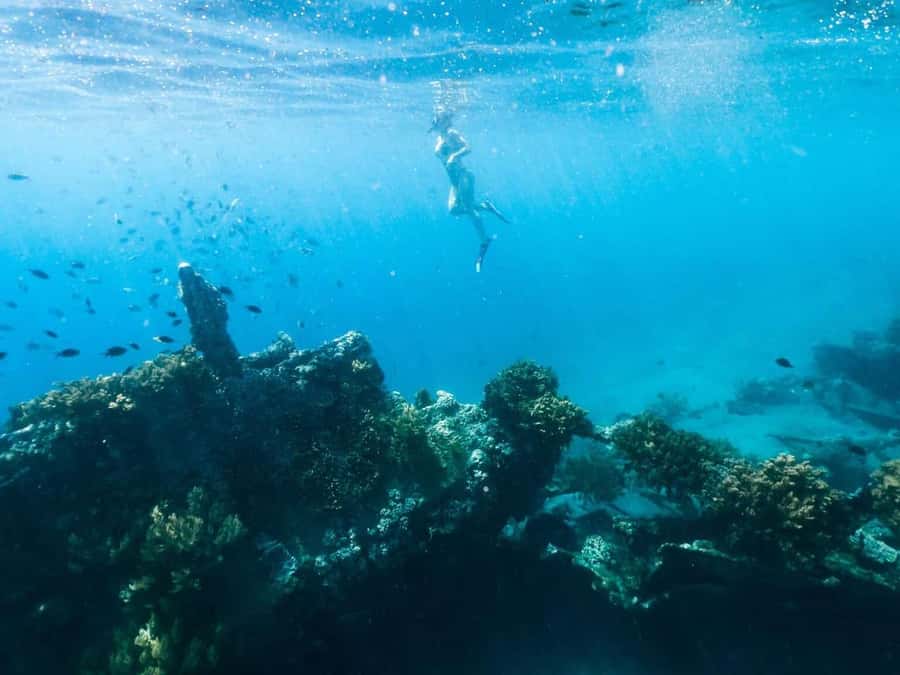
- Japanese Shipwreck: WWII Relic That Snorkelers Actually Enjoy
- Turtle Point: The Reason People Do This Tour Twice
- Underwater Temple: Corals, Stonework, and Respect in Action
- Lipah Bay and Jemeluk Bay: The Route That Keeps Things Interesting
- Tirta Gangga and Virgin Beach: A Good Bonus If You Pick the Full Day
- Price and Value: What $40 Gets You (and When It Doesn’t)
- Gear, Comfort, and the Small Things That Make You Enjoy It
- Safety Rules and Who This Tour Works For
- Guides, Boats, and the Human Factor That Really Shows Up
- Should You Book This Amed Snorkeling Tour?
- FAQ
- How long is the snorkeling part of the tour?
- Which snorkeling sites are included?
- Is lunch included?
- What snorkeling equipment do you get?
- Do I need to be a confident swimmer?
- Does the tour include hotel pickup and drop-off?
- What should I bring with me?
- Are children and seniors allowed?
Key highlights you’ll care about
- WWII Japanese shipwreck turned into a living marine habitat
- Turtle Point with a real shot at sea turtles
- Underwater temple area with stonework, coral, and schools of fish
- Four snorkeling sites during the main session for variety in one day
- English-speaking guide plus boat support for safer, easier snorkeling
- Optional full-day add-ons at Tirta Gangga and Virgin Beach
Morning Logistics: How the Day Flows from Sanur, Ubud, and Beyond
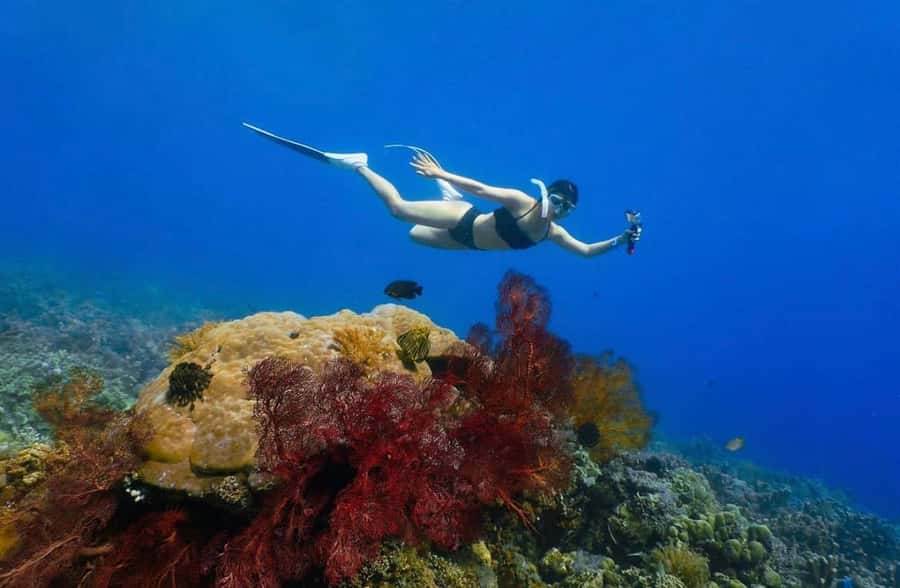
Most people don’t come to Amed just to stare at the beach. They come for the water—and this tour is built around getting you to the snorkeling circuit with minimal fuss. Depending on your pickup option, you can start from a long list of areas across Bali, including Candidasa, Amed, Sanur, Kuta, Jimbaran, Uluwatu, Nusa Dua, Ubud, and Kintamani.
If you’re staying farther out, plan for an early start. Pickup windows are shared, with the Uluwatu/Kuta/Seminyak/Canggu area typically between 6:00 AM and 7:00 AM, and Ubud between 6:30 AM and 7:30 AM. That early timing matters because it helps you reach the water while seas are calmer and the day is still fresh.
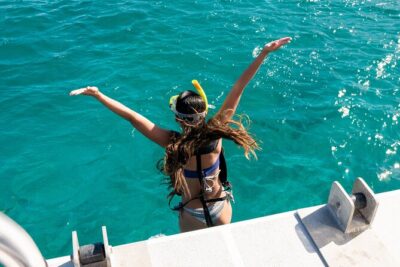
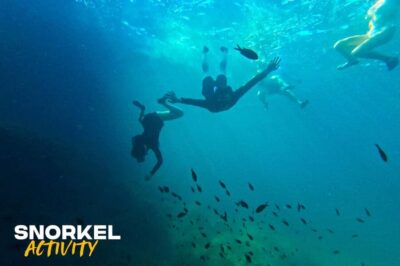
Once you’re on the water, the rhythm is simple: gear check, boat ride, short snorkeling sessions at each site, and a guide who helps you get oriented. The boat setup includes things like a towel and lockers, which sounds minor until you’re trying to keep your day bag dry and your hair out of trouble.
And yes, you’ll likely do a long drive if you’re not based near Amed. In the best cases, the ride turns into a low-key Bali road trip. One guide-driver, Wayan (and in other cases Wayan Sue / Wayan’s variants), was praised for friendliness and for filling the ride with local context.
You can also read our reviews of more snorkeling tours in Karangasem Regency
Japanese Shipwreck: WWII Relic That Snorkelers Actually Enjoy
The main “magnet stop” is the Japanese Shipwreck, a WWII relic now functioning as a marine habitat. On the water, what makes shipwreck snorkeling work well is the structure. Even underwater, you have something to look at—angles, surfaces, and shelter spaces that attract fish and other sea life.
In many cases, you get that classic shipwreck feel: lots of fish activity around the wreck and a sense of discovery as you swim along the contours. That’s why this stop gets the biggest emotional lift. It’s not just scenery; it’s a real piece of history that’s been repurposed by nature.
That said, here’s the honest part: visibility can change. One booking noted the shipwreck water was murky with low visibility, and they only snorkeled there for about 10 minutes. This isn’t unusual in coastal areas where conditions swing. So don’t assume every day will look like a postcard. Your best strategy is to treat the shipwreck as a meaningful stop you check thoroughly, but also trust the rest of the route if one site isn’t perfect.
Turtle Point: The Reason People Do This Tour Twice
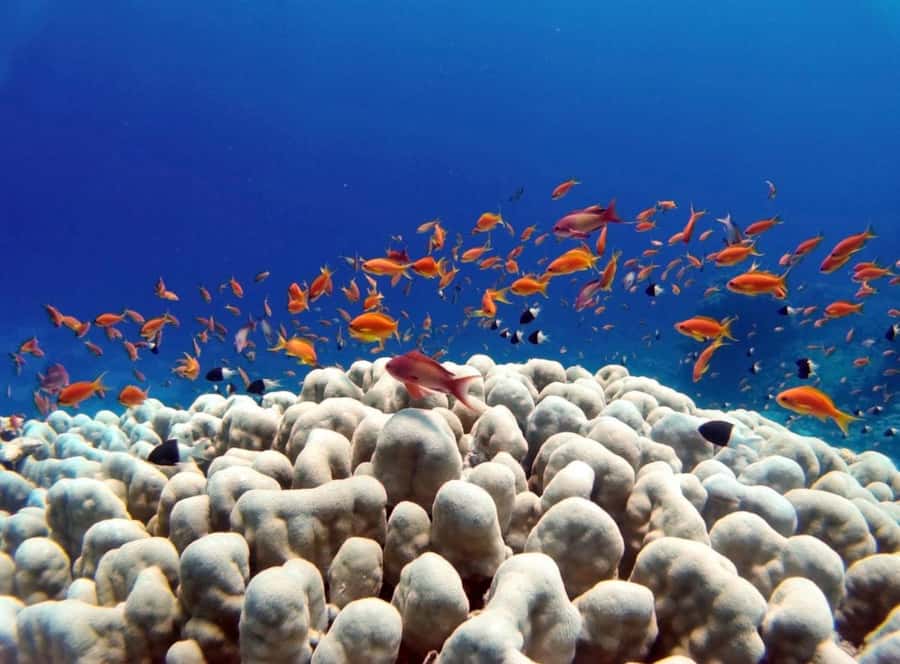
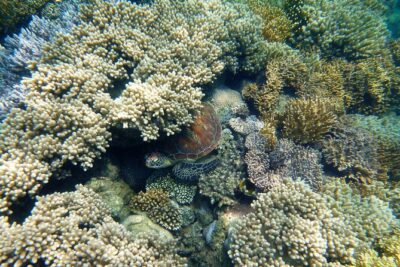
Let’s talk turtles—because this is why many people choose Amed in the first place. At Turtle Point, the goal is to spot sea turtles gliding through clear water. When it works, it’s calm, slow, and kind of unreal. You’re not chasing anything. You’re watching something that’s built for cruising.
This stop is one of the most consistently praised parts of the experience, especially because the guides know how to position you. A good guide helps you snorkel at a relaxed pace and gives you a better chance of a close, peaceful encounter rather than random luck.
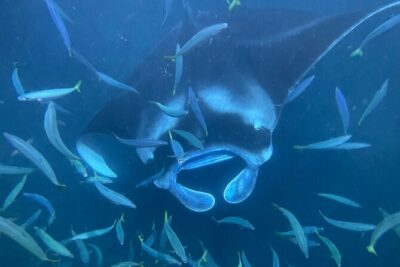
Some trips also added other surprises. One person reported turtles plus dolphins, and another mentioned stingray and starfish. Those extras aren’t guaranteed, but the pattern is consistent: the ecosystem here supports more than one kind of marine visitor.
Practical tip: for turtle-focused snorkeling, don’t rush your first breaths, don’t thrash water, and try to stay neutrally buoyant. Your guide will handle the pacing, but your body language matters. Calm snorkeling gives you better outcomes and helps everyone stay comfortable.
Underwater Temple: Corals, Stonework, and Respect in Action
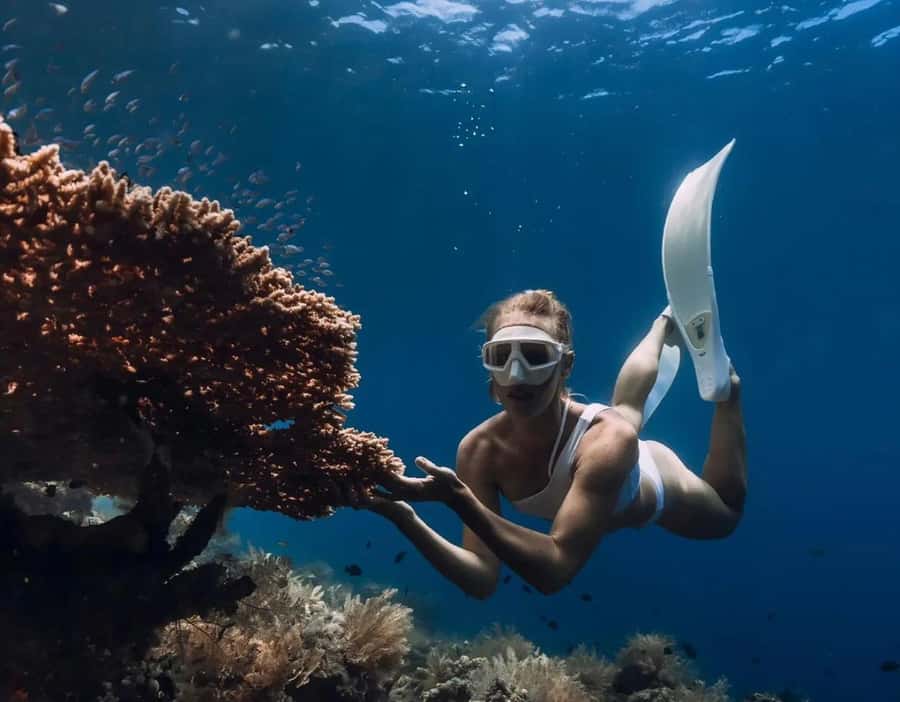
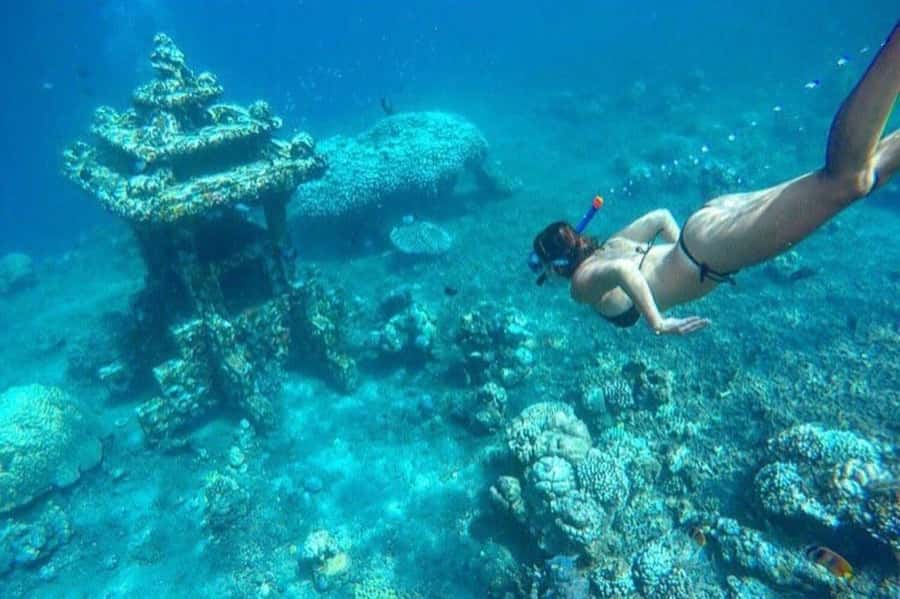
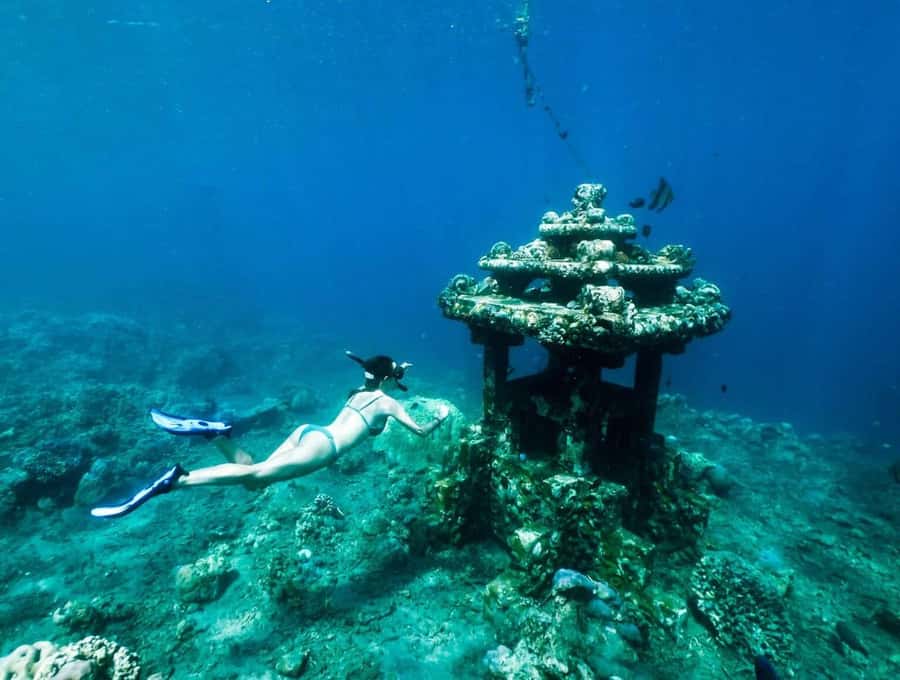
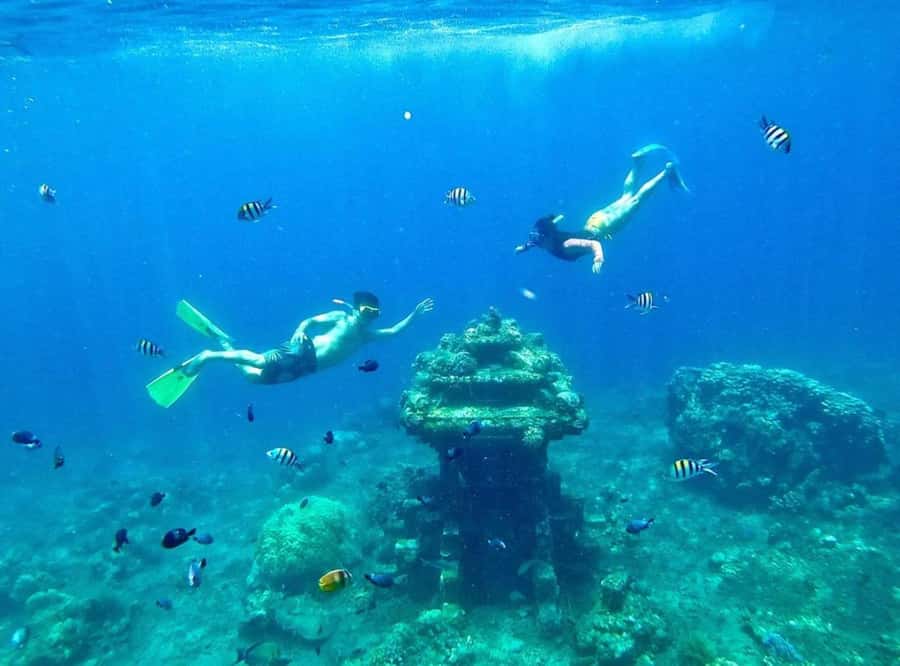
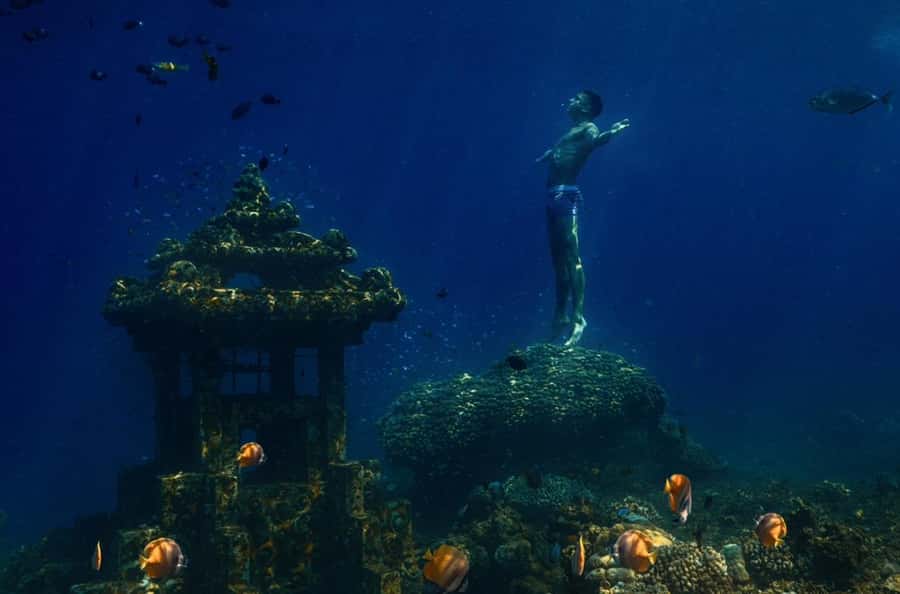
The standout “weird cool” moment is the underwater temple area—a cultural site with stone carvings and coral coverage. You’re not going there to touch or explore like it’s a theme park. You’re there to watch. The experience is about quiet awe: fish drifting through, coral around the stone elements, and the feeling that nature is growing around human craftsmanship.
What makes this stop especially valuable is that it gives your eyes a break from “animal hunting.” Even if turtles are active that day, the temple gives you something different to notice: structure, texture, and the way fish schools move through coral edges.
A key rule is spelled out for a reason: don’t touch or stand on coral or structures. The temple is part of the living environment. Treat it like you’d treat a sacred site on land—then remember it’s also reef habitat. You’ll enjoy it more when you’re careful.
Lipah Bay and Jemeluk Bay: The Route That Keeps Things Interesting
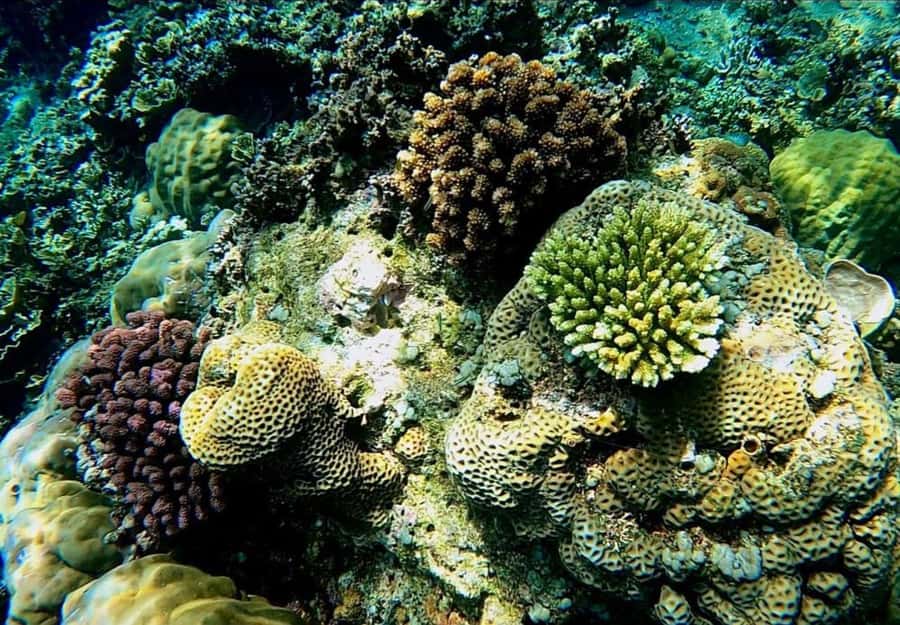
The snorkeling doesn’t stop after shipwreck and turtles. The tour includes additional stops around Amed’s coast—specifically Lipah Bay and Jemeluk Bay—so you’re not doing one long swim in the same-looking water.
This matters for two reasons.
First, you get variety. One spot might be reef-forward with coral and lots of small fish. Another might feel more open, with different shelter and current patterns. That variety is how you end up with more “different shots” in your memory.
Second, you get resilience against changing conditions. If one site underperforms due to visibility or sea conditions, you still have other chances later in the circuit. That’s especially important because calm sea conditions are required, and snorkeling spots may change depending on weather and timing for safety.
One practical note from the real world: Amed’s coastline can have debris. One booking mentioned plastic in the sea. You can’t control that, but you can stay mindful, avoid kicking up sediment, and don’t grab anything off the water surface.
Tirta Gangga and Virgin Beach: A Good Bonus If You Pick the Full Day
If you choose the longer day option, you’ll add two land-based stops that help break up the physical effort of snorkeling and give you a taste of what Amed’s region looks like beyond the water.
Tirta Gangga is included with a guided visit. This is the kind of stop that works well when you want a pause from saltwater and photos of boats. You’ll have a guide to help you understand what you’re seeing, which is a real quality-of-life upgrade when you’re not fluent in everything on your own.
Then there’s Virgin Beach, also with a guided visit. This is the kind of shoreline stop that gives your body a reset and lets you enjoy the coast without gear. It’s also a nice timing buffer—by the time you get there, you’ve probably already gotten the underwater moments you came for.
The best part of these add-ons is simple: it turns a snorkeling outing into a full-day experience that doesn’t feel like you’re burning the day in transit.
Price and Value: What $40 Gets You (and When It Doesn’t)
At $40 per person, this is priced like a serious budget-friendly snorkeling day. You’re not just paying for a boat and a route. You’re paying for four snorkeling sessions, a guide in English, rental equipment (mask, snorkel, fins), entry fees, boat time, towels, lockers, and even mineral water.
If you compare that to what it costs to do “just one site” or to arrange gear and entry fees separately, the value starts to make sense. The value also comes from the structure: four different water stops reduces the odds of a disappointing day.
Where the math can get less perfect is if you’re only interested in one specific thing. If you want turtles only, or you want shipwreck only, you might wonder why you’re paying for extra sites. But if you’re open to a few different underwater moments, the bundle price becomes fair fast.
Also, consider the optional add-ons. Many people upgrade footage with a GoPro. If you’re serious about photos and videos, it may be worth budgeting for it. One booking said GoPro footage was worth it for next-level results and noted a cost figure tied to the filming add-on. I can’t promise it will be exactly the same for your date, but the overall feedback was clear: people liked having captured moments rather than just relying on memories.
Gear, Comfort, and the Small Things That Make You Enjoy It
You don’t need to show up with snorkeling equipment. The tour includes mask, snorkel, fins, plus a towel, locker, and changing room. That’s a big deal for comfort, especially if you’re combining pickups from multiple locations and staying in sandals most of the day.
You also get mineral water and bread for fish feeding. That bread is a fun part for many people because it creates predictable fish activity near the group. It’s also a good way to get calmer, more consistent underwater views than chasing fish that won’t cooperate.
What to bring is straightforward:
- Swimwear
- Change of clothes
- Sunscreen
- Cash
The cash note isn’t about the tour price—it’s about small extras like tips and add-ons. One guide experience also included a practical suggestion: take cash because you’ll want to tip.
One more “real life” detail: some bookings said facilities aren’t the greatest, so I’d treat the included changing room as functional rather than luxurious. Plan for basic comfort and you won’t get caught off guard.
Safety Rules and Who This Tour Works For
This tour is for people who can handle open-water snorkeling with confidence. The information is direct: participants should be confident swimmers, and calm sea conditions are required. If the ocean doesn’t cooperate, snorkeling spots can be adjusted for safety, and timing may shift.
There are also clear “not for everyone” limits:
- not recommended for pregnant women
- not recommended for people with serious medical conditions
- children under 10 aren’t suitable
- not suitable for non-swimmers, people with low fitness, people with mobility impairments, or wheelchair users
- not suitable for people over 70
If you’re in the “confident swimmer” category and you’re comfortable wearing fins, this is usually a good fit. The guide support helps a lot, and the boat crew is there to assist.
One more safety mindset: the underwater temple is a cultural site. That means you’re expected to act respectfully and follow “don’t touch” rules. Respect keeps you safe, protects coral, and makes the experience feel meaningful rather than chaotic.
Guides, Boats, and the Human Factor That Really Shows Up
Even the best snorkeling route depends on how it’s guided. Here’s what stood out: people consistently praised the guide-driver team for being friendly, patient, and focused on getting everyone comfortable.
Names that came up often include:
- Putu Adi (praised for upbeat attitude and making the day feel personal)
- Wayan (and Wayan Sue) for being communicative and helpful during long rides
- Nyoman for guiding calmly and helping with time for photos
- Karma for GoPro-related filming support and creating great footage
Some trips also felt extra personal due to the boat situation. One booking mentioned a small group with only two on the boat, describing the vibe as authentic and relaxed. A smaller group usually helps with fewer swimmers crowding the scene and better pacing.
If you care about photos and video, ask your guide about filming options. Several people highlighted that having GoPro support improved the experience, and some guides helped with photo and video framing.
Should You Book This Amed Snorkeling Tour?
Book it if you want a high chance of turtles, you’re curious about a WWII shipwreck, and you like the idea of adding an underwater temple plus optional land stops. The route makes sense for a day with multiple underwater “chapters,” and the included gear and guide support keep it easy.
Skip it (or consider a different format) if you’re a weak swimmer, you’re dealing with medical limitations, or you’re expecting guaranteed crystal-clear visibility at every stop. The ocean can be moody, and one stop can be murky even when the rest of the day is great.
My practical call: if you’re in Amed and you want maximum variety without doing advanced diving logistics, this is a strong pick. The price is reasonable for the number of snorkeling sites and the guidance you get, and the turtle factor alone makes it an easy yes for the right swimmer.
FAQ
How long is the snorkeling part of the tour?
The snorkeling session runs for about 3 hours in Amed.
Which snorkeling sites are included?
Snorkeling sessions include the Javanese Shipwreck, Turtle Point, Lipah Bay, and Jemeluk Bay.
Is lunch included?
No, lunch is not included.
What snorkeling equipment do you get?
You’ll be provided a mask, snorkel, and fins.
Do I need to be a confident swimmer?
Yes. The tour notes that participants should be confident swimmers.
Does the tour include hotel pickup and drop-off?
Pickup is optional and available from many Bali areas. Return transfer is included for hotels in Sanur, Kuta, Nusa Dua, Ubud center, and Jimbaran, while a surcharge applies outside that area.
What should I bring with me?
Bring swimwear, a change of clothes, sunscreen, and cash.
Are children and seniors allowed?
Children under 10 are not suitable, and people over 70 are also not suitable. Pregnant women and people with serious medical conditions are not recommended.