REVIEW · GOLD COAST
Gold Coast: Morning Kayak & Snorkel Adventure with Breakfast
Book on Viator →Operated by Australian Kayaking Adventures · Bookable on Viator
A kayak morning on the Gold Coast can feel too easy. This one pairs wildlife spotting with real snorkeling time and a beach breakfast. Look out for dolphins, turtles, and even migrating humpbacks in season.
I especially like the relaxed pacing (you don’t need Olympic arms) and the small-group feel, capped at 30. One thing to consider: snorkeling visibility can vary with water conditions, so bring your expectations for fish sightings with a little flexibility.
In This Review
- Key reasons this kayak-and-snorkel tour works
- A Gold Coast morning that feels local, not theme-park
- Getting to Biggera Waters and what happens before you launch
- Paddling the Broadwater Channel: dolphins, turtles, and the “slow drift” advantage
- Wavebreak Island snorkeling: the highlight, with one honest caveat
- South Stradbroke Island: breakfast on the beach plus a walk with wallabies
- How hard is the paddle really? Plan for “low to medium,” not easy
- Safety, weather, and how guides shape the day
- Price and value: what $71 gets you (and what it doesn’t)
- Guides make the difference: Steve, Pablo, and Tyson in real life
- Who should book this Gold Coast kayak and snorkeling trip
- Should you book it? My practical take
- FAQ
- Where is the meeting point and what time does the tour start?
- How long is the Gold Coast kayak and snorkel adventure?
- What’s included in the tour price?
- What should I bring with me?
- Do I need to know how to swim?
- Is it okay for kids?
- What wildlife could you see?
- What if the weather is poor?
Key reasons this kayak-and-snorkel tour works
- Early start, full payoff: 7:30am departure gives you wildlife time and still leaves the rest of the day open.
- Real add-ons are included: kayak, mask/snorkel, lifejacket, safety gear, and fish food are part of the package.
- Wavebreak Island is the snorkel moment: easy access from the beach with lots of tropical fish in good conditions.
- You get more than water views: picnic breakfast on the beach plus a walk on South Stradbroke.
- Beginner-friendly instruction: kayaking and snorkeling coaching is built in from the first briefing.
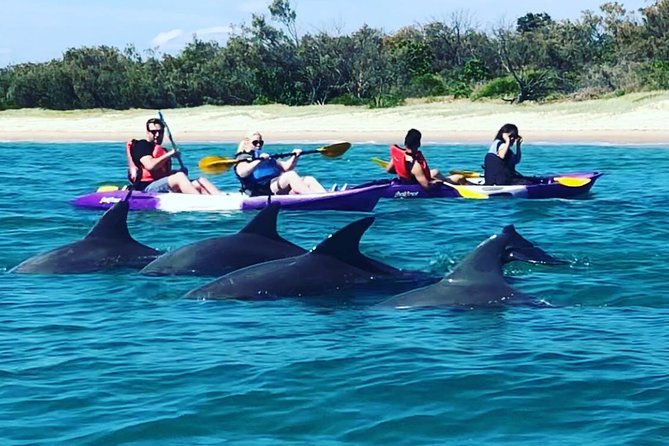
- Wildlife chances are the main event: dolphins, turtles, stingrays, pelicans, and sea eagles are regular possibilities.
A Gold Coast morning that feels local, not theme-park
This tour takes you off the usual busy-beach track and into the Broadwater—calm, protected water where you can actually focus on spotting marine life. You paddle at a leisurely pace, stop for snorkeling, and then spend time on secluded-feeling islands rather than just passing by them from the shore.
What makes it click is the mix of “doing” and “watching.” Kayaking is active but not intense, and snorkeling is brief enough to stay fun instead of turning into a chore. Add fish feeding from your kayak and the day starts to feel like a living marine classroom.
The practical flip side: it’s not a private tour. With up to 30 people, you’ll move as a group and wait for turn-by-turn moments like gear changes, photo pauses, and getting back into the kayaks.
A few more Gold Coast tours and experiences worth a look
Getting to Biggera Waters and what happens before you launch
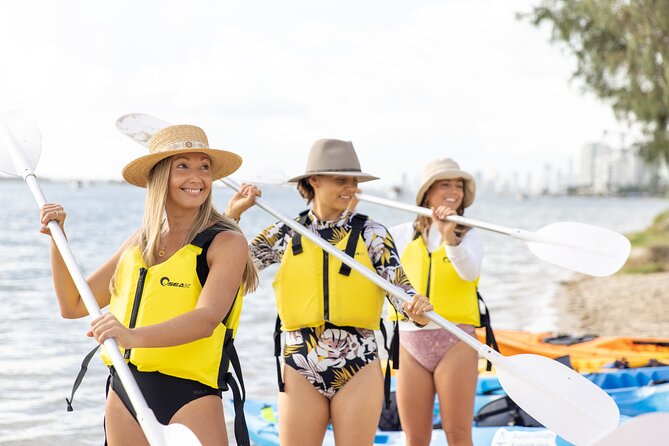
Your meeting point is at 464 Marine Parade, Biggera Waters (QLD 4216), and the start time is 7:30am. It’s close to public transport, and you’ll want to arrive with enough time to check in calmly—early tours feel easier when you’re not rushing.
Once you’re with the guide, you’ll get a safety briefing plus kayaking and snorkeling instruction. Everyone on the tour must wear a lifejacket, and if you don’t swim, you’ll be advised to stay in it at all times and let the guide know. That matters here, because you’re going to be on the water long enough to forget you’re learning—until you remember to focus on safety again.
You’ll also receive the gear you need: kayak, mask and snorkel, and safety equipment (with lifejackets provided). There’s no hotel pickup or return included, so plan to get yourself to the water and back on your own.
Paddling the Broadwater Channel: dolphins, turtles, and the “slow drift” advantage
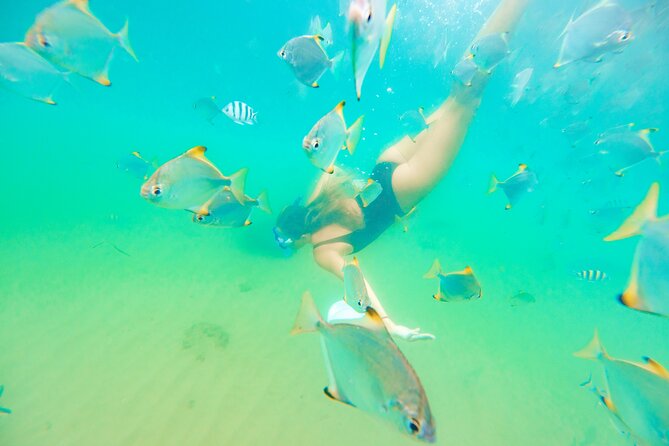
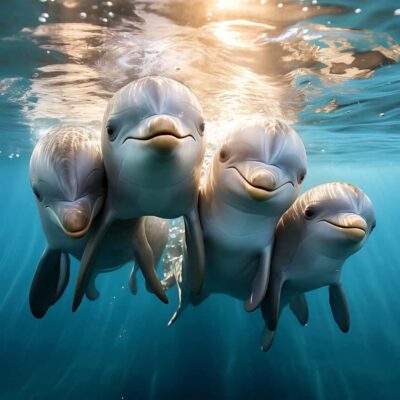
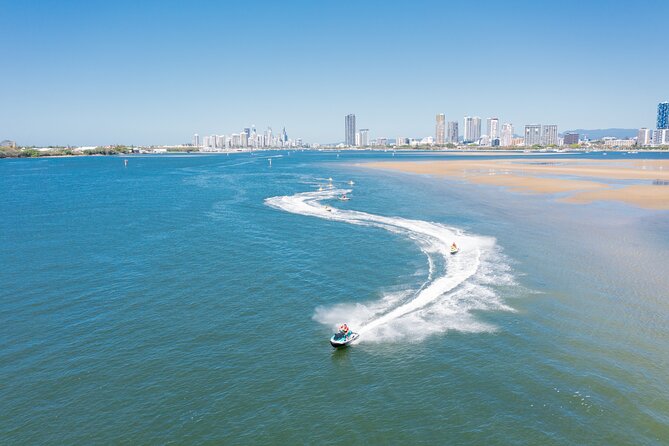
After launch, you paddle through the calm Broadwater Channel, heading toward nearby islands while your guide keeps an eye out for wildlife. In this area, you might see dolphins, turtles, stingrays, and lots of fish. You’ll also notice birds overhead—pelicans and sea eagles are part of the scenery.
One detail I like for first-timers: the pace is meant to feel sustainable. You’re not racing across open ocean. Instead, you’re gliding through sheltered water where you can pause mentally—spot something, look again, and enjoy the moment instead of constantly correcting your stroke.
Fish feeding is another “why this is better than just paddling” element. You’re given fish food and can feed fish from your kayak. It’s not a gimmick either. It encourages you to stay close to the water’s activity and watch what’s actually happening below you.
Seasonal wildlife is part of the pitch too: if you go between May and November, you might get lucky and spot migrating humpback whales. That’s not guaranteed, but the timing adds a real reason to choose this month range if whales are on your must-see list.
Wavebreak Island snorkeling: the highlight, with one honest caveat
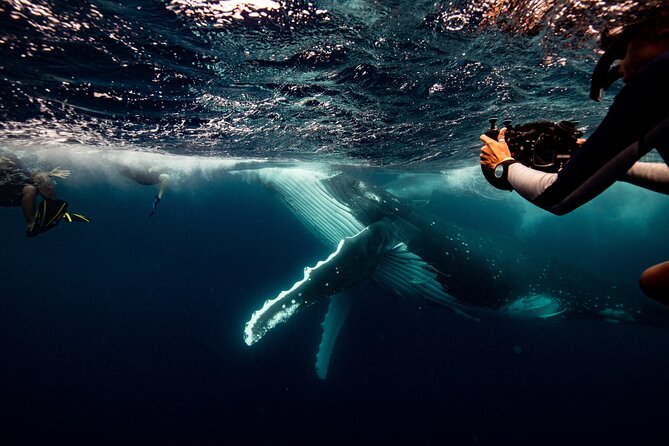
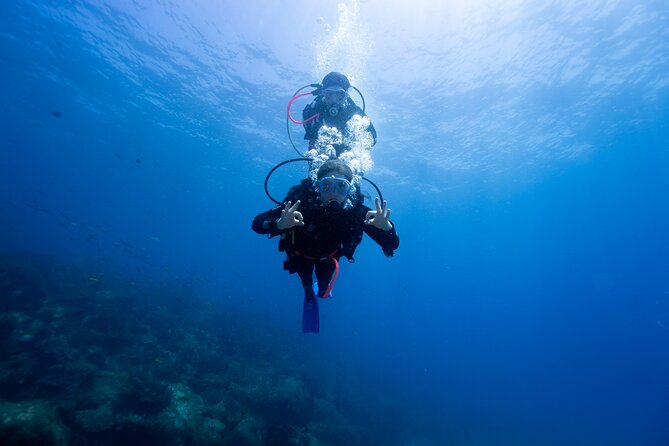
Wavebreak Island is where the snorkeling happens. You’ll step out and snorkel right off the beach using the gear provided. The goal is simple: see tropical fish up close in clear, shallow-ish conditions where you can focus on looking, not fighting currents.
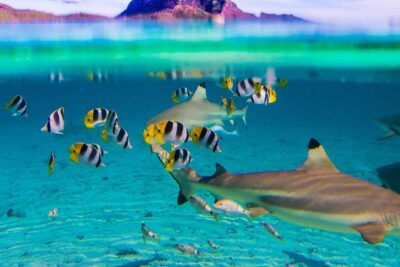
In ideal water, this is the part that people remember most. The snorkeling can be stunning for the sheer number of fish—think hundreds of subtropical fish in the area. And because you’re already in a calm-water zone from your kayaking, it feels more approachable than snorkeling trips where you’re dropped in and left to figure things out.
Here’s the caveat you should plan for: visibility can change. If the water is sandy or misty, you might not see much at all, even if you’re doing everything right. One guest specifically noted that they couldn’t see even their own bodies during snorkeling, and they ended up preferring to walk rather than snorkel.
So I’d treat snorkeling as a high-probability win, not a guaranteed “see everything perfectly” moment. You’re paying for the experience of water + wildlife + gear + guidance. If conditions aren’t clear that day, you’ll still have the kayaking and the beach time, but the underwater payoff may be smaller.
South Stradbroke Island: breakfast on the beach plus a walk with wallabies
After snorkeling, you shift from water mode to land mode. South Stradbroke Island is the next stop, and it’s where the trip expands beyond just marine viewing.
First, you enjoy a picnic breakfast on the beach. It’s described as a light continental breakfast. That can be enough to get you going, but I’d still treat it like a starter, not a full brunch. If you like to eat a lot early, you may want to bring extra snacks (drinks aren’t included).
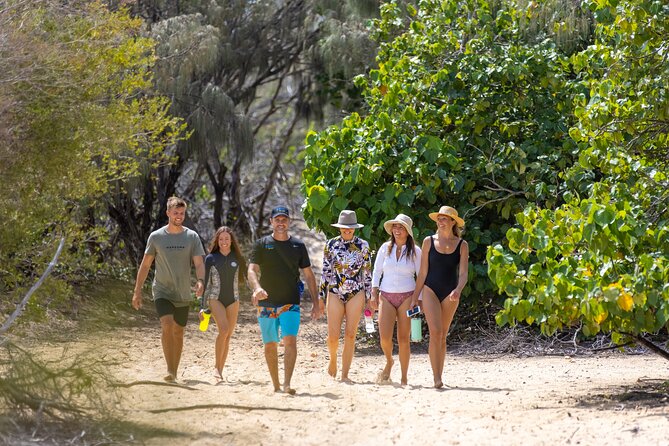
Then there’s time to explore. You can walk around the renowned surfing beach, and you may spot wild golden wallabies. This is a key detail: golden wallabies are native to the island and not found anywhere else in Australia, which makes the walk feel more meaningful than a standard beach stroll.
This portion also breaks up the physical effort. Kayaking can be tiring (more on that next), and the island time gives your arms and core a chance to reset while you enjoy the scenery and wildlife on land.
How hard is the paddle really? Plan for “low to medium,” not easy
The tour is rated low to medium physical activity. That’s true in the sense that the route is designed for most participants, and you get instruction from the start. But “low to medium” still means you’re using your body for a full stretch of time—especially your shoulders and core.
One recurring piece of advice from the experience itself: kayaking can be harder than people expect, particularly if you’re new. I’d plan your day so you don’t stack something heavy afterward. A light schedule later that day is a smart move.
There are also practical limits:
- Not recommended for serious medical conditions (use your best judgment with your clinician).
- Max weight listed is 115kg.
- You must wear a lifejacket, and if you can’t swim, you need to tell the guide and keep the lifejacket on.
For families: it’s not recommended for children aged 5 and under, and kids under 16 must be with an adult. If your child is an enthusiastic swimmer who follows instructions well, that helps. If your child needs constant handling, you may find the group pace more stressful.
Safety, weather, and how guides shape the day
This experience runs only when conditions are right. It requires good weather, and the operator notes that rough conditions can change what’s possible. On some days, it may not be safe or comfortable to do every planned segment exactly as expected.
That’s the trade-off with island-based kayaking: the sea decides the terms. High winds and strong currents can alter routes, timing, or comfort level. The good news is you’ll have professional guides making calls based on real conditions, not a paper schedule.
That said, I’d be honest with you about expectations. There is at least one very negative safety account describing a stressful return trip under wind and tide factors, including capsizes and exhaustion for inexperienced paddlers. That’s not the norm implied by the overall positive guidance theme, but it’s a reminder to take the instructions seriously and to speak up if you’re struggling early.
If you’re a first-timer, do this: listen on the first briefing, ask questions right away, and paddle within your limits. The best day is the one where you feel in control the whole time, not the one where you’re trying to “prove” anything.
Price and value: what $71 gets you (and what it doesn’t)
At $71.01 per person, you’re getting a half-day experience that includes:
- kayak use
- snorkeling gear (mask and snorkel)
- lifejackets and safety equipment
- fish food for feeding
- light continental breakfast
- a guide to teach paddling and snorkeling basics
That’s decent value compared to piecing everything together yourself, especially the snorkeling gear and safety side. You’re not just paying for views—you’re paying for equipment, staff, and time on the water with instruction.
What’s not included is drinks, so plan to bring water or buy something before/after if you need more than what the breakfast provides. Also, there’s mention of photo add-ons being expensive—so if you care about photos, check costs ahead of time or bring your own comfort with the reality that you might not want every extra.
Photos aren’t included automatically in what’s listed, so if you want them, budget for them.
Guides make the difference: Steve, Pablo, and Tyson in real life
The strongest positive pattern across the experience is guidance. Multiple guides get named, including Steve, Pablo, and Tyson, and the common thread is that they’re friendly and help you feel comfortable fast.
For beginners, instruction is huge. When you’re new to kayaking, it’s easy to burn energy fast. A good guide helps you find the right rhythm so you don’t paddle like it’s a workout video. A few people also singled out that they didn’t need to be athletic to keep up.
Guides also shape the “stories” part of the tour. Seeing wildlife isn’t just luck—you learn how to scan and where to look. That’s why a close dolphin encounter can feel so personal, especially when your guide talks through what you’re seeing as you move.
Who should book this Gold Coast kayak and snorkeling trip
I think this tour is a great match if you want:
- an easygoing morning with active time on calm water
- snorkeling that’s guided and gear-supported
- a nature outing with chances for dolphins, turtles, stingrays, and more
- a reason to visit South Stradbroke Island beyond sightseeing
It’s also a nice couple or family choice because the schedule is short enough to fit into a trip plan without swallowing the whole day. If you’re traveling with kids old enough to follow safety rules and stay with adults, it can be a memorable outdoor morning.
It may not be ideal if:
- you only care about crystal-clear snorkeling (water clarity can vary)
- you’re expecting a long, deep-water snorkel session (this is beach-based and time-limited)
- you’re looking for hotel pickup convenience (you’ll meet at Biggera Waters yourself)
Should you book it? My practical take
Book this tour if you want a well-paced Gold Coast morning that blends kayaking, wildlife chances, and beach snorkeling—with breakfast included. It’s priced like a true activity, not just a ride, and the included gear makes it feel fair.
Hold off or adjust expectations if underwater visibility is your top priority. If you get a sandy or misty day, snorkeling can be disappointing. Still, you’ll have the kayaking, the island walk, and the beach breakfast, which can keep the trip enjoyable even when the underwater view isn’t perfect.
If you’re worried about strength or comfort, tell the guide early during briefing. The best outcome happens when you match your paddling to conditions and don’t wait until you’re exhausted.
FAQ
Where is the meeting point and what time does the tour start?
The tour meets at 464 Marine Parade, Biggera Waters QLD 4216. The start time is 7:30am, and your tour ends back at the meeting point.
How long is the Gold Coast kayak and snorkel adventure?
The duration is about 3 hours 30 minutes.
What’s included in the tour price?
You get a light continental breakfast, professional tour guides, use of kayaks, snorkeling gear (mask and snorkel), lifejackets and safety equipment, and fish feeding.
What should I bring with me?
Bring water, swimwear, sunglasses, footwear that can get wet (like thongs or sandals), a hat, a towel, and sunscreen.
Do I need to know how to swim?
Everyone must wear a lifejacket. If you don’t know how to swim, notify the tour guide and wear your lifejacket at all times.
Is it okay for kids?
It’s not recommended for children aged 5 and under. Children under 16 must be with an adult.
What wildlife could you see?
You may spot dolphins, turtles, stingrays, and fish while kayaking, plus birds like pelicans and sea eagles. If you go between May and November, you might see migrating humpback whales.
What if the weather is poor?
This experience requires good weather. If it’s canceled due to poor weather, you’ll be offered a different date or a full refund.