REVIEW · BORA BORA
Half day Snorkeling Shared Boat Tour in Bora Bora
Book on Viator →Operated by H2O BORA BORA · Bookable on Viator
Small-group snorkeling in Bora Bora feels personal. You’re cruising the lagoon for 3–4 top snorkel spots, with a guide calling the shots based on the day’s conditions. I really like the tour’s no-feeding, no-artificial-attraction approach to wildlife, and the way it leaves your afternoon free. The main thing to consider: animal sightings aren’t guaranteed, because you’re seeing them in the wild (and weather can shift the route).
This is also a practical half-day format. The trip runs about 3 hours 30 minutes and you start from Vaitape, with pickup available from your Bora Bora accommodation. If you’re the type who wants manta rays and eagle rays, without committing to a full-day outing, this is the sweet spot.
In This Review
- Key things that make this Bora Bora snorkel tour worth your time
- Why the 3.5-hour morning format is a smart Bora Bora plan
- Small-boat, small-group: what “max 7” changes in real life
- Your lagoon “best-of” route: coral garden, manta rays, eagle rays, and a flexible extra stop
- The coral garden stop: inner reef reef life you can actually study
- The manta ray stop: when the lagoon gives you surface-level magic
- The eagle ray stop: gliding shapes that reward calm, not frantic swimming
- A fourth stop, if timing allows: chosen for the day’s conditions
- How ethical wildlife rules shape what you see (and what you avoid)
- Boat comfort, water entry, and the fitness reality check
- Pickup from your Bora Bora stay: saves time, reduces stress
- Price and value: is $130 per person fair for this kind of snorkeling?
- Weather and animal sightings: what to expect when the lagoon isn’t perfect
- Who this Bora Bora snorkeling tour is best for
- Should you book this Bora Bora snorkeling tour?
- FAQ
- How long is the half-day snorkeling tour in Bora Bora?
- Where does the tour start and where does it end?
- How many snorkeling stops are included?
- Are manta rays and eagle rays included?
- Does the itinerary stay the same every day?
- Do they feed sharks or rays to attract them?
- Is pickup from my Bora Bora accommodation available?
- Is it refundable if weather cancels the tour?
Key things that make this Bora Bora snorkel tour worth your time
- Maximum 7 travelers keeps the boat calm and the water time from turning into a crowd-control exercise
- 3–4 lagoon stops chosen on the fly, so the itinerary follows what the water and animals are doing that morning
- Manta ray stop + eagle ray stop plus an inner-reef coral garden where you can snorkel among reef life
- Ethical wildlife rules: no feeding, and no shallow-water shark/ray sites that rely on artificial attraction
- Morning schedule means you can pair it with beach time, a lagoon cruise, or just a long lunch afterward
- Guides in both French and English (I saw several mentions of guides like Vincent, Matt, Wilson, and Rudolph helping guests feel confident)
Why the 3.5-hour morning format is a smart Bora Bora plan
Bora Bora’s lagoon is the star, but your schedule can’t be. This tour is built for a morning slot, so you get your snorkel fix and still have plenty of time for other experiences later. The pacing also matters: you’re not bouncing between stops for eight hours, so you stay alert and enjoy each snorkel session instead of racing through them.
Another plus is the “conditions-based” routing. The tour doesn’t lock you into one exact path, which sounds vague until you realize Bora Bora weather and water conditions change fast. On a calm morning, you may get more comfortable visibility. If it’s windy, you still go where the day’s lagoon allows good snorkeling.
You can also read our reviews of more boat tours in Bora Bora
Small-boat, small-group: what “max 7” changes in real life
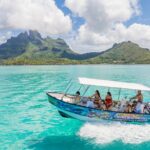
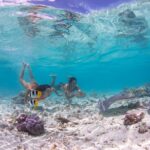
With a maximum of 7 travelers, you feel the difference almost immediately. Fewer people means less waiting on ladders, less time spent reorganizing gear, and more time with the guide pointing out what matters under the surface. Several guide-and-boat pairings pop up in guest notes—like captains running the boat with guides including Vincent and Matt—so you can expect an organized, safety-first vibe, not chaos.
It also helps you actually see what you came for. When the group is bigger, the first few minutes usually decide the experience. With a smaller crew, you’re more likely to get a second pass at a hotspot if the rays drift through or the coral garden is busy with fish.
Your lagoon “best-of” route: coral garden, manta rays, eagle rays, and a flexible extra stop
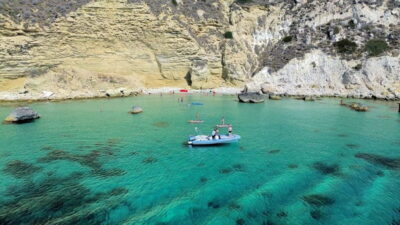
This is not one generic snorkeling session. The boat typically takes you to three or four separate snorkeling spots, and the captain picks the order and final stop based on what’s working that day.
Here’s what’s included in the mix:
The coral garden stop: inner reef reef life you can actually study
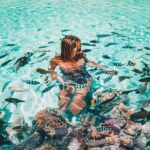
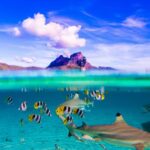
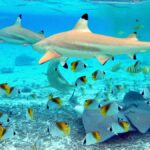
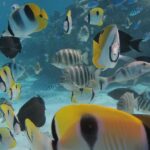
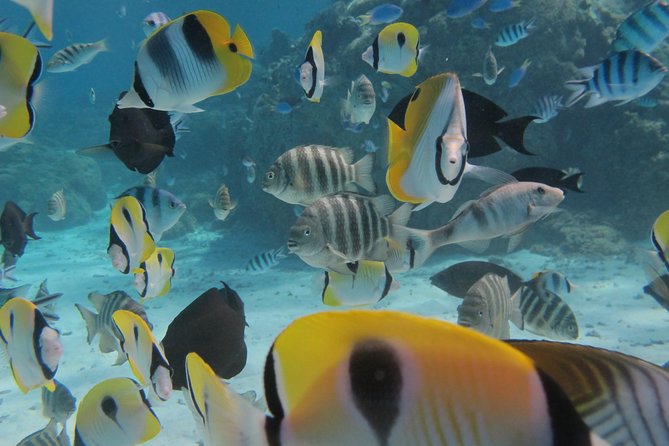
One stop is at the inner reef for a natural coral garden packed with life. This is the part that often feels like a real discovery zone—colorful fish, reef structure, and the sense that the lagoon is functioning like a living city. It’s also great for first-timers because you can focus on coral and fish patterns without needing to “spot” something huge right away.
If you like “Finding Nemo” style snorkeling (the bright fish, the branching coral, the constant motion), this is your anchor stop.
The manta ray stop: when the lagoon gives you surface-level magic
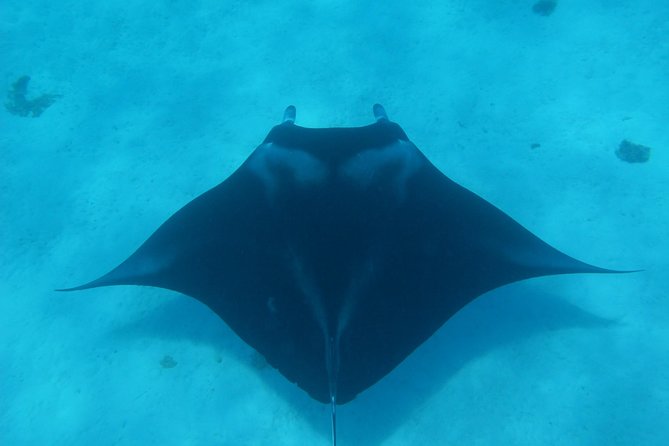
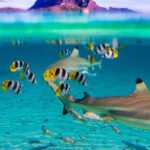
The itinerary includes a manta ray stop. Sometimes manta rays are visible from the surface and you don’t have to work too hard for it. Other times they’re there but move more than you expect, staying slightly out of the easiest viewing zone. That’s still a win: you’re watching a wild animal do its own thing, not lining up at an attraction.
In guest notes, manta sightings come up again and again with guides such as Rudolph and Matt, and many people describe how close you can feel to the action when conditions line up.
You can also read our reviews of more snorkeling tours in Bora Bora
The eagle ray stop: gliding shapes that reward calm, not frantic swimming
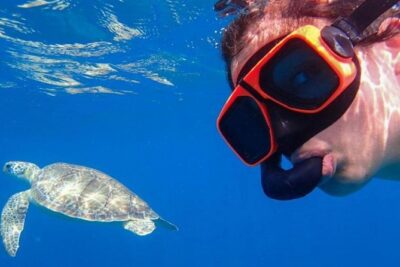
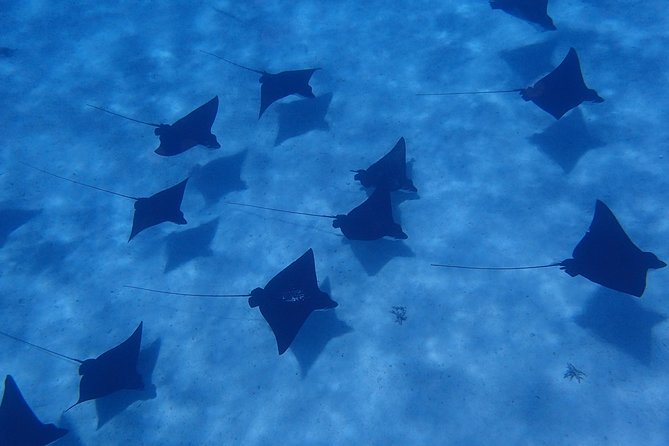
You’ll also get an eagle ray stop. Eagle rays tend to be more “sweep and glide” than “pop up and pose,” so you’ll get better results if you move slowly, let your breathing settle, and follow the guide’s cues. The best moments usually happen when you stop trying to chase them and just float where they pass.
A fourth stop, if timing allows: chosen for the day’s conditions
If there’s time, you may add a fourth snorkeling spot. This is not pre-fixed, which is a good thing here. The captain can steer toward what’s likely to deliver—better water clarity, more calm anchor points, and the best chance at additional wildlife.
So even if you’ve snorkeled before, there’s a realistic chance the fourth stop adds variety rather than repeating the same scenery.
How ethical wildlife rules shape what you see (and what you avoid)
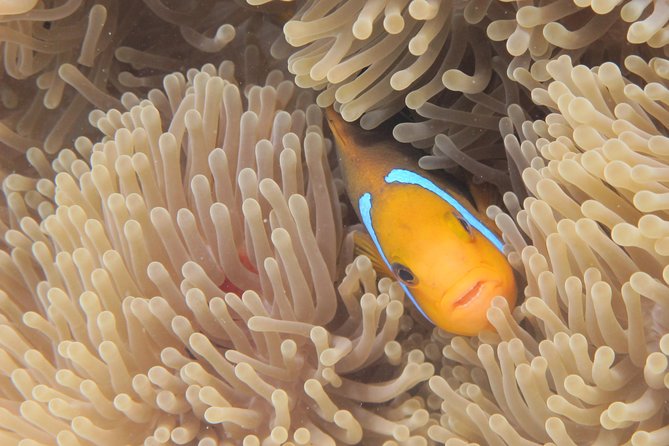
This tour makes its values clear. They specifically say they do not feed animals and do not visit sites where animals are artificially attracted by feeding. That matters in French Polynesia: shark and ray feeding has been illegal since October 2017, and this operator says they follow the law and ethical wildlife practices.
Practically, that means sightings are “wild chances,” not “guaranteed encounters.” Some days you’ll see manta rays and eagle rays easily. Other days, visibility and animal movement decide what you get. That’s also why your best strategy is mental flexibility: aim to enjoy the coral garden and fish life no matter what swims overhead.
If you’re the kind of traveler who wants animals in their real environment—and not on a schedule created by feeding—this approach fits.
Boat comfort, water entry, and the fitness reality check
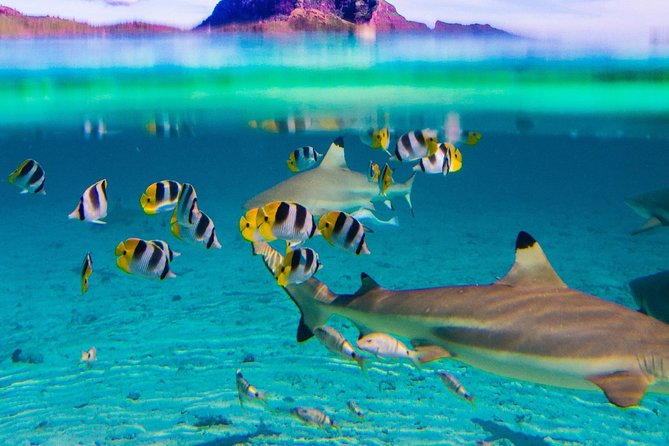
This is a snorkeling tour, so your body has to cooperate a bit. The tour asks for moderate physical fitness, and you need to be able to get in and out of the water using a ladder independently. That’s a key detail: it affects who feels comfortable, especially in chop or if you’re traveling with kids who need steadier support.
They also note:
- All people are welcome, as long as you can use the ladder independently
- Medical certificate is required for people aged 70+
- Not suitable for people over 80
If you’re unsure about your balance, knee issues, or you’re traveling with someone who needs assistance getting in and out, it’s worth evaluating that part carefully.
Pickup from your Bora Bora stay: saves time, reduces stress
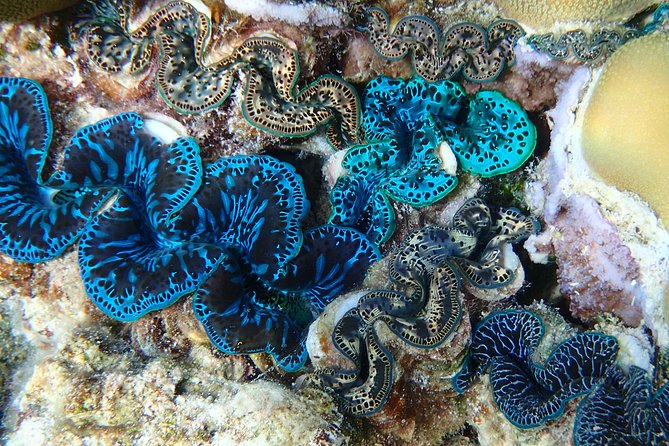
Pickup is offered, with round-trip transfer from your accommodation. That sounds basic, but in Bora Bora it’s often the difference between enjoying your morning and showing up already irritated. You start from Vaitape and return to the meeting point at the end, keeping the logistics tight for a half-day activity.
Also note the tour uses a mobile ticket, so you can travel lighter and keep your focus on the water instead of paperwork.
Price and value: is $130 per person fair for this kind of snorkeling?
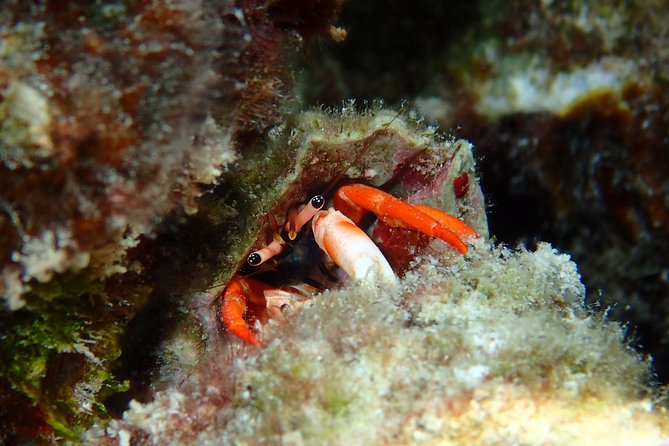
At $130 per person, you’re not buying a budget activity. You are paying for three things that matter in Bora Bora snorkeling:
- Small-group time (max 7): fewer people usually means more calm, more attention from the guide, and less “traffic jam” in the water.
- Multiple sites (3–4 stops): you’re not stuck at one patch of reef the whole time.
- Responsible guiding: not feeding animals and choosing spots based on conditions takes real decision-making from the captain.
When the lagoon is clear and the rays are active, this tour can feel like a best-of highlight reel. When conditions are tougher, you still get at least one high-value experience—the coral garden—plus the chance at wildlife depending on the day.
Bottom line: the price is easiest to justify if you care about getting multiple snorkel locations and you prefer an ethical, small-boat style over a big crowded excursion.
Weather and animal sightings: what to expect when the lagoon isn’t perfect
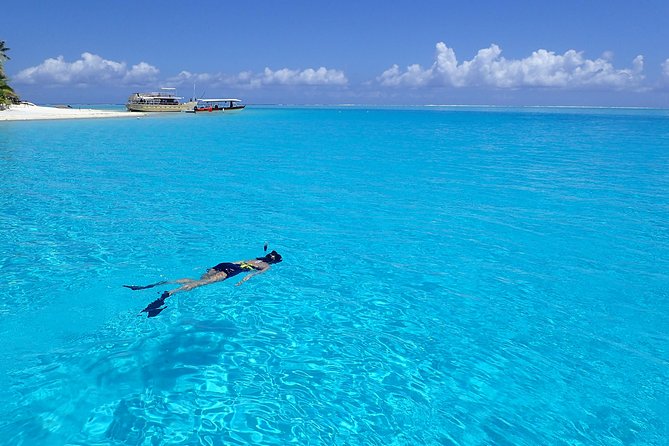
This snorkeling experience requires good weather. If conditions are poor enough, the tour may be canceled, and you’ll be offered a different date or a full refund. That’s important because Bora Bora wind can change how comfortable snorkeling feels.
Even with good weather, wildlife viewing can vary. The operator’s own description emphasizes that animals are seen in their natural environment. That’s why I treat manta rays and eagle rays as a top goal, not a guaranteed checklist. If you want a tour that still delivers even when wildlife is slower, the coral garden stop is your “Plan B” built into the itinerary.
Who this Bora Bora snorkeling tour is best for
This one fits best if you want:
- Nature-forward snorkeling focused on reef life and real wildlife behavior
- A family-friendly half-day (with the ladder entry requirement as the only big catch)
- First-timers who want a guide leading the experience, not a free-for-all
- People who dislike artificial animal behavior and prefer ethical wildlife encounters
It’s also a good choice if you’re doing other Bora Bora activities later and don’t want your day swallowed by the ocean.
Should you book this Bora Bora snorkeling tour?
If you’re aiming for manta rays, eagle rays, and a strong coral garden in a morning half-day with a small max-7 boat, I’d lean toward booking. The biggest reason is practical: the format matches how people actually enjoy Bora Bora snorkeling—short, focused, multiple stops, and calm group size.
I’d think twice only if ladder entry is a problem for you, or if your main goal is a specific guaranteed animal sighting every time. Because this is wildlife in the wild (not feeding), some days are easier than others.
If your top priority is responsible, high-attention snorkeling without crowds, this tour checks the boxes.
FAQ
How long is the half-day snorkeling tour in Bora Bora?
The tour runs about 3 hours 30 minutes.
Where does the tour start and where does it end?
It starts in Vaitape, French Polynesia, and the activity ends back at the meeting point.
How many snorkeling stops are included?
You’ll snorkel at 3 or 4 separate spots in the lagoon, depending on the day.
Are manta rays and eagle rays included?
Yes. The tour description includes a manta ray stop and an eagle ray stop, plus a stop at an inner reef coral garden.
Does the itinerary stay the same every day?
No. The route and order are not fixed and are selected based on daily conditions.
Do they feed sharks or rays to attract them?
No. They state they do not partake in feeding or visit sites where animals are artificially attracted by feeding, and they follow French Polynesia’s wildlife rules.
Is pickup from my Bora Bora accommodation available?
Pickup is offered, described as hassle-free round-trip travel from your Bora Bora accommodation.
Is it refundable if weather cancels the tour?
The experience requires good weather. If it’s canceled due to poor weather, you’ll be offered a different date or a full refund.