REVIEW · AO NANG
Krabi: Freediving and Snorkeling at Yawasam and Talu Island
Book on GetYourGuide →Operated by Krabi Nice Sea Snorkeling · Bookable on GetYourGuide
This tour works because it skips the usual crowd loop and aims at quieter spots. I like the mix of short, focused snorkeling sessions with time to actually relax on the boat and on the beach, and I also like that it includes gear, water, fruit, and a Thai lunch box. One thing to think about: if weather or currents don’t cooperate, you may lose some visibility or swim time, so build in flexibility.
You’ll start late morning with pickup, a quick safety briefing, then head out by boat beyond the popular “4 Islands” orbit. The best payoff is seeing fish in shallow coral areas near Ko Yawasam, then moving on to the Talu area for a swim experience that can include passing through a cave tunnel when the tide is right. The day ends with a slow return with views along Railay, so you’re not racing all afternoon.
In This Review
- What you’ll really notice on this tour
- Key highlights you can plan around
- Price and value: what $59 gets you in Krabi
- Meeting, safety, and the boat ride rhythm
- Stop 1: Ko Yawasam and the shallow reef search
- The Talu Cave-style swim: where tide timing matters
- Koh Poda and Buya Beach: the long break on sand
- Railay views on the way back: small payoff, nice pacing
- Small group feel: best-case support vs. occasional mismatches
- What to bring so the day stays comfortable
- Who this tour is for (and who should skip it)
- Seasons and weather: the real deciding factor
- Should you book Ko Yawasam and Talu? My take
- FAQ
- How long is the tour?
- What’s included in the price?
- Are national park entrance fees included?
- What do I need to bring?
- Is pickup included?
- Is the tour suitable for young children or pregnant travelers?
What you’ll really notice on this tour
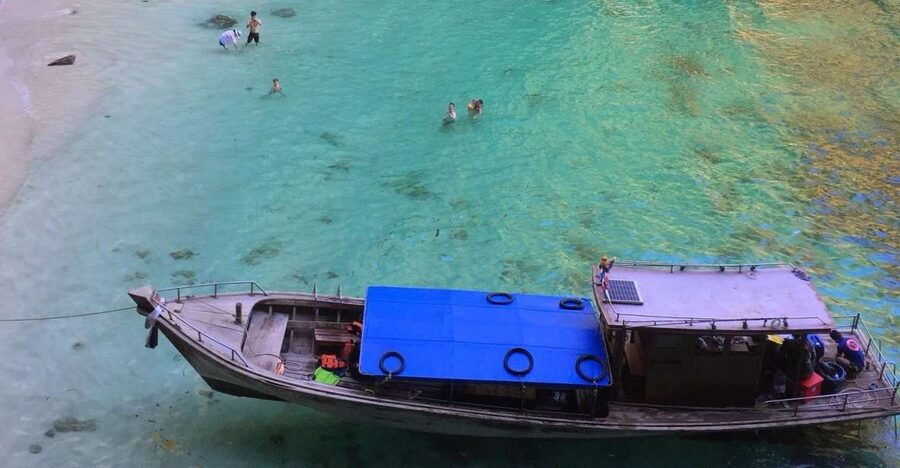
Small-group energy matters here: you’re not stuck in a huge crowd, and the plan is built around getting you into the water more than just hopping between photo stops. The snorkeling is designed for all-out viewing time, and you also get free underwater photos if you let the team know in advance so they can be ready. Still, you should treat it as a sea-day tour, not a guaranteed-perfect-reef guarantee.
Good to know if you’re planning your day: national park entrance fees are not included, and the tour may adjust stops when conditions change. Also, the boat and guide attention can vary by departure, so I’d go in expecting a couple of trade-offs, not perfection.
Key highlights you can plan around
- Go past the “4 Islands” crowd for a quieter snorkeling route
- Ko Yawasam reef time focused on shallow water fish and coral
- Talu Cave tunnel opportunity depending on low-tide timing
- Buya Beach on Koh Poda: a longer break with sand, lunch, and swimming
- Free underwater photos included if you request them ahead of time
- Small-group pacing with multiple chances to get in the water
You can also read our reviews of more snorkeling tours in Ao Nang
Price and value: what $59 gets you in Krabi
At $59 per person for a 6-hour outing, this sits in the mid-range for Krabi boat tours. What makes it feel fair is what’s included: a guide, snorkel equipment, life jacket and first aid kit, bottled water, seasonal fruit, and a Thai lunch box. You also get free underwater photos if you let the operator know in advance, which is one of those extras that can be hard to justify on other tours.
The one extra cost to budget for is the national park entrance fee: 200 THB per adult and 100 THB per child. That fee can change the math, so I suggest you check your group’s ages and plan for that addition. Even with the fee, the value is strongest if you actually use the snorkeling and beach time (not just treat it like transportation).
Meeting, safety, and the boat ride rhythm
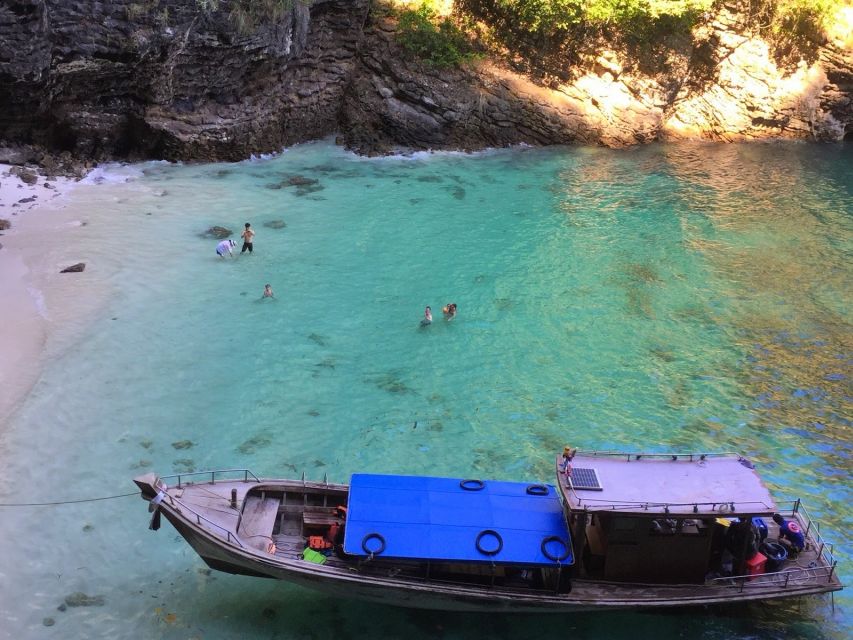
Late morning pickup starts this tour smoothly. You’ll meet the crew, then head to the pier for a 15-minute safety briefing, which is standard but important on a day that includes open-water swims. After that, you’ll transfer by boat—there’s a mix of longer long-tail legs and shorter hops—built to keep travel time from eating all your time in the water.
One practical note: long-tail boat rides can mean spray and choppy patches. If you’re even a little prone to motion sickness, bring what helps you. In at least some departures, people have been caught needing a break when conditions weren’t ideal, so don’t assume you’ll feel 100% perfect the entire day.
Stop 1: Ko Yawasam and the shallow reef search
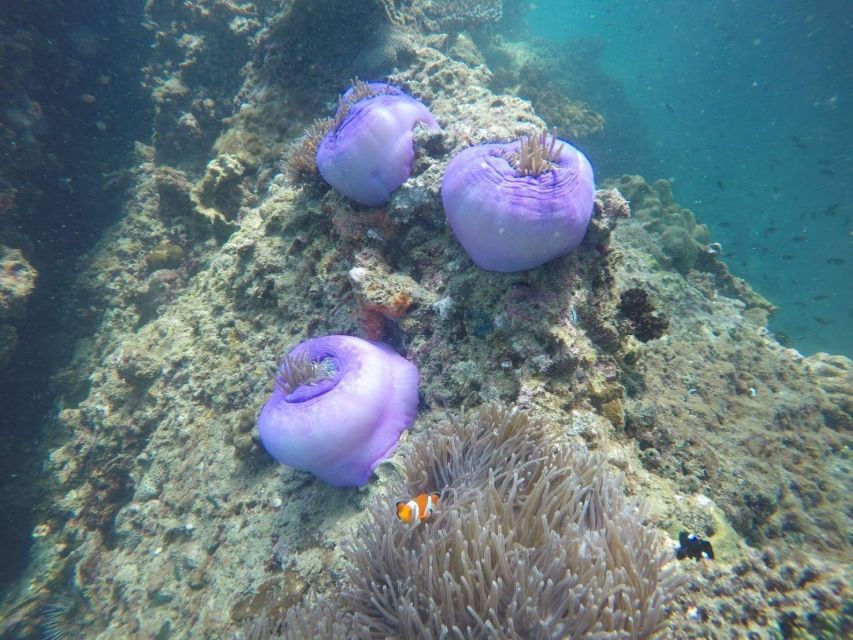
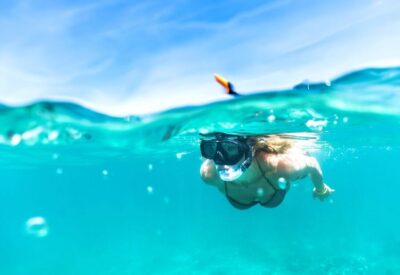
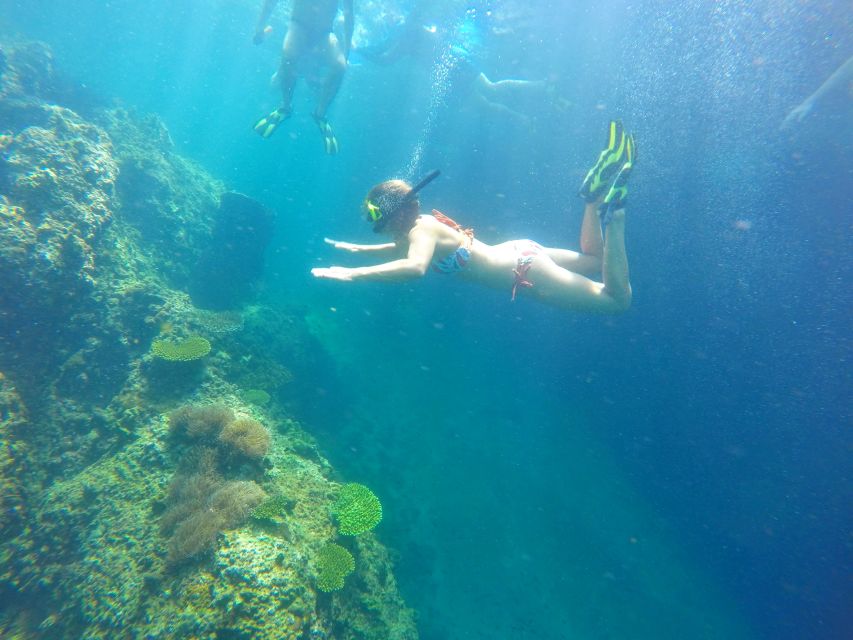
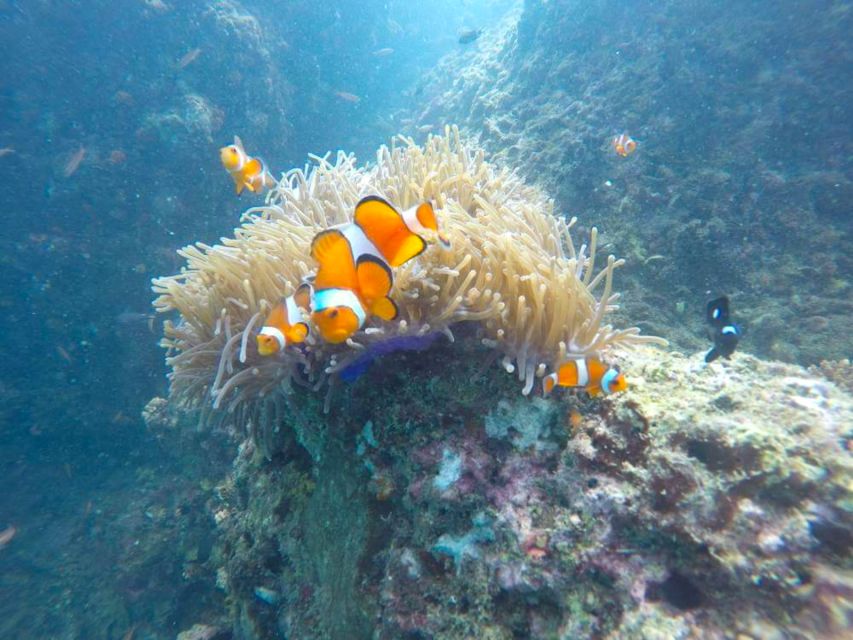
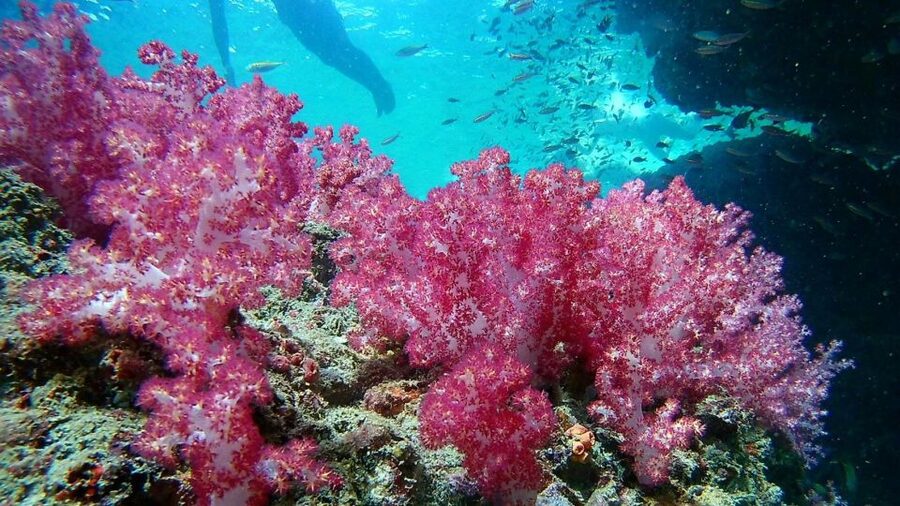
This is the “get your fish fix” moment. The tour typically gives you about 1.5 hours snorkeling at Ko Yawasam, a quieter island area located behind the popular Four Islands cluster. This is where the plan is simple: get in the water, look around, and enjoy shallow reef scenery.
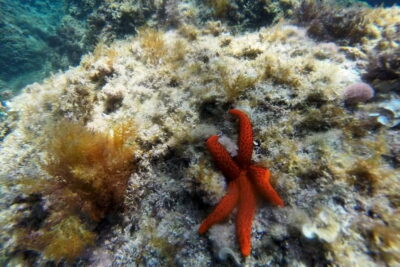
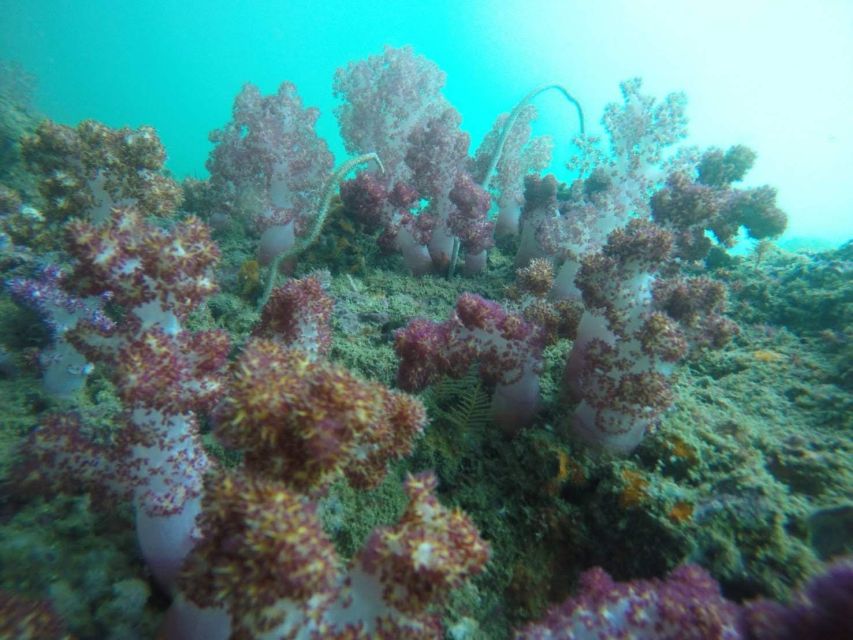
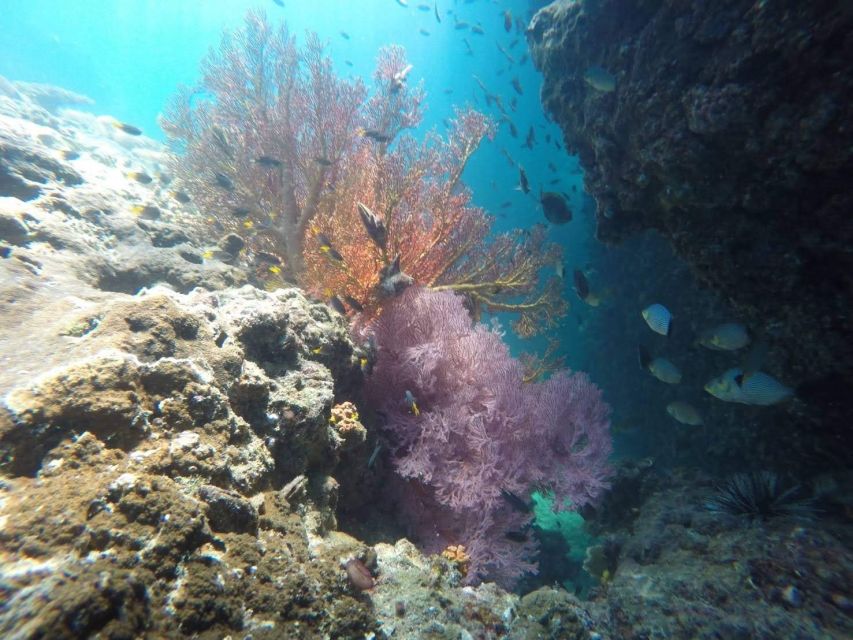
Why I like this stop for your planning: shallow reefs tend to be more forgiving for first-time snorkelers because you usually don’t need deep-water confidence. You’ll see coral structure and lots of small reef life, and the description focuses on fish like anemone fish that can be surprisingly easy to spot in the right spots.
What to expect underwater:
- You’re snorkeling around rocky structures and reef patches.
- Visibility can vary with natural plankton levels (that’s normal in this region).
- If the water is calmer, fish movement near coral can feel almost effortless.
Possible downside: if weather shifts, snorkel conditions can soften fast. If you arrive hoping for a perfectly clear, postcard view, you might not get it every time—but you’ll still likely get plenty of fish action when the sea is decent.
The Talu Cave-style swim: where tide timing matters
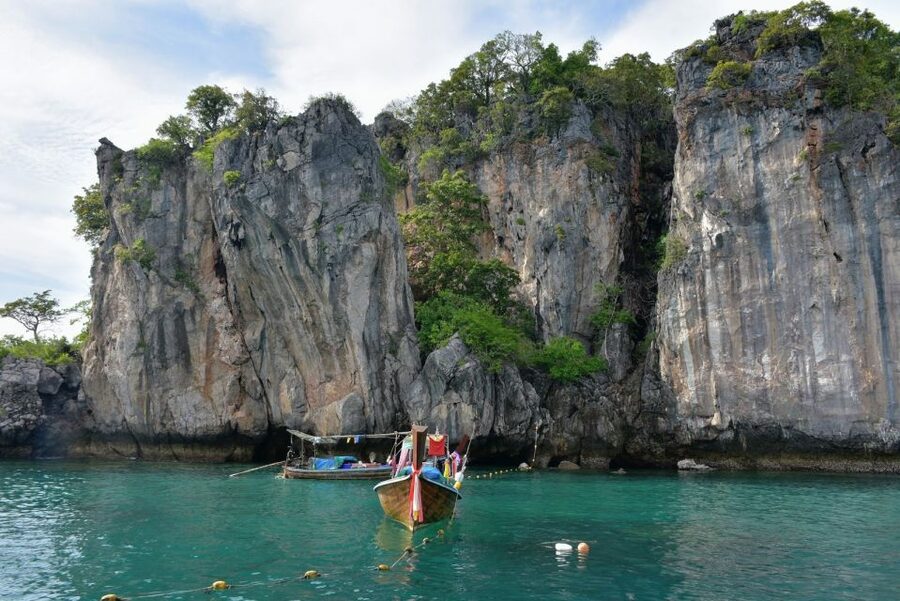
After Yawasam, the itinerary moves toward the Talu area for the next swimming segment (about 70 minutes at the second stop). The highlight here is the possibility of swimming through a small tunnel into Talu Cave during low tide, leading toward a lagoon-shaped area formed by erosion over thousands of years.
This is one of the most memorable parts of the day when it works, because it’s not just coral viewing—you get a sense of entering a natural feature and swimming into a different kind of space. The middle of the cave area is described as a wide lagoon, and the island is also home to cave-dwelling swifts that build tiny white nests. That swift detail is the kind of thing you can’t fake with “tourist scenery”—it’s a sign you’re in the real-world habitat mix.
Important reality check: cave access is tide-dependent. If the timing doesn’t line up with low tide, the experience may be more of a swim-and-look-around moment than a true tunnel passage. Also, if you’re nervous about following the group or maintaining buoyancy, tell your guide early—this is where clear guidance helps a lot.
Koh Poda and Buya Beach: the long break on sand
Next comes Koh Poda and a longer pause on the southern side, including time at a quieter beach area often described as Buya Beach. You get about 2 hours for break time, visiting, lunch, and free time. There’s also a stop at Railay Beach later for passing views.
This beach block is the reason the tour feels balanced. You’re not spending the entire 6 hours either traveling or wearing fins. Instead, you get:
- Thai lunch on the sand (packed lunch box)
- Time to rinse off, stretch, and swim casually
- A less crowded coastline stretch than the usual Railay show-circuit
The lunch is part of the value here. The itinerary calls it a traditional Thai lunch box, and some departures have been described as including rice and chicken. If you need a vegetarian option, don’t assume it’s always available; one departure note mentioned a vegetarian request but no vegetarian food on hand. If diet matters, message ahead and confirm what they can do.
Railay views on the way back: small payoff, nice pacing
As you sail back toward Ao Nang, you pass along the Railay peninsula with views from the boat. This portion isn’t marketed as a major stop, but it helps you end the day with something visual—limestone cliffs and coastline angles you can’t get from shore.
The return ride is slower. You can usually pick where you sit: toward the center under the sun roof for shade and comfort, or near the bow for better sightlines.
Small group feel: best-case support vs. occasional mismatches
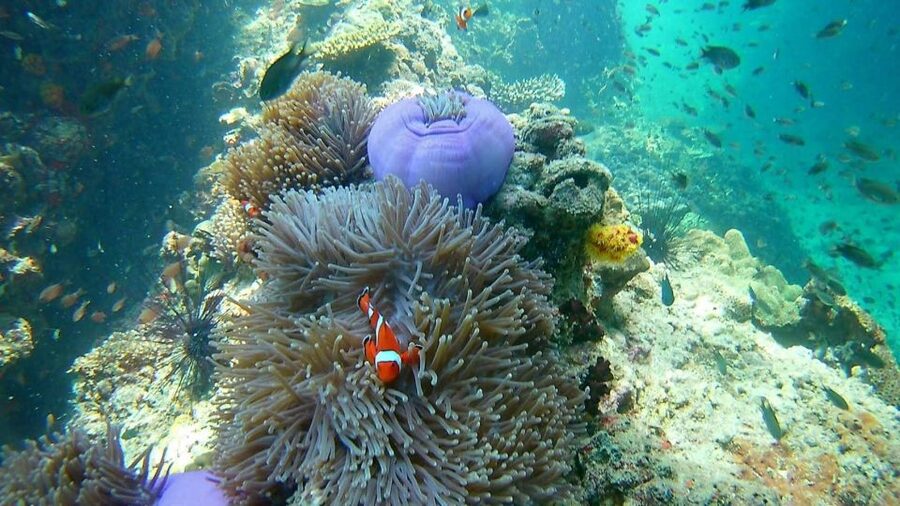
One of the strongest praised aspects is that the day often runs with a small group (examples include groups around 6 to 7 people). In that setup, the guide can actually explain what you’re looking at and help you manage your time in the water.
At its best, you’ll get:
- More personal attention in the water
- Fish-and-coral guidance so you know where to look
- Underwater photo help, if the team has your info in advance
At its worst (and this is worth knowing), you can run into departures where:
- The guide’s attention is split (for example, focused on camera work rather than keeping everyone together)
- Not every scheduled stop is completed due to conditions
- Some promised photo/video deliverables don’t arrive after the tour
So, here’s my practical advice: go for the experience, not the perfection. If you’re the kind of person who needs constant reassurance in the water, I suggest you choose calm sea days when possible and ask for clarity early about swim timing and group control.
What to bring so the day stays comfortable
You’ll have a better day if you pack for sun, salt, and simple safety. The tour’s recommendations cover the essentials:
- Sunglasses and sun hat
- Swimwear plus a towel
- Sandals/flip-flops for walking around
- Camera (and a waterproof bag if you have one)
- Biodegradable sunscreen (important in marine areas)
- Waterproof protection for your phone/documents
Also: don’t bring luggage or large bags. The tour is built around getting on and off boats quickly.
Who this tour is for (and who should skip it)
This is a good match if you want:
- A half-day snorkeling and beach plan that doesn’t drag for hours between spots
- Shallow-reef viewing and a chance to see reef fish close up
- A quieter coastline experience with a longer sand break
It’s not suitable if you’re in the “medical cautious” group listed by the operator: children under 2, pregnant women, people with back problems, mobility impairments, or heart problems. If any of those apply, skip this one and look for a more appropriate format.
Seasons and weather: the real deciding factor
Krabi’s sea conditions can swing your experience quickly. When wind and swell cooperate, snorkel visibility and fish activity usually feel better. When rain or choppy water hits, you might see fewer fish and shorter swims.
One note worth taking seriously from real-world outcomes: a departure with strong rain resulted in a tougher snorkeling experience (including lower fish visibility). That doesn’t mean the tour is bad—it means the ocean is the ocean. Your best move is to keep your expectations flexible and don’t book this as your only chance to snorkel in Krabi.
Should you book Ko Yawasam and Talu? My take
Book this tour if:
- You want a more off-the-beaten-path snorkeling route beyond the Four Islands crowd
- You’re excited by the idea of the Talu cave-style swim when timing lines up
- You like the structure of a 6-hour day that mixes snorkeling, a beach break, and a relaxed boat ride back
Skip or reconsider if:
- You need guaranteed delivery of snorkeling footage after the tour
- You rely on a specific dietary option like vegetarian unless you confirm availability in writing
- You’re very sensitive to uneven guide attention in the water (because quality can vary by departure)
If you go with the right expectations—sea conditions can change, guides may differ—you’ll likely find this a solid Krabi day. The best moments are the quiet reef time at Ko Yawasam and the chance to experience Talu’s cave area when the tide allows it, then cool down on a calmer Koh Poda beach with lunch on sand.
FAQ
How long is the tour?
The duration is 6 hours.
What’s included in the price?
The tour includes a guide, snorkel equipment, life jacket and first aid kit, hotel pickup and drop-off (from selected areas), water, seasonal fruit, and a Thai lunch box. Free underwater photos are also offered if you let the team know in advance.
Are national park entrance fees included?
No. National park entrance fees are not included and are listed as 200 THB per adult and 100 THB per child.
What do I need to bring?
Bring sunglasses, a sun hat, swimwear, a towel, sandals/flip-flops, a camera, biodegradable sunscreen, and a waterproof bag if you have one.
Is pickup included?
Pickup is optional and depends on your selected areas. The exact pickup time is confirmed by email after booking.
Is the tour suitable for young children or pregnant travelers?
No. It’s not suitable for children under 2 years old and it’s also not suitable for pregnant women.