REVIEW · KUTA
Nusa Penida: Snorkeling 3-4 spots and island tour with guide
Book on GetYourGuide →Operated by Kay Family Group Bali · Bookable on GetYourGuide
One word: mantas. This Nusa Penida outing pairs Manta Bay snorkeling with guided stops, plus optional west-island icons for cliff photos that look unreal from the water. I like the hands-on guidance for spotting wildlife, and I also like the photo plan: you snorkel, and the crew helps capture your moment with GoPro footage sent afterward. The main catch to keep in mind is that manta rays are not guaranteed, and rougher seas can affect how long you’re in the water.
Expect a full-on day if you choose the longer island-tour combo, or a faster snorkeling-focused trip if you just want the water time. It’s built for people who can handle boat transfers and open-water snorkeling rules, and it’s not a fit if you’re a non-swimmer or worried about strong currents.
In This Review
- Key takeaways before you go
- How Nusa Penida snorkeling really feels: boats, timing, and water conditions
- Your first target: Manta Bay and the manta-ray chance
- Crystal Bay and Gamat Bay: two more chances for coral and fish
- The Wall snorkeling stop: what it’s for and why it can be time-sensitive
- West Nusa Penida cliffs: Kelingking, Broken Beach, and Angel’s Billabong
- GoPro footage and the personal photographer factor
- Safety, rules, and comfort tips that keep the day fun
- Timing, group size, and why each stop can feel different
- Price and value: why this can be a bargain, and when it might not
- Who should book this Nusa Penida snorkeling and island combo
- Should you book this tour?
- FAQ
- How many snorkeling spots are included?
- Are manta rays guaranteed?
- How long is the tour?
- What’s included in the snorkeling gear?
- Do you get photos or video?
- Is food included?
- What should I bring?
- What are the main rules in the water?
- Is it suitable for kids?
- What language is the guide?
Key takeaways before you go
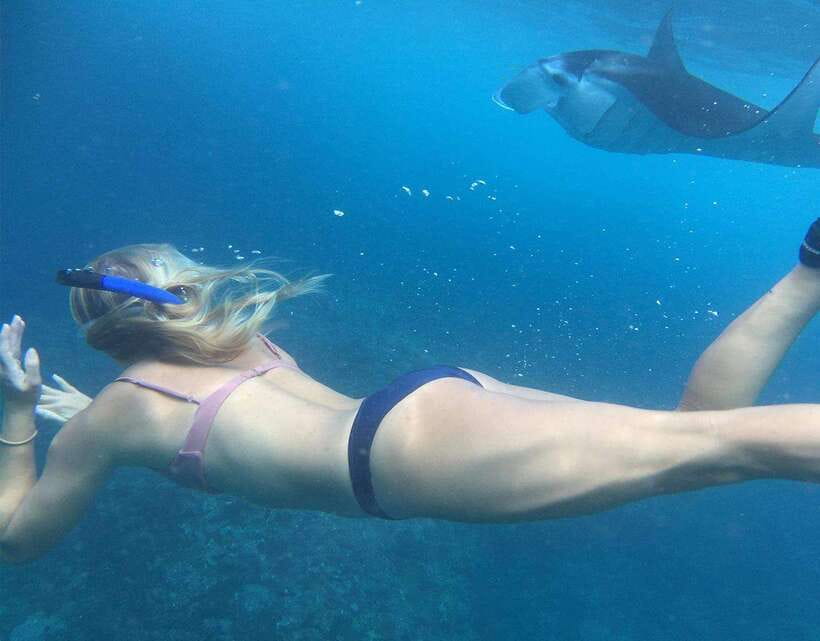
- Manta Bay odds: you might see manta rays up close, but you’re going for the chance, not a promise
- GoPro + guide help: footage and photos are part of the experience, not an afterthought
- Multi-spot snorkeling: typically 3–4 bays with different underwater vibes
- West-cliff add-on: Kelingking, Broken Beach, and Angel’s Billabong make for iconic photos
- Safety focus: guides help manage stronger currents when conditions get real
- Boat transfer reality: getting on and off can be tricky when swells are up
How Nusa Penida snorkeling really feels: boats, timing, and water conditions
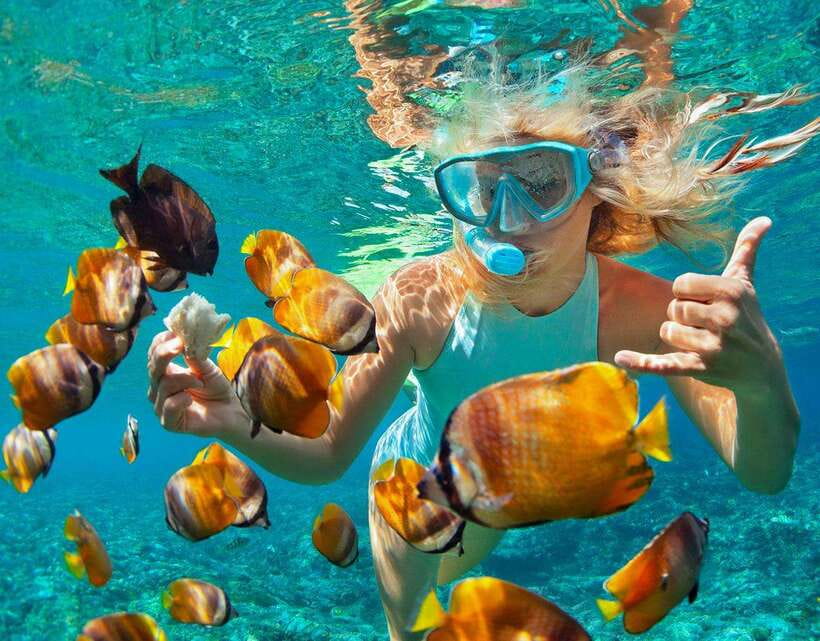
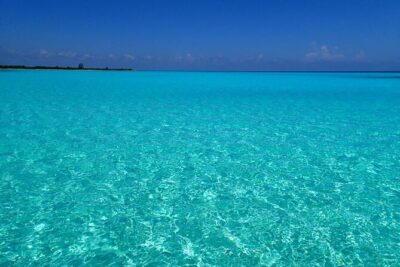
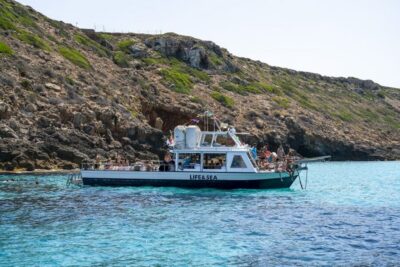
Nusa Penida is famous for underwater clarity, but it doesn’t always behave like a calm pool. The tour runs from the Sanur area (with several start options), usually on a fast boat, and the day centers on repeated jumps in and out of the water at different bays. That rhythm is part of what makes it exciting, but it also means you should plan for variable conditions.
The crew keeps things moving. Snorkeling stops are built around set time windows, and you may get less than the advertised time if waves pick up. In practice, that’s often a safety decision: if the water makes boat access harder, you’ll be asked to head back so everyone stays safe.
Also, do not underestimate boat transfer stress. Some people find boarding and exiting more challenging than the snorkeling itself, especially when there are swells and steep or rough landing areas. Wear practical footwear when you’re on the boat and around loading zones, keep your hands free, and take your time stepping.
You can also read our reviews of more tours and experiences in Kuta.
Your first target: Manta Bay and the manta-ray chance
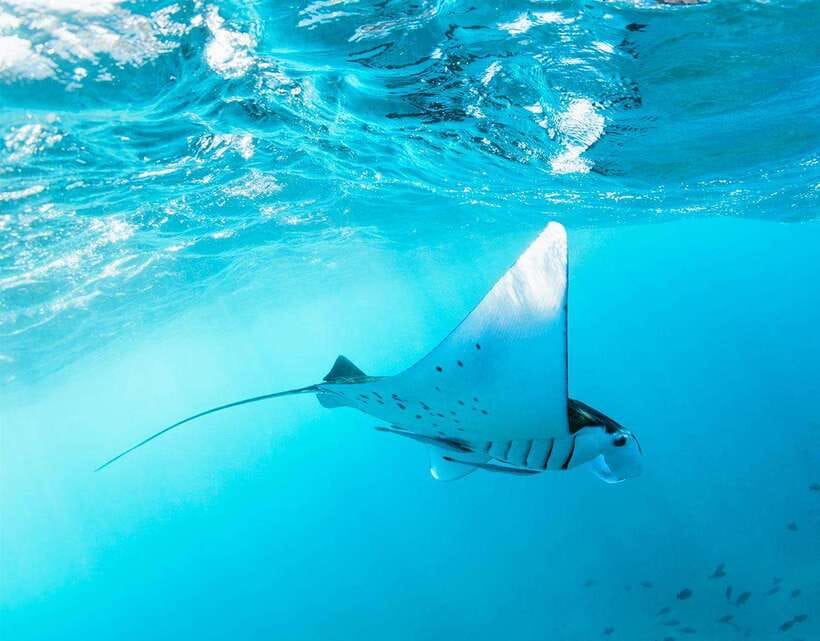
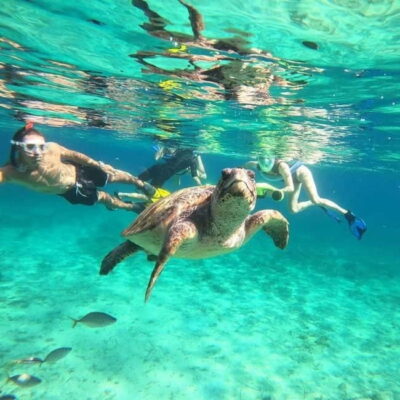
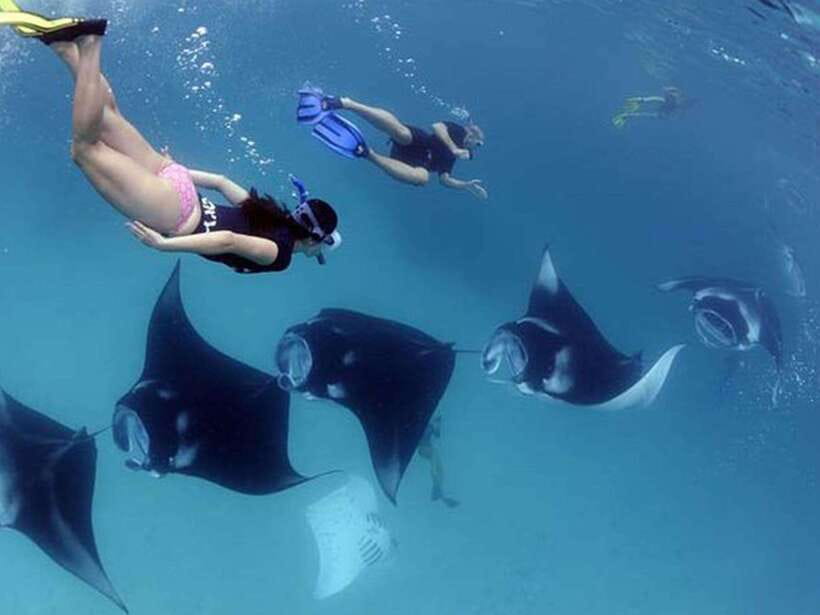
Manta Bay is the star stop when you want that headline wildlife encounter. It’s a calm, protected bay, and when conditions line up, it can be a genuinely memorable place to swim alongside large rays in their natural habitat. Even if manta rays don’t show up, the underwater life can still be exciting.
Here’s what you should know so you’re not disappointed: sightings are not guaranteed, and even the best guides can’t control manta movement. What the crew can control is positioning, guidance, and the way you enter the water. The guides keep an eye on where you are, help you get into the right spot, and point out what to look for.
One helpful detail: you’re usually not going in blind. In well-run sessions, there are guides in the water who can help you focus your search area. Some days you’re greeted by mantas quickly, other days you might be treated to turtles or dolphins instead. That’s why your expectations should be flexible: aim for wildlife, not only mantas.
Crystal Bay and Gamat Bay: two more chances for coral and fish
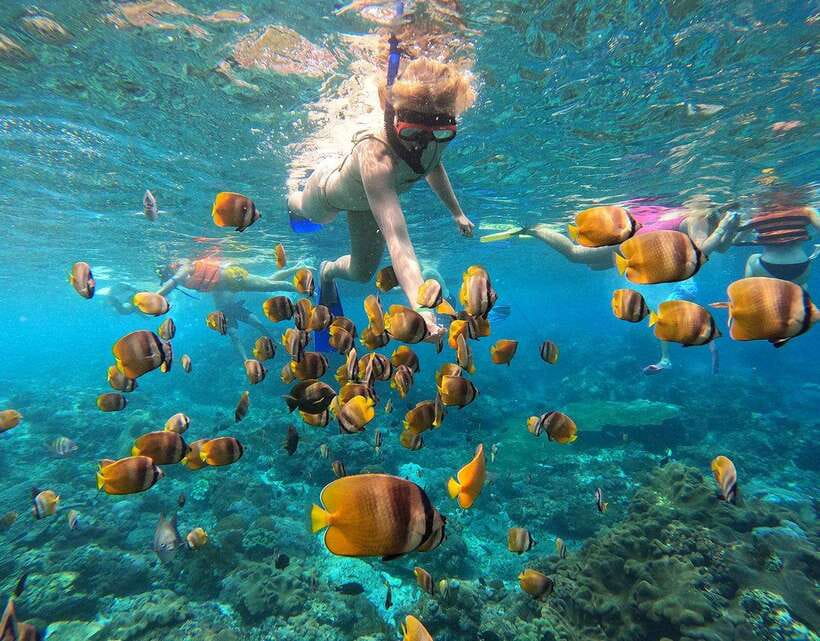
After Manta Bay, the snorkeling shifts to different underwater scenes. Crystal Bay is known for clear water and coral-and-fish viewing. If visibility is good and currents are manageable, this is where you can slow down a little, look at the reef structure, and enjoy the color in the water column.
Gamat Bay is typically calmer and more secluded. Think of it as the quieter option that still delivers. If you like a less chaotic feel—more time looking, fewer big adrenaline spikes—this kind of stop often fits well. You may see a mix of marine life like tropical fish and sea turtles, depending on season and daily conditions.
One practical takeaway for both bays: bring a waterproof plan for your phone or camera. You want to capture the cliffs and the water outside the snorkeling, and you also want to preserve your own footage without stressing about gear. The tour provides masks, snorkels, fins, and life jackets, but you’re still responsible for keeping your belongings dry.
The Wall snorkeling stop: what it’s for and why it can be time-sensitive
You’ll likely include a fourth snorkeling stop if you book the fuller option, and The Wall is one of the listed sites. It’s included as another 30-minute underwater period in the typical flow, so it’s there to add variety and increase your odds of seeing something special.
What’s worth planning for: this is an open-water activity in a region where seas can change fast. If waves are up, you may not get the full time window at each stop. The guides’ job is to keep you safe while still maximizing your snorkeling moments, so you may be called back sooner if the boat situation becomes rough.
If you’re the type who wants extra certainty, prioritize the start timing that matches the calmest weather you can find. The tour’s duration is flexible (starting times vary), so choosing a slot with better sea conditions can make a difference in your experience.
West Nusa Penida cliffs: Kelingking, Broken Beach, and Angel’s Billabong
If you choose the combined option, you trade more water time for iconic cliff scenery. This part is what makes the day feel like two trips in one: underwater wildlife plus dramatic land views that you can’t get anywhere else in Bali.
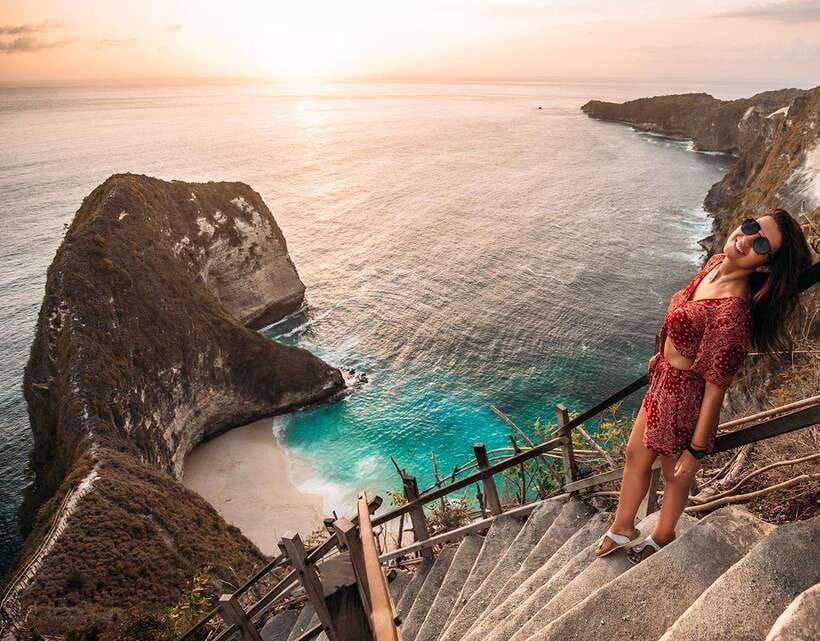
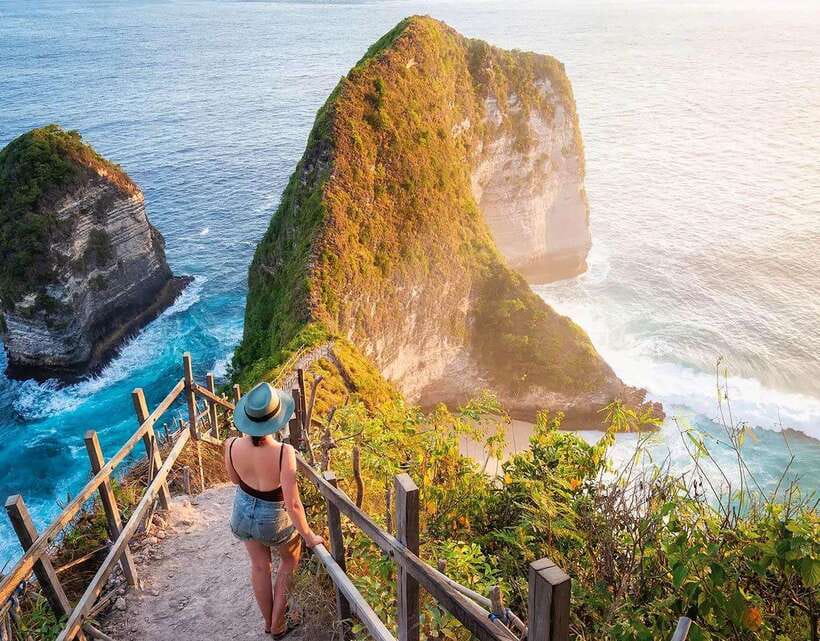
Kelingking Beach, often called T-Rex Beach because the cliff shape resembles a dinosaur head, is the big photo moment. You’ll get the classic viewpoint with cliffs dropping to turquoise water. There’s also the option for adventurous travelers to descend toward the beach, which is steep and challenging. If you do it, wear footwear that can handle uneven ground, and go slow. The return climb is real work.
Broken Beach (Pasih Uug) is next, shaped by cave collapse into an arch. It’s the kind of place where waves perform at a distance—beautiful, rhythmic, and sometimes powerful enough that you’ll want to keep your footing steady and your distance from the edges.
Then there’s Angel’s Billabong, a natural infinity pool carved into the rock. The photos here are why people add the west-cliff tour. You’ll get turquoise water framed by rock formations, and it’s a great place to pause, take photos, and just enjoy the scenery for a while.
You can also read our reviews of more snorkeling tours in Kuta
GoPro footage and the personal photographer factor
A strong point of this experience is that the photo plan is built into the activity. You get a GoPro camera as part of the snorkeling kit setup, and the crew captures underwater moments while you’re swimming. Afterward, you receive the content in the form of a link.
That matters more than it sounds. Snorkeling is distracting—you’re scanning for wildlife, watching currents, and trying to keep your breathing steady. When the crew handles a lot of the filming, you don’t have to choose between seeing the mantas and getting the shot.
In the better-run days, guides also take time to photograph you while you’re in the water, and you get extra footage even if your own camera isn’t working the way you hoped. One guide name that pops up in the experience details is Jimmy, praised for English and for GoPro filming. If you get someone like that, you’ll likely feel calmer because the plan is clear.
Safety, rules, and comfort tips that keep the day fun
This is open-water snorkeling with potential strong currents. The good news: the guides are attentive, and they are focused on keeping you in the right spot and helping with safety if conditions get challenging.
You should follow the rules: don’t touch marine life, don’t handle coral or animals, and treat the water like a living system. You’ll have a life jacket, but you’re still swimming in the ocean, so you should be confident in your ability to float and move calmly.
A few comfort tips that matter on Penida:
- Bring a change of clothes and dry it when you can.
- Use sunscreen, since you’ll be outside for scenic stops and boat ride time.
- Pack snacks and water since meals aren’t included.
- Bring a waterproof bag so you’re not stressed about what goes where.
If you’re prone to seasickness, this is one to think carefully about. The activity involves a fast boat and open water, so if you struggle in motion, consider how you’ll manage it.
Also note who this is not for. It isn’t suitable for children under 10 (and also lists other age limits), and it’s not a match for non-swimmers or people with conditions like back problems, diabetes, altitude sickness, or low fitness levels. If any of those apply, I’d pick a different format.
Timing, group size, and why each stop can feel different
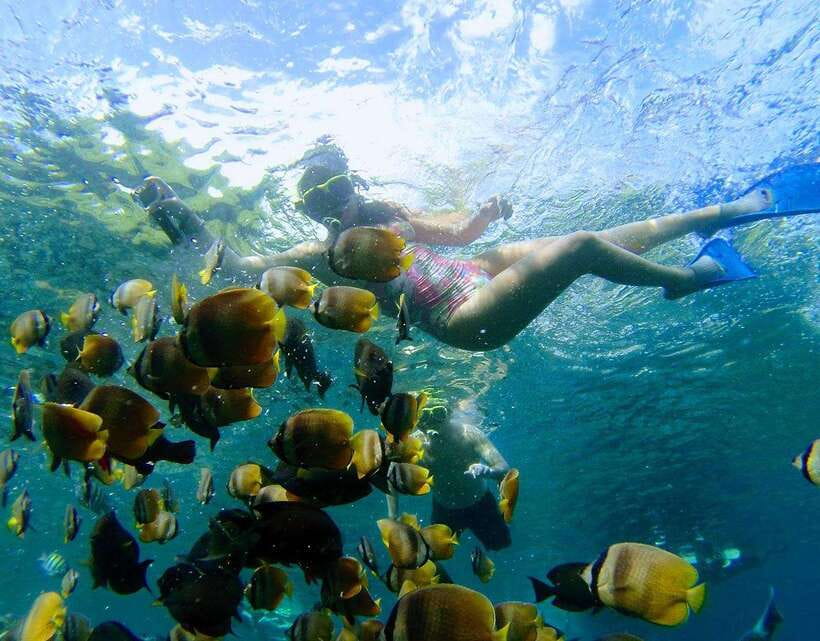
The tour structure is simple: multiple snorkeling stops with guided help, plus optional west-island sightseeing. Typically each snorkeling stop is scheduled around a set visit length, but real conditions can change that.
Group size seems to be manageable, and the boat often feels less crowded than larger operations. That matters because cramped boats can add stress when it’s time to gear up and step in. A smaller setup also makes it easier for guides to keep eyes on everyone in the water.
There’s one more timing reality: if sea conditions are rough, the crew may ask you to get back on the boat earlier. That can feel like you’re being rushed, especially if you came for a long manta encounter. On other days, you’ll get the planned pace and feel like each stop gets its moment.
Your best move is to treat each stop like a short chance to see something amazing. When the ocean cooperates, you’ll get more out of it than when you mentally fight the schedule.
Price and value: why this can be a bargain, and when it might not
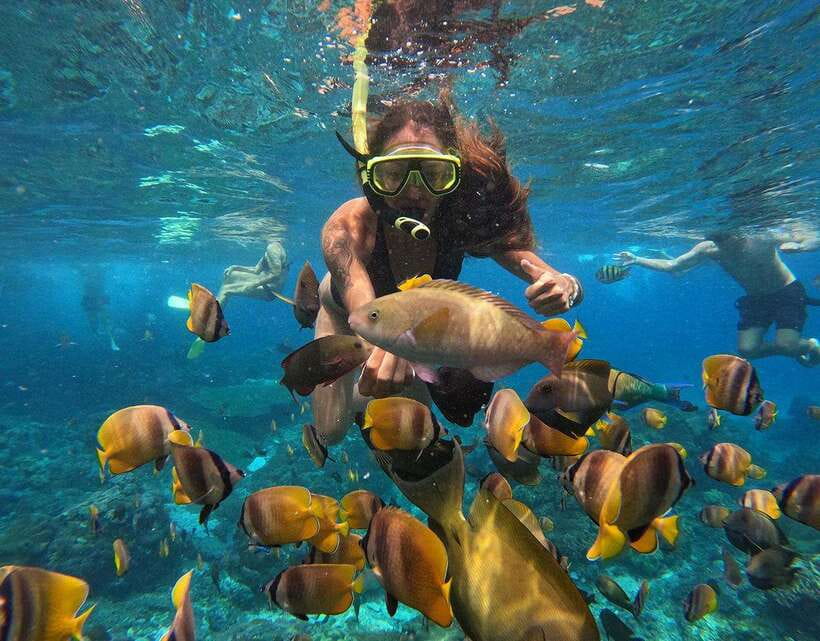
The price is listed at about $10 per person, which is shockingly low for a multi-stop snorkeling experience with gear, insurance, mineral water, and guide support. The value comes from bundling everything: transport structure, equipment (including fins and snorkel/mask), and the filming/photos process.
At this price point, your expectations should match the trade-offs:
- You’re paying for the experience design, not a long, slow, spa-like day.
- You’re getting a chance at mantas, not a booked guarantee.
- Boat transfers and stop timing can be more variable than higher-end tours.
Still, if you want the core Penida experience—bays, clear water days, and a realistic wildlife hunt—this kind of pricing can be hard to beat. In the details shared, guides also support with currents and give you organized time in the water, which is a big value factor on Penida.
If you’re someone who needs maximum time at each site or you’re very weather-sensitive, you might want to consider whether a longer or more flexible day format fits better. But for many people, this is exactly the sweet spot: a full wildlife day without draining your budget.
Who should book this Nusa Penida snorkeling and island combo
Book this if you:
- want 3-4 snorkeling stops in one day rather than a single-site swim
- care about photo/video support and not having to manage everything yourself
- want the option to add cliff landmarks like Kelingking for maximum visual payoff
- feel comfortable in open water and can handle boat rides
You might skip this if you:
- can’t swim or aren’t comfortable with ocean snorkeling
- get hit hard by seasickness
- have health issues listed as not suitable for this activity
For families, it’s limited by age requirements. For solo travelers, the structure is easy because the guide and crew keep the day moving. For couples and friends, the west-cliff add-on plus underwater time is a great way to cover two types of memories in one outing.
Should you book this tour?
Yes, I think it’s a strong pick if your main goal is Penida snorkeling with guidance and a real chance at headline wildlife, plus the option for dramatic west-cliff photos.
Just book with the right mindset. Manta rays are not guaranteed, so plan to be happy with the broader underwater show—coral, fish, and turtles when they show up. Also accept that sea conditions can shorten stop times and make boat entry and exit more challenging.
If you want one practical checklist before you go: pack sunscreen and a waterproof bag, bring snacks and extra water for comfort, and plan a change of clothes. If you do that, this tour can deliver great value for a day that feels much more than a simple snorkeling trip.
FAQ
How many snorkeling spots are included?
The snorkeling package is described as 3-4 snorkeling spots, typically starting at Manta Bay and continuing to Crystal Bay and Gamat Bay, with an additional stop such as The Wall depending on the option.
Are manta rays guaranteed?
No. Manta rays sightings are not guaranteed, even though Manta Bay is the must-visit spot with a chance to see them.
How long is the tour?
Duration is listed as 1 to 8 hours depending on the package and starting times available.
What’s included in the snorkeling gear?
You get a snorkeling boat, snorkeling guide, snorkel, mask, life jacket, fins, and a GoPro camera, plus a towel. Mineral water and insurance are included.
Do you get photos or video?
Yes. The tour notes that snorkeling moments are sent as a link, and the crew acts like a personal photographer for capturing your moments.
Is food included?
No meals are included, so it’s smart to bring snacks if you need them.
What should I bring?
Bring swimwear, a change of clothes, a towel, camera, snacks, sunscreen, water, and a waterproof camera or waterproof bag for your belongings.
What are the main rules in the water?
Alcohol and drugs are not allowed, and you are not allowed to touch marine life.
Is it suitable for kids?
It’s listed as not suitable for children under 10, and it also lists additional age limits for younger teens (under 11 and under 12).
What language is the guide?
The tour provides a live English-speaking tour guide.