REVIEW · UBUD
Nusa Penida Snorkeling 3 Point with Manta Bay & Land Tour
Book on Viator →Operated by Bali Tour Organizer · Bookable on Viator
Manta Bay is a gamble worth taking. This Ubud-based day trip uses a fast boat from Sanur and a tight two-part plan: snorkeling in Penida’s best-known coves, then a land tour to the island’s headline viewpoints. I like that it keeps everything moving with air-conditioned transfers and a group cap of 28 travelers, so you’re not stuck solving logistics.
I also really like the snorkeling setup. You’re scheduled for three different stops (Manta Bay, Wall Point/Gamat Bay, and Crystal Bay), and you’ll be issued snorkeling gear plus a life jacket (and a towel if that option is selected). Even on days when mantas don’t show up, Crystal Bay-style coral and fish can still be a solid payoff.
One drawback to plan around: the day runs long and the schedule can feel rushed, especially on choppy-water days or when island roads slow down. You’ll spend a lot of time in transit and you may get only short stretches at each viewpoint, so if you want a slow, unhurried Penida experience, this format may frustrate you.
In This Review
- Key points to know before you go
- From Ubud to Sanur: the early start that drives the whole day
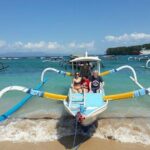
- Fast boat crossing: comfort, crowds, and sea conditions
- Snorkeling at Manta Bay, Gamat Bay, and Crystal Bay: the real odds
- Gear, life jackets, and what to pack for the in-between parts
- Lunch on Penida: basic, fast, and not the reason to come
- The island tour: Kelingking, Broken Beach, Angel’s Billabong—iconic but rushed
- Logistics that shape your day: timing, traffic, and crowd pressure
- Price and value: why $51 can make sense—or feel too thin
- Who should book this Nusa Penida package
- Should you book: my call based on how the day really works
- FAQ
- What’s the total duration of the trip?
- Where does the fast boat depart from?
- Which snorkeling spots are included?
- Does the tour include hotel pickup from Ubud?
- What’s included with snorkeling?
- Is breakfast included?
- How many people are in the group?
- What’s the age range for this tour?
Key points to know before you go
- Three snorkeling coves with a realistic mantas-on-offer mindset at Manta Bay, Wall Point/Gamat Bay, and Crystal Bay
- A very tight schedule that prioritizes seeing a lot over lingering
- Public fast-boat crowds and variable sea conditions can affect comfort and water time
- Showers and changing setups are inconsistent, so pack for the worst case
- Iconic land stops (Kelingking Beach, Broken Beach, Angel’s Billabong) but often in short photo windows
- You’re paying for the structure: transfers + boat tickets + gear + lunch, not just scenery
From Ubud to Sanur: the early start that drives the whole day
This tour is built around a very early pickup, typically in the 6:15–7:15 window, depending on where you’re staying in Bali. Then you head to Sanur port for check-in and a fast boat crossing to Nusa Penida. If you’re coming from Ubud, this is a long day in your legs before you even hit the water—so I’d treat it like a commitment, not a relaxed day out.
What makes the start work (when it works) is that the schedule is designed to catch the boat departure and set up your snorkeling window. The tour’s sequencing is clear on paper: arrive at Sanur, board around the morning departure, reach Penida, then get into snorkeling by late morning. The big practical point: traffic can be chaotic in Bali, and any delay can ripple through the day and shift you onto a later boat option.
Also, take seasickness seriously. The tour instructions specifically suggest you breakfast before the trip to reduce the odds of feeling sick on the crossing. I’ve also seen practical advice like bringing sea-sickness medication if you’re prone to it, and packing a waterproof bag for phones and valuables.
You can also read our reviews of more snorkeling tours in Ubud

Fast boat crossing: comfort, crowds, and sea conditions
The crossing is about 45 minutes, but the ride quality depends heavily on wind and swell. Several experiences in the feedback show that some days feel perfectly manageable, while others can be rough and stomach-turning. That’s not something an operator can control, but it’s something you should plan around with your own body and expectations.
A key detail: this is a shared experience using public fast boats. That means you should expect crowds and limited personal space compared with private charter options. In one account, a rider estimated around 140–150 people on the fast boat; in response, the operator said the public fast-boat capacity is about 110 passengers and that the smaller snorkeling boat for the activity is around 20–25 people. Either way, the message for your planning is the same: you’re not getting a quiet, roomy ride.
Comfort tip that’s worth its weight: aim for solid footing and secure footwear. Reviews also mention people slipping around on crowded boats in choppy conditions. If you’re someone who gets motion sickness easily, bring the gear that helps you cope, because on crowded decks there isn’t much ability to change your situation once you’re out.
Snorkeling at Manta Bay, Gamat Bay, and Crystal Bay: the real odds
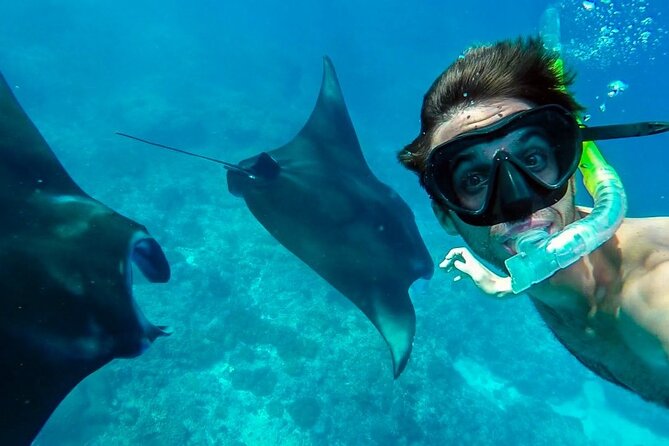
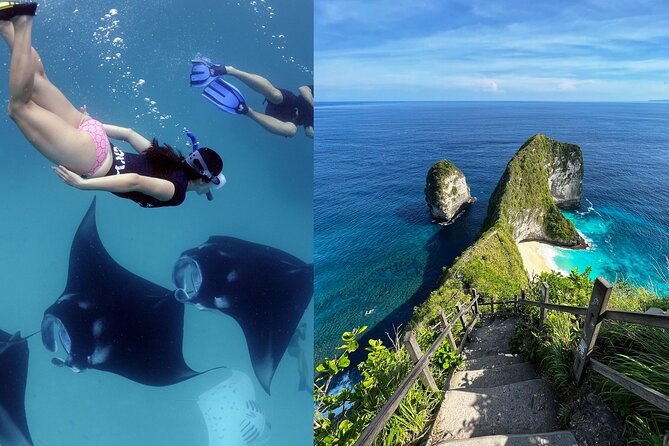
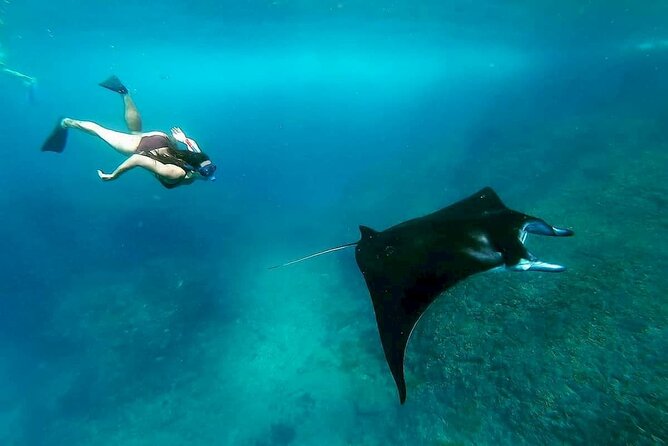
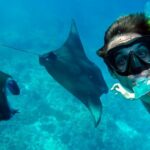
This is the heart of the day. The plan is to snorkel at Manta Bay, Wall Point/Gamat Bay, and Crystal Bay. The big promise is mantas at Manta Bay if you’re lucky—but the honest part is that mantas are not guaranteed, and water clarity and current can shape what you’ll actually see.
Here’s what I think matters most to you as a snorkeler:
- Manta Bay visibility can vary. If water is cloudy or the current is strong, mantas may be harder to spot even if they’re present nearby.
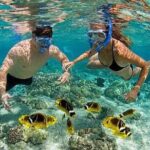
- Wall Point/Gamat Bay often delivers more consistent sea life. Some feedback praised this as the stop with the most to see underwater, including coral and fish.
- Crystal Bay is a strong finish. Multiple accounts describe better coral and fish here, sometimes including turtles.
The schedule is tight. Even when the day goes smoothly, you may only get short stretches at each stop. Several people describe the snorkel time as limited—often fast-paced compared with the idea of a long, drifting swim. That doesn’t mean the sites aren’t beautiful; it means your day is optimized for “three stops” rather than “deep time in the water.”
One more practical point: you might find it’s safer and more enjoyable to stick with the group and keep your focus on buoyancy and breathing rather than chasing every current line. On rougher days, some people stayed aboard due to seasickness or discomfort. You’ll have the best chance of enjoying the snorkel portion if you’re steady on the water and not pushing it.
Gear, life jackets, and what to pack for the in-between parts
The tour includes snorkeling gear and a life jacket, plus a towel if you selected that option. Still, the feedback shows that showers and changing spaces are an area of inconsistency. Some people found showers and facilities poor or lacking towels. Others said the snorkeling end-of-day setup worked fine.
So I’d pack like the most annoying version of reality might happen. That means:
- bring a microfiber towel you can rely on, since towels are not guaranteed in practice
- use waterproof bags/cases for phones and paperwork
- wear secure water shoes or sandals that don’t slip
If you’re the type who likes to look at your phone after a swim, plan for the fact that salt spray and changing crowds can make this tricky. A waterproof phone case beats hoping someone hands you a clean towel when you’re already hot and damp.
Also: expect the logistics to move quickly. After snorkeling, there’s a shower phase, lunch, then island viewpoints. Even when the staff is friendly, you can’t count on long breaks to reset your mood.
Lunch on Penida: basic, fast, and not the reason to come
Lunch is scheduled shortly after snorkeling. The tour includes lunch with Indonesian food, and several people described it as tasty enough but basic—more functional than special. One account criticized the meal options as limited, while another said lunch tasted good and was fine after a busy morning.
Don’t book this expecting a food highlight. Treat lunch as fuel so you can handle the afternoon drives and the photo-stop circuit.
If you get hungry easily, bring snacks. There are multiple mentions of running on fumes near lunch time, and that’s usually because the day starts early, the boat ride takes energy, and snorkeling burns more calories than people expect.
The island tour: Kelingking, Broken Beach, Angel’s Billabong—iconic but rushed
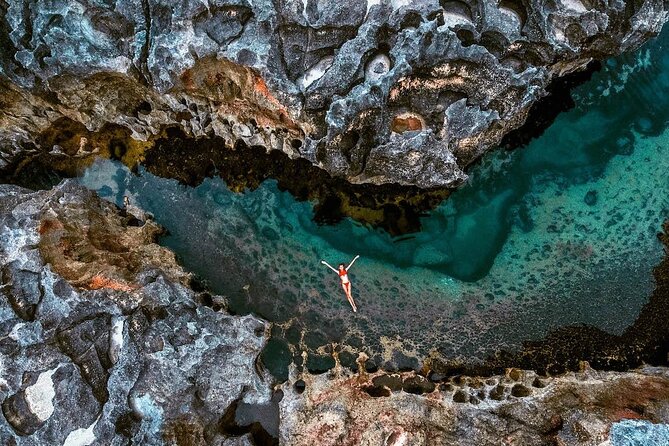
After lunch, you switch gears from ocean to viewpoints. The scheduled stops are the big three: Kelingking Beach, Broken Beach, and Angel’s Billabong.
These places are famous for a reason. The cliff and sea formations here are dramatic and photogenic, and even in short windows you can feel why people come for them. One guide mentioned in feedback for the afternoon, Ekka, was praised for keeping energy up and keeping the schedule on track.
But the trade-off is time. Many comments describe very brief stops—sometimes around 5–10 minutes just for a quick photo. That’s enough to say you were there, but not enough to linger, breathe, and enjoy the view like you would with a slower private guide.
Here’s what you should plan for physically:
- expect walking on uneven ground and steep steps at some viewpoints
- expect crowds at the most Instagram-friendly angles
- expect that you’ll mostly be in photo mode, not storytelling mode
If you’re older, less steady on stairs, or you simply want more time to absorb the scenery, this “see it all quickly” structure may feel like a conveyor belt. The upside is that you do hit the headline spots without having to organize permits, drivers, and timing yourself.
Logistics that shape your day: timing, traffic, and crowd pressure
This tour runs on a chain reaction. If one link slows—late pickup in Bali traffic, check-in delays, crowded docks, choppy seas—everything after it can get tighter. Some accounts mention missing a ferry or being shifted to a later departure time. Even when the operator keeps you informed, the overall vibe becomes more rushed because you’re protecting a return boat deadline.
On Penida, roads can add time. The island is still under development in places, and travel between viewpoints can be bumpy. Several feedback comments focus on long car rides and the sense that driving time steals from viewpoint time.
Crowds also matter. Even with a group cap of 28 for the day, you’re still combining with other travelers at public docks and on public boats. That can mean long waits, confusion about where to stand, and crowded fin-and-mask setups. If you hate chaotic check-in moments, consider whether a smaller private option would suit you better.
A small but important note: some people reported missing promised items like photos, while others said the photos and photo helpers were a nice touch. In general, I’d treat any photo service as a bonus, not a guaranteed deliverable.
Price and value: why $51 can make sense—or feel too thin
At about $51.57 per person for a roughly 10.5-hour day, this package isn’t charging luxury money. It charges for a whole system: hotel transfer (including Ubud pickup within the listed areas), fast-boat tickets return, land transport on Penida, snorkeling gear and life jacket, and lunch.
So the value depends on what you care about:
- If you want all the big boxes checked in one day, it can feel like a smart deal.
- If you want long snorkeling time and unhurried viewpoint hours, you may feel squeezed for time.
The snorkeling portion can be incredible when the water is clear and conditions line up. A good day can deliver coral, turtles, parrot fish, and sometimes mantas. A rough day can reduce visibility and shrink swim time. That’s the nature of Penida—not unique to one operator—so your money is buying access and structure, not a guaranteed manta sighting.
In short: this is value if you can roll with a group pace and variable sea conditions. If your ideal day is calm and spacious, you’ll likely want to pay more for a private tour.
Who should book this Nusa Penida package
This tour fits best if you:
- want your first Penida visit to cover the essentials (snorkeling + Kelingking/Broken/Angel stops)
- are comfortable with a busy schedule and short viewpoint time
- don’t mind public fast-boat crowds
- can handle bumpy rides and possibly choppy water
It may not be your best match if you:
- get motion sick easily and can’t manage it with medication and preparation
- strongly prefer longer snorkeling sessions and more freedom in the water
- want a calm, uncrowded experience where someone can tailor the day to your pace
Should you book: my call based on how the day really works
If your goal is a one-day Penida hit list—three snorkeling coves plus the island’s biggest viewpoints—this tour can be a good way to do it. I like that the plan is organized, you get included transport, and the snorkeling sites are real heavyweights.
But I would book it only if you accept the trade-offs: a long day, a group tempo, possible crowd pressure, and the chance that manta sightings won’t happen. If you want maximum comfort, maximum time, or a calmer pace, look for a private-style alternative.
FAQ
What’s the total duration of the trip?
The tour is listed at about 10 hours 30 minutes (approximately), starting early in the morning and returning to your hotel around early evening.
Where does the fast boat depart from?
The fast boat departs from Sanur port and travels to Nusa Penida port, with about 45 minutes crossing time.
Which snorkeling spots are included?
The snorkeling portion includes stops at Manta Bay, Wall Point/Gamat Bay, and Crystal Bay.
Does the tour include hotel pickup from Ubud?
Yes. Return transfer is included for several areas including Ubud, along with other listed locations like Sanur, Kuta, Canggu, Jimbaran, and Nusa Dua.
What’s included with snorkeling?
Snorkeling gear is included, along with life jacket and towel if the option is selected. You’ll also have lunch included during the day.
Is breakfast included?
No. The tour notes that you should breakfast before the trip to help with seasickness, which means breakfast isn’t part of what you pay for.
How many people are in the group?
The experience has a maximum of 28 travelers.
What’s the age range for this tour?
This activity lists an age limit of 7 to 75 years old.