REVIEW · PORT DOUGLAS
Poseidon Outer Great Barrier Reef Snorkeling and Diving Cruise from Port Douglas
Book on Viator →Operated by The Quicksilver Group · Bookable on Viator
Three reef stops, one fast catamaran day. This is a full-day outer Great Barrier Reef experience from Port Douglas that mixes guided snorkelling with optional scuba sessions for beginners and certified divers. You cruise out on the high-speed Poseidon and then spend real time at multiple spots on the Agincourt Ribbon Reef.
I love how the schedule is built to maximize water time, not idle time. I also really like the way the crew adds structure with a reef interpretation talk and a marine biologist who helps you understand what you’re seeing instead of just pointing vaguely at coral.
One thing to consider: if you run cold on boats, plan ahead. Some guests have said the indoor cabin can feel extremely chilly, with limited spots to warm up between activities.
In This Review
- Key things I’d circle before you book
- Outer Great Barrier Reef from Port Douglas: why this feels like a real day on the water
- Poseidon on-board: comfort, access to the water, and what you truly get included
- Your options: snorkel-only vs beginner and certified scuba sessions
- The reef day plan: what happens at each stage and what it means for you
- Stop highlights: sheltered snorkel lagoons, coral gardens, and guided spotting
- What you can realistically hope to see
- Reef interpretation talk: why it matters when you’re underwater (or hovering over coral)
- Food, tea breaks, and being warm when you need it
- Seasickness and weather: what to do when the ocean has opinions
- Price and value: is $225.93 fair for what you get?
- Who this suits best—and who should look elsewhere
- Should you book Poseidon for the outer Great Barrier Reef?
- FAQ
- How long is the Poseidon Outer Great Barrier Reef snorkeling and scuba cruise?
- Where does the tour start, and is hotel pickup included?
- What’s included in the price?
- Can I snorkel instead of doing scuba?
- What are the scuba age requirements?
- Do they offer vegetarian meals?
- Is there guidance for flying after scuba sessions?
Key things I’d circle before you book
- High-speed Poseidon catamaran means more time at the reef and less time in transit
- Agincourt Ribbon Reef outer sites with multiple snorkel stops and optional scuba sessions
- Marine biologist-led snorkel coaching plus a reef interpretation talk
- Wetsuits and snorkel gear included, and you can be offered extra sun/jelly protection
- Solid onboard meals: morning and afternoon tea plus a buffet lunch
- Small-ish group size (max 65), with a boat that’s not the biggest on the water
Outer Great Barrier Reef from Port Douglas: why this feels like a real day on the water
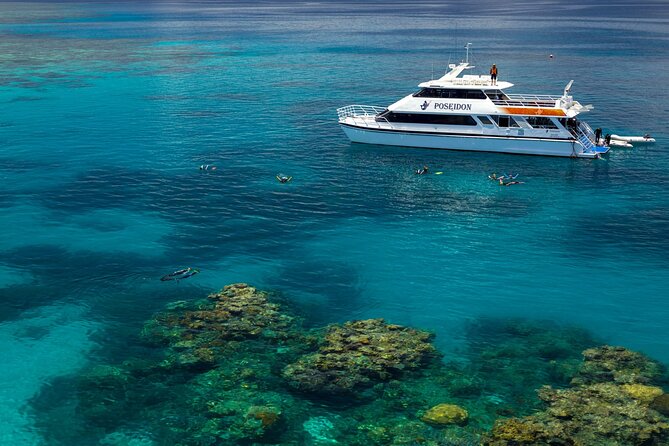
Port Douglas is a launching pad for Great Barrier Reef trips, but most people want the same thing: more time at the reef and better chances of seeing a mix of marine life. This outing is designed around that idea. You head out on a modern high-speed catamaran from Port Douglas, and the payoff is that you get to spend meaningful chunks of the day at the reef rather than just commuting.
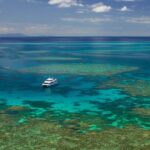
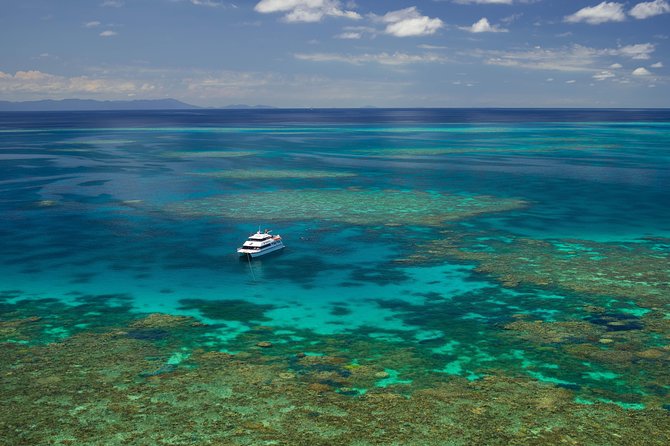
The key reef area here is the Agincourt Ribbon Reef’s outer limits. Outer reef trips tend to deliver what people come for: clear drop-offs, healthy coral gardens, and fish life that’s active even when conditions change. The trade-off is that outer reefs also mean ocean conditions matter. If it’s windy or choppy, your day can feel more like a working sea trip than a lazy float, even though the crew is prepared for that.
It also helps that the cruise runs about 8 hours. That’s long enough to do multiple reef visits, but not so long that your whole day turns into travel logistics and exhaustion.
You can also read our reviews of more boat tours in Port Douglas
Poseidon on-board: comfort, access to the water, and what you truly get included
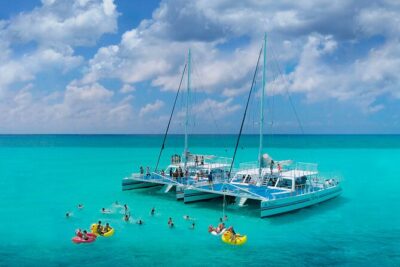
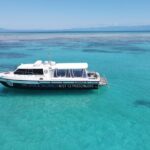
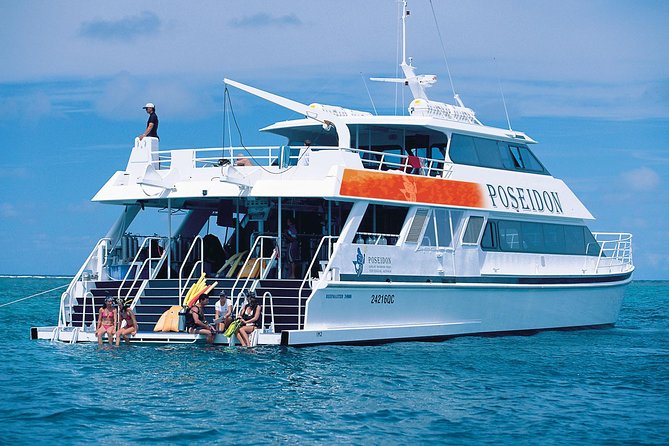
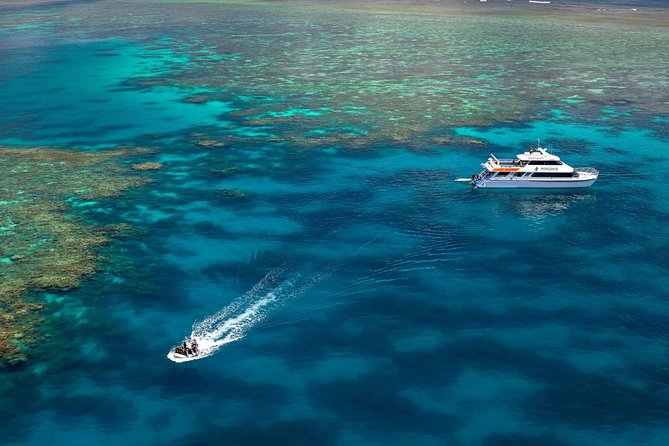
You’re not stuck on a tiny skiff for this one. The Poseidon is set up for moving divers and snorkelers in and out efficiently, which matters when you’re doing several reef stops.
A few practical comfort details stand out:
- A high-speed ride means less time in the waves.
- An air-conditioned saloon gives you somewhere to reset between sessions.
- The crew uses a lowering transom for easier water access, so you’re not scrambling at the edge of the boat when it’s time to go in.
On top of that, your basic gear is covered. You get snorkelling equipment and wetsuits for the day. Many reef visitors underestimate how much the right fit and buoyancy gear affects comfort, especially when you’re dealing with currents or you’re trying to keep a steady position near coral.
Food is a real part of the experience here, not an afterthought. You’ll have morning and afternoon tea, plus a buffet lunch onboard. One in-water day on the reef can eat up your appetite, and having proper meals helps you stay focused instead of counting minutes until you can eat.
One extra practical note from experience reported by guests: the boat ride can still cause motion discomfort even when conditions look calm from shore. If you’re sensitive, I’d treat this as a “take precautions” day. Also pack a plan for warmth after you’re wet.
Your options: snorkel-only vs beginner and certified scuba sessions
This is one of the main reasons the trip works well for mixed groups. You can choose to stay on top with guided snorkelling, or you can do scuba options depending on your level.
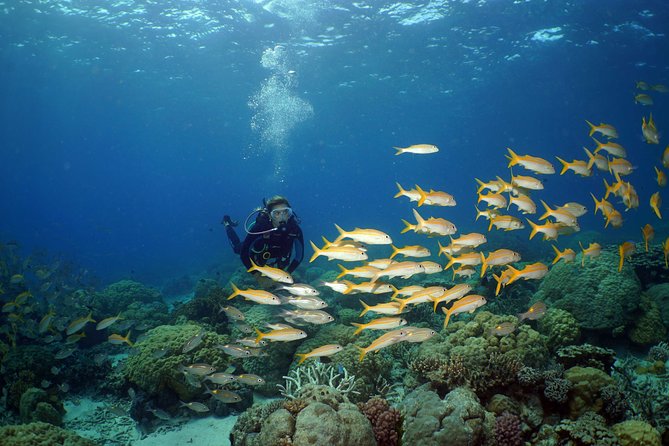
If you’re doing introductory scuba, you’re in the hands of instructors who handle the basics and keep the day structured. If you’re certified, you can do up to three underwater sessions into the coral gardens at the reef sites offered that day.
What I like is how the schedule adapts. Divers don’t necessarily just do the same entry style everywhere. Depending on the conditions, you may do:
- entry from the mooring site, or
- a drift-style run back toward the vessel, or
- an excursion to less easily accessed spots
That flexibility is important because reef conditions change. Weather, tide, and current all affect what’s safest and most enjoyable. The operator is set up to adjust without turning your day into chaos.
Also, there’s a hard rule for age: the minimum age for the scuba option is 12 years. If you’re traveling with younger kids, snorkelling may be your route.
Finally, there’s a fitness note. You should have moderate physical fitness for the day’s water time and getting in and out on a fast boat.
The reef day plan: what happens at each stage and what it means for you
Even if you’re not doing scuba, you’re still getting a guided, structured reef experience. The crew runs the day with briefing, entry, and guided time, and the goal is for you to see more than just passing coral.
Here’s what the pacing feels like in practice:
- Cruise out from Port Douglas to the Agincourt Ribbon Reef outer sites. The boat ride is usually around an hour or so, sometimes longer depending on conditions.
- Reef interpretation and snorkel briefing before you hit the water so you know what to look for.
- Multiple reef stops where you’ll do snorkelling guided by the marine biologist.
- If you choose scuba, your day is structured around several reef locations, with safety briefings before each activity.
- Back onboard, you refuel with tea and lunch breaks, then head back to Port Douglas.
That structure matters because outer reef snorkelling isn’t just “float and look.” You’re often working around depth changes and keeping your body position steady near coral. Several guests noted that parts of the reef can be close to the surface, which means you may need to stay more horizontal than you’d expect so you don’t accidentally kick coral or bump it with fins.
Stop highlights: sheltered snorkel lagoons, coral gardens, and guided spotting
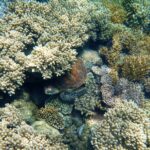
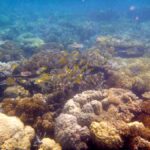
You’ll spend time at multiple sites along the outer Agincourt Ribbon Reef, and what makes them special is the mix of coral habitat and marine life. People come home talking about the same recurring winners: fish schools, coral variety, and at least a few “stop the breathe and point” moments.
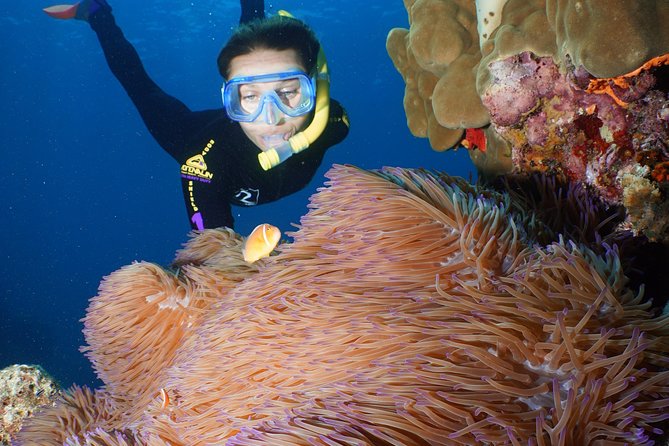
On snorkel days, you get a guided snorkel tour with a marine biologist and reef interpretation talk. The practical benefit is huge: the biologist helps you identify what you’re actually seeing. Instead of staring at random color, you learn how the ecosystem works and what species are commonly found in those spots.
Some guests even name the marine biologist on their day, including Hayley, who was highlighted as a snorkel-tour standout. That kind of coaching is what turns a good snorkel outing into a memorable one, because you’re not guessing.
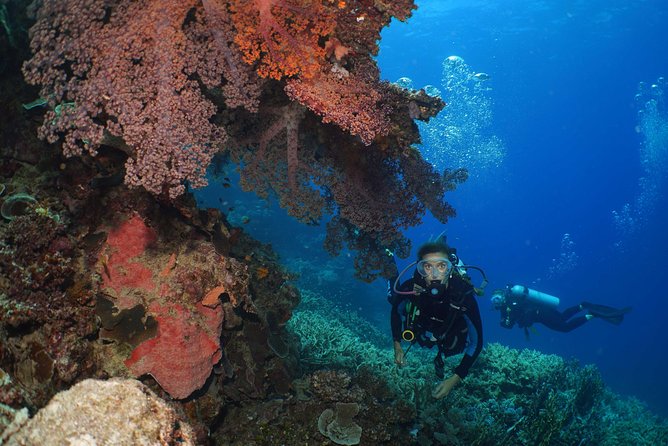
For scuba participants, the sites are built around coral gardens and marine life. You can expect a range of entry styles depending on conditions, and on many days visibility and current can vary. One guest also mentioned day-of adjustments when conditions changed, including a possible extra location if tide timing created an opening.
You can also read our reviews of more snorkeling tours in Port Douglas
What you can realistically hope to see
Based on what’s been shared by guests on this itinerary, I’d set expectations for a mix like this:
- turtles and reef sharks (including white-tip reef sharks mentioned)
- schools of reef fish and lots of coral variety
- giant clams (blue is specifically mentioned)
- reef sharks and grey sharks
- colorful reef fish such as trumpet fish and unicorn fish
- sometimes smaller creatures like sea slugs and puffers
Overcast weather can affect how “bright” the reef looks in color photos, but it doesn’t erase the marine life. You may still see a lot—fish behavior and coral textures don’t depend on sunshine alone.
Also, there’s a bonus possibility listed by the operator: you might swim in the natural habitat of seasonal dwarf minke whales. You should treat that as a hope, not a promise, but it’s a fun extra reason to go when the season lines up.
Reef interpretation talk: why it matters when you’re underwater (or hovering over coral)
This cruise doesn’t treat reef learning as a separate classroom experience. The reef interpretation talk is geared toward what you’ll see during the water time.
You’ll get environmental context about the Great Barrier Reef’s fragile ecosystem, which helps you understand why the crew keeps you moving through the right areas and why you’re encouraged to keep good buoyancy and avoid touching coral.
Then the marine biologist and guides help connect the dots. On days when you’re paying attention, you’ll spot more: the fish that hide, the coral types that look similar until someone names them, and the larger animals moving through the habitat. Guests also mention that guides keep an eye out in the water and point out interesting species you might miss on your own.
One scuba instructor named Kim got special praise from a first-time scuba guest, and another crew member named Seb was highlighted as engaging. That kind of guidance is more than friendly service—it helps you feel confident and safe, which is when you see the most.
Food, tea breaks, and being warm when you need it
This is one of the more “complete day” reef cruises because meals are built in. You’re not just getting a snack. The day includes:
- morning tea (with coffee and cake and focaccia mentioned)
- a buffet lunch (prawns are noted)
- afternoon tea
Vegetarian options are available, and you’re asked to mention it when you book.
One guest point I’d take seriously: the cabin temperature policy can make some people feel very cold. If you know you’re temperature-sensitive, bring layers that you can put on fast after you get out of the water. Also use the boat’s spaces wisely: sit where it’s comfortable between activities, and don’t wait until you feel miserable to fix it.
Seasickness and weather: what to do when the ocean has opinions
This outing requires good weather, so you’ll likely go when conditions fit safe operations. If conditions are poor, you’re offered a different date or a full refund.
That said, even on a “go” day, ocean motion can still happen. Guests describe everything from calm, perfect-visibility days to choppier rides where people felt sick. The practical takeaway is simple: plan for motion. If you know you get seasick, take your usual prevention early, and consider packing extra comfort items you’d use on any boat day (warm layer, wet-suit-friendly towel, and anything you like for nausea).
Current is another real-world factor. One guest described currents pulling in different directions. That’s not something you can control, so your best move is to stay close to the guides and follow their cues about how to swim and where to position yourself.
Price and value: is $225.93 fair for what you get?
At about $225.93 per person, this sits in the mid-to-upper range for Port Douglas reef days. The value question is: do you get enough included to justify it?
Here’s what you do get included:
- snorkelling equipment and wetsuits
- a guided snorkel tour with a marine biologist
- a reef interpretation talk
- buffet lunch plus morning and afternoon tea (with coffee and cake and focaccia noted)
- hotel pickup and drop-off for hotels in the Port Douglas area
Not included:
- drinks on board (purchase)
- photos (can be purchased separately, based on guest mentions)
When I look at the full package, the price makes more sense because it’s not only a boat ride. You’re paying for guided reef time plus marine-life instruction, and you’re getting food that keeps you going for a long day.
It’s also good value if you’re traveling with a group where some people snorkel and some do scuba sessions. You’re not paying for separate day trips.
If you’re cost-focused and only want casual snorkel time, it may feel pricey compared to self-guided alternatives. But for most people coming for the Great Barrier Reef experience from Port Douglas, the included coaching and multi-site structure is where the value comes from.
Who this suits best—and who should look elsewhere
This trip fits best if you want:
- a full-day outer reef outing instead of a short taste
- structured snorkelling with a marine biologist
- optional scuba sessions if you want to try it or you’re already certified
- meals included so you can focus on the day
I’d think twice if:
- you get cold easily on boats and don’t want to layer up for long wet intervals
- you’re extremely sensitive to motion (the ride can be rough on some days)
- you’re expecting perfectly still water and zero current everywhere
If your goal is to learn while you look—and to see more than just coral “in general”—this format is a strong match.
Should you book Poseidon for the outer Great Barrier Reef?
I’d book it if you want the classic Great Barrier Reef day, but with guidance, multiple reef stops, and the right amount of structure. The marine biologist-led snorkelling and reef talk are the difference-maker. The food and inclusions also help the day feel complete.
If you’re on the fence, use one filter: are you excited to spend hours in and out of the water, with currents and changing conditions that you can’t control? If yes, you’ll likely have a great day. If no, you may want a more sheltered option instead.
FAQ
How long is the Poseidon Outer Great Barrier Reef snorkeling and scuba cruise?
It runs for about 8 hours (approx.).
Where does the tour start, and is hotel pickup included?
You meet at Crystalbrook Superyacht Marina, 44 Wharf St, Port Douglas. Hotel pickup and drop-off are included only for hotels in the Port Douglas area.
What’s included in the price?
The tour includes morning and afternoon tea, a lunch buffet, snorkelling equipment and wetsuits, plus a guided snorkel tour with a marine biologist and a reef interpretation talk. It also includes an environmental management charge.
Can I snorkel instead of doing scuba?
Yes. You can choose snorkelling with the guided snorkel tour and interpretation talk, or you can select scuba options depending on your level.
What are the scuba age requirements?
The minimum age for the scuba option is 12 years.
Do they offer vegetarian meals?
Yes. A vegetarian option is available, and you should advise them of any dietary requirements when booking.
Is there guidance for flying after scuba sessions?
Yes. If you do only one scuba session, it’s recommended to wait at least 12 hours before flying. If you do multiple sessions, the recommendation is 24 hours.