REVIEW · PUERTO MORELOS
Puerto Morelos: Guided Snorkeling Tour with Gear & Fees
Book on GetYourGuide →Operated by Lighthouse tours · Bookable on GetYourGuide
Coral reefs, two swims, and real-time guidance. I love that snorkeling gear and park fees are handled for you, and I also love the reef-respect guidance the team enforces right in the water. One clear drawback: this tour is not suitable for non-swimmers.
In Puerto Morelos, you’ll snorkel at two different underwater locations in just 2 hours, which is a smart way to see more without making the day feel stretched. Certified guides run the show, do a safety briefing first, and share what you’re looking at as the reef comes alive below you.
The feel is practical and family-friendly in the best way: small-group energy (up to 10 people), English or Spanish guidance, and bottled water included. You’ll also want to arrive early for check-in, because getting fitted and briefed takes a few minutes and it helps everyone start calm and confident.
In This Review
- Key things that make this Puerto Morelos snorkeling tour worth your time
- Why Puerto Morelos snorkeling works so well in just 2 hours
- Meeting at Javier Rojo Gómez and getting geared up with Lighthouse tours
- First snorkel spot: coral cover, fish watching, and reef rules that matter
- Second snorkel location: a different underwater view (and a practical weather plan)
- Guides on deck: what you’ll notice about the small-group attention
- Price and value: what $35 includes (and what it doesn’t)
- Reef rules: the do’s and don’ts that protect the animals you came to see
- Who should book this tour in Puerto Morelos—and who should skip it
- Should you book this Puerto Morelos guided snorkeling tour?
- FAQ
- How long is the Puerto Morelos guided snorkeling tour?
- Is the snorkeling gear included?
- What’s included in the $35 per person price?
- Is this tour good for beginners?
- Is it suitable for non-swimmers?
- What should I bring?
- What languages do the guides speak?
- How big is the group?
- Where do I meet, and how early should I arrive?
- What is not allowed during the tour?
Key things that make this Puerto Morelos snorkeling tour worth your time
- Two reef stops in one short session so you get a change of scenery without a long day
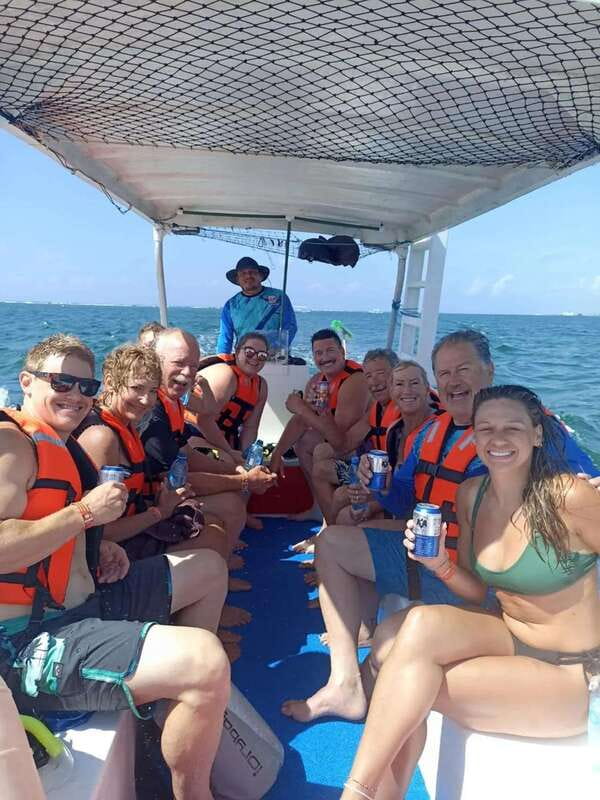
- Small group (max 10) which means less waiting and more attention when you need it
- Spotting big animals in clear water with guides who help you find eagle rays, turtles, and more
- Gear + park fee included in the $35 price so you’re not hunting for extra charges later
- Guides adjust to conditions—in colder weather, plans may shift to keep you comfortable
- Reef rules you can actually follow like no touching marine life, and no sunscreen or insect repellent
Why Puerto Morelos snorkeling works so well in just 2 hours
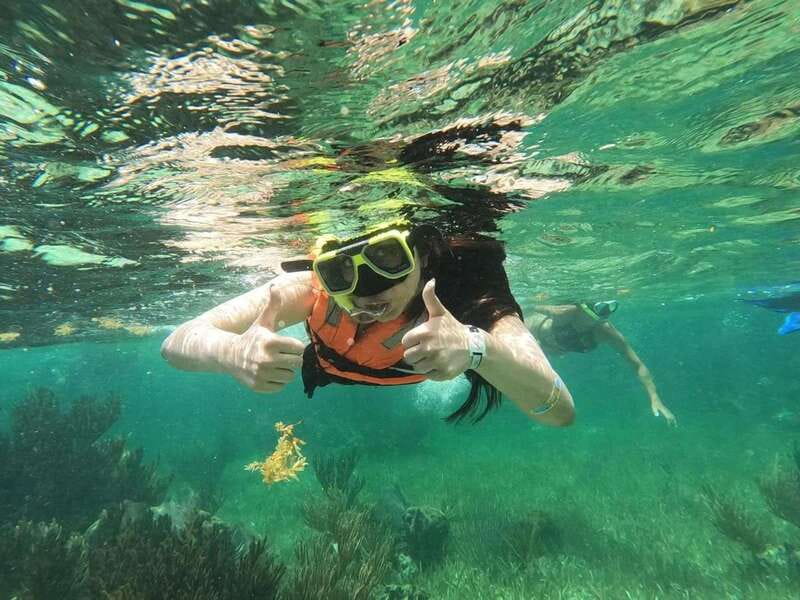
This tour hits a sweet spot: enough time on the water to see real reef life, without turning it into a half-day logistics project. The format—two snorkeling locations—matters because coral and fish behavior changes from spot to spot, even when you’re in the same general area.
I like that the experience is built for different comfort levels. The guides run things in a way that supports beginners, while still delivering plenty for people who want to watch rays, turtles, and larger fish glide by at eye level.
You’re also in good hands for safety. Everyone starts with a safety briefing, then you’re equipped with all necessary snorkeling gear before you head out. That reduces the usual “will my fit work?” stress and lets you focus on the water once you’re there.
You can also read our reviews of more tours and experiences in Puerto Morelos.
Meeting at Javier Rojo Gómez and getting geared up with Lighthouse tours
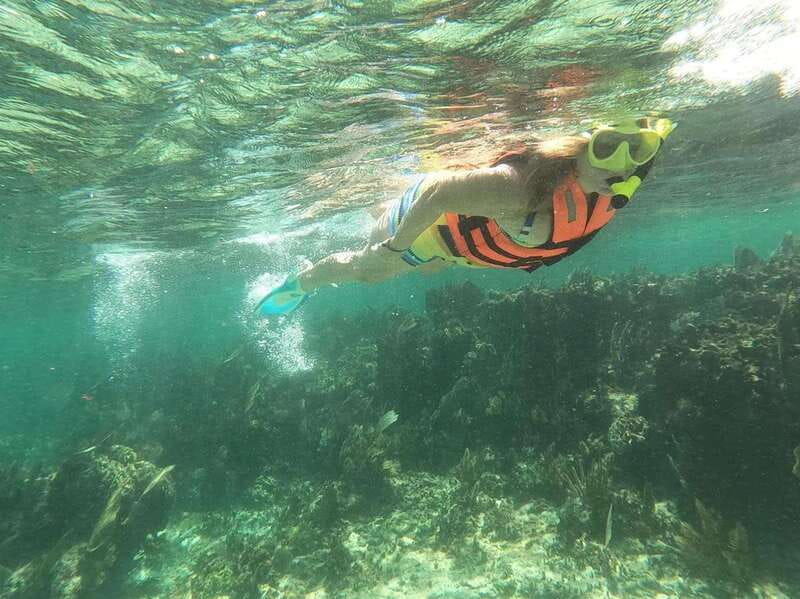
You meet at Javier Rojo Gómez, and you should plan to arrive about 15 minutes early for check-in. That little buffer makes the difference between relaxed and rushed, especially if the group is getting fitted at the same time.
You’ll connect with the Lighthouse tours team, where the welcome is efficient and friendly. The tour runs in English and Spanish, so you can pick the language that matches your comfort level and actually follow along when the guide points out what’s happening underwater.
Before any snorkeling begins, you’ll get a safety briefing from a certified guide. Expect clear instructions on how to handle your gear, how to stay safe around other snorkelers, and how to keep the reef healthy. It’s not just rules for paperwork—it’s the stuff that makes the whole experience go smoothly.
First snorkel spot: coral cover, fish watching, and reef rules that matter
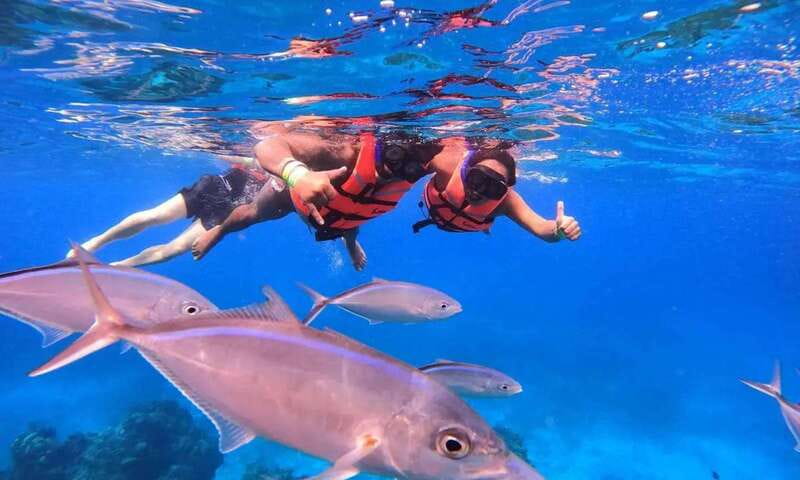
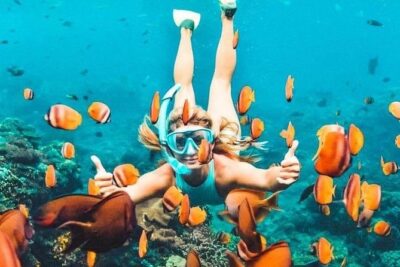
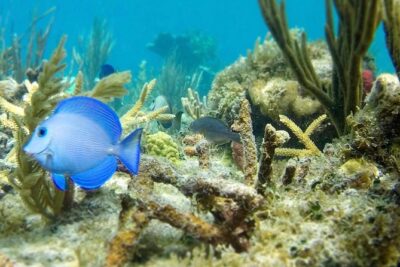
The first stop is about getting you comfortable and giving you early payoff. You’ll marvel at coral and encounter different fish species in their natural habitat, with your guide helping you notice what you’d probably miss on your own.
This is where the reef-safety approach shows up in real life. The tour does not allow touching marine life, and that matters because coral can be fragile and animals can be easily stressed. Your guide’s job isn’t just to point things out—it’s to keep everyone behaving in a way that protects what you came to see.
You can expect the guide to narrate what you’re looking at as you snorkel. In recent groups, guides were especially good at calling out larger animals—things like rays and turtles—right when people start to relax and look longer instead of just taking quick glances.
Second snorkel location: a different underwater view (and a practical weather plan)
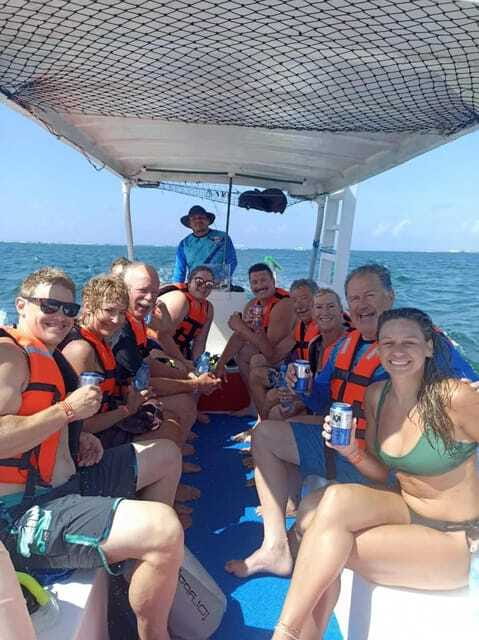
The second underwater location gives you a fresh perspective, which is the main reason this tour feels better than a single long swim. Even if the reef type is similar, fish routes and what you notice changes as the guide positions you and the water conditions shift.
One smart detail: the guides can adjust the plan based on conditions. In colder weather, a guide may recommend fewer, longer snorkel sessions rather than moving between two spots in a way that leaves you chilled during boat time. That kind of adjustment keeps the focus on staying comfortable while still getting you good time in the water.
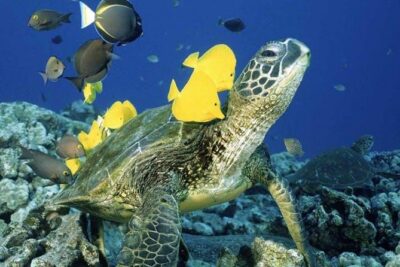
Marine life highlights you may see across the two stops include eagle rays, barracuda, nurse shark, angel fish, king rays, turtles, squids, lobsters, stingrays, and schools of colorful fish. You should treat that as a menu, not a guarantee—reef life moves, and visibility changes—but it’s a strong sign the guide knows where to look and how to help you see it.
Guides on deck: what you’ll notice about the small-group attention
The small group size—up to 10 participants—is more than a nice detail. It affects how the tour feels when you’re in the water. Fewer people means less crowding, more spacing, and a better chance that a guide can check your comfort level without rushing everyone else.
In recent departures, guides stood out for energy and clarity. You might meet guides such as Greg or Craig, and others like Luis, Renzo, or Dave have led groups as well. What they share is the same mission: make the reef understandable, and keep snorkelers safe without treating anyone like a number.
Guides also encourage respect for the reef and its inhabitants. You’ll feel it in the way they handle movement around other snorkelers and in the way they talk about what not to do—especially around touching animals or the reef structure.
Even the boat side runs professionally. Captains help manage safety and timing so you get enough water time for real viewing, without the tour dragging. In short: you’re guided, but you’re not herded.
Price and value: what $35 includes (and what it doesn’t)
At $35 per person for a 2-hour guided snorkel tour, the value comes from what’s bundled. You get snorkeling gear, a certified guide, the park fee, and bottled water. That’s a big deal in Mexico reef areas, where entrance and gear costs can otherwise sneak in as add-ons.
What you should budget for separately:
- Meals and beverages
- Personal expenses
- Transportation to the meeting point (getting to Javier Rojo Gómez is on you)
For me, the strongest value signal is the inclusion of the park fee plus gear. You’re paying for the full service needed to snorkel, not just the guide’s time.
If you’re trying to keep costs reasonable while still aiming for a quality reef experience, this is one of the easier numbers to justify—especially because the tour packs in two snorkeling locations in a tight time window.
Reef rules: the do’s and don’ts that protect the animals you came to see
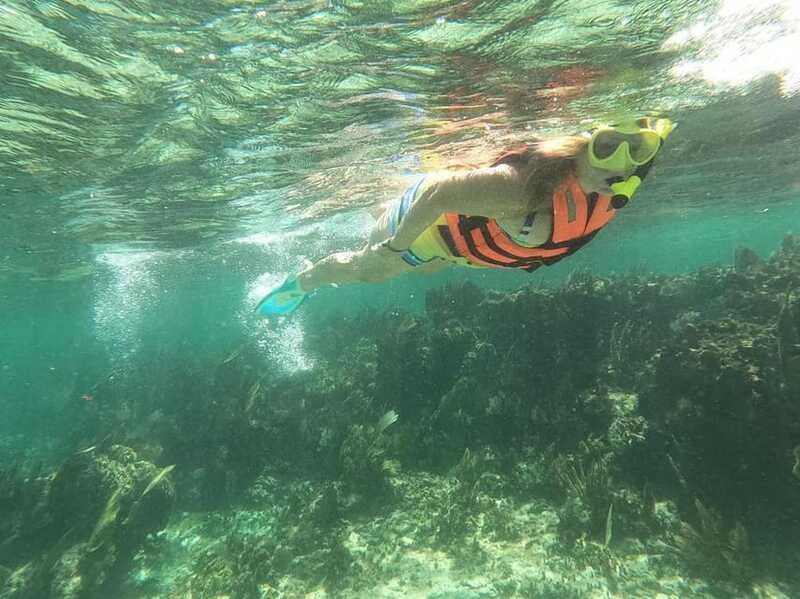
This tour has clear behavior rules. You’ll need to follow them closely, and the guide will expect you to.
Not allowed:
- Intoxication
- Littering
- Touching marine life
- Sunscreen
- Insect repellent
That last pair is important. Since sunscreen and insect repellent aren’t allowed, plan your skin protection in other ways. A hat, a cover-up shirt, and water-ready clothing can help you stay comfortable without breaking the rules.
Also, pack to avoid last-minute stress. The tour info specifically asks you to bring a swimsuit and towel. If you’re sensitive to cold, remember you’ll be on a boat between stops, and water temperatures plus wind can feel colder than you expect—especially on overcast or rainy days.
The no-touch rule is the big one for reef health. You’ll see how quickly animals react when people crowd or reach. Staying hands-off keeps you safer too.
Who should book this tour in Puerto Morelos—and who should skip it
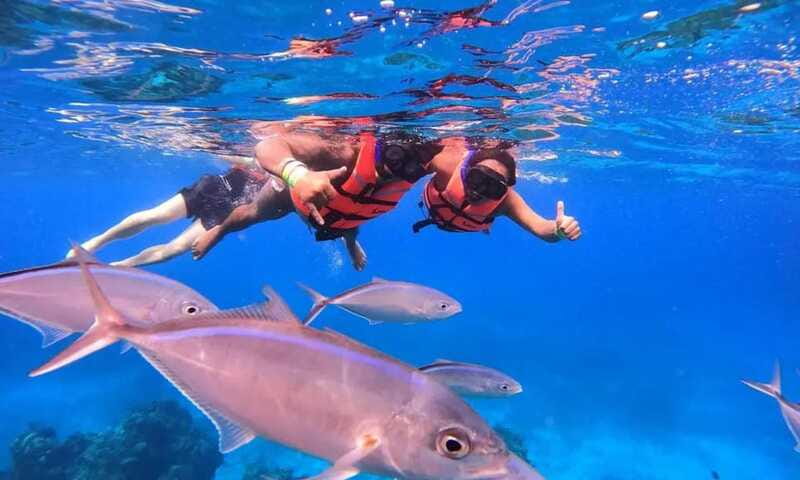
This snorkel tour fits best if you want a guided reef experience that’s efficient, organized, and not overly complicated. It’s described as suitable for all skill levels, but there’s one non-negotiable point: it’s not suitable for non-swimmers.
It’s also a good pick if you like the small-group vibe. If your priority is actually seeing animals and getting help reading what you’re looking at, the max-10 format is a real advantage.
Consider skipping if you’re uncomfortable being in open water without the ability to swim. Also, if you’re planning to rely on sunscreen or insect repellent, you’ll need to rethink your approach since those are not allowed.
Should you book this Puerto Morelos guided snorkeling tour?
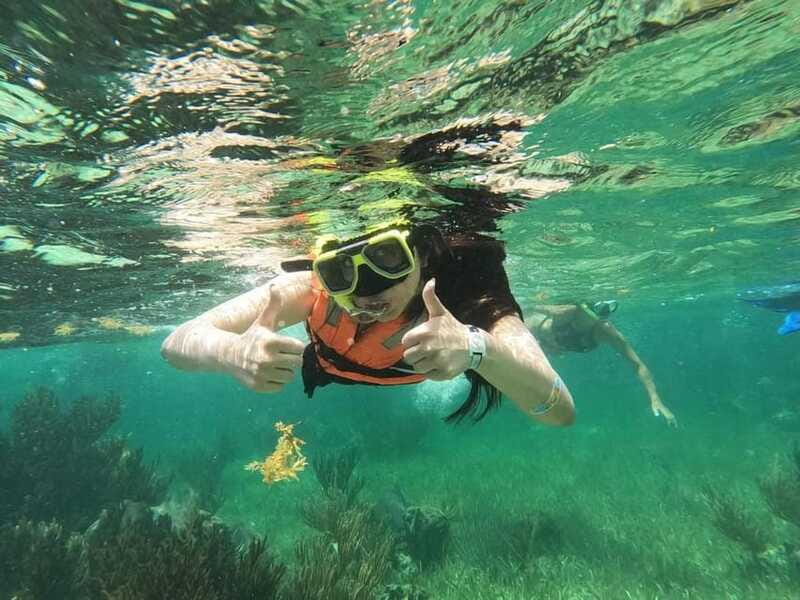
Yes—if your goal is a guided, gear-included snorkeling outing that shows you more than one reef spot in a compact 2-hour window, this is a strong option. The best reason to book is the combination of small-group attention plus practical safety and reef rules, which makes the experience smoother for beginners and still rewarding for experienced snorkelers.
Book it if you want a chance at seeing larger reef life like rays and turtles, and if you’re ready to follow reef protection rules (no touching, no sunscreen, no insect repellent). Skip it only if you’re not comfortable swimming, or if you need a meal included or you’re relying on personal sun/bug products that aren’t permitted here.
FAQ
How long is the Puerto Morelos guided snorkeling tour?
The tour runs for 2 hours total, with time for a safety briefing, getting equipped, snorkeling at two locations, and returning back to the meeting point.
Is the snorkeling gear included?
Yes. The tour includes snorkeling gear, along with a certified guide and the park fee.
What’s included in the $35 per person price?
The price includes snorkeling gear, the park fee, a certified guide, and bottled water.
Is this tour good for beginners?
It’s designed to be suitable for all skill levels, as long as you meet the swimming requirement and follow the safety instructions from the guide.
Is it suitable for non-swimmers?
No. The tour is not suitable for non-swimmers.
What should I bring?
Bring a swimsuit and a towel. Also plan around the rules that sunscreen and insect repellent are not allowed.
What languages do the guides speak?
The live tour guide speaks English and Spanish.
How big is the group?
It’s a small group limited to 10 participants.
Where do I meet, and how early should I arrive?
You meet at Javier Rojo Gómez. Arrive about 15 minutes early for check-in.
What is not allowed during the tour?
The tour does not allow intoxication, littering, touching marine life, sunscreen, or insect repellent.
If you want, tell me your swimming comfort level and whether you’re traveling in cooler weather, and I’ll help you decide what clothing to pack (especially since sunscreen and insect repellent aren’t allowed).