REVIEW · MAUI
Sea Scooter Snorkeling Guided Tour – Wailea Beach
Book on GetYourGuide →Operated by My Splash Snorkeling · Bookable on GetYourGuide
If you think snorkeling is only for the strong swimmers, this changes that. Sea scooter snorkeling off Wailea Beach lets you cover more reef in less effort, with guides helping you work the scooter and point out marine life like green sea turtles.
What I love most is the small-group feel (2–10 people) and how the instruction sets you up fast, so you’re not fighting your way through waves just to reach the good water. Second, I really like that the tour focuses on actual reef habitat close to where you’ll be swimming—think turtle spotting, plus fish, eels, octopuses, rays, and starfish.
The main drawback to consider: it’s not for brand-new snorkelers. You’re expected to have prior snorkeling and swimming experience, and the tour isn’t recommended if you have limited mobility or can’t confidently tread ocean water.
In This Review
- Key things to know before you go
- Sea Scooter Snorkeling at Wailea Beach: the practical pitch
- Your day, step-by-step: what happens before and during the water time
- Stop 1: Public parking at Wailea Beach access
- Stop 2: Wailea Beach briefing and scooter lesson (about 20 minutes)
- Stop 3: The reef session (about 70 minutes)
- Stop 4: Back to the Wailea Beach access point
- What you’ll see under the water (and why the scooter helps)
- The guides: the human part that makes this feel smooth
- Included gear vs. what you’ll bring
- Price and value at $149: what you get for your money
- Who should book this (and who should pick a different Maui snorkeling option)
- Should you book Sea Scooter Snorkeling at Wailea Beach?
- FAQ
- How long is the Sea Scooter Snorkeling guided tour?
- Where do I meet for the Wailea Beach sea scooter tour?
- Is hotel pickup included?
- What snorkeling gear is included?
- Do I need prior snorkeling or swimming experience?
- What is the age and weight limit?
Key things to know before you go
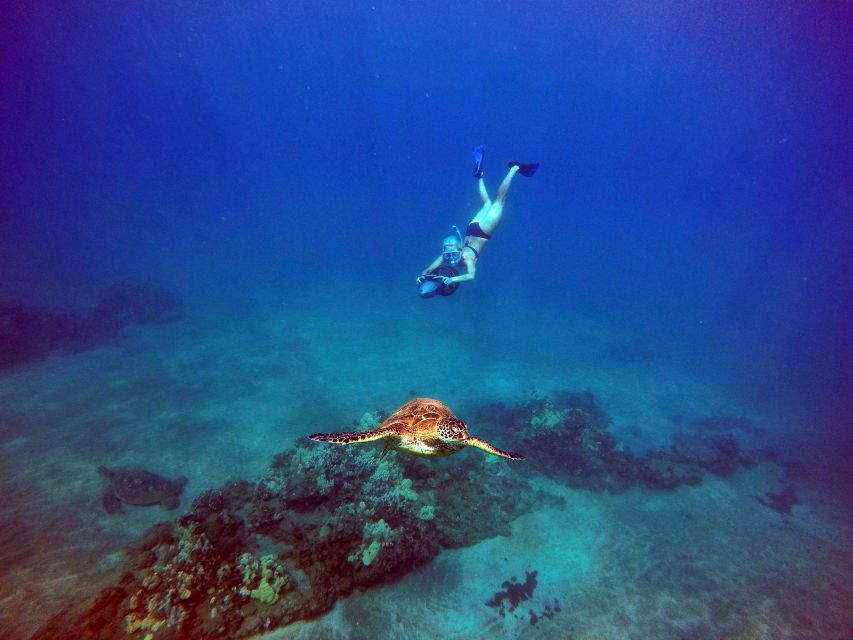
- Sea scooters help you travel farther without the usual snorkeling fatigue.
- Wailea reef habitat is the target, with guides scanning for turtles and other reef residents.
- Small group size (max 10) keeps it more personal than big-tour chaos.
- Safety briefing + hands-on demo first, then you move to the water for the main snorkeling session.
- You might see more than turtles, including eels, rays, octopuses, and even manta rays on some tours.
- A wind interruption is possible, since the experience depends on conditions at the beach.
Sea Scooter Snorkeling at Wailea Beach: the practical pitch
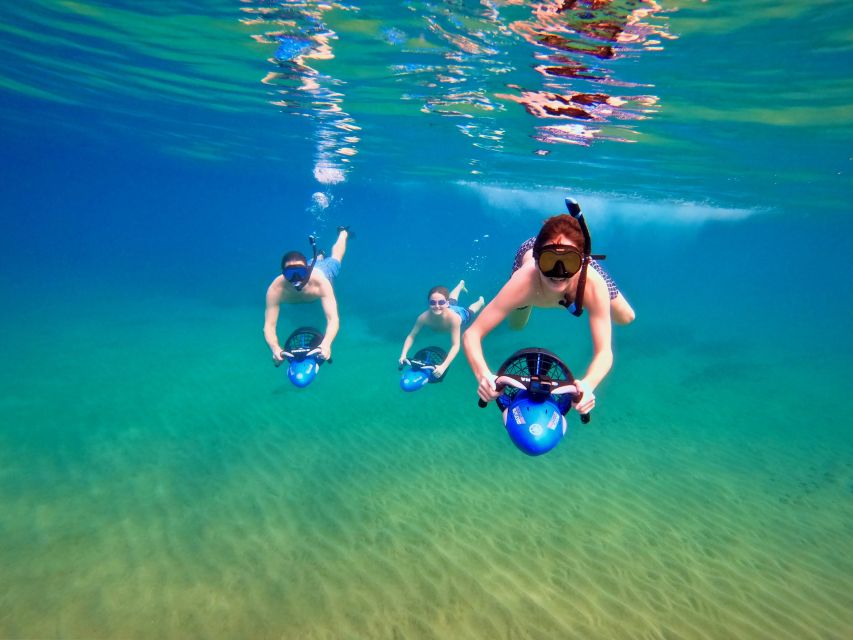
On Maui, snorkeling can be either a relaxing floating day—or a workout day with choppy returns and sore shoulders. This sea scooter format aims straight at the in-between problem: you want to see turtles and reef life without exhausting yourself before the fun starts.
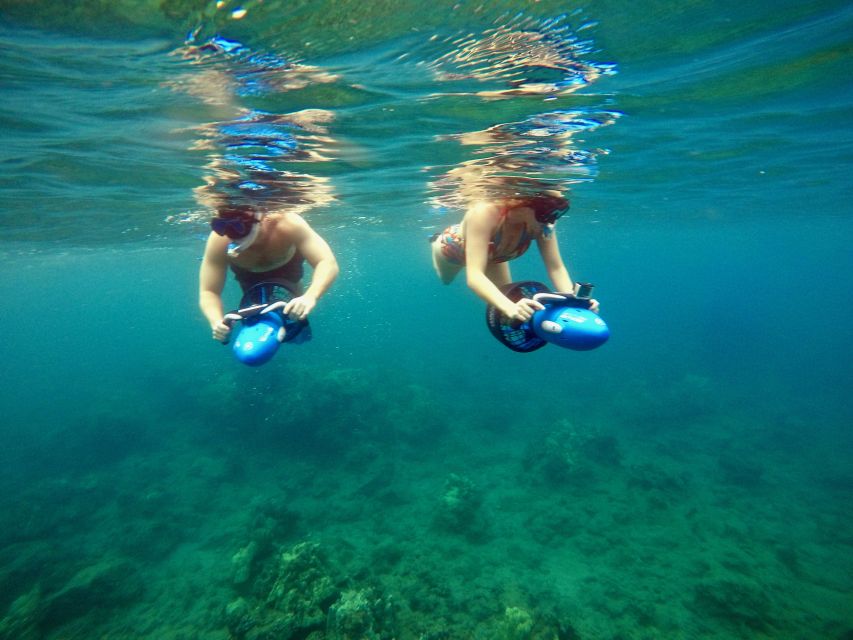
The idea is simple. After a short lesson, you’ll use an underwater scooter to move faster and farther than you would with just fin kicks. That matters here because the tour focuses on local reef areas in and around Wailea Beach (including the bay area often discussed as Turtle Town). When you can reach the reef confidently and stay there longer, spotting marine life becomes much more realistic.
You also get something I think is underrated: a guided “spotting and aiming” approach. The guide isn’t just watching you swim; they’re pointing out species you might otherwise miss, and they help you pace your route so you’re not wandering past the good parts.
One more value point: the tour is positioned as remote from the crowds. That doesn’t mean you’re completely alone, but it does mean less time sharing water with a parade.
You can also read our reviews of more guided tours in Maui


Your day, step-by-step: what happens before and during the water time
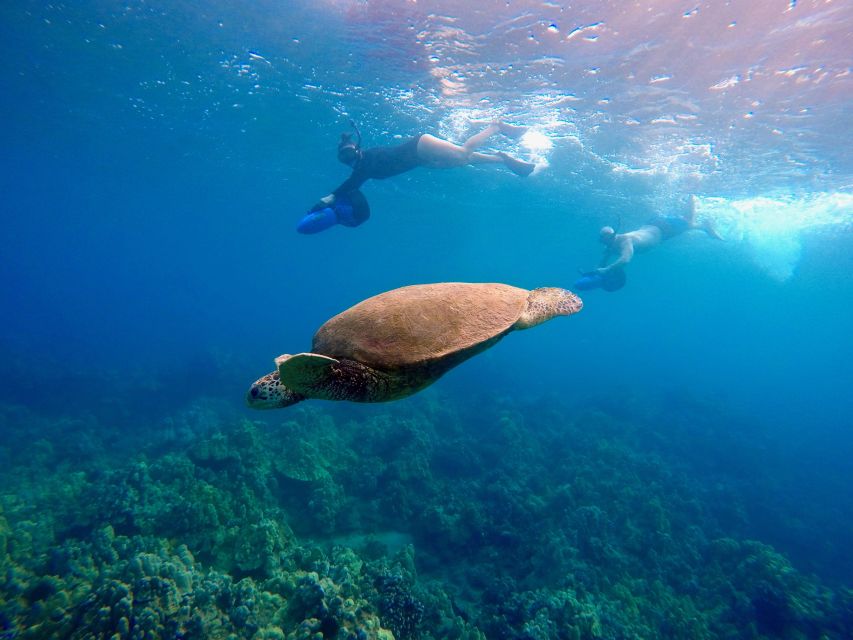
This tour is built around a tight plan: short classroom-style basics, then the main guided snorkeling session, then back to shore.
Stop 1: Public parking at Wailea Beach access
You meet at a public beach entrance with a free parking lot, restrooms, and freshwater showers. If you’ve ever finished snorkeling and instantly regretted not finding a rinse option, this is a small detail that can make your post-tour life easier.
You’ll also want to be ready for last-minute adjustments. The provider encourages you to stay in touch, including the day before and early morning, since ocean and wind conditions can change plans.
Why it matters for you: arriving with sunscreen on and a light bag setup (water, towel, dry clothes) keeps the start stress-free. And if the wind affects timing, being at the correct beach entrance on time helps you shift with less hassle.
Stop 2: Wailea Beach briefing and scooter lesson (about 20 minutes)
This is your setup phase. You’ll get a class and safety briefing, plus a demonstration of how to operate the scooter. The lesson is important because this tour depends on control. A scooter makes snorkeling easier, but only if you can handle it calmly—smooth starts, stable body position, and knowing what the guide is looking for.
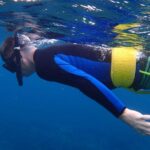
You’ll also learn how to use the gear that’s provided (mask, snorkel, fins, wetsuit top). Reviews repeatedly highlight how quickly guides get people comfortable, including families and mixed-skill groups.
Potential drawback here: if you haven’t snorkeled before, this is where you may feel rushed or out of sync. The tour data is clear that you should already have snorkeling and swimming experience.
Stop 3: The reef session (about 70 minutes)
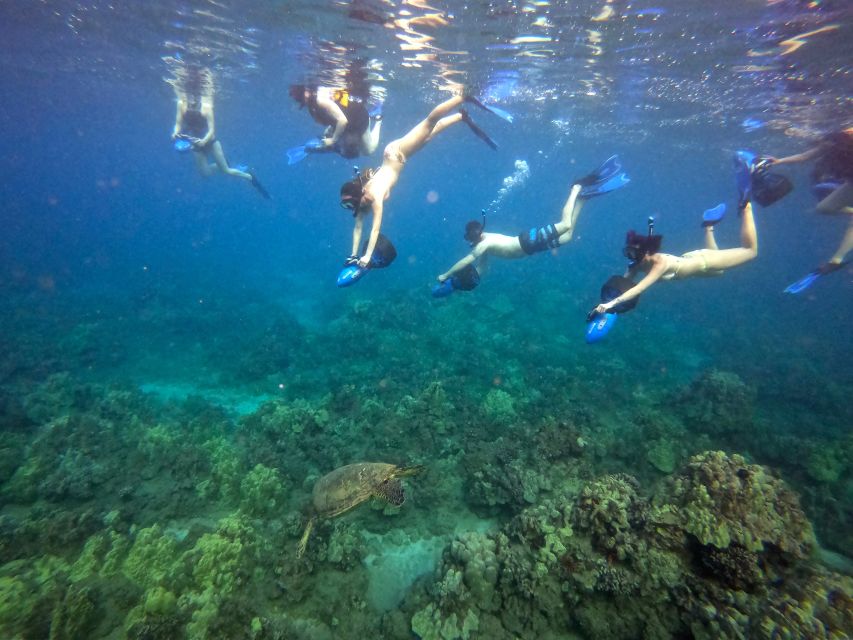
This is the main event. After the lesson, your group moves to one of the best local reef areas and you snorkel while using the underwater sea scooter.
Here’s what you’re realistically aiming for:
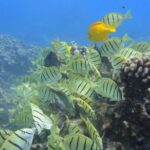
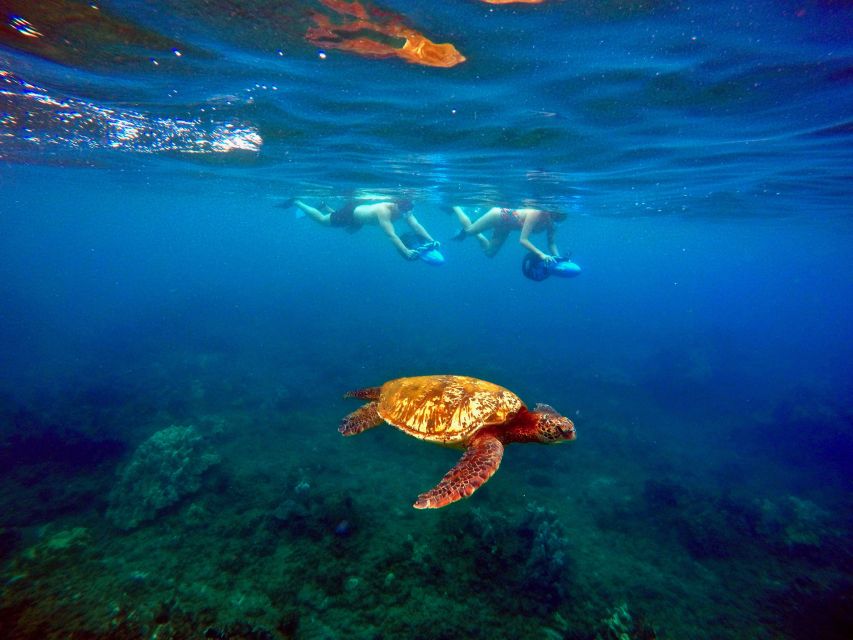
- Hawaiian green sea turtles (a major highlight)
- Starfish, butterflyfish
- Octopuses
- Rays and eels (eels show up in multiple experiences)
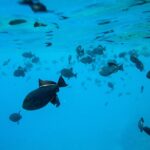
- Lots of additional reef fish and coral habitat
Your guide will point out different species you can see around the bay area of Wailea Beach, including the Turtle Town zone and nearby reefs. They also note that each trip is unique, meaning your exact “hit list” of marine life can vary.
A detail I appreciate: the tour is described as exploring a remote area far from crowds, which helps reduce the constant interruption factor you often get when you’re snorkeling in busy spots.
What can change: wind can cut the experience short. One review mentioned the trip being shortened due to wind, and that wasn’t the staff’s fault. You’re dealing with ocean reality, not a theme park schedule.
You can also read our reviews of more snorkeling tours in Maui


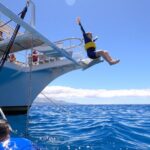

Stop 4: Back to the Wailea Beach access point
You finish where you started: the public parking/meeting area. Because you’ll likely be in swimwear and gear most of the time, the fresh-water shower access at the meeting point is more useful than it sounds.
What you’ll see under the water (and why the scooter helps)
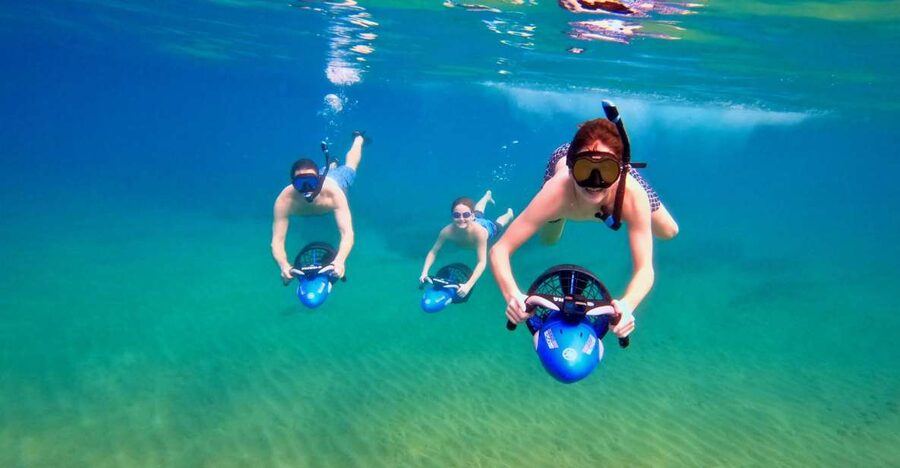
The reef around Wailea is the “main character” here. With a scooter, you can spend less time working against fatigue and more time getting into steady viewing range.
Why scooters are a big deal: classic snorkel trips can turn into a constant fin-fight. Even for solid swimmers, long surface efforts and currents can make you miss the best viewing moments. With an underwater scooter, you can glide and stay oriented, which increases the odds that you’ll actually notice the smaller stuff too—like eel shape changes between rocks, or the way turtles cruise rather than “pose.”
Also, your guide’s role is not just safety. They’re there to help you spot marine life. The tour highlights include pointing out species around the bay of Wailea Beach and Turtle Town, and that guided scanning tends to be where the big “wow” moments happen.
Manta rays are possible on any tour, but not promised. That’s a good way to think about it: your baseline is turtles and reef fish, and your “bonus” might include bigger movers like rays.
The guides: the human part that makes this feel smooth
This kind of tour lives or dies by instruction. The best experiences share one trait: you quickly understand what to do, then you can relax.
Across the guide names mentioned in experiences—Seth, Allie Lynn, Triston, Amy, Dave (spelled as Dave Chapelle in one note), Tim, Yuule, and Juca—one pattern shows up: people felt safe, supported, and not rushed. That’s exactly what you want in a guided water activity.
A few specific examples that help you set expectations:
- People repeatedly note that learning the scooter is easy, described as a breeze.
- Guides adjust for different comfort levels, including making accommodations within the activity flow when needed.
- Staff communication before the tour is highlighted as strong, which matters if you’re checking in about timing due to conditions.
My takeaway for you: this is a good tour if you want guidance that’s proactive, not just “here’s your gear, good luck.”
Included gear vs. what you’ll bring
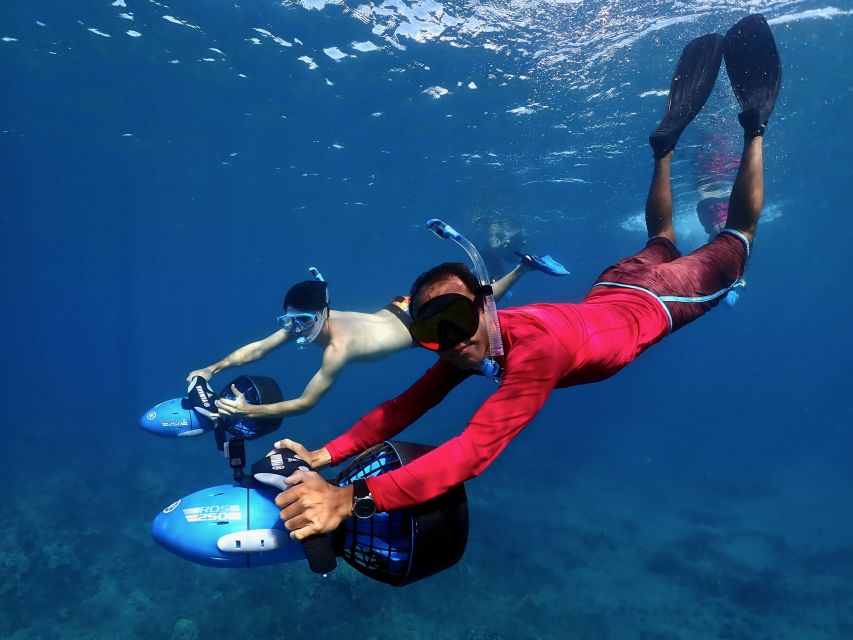
The tour includes the essentials for scooter snorkeling:
- Underwater sea scooter
- Mask
- Snorkel
- Fins
- Wetsuit top
- Life jacket (optional)
You’ll still need to bring your personal basics:
- Swimwear
- Sunscreen
- Water
Why this matters for value: paying $149 per person (for about 1.5 hours) isn’t mainly about the boat or transportation here—there’s no hotel pickup listed. The value comes from the equipment and the trained guiding during the reef time. If you’ve already got your own mask and fins, it doesn’t fully change the economics, because the scooter itself and the guided reef route are the core “product.”
Price and value at $149: what you get for your money
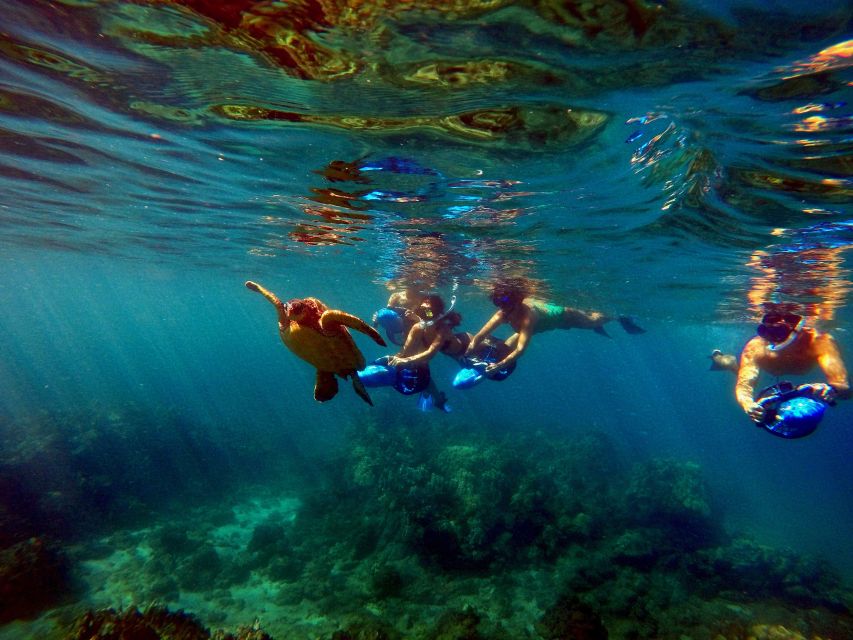
Let’s break it down in plain terms. You’re paying for:
- Professional instruction on scooter use and water safety
- Two certified tour guides working with a small group (max 10)
- A guided snorkeling window that lasts long enough to actually see reef life
- Provided equipment, including the scooter setup and wetsuit top
This price point makes sense if you compare it to typical Maui snorkeling that either:
- doesn’t help you cover reef effectively, or
- requires more physical effort for the same viewing time, or
- runs in larger groups where you spend part of your “snorkel time” dodging other people.
Also, the private/less-crowded positioning adds value. Fewer swimmers typically means calmer water and more uninterrupted viewing—especially around turtle activity.
Where it may feel less worthwhile: if you already know you can snorkel comfortably for long stretches without fatigue and you don’t care about a guided reef route. In that case, you might prefer a more casual self-guided option. But if turtles and reef viewing are the goal, the scooter format is built to get you there with less struggle.
Who should book this (and who should pick a different Maui snorkeling option)
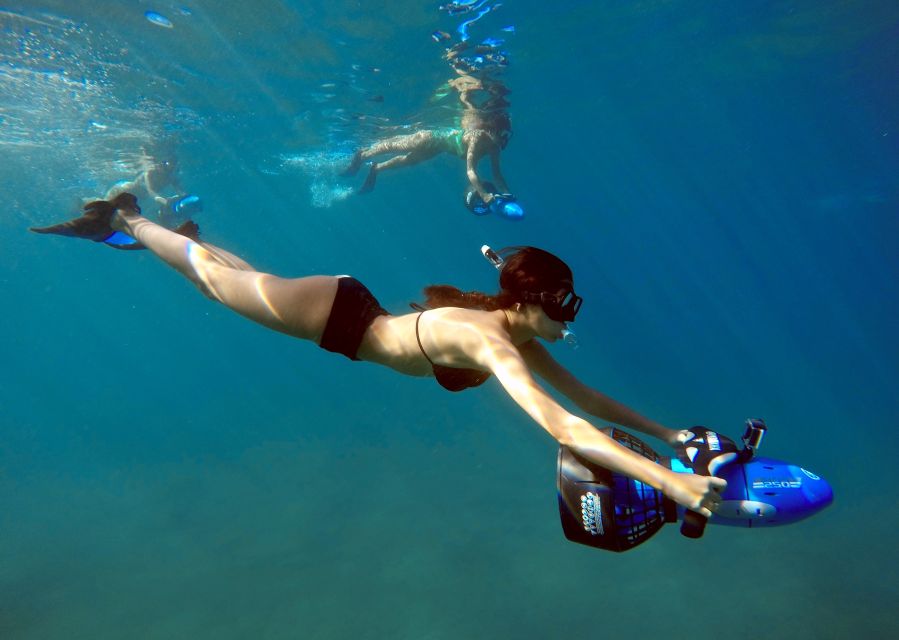
This is a strong match for:
- You want to see green sea turtles and reef fish without turning snorkeling into a workout
- You’re comfortable in the ocean and can tread water confidently
- You’ve snorkeled or swum in open water before and can follow instructions
- You like small-group experiences with real guide attention
You might want to choose another option if:
- You’re a first-time snorkeler. The tour data is clear: this isn’t recommended without prior snorkeling and swimming experience.
- You have limited mobility or need wheelchair-friendly access. The tour isn’t suitable for that.
- You’re outside the stated age and weight limits (ages 8 to 55, max 270 lbs / 122 kg).
If you’re traveling as a family: the experience is described as working well for kids around 8–12 in some accounts, with guides staying patient and attentive. Still, the “prior snorkeling and swimming experience” requirement is real, so set up for comfort rather than hope.
Should you book Sea Scooter Snorkeling at Wailea Beach?
If your Maui “must do” is reef snorkeling with a good chance of seeing turtles, this tour is a smart buy. The biggest reasons: the scooter helps you actually stay with the reef longer, the group stays small, and the guides focus on spotting marine life while keeping things safe and smooth.
I’d skip it if you’re new to snorkeling or if ocean comfort isn’t there yet. The tour’s whole design assumes you can already swim/snorkel with some confidence.
If that “ocean confidence” box is checked, I’d say go for it—especially if you’re hoping to trade long, tiring fin sessions for more calm viewing time over Wailea’s reef.
FAQ
How long is the Sea Scooter Snorkeling guided tour?
The experience lasts about 1.5 hours. Specific starting times vary, so you should check availability.
Where do I meet for the Wailea Beach sea scooter tour?
You meet at a public beach entrance with a free parking lot, restrooms, and freshwater showers for rinsing off.
Is hotel pickup included?
No. Hotel pickup and drop-off are not included, so you’ll get yourself to the meeting point.
What snorkeling gear is included?
The tour includes the underwater sea scooter, mask, snorkel, fins, and a wetsuit top. A life jacket is optional.
Do I need prior snorkeling or swimming experience?
Yes. The tour is not recommended if you lack prior snorkeling and swimming experience. You should be comfortable treading ocean water.
What is the age and weight limit?
The tour lists an age range of 8 to 55 years old and a maximum weight limit of 270 lbs (122 kg). It’s also not suitable for people with limited mobility or wheelchair users.