REVIEW · HONOLULU
Waikiki Beach: Turtle Snorkeling and Sailing on Hāwea
Book on GetYourGuide →Operated by Waikiki Sailing Company · Bookable on GetYourGuide
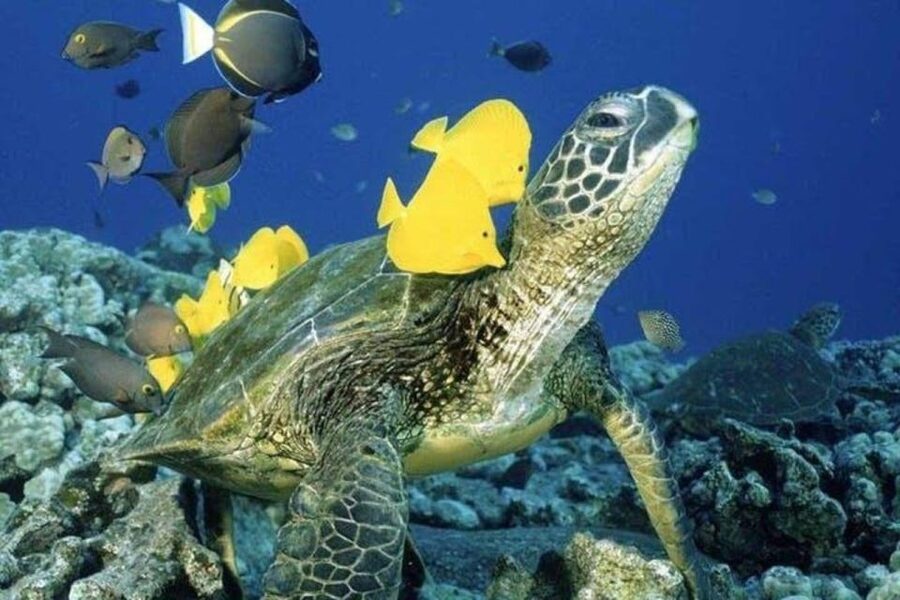
Turtles have a cleaning station off Waikiki. This tour takes you on the Hāwea catamaran to Turtle Canyon, where you snorkel in sea turtle territory and get a front-row view of Hawaiian ocean life. Expect green sea turtles, plus plenty of other reef critters like octopuses and colorful fish.
I like two things a lot. First, you’re not just paying for a snorkel spot; you’re paying for guides who know where to look, including a crew spotter aimed at helping you actually see turtles. Second, the whole outing is built as a mix of water time and relaxed sailing, so you’re not worn out by the end.
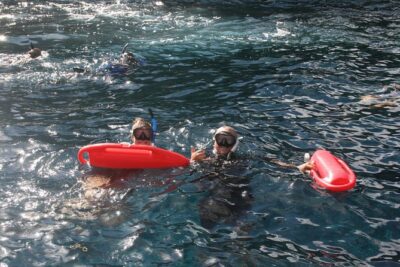
One heads-up: this trip is for people who can swim, and you’ll be required to wear a flotation life belt in the water. If you’re a confident swimmer who can handle open water, great. If you’re nervous in the ocean or hate being “anchored” by safety gear, it may feel more restrictive than you want.
In This Review
- Key things I’d watch for
- Meeting Duke Kahanamoku style: where the catamaran time starts
- The real value of the $85 price: a 2.5-hour reef day with real safety support
- Boarding the Hāwea: catamaran comfort that actually helps in chop
- Sail to Turtle Canyon: how the trip sets up your snorkel moment
- Snorkeling Turtle Canyon: seeing turtles like you mean it
- Managing crowds and timing in the same water
- The flotation life belt: helpful safety, not always your preferred style
- After snorkeling: relaxing back on the Hawea and scanning for wildlife
- What to bring so the day feels easy (not annoying)
- Who this tour fits best (and who should skip it)
- Tips to boost your chances of a turtle encounter
- Should you book Waikiki Turtle Snorkeling and Sailing on Hāwea?
- FAQ
- Where do I meet the Hāwea catamaran?
- How long is the tour?
- Do I need to know how to swim?
- What snorkeling gear is included?
- Is the life belt mandatory?
- What should I bring?
- What if high tide makes the shoreline rough?
- Is instruction available in English, and is free cancellation offered?
Key things I’d watch for
- Turtle Canyon cleaning station: the whole focus is on real sea turtle behavior, not random sightings.
- Crew spotter strategy: the guides are actively helping you line up turtle views.
- Snorkeling gear plus life belt: you get the essentials, but you must wear the flotation support.
- Beachfront departure near Duke Kahanamoku: easy on foot from Waikiki hotels.
- Catamaran comfort: lots of space to relax between snorkeling rounds.
- Open-water requirement: you’ll need to swim, even though the vibe stays friendly.
Meeting Duke Kahanamoku style: where the catamaran time starts
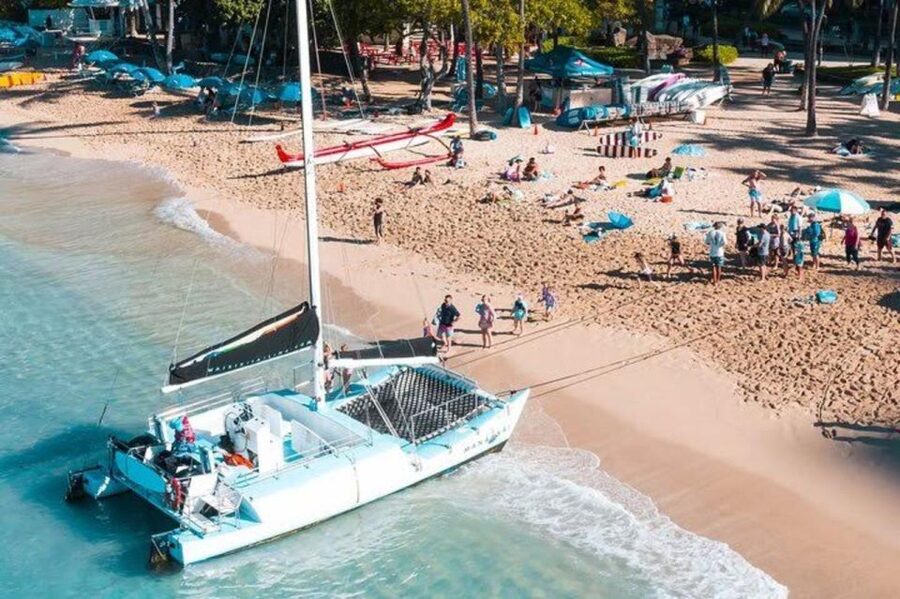
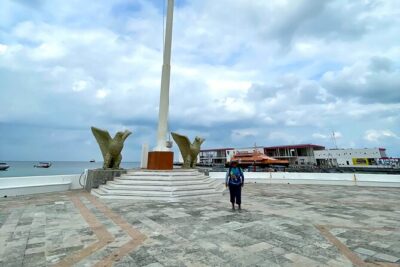
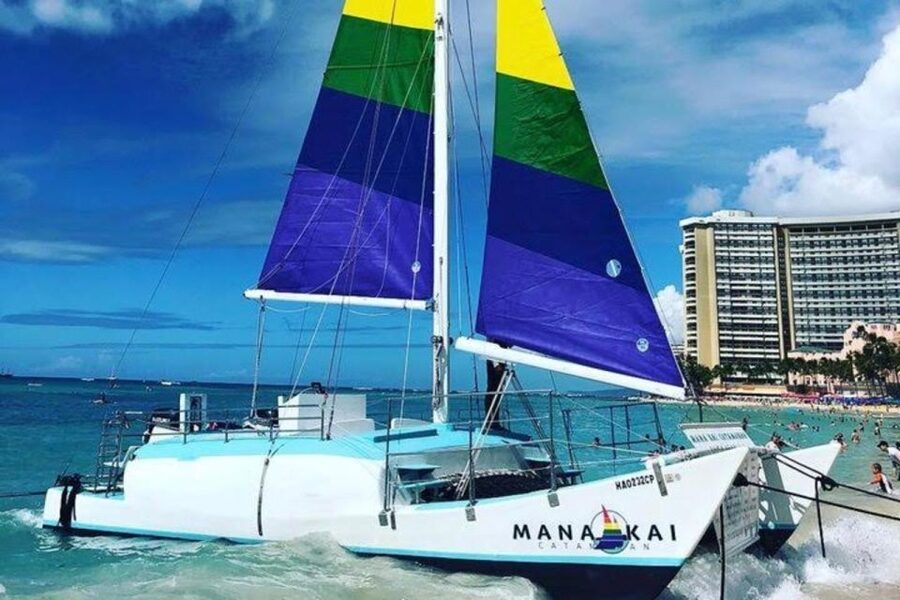
The experience kicks off right where Waikiki tourists already love to be: by the Duke Kahanamoku statue. The boat is set up directly behind the statue, on the beachfront side of the Hyatt Regency Waikiki (2424 Kalakaua Ave). There’s no check-in booth. You basically walk down to the shoreline and find the boat—crew handles you at the water.
This matters more than it sounds. When boarding is smooth and simple, you spend less time herding bags and more time settling into a calm ocean mindset. Also, it’s easy to pair with other Waikiki plans that day since you’re starting near a major landmark, not a distant marina.
One more practical note: during summer months, high tide can create a rough shorebreak. If conditions call for it, the departure may shift to Kewalo Basin Harbor, Pier A24. If that happens, the crew will reach out the day of your tour. They also avoid using the shoreline boarding ladder for safety, moving to the pier instead.
You can also read our reviews of more boat tours in Honolulu
The real value of the $85 price: a 2.5-hour reef day with real safety support
At about $85 per person for roughly 2.5 hours, you’re paying for a guided catamaran ride plus snorkeling gear, not just a ticket to jump in the ocean. The included setup is solid: mask, snorkel, fins, and a flotation life belt. That removes a bunch of the hassle you’d otherwise handle on your own.
You’re also paying for effort and attention once you’re on the water. The best turtle encounters usually don’t come from luck. On this trip, the guides work the water for sightings and help you get into the right spot at the right time—especially around Turtle Canyon, where the turtles come to “clean.”
For a quick Waikiki half-day, it’s a pretty efficient way to do the hard part (the boat + the right area) while still leaving you time to explore shore after.
Boarding the Hāwea: catamaran comfort that actually helps in chop
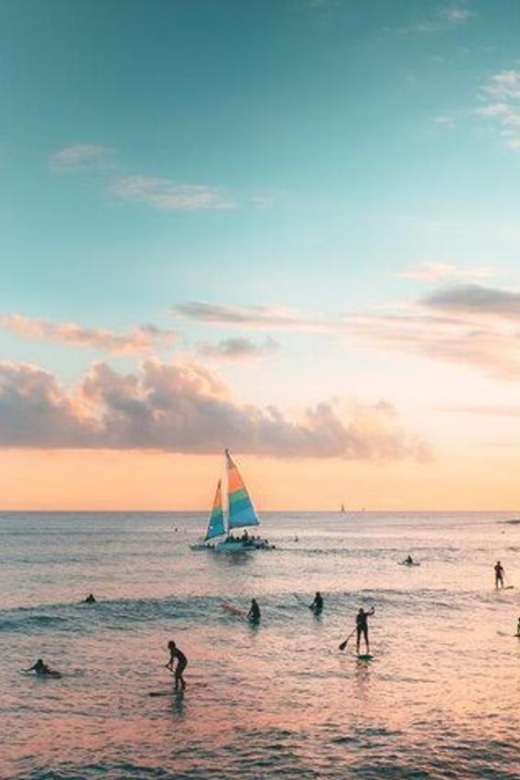
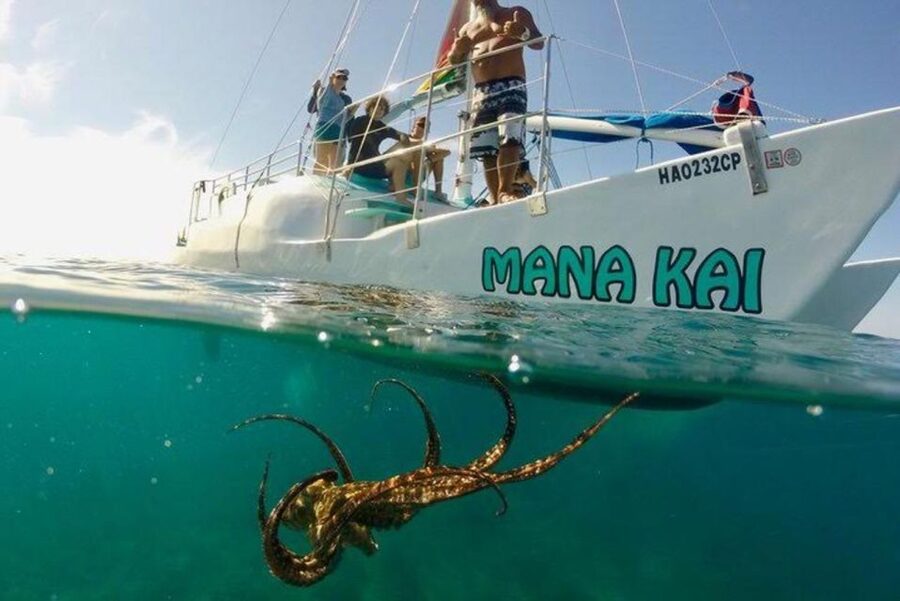
Once you’re aboard the Hāwea, the mood is casual and easy. This is one of those tours where the boat feels designed for comfort more than just transportation. Multiple guests specifically praised the boat’s condition and comfort details, including non-slip surfaces and a stable feel when you’re moving around.
That comfort pays off because you’re going to be doing two things: watching from the waterline and then going in for snorkeling. When the boat is stable and not slippery, you waste less energy worrying about footing.
Also, you’re not just dropped off and forgotten. The crew checks in and helps people who need reassurance, including those who feel anxious in the water or get sea-sick. That kind of support is huge if you’re bringing a mixed group where not everyone feels equally confident about open water.
And yes, sailing itself is part of the product. Guests often mention the cruise back as a relaxed stretch where you can watch the coastline and scan for wildlife before you’re done for the day.
Sail to Turtle Canyon: how the trip sets up your snorkel moment
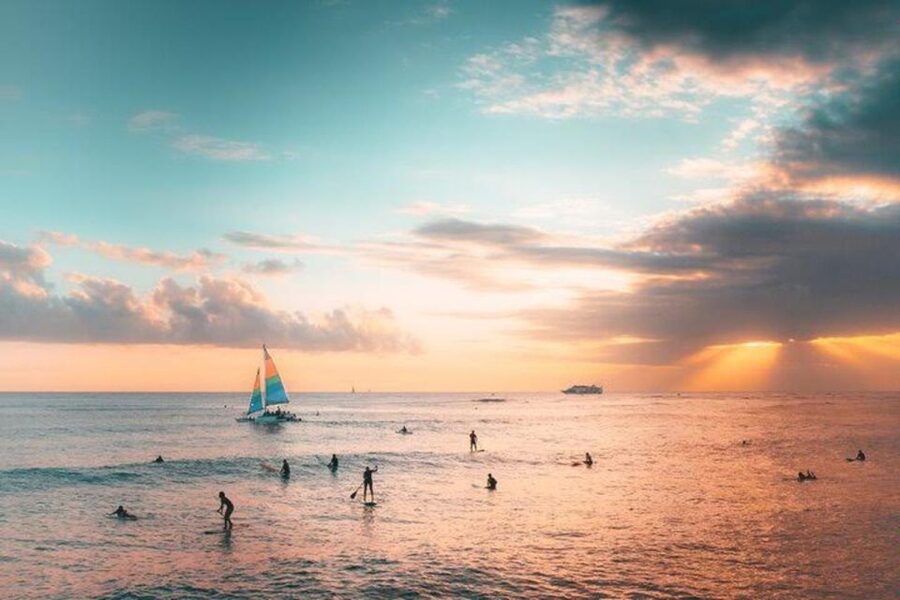
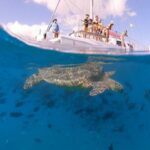
After boarding, you cruise out toward the Turtle Canyon area. This is where the catamaran format pays dividends. You can start Waikiki-adjacent, then get out far enough to make the snorkeling feel like an actual ocean excursion instead of a quick swim off a crowded dock.
This also changes your perspective. From the boat, you’re watching the water surface and keeping an eye out for movement. That’s not “waiting around.” It’s part of the experience—especially because turtles and other marine life can appear quickly.
The crew’s guidance helps you stay oriented while you sail. Then, when it’s time to gear up, you’re not scrambling. You already understand where you are and what the next step looks like.
Snorkeling Turtle Canyon: seeing turtles like you mean it
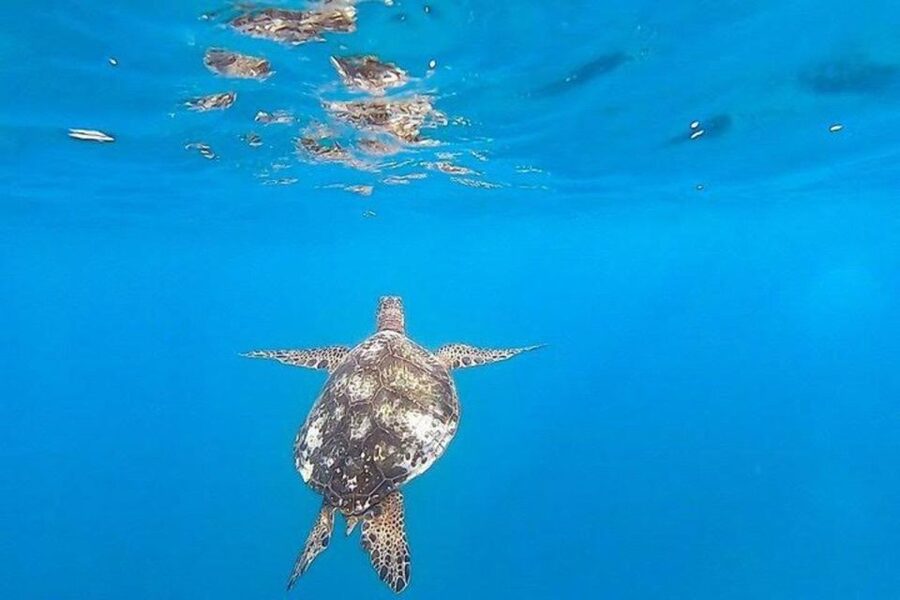
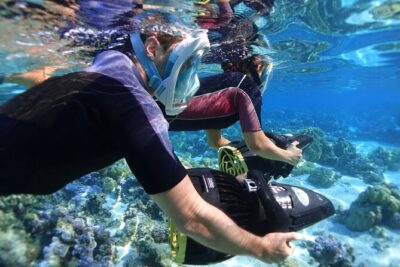
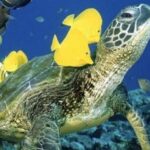
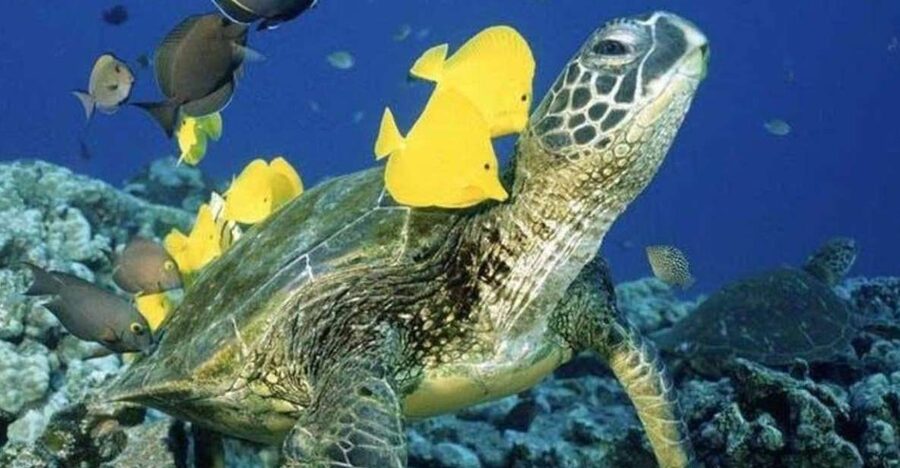
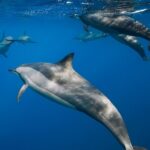
This is the main event. Turtle Canyon is known as a sea turtle cleaning station, which means you’re not hoping for a random turtle to swim by. You’re snorkeling in an area where turtles are more likely to be active around the “spa” cleaning behavior.
What you’re likely to see:
- Green sea turtles (the star of the show)
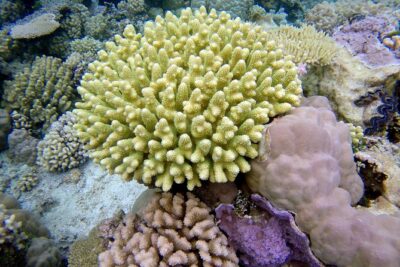
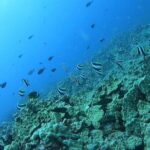
- Colorful tropical fish
- Other reef life such as octopuses and sea stars (and, on some trips, more surprises)
The guides improve your odds with hands-on direction. Guests mention a spotter system where crew keep watch specifically to make sure people get turtle views. In practice, it means you’re not just drifting around hoping for the best. You’re being guided to the right underwater moment.
Managing crowds and timing in the same water
There can be a lot of boats in the general area at once. That can make the snorkeling zone feel busy, which is a fair consideration if you really want quiet, uncrowded water.
But you’re not helpless in that situation. The key is staying flexible. Follow the crew’s direction, don’t fight for position, and focus on what’s right in front of you when turtles surface. The cleaning behavior tends to draw attention, so your best underwater time is often when everyone else is focused too.
The flotation life belt: helpful safety, not always your preferred style
One thing to know up front: you’ll wear a flotation life belt. Even if you’re comfortable in the water and even if you prefer free diving or going under without bulky gear, the tour uses the life belt for safety regulation.
I’d treat this as part of the deal. If you want full control of body position like you might during a scuba-free style session, this won’t match that vibe. If your goal is simply to snorkel, stay safe, and focus on wildlife, it’s a reasonable trade.
After snorkeling: relaxing back on the Hawea and scanning for wildlife
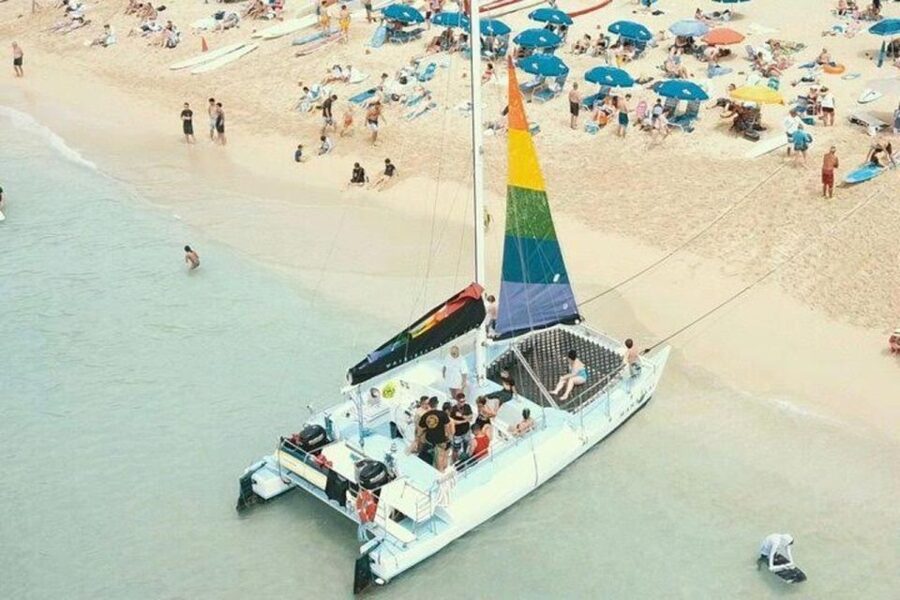
When your water time ends, you switch from “snorkel mode” back to “coastline mode.” The catamaran ride back feels like a break you actually earned. You can lay back, watch the sea surface, and let your body cool down after time in the water.
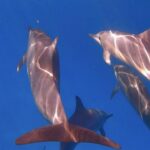
Many guests also mention wildlife sightings beyond turtles, like dolphins. One guest even described spotting a humpback whale during the broader ride experience. Don’t count on whales on every trip, but do know the waters around Oʻahu can surprise you, especially when conditions are right.
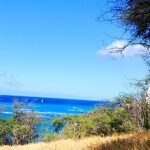
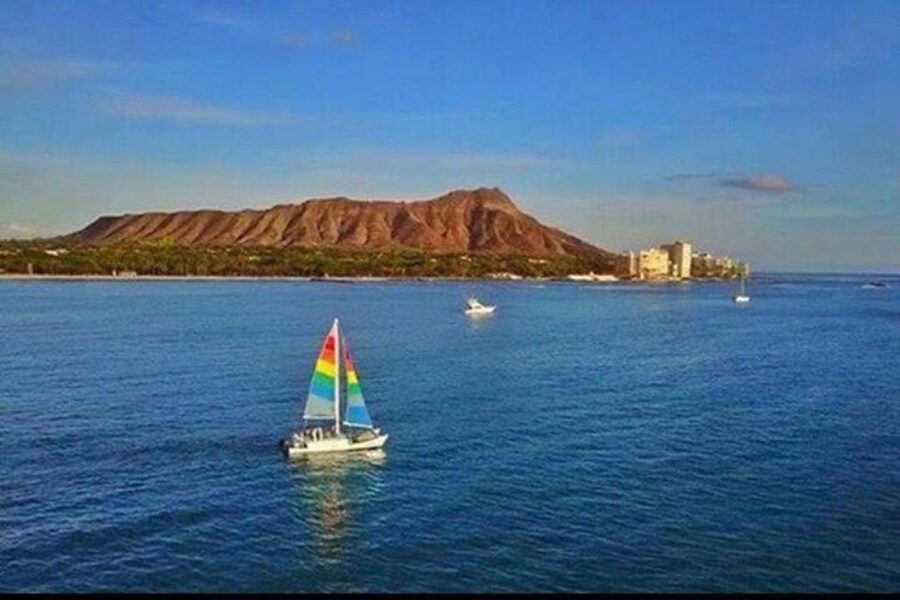
This part is also where you get that classic Waikiki coastal payoff: the skyline and sea views as the boat heads back toward shore. It’s not just a return trip; it’s the landing chapter.
What to bring so the day feels easy (not annoying)
You don’t need to overpack, but a few items make a difference.
Bring:
- Sunglasses
- Swimwear
- A towel
- Sunscreen
My suggestion: protect your face and shoulders. Waikiki sun is no joke, and you’ll be out on water under bright light long enough to feel it later.
Also, if you have a way to keep your phone dry, use it. You’ll likely want to take photos or short videos when turtles surface, and you don’t want to stress over gear.
Who this tour fits best (and who should skip it)
Best fit:
- You can swim comfortably and won’t panic in open water.
- You want a focused wildlife experience, not just a generic snorkeling trip.
- You like the idea of a guided search for turtles at a known site (cleaning station) rather than random luck.
Not ideal if:
- You’re a non-swimmer. The tour isn’t suitable for you.
- You get very anxious in open ocean conditions.
- You strongly dislike wearing flotation support and want minimal gear while snorkeling.
If your group includes someone who’s nervous, the crew has helped guests with reassurance and support. Still, the ocean requirement is real, so be honest about comfort levels.
Tips to boost your chances of a turtle encounter
If I were planning your day around turtle success, I’d focus on these:
- Listen early. Once you’re geared up, the crew’s directions help you line up with sightings faster.
- Stay calm when you’re first in the water. The first few minutes set your breathing rhythm and make it easier to spot movement.
- Don’t fight crowds under the surface. Let the crew’s guidance move you; don’t sprint for the first spot.
- Watch for surfacing patterns. Turtles often appear quickly when they choose to come up, so be ready and look before you chase.
And because this is Waikiki, expect people and boats. Your job is to stay flexible and follow the guide lead.
Should you book Waikiki Turtle Snorkeling and Sailing on Hāwea?
Yes—if you want a guided, safety-minded snorkeling outing that’s built around a real turtle site. The combination of catamaran comfort, included snorkeling gear, and crew-focused turtle spotting makes the $85 price feel like it buys you more than access.
I’d skip it only if you’re not confident swimming in open water, or if flotation gear would seriously disrupt your idea of snorkeling. If you fall in the confident-swimmer category, this is one of those Waikiki activities that delivers wildlife you’ll actually remember, not just photos of clear water.
FAQ
Where do I meet the Hāwea catamaran?
Find the boat directly behind the Duke Kahanamoku Statue, on the beachfront of the Hyatt Regency Hotel (2424 Kalakaua Ave). There is no check-in booth. Walk down to the shoreline and the crew will check you in at the boat. Do not wait at the statue.
How long is the tour?
The duration is about 2.5 hours. Check availability for starting times.
Do I need to know how to swim?
Yes. Participants are required to know how to swim. It is not suitable for non-swimmers.
What snorkeling gear is included?
You’re provided snorkeling equipment, including a mask, snorkel, fins, and a flotation life belt.
Is the life belt mandatory?
Yes. The snorkeling equipment includes a flotation life belt, and you will need to wear it during the snorkeling portion.
What should I bring?
Bring sunglasses, swimwear, a towel, and sunscreen.
What if high tide makes the shoreline rough?
During summer months, departure location may change due to high tide and shorebreak. The company may depart from Kewalo Basin Harbor (1125 Ala Moana Blvd., Pier A24) and will not use the boarding ladder on the shoreline. They will reach out to you if this happens.
Is instruction available in English, and is free cancellation offered?
The instructor is English. Free cancellation is available up to 24 hours in advance for a full refund.