REVIEW · LA PAZ
Whale Shark snorkeling tour in a reduced group with local marine biologist
Book on Viator →Operated by MeXplore · Bookable on Viator
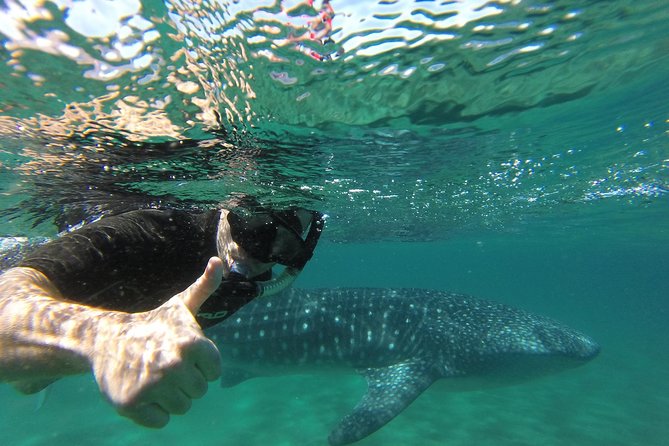
Whale sharks feel unreal, right next to you. This La Paz snorkeling trip pairs you with a local marine biologist on a small-group outing, built around multiple surface swims with the ocean’s biggest fish. You get the gear on board, a real conservation-focused briefing, and a crew that cares about staying in the right place at the right time.
What I like most is the marine biologist lead and the practical way the tour runs. You’re not just told facts—you’re coached on what to do in the water, how to behave around the whale sharks, and how to keep things respectful while still giving you serious time to swim. The equipment package is also a strong win: 3mm shorty wetsuits plus mask, snorkel, and fins means you spend less time shopping and more time moving.
The main consideration is simple: whale shark sightings and conditions can’t be guaranteed. Weather can also cancel the tour, sometimes on short notice, and you may deal with limited visibility and a bit of jellyfish presence depending on the day.
In This Review
- Key points to know before you go
- Getting to Topete 125 and Your Quick Start on the Day
- Small-Group Reality: Max 9, Controlled Water Windows, and Fair Time
- The Snorkeling Setup That Actually Helps: 3mm Shorty Wetsuits and Fins
- How the Marine Biologist Makes or Breaks the Experience (Angel, Carla, Maria, More)
- What Happens Out There: Spotting Whale Sharks and Your Multiple Surface Swims
- Respect, Distance, and Safety Rules That Keep the Day Going
- Photos and GoPro Footage: When It’s a Bonus vs. When You Need to Plan
- Price and Value: Why $190.77 Can Actually Be a Good Deal
- Weather, Wind, and the Day-Plan You Should Use
- What to Pack (So You Don’t Get Caught Off Guard)
- Who This Tour Fits Best (And Who Should Skip It)
- Should You Book This Whale Shark Snorkeling Tour?
- FAQ
- How long is the whale shark snorkeling tour?
- How large is the group?
- What snorkeling gear is included?
- What should I bring with me?
- What happens if the weather is bad?
- Can I do freediving or go underwater?
Key points to know before you go
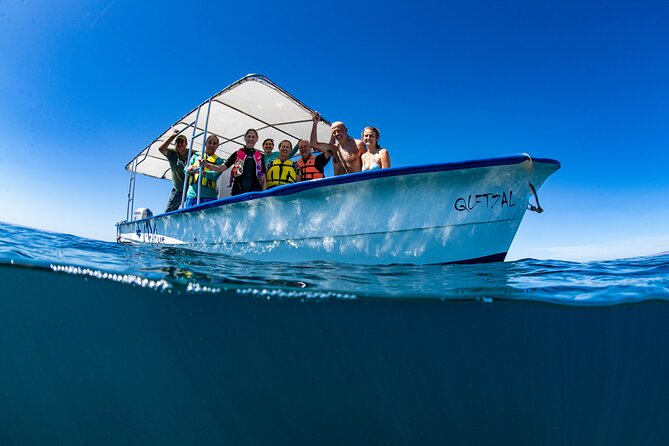
- Small group scale (max 9): More space, more attention, less chaos in the water.
- Marine biologist guidance: Clear rules for animal welfare and safer snorkeling behavior.
- Surface snorkeling only: No freediving. You’re guided to stay at the surface.
- Restricted whale shark zone: Only a limited number of boats are allowed, so turn timing can shift.
- Gear + conservation built in: Wetsuit, snorkel setup, permits, and a conservation donation are included.
- GoPro photos/videos later: Quality depends on the day’s conditions and water visibility.
Getting to Topete 125 and Your Quick Start on the Day
The tour meeting point is Topete 125, Zona Comercial, La Paz, B.C.S., Mexico, and the trip ends back there. This matters because you’re not doing a long transfer first. You can plan your morning with the understanding that your time starts fairly close to the action.
On most days, you’ll get a structured briefing before you’re in the water. That’s where the crew sets expectations for your safety and for whale shark etiquette. If you’re the type who likes to know exactly what not to do (jumping, chasing, crowding), this kind of prep is a real confidence booster.
Bring warm clothes and a towel, especially for the colder months Nov–Mar. Even if the water is manageable, the ride and shade can cool you fast, and the wetsuit only does so much.
You can also read our reviews of more tours and experiences in La Paz.
Small-Group Reality: Max 9, Controlled Water Windows, and Fair Time
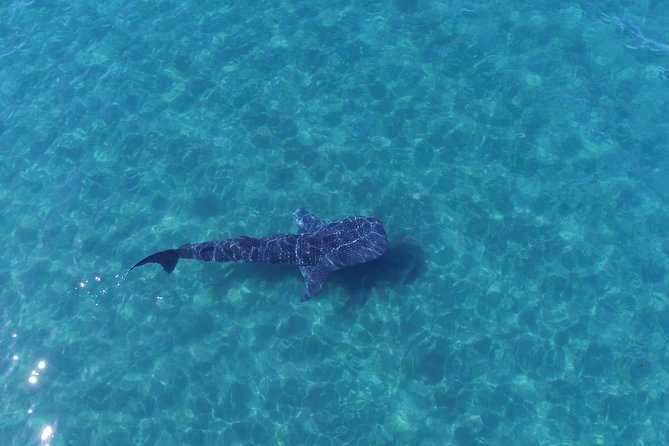
This is sized for a better experience: a maximum of 9 travelers, with the experience designed for a small group feel. The whale shark area has strict limits—only 14 boats are permitted at a time—so you’ll receive a turn on the water and you may snorkel in multiple sessions.
A key detail: the turn you requested is granted about 95% of the time. Some days you might get a later turn, and that can change the meeting time. If your itinerary is tight, keep buffer time and stay reachable by phone or email during your La Paz stay.
On whale shark days, you’re also likely working within a “one group in at a time” system for animal welfare. In practical terms, that means your snorkeling time comes in chunks, and your best strategy is to stay alert, relaxed, and ready when your window opens.
The Snorkeling Setup That Actually Helps: 3mm Shorty Wetsuits and Fins
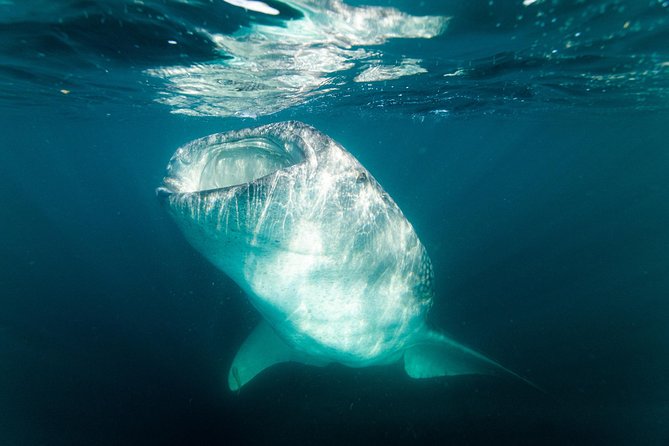
You don’t have to show up with your own mask or fins. The tour includes snorkel equipment and 3mm shorties wetsuits, plus the standard mask/snorkel/fins combo that makes swimming efficient. That’s not a small detail—it directly affects how long you can comfortably stay in position alongside whale sharks.
One theme in the feedback is that the wetsuits and snorkel gear are in solid shape. You also get guidance on how to move with the flow of what the guide is seeing. Whale sharks can swim fast for a giant fish, and you’ll need to be able to keep up without flailing.
Plan for a real swim effort. Even though it’s peaceful, it’s still active snorkeling. If you’re not a strong swimmer, be ready to rely on the biologist’s coaching and keep your pace steady.
How the Marine Biologist Makes or Breaks the Experience (Angel, Carla, Maria, More)
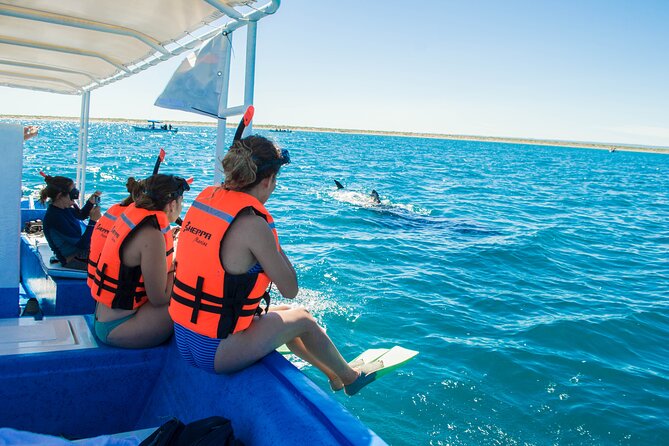
The biggest differentiator here is that your guide is not only a guide. You’re working with a local marine biologist who understands the animals and the rules that protect them.
You’ll see different names across guides, including Ángel (often highlighted for patient, detailed instruction), Carla (praised for clear safety focus and whale shark facts), and Maria paired with Danny the captain. The common thread: the team teaches respect first, then turns that respect into a smooth experience in the water.
This kind of guidance is what turns a “cool swim” into something you can actually follow. You’ll learn how the crew positions the boat, what behavior is allowed and what isn’t, and how to watch the whale sharks without turning it into a chaotic chase.
It also helps with confidence. If you’re nervous about being in open water with a big animal nearby, a biologist-led briefing can take that edge off fast.
What Happens Out There: Spotting Whale Sharks and Your Multiple Surface Swims
The day follows a pattern built around timing and animal behavior. You start from the meeting point, sail out, and then get your chance at the whale shark zone once your turn is assigned.
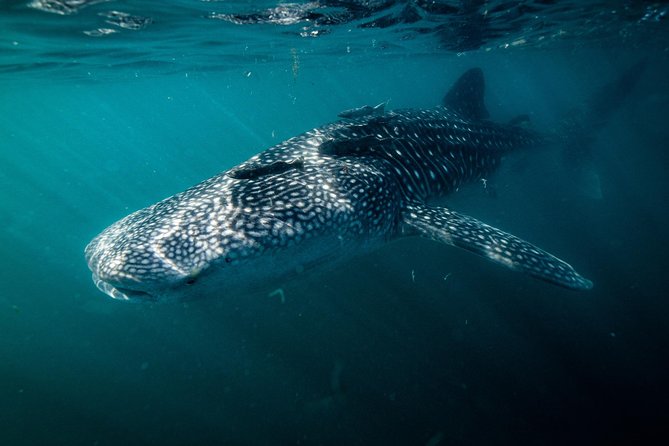
When you find whale sharks, you don’t just get one quick look. The tour is designed for multiple swims, and many people report several entries into the water. On calmer days, you may spot whale sharks in a reasonable amount of time, then work through repeated water windows.
Expect the experience to be different from snorkeling on a reef. Whale sharks feed in a way that can bring them close, and you may see them more than once near you. One practical note: visibility varies. Some days are clear; other days are murkier, and you’ll have to rely on the guide’s positioning more than perfect water clarity.
Also remember the rule: surface snorkeling only. Freediving isn’t allowed under federal regulations. That changes how you should move and breathe—keep it simple, stay at the surface, and let the guide do the detailed work of getting you the right angle.
Respect, Distance, and Safety Rules That Keep the Day Going
This is a conservation-forward tour, and it shows in how the crew manages the interaction. You’ll be briefed on not getting too close, not blocking the whale sharks’ path, and not turning the water into a race.
In the feedback, people repeatedly praise the crew for maintaining a safe distance from the whale sharks while still staying close enough for you to swim to them. That balance is what you want: close enough for photos and real moments, far enough for animal welfare and safer operations.
You’ll also likely hear about jellyfish. It’s not guaranteed, but small jellyfish can be around at times on water tours. Your best move is to listen to the guidance and keep your strokes controlled rather than sweeping your arms randomly.
Photos and GoPro Footage: When It’s a Bonus vs. When You Need to Plan
You get GoPro photos and videos as part of the tour. The quality depends on the day’s conditions, which usually means water visibility and light.
Many people love having the crew capture the action, because it means you’re not constantly wrestling with your camera setup. Still, if you’re very particular about your own footage, consider bringing a GoPro yourself. Some feedback notes that personal footage can be less satisfying if the water is murky, so the safest approach is to treat the included media as the main keepsake.
The tour also sends footage later—typically within 2–3 days. If it doesn’t arrive, reach out.
Price and Value: Why $190.77 Can Actually Be a Good Deal
At $190.77 per person, this tour isn’t bargain-bin pricing. The value comes from what you don’t have to pay for or organize yourself.
Here’s what’s built into the price:
- Certified guide and captain
- Snorkel equipment and 3mm wetsuit shorties
- Federal permits plus a donation for whale shark conservation
- Traveler’s insurance
- Light refreshments: snacks, soda, water
- GoPro photos/videos (quality varies with conditions)
Then compare what’s not included: transportation to/from the activity, a towel, a sweatshirt, and biodegradable sunscreen. You can see how that adds up fast if you’re also buying or renting gear elsewhere.
So the real question isn’t just the sticker price. It’s whether you want a guided, conservation-managed experience with gear, permits, and media. If yes, the price starts to make sense.
Weather, Wind, and the Day-Plan You Should Use
This trip is weather dependent. The operator typically knows about cancellation 1–2 days in advance, and forecasts can also shift. Sometimes waves are moderate and you’ll feel it on the boat ride. Other times, high winds can close the bay officially to boat tours.
That means your best planning strategy is to book this earlier in your La Paz trip if you can. If you’re near a hard deadline, build in extra buffer time. Also make sure you’ll answer your phone/email in case the meeting time changes due to the assigned whale shark turn.
No one can control the sea. The crew’s job is to communicate clearly and keep you safe, and the supplied info strongly emphasizes communication during weather uncertainty.
What to Pack (So You Don’t Get Caught Off Guard)
You’ll have a wetsuit, mask, snorkel, and fins. Great. But you still need comfort and basics for the day.
Bring:
- A towel
- Warm clothes (especially Nov–Mar)
- Biodegradable sunscreen
- Any personal items you need for comfort on the boat (water is provided, but you might still want lip balm, sunglasses, etc.)
Towel, sweatshirt, and sunscreen are not included, so if you show up only with a swimsuit you’ll feel it.
Who This Tour Fits Best (And Who Should Skip It)
This experience requires moderate physical fitness. You’re snorkeling with active animals that can move quickly, and you’ll need to be comfortable swimming while wearing fins and a wetsuit.
Federal safety rules also restrict participation for:
- Women in pregnancy
- People with heart, neck, or breathing problems
Freediving isn’t allowed; it’s surface snorkeling only. If you enjoy controlled swimming and you can follow instructions quickly, this is a great match.
Should You Book This Whale Shark Snorkeling Tour?
Book it if you want a real, guided whale shark encounter with a marine biologist leading the experience, a respectful approach to animal welfare, and a small group size that keeps things organized. If you care about safety, rules, and getting multiple swims instead of a rushed single encounter, this tour fits that goal.
Hold off or keep expectations flexible if you’re booking at the tail end of your trip. Weather can cancel the outing, and whale shark visibility and feeding patterns can’t be guaranteed. Bring warm layers, be ready for a workout-style snorkeling pace, and you’ll be set up for the best possible day.
If this is your one big whale shark moment, I’d treat it like a priority booking and give it the time in your schedule it deserves.
FAQ
How long is the whale shark snorkeling tour?
The tour runs for about 3 hours.
How large is the group?
The experience has a maximum of 9 travelers.
What snorkeling gear is included?
You’ll be provided with snorkel equipment and a 3mm shorty wetsuit (plus the mask/snorkel/fins setup).
What should I bring with me?
Bring a towel, warm clothes (especially important Nov–Mar), and biodegradable sunscreen.
What happens if the weather is bad?
The tour requires good weather. If it’s canceled due to poor weather, you’ll be offered a different date or a full refund.
Can I do freediving or go underwater?
No. Freediving isn’t allowed; the tour is for surface snorkeling only. The tour also isn’t available for certain medical conditions such as pregnancy and some heart/neck/breathing problems.