REVIEW · NUSA PENIDA
Bali: Full-Day Snorkeling Trip to Nusa Penida & Manta Point
Book on GetYourGuide →Operated by Bali Diving · Bookable on GetYourGuide
Manta rays can steal the show. This full-day Bali trip runs you from the coast to Nusa Penida for serious snorkeling time, built around Manta Point and the chance to see ocean sunfish.
I like that it’s organized for a small group, with an experienced English- and Indonesian-speaking guide and safety-first pacing during both water sessions. The day is also practical: pickup, equipment, park fees, and lunch are all handled, so you’re not piecing it together yourself.
One thing to keep in mind: manta sightings (and calm seas) depend on conditions. Manta Point can get swell-y, and the tour notes motion sickness can happen, plus it’s not suitable for pregnant women or wheelchair users.
Key things I’d watch for before you book
- Small group size (limited to 4), which usually means more attention in the water
- Two snorkeling sessions, with time to relax between them on the speedboat
- Manta Point depends on weather, so plan for a flexible, condition-driven day
- Manta rays can be huge, up to about 6 meters long—keep expectations big but realistic
- Mola mola is a goal, with ocean sunfish sightings part of the trip’s marine-life focus
In This Review
- Bali to Nusa Penida: What This Trip Is Really About
- Price and Value: What $140 Buys You (and What It Doesn’t)
- Getting There: Pickup, Speedboat, and the Motion-Sickness Reality Check
- What “Two Snorkeling Sessions” Really Means for Your Day
- First Stop: Manta Point and the “Real Drift” Feeling
- Second Snorkeling Session: More Wildlife Time, Different Chances
- Boats, Lunch, and the Small Comforts That Matter
- Equipment and Comfort: Wetsuit, Lifejacket, and Storage
- The Guide Factor: Safety, Positioning, and Wildlife Focus
- Manta Rays and Mola Mola: Setting Expectations the Smart Way
- Who Should Book This Trip (and Who Should Skip It)
- Best Ways to Prepare (So You Actually Enjoy the Day)
- Should You Book It?
- FAQ
- Where does pickup happen for this Nusa Penida snorkeling trip?
- How long is the trip?
- How many snorkeling sessions will I do?
- Are manta rays guaranteed on this tour?
- What snorkeling gear is included?
- Is lunch included?
Bali to Nusa Penida: What This Trip Is Really About
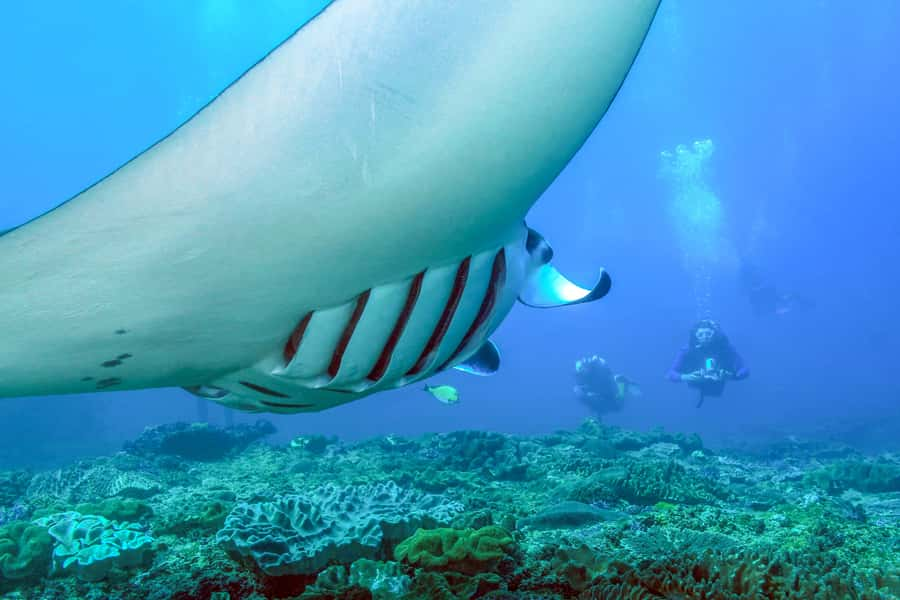
This is a classic Bali “go where the wildlife is” day. You’ll trade a chunk of travel time for two water sessions around Nusa Penida, where the snorkeling can be the kind of fast, drift-style experience that’s hard to replicate closer to shore.
What makes this trip compelling is its focus. You’re not doing a scatter-shot checklist. The rhythm is simple: boat ride out, first snorkeling at Manta Point, then a second session after you’ve had a breather, plus lunch on the boat. The goal is big marine animals—especially manta rays, and potentially ocean sunfish (mola mola)—not just pretty fish for an hour.
And because the operator includes the marine park entry fees, equipment rental (including wetsuit and lifejacket), insurance, and hotel pickup in a wide Bali range, you’re buying less hassle as well as wildlife time. At $140 per person, that matters: this price is basically bundling the “messy parts” that often add up when you try to DIY.
Price and Value: What $140 Buys You (and What It Doesn’t)
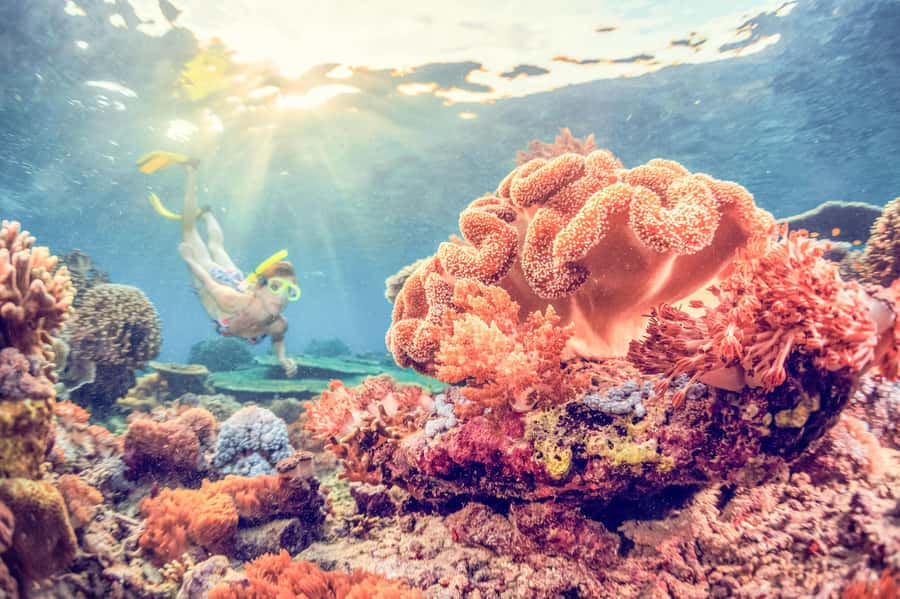
Let’s talk value in real terms. You’re paying for:
- hotel pickup and drop-off (in many common areas),
- a shared speedboat ride to Nusa Penida,
- marine park fees,
- port/boat handling fees,
- snorkeling equipment rental (including wetsuit and lifejacket),
- a guide,
- lunch box and bottled water,
- and basic comforts at the dive center like free water, tea, and coffee.
Notably, you’re not paying for:
- an underwater camera housing,
- a dive computer (not offered as an add-on here),
- and swimwear.
So the question isn’t only “Is it expensive?” It’s “Will you actually use what’s included?” If you’re coming from a hotel base in Sanur, Seminyak, Kuta, Legian, Nusa Dua, Jimbaran, Uluwatu, or Canggu, this is built around you. If you’re not, there may be an extra pickup cost (Tanah lot and Ubud area is listed as about US$27 return).
For wildlife-focused snorkeling days in Bali, the sting is often logistics. This trip tries to remove that sting with pickup, park fees, and gear handled. If you’re prone to motion sickness or you need a perfectly calm sea experience, the value can drop fast—because conditions drive what you can actually enjoy.
You can also read our reviews of more snorkeling tours in Nusa Penida
- ️Nusa Penida by Private Boat – Snorkeling 4 spots, Swim with Mantas + Land Tour
★ 5.0 · 6,424 reviews
Getting There: Pickup, Speedboat, and the Motion-Sickness Reality Check
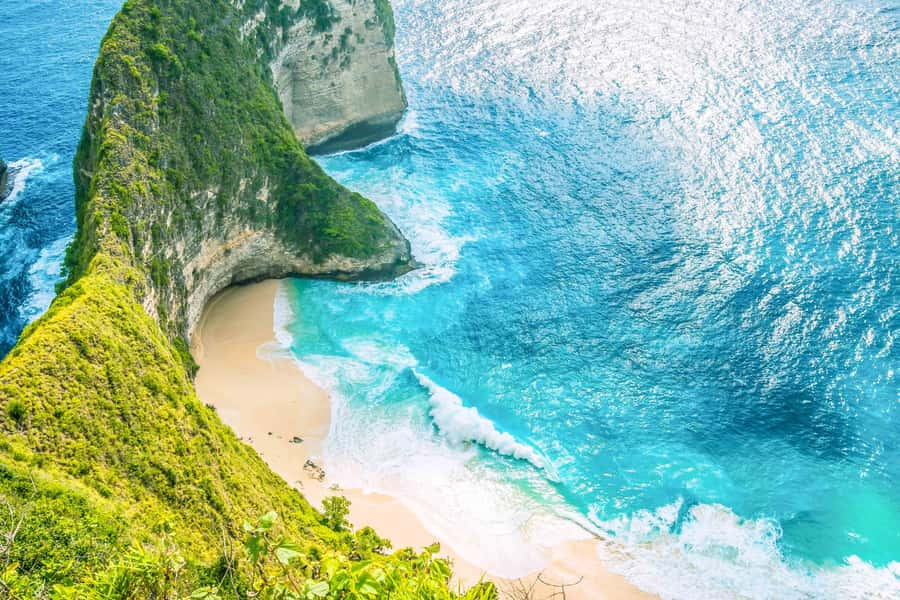
The day starts with a complimentary pickup and drop-off from a long list of Bali areas. Pickup times are confirmed via WhatsApp the day before, so you don’t have to guess and you can plan your morning.
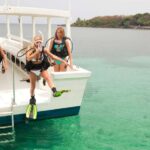
You’ll board the boat at Semawang or Mertasari Beach, depending on the schedule. Once you’re on the water, expect a shared speedboat. That’s normal for this kind of route, but it does matter: you’ll be timing your day around other snorkelers/divers, not just your group.
The big “know before you go” point is Manta Point swell. The itinerary may shift at the last minute if conditions are too rough for safety. That’s not a problem in itself—it’s good risk management. The issue is if you’re expecting the day to be smooth and predictable.
If motion sickness is even a maybe for you, take it seriously. The tour specifically flags that small children and people sensitive to motion sickness may feel seasick at this site. I’d rather you plan for that and feel pleasantly surprised than go in thinking you’ll tough it out.
What “Two Snorkeling Sessions” Really Means for Your Day
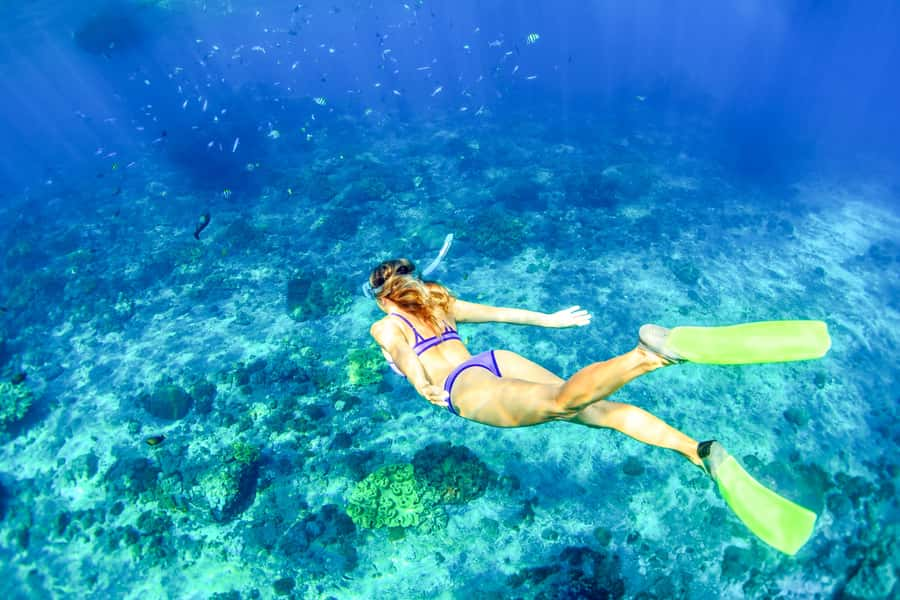
This isn’t a one-and-done swim. You get two separate snorkeling sessions, with a break in between where you can rest on the boat and refuel a little before the second round.
That structure helps because:
- the first session gives you the best chance at the marquee wildlife stop,
- the break lets you warm up and reset (especially if the sea has wind),
- and the second session extends your odds of seeing more animals or different marine life.
It also helps if you’re not a total ocean ninja. You still need comfort and basic confidence, but having two shots at water time means one rough patch doesn’t erase the entire day.
First Stop: Manta Point and the “Real Drift” Feeling
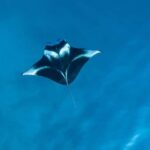
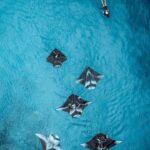
Your first snorkeling session is at Manta Point. This is the main draw, and it’s where manta rays are the headline. The trip notes manta rays can grow up to around 6 meters in length, which tells you what you’re hoping to see: not tiny, shy animals.
What to expect from the underwater experience:
- strong wildlife focus (manta rays; possibly other large species),
- a drift-style feel that’s less like standing still and more like reading the water,
- and a day that can be condition-sensitive.
Here’s the practical part: if the sea is too rough, the operator may adjust the plan. That means you should mentally treat Manta Point as the “goal stop,” not a guaranteed scene.
That also explains why manta snorkeling is noted as not always guaranteed. It’s not a sales trick; it’s a weather-and-water reality. Your best move is to go in flexible and ready to enjoy what’s possible that day, even if the mantas are a no-show.
Second Snorkeling Session: More Wildlife Time, Different Chances
After your first session and downtime on the boat, you’ll head into a second snorkeling period.
The tour description keeps this second session more general, but the overall design is clear: you’re giving yourself extra time on the water so the day can still deliver even if one window is less productive than expected. In past experiences, operators sometimes add extra snorkeling stops in the general region depending on sea conditions and what’s safe that day.
One thing that stands out from guide behavior in this area is staying away from crowds. In one experience, the guide made an effort to get the group positioned in less crowded conditions and kept working the plan so people still got quality viewing time. That kind of strategy matters because crowded water can reduce your chance to watch calmly.
A few more Nusa Penida tours and experiences worth a look
Boats, Lunch, and the Small Comforts That Matter
Between sessions, you can relax on the speedboat. That may sound basic, but it’s one of the most important parts of a long snorkeling day. When you’re cold, tired, or lightly seasick, the ability to sit, hydrate, and reset changes everything.
Lunch is provided as a box, plus bottled water. There’s also free water, tea, and coffee at the dive center before/around departure. You’re not just buying wildlife time; you’re also buying a day that doesn’t turn into a dehydration problem.
If you tend to forget snacks (or you get hungry fast after swimming), this is one less thing to manage. Still, I’d bring your own towel and change of clothes like the tour recommends, because getting comfortable between swims is what keeps the day fun.
Equipment and Comfort: Wetsuit, Lifejacket, and Storage
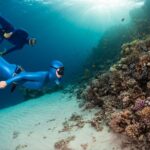
This is one of the smoother aspects of the trip. You get rental snorkeling equipment, including a wetsuit and a lifejacket. Having those included matters because:
- wetsuits help you handle cooler water and wind,
- lifejackets reduce stress if you’re not used to open-water snorkeling,
- and it saves you time and hassle packing gear that won’t be useful later.
You’ll also have washing and storage for the equipment. Translation: you’re not stuck figuring out how to rinse gear on your own before hopping back in the car.
You still need to bring:
- swimwear,
- change of clothes,
- towel.
And you might want swimwear you’re okay rinsing and wearing through multiple sea stops. If you’re the kind of person who hates damp fabric for the rest of the day, plan your clothing accordingly.
The Guide Factor: Safety, Positioning, and Wildlife Focus
This trip includes an experienced snorkeling guide. The guide speaks English and Indonesian, and the tour is structured for a small group (limited to 4). That small group size is a real advantage. With fewer people in the water, it’s easier for the guide to keep track of everyone’s comfort and positioning.
One named guide you may hear about is Sar. In an experience tied to this provider, Sar was described as knowledgeable and focused on safety, plus actively trying to make sure participants got sightings of mantas and other marine life. The same experience also mentioned Sar’s photography skills and willingness to help capture memories—helpful if you don’t want to wrestle with a camera while you’re trying to watch wildlife.
You shouldn’t rely on any guide for perfect results (nature doesn’t care). But you can rely on good guiding to reduce wasted time and improve your odds of seeing animals well.
Manta Rays and Mola Mola: Setting Expectations the Smart Way
The trip highlights two big targets:
- manta rays,
- ocean sunfish (mola mola).
Both are “possible,” not “guaranteed.” Manta Point especially depends on conditions. When it’s right, mantas can appear at close range—big enough that it feels like the ocean is showing off.
The practical expectation shift I recommend:
- Treat the trip as a high-odds wildlife session, not a checklist promise.
- If mantas show up, enjoy them calmly. Don’t fight the drift. Let the guide help you position.
- If the day is swellier than planned, focus on the marine life you do see and the second session.
Even when the marquee animals are delayed or absent, this type of Nusa Penida snorkeling often delivers plenty of color and fish life. The value is in putting your time where the ecosystem is.
Who Should Book This Trip (and Who Should Skip It)
This trip fits best if you:
- want a wildlife-driven day and can handle a full schedule,
- like the idea of two separate snorkeling windows,
- are comfortable with open-water conditions,
- can manage seasickness risk or don’t get it easily.
Skip or reconsider if you:
- are pregnant (not suitable),
- use a wheelchair (not suitable),
- are very sensitive to motion sickness and can’t take it seriously,
- need a completely calm, predictable sea day.
If you’re a strong swimmer and you’re okay wearing a wetsuit and following the guide’s lead, you’re in the right place. If you’re anxious about open water, ask yourself honestly whether you’ll be able to relax once you’re out there—because calm helps you enjoy what you came for.
Best Ways to Prepare (So You Actually Enjoy the Day)
Here’s my short preparation list for this kind of trip:
- Wear swimwear you can comfortably wear under a wetsuit.
- Bring a towel and a change of clothes for after your final swim.
- Add WhatsApp details on the booking form so pickup timing is smooth.
- If you get motion sickness, plan ahead. This is the one risk factor the tour calls out directly.
- Accept that the operator may adjust the plan at the last minute for swell safety.
And one more practical trick: take a moment before you go into the water to get your breathing steady. Open water snorkeling rewards calm. If you get tense, everything feels harder.
Should You Book It?
I think you should book this trip if your priority is snorkeling at Nusa Penida with a real chance at manta rays and other big marine life, and you want the logistics handled—pickup, park fees, gear, insurance, lunch, the whole package.
I wouldn’t book it if you’re mainly hoping for a guaranteed manta encounter or if motion sickness is a big issue for you. In those cases, the day can still be fun, but the experience may not match your expectations when conditions shift.
If you’re okay with “nature decides,” this is a solid use of a Bali day—especially because the trip’s structure (two sessions, small group, and a guide doing active positioning) gives you more ways for the day to pay off.
FAQ
Where does pickup happen for this Nusa Penida snorkeling trip?
Pickup and drop-off are complimentary from hotels in Sanur, Seminyak, Kuta, Legian, Nusa Dua, Jimbaran, Uluwatu, and Canggu area. There is an additional cost listed for Tanah lot and Ubud area around US$27 return.
How long is the trip?
The duration is 450 minutes (about 7.5 hours). Starting times depend on availability.
How many snorkeling sessions will I do?
You’ll do two snorkeling sessions in the day—first at Manta Point, then another snorkeling session after time to relax on the boat.
Are manta rays guaranteed on this tour?
No. Snorkeling with manta rays is not always guaranteed and depends on weather and water conditions on the day.
What snorkeling gear is included?
The tour includes rental of required snorkeling equipment, including a wetsuit and lifejacket. It also includes washing and storage of the equipment used.
Is lunch included?
Yes. You’ll get a lunch box and bottled water, plus free water, tea, and coffee at the dive center.

More Full-Day in Nusa Penida
More Snorkeling Tours in Nusa Penida
- ️Nusa Penida by Private Boat – Snorkeling 4 spots, Swim with Mantas + Land Tour
★ 5.0 · 6,424 reviews
More Tour Reviews in Nusa Penida
- ️Nusa Penida by Private Boat – Snorkeling 4 spots, Swim with Mantas + Land Tour
★ 5.0 · 6,424 reviews
Not for you? Here's more nearby things to do in Nusa Penida we have reviewed
- ️Nusa Penida by Private Boat – Snorkeling 4 spots, Swim with Mantas + Land Tour
★ 5.0 · 6,424 reviews