REVIEW · BRUNSWICK HEADS
Brunswick Heads: Snorkelling in Byron Bay
Book on GetYourGuide →Operated by WILD BYRON · Bookable on GetYourGuide
If you want ocean animals on repeat, this is it. Julian Rocks Marine Sanctuary is one of Australia’s top snorkel areas, and the action comes fast once you hit the water. I love the idea of snorkeling in protected, shallow bays, then getting an eco naturalist to point out what you’re actually seeing. The only real drawback is you must swim 100 meters unassisted, so this isn’t for nervous swimmers.
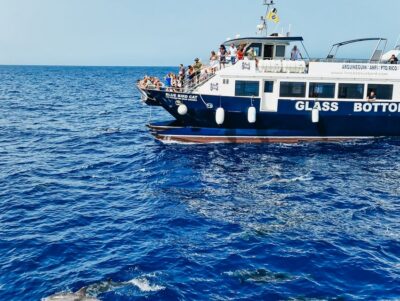
What makes this trip feel special is the setting and the small size. You go out on the comfortable purpose-built vessel Apollo 2 from Brunswick Heads, often seeing dolphins along the way, then spend time exploring a reef system off Australia’s most easterly point. One consideration: conditions can change. If the crew feels someone can’t safely snorkel, you’ll stay on the boat and there’s no refund.
In This Review
- Key things I’d plan around
- Julian Rocks: the real reason snorkelers get excited
- Getting there: Brunswick Heads to Julian Rocks on Apollo 2
- The underwater game plan: what you’ll be looking for
- Eco guide + small group = better sightings
- Gear that keeps you from burning time and money
- Photos and videos: the nice safety net for forgetful moments
- Price and value: is $91 worth it?
- Timing, seasickness, and other real-world considerations
- Who should book this snorkeling tour at Julian Rocks?
- Should you book this WILD BYRON Julian Rocks snorkel?
- FAQ
- Where do I meet for the snorkeling tour?
- How long is the tour?
- What snorkeling gear is included?
- Is reef-safe sunscreen provided?
- What should I bring with me?
- Are underwater cameras included?
- Do I need to be able to swim?
- What animals or marine life might I see?
- Is the tour suitable for young children?
- Is there free cancellation?
Key things I’d plan around
- Max 12 guests means more time in the right spots and less crowding in the water
- Julian Rocks’ shallow, protected waters make sightings more likely and easier to enjoy
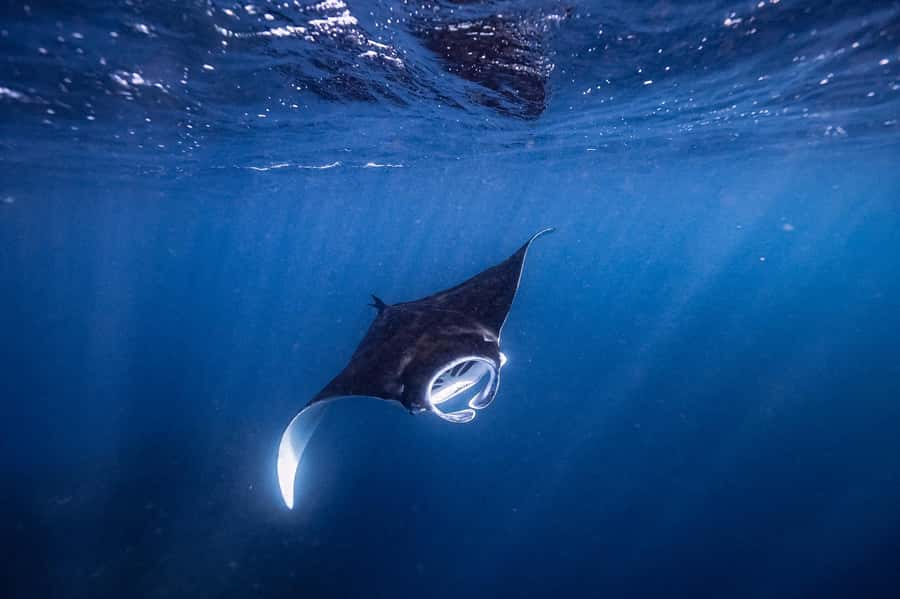
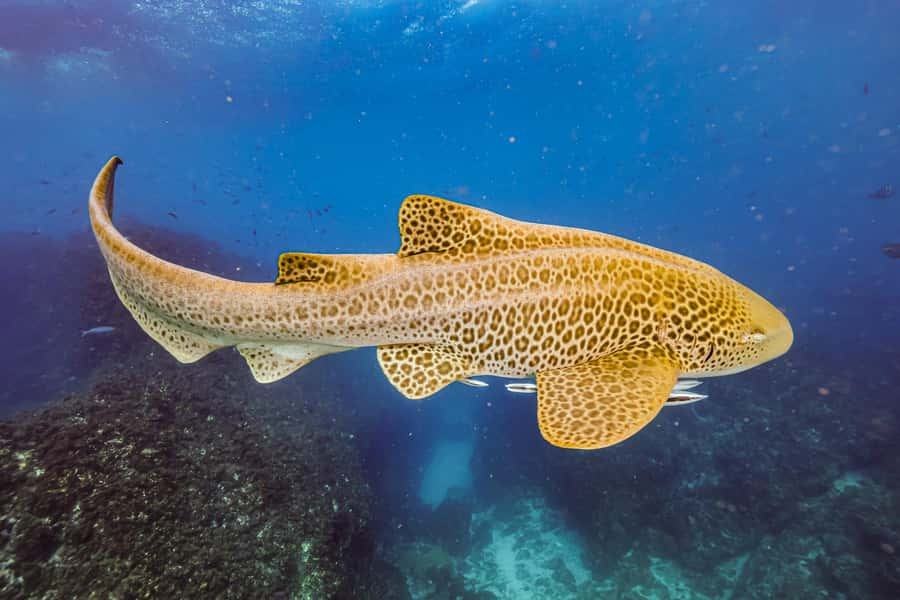
- Eco Marine Guide helps you spot turtles, manta rays, leopard sharks, grey nurse sharks, dolphins and whales
- Reef-safe sunscreen + full mask/snorkel/fins saves you hassle and expense
- Underwater photos and videos shared daily take the pressure off trying to film everything
Julian Rocks: the real reason snorkelers get excited
Julian Rocks is known for one main reason: water conditions that attract wildlife. It sits where warm tropical water meets cooler temperate water, so the mix pulls in different species and keeps the ecosystem busy. Even the local Arakwal name for the place, Nguthungulli, points to the importance of this area.
In plain terms, you’re snorkeling where the ocean “feeds” itself. More food means more animals. And because the sanctuary is protected and the snorkeling areas are relatively shallow, you don’t need scuba-level skills to enjoy it.
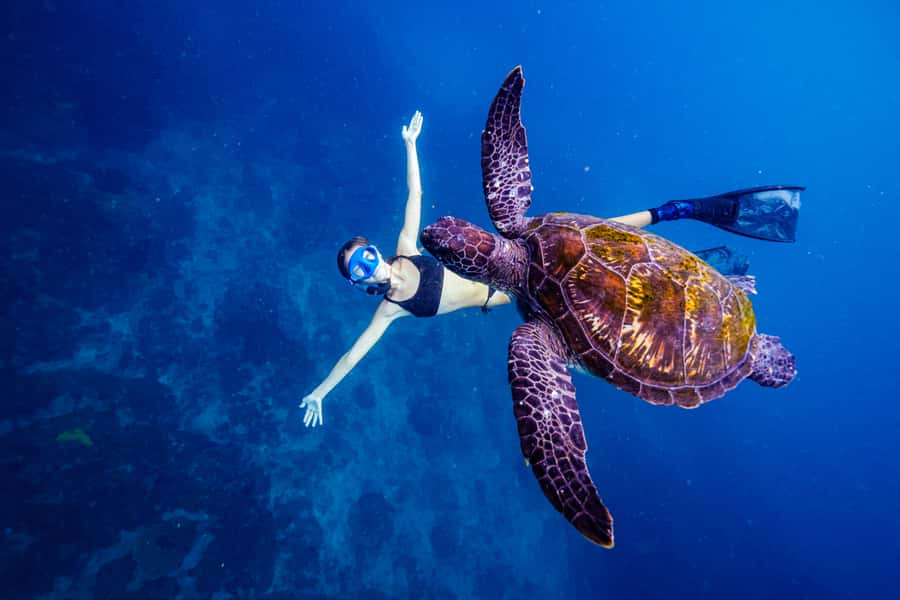
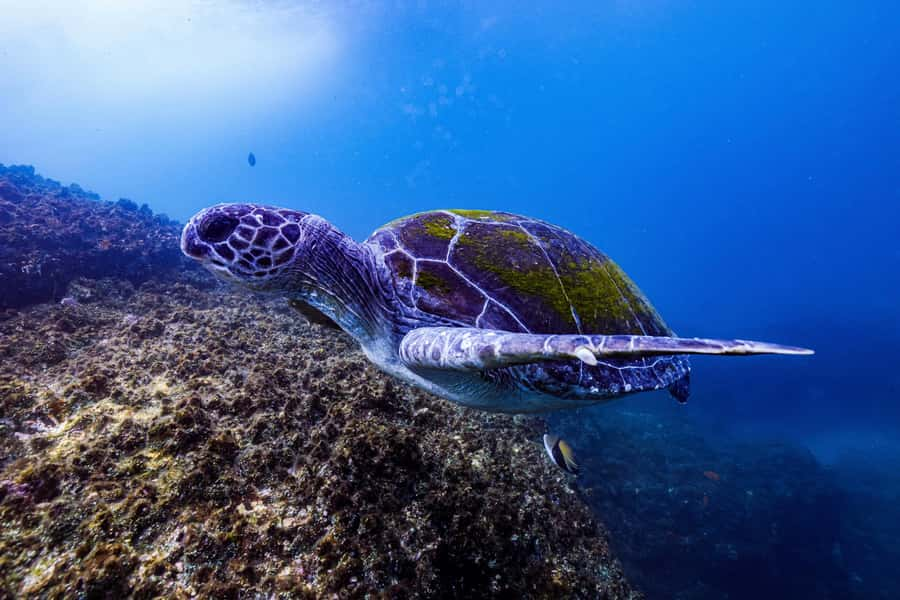
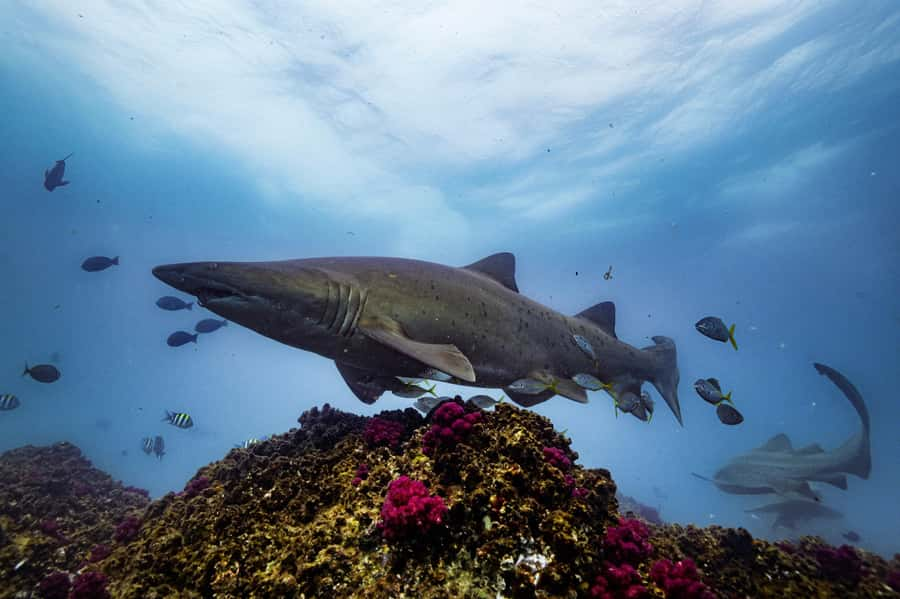
This is also a spot where you can realistically hope for multiple animal types in one outing. Think turtles and manta rays, plus sharks like leopard sharks and grey nurse sharks, with dolphins sometimes showing up on the surface. Whales are also listed as common visitors, which is the kind of bonus that can turn a normal good day into a standout memory.
You can also read our reviews of more snorkeling tours in Brunswick Heads
Getting there: Brunswick Heads to Julian Rocks on Apollo 2
Your day starts at the Wild Byron office in Brunswick Heads Boat Harbour. From there, you head out by boat aboard the purpose-built Apollo 2. The total tour is about 3 hours, and you’ll spend roughly 2.5 hours on the water.
Why that boat time matters: it’s not just “getting to the reef.” You often catch local dolphins or other marine life en route. If you’ve ever felt like a snorkeling trip is only exciting once you’re already wet, this is a nice fix. You get a warm-up at sea, then the wildlife stakes rise when you reach the sanctuary.
One practical thing to watch if you’re coming from Queensland: tour times are in New South Wales time. That means a one-hour difference if you’re used to Queensland schedules.
The underwater game plan: what you’ll be looking for
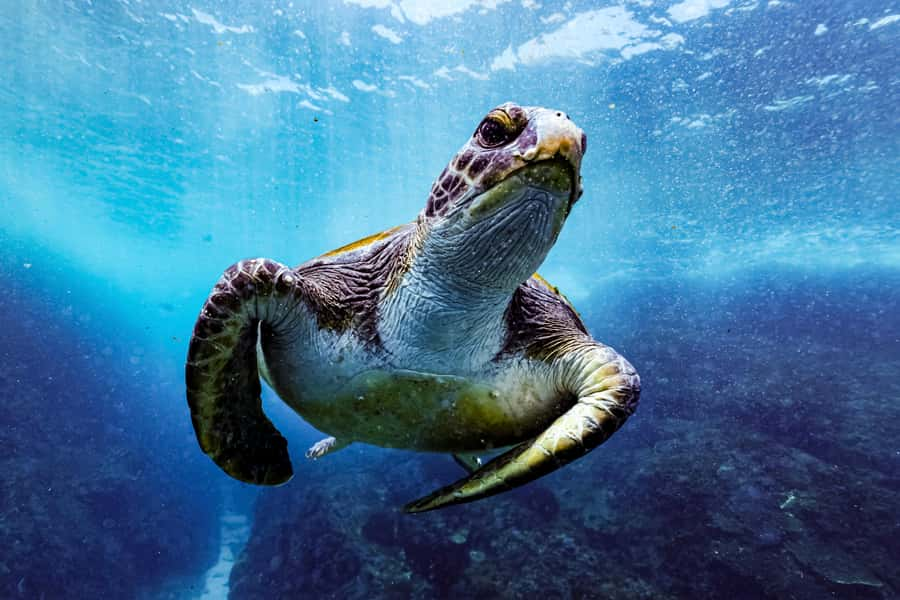
Once you’re in the Julian Rocks Marine Sanctuary, the whole experience shifts from swimming to spotting. The sanctuary has multiple areas you can explore, and your eco guide helps you move through the zones with intention rather than just drifting and hoping.
Here’s what you should focus on, so your eyes know where to go:
- Turtles: Often the slow movers. Look for movement at the edges of visibility rather than only big splashes.
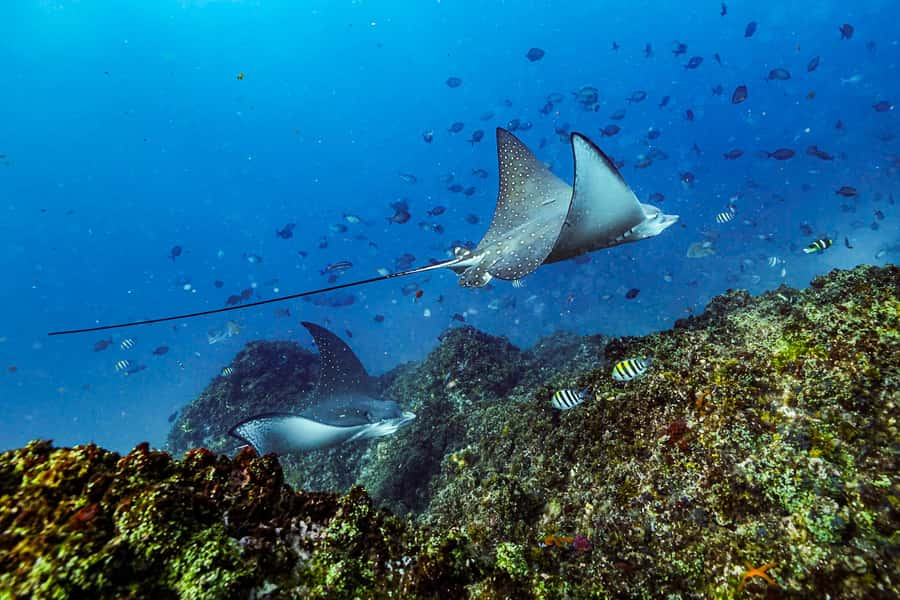
- Manta rays: These can be the “everyone stop moving” moments. When they appear, you’ll want to stay calm and let the guide do the positioning.
- Leopard sharks and grey nurse sharks: Sharks here aren’t the jump-scare kind most people imagine. Your guide will help you interpret what you’re seeing.
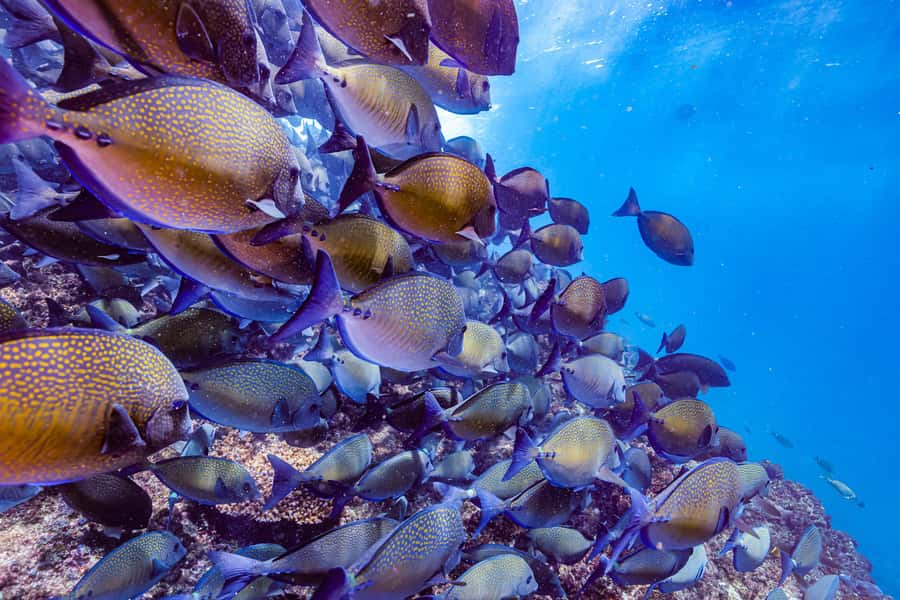
- Fish life: This is a place with prolific fish, so even if a big animal takes its time, the reef still delivers.
- Dolphins and whales (surface viewing): These depend on chance and timing, but the sanctuary’s reputation makes it worth keeping an eye on the surface.
The tour also has a simple, clear “rules for the water” vibe. You’re not allowed to touch marine life, and that’s a good thing. It protects animals and keeps everyone safer. Reef etiquette matters because wildlife here is part of an ecosystem you’re visiting, not a petting zoo.
And yes, the visibility and animal activity can vary with conditions. If you’re the type who gets frustrated when nature doesn’t follow a script, build patience into your plan. You’re going for the overall odds—and Julian Rocks gives you a strong one.
Eco guide + small group = better sightings
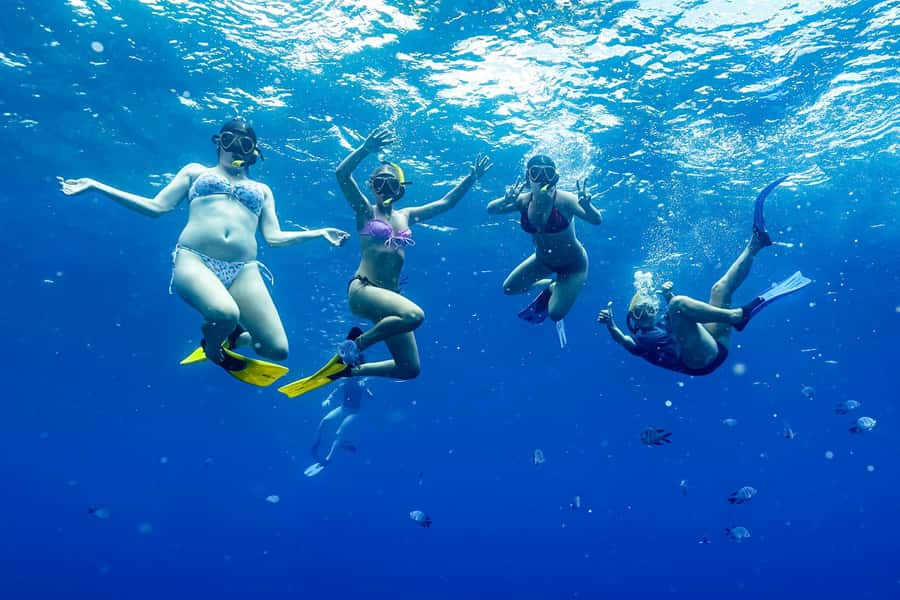
A big part of why this tour gets such a high satisfaction score is the guide style and the group size. There’s a marine naturalist guide on board, and the eco guide does more than point. They actively enhance what you see underwater, which changes everything.
When a guide is working the group well, you get:
- better positioning (so you’re not swimming into “nothing”)
- quicker identification (so random shapes become real animals)
- calmer water moments (less flailing, more observation)
The small group limit of 12 guests isn’t just a comfort perk. It affects how the tour works in the water. With fewer people, you’re less likely to get tangled up in someone else’s bubbles or fins, and you can keep your attention where the guide is directing.
I also noticed guide names getting called out in real bookings I came across. Glenn and Taylor were both praised for being friendly, knowledgable, and for helping people feel safe. That matches the whole vibe you want from a sanctuary tour: confident leadership, no drama, and a focus on making sure you actually enjoy the experience.
Gear that keeps you from burning time and money
Included in the price, you get mask and snorkel and fins. You also get reef-safe sunscreen. That last detail is more important than it sounds. If you forget sunscreen and you end up scrambling on holiday, your day can start already stressed.
But still, pack smart. You’ll need swimwear and a towel, plus water. Drinking water isn’t included, so plan to bring it or buy it before the meeting point.
You’ll also notice what’s not included: an underwater camera. That means if you want photos of your own, you’ll need to bring a waterproof setup. Otherwise, the tour’s photography does the heavy lifting.
Photos and videos: the nice safety net for forgetful moments
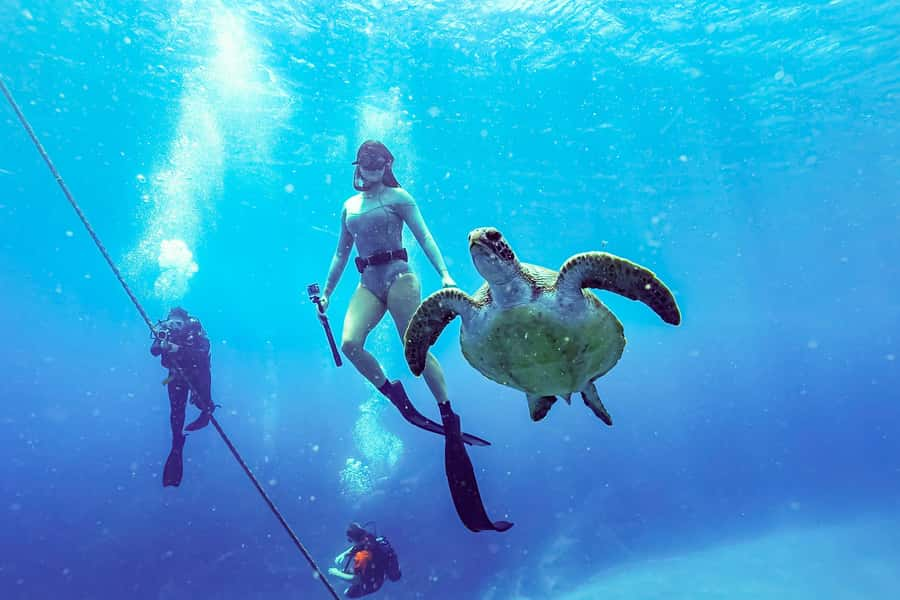
This tour includes professional underwater photos and videos, and they’re shared via social media on a daily basis. So even if you’re busy watching a manta ray instead of filming like a content creator, you still have a chance to get great images later.
This is a big deal for value. Many snorkeling tours sell a “good time” but leave you without memories you can actually use. Here, you’re paying for the experience and the documentation, which means you don’t have to decide between enjoying the water or capturing it.
Just remember: it’s shared on social media, not handed to you like a printed album in the moment. If you need offline, printable photos right away, you’ll still want your own waterproof camera plan.
Price and value: is $91 worth it?
At $91 per person for a 3-hour tour, the cost makes sense when you look at what’s included: a marine naturalist guide, full snorkeling gear (mask/snorkel/fins), reef-safe sunscreen, and underwater photos and videos shared daily.
The biggest value drivers for me are:
- You’re not just paying for access. You’re paying for interpretation (the eco guide).
- You don’t need to rent gear separately.
- You get imagery after, which turns the experience into something you can relive.
What can add cost on your end is simply the “bring your own” items: towel, swimwear, and water. Underwater camera time is also on you if you want your own shots.
Also, the small group cap helps justify the price. If you’ve ever been in crowded water where you can’t move or see, you know why that matters.
Timing, seasickness, and other real-world considerations
This isn’t the kind of trip you should treat like a chill beach snorkel. You’re on a boat, and conditions can affect comfort.
If you’re prone to seasickness, take medical precautions before you go. The tour isn’t cancelled for seasickness. So don’t gamble with your body on the day.
Also, the activity has clear “safety first” rules:
- No smoking and no vaping on tour.
- No alcohol and drugs.
- Don’t touch marine life.
And there’s a hard eligibility requirement: you must be able to swim 100 meters unassisted. If you can’t safely complete that at any point, the crew can stop your participation and you’ll stay on the vessel. Refunds aren’t offered in that scenario.
That safety approach is a good thing, even if it’s strict. It protects everyone, including the wildlife you came to see.
Who should book this snorkeling tour at Julian Rocks?
This tour fits best if you:
- can swim 100 meters unassisted
- want guided snorkeling with an eco focus
- care about spotting specific animals, not just “seeing something”
- like the idea of getting underwater photos and videos after the fact
- enjoy small-group activities (max 12 people)
It’s not suitable for certain groups, including:
- children under 5
- pregnant women
- people with back problems
- people with heart problems
- people with respiratory issues
- people with recent surgeries
- people with high blood pressure
- people with pre-existing medical conditions (you’ll need to discuss eligibility with staff)
- people over 70
- non-swimmers
If you fit the criteria, you’re likely to have a smooth, rewarding outing—especially because snorkeling here is in protected and relatively shallow water. If you’re on the edge of ability or comfort, I’d take that swim requirement seriously before booking.
Should you book this WILD BYRON Julian Rocks snorkel?
Yes—if your top priority is wildlife you can actually recognize, and you want a guide to do the heavy lifting. The combination of Julian Rocks Marine Sanctuary, a marine naturalist focus, small groups, and included photos/videos makes it feel like good value, not just a ticket for water time.
I’d skip it (or get advice from staff first) if you don’t comfortably meet the swim requirement, you have relevant medical concerns, or you’re likely to struggle with boats. For the right person, though, this is the kind of tour that turns a coastline day into a real animal encounter—turtles, manta rays, leopard sharks, and more—without requiring you to be an expert swimmer or underwater photographer.
FAQ
Where do I meet for the snorkeling tour?
You’ll meet at the Wild Byron office located in the Brunswick Heads Boat Harbour.
How long is the tour?
The tour duration is 3 hours. It includes about 2.5 hours at the marine sanctuary area (timing is approximate).
What snorkeling gear is included?
Mask and snorkel and fins are included.
Is reef-safe sunscreen provided?
Yes, reef-safe sunscreen is included.
What should I bring with me?
Bring swimwear, a towel, and water.
Are underwater cameras included?
No, an underwater camera is not included.
Do I need to be able to swim?
Yes. You must be able to swim 100 meters unassisted. If you can’t, the crew may ask you to remain on the vessel, and a refund won’t be offered.
What animals or marine life might I see?
Common visitors listed include turtles, manta rays, leopard sharks, grey nurse sharks, dolphins, and whales.
Is the tour suitable for young children?
No. It is not suitable for children under 5 years old.
Is there free cancellation?
Yes. You can cancel up to 2 days in advance for a full refund.