REVIEW · BRUNSWICK HEADS
Byron Bay: Snorkelling Tour of Julian Rocks “Nuthungulli”
Book on GetYourGuide →Operated by Blue Seafaris · Bookable on GetYourGuide
You’ll see real marine life off Byron Bay. This snorkelling tour to Julian Rocks (the protected Nuthungulli marine sanctuary) is built for close-up wildlife spotting—turtles, manta and eagle rays, leopard sharks, and schools of colourful fish. The boat ride itself adds to the fun, with chances for dolphins and, in season, humpback whales.
I like that the tour is guided by a marine biologist and focused on finding animals, not just getting you wet. I also love that you don’t have to bring your own kit—the mask, fins, and wetsuit are included, and the water is in a sheltered, shallow setup that’s ideal for snorkelling.
One thing to think about: you must be comfortable in open water. They offer pool noodles for support, but they do not provide flotation jackets for non-swimmers, so this isn’t the right pick if you want something fully floaty and beginner-comfortable.
In This Review
- Key highlights to know before you go
- Julian Rocks and Nuthungulli: Why this snorkel spot is special
- The 43 Harbour Wy meetup: Getting to Brunswick Heads without stress
- Speedboat reality: The ride to Julian Rocks (and how to feel about it)
- Underwater safety basics: What you’re actually required to do
- What you’ll see at Nuthungulli: turtles, manta rays, leopard sharks, and more
- Sea turtles and the calm “hang out” factor
- Manta and eagle rays: glide-by magic
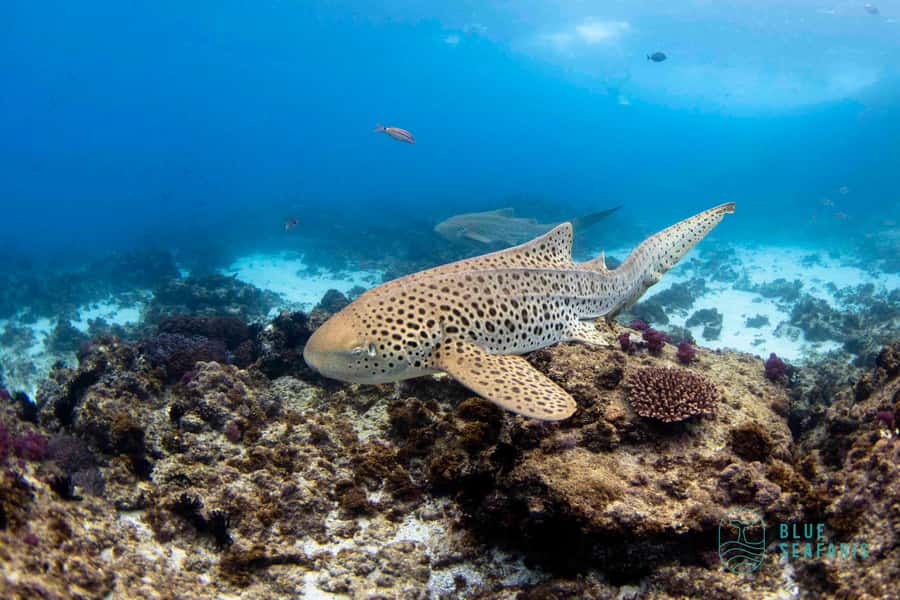
- Leopard sharks (and other shark sightings)
- Thousands of fish and colourful “in-between” moments
- Timing, seasons, and what increases your odds
- The guided approach: how marine biologists help you spot wildlife
- The 150 minutes on the water: a realistic flow of the day
- Equipment and comfort: wetsuit fit, mask clarity, and keeping warm
- Boat-to-wildlife value: Is $91 per person worth it?
- Who this tour suits best (and who should skip it)
- Should you book Blue Seafaris at Julian Rocks?
- FAQ
- Where does the tour depart from?
- How long is the tour?
- What’s included in the price?
- What marine life can I expect to see?
- Do I need to know how to snorkel?
- Do they provide flotation devices?
- What should I bring?
- Are tour times shown in local time?
- What if ocean conditions are rough?
- Who is the tour not suitable for?
Key highlights to know before you go
- Nuthungulli (Nguthungulli): snorkel in protected, shallow sanctuary waters right off Australia’s most easterly point
- Marine biologist guide: onboard guidance to help you spot wildlife efficiently
- Wildlife checklist: turtles, manta rays, eagle rays, leopard sharks, grey nurse sharks, plus thousands of fish
- Seasonal whales and rays: humpback whales June–November; mantas and leopard sharks November–May
- Small-group feel: calm pacing in the water with a close-to-the-group setup on the boat
- Open-water comfort matters: pool noodles are available, but non-swimmers aren’t given flotation jackets
Julian Rocks and Nuthungulli: Why this snorkel spot is special
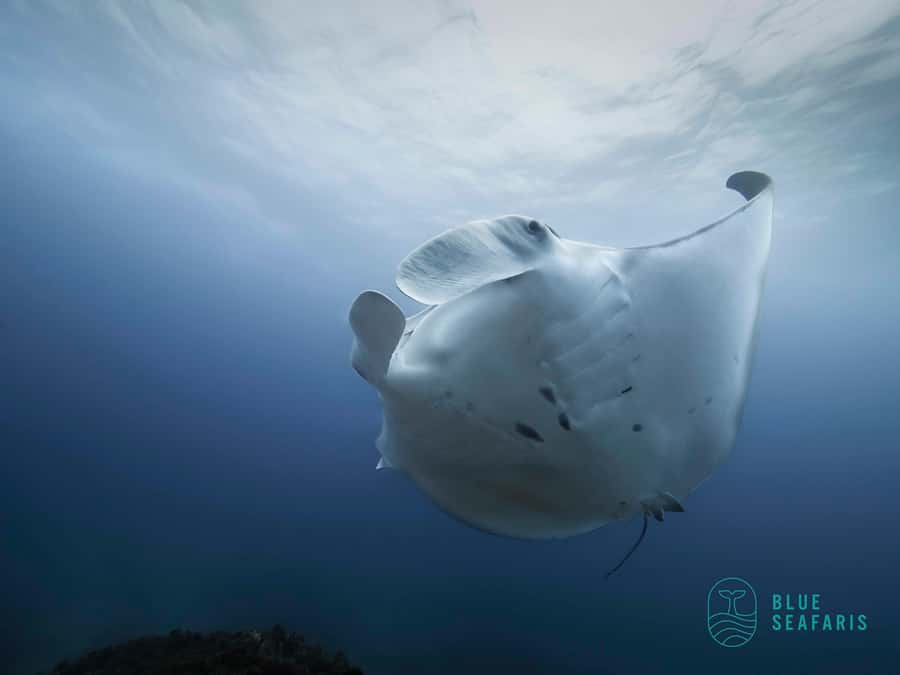
Julian Rocks sits where warm tropical water meets cooler currents, which is a fancy way of saying: life likes to gather here. The sanctuary is protected and shallow enough for snorkelling and breath-hold swimming, so you’re not fighting rough depths or strong currents just to see something cool.
What makes it feel different from a random “go snorkel somewhere” outing is the focus on wildlife. You’re aiming for animals that actually hang around the rocks and the water column—turtles cruising along, rays gliding by, and leopard sharks and other native fish showing up in numbers.
Also, the local Arakwal name for the place—Nguthungulli—is a nice reminder that this isn’t just scenery. It’s an area managed for living marine ecosystems, which matters when you’re swimming so close to real animals.
You can also read our reviews of more snorkeling tours in Brunswick Heads
The 43 Harbour Wy meetup: Getting to Brunswick Heads without stress
The tour departs from Brunswick Heads boat harbour, about 15 minutes north of Byron Bay. Your listed starting point is 43 Harbour Wy, and you’re told to drive into the harbour to the marked spot on Google Maps, looking for the large Blue Seafaris banner.
This location choice is practical. Byron Bay can be busy around peak times, but Brunswick Heads is usually easier to move around. Still, leave breathing room for getting to the harbour—this is an ocean tour, and they expect everyone there on time.
One small planning note: the tour time runs on NSW time. If you’re crossing time zones or juggling other stops that use different local rules, double-check the departure time before you go.
Speedboat reality: The ride to Julian Rocks (and how to feel about it)
You get a speedboat ride of about 15 minutes to reach the Julian Rocks area. That short jump helps maximize your time in the water. It also means the boat ride doesn’t drag on, which makes it easier to enjoy even if you’re not into long tours.
The boat is named Wardjum—Bundjalung for a mythical sea creature—which sounds fun, and the experience generally matches that energy. Expect the sea to set the tone. Some days are smooth. Some days are choppy, and the water motion can affect comfort and visibility.
If you get motion sickness easily, plan for it. A couple of people specifically suggested bringing sea sickness support because waves can be part of the package depending on wind.
Underwater safety basics: What you’re actually required to do
This tour isn’t “snorkel while you float.” You need to be comfortable swimming in open water. They say they provide pool noodles but do not provide flotation jackets for non-swimmers. That’s an important line.
So here’s how to judge fit: if open water freaks you out, you’ll probably spend energy worrying instead of spotting wildlife. The guides keep everyone together and explain exactly where to look, but the water comfort requirement is still on you.
They also provide the essentials: quality mask, fins, and a wetsuit. That gear support is a big part of why the experience works for so many people, including those who are relatively new to snorkelling—as long as they’re comfortable in the water.
What you’ll see at Nuthungulli: turtles, manta rays, leopard sharks, and more
The heart of the tour is swimming over the Julian Rocks sanctuary areas. Here’s what the tour aims for, based on what the experience describes and what people report from their swims.
Sea turtles and the calm “hang out” factor
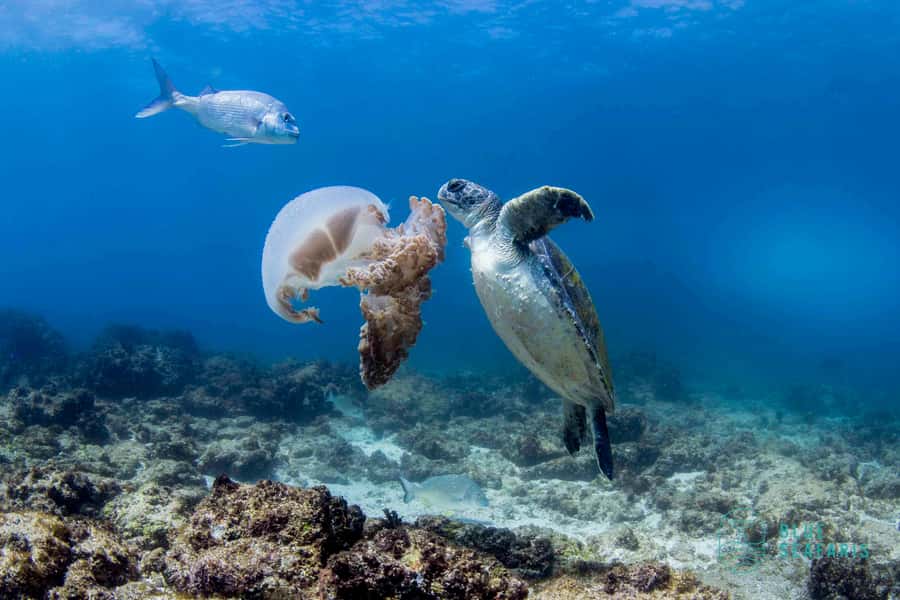
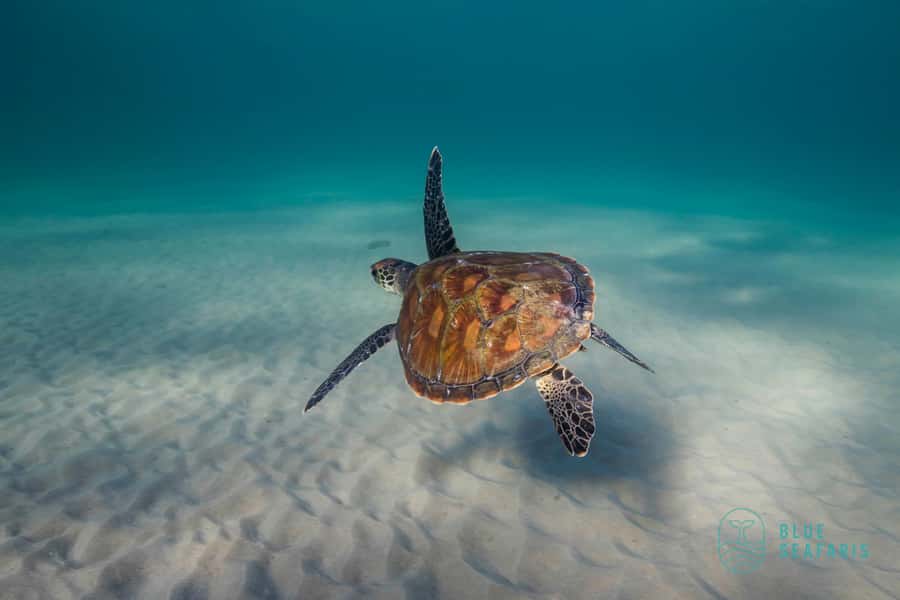
Turtles are a major draw here. In a protected sanctuary with shallow areas, it’s less about chasing animals and more about having the patience to look where the guide directs you. Many people describe turtles floating, cruising, or resting in the swim zone.
Manta and eagle rays: glide-by magic
Manta rays are mentioned as a highlight, with sightings tied to the November–May season window. Eagle rays also show up in the mix, and when rays appear, they can feel like the whole water column turns into a moving scene.
Rays are also the kind of wildlife you notice most when you keep your head steady and watch slowly—quick kicks and frantic scanning tend to scare the moment away.
Leopard sharks (and other shark sightings)
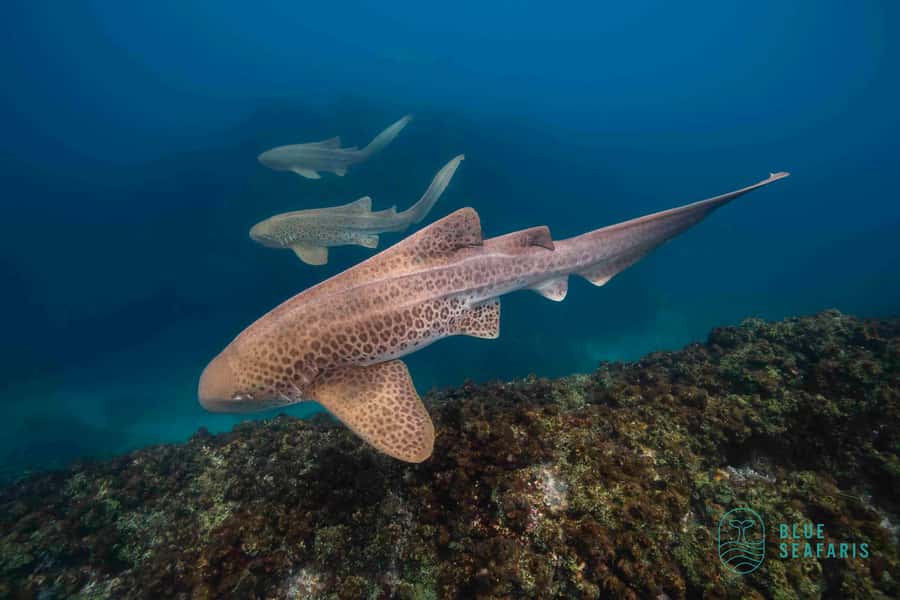
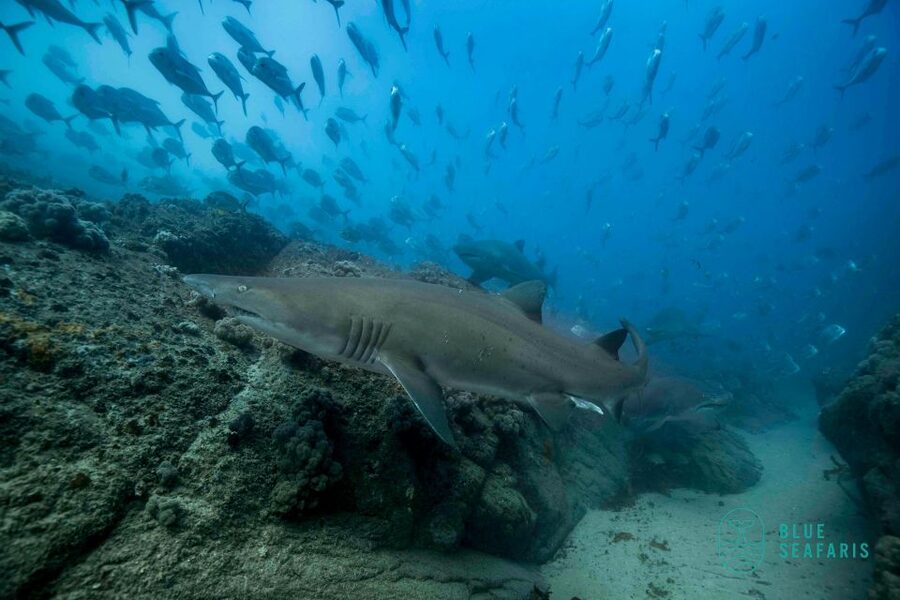
Leopard sharks are a signature species for this site, and they’re highlighted as something you can see in the November–May period. People also report additional shark species such as grey nurse sharks, wobbegong sharks, and stingray sightings (and even occasional surprises like a tiger shark report).
A key point: these are native animals in protected waters. The guides focus on safe, respectful proximity—so you’re there to observe, not interact.
Thousands of fish and colourful “in-between” moments
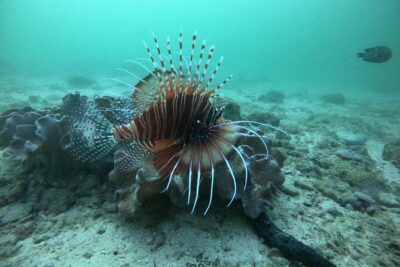
Between the big stars—turtles and rays—you’ll usually get wall-to-wall smaller life. People mention wrasse, pufferfish, lionfish, starfish, moray eels, and huge schools of colourful fish.
That’s why this tour can still feel amazing even if a specific animal doesn’t show up that day. The sanctuary is busy, and the guides direct you to the spots where life is moving.
Timing, seasons, and what increases your odds
This is one of those experiences where season genuinely matters. The tour notes:
- Humpback whales are a daily sight from June to November.
- Mantas and leopard sharks are seen from November to May.
Even if you’re not visiting in the “perfect” window, the site still has a lot going on year-round because warm and cooler waters meet there. But if your dream list includes whales or mantas, timing your trip to those months can raise the odds.
Also, don’t ignore day-to-day conditions. If weather reduces visibility, you might still see animals, but you’ll rely more on the guide’s pointing and your ability to scan slowly.
The guided approach: how marine biologists help you spot wildlife
A recurring theme in the feedback is that the guide actively works in the water with you. That means you’re not left to wander and hope.
People specifically named guides and skippers such as Will, Cristiana, Michael, Scott, Kai, and others. The vibe is consistent: they explain what you’re seeing, where to look next, and how to stay comfortable so you can actually observe.
That matters because snorkeling wildlife isn’t just sight—it’s interpretation. Fish behaviour, ray movement, and the “path” animals follow around the rocks can be easier to read when someone points out the patterns.
One person also mentioned being supported when snorkeling for the first time, with the guide and skipper making sure nervous swimmers felt okay in the water. That’s the kind of small, human detail that can make or break a trip.
The 150 minutes on the water: a realistic flow of the day
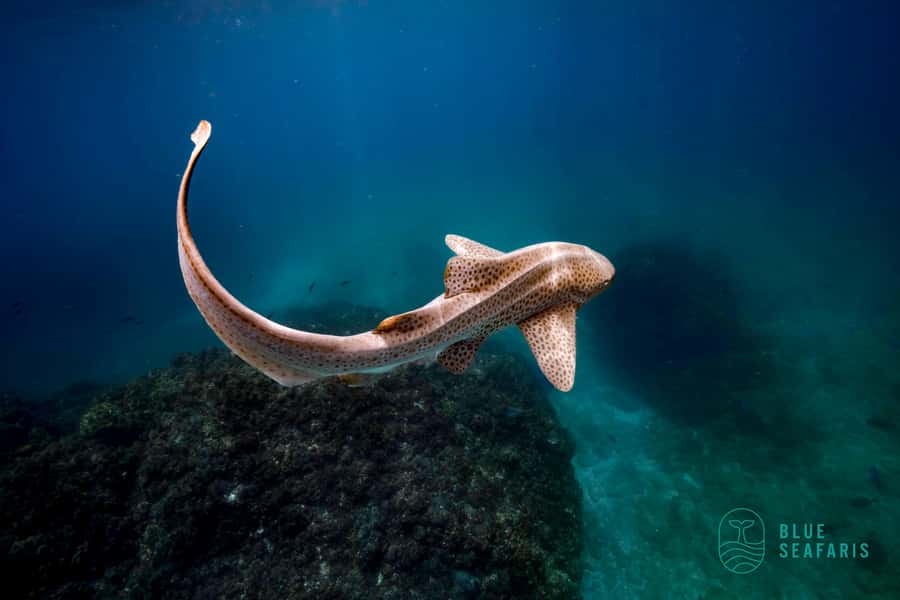
You’re looking at 150 minutes total. The schedule is simple, which is good: a short speedboat run out, swimming time at Julian Rocks, and then back to base.
Here’s what the flow feels like in practice:
1) You meet at the harbour area around 43 Harbour Wy.
2) You board the speedboat for roughly 15 minutes to reach the rocks.
3) You spend about 1.5 hours at Julian Rocks with a mix of marine viewing and snorkelling.
4) You return to the harbour and wrap up at 43 Harbour Wy.
During the water time, expect the guide to reposition the group and keep you oriented. The sanctuary’s protected nature helps, but the rocks are still an active habitat, so you’ll move with the best spotting areas rather than doing a single static snorkel session.
Also, one practical note: people have mentioned there may not be a toilet on this experience. If you need a bathroom, handle it before you depart.
Equipment and comfort: wetsuit fit, mask clarity, and keeping warm
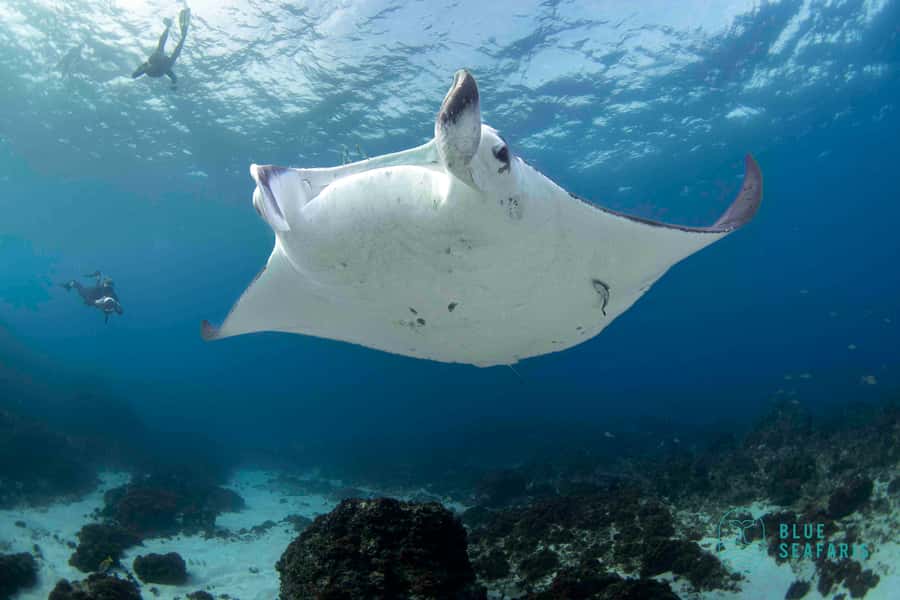
The tour includes wetsuit, mask, and fins, and people commonly describe the gear quality as good—some say it’s almost like new. That’s not a small thing. A well-fitting mask and comfortable neoprene make a huge difference in how long you’ll want to stay in the water.
Water temperature can still surprise you even with a wetsuit, especially if waves keep you moving and you spend time getting geared up and back aboard. One person suggested bringing something extra like a towel or outer layer for after you’re wet.
Visibility is also weather-dependent. Rain and sea chop can reduce how clear the water looks. You can still see plenty, but your viewing plan shifts from “easy and crisp” to “watch where the guide directs, then slow your scanning.”
Boat-to-wildlife value: Is $91 per person worth it?
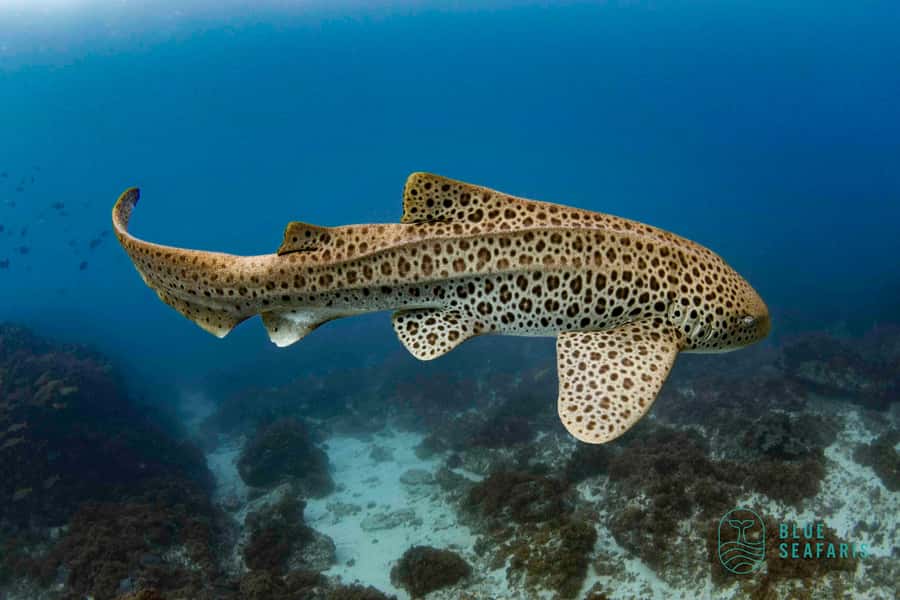
At $91 per person for 150 minutes, you’re paying for three things at once:
- a trained onboard guide (marine biologist)
- the full snorkelling kit (mask, fins, wetsuit)
- transport by speedboat to a specific, protected marine sanctuary
That value math makes sense if you don’t want to rent gear, and you want an operator who’s running a focused wildlife program instead of a generic coastal cruise.
It also helps that the experience is structured to keep you in the water long enough to matter. The snorkel portion is the main event, and the short boat run helps avoid wasting the day.
When the animals show up—turtles, leopard sharks, manta or eagle rays—the trip can feel like a “why did I wait so long to do this” moment. When conditions are average, you still have thousands of fish and plenty of underwater life to keep your attention.
Who this tour suits best (and who should skip it)
This one is best for people who genuinely want wildlife-focused snorkeling and are comfortable in open water.
You’ll likely enjoy it if:
- you can swim confidently and feel okay in open water
- you want a guide-led spotting approach
- you’re happy with a mix of wildlife viewing plus snorkelling time
You should skip it if:
- you’re a non-swimmer
- you have back problems (listed as not suitable)
- you’re pregnant (listed as not suitable)
- you’re under 7 years old
- you’re over 110 kg (243 lbs)
- you’re over 70 years old
If you’re the type who likes controlled, fully supervised activities from shallow shore stations, this won’t feel right. The trip expects you to manage yourself in the water, with guidance from the team.
Should you book Blue Seafaris at Julian Rocks?
If your Byron Bay plan includes snorkeling and you want a serious shot at seeing turtles, leopard sharks, and rays, I think this is a strong booking. The marine sanctuary setup, the included gear, and the guide-led search pattern make it feel efficient and wildlife-first, not random.
Book it if you’re comfortable with open water and you can handle a speedboat ride over choppy conditions. Skip it if open water scares you or if you’re looking for flotation-jacket comfort.
Quick final check: if your dream list includes whales or mantas, line up your dates with June–November for humpbacks and November–May for mantas and leopard sharks.
FAQ
Where does the tour depart from?
It departs from Brunswick Heads boat harbour. The listed meeting and return point is 43 Harbour Wy.
How long is the tour?
The total duration is 150 minutes.
What’s included in the price?
You get a marine biologist guide plus snorkelling gear: a mask, fins, and a wetsuit.
What marine life can I expect to see?
You may see turtles, manta rays, eagle rays, leopard sharks, and other native fish. Whale and dolphin sightings are also possible depending on season and conditions (including humpback whales June–November).
Do I need to know how to snorkel?
The tour is designed for snorkelling, but the key requirement is comfort swimming in open water. You can also do breath-hold swimming as part of the experience.
Do they provide flotation devices?
Pool noodles are available, but flotation jackets are not provided for non-swimmers. The tour requires comfort swimming in open water.
What should I bring?
Bring a sun hat, biodegradable sunscreen, and a reusable water bottle.
Are tour times shown in local time?
Yes. Tour times are in the NSW time zone.
What if ocean conditions are rough?
Tours operate subject to favourable ocean conditions. If conditions change, you’ll be notified by email and SMS about rescheduling.
Who is the tour not suitable for?
It’s not suitable for children under 7, pregnant women, people with back problems, non-swimmers, people over 110 kg (243 lbs), or people over 70 years old.