REVIEW · BRUNSWICK HEADS
Byron Bay: Snorkeling Tour at Julian Rocks, Nguthungulli
Book on GetYourGuide →Operated by Out Of The Blue Adventures · Bookable on GetYourGuide
Julian Rocks is shark-magnet country. This 150-minute snorkeling trip from Brunswick Heads takes you to Nguthungulli, where cold, nutrient-rich water pulls in turtles, manta rays, and leopard sharks for memorable in-water wildlife. I love that you get real marine-life focus in a place built for it: Julian Rocks Nguthungulli Nature Reserve.
Onboard and in the water, guides like Harry, Pierre, and Em with Gabs keep things upbeat and practical, with marine biologist guides and two in-water spotters watching your lane. The main drawback to consider is the sport-side reality: you must be able to swim 200m unassisted, and conditions can include currents and choppy water.
In This Review
- Key things I’d circle before you book
- Brunswick Heads to Julian Rocks: the cruise setup (and why it’s part of the value)
- Nguthungulli (Julian Rocks): what makes this reserve so animal-heavy
- Your in-water highlights: leopard sharks, manta rays, turtles, and the rest
- Marine biologist guides in action: how safety and spotting work together
- Gear, wetsuits, and sunscreen: what you don’t have to bring
- Timing and comfort: making 150 minutes actually feel worth it
- Price and value: why $91 can be fair here
- Who should book this Julian Rocks snorkeling tour (and who should skip it)
- Should you book this Julian Rocks snorkeling tour?
- FAQ
- Where is the meeting point for the snorkeling tour?
- How early should I arrive before departure?
- How long does the tour run and how much time is spent snorkeling?
- What snorkeling gear is included?
- Do I need to know how to swim?
- How far do I need to be able to swim unassisted?
- Is the tour suitable for young children?
- Are food and drinks included?
- What happens if weather or ocean conditions change?
- Can I cancel for a full refund?
Key things I’d circle before you book
- Julian Rocks + Nguthungulli waters where cold and nutrient-rich currents help animals show up
- Marine biologist-led snorkeling with two in-water guides for safety and “look here” guidance
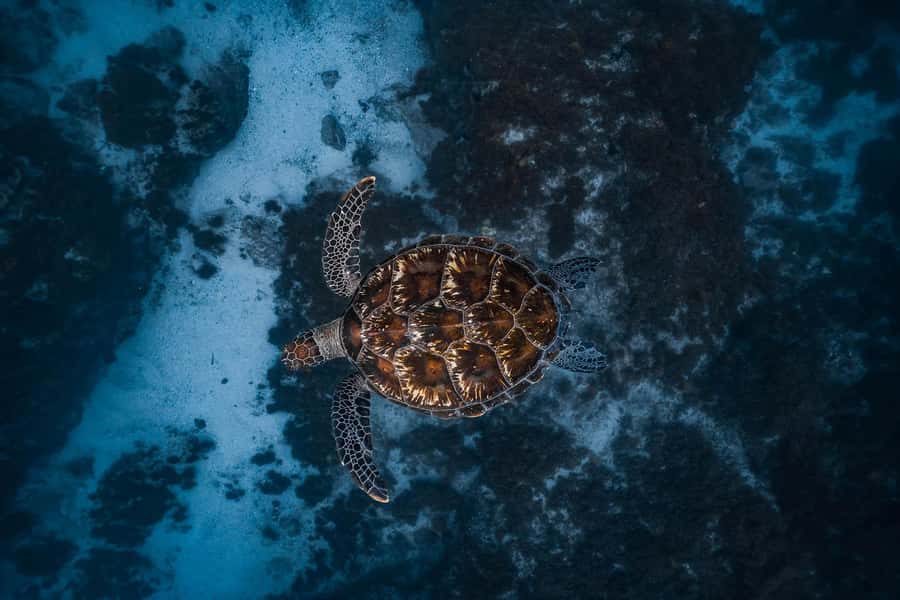
- Big-hit species you may encounter: leopard sharks, manta rays, turtles, eagle rays, dolphins, and more
- Scenic speedboat ride along the Byron Bay coast with dolphin watching on the way
- All gear provided (mask, fins, wetsuit) plus reef-safe sunscreen to make it easy
Brunswick Heads to Julian Rocks: the cruise setup (and why it’s part of the value)
Your tour starts at Brunswick Heads Boat Harbour. The team meets you on the jetty about 20 minutes before departure, but the crew asks you to arrive 30 minutes before the scheduled time so you have enough runway for the safety briefing and getting into your wetsuit. If you’re even a little slow with gear and changing, give yourself extra buffer. The boat can’t wait.
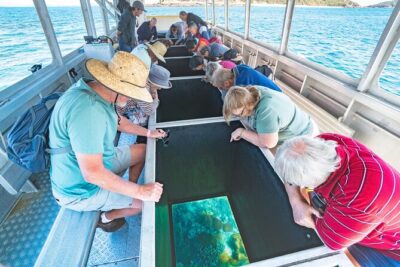
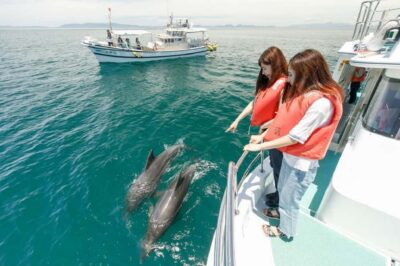
Then you’re off by speedboat for roughly 15 minutes toward Julian Rocks. On a good day, this is more than a transfer. The coast scenery is a nice warm-up, and you’re in the right place to spot dolphins while you’re cruising out.
This is also where I think the tour earns its keep. You’re paying for more than snorkeling time. You’re paying for guided wildlife access to a high-biodiversity reserve, delivered from a nearby launch point with a purpose-built vessel and a short, efficient ride.
One practical note: the trip can be bouncy. If you’re prone to motion sickness, plan for it before you leave shore. Bring what helps you (chewing gum, ginger, or whatever works for you), because nothing kills snorkeling momentum faster than feeling off.
You can also read our reviews of more snorkeling tours in Brunswick Heads
Nguthungulli (Julian Rocks): what makes this reserve so animal-heavy
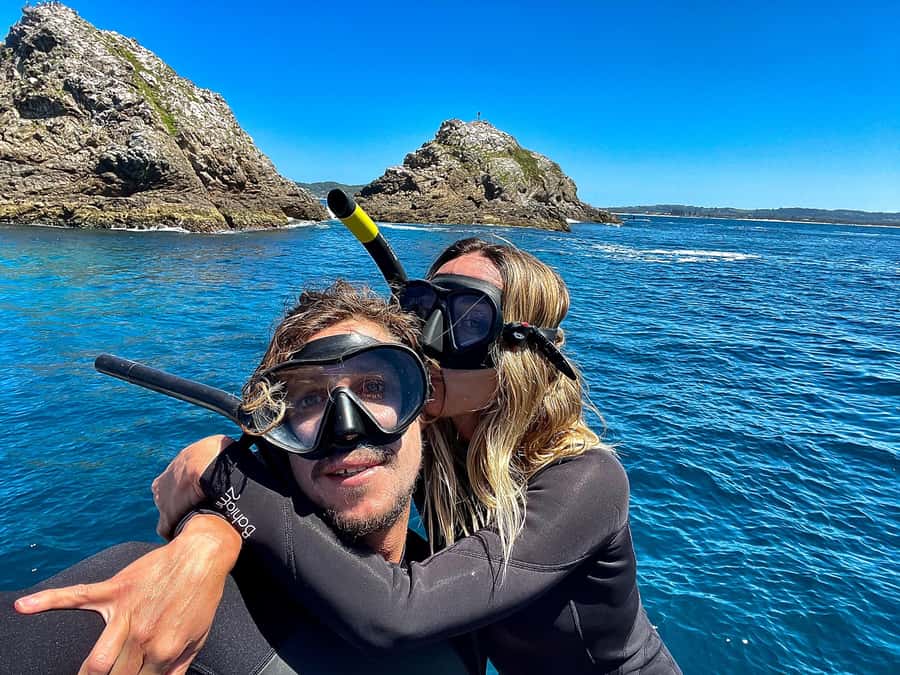
Julian Rocks is one of the places people describe as special for a reason. The water here is a convergence—cold water meeting nutrient-dense tropical flow. That mix matters. It supports a food chain that brings in big movers (rays and turtles) and the schools of fish they chase.
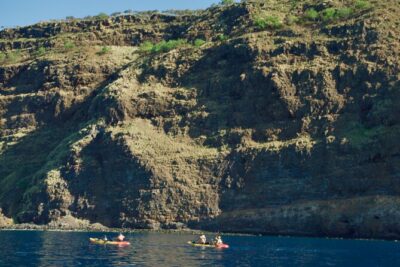
The rocky outcrop at Julian Rocks is traditionally known as Nguthungulli, and the reserve is set up for protected, shallow snorkeling. You won’t be standing on the bottom, but you also shouldn’t feel like you’re trying to swim across open ocean. It’s designed to be a controlled wildlife encounter zone.
You’ll spend about 1.5 hours in the water, with the guides taking you to multiple snorkel spots around the reserve. That roaming matters, because marine life doesn’t sit politely in a single spot for an entire hour. With a good guide team, you’re more likely to catch different species at different moments—rather than repeating the same view until your tank (or patience) runs low.
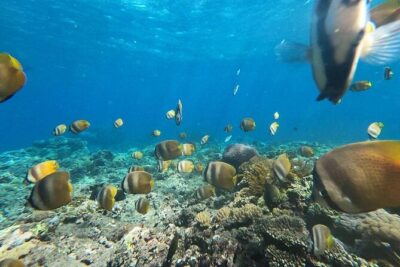
Also, this is a place where you can reasonably expect scale. The tour describes the area as hosting over 1000 marine species. Even if you don’t see every category on your trip, that ecosystem density is why “one animal” tours often feel thin, while this one can feel like a whole menu.
Your in-water highlights: leopard sharks, manta rays, turtles, and the rest
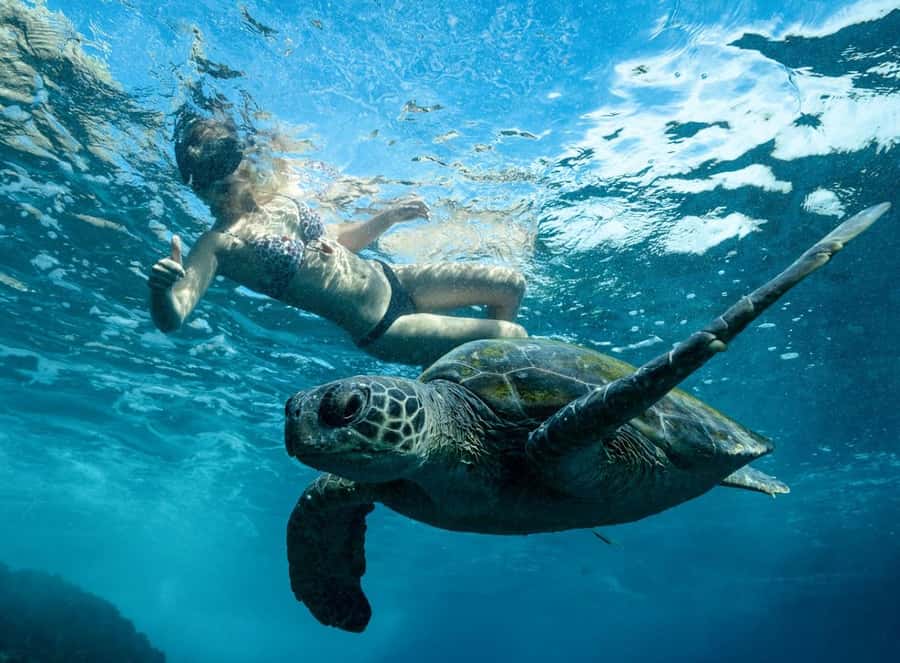
The headline animals sound like a wish list, and the best part is that your guides are set up to help you actually find them. You’re likely to look for a mix of animals that use the area differently.
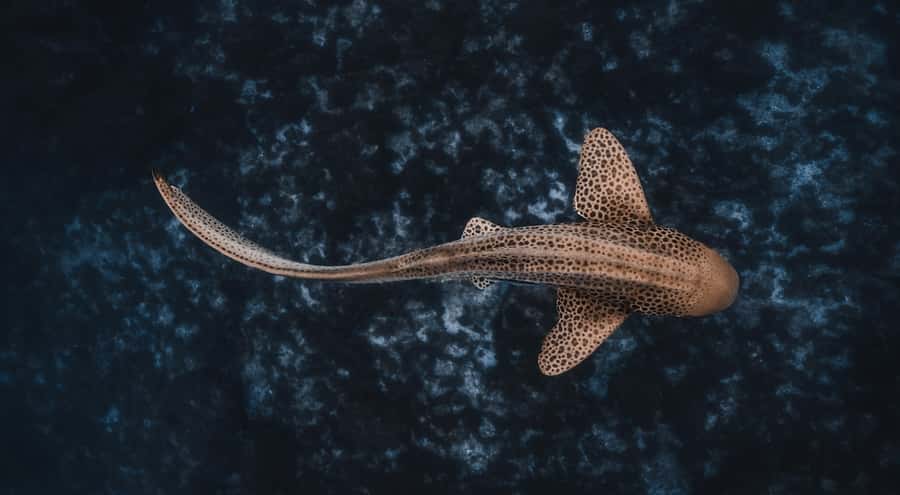
- Leopard sharks: These can be a highlight because they’re often active in the habitat you’re snorkeling over. Expect to scan calmly, not thrash your way around.
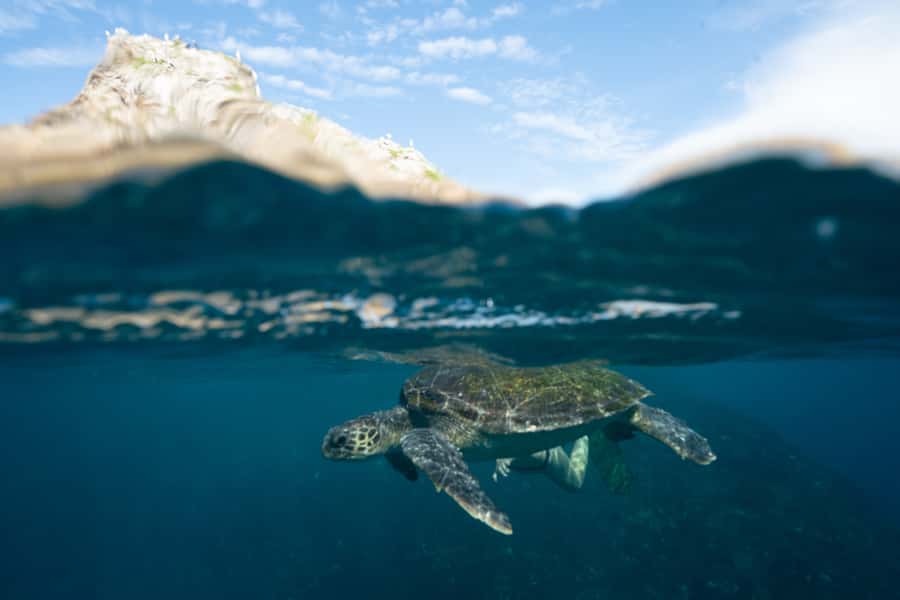
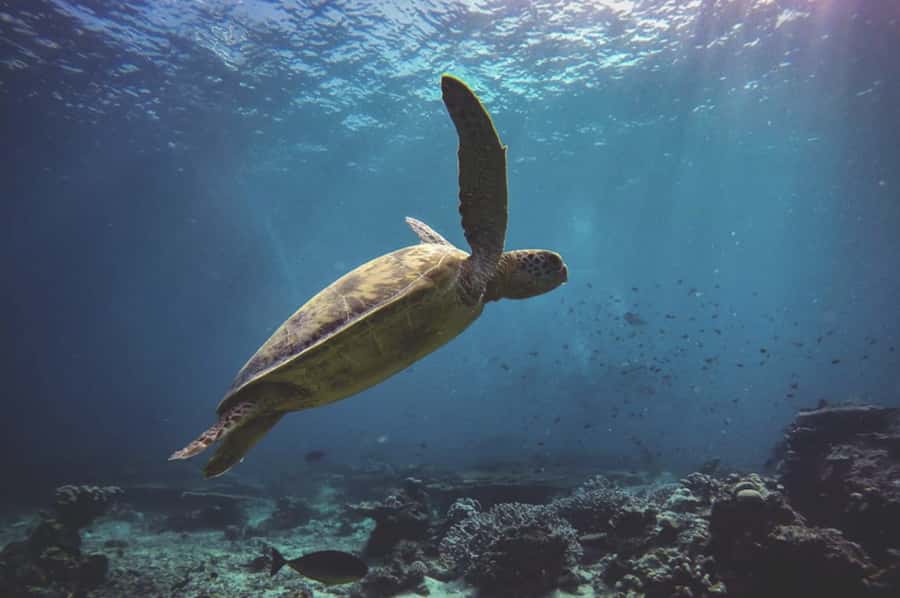
- Turtles: When turtles rise toward the surface, it’s an instant “heads-up” moment. The guides help you spot where movement is happening so you don’t waste time drifting in the wrong direction.
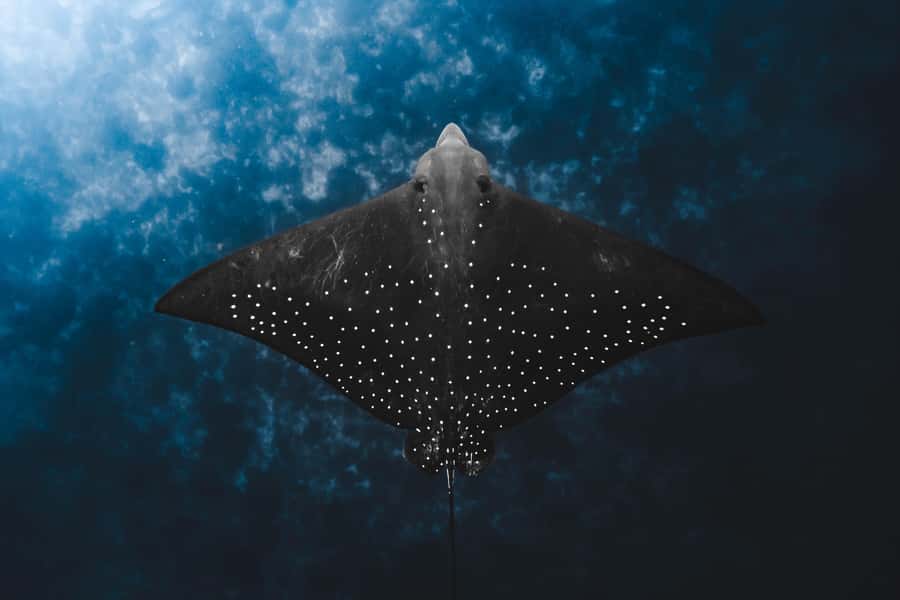
- Manta rays: If conditions and animal movement line up, mantas are the big wow factor. You’ll be looking in the water column and watching for the way rays move rather than staring at one patch and hoping.
- Eagle rays and wobbegongs: These add variety, because not every species behaves like a speed demon. Some are easier to spot if you slow down and let the water do the work.
- Grey nurse sharks and other sharks: The tour describes these as possible encounters. The point isn’t to guarantee a species—it’s that the reserve is a real habitat, not a staged encounter.
- Fish and coral life: You’re seeing a lot of fish species too, which helps even if your “top two” big animals don’t show.
A pattern that matters: the best snorkeling sessions usually come from your attitude in the water. If you treat it like a photoshoot sprint, you’ll miss cues. If you stay relaxed and follow the guides’ pointing and pacing, you’ll likely enjoy more sightings—even on days when certain animals are less active.
And yes, dolphins can show up on the way out and back, which makes the whole outing feel like one connected marine day instead of just a water stop.
Marine biologist guides in action: how safety and spotting work together
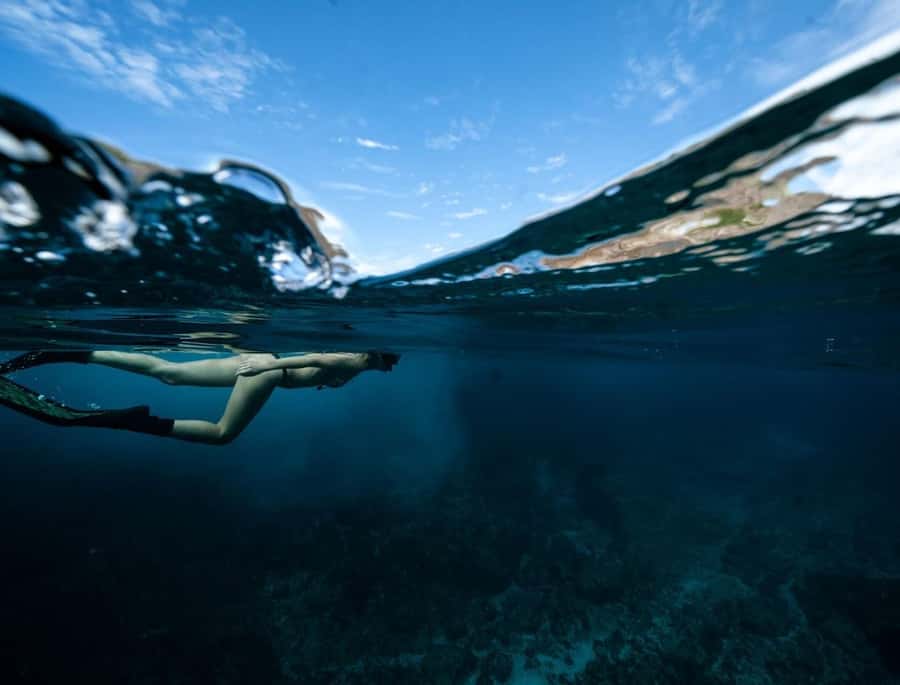
This tour leans hard into guidance. You’re not going solo with a map and vibes. You’ll have marine biologist guides plus two in-water guides, and the crew’s job is twofold: keep you safe and help you notice things fast.
Safety comes first because Julian Rocks is too deep to stand and can involve ocean currents. You’re required to be a competent swimmer and able to swim 200 meters unassisted before booking. The crew also has the right to remove snorkelers who can’t meet that requirement during the activity—there’s no refund in that case—so don’t assume you can “tough it out” once you’re in wetsuit and fins.
In the water, the guides help you navigate the reserve and manage your effort. Some guests have noted extra support options for beginners, like flotation help, so if you’re new or you get tired, ask early. If you’re shown a help signal during the briefing, use it. Don’t wait until you’re struggling.
I also liked the coaching style described by guests: the team tends to be friendly and reassuring, with clear instruction on what to do and how to react. That matters if you’re not the most confident snorkeler, because confidence is what lets you enjoy the animals instead of worrying about your breathing.
Finally, it can be busy out there. One guest noted there are often many groups in the water, including scuba swimmers. That doesn’t automatically ruin the trip, but it does mean you’ll want to stay patient and keep your bubble of space. Follow guide instructions so you don’t get tangled in other snorkelers’ paths.
Gear, wetsuits, and sunscreen: what you don’t have to bring
One of the simplest wins is that snorkeling setup is handled for you. The tour includes:
- mask and fins
- wetsuit
- reef-safe sunscreen
So you can pack lighter and spend your energy on enjoying the water. Still, you should bring swimwear, since that’s what goes under the wetsuit. If you run cold easily, consider wearing swimwear that gives you decent coverage under the wetsuit without chafing.
Fit matters. A wetsuit that’s too loose can feel awkward and make swimming harder. A mask that leaks can make you miserable fast. Arriving on time helps here—so you can get in, adjust, and feel ready before the boat starts the in-water countdown.
Also, note the wetsuit requirement ties back to safety briefing timing. If you show up late, you’ll be rushed on changing and listening. Then you’ll start the experience stressed, which is the opposite of what you want when you’re trying to spot a manta or track the glide of a turtle.
Timing and comfort: making 150 minutes actually feel worth it
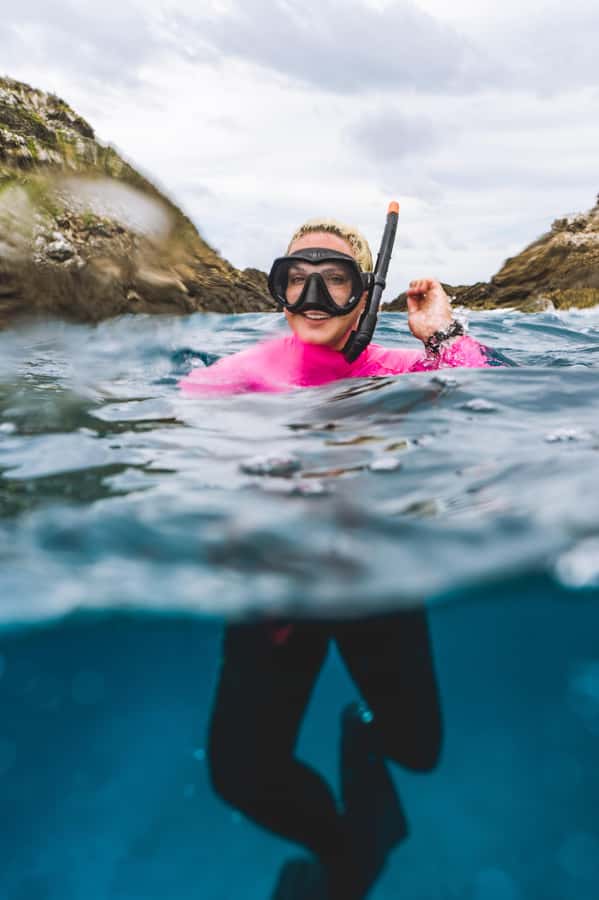
The total tour time is about 150 minutes, with around 15 minutes by speedboat each way, and about 1.5 hours at Julian Rocks for guided snorkeling and marine life viewing.
That structure is good for two reasons. First, you don’t burn half your day traveling. Brunswick Heads is close enough that you’re not doing a long haul just to get wet. Second, the in-water block is long enough to get into a rhythm—breathe, scan, spot, follow—without feeling like you’re stuck in “beginner mode” the whole time.
It’s also realistic. If you’ve snorkeled before, you’ll appreciate having multiple snorkel spots. If you’re newer, a guided route reduces decision fatigue: you’re not spending your mental energy wondering where to go. You’re spending it looking for the next animal.
Comfort tip: if you get tired quickly, build in pacing. Currents and waves can make it feel like more work than a calm swimming pool. That’s why the 200m unassisted requirement exists. If you meet it, you’ll enjoy the longer water time far more.
Price and value: why $91 can be fair here
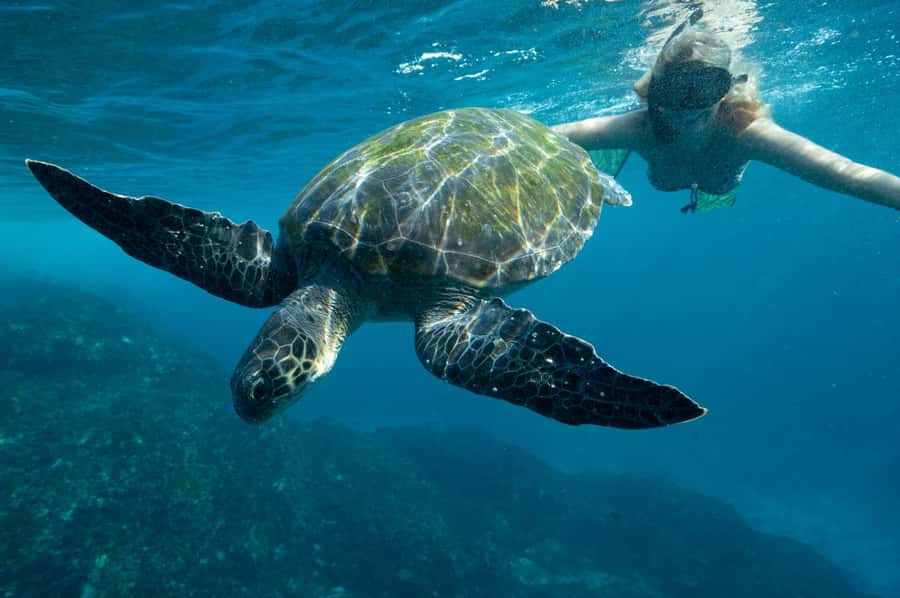
At $91 per person for 150 minutes, this tour isn’t a bargain in the “cheap” sense. But it can still be good value because you’re buying a bundle:
- marine biologist guidance
- in-water coaching with two guides
- complete snorkel gear (mask, fins, wetsuit)
- reef-safe sunscreen
- a protected, high-biodiversity snorkeling location delivery from Brunswick Heads
If you compare it to DIY snorkeling gear rentals plus your own boat planning plus safety uncertainty, the guided model starts to make sense. You’re paying for access to Julian Rocks with enough structure that you can focus on wildlife rather than logistics.
And the sightings are the big part. When the conditions line up, you’re not just looking at fish on one wall. You’re in a system where you might see sharks, turtles, manta rays, eagle rays, dolphins, and lots of smaller species too. That kind of animal variety is exactly what makes a guided tour feel worth it.
One more value factor: reef-safe sunscreen and wetsuits remove “extra costs.” Those often add up if you plan it yourself.
Who should book this Julian Rocks snorkeling tour (and who should skip it)
This is best for swimmers who want a guided wildlife experience and feel comfortable in the ocean.
It’s not suitable for:
- children under 7
- non-swimmers
- people with low level of fitness
- people with back problems
- pregnant women
- people over 70
And you must be able to swim 200m unassisted. Julian Rocks is too deep to stand, and currents can be part of the day.
If you’re a confident snorkeler who likes structure and enjoys learning about species as you see them, you’ll likely love this. If you’re a beginner, you can still enjoy it, but you should treat the briefing seriously and be ready to work within safety guidance.
If you tend to get seasick easily, consider whether the boat ride will bother you. Some guests have reported seasickness. You can plan for that, but it can still limit how much you enjoy the water time.
Should you book this Julian Rocks snorkeling tour?
Book it if you fit the swimmer profile and you want a marine-focused trip with real guide support. The combination of Nguthungulli’s ecosystem and marine biologist guidance is the winning formula here, and the gear being included makes it an easy decision.
Skip it if you don’t meet the 200m unassisted swim requirement, you know you struggle in currents, or the physical demands of wetsuit snorkeling don’t sound fun. Also pass if you’re expecting a gentle, stand-and-stroll experience. This is snorkeling in a real ocean habitat, with real safety rules.
If you’re in the sweet spot—strong swimmer, curious about what lives here, and happy to follow guide cues—you’re likely to come away thinking this is one of your better Byron Bay marine days.
FAQ
Where is the meeting point for the snorkeling tour?
The tour meets at Brunswick Heads Boat Harbour.
How early should I arrive before departure?
You should arrive 30 minutes before the tour departure time for the safety briefing and getting into your wetsuit. The team is waiting on the jetty about 20 minutes prior.
How long does the tour run and how much time is spent snorkeling?
The tour duration is about 150 minutes total. Julian Rocks time includes about 1.5 hours of guided snorkeling and marine life viewing.
What snorkeling gear is included?
Snorkeling gear is included, including a mask, fins, and a wetsuit. Reef-safe sunscreen is also provided.
Do I need to know how to swim?
Yes. You must be able to swim competently because Julian Rocks is too deep to stand and can have ocean currents.
How far do I need to be able to swim unassisted?
You must be able to swim 200 meters unassisted before booking. If crew members determine you can’t, you may be asked to stay on the vessel.
Is the tour suitable for young children?
No. It’s not suitable for children under 7 years old.
Are food and drinks included?
No. Food and drinks are not included.
What happens if weather or ocean conditions change?
The tour is subject to ocean and weather conditions. You should enter a valid phone number with country code so the team can contact you if changes are needed.
Can I cancel for a full refund?
Yes. You can cancel up to 24 hours in advance for a full refund.