REVIEW · ISHIGAKI
Ishigaki: Mangrove SUP or Canoe & Phantom Island Snorkeling
Book on GetYourGuide →Operated by ISHIGAKI ADVENTURE PiPi · Bookable on GetYourGuide
Mangroves in motion beat the usual beach day. You get a mangrove river paddle in Miyara and Phantom Island snorkeling where the sandy shore changes with the tide. It’s a great mix of calm scenery and hands-on water time, and the guides like Makoto, Sebastian, Kote, and Ayaka seem to keep everyone feeling safe and in control.
One thing to plan for: this is weather-and-tide sensitive. If conditions make snorkeling harder, they may switch the snorkeling spot and even adjust the order, so you’ll want flexibility.
In This Review
- Key highlights I think you’ll care about
- Mangroves and Phantom Island: why this combo works
- The speedboat start: quick transit, less wasted time
- Snorkeling on Phantom Island (and what to expect under real conditions)
- If snorkeling conditions wobble
- Time on the island
- Miyara River mangroves: canoe or SUP in the hirugi forest
- Canoe vs SUP: choose based on comfort, not bravado
- What makes the mangroves special here
- The guides: where safety and enjoyment actually come from
- Photo data and included gear: what you’re really paying for
- Price and logistics: keep it simple and you’ll feel less stress
- What to pack (so you don’t end up buying essentials in a hurry)
- Weather and tides: your plan B is part of the design
- Who this is best for (and who should skip it)
- Should you book Ishigaki Adventure PiPi for mangrove SUP or canoe + Phantom Island snorkeling?
- FAQ
- How long is the tour?
- What activities are included?
- Where do you meet?
- What’s included in the price?
- Do I need to bring snorkeling gear or a life jacket?
- Do they run in bad weather?
- What should I wear?
- What languages do guides speak?
- Are there age limits or people who can’t join?
- Is cancellation possible?
Key highlights I think you’ll care about
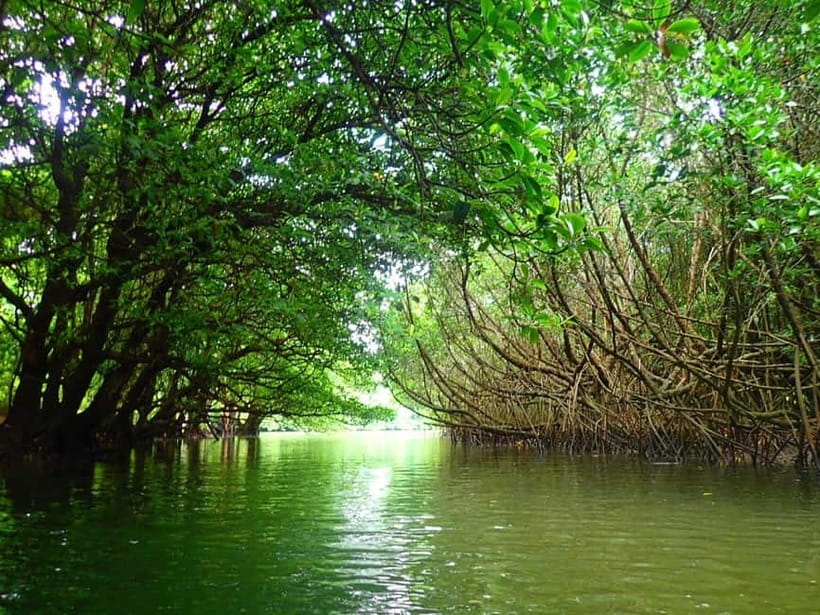
- National natural treasure vibes: canoeing/SUP in Miyara River’s hirugi forest
- Phantom Island by tide: a sandy beach that shifts shape as water levels change
- Built-in safety gear: life jacket plus special shoes and mask (and usually a wetsuit in winter)
- Short, fun snorkeling session: around 1 hour at the snorkeling portion, with photo data included
- A real paddling hour: canoe or SUP through mangroves, usually relaxed rather than intense
- Guides who actively manage the group: people repeatedly praise clear instructions and staying together
Mangroves and Phantom Island: why this combo works
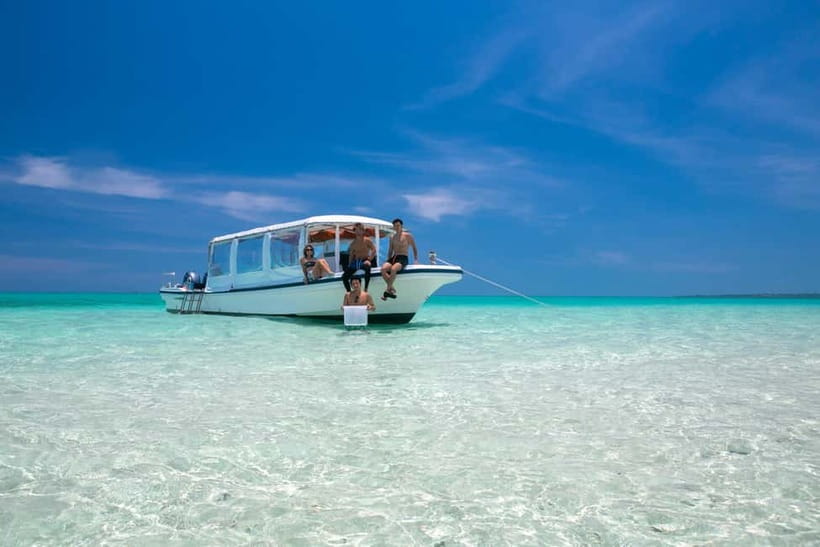
I like tours that feel like two different kinds of Okinawa at once, without making you rush between totally unrelated places. This one pairs a mangrove river experience with a snorkeling stop centered on Phantom Island, the sandy-beach “appearance” that changes as the tide moves in and out.
The value here is in variety. Mangroves are slow, shaded, and full of small details—tree roots, narrow channels, and the feeling you’re slipping through a living ecosystem. Phantom Island (and the surrounding water) is the opposite: open ocean water, fish near the surface, and that surreal look of a sand bar that doesn’t look like it should be there.
A few more Ishigaki tours and experiences worth a look
The speedboat start: quick transit, less wasted time
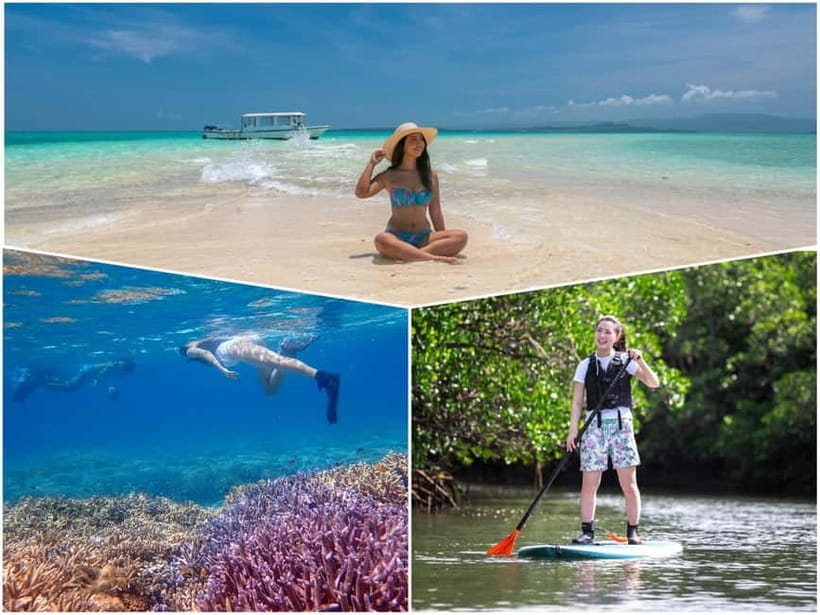
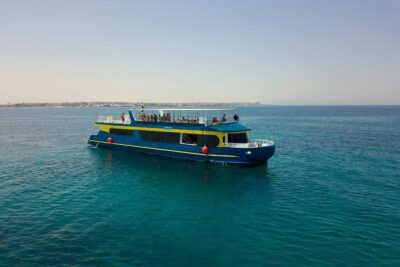
Your day starts from the Ishigaki port area (most options use ユーグレナ石垣港離島ターミナル as the meeting point). Then you head out by speedboat for about 30 minutes, which keeps the trip feeling efficient instead of turning into a long commute.
There’s a practical upside to starting this way: you spend more of the day on the water and less time stuck on land. In bad weather or tight sea conditions, the team may change the order or substitute a snorkeling location, but the overall structure stays the same—speedboat out, water time, then back for paddling.
Snorkeling on Phantom Island (and what to expect under real conditions)
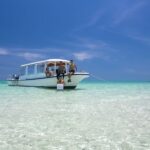
The snorkeling focus is Phantom Island, described as a sandy beach that floats in the ocean on the west side of Ishigaki Island. The name comes from how it changes shape with tide level, so part of the fun is just seeing what you get when you arrive.
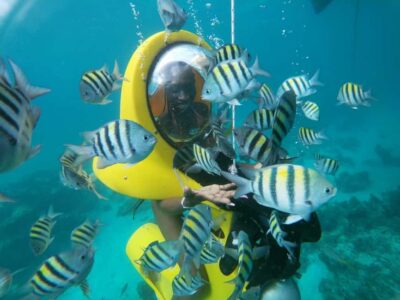
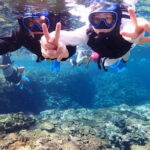
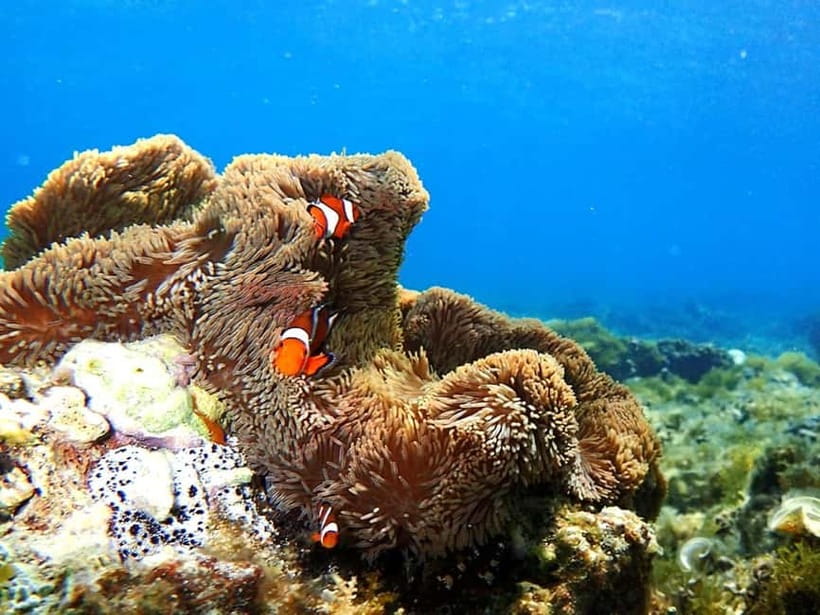
On the water, you can expect a “natural aquarium” feel—fish around you and coral in the snorkel zone. In multiple experiences, guides like Kote and Diego are praised for helping people feel comfortable in the water and for keeping the snorkel time organized. If you’re new to snorkeling, that matters, because good guidance is often the difference between panic and just enjoying it.
If snorkeling conditions wobble
The tour runs rain or shine, but it’s also honest about safety: if the sea is unsafe, they can cancel or adapt. One guide team reportedly offered an alternative snorkeling site when conditions weren’t right, which is exactly what you want to hear. Still, if you’re someone who hates uncertainty, know that the exact snorkeling location and timing can shift.
Time on the island
You also get time on the sandy beach—around 20 minutes of relaxing on the island has been mentioned—before getting back into the water. That short break is useful. It gives your body a breather and lets you look at the way the shoreline changes as water levels shift.
You can also read our reviews of more snorkeling tours in Ishigaki
Miyara River mangroves: canoe or SUP in the hirugi forest
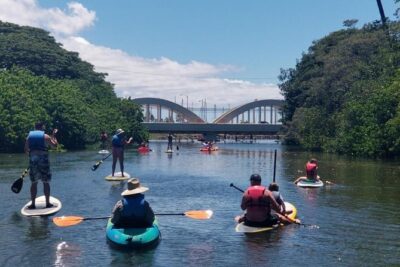
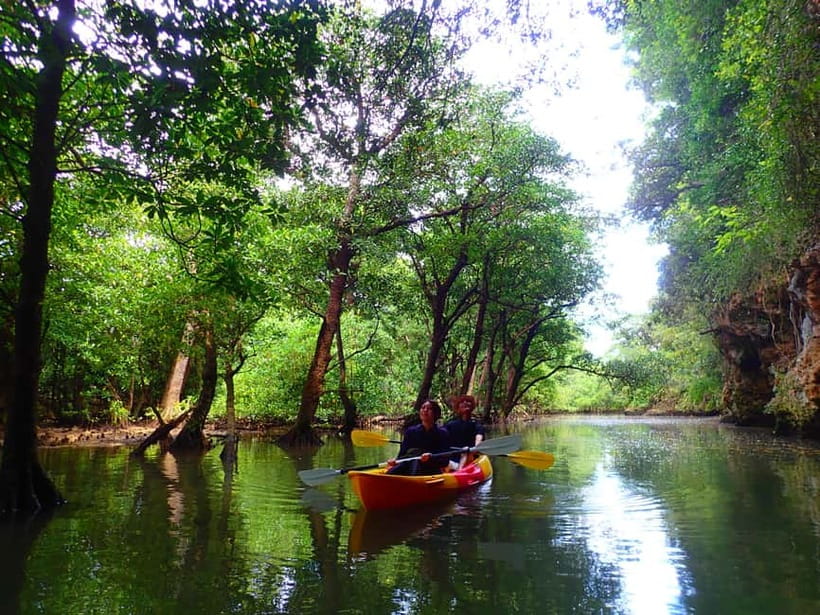
After snorkeling, you head back and get a break period (about 2 hours) before the mangrove portion. Then comes the heart of the paddling: Miyara River, specifically the hirugi forest area, which the tour describes as a national natural treasure.
You’ll either canoe or take a stand-up paddleboard (SUP) course, depending on the option you book and sea conditions. Either way, expect a lot of “slow progress and close-up scenery.” Mangrove channels force you to pay attention—roots, branches, and the narrow water paths make your strokes purposeful.
Canoe vs SUP: choose based on comfort, not bravado
If you want the simplest start, canoeing often feels more stable. The tour also notes that for children aged 3–11, they may guide them in a more stable canoe instead of SUP depending on sea conditions and participant numbers. That’s a good hint that the organizers think about balance and comfort first.
For SUP, you still get a full-on nature experience, but you should be ready to stand, keep your balance, and steer. The payoff is visibility—you tend to see the water surface details more clearly while you glide through the mangroves.
What makes the mangroves special here
People highlight not just the “pretty trees,” but the feeling of being close to the mangrove crowns and waterways. Guides such as Ayaka, Akari, and Ayaka are praised for clear instructions and for managing the group so you don’t feel rushed or left behind.
One really charming detail that pops up: the mention of a fairy-tree-like element during the mangrove learning portion. Even if you can’t predict the exact flora talk that day, the structure suggests you’ll learn as you paddle, not just float.
The guides: where safety and enjoyment actually come from
This is one of those tours where the best part isn’t a trick—it’s how the guide handles the water. In the experiences shared, guides like Sebastian, Sebastien, Makoto, Kote, Arai, Akari, Ayaka, Misaki, Diego, and Ayaka are repeatedly described as kind, cheerful, and attentive to safety.
In practical terms, that usually means:
- You get clear instructions on how to use gear and move as a group.
- The guide actively adjusts to different participant comfort levels.
- You’re not stuck guessing what to do next.
That matters extra on snorkeling days, because visibility and currents can vary. It also matters on SUP, because balancing in a moving or windy moment needs calm coaching.
If you’re lucky with the language match, English guidance is available. Still, the tour warns that it may be Japanese only depending on guide availability, so it’s smart to treat this as a “visual and action-based” activity where hand signals and demonstrations help.
Photo data and included gear: what you’re really paying for
At $103 per person for about 6 hours, you’re not just paying for scenery. You’re paying for a full water setup and the added help that makes it easier to enjoy.
Included items cover:
- SUP or canoe equipment
- Snorkeling equipment plus mask and special shoes
- Life jacket (you’ll need it)
- Wetsuits in winter
- Photo data
- Experience fee, liability insurance, and sales tax
You supply the human parts: swimwear, a towel, and a change of clothes. The tour also includes hot showers near the terminal (you ask the guide), which is genuinely useful if you’re continuing onward after your tour.
Two value notes I’d highlight:
- Photo data helps justify the price when you don’t want to fight with a waterproof camera.
- Liability insurance and required safety gear are a quiet part of the value—less stress for you, more responsibility for the operator.
Transportation isn’t included, so factor in how you’ll get to the port meeting point.
Price and logistics: keep it simple and you’ll feel less stress
You should think of this tour as a “book once, show up, follow instructions” day. The schedule is built around water blocks: a snorkeling portion around 1 hour, a paddling portion around 1 hour, plus a speedboat hop and a longer 2-hour break in the middle.
That break is your chance to reset. It also makes the day more comfortable if you don’t want back-to-back exertion. You can use the time to rehydrate, change into dry clothes, and plan your next meal.
If you’re sensitive to timing, know the tour emphasizes punctuality. Late/no-shows can be canceled with a fee, and if you’re delayed, you should contact them promptly. If you book late (after 5 PM), meet directly at the Ishigaki Ferry Terminal.
What to pack (so you don’t end up buying essentials in a hurry)
I’d pack like this:
- Swimwear (wear it)
- A change of clothes
- Towel
- Drinks (bring your own)
- Cash (they specifically mention cash)
- Clothes that can get dirty
Also remember: there’s no restroom on site, so use facilities before you head out. The tour also says no alcohol—not just as a rule, but because it’s a water safety day.
On the water, you’ll be wearing the provided safety gear and snorkeling setup, so you’re mostly managing “dry later” logistics.
Weather and tides: your plan B is part of the design
This isn’t a “set in stone no matter what” activity. The team says departure order and even snorkeling location can change due to weather, tides, or strait conditions. They’ll confirm these details the day before your tour, so don’t treat your itinerary like a static PDF.
One more reason I appreciate their approach: if snorkeling can’t happen at the intended site, they can run it at a different location. That helps you avoid the worst-case scenario of paying for a water tour and getting stuck dry.
Who this is best for (and who should skip it)
This tour is for ages 3–59 only, but it also lists not-suitable categories that include:
- Children under 5
- Pregnant women
- People with heart problems
- People over 60
So even though the age window says 3–59, the safety notes narrow it further in practice for young kids and older travelers.
It can also be a good choice if you’re comfortable around water and you don’t mind guided group activity. If you have fear of the ocean or questions about physical strength, the tour asks you to contact them in advance—good advice, because they’ll likely steer you toward the safest option for your comfort level.
If you’re looking for a laid-back nature day rather than a training workout, the mangrove paddling fits that mood. If you’re the type who wants zero weather uncertainty, this may feel like too much. But if you can roll with small adjustments, you’ll likely have a fun day.
Should you book Ishigaki Adventure PiPi for mangrove SUP or canoe + Phantom Island snorkeling?
I’d book it if you want a combo day that pairs shaded mangrove paddling with snorkeling over fish-and-coral terrain near a tide-driven sandy island. The price feels fair for the amount of gear included and for the fact that safety gear and photo data are part of the package.
I’d hesitate if you’re older (over 60), dealing with heart issues, pregnant, or you really can’t handle water conditions changing. Also, if you hate morning starts and structured meeting times, you’ll need to be extra organized because punctuality matters here.
If you’re within the suitable range and you’re okay with a plan that can shift with tides, this tour has a strong track record of guides making people feel safe—whether you’re on a canoe through Miyara River or floating above the changing sand of Phantom Island.
FAQ
How long is the tour?
The duration is listed as 6 hours.
What activities are included?
You’ll do mangrove paddling by canoe or SUP in Miyara River, plus snorkeling associated with Phantom Island.
Where do you meet?
Your meeting point may vary depending on the option booked, and it’s often ユーグレナ石垣港離島ターミナル. For late bookings (after 5 PM), you meet directly at the Ishigaki Ferry Terminal.
What’s included in the price?
Included: SUP or canoe equipment, snorkeling equipment and safety equipment (life jacket, special shoes), wetsuits (winter), experience fee with liability insurance, sales tax, and photo data. Transportation is not included.
Do I need to bring snorkeling gear or a life jacket?
No. The tour provides snorkeling equipment and safety gear, including a life jacket and special shoes.
Do they run in bad weather?
They run rain or shine, but they may cancel if conditions are unsafe. Due to weather, tides, or strait conditions, the order of tours and snorkeling location may change.
What should I wear?
Wear swimwear. Also bring a change of clothes and a towel. No restroom is available on-site, so use restroom facilities in advance.
What languages do guides speak?
Guides offer Japanese or English, though depending on guide availability your tour may be conducted in Japanese only.
Are there age limits or people who can’t join?
The tour lists participation for ages 3–59 only. It also says it’s not suitable for children under 5, pregnant women, people with heart problems, and people over 60.
Is cancellation possible?
Yes. Free cancellation is offered up to 24 hours in advance for a full refund.