REVIEW · ISHIGAKI
Okinawa Ishigaki Blue Cave Snorkeling Tour
Book on Viator →Operated by ISHIGAKI ADVENTURE PiPi · Bookable on Viator
Blue water in a cave sounds unreal. It’s also the kind of snorkeling trip where good coaching makes a difference—especially if you’re not a strong swimmer. Ishigaki’s Blue Cave is the big draw, and I like that you also get time in clear, fishy water after the cave. One thing to plan for: weather can limit cave access, and you may switch to an alternate snorkeling spot.
You start with a short outing focused on Ishigaki’s limestone-cave scenery, then you move into the water where you’ll be watching coral and fish around the trench area—conditions matter, but when visibility is good it’s the main reason people come. The tour also feels practical: you get snorkeling and safety gear, life jacket support, and even a hot shower close to the pickup area.
The main drawback is not the price—it’s the limits. The tour is only for ages 5–59, and it’s not for pregnant people or anyone with certain medical conditions. Also, you should skip if you’ve been drinking, because the whole experience depends on calm, careful movements in the water.
In This Review
- Key points I’d focus on before you go
- Blue Cave is the name, but the real payoff is visibility
- Your gear checklist: what’s included, what’s required, what to confirm
- Why the guides matter: patient, step-by-step coaching
- The cave stop vs. the snorkel stop: how the day usually flows
- When conditions push a change
- Timing, pickup, and how long you’re actually on the water
- Eco-minded snorkeling (and what that means for you)
- Price and value: why $45.76 can be fair in Okinawa
- Who this tour is for (and who should sit this one out)
- Should you book the Ishigaki Blue Cave snorkeling tour?
- FAQ
- How long is the Okinawa Ishigaki Blue Cave snorkeling tour?
- Is pickup available, and where do I meet the group?
- What ages can participate?
- What’s included in the snorkeling experience, and what isn’t?
- Do I need to be a strong swimmer?
- What safety gear do I need to use?
- Does the tour run in bad weather?
- How does cancellation work?
Key points I’d focus on before you go
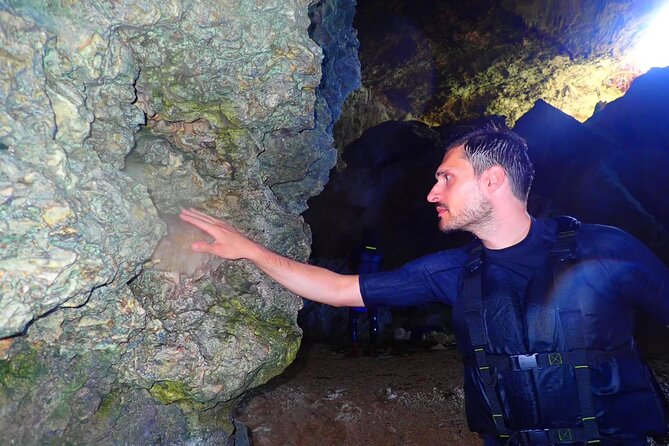
- Blue Cave area + reef snorkeling: Cave time on the land, then swimming where fish and coral show up.
- Coaching that helps people who are rusty: Guides like Akari, Yuki, Diego, Chloe, Ken, and Arai San are repeatedly praised for step-by-step help.
- Small-business feel: Maximum group size is 100, and you’ll likely feel like a managed group rather than a cattle call.
- Gear and hot shower included: Life jacket, special shoes, and wetsuits in winter, plus a shower near Ishigaki Port.
- Weather matters: It runs in rain or shine, but it can cancel if conditions become unsafe.
- Price looks fair for what’s included: You’re paying for the experience fee, safety setup, and photo data—not just access to water.
Blue Cave is the name, but the real payoff is visibility
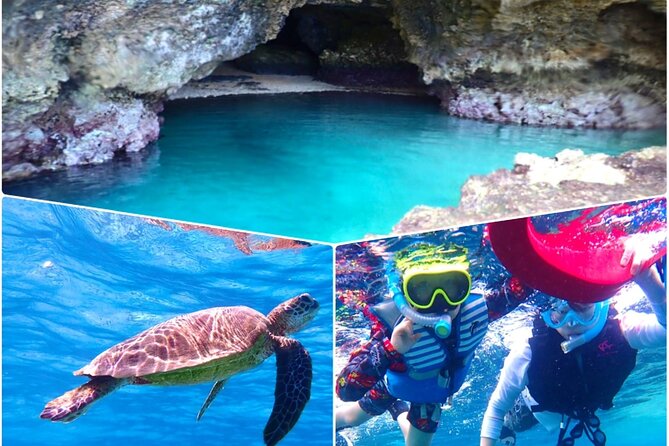
The “Blue Cave” part of this tour is about light. When conditions cooperate, the water inside the cave can turn an intense blue because the surface reflects the sky and sun. That’s why the timing and weather matter so much here. If the sea is too choppy or visibility drops, cave access can be limited, and the plan adjusts.
What you should aim to experience is two different kinds of beauty in one outing:
- On land: time near the Blue Cave area, including walking and looking around the limestone-cave environment.
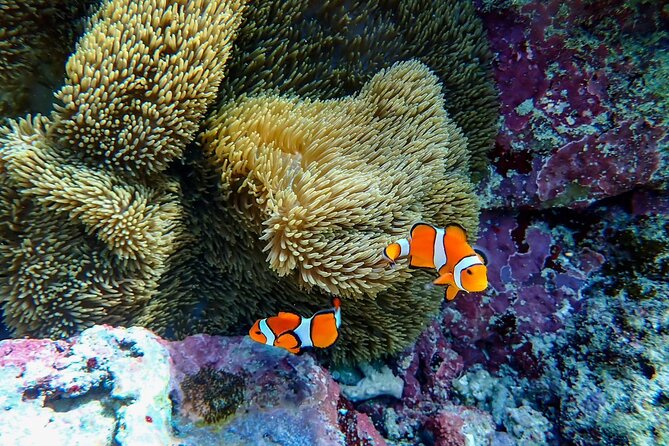
- In the water: snorkeling over coral and fish in the trench area, where clarity is the star.
If you’re the type who likes seeing wildlife up close without doing anything technical, this setup makes sense. You’re not chasing deep-water thrills—you’re spending your limited time in the water where the life is most likely to show.
You can also read our reviews of more snorkeling tours in Ishigaki
Your gear checklist: what’s included, what’s required, what to confirm
You’ll want to pack light and plan to dress for water right away. The tour asks you to wear swimwear in advance and to use the restroom before arriving because there’s no on-site restroom.
Once you’re there, the included gear list is solid:
- snorkeling equipment
- safety equipment: life jacket support
- special shoes
- wetsuits in winter
Two quick notes to keep you from getting surprised:
- The “Not included” section also mentions a ¥1,000 per person snorkeling equipment charge. That doesn’t match the “included” section. I’d treat it as a confirm-with-your-booking item so you’re not stuck arguing later.
- The tour explicitly says fins and mask are required and that you should follow the guide’s instructions on fitting and use.
Practical tip: bring a small towel and something to keep your hair from turning into salty rope if you’re photographing a lot. Even with showers available, you’ll feel better if you’re not walking around with damp everything afterward.
Why the guides matter: patient, step-by-step coaching
In snorkeling, the gap between a good day and a stressful one is usually the guide. Here, the coaching is repeatedly described as kind, patient, and very encouraging—especially for people who aren’t confident swimmers.
You’ll see names like:
- Akari, who’s praised for watching over the group and helping people enjoy the reef life
- Yuki, noted for explaining every step and guiding even kids through the process
- Diego, described as supportive and careful for non-swimmers
- Chloe, highlighted for clear safety with equipment and even mask defog help
- Ken, mentioned in a case where the plan shifted into paddle boarding while the guide kept things friendly and helpful
- Arai San, credited for taking good care of the group and supporting people who can’t swim well
What that translates to for you: you should expect a real safety briefing and hands-on help with your equipment. If you’re worried about panic in the water, this is the kind of tour where the staff tone matters. Listen closely at the start, then keep your breathing steady and follow the group pace.
The cave stop vs. the snorkel stop: how the day usually flows
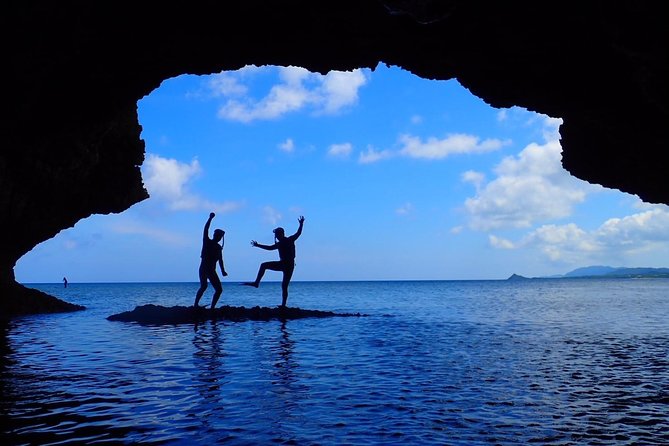
The plan is built around two phases:
- Stop 1: Blue Cave area (land time and cave viewing/exploring when conditions allow)
- Stop 2: snorkeling at the Ishigaki-jima area, focused on reef and fish life
The important detail isn’t just what happens—it’s the order. Starting with the cave area means you can get your bearings before you go into the water. Once you’re suited up, the guide can do equipment checks while people settle into the water routine.
From an experience point of view, I like this order because it reduces decision fatigue. You’re not wondering what you’ll do first; you just follow the flow.
When conditions push a change
The tour runs rain or shine, but it can cancel if the water becomes unsafe. And if cave access isn’t possible due to conditions, you’ll likely switch to a nearby snorkeling spot rather than losing the entire water experience. That keeps the day from turning into a total bust.
So mentally, go in expecting the cave to be the headline, but treat the snorkeling as the payoff you still want.
Timing, pickup, and how long you’re actually on the water
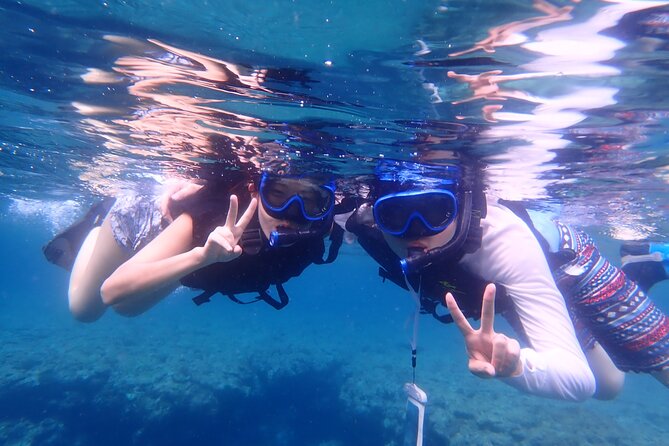
Expect about 1 hour 30 minutes total (approx.). The short duration is part of the value. You’re not committing the whole day to one activity, which matters in Ishigaki where there are plenty of other things to do.
Pickup is offered, and the meeting details are sent by the day before your tour. If you don’t receive a message by 6:00 PM, you should contact the operator using what’s provided with your ticket.
Also pay attention to timing rules:
- Be on time. Late/no-shows can incur fees.
- Late bookings made after 5:00 PM the day before require meeting directly at Ishigaki Port Remote Island Terminal.
There are showers near Ishigaki Port, and you can use the shower room for free (amenities aren’t included). That’s a big deal after snorkeling because you’ll be able to reset without hunting for a paid facility.
Group size is capped at 100, which is reassuring if you hate crowded chaos. Just remember: it’s still a water activity, so you’ll want to listen, line up, and move efficiently.
Eco-minded snorkeling (and what that means for you)
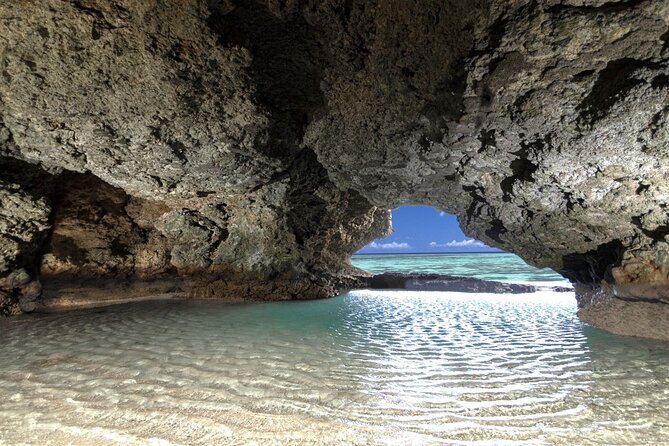
The tour describes itself as eco-friendly and designed with sustainability in mind. That’s not just marketing fluff if the operator is serious about:
- keeping people safe so no one panics or kicks coral accidentally
- controlling how gear is used
- setting expectations for respectful behavior in the water
In plain terms, an eco-friendly snorkeling tour usually means fewer random behaviors and more guidance on how to move. And you’ll feel that in the water: calm group control beats frantic swimming every time.
Price and value: why $45.76 can be fair in Okinawa
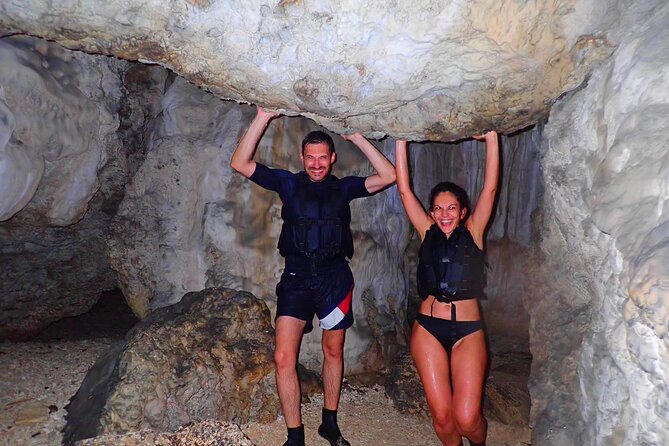
At $45.76 per person, this is priced like a practical, no-nonsense snorkeling activity. You’re not just paying for access to a spot; you’re paying for:
- the experience fee
- liability insurance
- snorkeling and safety equipment (with the equipment charge discrepancy to confirm)
- life jacket support
- wetsuits in winter
- photo data
- hot shower access
Photo data is a real value add. Even if you bring your own camera, underwater shots are hard to nail. Having digital photo data from the activity helps you avoid the “all I got was a blurry fin” problem.
If you’re comparing options, I’d do it this way: think in terms of what you’d otherwise pay for guide support and gear rental. If the gear is truly included on your booking, then the cost looks straightforward.
Who this tour is for (and who should sit this one out)
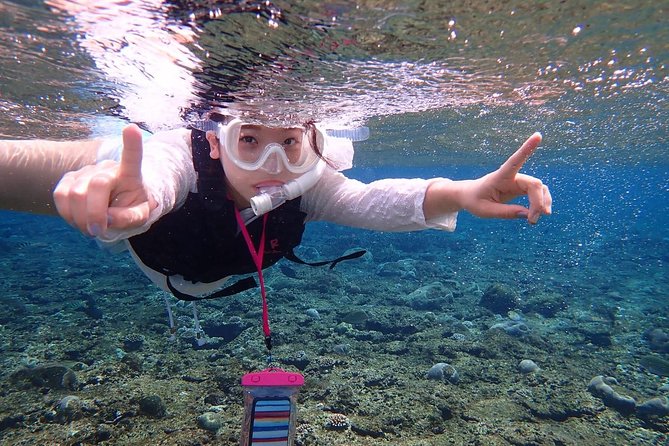
This snorkeling tour is best for people who want:
- a structured, safe experience with coaching
- reef and fish viewing in clear water
- a short outing that doesn’t eat your entire day
- a land-and-water combo (cave area first, then snorkeling)
It’s not a fit if you:
- are pregnant
- are outside the ages 5–59 range
- have medical conditions that make water activities unsafe (the tour lists medical conditions as not allowed)
- don’t feel comfortable enough to follow instructions
- are drinking alcohol (it’s not recommended)
If you’re unsure because of strength or fear of the ocean, contact the operator. That’s the right move—snorkeling is mostly about calm control, and good guides can match your pace.
Should you book the Ishigaki Blue Cave snorkeling tour?
If your priority is clear-water reef snorkeling with guided support, I’d book it. The cave adds atmosphere, but the real win is that the staff coaching is known for patience and step-by-step help, including for people who aren’t confident swimmers. Combine that with included safety gear and a hot shower, and it’s a solid value for Ishigaki.
I’d be cautious only if:
- you know the sea conditions on your dates are likely rough (cave access may change)
- you’re outside the age limits or have any disqualifying medical needs
- you want the absolute certainty that you’ll enter the cave every time—in this kind of water-based tour, conditions drive the final call
If you’re flexible, listen to the guide, and show up rested, this is exactly the kind of practical Okinawa outing that turns into good memories fast.
FAQ
How long is the Okinawa Ishigaki Blue Cave snorkeling tour?
It’s about 1 hour 30 minutes (approx.).
Is pickup available, and where do I meet the group?
Pickup is offered. If you want to meet directly at the site, contact the operator in advance. Otherwise, meeting details are sent by the day before. If you booked after 5:00 PM the day before, you meet directly at Ishigaki Port Remote Island Terminal.
What ages can participate?
The tour is for ages 5–59 only.
What’s included in the snorkeling experience, and what isn’t?
Included items listed are snorkeling equipment, safety equipment (life jacket and special shoes), wetsuits in winter, photo data, and a hot shower. The “not included” section also notes a ¥1,000 per person snorkeling equipment charge, so double-check what your specific booking includes.
Do I need to be a strong swimmer?
The tour includes safety equipment and guide instructions. If you have strength concerns or fear of the ocean, contact the operator so they can advise you. The guide support is a key part of how the experience works.
What safety gear do I need to use?
You’re required to use a life jacket, plus fins and a mask, and you should follow the guide’s instructions.
Does the tour run in bad weather?
It operates rain or shine, but it may cancel if conditions are unsafe. If canceled due to weather, you’ll be offered a different date or a full refund.
How does cancellation work?
You can cancel for a full refund up to 24 hours in advance of the experience start time. If you cancel less than 24 hours before, the amount paid isn’t refunded.