REVIEW · REYKJAVIK
Reykjavík: Silfra Fissure Snorkeling between Two Continents
Book on GetYourGuide →Operated by Arctic Adventures · Bookable on GetYourGuide
One blue canyon, two continents, one calm swim. Silfra Fissure turns a basic snorkel into a geology story you can literally float through, with PADI-certified guides keeping things clear and controlled. You’re in Iceland’s Thingvellir region, and you’ll feel how wild the place is even from the surface.
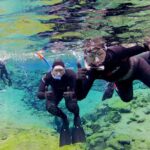
I love the insane clarity—up to about 150m of visibility in the fissure—and that you’re swimming right between the American and European tectonic plates. I also like the human side: guides such as Herman and Francesca-style calm, step-by-step support makes gear changes and water time feel manageable.
The only real drawback is the cold reality. Even with dry suits, you’ll still notice the chill while suiting up and after you exit, so plan for that mentally (and physically), especially in winter.
In This Review
- Key things that make this Silfra tour worth your time
- Silfra Fissure in Plain English: two continents, one quiet swim
- From Reykjavík to Thingvellir: how the drive sets you up
- Dry suits and the slow-motion gear-up: what the 45 minutes really demands
- That blue water: visibility, currents, and what you’ll see
- Guide support and safety: why the small group matters
- Price and value: what $140 buys you in Iceland’s real winter
- Comfort checklist: what to bring so you don’t feel miserable
- Who this tour suits best (and who should skip it)
- Should you book Silfra snorkeling with Arctic Adventures?
- FAQ
- How long is the Silfra Fissure snorkeling experience?
- Do I need a pickup from Reykjavík?
- Where exactly do I meet the guide?
- What snorkeling time will I spend in the water?
- Is the guide English-speaking?
- What gear is included?
- Do I have to pay for Thingvellir entry?
- What’s included after the snorkeling?
- What level of fitness and ability do you need?
- Who is this tour not suitable for?
Key things that make this Silfra tour worth your time
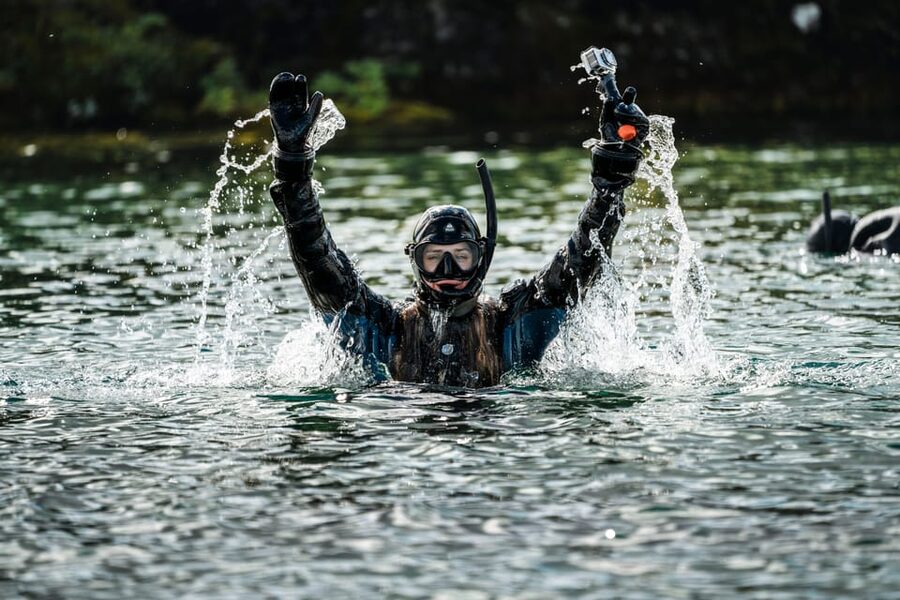
- Up to 150m visibility: the water is clear enough to look unreal, even if you’ve snorkeled before
- Between tectonic plates: you’re drifting on a boundary that splits about 2cm per year
- PADI-certified, small groups (max 6): more attention, less chaos when you gear up
- Hot cocoa and cookies afterward: the warm-up is part of why the timing works
- Complimentary underwater photos: you get keepsakes without bringing a camera setup
Silfra Fissure in Plain English: two continents, one quiet swim
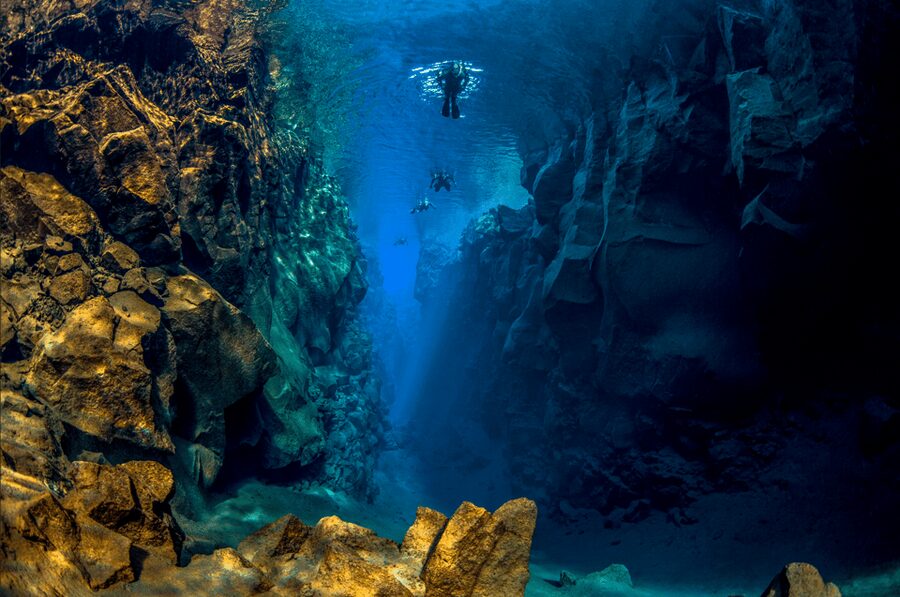
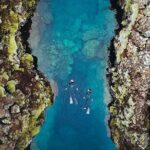
This is Silfra Fissure at Thingvellir Lake, the crack where two tectonic plates pull apart. In practical terms, that means you’re not searching for coral or fish (you won’t find much of that in the freezing water). Instead, you’re paying for geology, light, and the strange sensation of drifting in that wide, blue void.
The water is glacial and comes from Langjökull, about 50km away. It travels through lava fields before it reaches Thingvellir Lake, then winds up in the fissure. That long route is part of why the water looks so clean—there’s just not much in it to cloud your view. The water can be cold enough to surprise you, but the experience isn’t hard in a skills sense. The challenge is comfort: staying relaxed while everything around you is icy.
If you’re the type who likes photos, you’ll get plenty of them with the included underwater picture service. If you’re more of a “feel it” traveler, you’ll still love this. The Silfra experience has a quiet, floating rhythm that makes time slow down.
You can also read our reviews of more snorkeling tours in Reykjavik

From Reykjavík to Thingvellir: how the drive sets you up
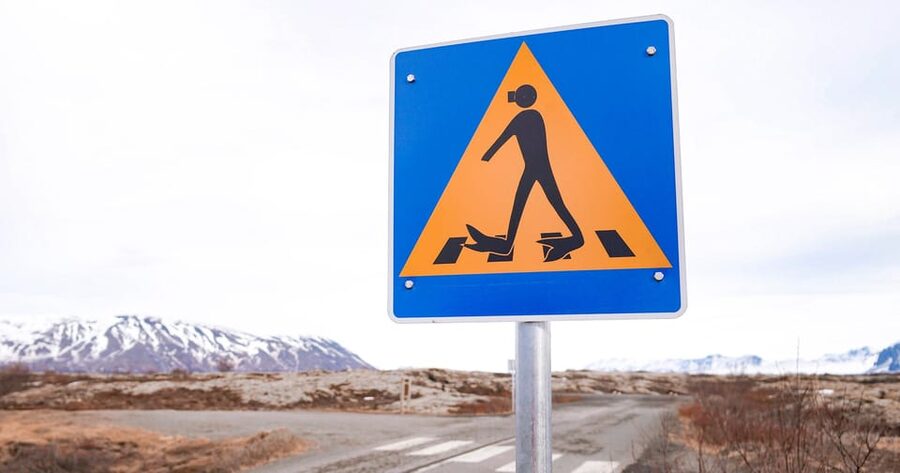
You start in Reykjavík (if you select pickup) and head toward Thingvellir National Park, a UNESCO World Heritage Site. The ride is usually under an hour, so you’re not spending half your day commuting. That matters because you’ll earn the snorkel part faster, and you won’t burn daylight waiting around.
If you choose meet-on-location, you’ll go to the Silfra area yourself and meet the team at the Silfra parking lot (Arctic Adventures Silfra Fissure on Google Maps). A helpful detail: parking is a short walk away at Thingvellir Parking P5, and you’ll see the vans and guides near the meeting area.
Either way, the vibe is similar: you arrive, you suit up, and you go from Iceland’s normal cold air to a different kind of cold-water world. The drive is short enough that you don’t feel rushed, but long enough to let the guides get you settled before gear and water.
Dry suits and the slow-motion gear-up: what the 45 minutes really demands
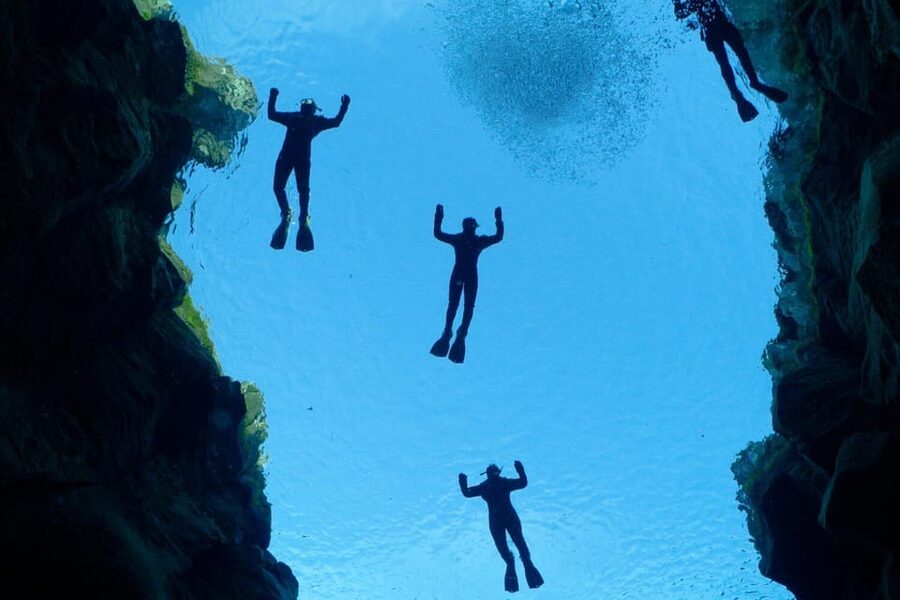
Your snorkel time with a guide is about 45 minutes in the water. Before that, expect the gear routine. You’ll wear thermal layers, then get into a dry suit, plus gloves, boots, fins, and mask/snorkel. Plan to change clothes and get geared up outside—this shows up in a lot of the feedback because winter timing can feel longer than you expect.
Here’s the key truth: most of the cold comes from the waiting and getting in and out. People often report that the suit does a great job keeping them warm once they’re sealed in. You may still notice cold on hands and face, because gloves and the mask seal don’t erase every sensation. That’s why hand warmers can be a smart move for your exit window.
Also, dry suits are not “fashionable.” They can feel a bit restrictive, and it takes a moment to move naturally with fins and gloves. So if you’re easily stressed by awkward gear, that’s something to think about. The upside: the guides are trained to walk you through it, and many guests specifically call out how patient the team is while they help everyone get set.
And yes, you’ll get wet at least a little. Even with excellent suits, it’s normal to expect some splash on face/hands and a damp wipe-down moment when you exit.
That blue water: visibility, currents, and what you’ll see
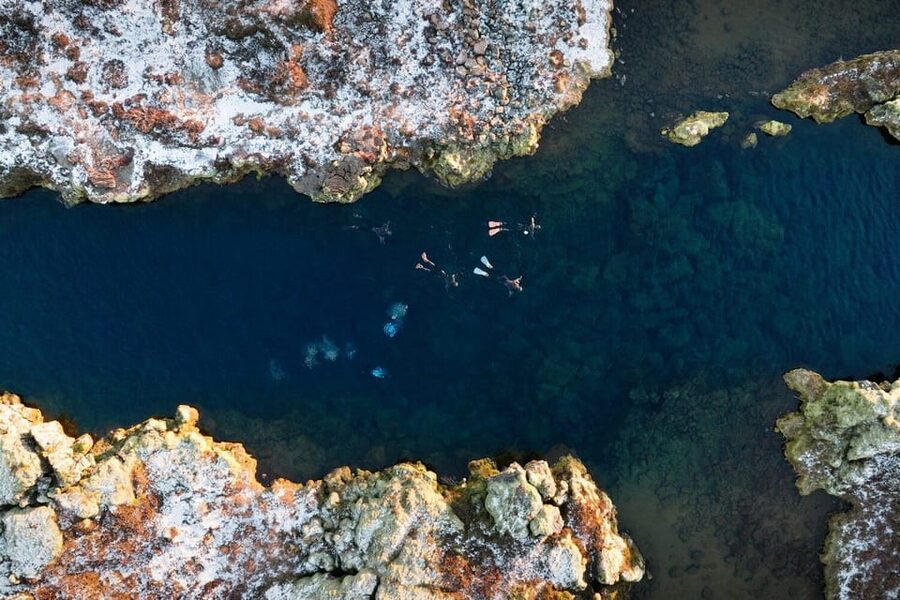
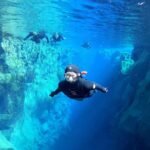
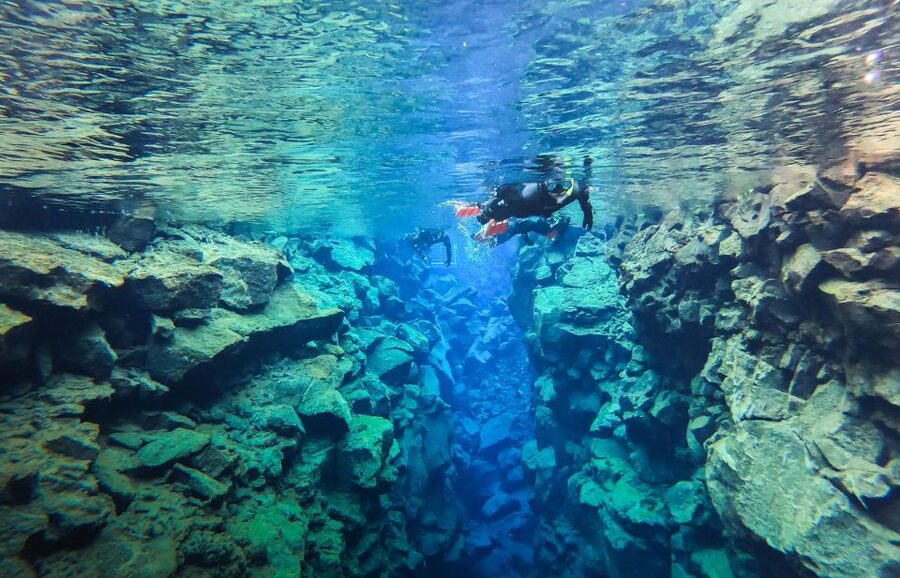
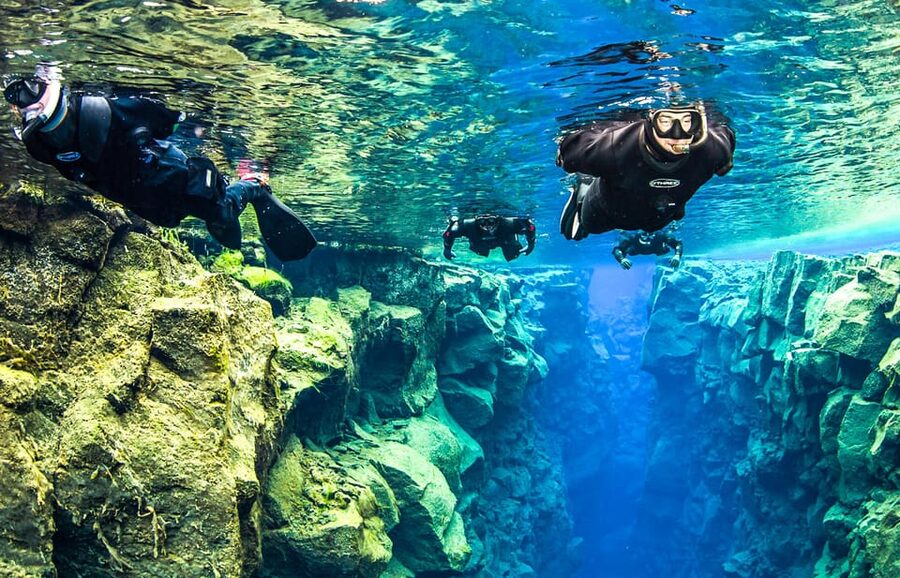
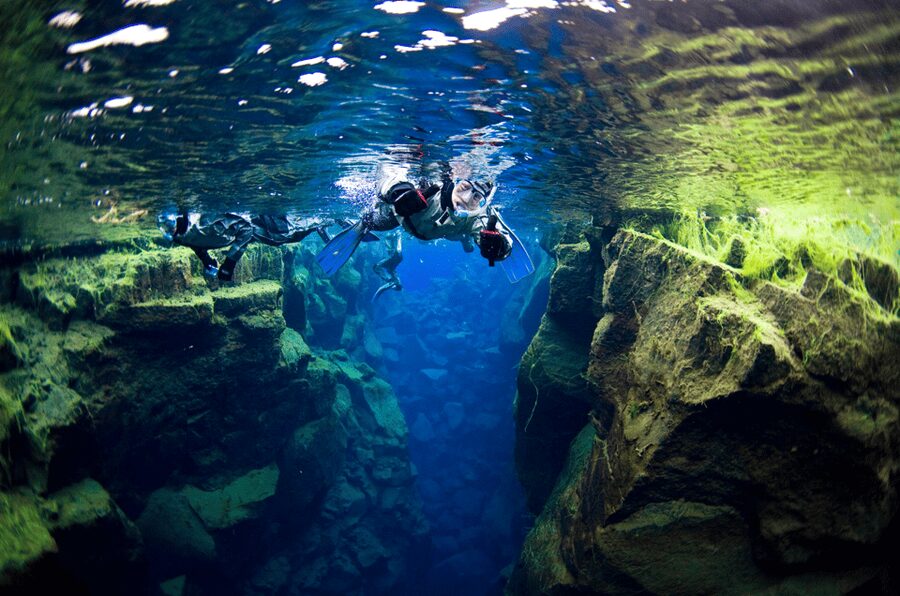
Silfra’s claim to fame is the clarity. Expect water that looks almost unreal—often described as crystal blue and “another world.” With visibility that can reach around 150m, you can stare forward and feel like you’re floating inside a lens of light.
What you’re seeing is mostly the fissure itself: the crack, the rock walls, and the way light travels through glacial water. Because the environment is so cold and low in life, you’re not here for snorkeling wildlife. You’re here to appreciate the boundary between continents and how the fissure is shaped.
There can be a slight current that gently nudges you along. That’s actually helpful for the experience because it gives you a smooth drift instead of constant finning. The guide controls your pacing and position, and you’ll learn where to look for the best views.
A small bonus: after the guided portion, you often get a short window to explore on your own in a nearby area (many people describe it as just a few minutes). Treat that time like a chance to relax your brain and look around—no rushing, just scanning for angles where the blue looks deepest.
Guide support and safety: why the small group matters
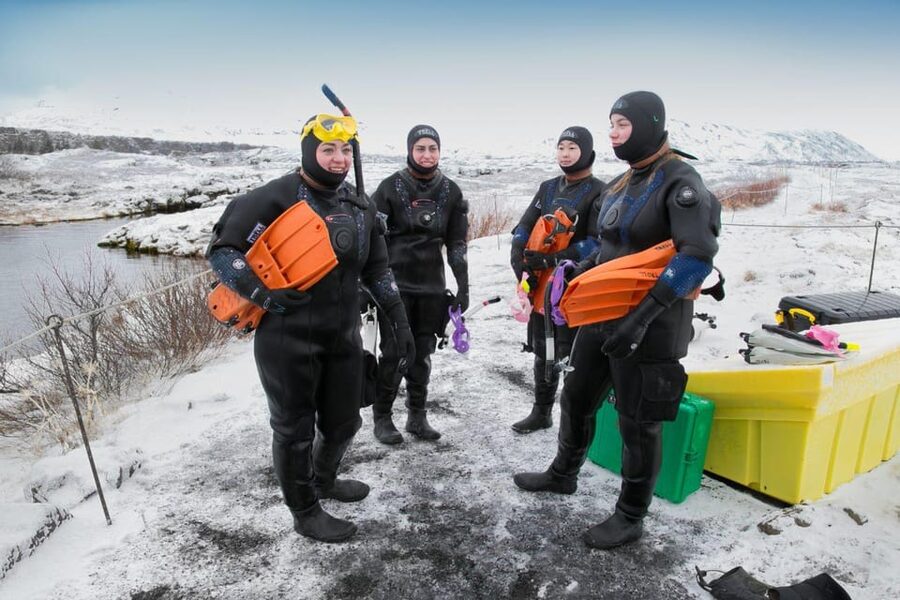
This tour is built around guided comfort. It’s PADI-certified-guides focused on making you confident, not just getting you wet. What shows up again and again in the feedback is how guides calm first-timers, help with equipment, and keep everyone on the same pace.
Names you might hear in the group: Herman, Francesca, Will, Fede, Niko (sometimes written Nico or similar), Marketa, Jannus, Adrian, Dominica, and Carol. The common thread isn’t the name—it’s the method. They explain what you’re about to do, check fit and readiness, and help you manage the first moment when you’re standing at the edge.
If you’re worried about panic in the water, this is a good tour type because the team keeps things organized. One person described having a small panic moment after getting water up their nose/mouth, and the guide helped them stay calm. That’s exactly what you want: someone who can shift your focus back to breathing and position.
Still, I’ll be honest: this is cold-water activity in winter. If you have claustrophobia or serious medical limits, you should follow the tour’s safety and suitability rules carefully. The dry suit also traps you in a specific movement pattern, which isn’t the best fit for everyone.
Price and value: what $140 buys you in Iceland’s real winter
At about $140 per person, the price isn’t cheap on paper. But look at what’s included and what you avoid paying for separately.
You get:
- Snorkeling gear (mask, fins, snorkel, gloves, boots, thermal undersuit, plus dry suit as part of the system)
- Thingvellir National Park admission
- A certified guide
- Hot cocoa and cookies
- Complimentary underwater photos
- Optional pickup/drop-off from Reykjavík (if you select it)
You also get the structure of a small group capped at 6. That’s not a marketing detail—it changes how often a guide can check your setup, answer questions, and help with equipment fit.
If you planned to do this independently, you’d still pay for entry to Thingvellir, you’d need certified instruction for Silfra’s conditions, and you’d spend time sourcing the full dry-suit system. So for most visitors, this price feels like paying for safety, gear, and the guide’s control of the experience—not just for the water time.
The timing also helps value. You’re not out there all day. Total duration is roughly 3 to 5.5 hours, depending on the session. That’s a practical match for a tight Reykjavík itinerary.
Comfort checklist: what to bring so you don’t feel miserable
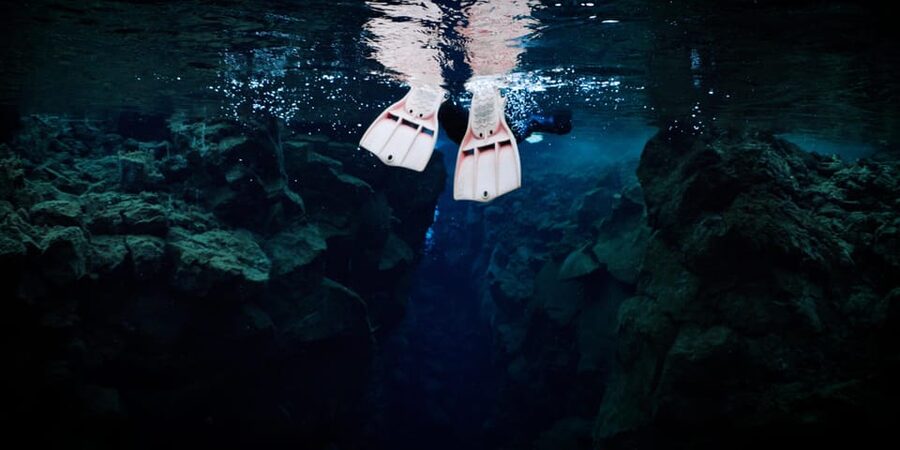
The tour provides a lot of the gear, but you still need to show up prepared. Bring:
- Warm clothing for before and after you’re in the water
- A change of clothes for the ride back
- Anything your body needs to handle cold exposure (many people recommend planning for hand warmth)
Even with great suits, most people report that hands and face can go numb. That’s the reality of cold water plus winter wind. Plan to protect yourself during the exit phase, because that’s where the temperature difference feels sharpest.
Also, be ready for outdoor changing. Some feedback calls out that there isn’t a fancy indoor changing setup; it’s more practical, and you should expect to suit up outside in winter air.
Who this tour suits best (and who should skip it)
This is best for:
- Adults who can swim comfortably
- People who want a high-visibility, geology-focused experience rather than marine life spotting
- First-timers who like guided structure (because the guide time is built in)
- Travelers who want a small group setting and a calm, supported pace
This is not a good fit for many people if you fall into the listed “not suitable” categories, including:
- Children under 12
- Pregnant women
- People with mobility impairments
- People with claustrophobia
- Heart problems, respiratory issues, epilepsy, diabetes, high blood pressure
- People who are visually impaired
- Outside the sizing/weight range (about 150–200 cm in height and 45–120 kg weight)
If you’re anxious about the suit or water time, it’s worth reflecting on your own stress response. The guides can help, but dry suit and cold-water conditions are still real.
Should you book Silfra snorkeling with Arctic Adventures?
If your Iceland trip includes Reykjavík plus Thingvellir, this is one of the most direct ways to turn geology into a lived experience. I think you should book if you want:
- Top-tier water clarity and a surreal blue setting
- A guided experience with PADI-certified instruction
- A short, structured day that doesn’t swallow your whole itinerary
I’d pass if cold exposure stresses you out, if you don’t handle enclosed gear well, or if any of the medical/suitability limits apply to you. Also, go in expecting your cold discomfort to be mostly about timing—waiting and exiting—rather than about the difficulty of swimming.
Bottom line: for the right traveler, this feels like a once-in-a-lifetime Iceland moment that’s worth the price because you’re buying safety, gear, and clarity that would be hard to replicate on your own.
FAQ
How long is the Silfra Fissure snorkeling experience?
The tour lasts about 3 to 5.5 hours total.
Do I need a pickup from Reykjavík?
Pickup is optional. You can also choose to meet at the Silfra parking lot inside Thingvellir National Park.
Where exactly do I meet the guide?
The meeting point is the Silfra parking lot labeled Arctic Adventures Silfra Fissure (in Google Maps), inside Thingvellir National Park. Parking is about 400m away at Thingvellir Parking P5.
What snorkeling time will I spend in the water?
You’ll snorkel with your guide for about 45 minutes.
Is the guide English-speaking?
Yes. The live tour guide speaks English.
What gear is included?
You’re provided snorkeling gear including mask, fins, snorkel, gloves, boots, and a thermal undersuit, plus dry suit use as part of the equipment setup.
Do I have to pay for Thingvellir entry?
Yes, but admission is included as part of the tour.
What’s included after the snorkeling?
You’ll be given hot cocoa and cookies to warm up afterward, then you’ll return to Reykjavík.
What level of fitness and ability do you need?
You must be able to swim, be comfortable in the water, and have a moderate level of fitness.
Who is this tour not suitable for?
It’s not suitable for children under 12, pregnant women, people with mobility impairments, claustrophobia, heart problems, respiratory issues, epilepsy, diabetes, high blood pressure, and other listed medical or safety limitations, plus it has height and weight requirements.