REVIEW · REYKJAVIK
Silfra Wetsuit Snorkeling – Meet on Location | Free Photos
Book on Viator →Operated by Adventure Vikings · Bookable on Viator
Silfra snorkeling in Iceland feels almost sci-fi. You’re heading to Thingvellir National Park and slipping into UNESCO-listed rift valley water so clear you can spot rocks far below. It’s a rare mix of big geology and hands-on time in the water, handled in a tight group with a safety-first guide.
I love that the group is capped at six participants, so you get real attention and fewer moments feeling rushed. I also love the included underwater photos taken by your guide, usually 40–100 shots, with no extra photo fees tacked on.
The main drawback? The cold is the star of the show. Even with a drysuit or wetsuit, the “getting in and getting out” moments take mental grit, and you must be comfortable swimming and in open water.
In This Review
- Key Highlights You’ll Care About
- Silfra From Reykjavik: Why This Snorkel Feels Unreal
- Thingvellir National Park Stop: Geology You Can Feel in Your Bones
- Meeting on Location in Thingvellir: Getting Ready Fast and Safely
- Wetsuit vs Drysuit: Staying Warm in 2°C Water
- Your 30–40 Minutes Underwater: Clarity, Coaching, and Real Buoyancy
- Getting Out, Getting Dry, and Warming Up With Hot Chocolate
- Photos Without Extra Fees: Why the Guide’s Camera Matters
- Price and Value: Is $140 Worth It?
- Who This Silfra Tour Fits Best (And Who Might Reconsider)
- Practical Packing Checklist (So You Don’t Overthink It)
- Should You Book Silfra Wetsuit Snorkeling From Reykjavik?
- FAQ
- How long is the Silfra snorkeling experience?
- Do I need to know how to swim?
- Are wetsuits or drysuits provided?
- What should I bring with me?
- Are underwater photos included?
- Is there a refund if I cancel?
Key Highlights You’ll Care About
- Up to 100 meters visibility in Silfra, so you’re not peeking at blurry water.
- Small group size (max six) for more coaching and calmer pacing.
- PADI-certified guide with a safety briefing before you enter the water.
- Gear included (wetsuit or drysuit plus snorkeling equipment), so you travel lighter.
- Hot chocolate after your 30–40 minutes in the water.
- Guide-taken underwater photos (usually 40–100) downloadable after a few days.
Silfra From Reykjavik: Why This Snorkel Feels Unreal
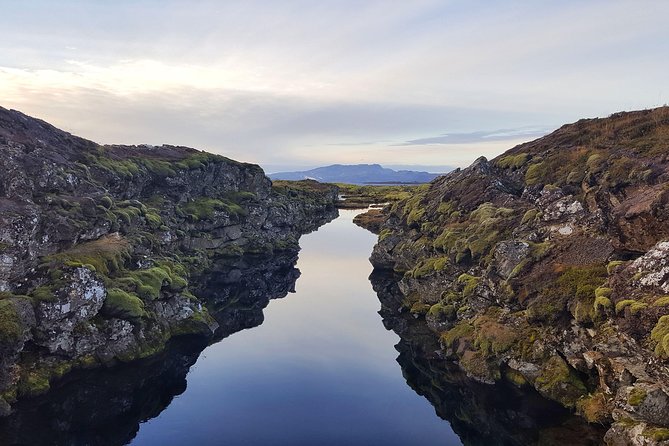
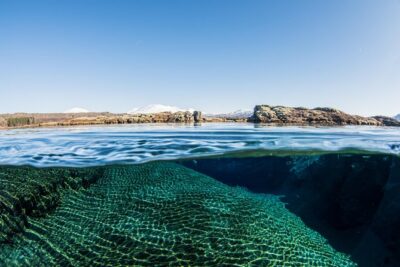
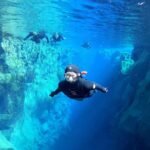
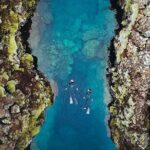
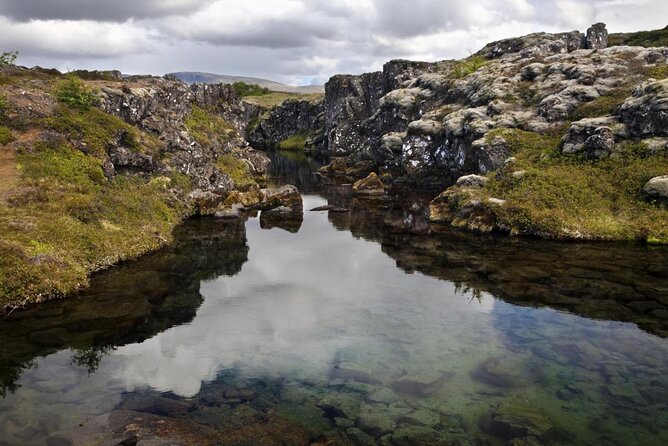
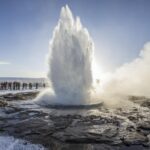
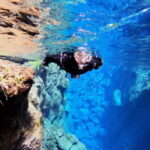
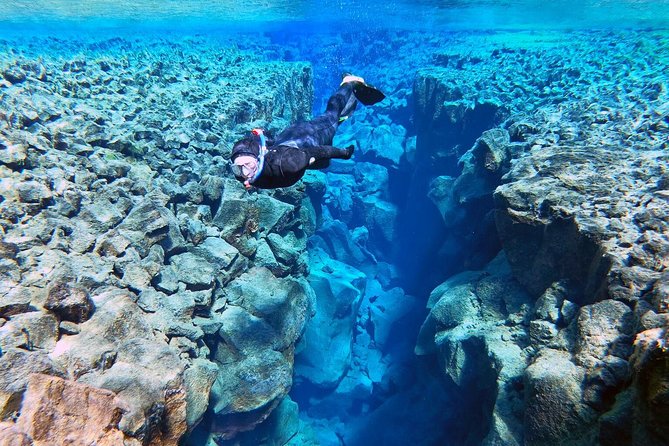
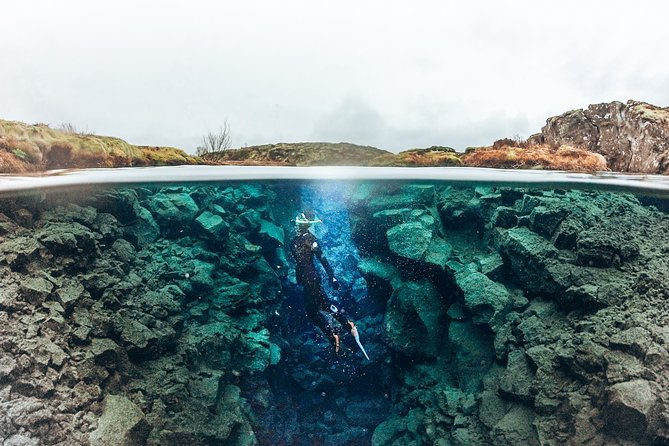
Silfra is in Thingvellir National Park, where the ground sits in a rift valley between tectonic plates. The water you snorkel in comes from glacier melt far away, and it travels underground until it spills into the crack you swim through. The result is water with visibility that can exceed 100 meters, which is why photos look almost too sharp to be real.
This is not a “look from the shore” stop. It’s active, hands-on snorkeling with a guide, so you’re experiencing the place instead of reading about it. Even if you only get 30–40 minutes in the water, that’s plenty of time to make Silfra the most memorable part of your Iceland trip.
Also, the pacing is built around cold-water reality. You spend time getting suited up, listening to instructions, and then you go in. Your reward is that brief stretch where everything goes quiet and you can focus on what you’re seeing.
You can also read our reviews of more snorkeling tours in Reykjavik

Thingvellir National Park Stop: Geology You Can Feel in Your Bones
Your first stop is Thingvellir National Park, which matters because it’s the setting for the UNESCO story behind Silfra. This isn’t vague sightseeing. You’re in the rift valley area where the plates are slowly drifting apart, and your guide uses the environment to explain what you’re about to swim through.
That context changes how the water looks once you’re in it. Instead of just seeing a crack and clear water, you connect the dots between the geography around you and the fissure below. A few guides also emphasize equipment and what you’re looking at as you go, which helps even first-time snorkelers.
If you like photography or science, this stop is your warm-up. You’ll get a sense of where you are before the water strips your attention down to essentials: breathing, buoyancy, and small movements.
Meeting on Location in Thingvellir: Getting Ready Fast and Safely
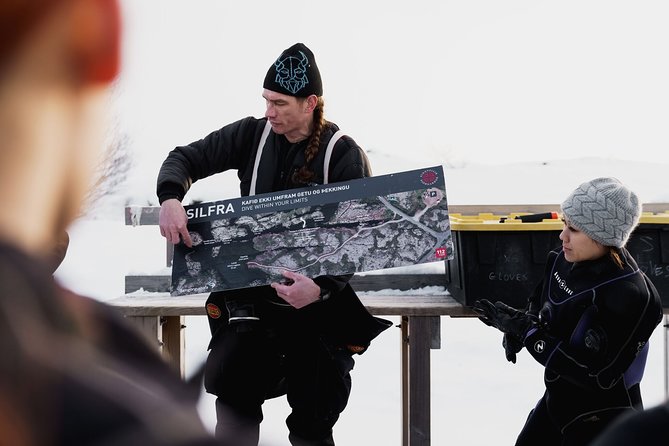
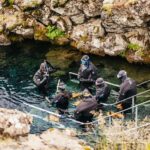
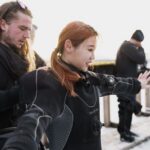
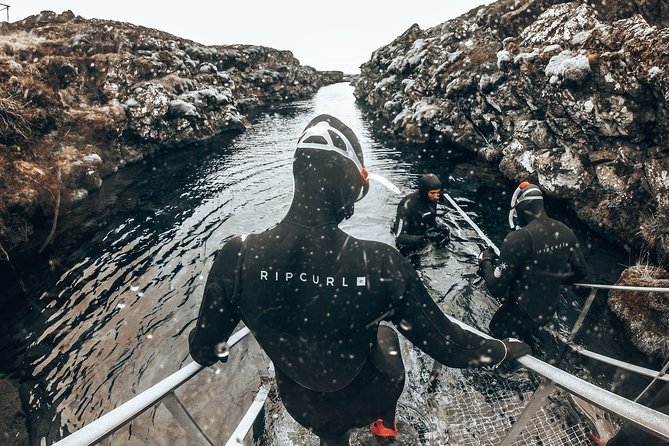
You park in P5 and meet at the area where the snorkel and dive vans are. Then you meet your guide, get a walkthrough of how the tour runs, and move straight into gear fitting. Once you’re suited up, you do a safety briefing before entering Silfra, which is the right order for something this cold and this controlled.
The tour is about 3 hours total, and it stays focused on the main event rather than stretching into a long day. You’ll also find this is a small-group experience at up to six travelers, which affects how quickly you get help adjusting gear and how confidently you can ask questions.
One practical note: you’ll need to fill out a medical form before participating. You’ll also be required to know how to swim and feel comfortable in the water, and communication needs to be in English so the guide can coach you clearly.
Wetsuit vs Drysuit: Staying Warm in 2°C Water
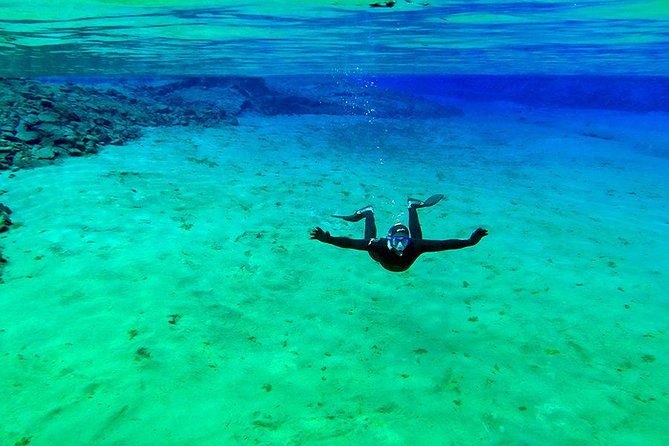
Silfra snorkeling is famous for being cold, and the water is around 2°C / 35°F. The big question for you is how you want to manage warmth and comfort: wetsuit option or drysuit option.
With the drysuit, the goal is maximum protection from the water. Multiple reviews highlight that drysuits keep you warm for most of the body, with the main areas that feel colder being hands and a small part of the face. People also mention that drysuits keep them about 95% dry, which is a big deal in that temperature.
The wetsuit option works differently. You’ll still wear the snorkel gear, and you wear your bathing suit underneath. Guides recommend thick socks because your feet can cool down while you’re in the water. People who chose wetsuits also report they felt more flexible for how they move in the water.
If you get nervous with tight gear, pay attention here. Drysuits can feel constricting around the neck and wrists, and they’re noted as not recommended for people with claustrophobia. That’s not a small detail, so think about your comfort before you show up.
Your 30–40 Minutes Underwater: Clarity, Coaching, and Real Buoyancy
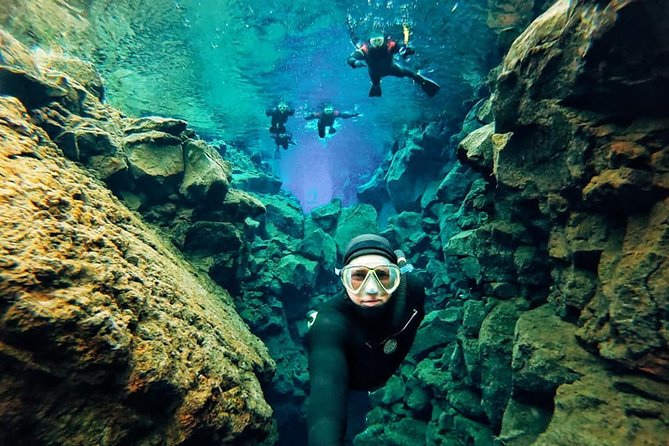
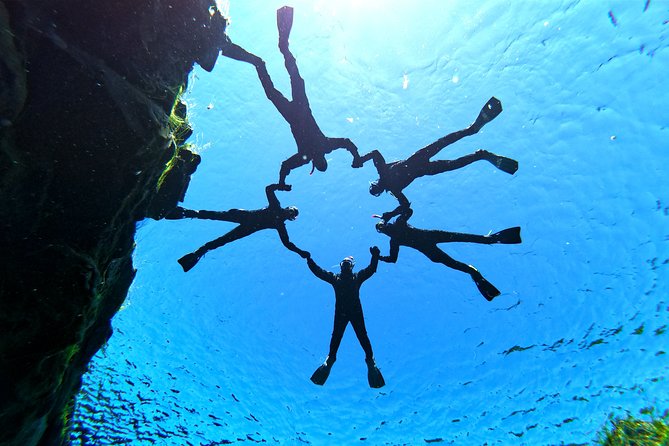
Your time in the water is usually 30–40 minutes, and your guide steers the experience so you can enjoy the view without fighting the gear. Silfra’s visibility is the headline feature, and when it’s clear you can see far down and get that floating, suspended-in-time feeling.
The guide takes photos during the snorkel. You typically get 40–100 underwater photos, and they download after a few days. This is one of those “you won’t think about it until you’re warm again” perks, because holding a camera in conditions like this just isn’t practical.
Be ready for buoyancy to be part of the experience. Reviews mention that drysuits can make controlling floating feel different, especially if the suit size isn’t perfect for you. The good news is your guide is there for the real-world fixes: adjusting, instructing, and making sure you’re safe the whole way.
Also, you don’t just swim around and hope. Your guide helps you use the equipment and understand what you’re looking at, including the geology and the meaning of the fissure between the plates.
You can also read our reviews of more photography tours in Reykjavik
Getting Out, Getting Dry, and Warming Up With Hot Chocolate
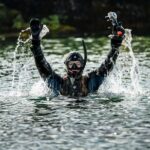
Finishing is part of the challenge, and it’s where many people feel the cold most. One reason is simple: warm air doesn’t work like insulation the way your gear does, and it’s easy to start shivering when you’re wet and exposed. That’s why having a plan for what to do right after you exit matters.
As soon as your snorkel time ends, you warm up with hot chocolate. It’s included, and it’s not just a cute add-on. It’s an actual reset button, especially after 2°C water, where your body needs help recovering.
Since there’s a very small chance of leakage with a drysuit, I’d strongly recommend bringing a change of clothes. You’ll also want a towel and clothing that works with Iceland weather, because you’re going from icy water to chilly air.
Photos Without Extra Fees: Why the Guide’s Camera Matters
A guide taking photos can go either way on tours. Here, it’s built into the experience, and guides do the shooting during the snorkeling rather than pointing you at a phone moment.
You’ll get around 40–100 photos on average, and they vary based on group size and how comfortable the group is. The big value is that there’s no mention of extra charges for the photos. In practice, that means you don’t need to bargain with a camera at arm’s length while your hands are fighting the cold.
If you’re traveling with teens, family, or friends who are a bit nervous, having the guide handle photos also reduces pressure. You can focus on the moment instead of worrying about documenting it perfectly.
Price and Value: Is $140 Worth It?
At $140 per person for about 3 hours, the price looks high until you map what’s included. You’re paying for a guided experience with safety briefing, a PADI-certified guide, snorkeling equipment, and a wetsuit or drysuit. You also get hot chocolate and guided underwater photos.
That matters because Silfra is not a “rent and roam” activity. Cold-water safety, correct fitting, and real coaching are the difference between feeling proud and feeling panicked. The small group size (up to six) also supports that kind of hands-on guidance, which you don’t get on bigger tours.
You do pay for some things separately. Food isn’t included, and you need to bring swimwear and a towel. You also need to plan your clothing for Iceland weather since the tour doesn’t supply waterproof outer layers.
If you want to see Silfra and you’re happy doing a short, intense cold-water session, this price is the kind that tends to make sense. If you’re hoping for a long warm sightseeing day, you’ll likely feel the money go to the water time rather than comfort extras.
Who This Silfra Tour Fits Best (And Who Might Reconsider)
This tour fits you best if:
- You know how to swim and feel comfortable in open water.
- You’re okay with cold water at about 2°C / 35°F and you want the best clear-water experience Iceland offers.
- You like small groups and want a guide who can coach you through gear and in-water behavior.
- You want photos taken for you, usually 40–100, without extra fees.
It may be a rough match if you’re uncomfortable with tight gear, especially if you get anxious about enclosed feelings. It’s also not the right choice if you can’t meet the stated physical requirements, which include height and weight limits, or if you’re unable to communicate in English with the guide.
Age matters too: the minimum age is 12, and people over 65 need physician approval. And you’ll need to complete a medical form before you go.
Finally, practical reality: you’ll need to plan your day so you can eat breakfast first. Your body will thank you for starting fueled.
Practical Packing Checklist (So You Don’t Overthink It)
Bring:
- Swimsuit and towel (you’ll wear swimwear under the wetsuit/drysuit setup).
- A change of clothes for after (a small leak chance exists).
- Thick socks, ideally wool, since guides recommend them to help keep feet warm.
- Contact lenses or your own prescription mask if you use vision correction, because you should not wear glasses.
Plan clothing around Iceland weather. The tour guidance says no heels or jeans, and you should dress for the conditions. Long thermal underwear is recommended as a base layer under the drysuit.
And eat breakfast. It sounds basic, but it’s the kind of detail that makes the whole experience feel smoother once you’re suited up.
Should You Book Silfra Wetsuit Snorkeling From Reykjavik?
If you want one of Iceland’s most dramatic water experiences, I’d book it. The value is in the combination: UNESCO-linked location, real coaching from a PADI-certified guide, gear included, and the clarity that turns the fissure into a view you’ll remember long after you’re back on dry land. The hot chocolate and included underwater photos are the kind of extras you appreciate right when you’re shivering.
Book only if you can say yes to the cold and the swim requirement. If you’re willing to follow instructions, wear the right layers, and handle the suit-up process without panic, you’ll likely feel that “how is this real?” feeling that Silfra is known for.
If you’re unsure between wetsuit and drysuit, think about your comfort with tight gear and how you want to move in the water. Many people love the warmth and dryness of the drysuit, while others prefer wetsuits for more freedom of movement.
FAQ
How long is the Silfra snorkeling experience?
The tour is about 3 hours in total, and you spend roughly 30–40 minutes in the water.
Do I need to know how to swim?
Yes. All participants must know how to swim and feel comfortable in the water.
Are wetsuits or drysuits provided?
Yes. The tour provides snorkeling equipment and either wetsuits or drysuits, depending on the option you choose.
What should I bring with me?
Bring a swimsuit and towel. The guidance also recommends thick socks, a base layer like long thermal underwear, and a change of clothes for after. If you use glasses, bring contact lenses or a prescription mask instead.
Are underwater photos included?
Yes. Your guide takes underwater photos during the snorkel, usually around 40–100 photos, and they are downloadable after a few days.
Is there a refund if I cancel?
Yes. You can cancel up to 24 hours before the experience start time for a full refund. Within 24 hours, refunds are not offered.
If you want, tell me your travel month and whether you’re leaning wetsuit or drysuit, and I’ll help you pick the option that best fits your comfort level with cold-water gear.