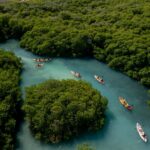
REVIEW · BONAIRE
Snorkeling and Grilling Fresh Fish at Donkey Beach
Book on Viator →Operated by Master Activities Bonaire · Bookable on Viator
Snorkel-fish-eat is the whole point here. This Donkey Beach outing mixes easy shoreline snorkeling with hands-on traditional fishing and ends with your fresh catch cooked right on the sand.
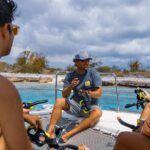
Two things I especially like: the shade-first beach setup (you’re not roasting before you even get in the water), and the small-group feel, with a maximum of 8 people and very personal attention from the guides, including Frans and Hans. The water access is straightforward, too—you can walk in from a rocky beach with patches of sand and jump into clear, fishy shallows.
One thing to consider: this is not a sit-there snorkeling tour. You’ll want at least basic comfort with floating and breathing steadily, and water shoes aren’t included, which matters on a rocky beach.
In This Review
- Key things you’ll really notice
- Donkey Beach: easy entry and local weekend vibes
- Snorkeling for fish: how the method actually plays out
- Traditional gear and family-style fishing lessons
- From catch to charcoal: grilling fresh fish on the sand
- Price and value: what $65 covers in the real world
- What to bring (and what to skip)
- Who this fits best, and who might want a different tour
- Should you book this Donkey Beach snorkel fishing experience?
- FAQ
- Where does the tour start and end?
- How long is the experience?
- What’s included in the $65 price?
- What is not included?
- Is pickup available?
- How big is the group?
- Do I need to bring my own snorkel gear?
- What happens if the weather is bad?
Key things you’ll really notice
- Shady Donkey Beach: trees give you real shade while you prep, wait, and relax.
- Fishing while snorkeling: you use local-style gear and bait, then wait for fish to take the line.
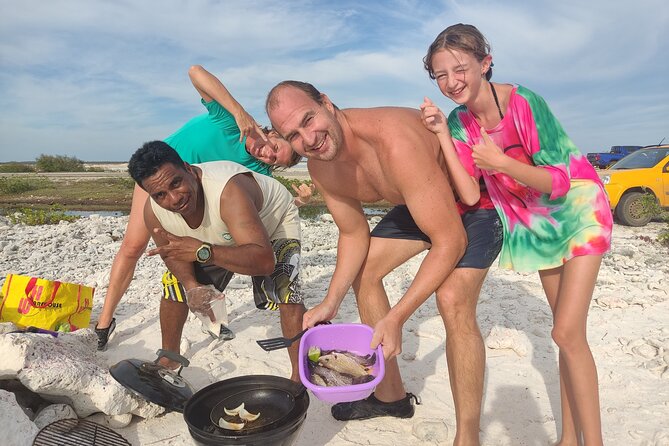
- Fresh fish cooked on the beach: once caught, it’s cleaned and grilled or fried, then served with snacks and soda.
- Very small group: up to 8 travelers, so the guides can adjust the experience to your comfort level.
- Local beach culture: this is where families hang out, including weekend birthday celebrations.
Donkey Beach: easy entry and local weekend vibes
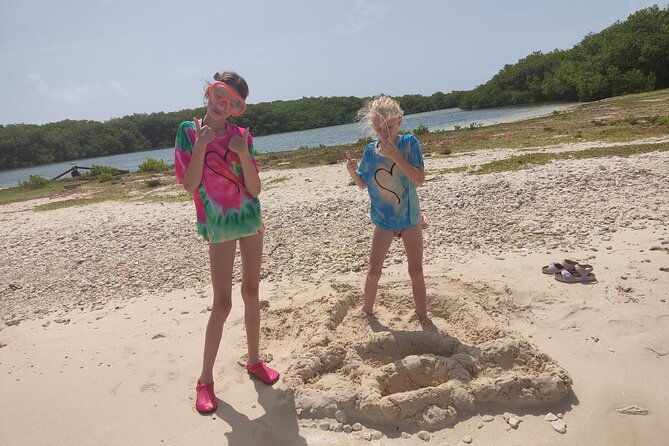
Donkey Beach in Bonaire isn’t a manicured “tourist beach.” It’s a working-feeling spot where families come to relax, and on weekends you might catch the lively side of Caribbean beach life, including birthday gatherings.
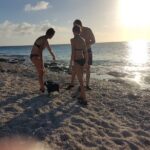
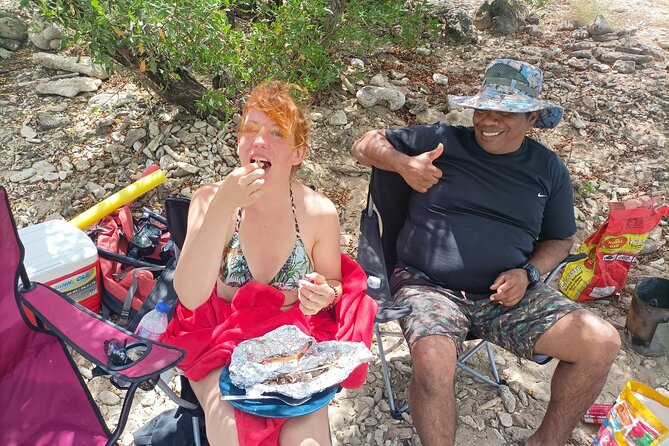
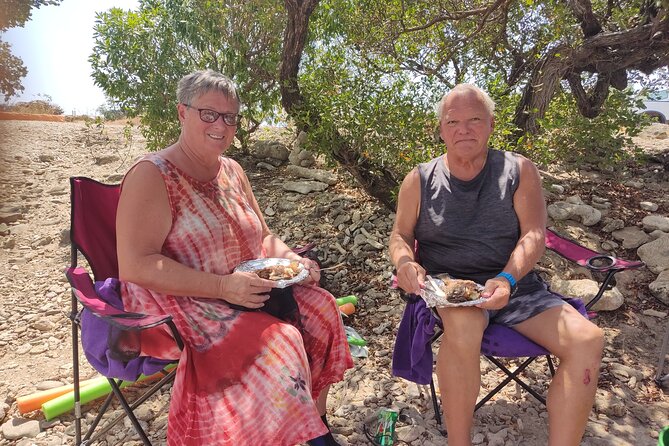
The physical setting is part of why this tour works. You’ll be dealing with a rocky shoreline with patches of sand, but you’re also surrounded by trees that provide shade. That shade is more than comfort—it’s practical. You’ll likely spend time gearing up, listening to instructions, and waiting between the snorkeling and fishing moments. Having a shaded base makes the whole timeline feel relaxed instead of rushed.
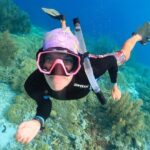
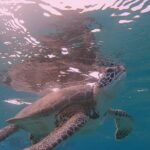
When you step off the beach, the water is described as crystal clear and full of fish and corals. The “walk-in” access is key: you’re not doing a big, complicated transfer to get wet. That makes the experience more beginner-friendly than boat-based snorkeling trips, as long as you’re okay with the rocky entry and the fact that it’s outdoors the whole time.
You can also read our reviews of more snorkeling tours in Bonaire
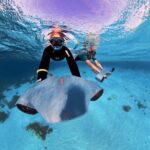
Snorkeling for fish: how the method actually plays out
This is snorkeling with a job. You’re not just looking around—you’re also fishing.
From the shore, you swim out at a pace that fits the group. The guides adjust how far you go depending on experience levels. If you’re newer to snorkeling, you should expect to stay closer to the shore so you can focus on staying calm and buoyant.
The core technique described in the experience is simple but not totally effortless: you float, manage a line with bait (chicken is specifically mentioned), and wait for fish—often grouper—to latch on. It’s not about casting like you would from land. It’s more about patience and staying in control of your snorkeling position while you monitor what’s happening with the line.
You’ll also be learning as you go, not just being told what to do once. Some people catch their own fish; others may see fish pass while the guide handles more of the action. Either way, the payoff is the same: you’re experiencing the reef ecosystem in real time and then turning that moment into a meal.
A practical note: because you’re staying in the water with a focus on bait and line, you’ll want to be comfortable with the basics of snorkeling first—floating and not panicking if you feel a wave of motion. Reviews also suggest the physical side can be medium-high, so bring a realistic mindset: you’re active for about three hours.
Traditional gear and family-style fishing lessons
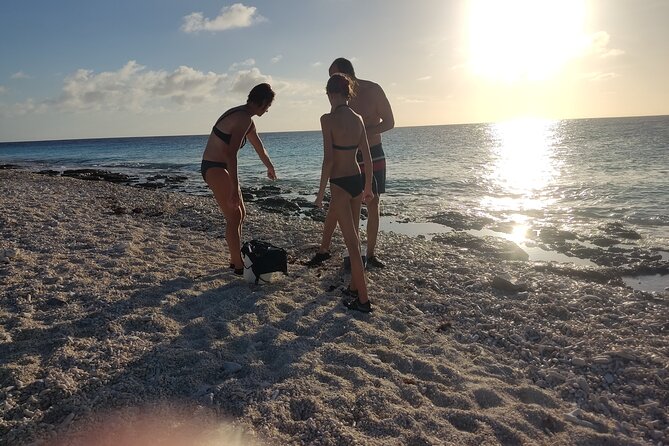
The real “Caribbean way of life” angle is the fishing part. You’ll see how local people use traditional fishing methods, using traditional fishing gear provided by the tour.
The guide team has included Frans and Hans, and Pierro is also named in one account. That matters because the experience feels more like learning from people than following a script. You’ll get an explanation before you start, and you can ask questions during the process.
What makes this lesson valuable is that it connects directly to what you’re doing in the water. You’re not learning fishing theory while sitting on a boat. You’re learning the logic of bait, line, and timing while you’re already standing (or floating) in the same environment where fish are present.
One more detail I like: this isn’t portrayed as a high-tech “catch quota” situation. The goal seems to be shared participation and a good outcome for everyone at the end—fresh fish, cooked on-site, and time to relax on the beach between steps.
If you come with kids, this can work well too. Families are mentioned in multiple accounts, and the setup includes shared beach time in a shaded environment. That said, kids will still need to be supported with good snorkeling comfort, since the action is in the water.
From catch to charcoal: grilling fresh fish on the sand
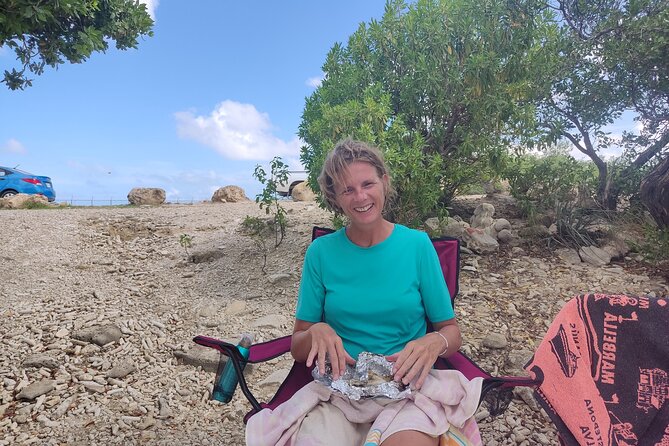
Here’s the part that turns snorkeling into a story you remember. After fishing, you clean some fresh fish and fry or grill it on the beach.
Soda/pop and snacks are included, and the caught fish is grilled on the beach as part of the included experience. Some accounts also mention using charcoal and cooking fish with ingredients like onions and vegetables in the pan. So while the high-level promise is grill-fresh fish, expect the cooking to be beach-casual and hands-on, like a real local meal rather than a plated restaurant dish.
Also, this meal is timed right. You eat what you helped catch (or at least what came from the fishing session). That means you’re not waiting around hours for food, and you’re not eating a pre-made snack that has nothing to do with the morning. The satisfaction is built in.
There’s another subtle benefit: after time in clear water, warm grilled fish feels like a reset. Even if you didn’t catch as much as you hoped, you still get the reward of being part of the process and eating something fresh right where the adventure happened.
And yes, guides handle the details. One account mentions the guide grilling and organizing things while staying considerate about feeding order. The vibe seems to be: take your time, eat together, no stress.
Price and value: what $65 covers in the real world
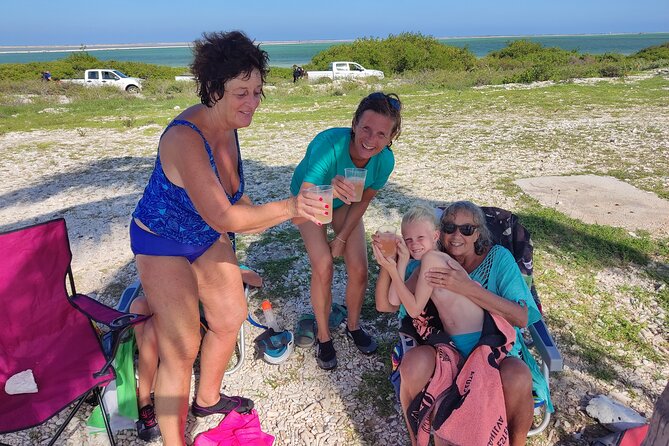
At $65 per person for about 3 hours, this isn’t just “snorkeling plus a snack.” You’re also getting:
- snorkeling equipment
- traditional fishing gear
- soda/pop and snacks
- fresh fish cooked on the beach (caught during the activity)
So you’re paying for multiple pieces that usually cost extra on separate tours: gear rental, a guided reef experience, fishing instruction, and the food itself.
Group size is also part of value. With a maximum of 8 people, you’re more likely to get attention while learning the fishing method and while getting set for the water. In a crowded tour, you can feel rushed. Here, the beach layout and shaded waiting area make it easier for the guide to slow down and teach.
Two items not included that you should plan for:
- Stinapa tag (not included)
- Towel and water shoes (not included)
Water shoes are especially worth thinking about. Donkey Beach is rocky with patches of sand, and you’ll be walking into the water as part of the activity. If you skip water shoes, you might still manage, but your feet will feel it.
If you’re weighing this against a pure snorkel tour, the “value math” shifts because you’re paying for the meal component and the learning component. If you want a quiet reef swim only, this may feel like more work than you want. If you want a memorable “do-something” experience with food at the end, it’s a strong deal.
What to bring (and what to skip)
This tour is active but not complicated. Based on what’s included and what’s not, I’d pack like this:
Bring:
- your snorkeling basics (if you have them), though the tour provides equipment
- a plan for staying comfortable in cooler water, since at least one account notes it can feel cold
- water shoes (strongly recommended, since they’re not provided)
- a towel (not included)
Consider:
- sunscreen and simple beach protection, since you’ll be on a shaded beach but also in direct sun between shade breaks
- a light attitude about the fishing part. You’re learning a technique, and not every attempt lands a fish
One more practical point: the tour offers pickup, and it ends back at the meeting point. If you’re coordinating with other plans that day, you’ll know the experience should loop back to where it started.
Who this fits best, and who might want a different tour
This is best for you if you like active experiences that still feel laid back. You’ll get:
- real snorkeling right off the beach
- hands-on traditional fishing instruction
- a meal you helped create
You might want to look at a different option if:
- you’re not comfortable snorkeling yet (basic floating is mentioned as important)
- you hate surprises in physical effort—this can be medium-high for some people
- you don’t want any gear work or hands-on cleanup after catching fish
If you’re traveling as a couple or small group, the max 8-person size is a real plus. You’re not getting lost in a crowd, and the guide can adjust how far you swim based on confidence.
Service animals are allowed, which can matter for planning if you rely on one.
Should you book this Donkey Beach snorkel fishing experience?
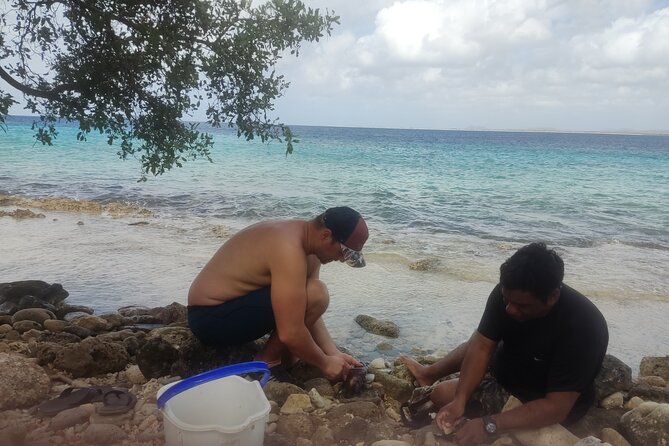
If you want an authentic Bonaire-style beach morning that links snorkeling, local fishing technique, and a real meal, I think this is a smart booking. The best part isn’t just seeing fish—it’s the full chain: you learn, you fish, then you clean and eat what’s caught, right there under the trees at Donkey Beach.
Book it if you’re comfortable with basic snorkeling and can handle rocky shoreline access with the right shoes. Skip or switch tours if you want a purely relaxed snorkel with minimal effort.
If you’re deciding between “cheap and easy” and “memorable and hands-on,” this one leans toward memorable. And with a 5/5 rating from 36 and 100% recommendation, it’s hard to argue with the basic direction.
FAQ
Where does the tour start and end?
It starts at Donkey Beach (4PJ8+CCC, EEG Boulevard, Kralendijk) and ends back at the same meeting point.
How long is the experience?
It runs about 3 hours (approx.).
What’s included in the $65 price?
Snorkeling equipment, traditional fishing gear, soda/pop, snacks, and the caught fish grilled on the beach.
What is not included?
Stinapa tag, towel, and water shoes are not included.
Is pickup available?
Yes, pickup is offered.
How big is the group?
The tour has a maximum of 8 travelers.
Do I need to bring my own snorkel gear?
No. Snorkeling equipment is included.
What happens if the weather is bad?
This experience requires good weather. If it’s canceled due to poor weather, you’ll be offered a different date or a full refund.