REVIEW · MAUI
South Maui: Whale Watch Kayaking and Snorkel Tour in Kihei
Book on GetYourGuide →Operated by South Pacific Kayaks · Bookable on GetYourGuide
A few hours on the water can change your day fast. This South Maui whale-watch kayaking trip pairs calm ocean paddling with a reef snorkel, so you’re not waiting around once the whales are done. I love that it’s active and hands-on, and I also love the guide-led focus on real whale behavior and reef wildlife. The main drawback is simple: whales aren’t guaranteed, even with the best search effort, so you’ll need to be okay with the possibility of more snorkeling than whale time.
The setup is friendly too. After you check in at Makena Landing Park, you get hands-on kayak instruction on how to launch, paddle, and get on and off the boat safely. You’ll also get snorkeling gear plus snacks, water, and juice, which makes the 3 hours feel like a complete plan instead of a half-day of guesswork.
The only consideration I’d flag is timing. Where you’ll paddle and snorkel can shift with tides, winds, and currents, so the day you pick matters, and you should come prepared for changing ocean conditions.
In This Review
- Key things to know before you go
- South Maui whale watching by kayak: what makes it special
- Makena Landing Park check-in and how the tour runs on the ground
- On the water: sit-on-top kayak skills and the whale search
- Back toward shore: reef paddling and what the guide teaches
- Snorkeling the reef: Hono (green sea turtles) and reef wildlife
- The value of $118: what’s included and what that buys you
- Who this tour fits best (and who might want a different plan)
- Tips to make your trip smoother in Maui wind and tides
- Should you book South Maui Whale Watch Kayaking and Snorkel?
- FAQ
- How long is the South Maui whale watch kayaking and snorkeling tour?
- What’s included in the price?
- Where is the meeting point?
- Do I need to bring snorkeling gear?
- How big is the group?
- What’s the cancellation policy?
Key things to know before you go
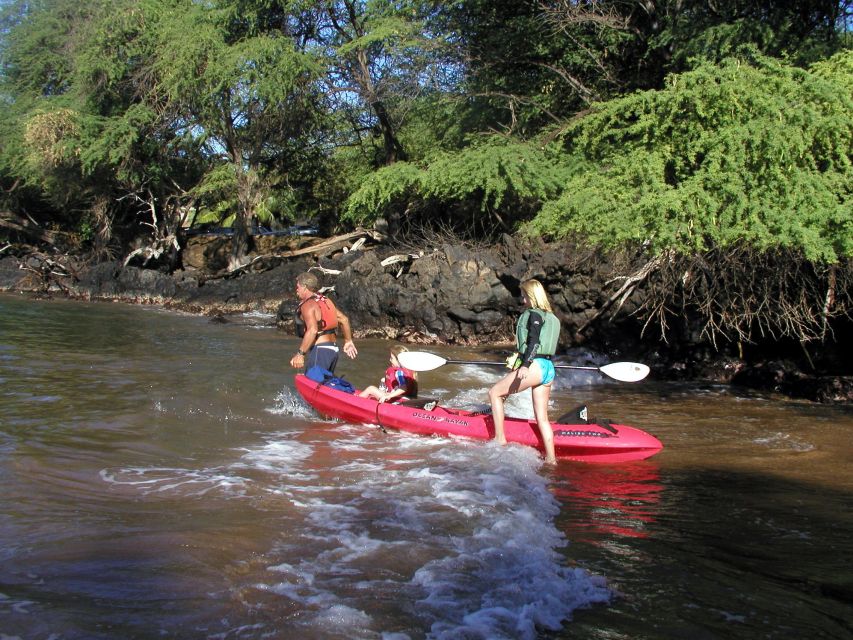
- Small group (up to 10 people) keeps the pace calm and the instruction practical.
- Sit-on-top kayaks make it easier to get on/off, especially if you’re new.
- Guides like Jake, Kyle, Jon, Madison, and Jeremiah are known for clear safety coaching and lively island stories.
- Whales are searched for first, then you return along the reef for snorkeling.
- Hono (Hawaiian green sea turtles) are the usual show-stopper during the snorkel portion.
- Snacks, water, and juice are included, so you’re not scrambling for food midway.
South Maui whale watching by kayak: what makes it special
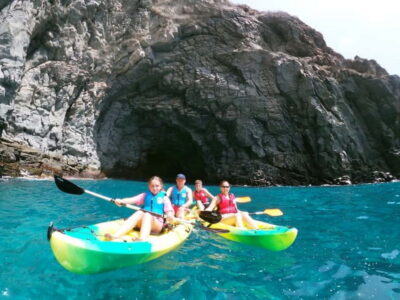
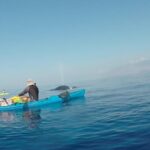
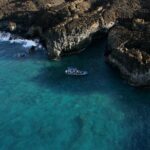
This is the kind of tour that feels different from a boat ride because you’re closer to the action and moving under your own power. You start by paddling out through Maui’s open ocean, and once whales show up, the goal becomes reading what they’re doing and keeping a safe, respectful distance. That eye-level experience is what makes the whale part memorable.
I also like that the tour doesn’t treat the day as a single gamble. Even when whale sightings vary, you still end with a reef snorkeling stop that’s built for wildlife viewing. The standard highlight is Hawaii Green Sea Turtles—often plentiful in this area—and you’re snorkeling over a reef system that’s meant for seeing fish and coral up close.
One more thing that adds value: the guides don’t just point at wildlife. They share island stories, folklore, and explanations of behavior while you’re on the water. That turns the ocean time into something you can actually learn from.
You can also read our reviews of more whale watching tours in Maui

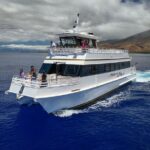
Makena Landing Park check-in and how the tour runs on the ground
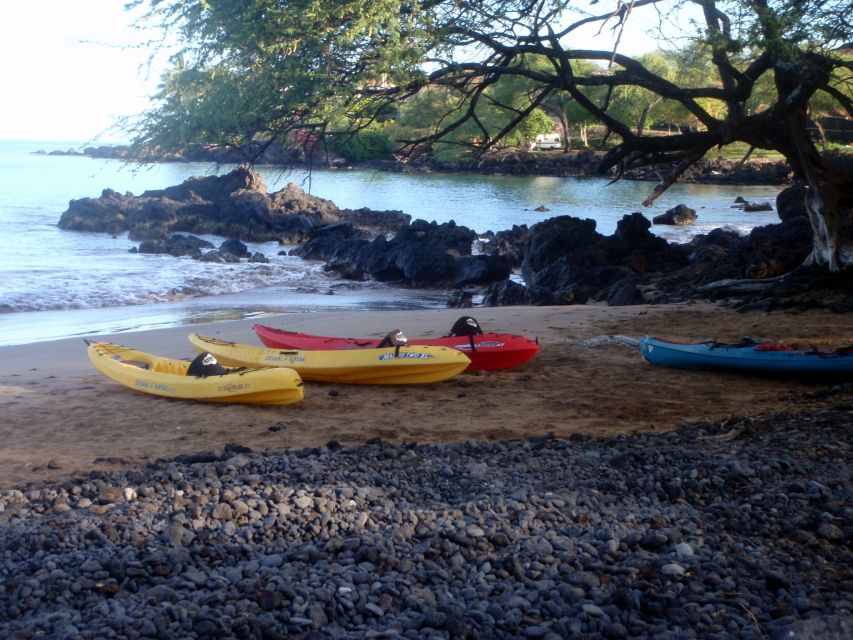
Your day starts at Makena Landing Park. The meeting point is about 100 yards south of the parking lot, and there’s free parking available. When you park with the ocean to the right, you walk up over a little hill, then head down to the check-in area by the waterfront.
If that parking area is busy, there’s an alternate starting point you can use: Maluaka Beach Parking Lot North, then walk back toward Honoiki. The practical takeaway is to give yourself a little cushion so you’re not rushing, because the tour is a small-group experience and everyone needs to be ready.
Once you arrive, you won’t be left with a binder and a shrug. Your expert guide gives hands-on instruction for managing a sit-on-top kayak and later getting in and out for snorkeling. This matters if you’re a first-timer or if you just haven’t paddled in ocean conditions before. A good safety orientation can make the difference between feeling steady and feeling stressed.
The tour is limited to 10 participants, so the vibe tends to be organized rather than chaotic. You get a group briefing on what’s planned and where you’ll visit, and then you’re launched into the water.
On the water: sit-on-top kayak skills and the whale search
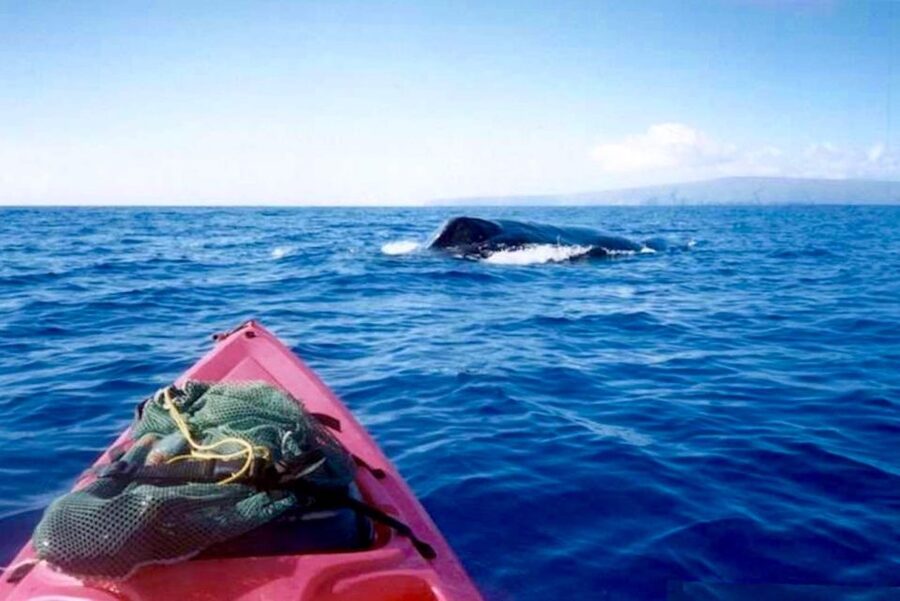
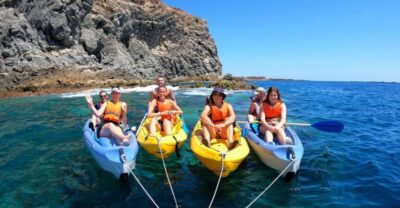
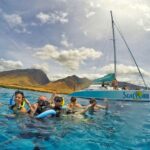
The first real phase is paddling out into the blue ocean to search for whales. You’ll launch in a group and go at a plan that keeps everyone together, with your guide managing the route and pace. Since the kayaks are sit-on-top, you get an easier time with getting on and off, and that helps confidence early in the trip.
Your guide walks you through the mechanics you’ll actually use: how you launch, how you paddle, and how you handle your kayak if you need to reposition. You’re not expected to be a pro, but you do need to be willing to paddle and stay present.
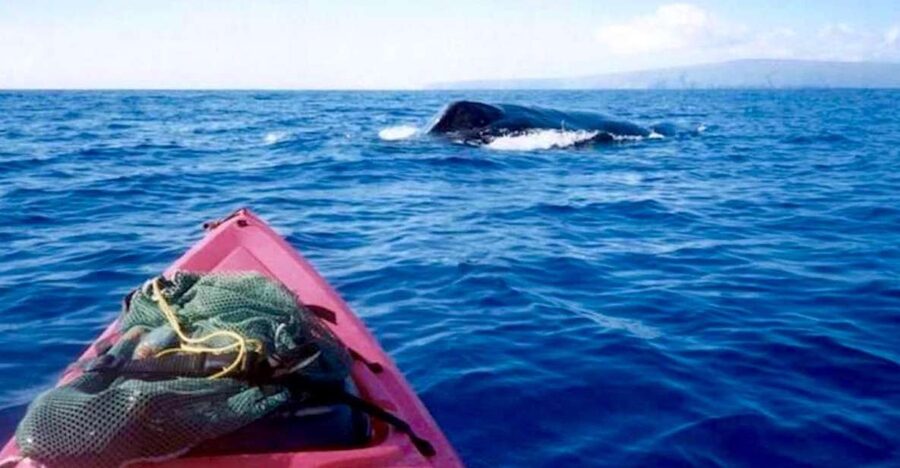
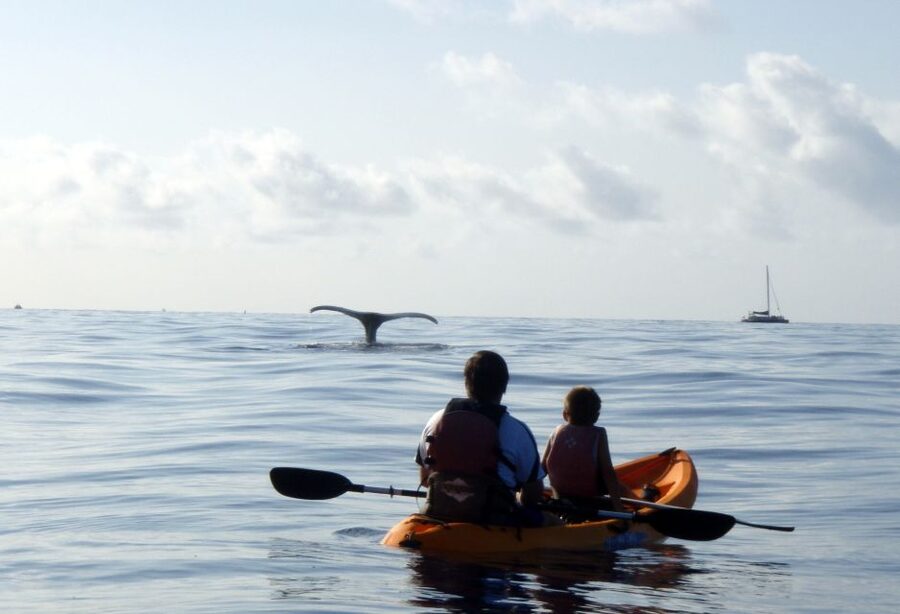
When whales appear, the experience shifts from exploration to careful watching. Your guide will explain what the whales are doing—think surfacing patterns, movement, and other behavior cues—so you’re not just seeing a splash and guessing. Then you’ll have the chance to paddle along at a safe distance.
What I’d take from the guides’ track record is that they work hard to get you close when conditions allow. Over time, guides such as Jake and Kyle have led trips that include very close whale encounters, including calves seen with adults. Other days focus more on the search and then the snorkel, because whales are wild animals and you can’t schedule them.
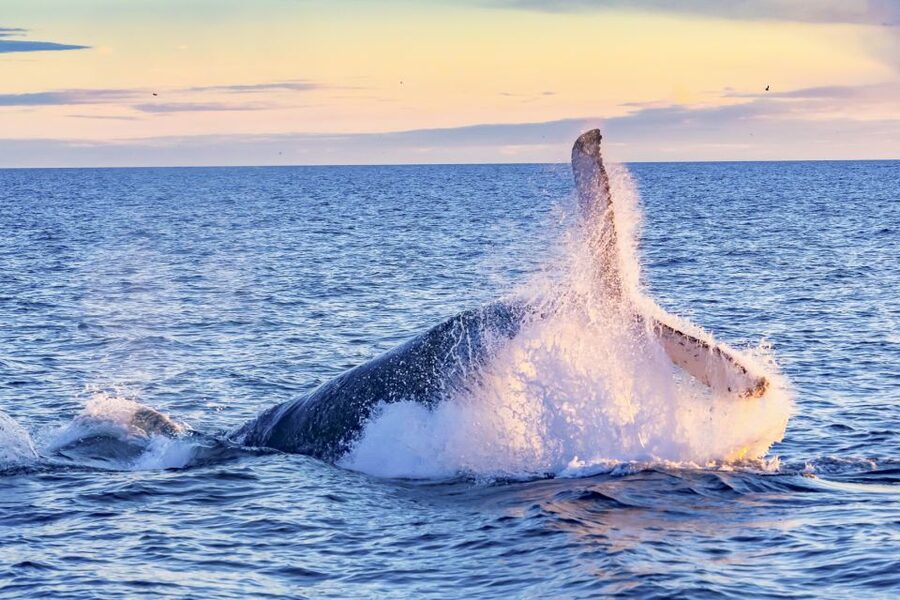
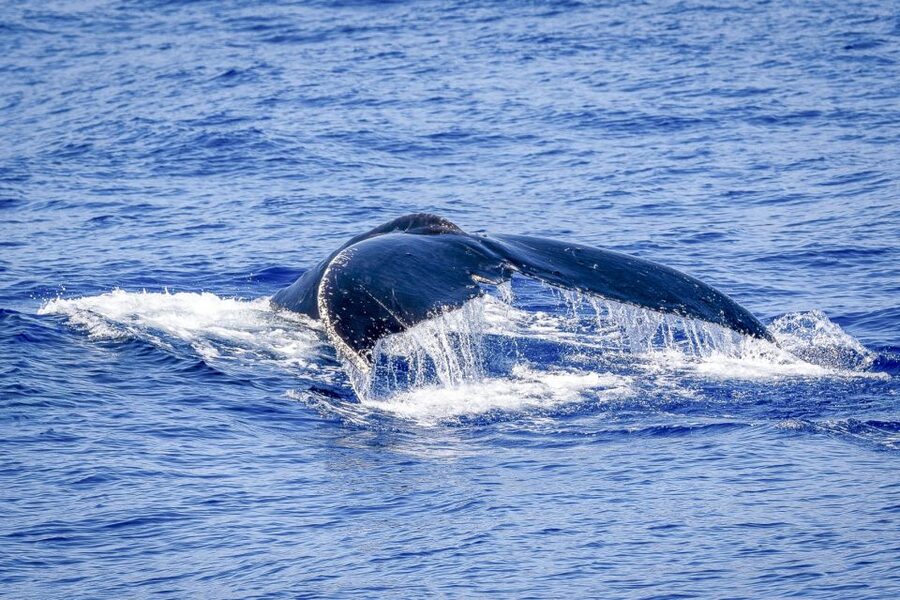
Also watch for the payoff if you’re paying attention. Some of the most striking sightings described by participants include whales breaching and tail-slapping moments that look like a planned performance. Even when you don’t catch that kind of highlight, you’ll still likely see whales in a calmer, slower way—surfacing and moving through the water in patterns your guide helps you understand.
Back toward shore: reef paddling and what the guide teaches
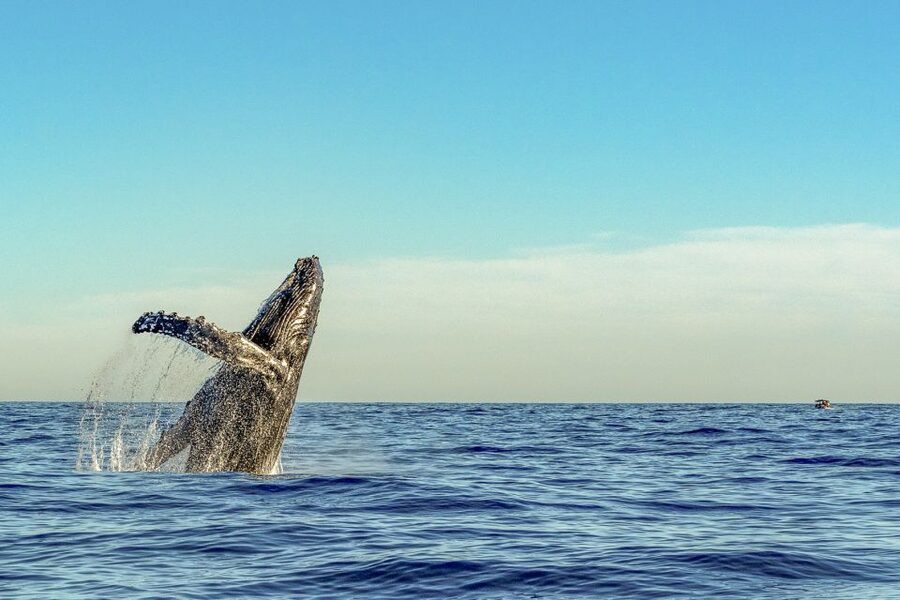
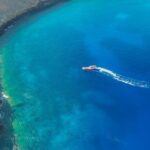
After whale watching, you paddle back toward shore, and you do it along the reef. This portion matters more than you might think. Ocean paddling can feel like either a lot of work or a relaxing drift—what you feel depends on how the route is chosen and how the group is managed.
Your guide escorts the group back and uses the time to keep the day connected to the local marine world. Since the focus is reef-adjacent, you’re likely to notice more sea life around you than you would in open water. It also sets up the snorkel stop because you’re transitioning from scanning wide ocean space to looking at a defined reef ecosystem.
A key value here is that your guide is still actively teaching. In past trips with guides like Jon and Tyler, the instruction has been described as patient and paced to comfort levels. That kind of approach is important when you’re shifting from whale watching mode to snorkeling mode.
Snorkeling the reef: Hono (green sea turtles) and reef wildlife
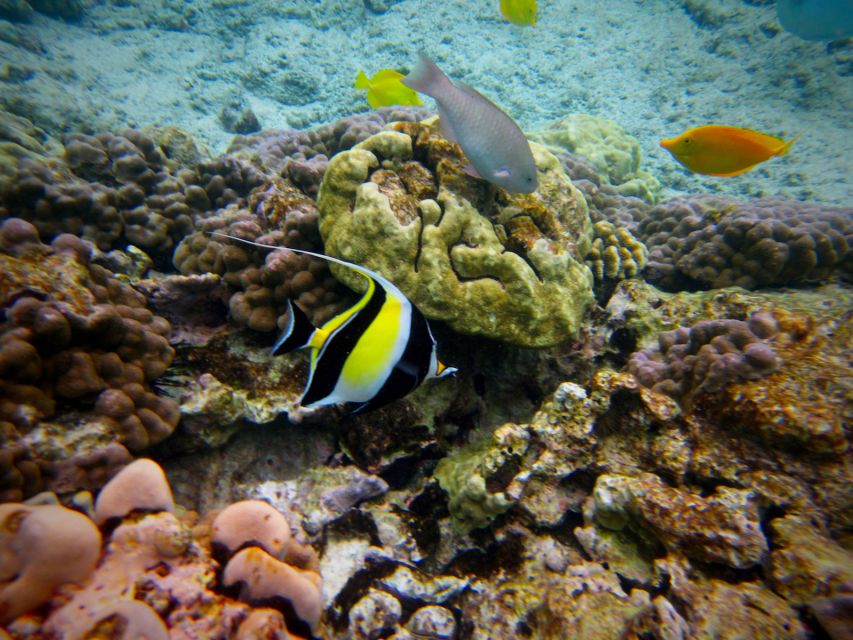
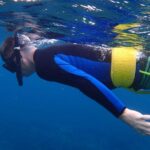
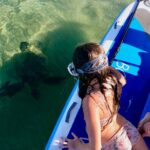
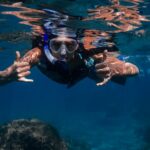
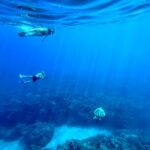
The snorkeling portion is where this tour often shines, especially if whale sightings are limited that day. You’ll snorkel after paddling back along the reef, and your guide helps you get set up and oriented so you can focus on what you’re seeing.
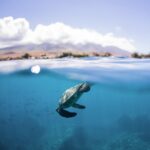
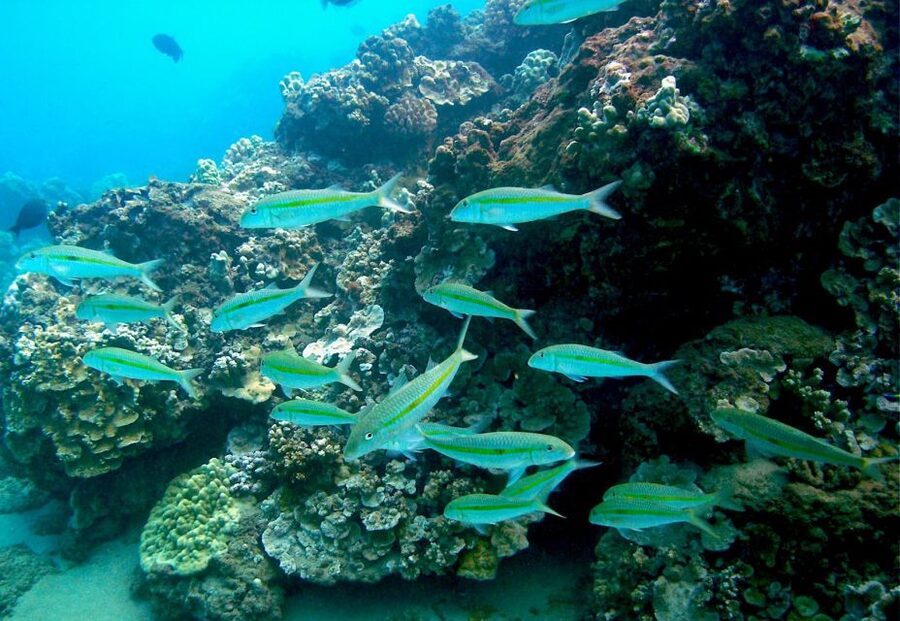
The big highlight is Hawaii Green Sea Turtles, also called Hono. In this area, they’re known to be abundant, and the snorkel stop is geared toward increasing your chances of seeing them.
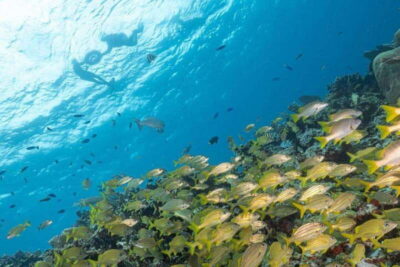
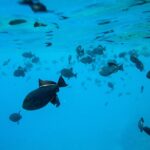
Beyond turtles, you might spot reef shark, octopus, moray eels, and lots of fish. Some sightings described include yellow butterfly fish and other colorful reef life that makes the reef feel alive rather than like a featureless coral patch. Coral health varies by location and conditions, so your “wow” level may change day to day, but the goal is consistent: real reef viewing, not a quick loop where you barely get in the water.
One reason I like this snorkel setup is that you don’t feel rushed. You’ve spent time already in the ocean, you understand the rhythm of the gear, and you have a guide to help with adjustments. People who hadn’t snorkeled much before have said they felt supported during equipment and timing.
If you go, don’t just think of snorkeling as a bonus. Here, it’s a core part of the experience—part wildlife viewing, part learning, part ocean calm.
A few more Maui tours and experiences worth a look




The value of $118: what’s included and what that buys you
At $118 per person for a 3-hour outing, you’re paying for two things at once: guided ocean kayaking and guided reef snorkeling. You’re not just renting a kayak and winging it, and you’re not just paying for a boat ticket to drift around and hope for whales.
Here’s what’s included: guide, safety orientation, snorkeling equipment, snacks, water, and juice, plus the kayaking tour itself. That matters because ocean time isn’t cheap when you factor in staff, gear, and the work of keeping a small group organized in changing conditions.
What’s not included is transportation and the guide gratuity (recommended). So if you’re calculating value, you’ll want to add your drive or rideshare cost on top, then decide if the guided, small-group format still feels worth it. For many people, it does, because you’re getting instruction plus two wildlife-focused activities in one block of time.
Also consider the “you’re paying for the guide” part. A lot of the value comes from not only safety teaching but also the behavior explanations—both for whales and for what you might see on the reef. When a guide points your attention at the right cues, you get more out of the same ocean view.
Who this tour fits best (and who might want a different plan)
This trip fits best if you want an active wildlife outing rather than passive sightseeing. You’ll be paddling, paying attention, and using your snorkel skills when the time comes. If you can handle moderate activity and you’re comfortable being in the water with a guide, it should feel like a great match.
It’s also a strong choice if you care about seeing sea turtles. The tour is designed around Hono sightings, and that’s a clear, specific goal. If you’re in Maui and you want a reef-focused experience without spending a full day planning dive logistics, this is a practical option.
The one group I’d caution is people who will feel disappointed if there are no whale sightings. Whales aren’t guaranteed, even though the tour searches seriously. The day can still be excellent for snorkeling, but if whales are the only reason you’d book, you should mentally prepare for variance.
If you’re traveling with kids or you’re a first-time kayaker, the sit-on-top design and the hands-on instruction help. Several guides have been praised for taking extra time to make people feel comfortable with kayaking and snorkeling gear.
Tips to make your trip smoother in Maui wind and tides
This is an ocean tour, which means conditions are never identical. The tour notes that times and locations can vary with tides, currents, and winds, so build your day around that reality.
Bring the basics the tour asks for: sunglasses, a hat, and a towel. Sunglasses help for bright glare off the water, and a hat matters when you’re paddling in sun. A towel is also handy for the transition from kayak to snorkel and then back on shore.
I’d also recommend you dress for ocean chill and then warm up after. Even when the weather feels warm, being wet and moving can change how you feel. Wear gear that dries easily and makes you comfortable when you’re getting in and out of the kayak.
Finally, arrive on time. With a small group, lateness affects everyone, and the whole flow depends on everyone being ready for the instruction phase.
Should you book South Maui Whale Watch Kayaking and Snorkel?
If you want a guided, active ocean experience with a real chance at whales and a reliable finish with reef snorkeling for green sea turtles, I’d book it. The small group limit, the hands-on kayak coaching, and the included snacks and drinks add up to a trip that’s designed for value, not just a marketing promise.
I’d think twice only if whales are a must-have for you. If you can enjoy the reef life even when whales are quiet that day, this tour is one of the most “do it, not just watch it” ways to spend a few hours on South Maui’s water.
If you’re choosing dates, aim for the whale season window when possible, since sightings tend to be strongest around the earlier months. And either way, you’ll still be out there, close to real marine life, with a guide who knows how to get your attention on the good stuff.
FAQ
How long is the South Maui whale watch kayaking and snorkeling tour?
The tour lasts about 3 hours.
What’s included in the price?
It includes the kayaking tour, a live guide, safety orientation, snorkeling equipment, snacks, water, and juice.
Where is the meeting point?
Meet your guide at Makena Landing Park. The meeting point is about 100 yards south of the parking lot near the waterfront, with free parking available.
Do I need to bring snorkeling gear?
No. Snorkeling equipment is included.
How big is the group?
The group is small, limited to 10 participants.
What’s the cancellation policy?
You can cancel up to 24 hours in advance for a full refund.