REVIEW · BIG ISLAND OF HAWAII
Manta Ray Night Snorkel Kona – Coral Reef Snorkel Adventures
Book on Viator →Operated by Coral Reef Snorkel Adventures · Bookable on Viator
Mantas feel unreal at night. This Kona outing focuses on spotting manta rays while they feed, using a lightboard that draws plankton in close. I love the more than 90% chance of seeing them in their natural habitat.
You’ll also appreciate the small-boat access and the way your guide runs the swim so you’re not just splashing around hoping for the best. The main drawback is realistic: the open-ocean ride can be bumpy, and the in-water hold can be tiring, especially if you’re prone to seasickness or tight shoulders.
In This Review
- Key points you should know
- Why Kona’s Night Lightboard Brings Manta Rays Close
- Meet at Coral Reef Snorkel Adventures, Then Head Out From Honokohau
- The 1.5-Hour Flow: From Briefing to Lightboard Time
- Getting in the Water: Gear, Positioning, and the Superman Hold
- What You’ll Actually See Under the Board
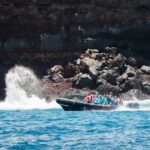
- The Small-Boat Factor: Great Access, Real Motion
- Crew, Captain, and Safety: How the Night Stays Respectful
- Price and Value: Is $125 Worth It?
- Who This Tour Fits (and Who Might Want a Different Option)
- Should You Book This Kona Manta Ray Night Snorkel?
- FAQ
- How long is the Manta Ray Night Snorkel tour?
- Where do I meet for the tour?
- What are the chances of seeing manta rays?
- Is snorkeling equipment provided?
- What should I bring?
- Do I need to be able to swim?
- How many people are on the tour?
- Are drinks included, and is alcohol included?
Key points you should know
- More than a 90% manta spotting chance for a night visit
- Lightboard viewing that lets rays feed close by
- Small-boat vibe with an intimate feel (Coast Guard vessel cap is 12)
- Snacks and non-alcoholic drinks included to keep energy up
- Guide-led safety tips so you snorkel without disturbing marine life
- Bring your own towel and plan for a chilly, windy return ride
Why Kona’s Night Lightboard Brings Manta Rays Close
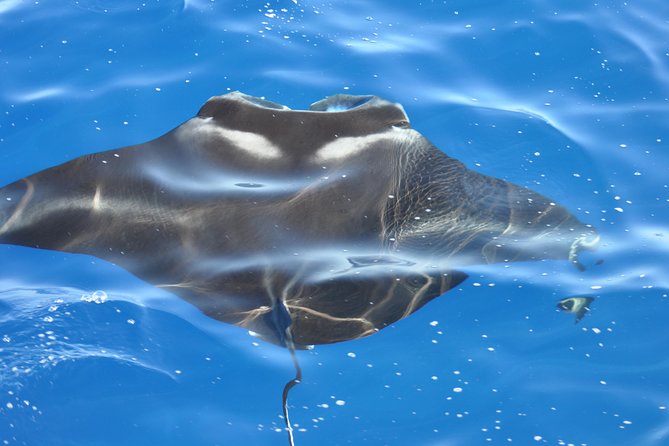
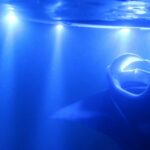
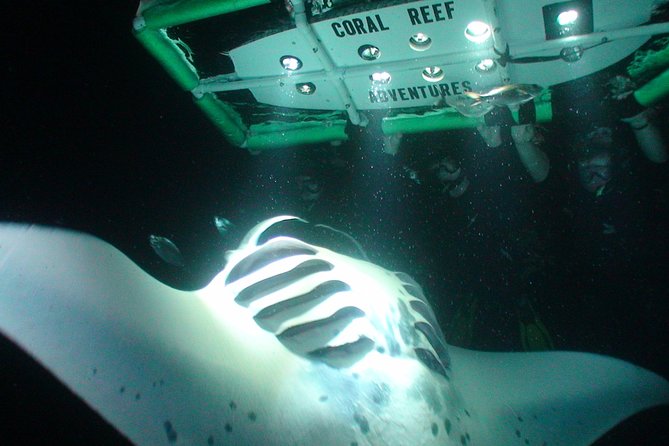
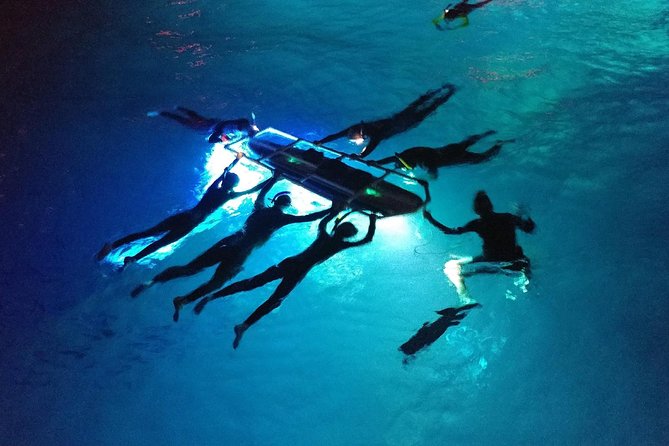
This tour is built around one simple idea: at night, manta rays are more active, and they feed on plankton that collects where the lights (and that plankton drift) draw attention. You don’t just watch from the boat. You get in and snorkel near a lightboard, which functions like a floating viewing platform.
What makes this special is how calm it feels once you’re in position. Several guides emphasize correct behavior in the water—how to hover, how not to chase, and how to keep your breathing steady—so the rays act natural. When a manta ray comes in under your lightboard, it’s not a distant “maybe.” It’s right there, moving with slow confidence.
You can also read our reviews of more evening experiences in Big Island of Hawaii

Meet at Coral Reef Snorkel Adventures, Then Head Out From Honokohau
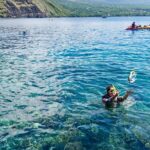
Check in at Coral Reef Snorkel Adventures (74-425 Kealakehe Pkwy, Kailua-Kona, HI 96740). From there, a guide meets you and escorts your group to the Honokohau Small Boat Harbor for the boat ride out.
This matters because it keeps the whole night from feeling chaotic. Instead of herding yourself around an unfamiliar harbor at dark, you get a clear handoff from check-in to departure. The tour ends back at the meeting point, so you’re not scrambling for a ride after you’re chilled and tired (you will be).
The 1.5-Hour Flow: From Briefing to Lightboard Time
Plan on about 1 hour 30 minutes total, give or take based on conditions. The pacing is usually quick: arrive, get your setup, head out, then spend your best moments in the water.
Here’s what the evening typically looks like:
- You meet your guide at the start location and get escorted to the small boat.
- You set sail after dark for better manta activity odds.
- On-site in the water, the guide provides safety instructions and helps you get positioned for the lightboard viewing.
- Snorkel time at the board is where the magic happens, often long enough that you stop watching the timer and start watching the rays.
- Then you return to the harbor, with the trip finishing back where you started.
Snacks and non-alcoholic drinks are included to keep your energy up during the experience. Some people also note the refresher part happens after the water time, so don’t be surprised if you’re focused on the ocean first and eat/drink after.
Getting in the Water: Gear, Positioning, and the Superman Hold
Snorkeling equipment is provided, so you don’t need to bring your own mask and snorkel. The guide’s job is to get you confident fast—especially important at night—so you can swim safely and avoid kicking or bumping marine life.
One part I’d flag (because it comes up repeatedly) is the required in-water positioning. You’ll likely spend time holding on to the lightboard bars and floating in a face-forward way, sometimes described as a Superman-style hold with arms outstretched for about 30 minutes. That’s not a “sit and watch” activity.
If you don’t have strong upper body control, this can feel uncomfortable. Some people report shoulder soreness the next day. You can reduce the strain by staying relaxed in your grip and shifting your body only as much as you need to keep steady.
Also, do what your guide tells you about head position. If you submerge your face or head completely, you may miss some of the facts your guide is sharing. If you keep your head up while looking around under the surface, you can spot rays while still following the story the guide is telling.
What You’ll Actually See Under the Board
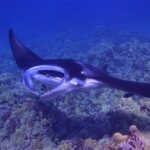
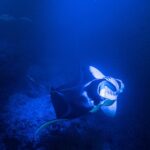
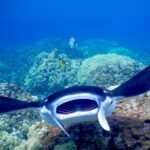
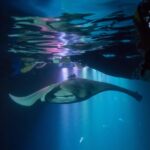
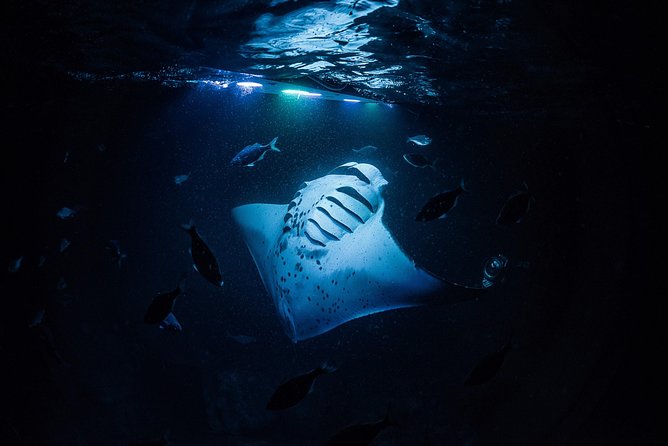
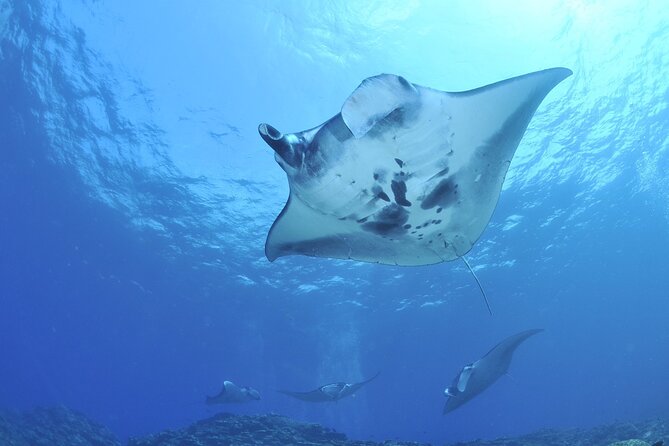
You’re not guaranteed one manta and done. The experience is built around repeated passes. When conditions are right, mantas can travel under the lightboard, turn, and feed in ways that make your brain stop categorizing what you’re seeing as “normal ocean activity.”
Based on what people describe:
- You might see multiple manta rays during the water time.
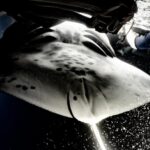
- Some sightings include manta rays moving very close—close enough that they seem to pass inches from the group or even skim the torso area.
- When they roll or change angle near the board, it can feel like a living sculpture drifting through the water.
Beyond mantas, the lightboard can also bring in other ocean life and bioluminescent effects. Some people mention luminescent plankton and a broader glow in the water that makes the whole scene feel dreamlike even before the mantas arrive.
If you’re lucky, you’ll feel that “this is happening right now” shock. If you don’t get great sightings on your first trip, ask about options—one account notes a chance to return at no charge if manta rays don’t show up.
The Small-Boat Factor: Great Access, Real Motion
This is the trade-off of the close-up approach. A smaller boat helps you get to the viewing area without dragging out the process, but the ride can still be rough.
Some people talk about:
- A very bumpy, speedy ride out to the viewing spot
- A rocking feel that can trigger nausea for sensitive passengers
- Cold conditions during the return ride
If you’re prone to seasickness, take it seriously. The experience is at night and on open water, which can make motion feel stronger. One person said they were unable to get in because they were shaken up by the ride, and another was very seasick.
If you’re worried, I’d do three practical things:
- Plan to treat seasickness before you board (talk to a healthcare professional for the best option for you).
- Choose your seat with motion in mind if the crew allows it.
- Bring layers you can put on quickly after you’re back on board, since wet suit gear doesn’t always stop the chill.
Crew, Captain, and Safety: How the Night Stays Respectful
You’ll feel the difference when the crew runs a tight, calm operation. Multiple names come up in accounts of what guides do well—people like Jacob, Jeff, Erika, Kody, Dustin, Danny, and captains such as Alexis and Louie.
What I like about this kind of crew-led tour is the control of the details:
- Safety briefing happens early so you know what to do in the water.
- Your guide keeps the group organized so you’re not scrambling in the dark.
- The instructions focus on not disturbing marine life, which helps keep the mantas behaving naturally.
One more reassurance: captains are experienced, and if conditions are unsafe, they will cancel rather than push it. That’s not a “nice-to-have.” It’s the difference between adventure and regret.
Price and Value: Is $125 Worth It?
At $125 per person for about 1.5 hours, this isn’t the cheap snorkel deal. But you’re paying for things that are hard to DIY:
- A high 90% manta spotting target
- Night timing and positioning to match manta behavior
- Guide-led in-water setup and safety instructions
- Snorkeling equipment provided
- Snacks and non-alcoholic drinks included
For most people, the value equation comes down to this: manta rays close-up is the goal, and the tour handles the variable work—finding the right feeding activity and managing the group so you spend time watching instead of guessing.
If you’re the kind of traveler who can handle open water motion and wants an organized experience, $125 starts to feel reasonable fast.
Who This Tour Fits (and Who Might Want a Different Option)
This one is not for everyone, and that’s okay. The requirements are clear:
- Moderate physical fitness
- You must swim without a floatation device
- Neck problems are not recommended
- Max weight is 280 pounds per traveler
It’s also a mental and body fit. If you’re uncomfortable with night water or you get anxious when conditions feel bouncy, plan ahead and ask questions before you go. One person with knee issues appreciated that the crew gave them time to move slowly back into the boat—so being upfront about limitations helps.
What about families? Many accounts describe this as a family-friendly “once-in-a-lifetime” type of outing. Still, it’s nighttime water on a small craft, so kids need to be able to follow instructions and handle the hold position.
Finally, group size: you might see smaller numbers used in marketing, but the Coast Guard–certified vessel cap is 12 guests. That still tends to feel intimate compared with large-boat tours, but if you’re paying specifically for a max of 6, confirm the exact vessel size and ask if private charters are available.
Should You Book This Kona Manta Ray Night Snorkel?
If your top goal is manta rays close-up in Kona with the help of a guide and provided gear, I think this is an easy “yes” to consider. The lightboard setup plus the night timing are the core reasons to book, and the odds are strong for spotting mantas.
Book with extra caution if:
- You get seasick easily
- You have neck issues
- You’re not comfortable swimming without flotation
- You want a totally effortless, sit-on-a-boat-and-watch experience (this involves active positioning)
My best advice: if manta sightings are your priority, schedule it earlier in your trip if possible, so you have time to try again if conditions don’t cooperate. And on the practical side, pack a towel and a way to stay warm after the water time.
If you match the fitness and comfort requirements, this is the kind of evening that changes how you picture the ocean for the rest of your trip.
FAQ
How long is the Manta Ray Night Snorkel tour?
It runs for about 1 hour 30 minutes (approx.).
Where do I meet for the tour?
You meet at Coral Reef Snorkel Adventures, 74-425 Kealakehe Pkwy, Kailua-Kona, HI 96740. The activity ends back at the meeting point.
What are the chances of seeing manta rays?
The tour lists more than a 90% chance of spotting manta rays in their natural habitat.
Is snorkeling equipment provided?
Yes. The tour includes snorkeling equipment.
What should I bring?
Please bring your own towel.
Do I need to be able to swim?
Yes. You must be able to swim without the assistance of a floatation device.
How many people are on the tour?
The tour/activity has a maximum of 12 travelers.
Are drinks included, and is alcohol included?
Snacks and non-alcoholic drinks are included with the tour.