REVIEW · BIG ISLAND OF HAWAII
Best Coral Reef Snorkel Tour in Kona – Protected Marine Sanctuary
Book on Viator →Operated by Coral Reef Snorkel Adventures · Bookable on Viator
Kealakekua Bay can feel unreal. I love the protected sanctuary waters around Captain Cook, and I love that you get up to an hour in the water with a guide who helps you hit the best parts of the reef. One thing to plan for: this is on a small boat, and the ride can feel bumpy even on calmer days.
If you choose a midday departure, you also have a real shot at fewer crowds at the snorkel site. It’s a straightforward half-day outing that trades big-boat chaos for a more personal pace.
In This Review
- Key Points I’d Highlight
- Kealakekua Bay Marine Sanctuary: The Real Reason This Snorkel Trip Works
- The Boat Ride: Timing, Comfort, and Why 45 Minutes Matters
- Stop 1: Kealakekua Bay Marine Preserve Snorkeling (Max 1 Hour)
- Stop 2: Captain Cook Monument Views From the Water
- Why the Small-Group Format Feels Better Than Big Boats
- Wildlife Spotting: Dolphins and Whales as a Bonus
- Price and Value: Is $125 a Fair Deal?
- What You Need to Bring (And What the Crew Handles)
- Crew Vibes and How the Tour Feels in Real Life
- When to Go: Midday Departures and Crowd Control
- Should You Book This Kona Coral Reef Tour?
- FAQ
- How long is the tour?
- How much time will I spend snorkeling?
- What’s included, and what should I bring?
- How big is the group?
- Do I need to be able to swim?
- Where do I meet for the tour?
- What happens if weather is poor?
Key Points I’d Highlight
- Kealakekua Bay Marine Preserve gives you some of Kona’s clearest snorkeling conditions.
- Up to 60 minutes in the water so you get real time with fish and coral, not just a quick splash.
- Small-group feel with a stated cap of 14 on board, and many departures run even smaller.
- Captain Cook Monument stop means huge views from the water plus a famous landmark context.
- Guides help with where to swim, and they’ll assist you into the water and across the reef.
- You might see dolphins or whales on the ride, and the crew may adjust to linger when conditions allow.
Kealakekua Bay Marine Sanctuary: The Real Reason This Snorkel Trip Works
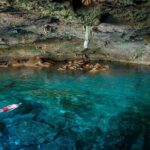
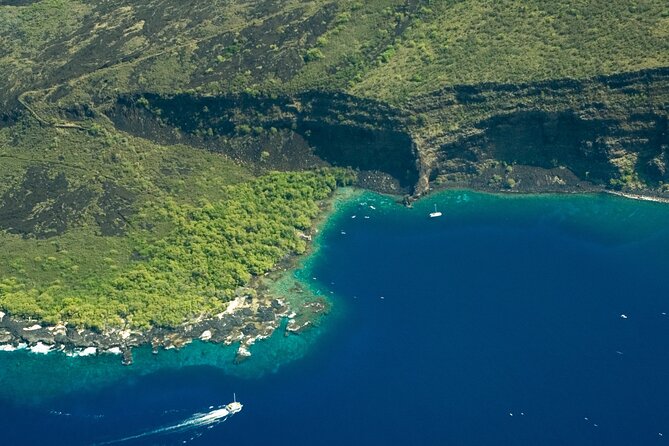
Kealakekua Bay is one of the spots where snorkeling on the Big Island stops being a novelty and turns into a full-on “how is this so clear?” experience. The key word here is protected: this area is a Marine Sanctuary, which helps keep the reef in better shape than you’d find in places with more boat traffic. Translation for you: you spend time looking at fish, coral, and marine life instead of constantly scanning for rough water or muddy visibility.
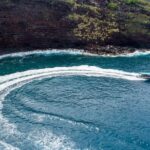
From the boat, the bay also has that cinematic look—Hawai‘i water that actually shows depth, not just a slick surface. If you’ve done snorkeling elsewhere and felt like you were mostly working to see anything, this is the kind of tour where your biggest problem is usually timing: there’s a lot to see, and the guide is trying to get you to the best zone first.
And because the tour is built around a specific protected site, the plan is simple and focused. You’re not bouncing from one random patch of water to the next. You go where the reef value is already high, then you make the most of that one location.
You can also read our reviews of more tours and experiences in Big Island of Hawaii.
The Boat Ride: Timing, Comfort, and Why 45 Minutes Matters
Getting from Honokohau Harbor to Kealakekua Bay takes up to about 45 minutes, depending on conditions. That matters because it sets your rhythm for the day. You’ll want to eat lightly before you arrive, because you’ll still be doing that “waiting for the water to smooth out” feeling once you head out.
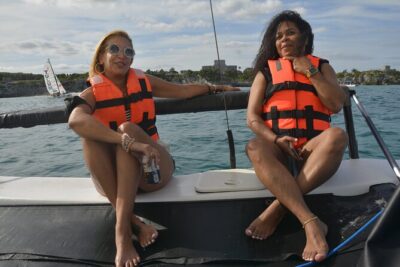
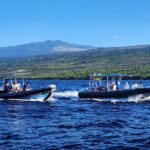
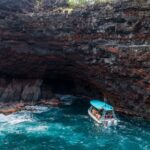
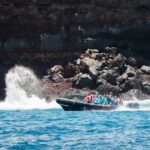
This is also a small-boat trip. In practice, that means you’re closer to the action—less time trudging around a crowded deck, fewer people to coordinate. It also means you feel the ocean more. One guest called out that even on a calm day, the ride can be rough and that you may stay seated for much of the trip while the boat bounces. That’s not a reason to skip it if you’re fine on the water. But it is a consideration if you’re prone to motion sickness or if bumpy rides ruin your whole afternoon.
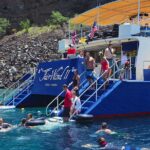
The flip side is that the boat size can be an advantage once you’re in snorkeling mode. Several reviews highlight easy ladder access after the swim, with the ladder going down far enough for comfort. If you’re bringing family or you’re returning from the water with a bit of fatigue, that’s the kind of practical detail that changes the whole experience.
Stop 1: Kealakekua Bay Marine Preserve Snorkeling (Max 1 Hour)
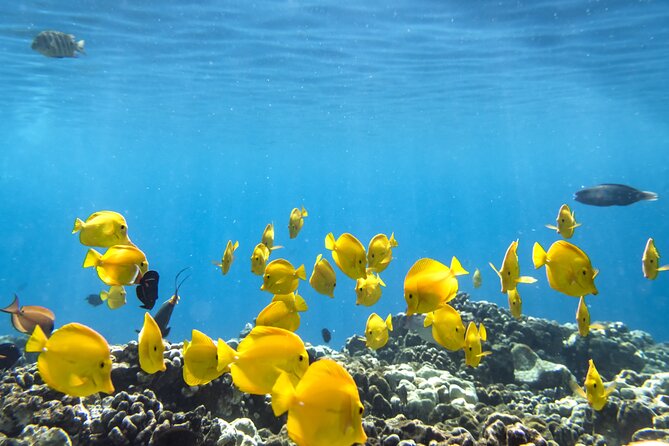
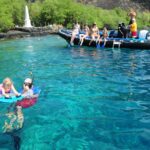
This is the core of your tour: you arrive at the snorkel site in Kealakekua Bay and your swim guide works you through the water like a mini reef road trip.
Before you even start swimming, you get help getting into the water. Once you’re floating, the guide’s job is to get you to the best snorkeling stretch in a controlled way—so you’re not burning energy just trying to find where the fish are. When the water is clear, the difference between drifting randomly and swimming with purpose is huge. You’ll often see more because you’re in the right place at the right depth.
You also get up to one hour in the water. That time limit sounds short until you picture what it’s like to snorkel in a place with constant “wait, look at that” moments. People tend to feel like the reef keeps delivering, which is why this hour-and-change window is one of the best things about the tour design. It’s long enough to settle in, but not so long that you’re exhausted, chilled, or distracted when you should still be watching.
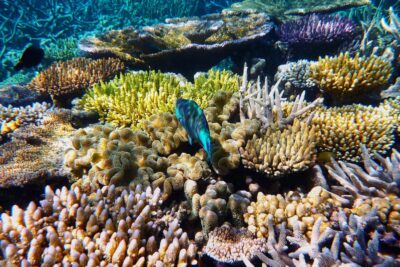
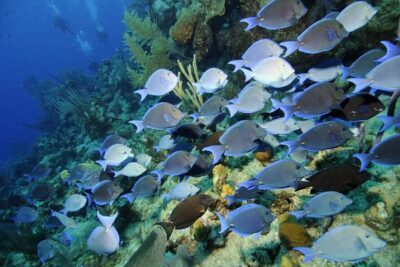
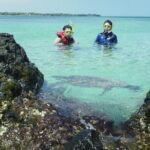
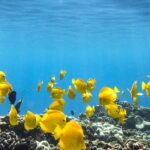
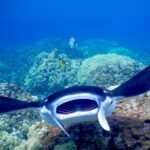
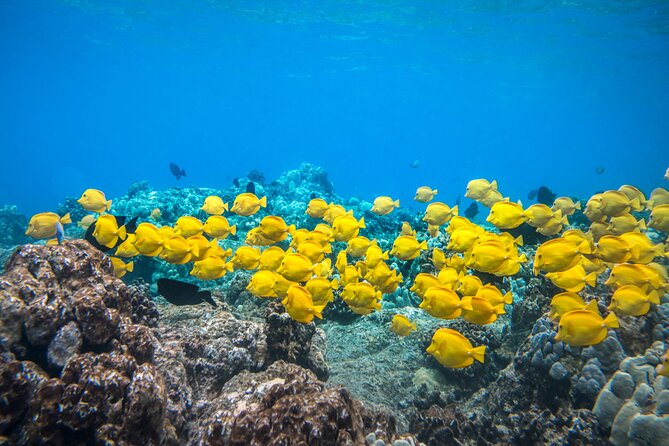
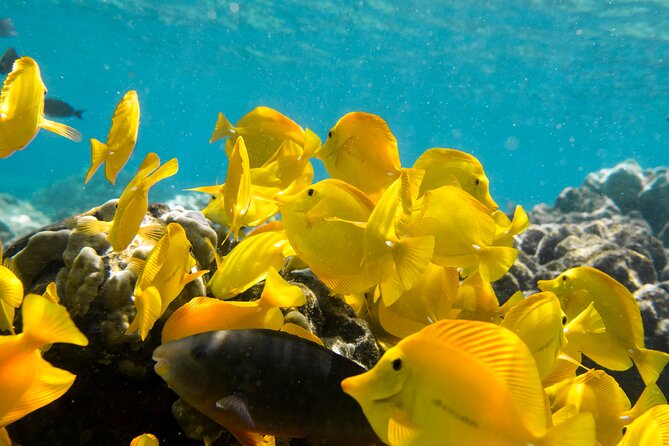
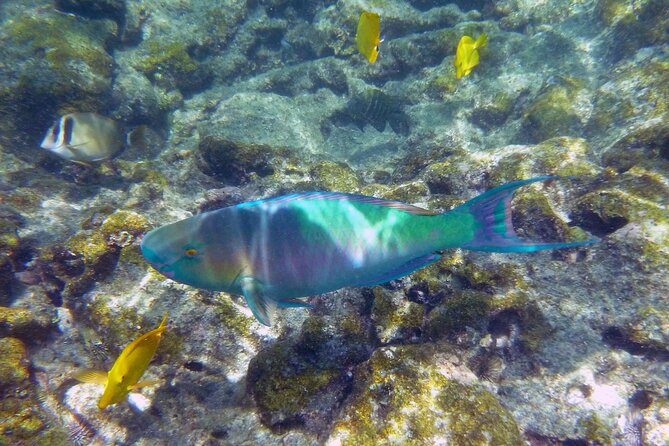
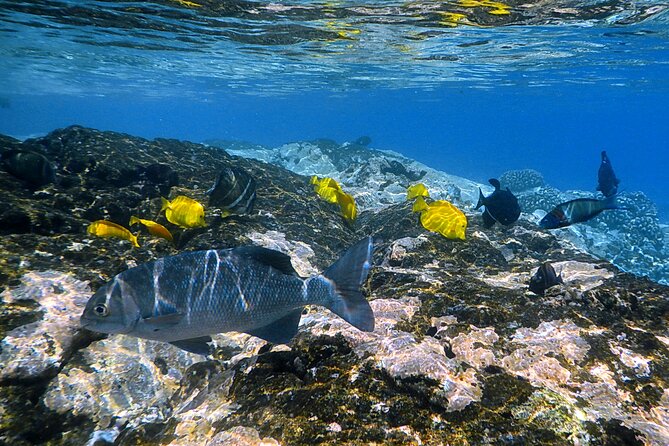
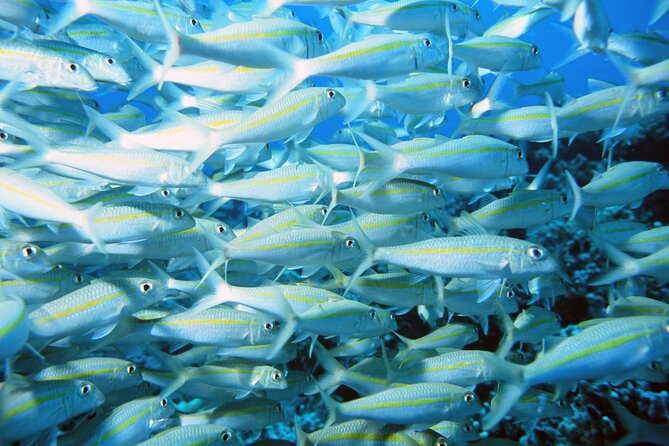
What you can expect to see is exactly why guests return to this area again and again: a dense mix of colorful reef fish and coral structure that supports all sorts of smaller marine life. Reviews mention everything from fish clouds to surprises like octopus. There are also mentions of eels, sea urchins, crabs, and turtles on past outings, which suggests the guides know how to steer you toward life, not just coral.
One important reality check: this is snorkeling, not a guided underwater “show.” You still need to swim. The tour requires that you can swim on your own without flotation gear, and it lists moderate physical fitness as the baseline. If you’re a confident swimmer and comfortable staying afloat, you’ll get the full benefit of the guided time.
Stop 2: Captain Cook Monument Views From the Water
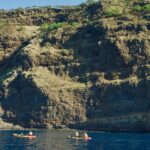
After the main reef time, the tour heads to the Captain Cook Monument area. This isn’t just a photo stop on land. It’s a water-based perspective, and that changes the whole vibe. The monument gives you a recognizable landmark, and from the water you get those wide views where reef meets coastline.
This part of the experience also comes with narration from the captain. Some outings include history and points of interest along the Kona coast. A few guests specifically praised storytelling by named captains and guides, including Adam, Carmella, and others. But at least one guest felt the narration was missing at the monument and said they wished for more information. That doesn’t mean you’ll miss it, but it does suggest something you should keep in mind: storytelling quality can vary by captain and day.
If history and context matter to you, I’d treat this stop as a bonus rather than your main expectation. Your main “must-have” is the snorkeling quality. If you get good narration on top of that, great. If not, you’re still in the right place for the water.
Why the Small-Group Format Feels Better Than Big Boats
A lot of Hawaii tours sell the same promise: quick in-water time, big group, lots of bouncing around. This one tries to stay out of that pattern. Your experience is listed as a small group, with a maximum of 14 travelers on board. In some cases, groups show up much smaller (one review described a group of six), which can feel like a private tour without the private-tour price.
Small group size matters in three practical ways:
First, it makes it easier to manage your entry and exit from the water. When the ladder and the process aren’t crowded, you waste less time waiting.
Second, it helps the guide track everyone’s comfort level. If you’re slower, unsure, or just trying to catch your breath, you can ask for help without the feeling that you’re holding up a long line of strangers.
Third, it often makes the ride feel more relaxed. You’re not competing for deck space, and you’re less likely to feel rushed. That relaxed pace shows up in reviews that talk about comfort and ease, especially for families with kids.

Wildlife Spotting: Dolphins and Whales as a Bonus
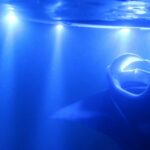
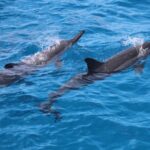
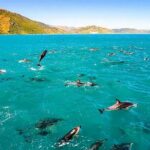
One of the best “pleasant surprises” with this tour is the wildlife timing. Multiple reviews mention pods of dolphins, sometimes spinner dolphins, and even whale sightings in the same trip window. The crew may also linger when animals come close—one review noted an extended dolphin viewing after noticing them near the boat.
You should treat wildlife as a bonus, not a guarantee. The water conditions and animal movement don’t follow schedules. But the pattern is clear: the captain looks out for it, and when it happens, you’re not sent away immediately. That’s a major reason people remember this trip beyond the reef itself.
If you care about seeing more than fish, this tour gives you extra chances. You’re already on the water, already moving through Kona’s marine area, so the boat ride can turn into part of the experience, not just transportation.
Price and Value: Is $125 a Fair Deal?
At $125 per person for about 4 hours, this tour isn’t the cheapest snorkeling option. But it also isn’t priced like a luxury yacht day, either. The value sits in the details that usually cost time, energy, or comfort on other tours.
Here’s what you’re paying for, in plain terms:
- A protected reef area plan with focused snorkeling time
- A smaller on-board group cap than many mass tours
- Swim guidance that helps you actually use your time in the water
- Snorkeling equipment included
And then there’s the bonus layer. Reviews mention snacks and drinks on return to the boat, with fresh pineapple showing up more than once. Some families also mention help like prescription goggles. Those are “small” perks, but they add up when you’re spending a half day outside in salt air.
If you’ve ever booked a budget snorkeling tour and then ended up with a rushed feel—short snorkel time, lots of waiting, unclear guidance—this is the kind of tour that’s built to reduce that frustration. You’ll still have the same ocean reality (you can’t control weather), but you’re more likely to feel that the time is well-used.
What You Need to Bring (And What the Crew Handles)
The tour includes snorkeling equipment, so you don’t need to pack a mask and snorkel. Everything else is up to you.
Bring:
- Swimsuit
- Towel
- Hat
- Sunglasses
- Sunscreen
If you’re someone who gets cold easily, consider that you’ll spend time on a boat and you’ll be in water for up to one hour. It’s not listed as a gear-included warm suit setup, so dress like the ocean is strong and the sun is real.
Also, be ready for the entry routine. You must be able to swim without flotation. The guide will assist, but they won’t replace your swimming ability. If you want the best experience, don’t try to treat this like a float-and-watch setup.
One more practical note: the tour is marked as not recommended for travelers with neck problems. If you’ve had neck issues, check with your clinician first and be honest about how you’ll handle the water entry and the head positioning that comes with snorkeling.
Crew Vibes and How the Tour Feels in Real Life
Most of the “feel” of a snorkeling trip comes down to two people: the captain and the swim guide. This tour tends to deliver in both roles, and reviews include a long list of named crew members who sound like they make the trip fun, not just safe.
You might meet captains like Adam, Andy, Bob, Jeff, Peña, or Sean, and swim guides such as Carmella, Sarah, Shelley, Jaena, and Jordan. The names vary by departure, but the consistent theme is friendly competence and actual attention to what you’re seeing.
Where some days differ is the amount of narration. Some guests praised history and cultural context during the ride, including at stops near Captain Cook. Another guest said narration didn’t happen as expected at the monument stop, which suggests the captain’s style can change by day. That means you should plan around the reef first, and treat storytelling as an added benefit.
On the comfort side, a review specifically mentioned that ladder access felt sturdy and went far enough down for safe return after snorkeling. That’s not glamorous, but it’s exactly the sort of practical detail that makes the difference between a trip you remember as easy and one you remember as stressful.
When to Go: Midday Departures and Crowd Control
One clear planning tip: choose a midday departure if you can. Morning snorkeling can get crowded, and Kealakekua Bay is popular for a reason. By going later, you improve your odds of a calmer snorkel site and less waiting during entry and guidance.
That said, you’re still at the mercy of weather and water conditions. This experience requires good weather. If conditions aren’t right, you can expect rescheduling or a refund option based on how they handle poor-weather cancellations. The important thing for you: don’t force this trip into the one day you have “absolutely no flexibility.” Build in a backup.
Should You Book This Kona Coral Reef Tour?
Book it if:
- You want a protected sanctuary reef experience with up to an hour in the water
- You’re a confident swimmer and comfortable without flotation
- You prefer a small-group vibe over big-boat bustle
- You’d like a decent shot at wildlife sightings (dolphins and sometimes whales)
Skip it or reconsider if:
- You get knocked around by bumpy boat rides and small boats feel rough to you
- You’re not comfortable swimming on your own
- You have neck issues that might make snorkeling uncomfortable
If you’re looking for one high-impact snorkeling outing on the Big Island that’s built around quality water time, this is an easy yes. Just go in expecting the boat ride to be part of the experience, bring your essentials, and focus your energy on the reef zone your guide brings you to.
FAQ
How long is the tour?
The tour runs about 4 hours (approx.).
How much time will I spend snorkeling?
You’ll spend a maximum of about 1 hour in the water.
What’s included, and what should I bring?
Snorkeling equipment is included. You should bring your own towel, hat, sunglasses, sunscreen, and swimsuit.
How big is the group?
The tour lists a maximum of 14 travelers.
Do I need to be able to swim?
Yes. You must be able to swim without the assistance of a floatation device.
Where do I meet for the tour?
You start at Coral Reef Snorkel Adventures, 74-425 Kealakehe Pkwy, Kailua-Kona, HI 96740, USA.
What happens if weather is poor?
The experience requires good weather. If it’s canceled due to poor weather, you’ll be offered a different date or a full refund.