REVIEW · BIG ISLAND OF HAWAII
KONA Manta Ray Night Snorkel – FREE re-ride if no Sightings
Book on Viator →Operated by My Kona Adventures · Bookable on Viator
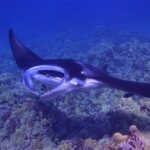
Manta rays at night are a whole different planet. From Kona, you’ll ride out on a small 23-foot RHIB (up to 11 people), then slip into the water for a short, guided snorkel where the crew helps you spot manta behavior and stay comfortable. I love the tight group size, and I also love how short the time is on the boat compared with many other tours. The big thing to consider: this is built for people who are already comfortable swimming and snorkeling—if you’re not, the night water time can feel stressful.
If you’re trying to build the trip around one true “wow” moment, this tour has a practical rhythm. Check in is near Kona (no hotel pickup), you can rent a wetsuit top if you get chilly, and the boat uses surface lighting so you’re not hunting around in darkness. Guides on these trips often get high praise by name—Taco and Peyton show up a lot—so you know you’re not just buying a ticket; you’re buying a set of instructions for the water.
In This Review
- Key Reasons People Love This Kona Manta Ray Night Snorkel
- Why Night Manta Snorkeling Off Kona Feels Different
- Meeting at 78-7138 Kaleiopapa St: Simple Start, No Hotel Pickup
- Check-In, Wetsuits, and Gear: What You Actually Get
- The 23-Foot RHIB Ride: Short Boat Time, Small-Group Calm
- In the Water: Your 25–30 Minutes of Manta-Ray Time
- What the Guides Teach You (and Why It Makes a Big Difference)
- Gear and Safety Rules You Should Read Before You Go
- Swim ability and snorkeling basics
- Life jackets and flotation
- Weight policy (don’t ignore this)
- Service animals and the boat type
- Keep valuables in the car
- What If You Don’t See Mantas? The Free Re-Ride Reality
- Motion Sickness, Cold Water, and Night Conditions: How to Prepare
- Price and Value: Is $49 Worth It for a Bucket-List Hour?
- Who This Tour Is Best For (and Who Should Skip)
- Should You Book This Kona Manta Ray Night Snorkel?
- FAQ
- How long is the manta ray tour, and how much time is spent snorkeling?
- Do I need to be an experienced swimmer and snorkeler?
- What gear is included, and can I rent a wetsuit?
- Are life jackets provided?
- Is a manta ray sighting guaranteed?
- What’s the meeting point?
Key Reasons People Love This Kona Manta Ray Night Snorkel
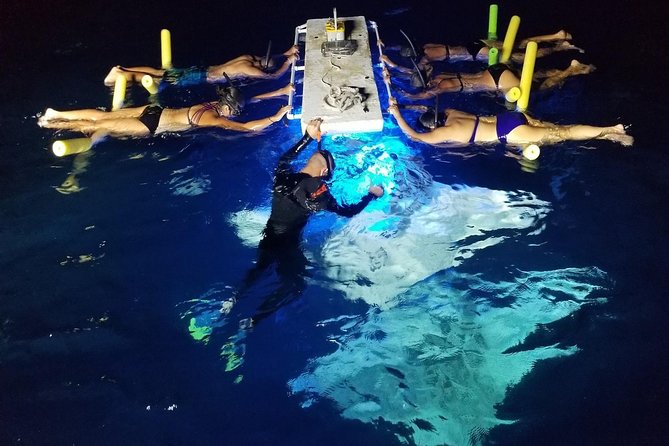
- Small boat, up to 11 people on a 23-foot RHIB, which keeps the water calmer and the instructions easier to follow
- Surface lighting for night snorkeling, so you can actually see while you’re in the water
- Real guidance on manta behavior, so you know what you’re looking at instead of just hoping
- 25–30 minutes in the water inside a total about 1 hour 20 minutes on the clock
- Free re-ride if there are no sightings, giving you another shot without paying again
Why Night Manta Snorkeling Off Kona Feels Different
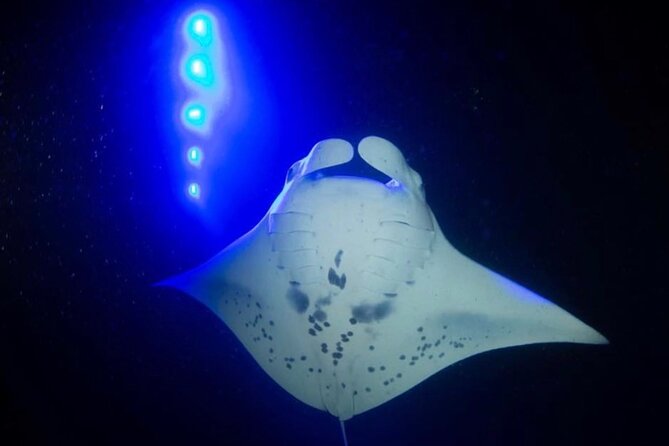
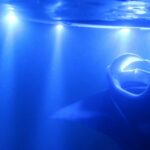
Night changes everything—less glare, different rhythms, and manta rays that can feel almost curious instead of purely distant. What makes this tour appealing is that it’s structured around a safe, short window where you’re guided through what to do once you’re floating.
I like that the “awe” is paired with info. The crew provides commentary on manta ray biology and behavior, which helps you notice things you’d otherwise miss—like how they move and how close they may come.
One practical drawback: this isn’t a casual splash-and-play activity. You must be an experienced swimmer and have basic snorkeling experience, and the ocean can turn choppy without warning.
You can also read our reviews of more evening experiences in Big Island of Hawaii
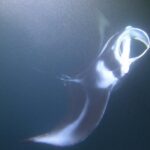
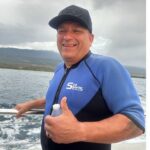
Meeting at 78-7138 Kaleiopapa St: Simple Start, No Hotel Pickup
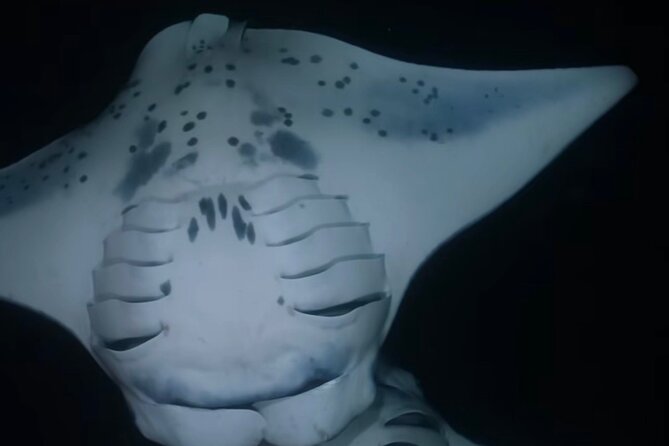
This tour starts and ends at the meeting point at 78-7138 Kaleiopapa St, Kailua-Kona. There’s no hotel pickup or drop-off, so you’ll want to plan on getting yourself there on time.
I like meeting-point tours when the schedule is tight. It keeps the experience from dragging, and you don’t lose time waiting for other hotels and shuttles.
A key caution is about belongings. There’s no office, and you’ll keep your things in your vehicle, so skip valuables and bring only what you can comfortably carry (or lock up in the car).
Check-In, Wetsuits, and Gear: What You Actually Get
Once you arrive, the process is set up for fast readiness. The tour includes snorkel equipment and uses a guided approach to get you comfortable before you go in.
Wetsuits are optional. If you think you’ll feel cold (night water can chill you fast), you can rent a wetsuit at check-in. I’d treat that like a default unless you run warm in open water.
The tour also clarifies a life jacket rule that matters at night: U.S. Coast Guard-approved life vests are provided on board at all times. Pool noodles are optional and may be offered for extra comfort flotation, but the safety baseline is the vest.
The 23-Foot RHIB Ride: Short Boat Time, Small-Group Calm
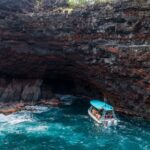
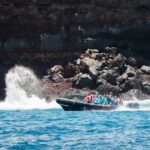
Your first taste of the adventure is the boat ride. This tour uses a 23-foot RHIB (Zodiac-style) and carries up to 11 passengers.
Two things I like about this setup:
- The boat ride is short, so motion sickness is less likely than on longer, bigger-crew trips.
- The smaller boat helps the crew keep track of everyone, which matters when it’s dark and you’re gearing up to get in.
They also note that ocean conditions can change quickly. You might feel a bit of swell, and if conditions get too rough, the operator can cancel for safety—because it’s night and everyone is in open water.
In the Water: Your 25–30 Minutes of Manta-Ray Time
From departure to return, the full tour is about 50 minutes total, and that includes 25–30 minutes in the water. The total time you plan around is roughly 1 hour 20 minutes, with check-in and transitions built in.
That in-water time is the main event. The guides stay close and help you follow the right behavior in the water, including how to move calmly and stay aware of your position.
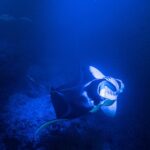
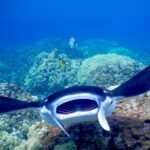
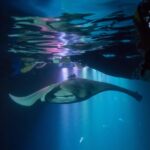
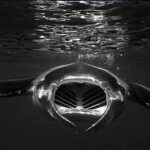
You’ll also get the benefit of being guided toward where manta rays are likely to be active. In the best moments, people describe mantas coming very close—often within what feels like a few feet—because mantas are wild animals, and their behavior decides the exact experience.
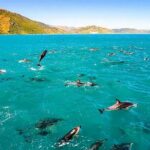
What the Guides Teach You (and Why It Makes a Big Difference)
This isn’t just a wildlife “spotting” cruise. The crew provides lessons on manta biology and behavior, so you’re not watching blindly.
I’m a fan of tours that teach you how to behave around animals. It improves your odds of a good encounter and keeps you from doing the wrong thing at the wrong time.
In the reviews, the vibe is consistent: the guides are attentive, they give clear instructions on entering and exiting the water, and they keep guests focused on respectful, calm snorkeling. Names that show up repeatedly include Taco and Peyton—and other crew members like Fisher and Rocky also get mentioned—so you can expect a guided, coached approach rather than a hands-off one.
Gear and Safety Rules You Should Read Before You Go
Before you book, match your body and comfort level to what the tour requires.
Swim ability and snorkeling basics
Participants must be experienced swimmers with basic snorkeling experience. If you’ve never snorkeled, practicing beforehand is a smart move so you’re not fighting the mask while also dealing with night, waves, and buoyancy.
Life jackets and flotation
The crew provides life vests on board at all times. Casual use life jackets are specifically mentioned for kids 13 and under, but the key point for adults is that vests are part of the safety setup.
Weight policy (don’t ignore this)
There’s a weight rule: anyone 260 and over (up to 320) must purchase an additional seat. This isn’t a random detail—it’s about safe boat operation and how everyone fits and floats correctly in the water.
Service animals and the boat type
Due to the RHIB setup, the tour notes they’re unable to allow service animals on board. If you rely on one, you’ll need to look at alternatives.
Keep valuables in the car
Because there’s no office, you’ll carry less and trust your vehicle storage. Bring a small bag, secure your essentials, and leave jewelry and cash at home.
What If You Don’t See Mantas? The Free Re-Ride Reality
Here’s the honest part of any manta ray tour: sightings are never guaranteed. This tour has a specific policy for no sightings.
- If there are no sightings, there is no refund, but you receive a free re-ride.
- If you buy a Not Snorkeling ticket, there’s no guarantee of seeing manta rays from the boat.
I like that the policy is clear up front. The trade-off is that you should only book it if you can realistically use the re-ride on your schedule.
If your itinerary is tight and you’re worried you won’t be in Kona long enough to use a re-ride, consider building in buffer time.
Motion Sickness, Cold Water, and Night Conditions: How to Prepare
Night snorkeling means you’ll likely feel cold sooner than you expect. Even when the water isn’t freezing, the combination of night air and wind can get to you. If you run cold, plan your wetsuit rental at check-in.
Motion sickness is also a consideration, but this tour’s quick boat ride can help. Still, ocean conditions can turn choppy, and the crew may be stricter about who should go in the water.
One more practical tip: make sure you’re comfortable with your snorkel setup before the water. If you’re fiddling with a mask or struggling with breathing, you’ll burn mental energy you need for calm snorkeling.
Price and Value: Is $49 Worth It for a Bucket-List Hour?
At $49 per person, you’re paying for a focused experience: a night window, guided instruction, equipment provided, and a small-group setup on a fast boat.
The value isn’t just the manta rays—it’s the structure:
- Short time on the boat and 25–30 minutes in the water
- All snorkel gear provided for less hassle
- A guide-led approach so you’re more likely to enjoy the encounter fully
Also, the day-friendly timing is a hidden win. Because this happens at night, you keep daytime open for beaches, coffee, or other Big Island plans.
If you’re comparing costs, watch the “no guarantee” part. You’re not paying for a filmed wildlife show; you’re paying for the best chance under real ocean conditions, with a safety-led operator.
Who This Tour Is Best For (and Who Should Skip)
This tour is a strong fit if you:
- Know how to swim confidently in open water
- Have basic snorkeling skills
- Want a guided wildlife experience with close-up potential
- Want a small group rather than a crowded boat
It’s a weak fit if you:
- Are uncomfortable swimming at night
- Have never snorkeled and don’t plan to practice first
- Can’t manage cold water and rougher-than-expected ocean conditions
- Have limited flexibility to use the free re-ride if sightings don’t happen
Should You Book This Kona Manta Ray Night Snorkel?
I’d book it if you want a high-impact, guided night experience and you’re truly ready for the water time. The combo of small-group boat size, coached instructions, and the real chance of a close manta encounter makes it a standout value at this price.
Skip it only if you’re unsure about swimming/snorkeling basics or you can’t handle the possibility of no sightings without refund. If that’s you, consider shifting to another activity that doesn’t depend on wild animal timing.
FAQ
How long is the manta ray tour, and how much time is spent snorkeling?
The total tour time from departure to return is about 50 minutes, including roughly 25–30 minutes in the water. With check-in time and travel, the overall time on your schedule is about 1.2 hours.
Do I need to be an experienced swimmer and snorkeler?
Yes. Participants must be experienced swimmers and have basic snorkeling experience. Wetsuits are optional, and you can rent one at check-in.
What gear is included, and can I rent a wetsuit?
The tour provides snorkeling gear and equipment. Wetsuits are optional and available to rent at check-in.
Are life jackets provided?
Yes. U.S. Coast Guard-approved life vests are provided on board at all times. Pool noodles may be offered for additional comfort flotation.
Is a manta ray sighting guaranteed?
No. If there are no sightings, the tour does not offer a refund, but it does offer a free re-ride.
What’s the meeting point?
The meeting point is 78-7138 Kaleiopapa St, Kailua-Kona, HI 96740. The activity ends back at the same meeting point.