REVIEW · BIG ISLAND OF HAWAII
Big Island: Kona Manta Ray Snorkel Tour in Keauhou Harbor
Book on Viator →Operated by Kona Manta Ray Snorkel Tours · Bookable on Viator
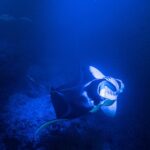
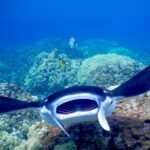
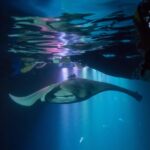
Manta rays at night feel unreal. On this Kona manta ray snorkeling cruise from Keauhou Harbor, the action starts after dark, when a 150,000-lumen light board pulls in plankton—and the mantas follow. I like how the setup is built for close viewing on a small boat, not a big cattle-car float.
You’ll get a short ride out, then serious time in the water. I especially like the manta ray guarantee, which means you can return free if you don’t see rays during your slot.
One thing to think about first: this is a night snorkel with gear and boat access. You’ll need basic swimming skills, prior snorkeling experience, and the ability to climb the ladder into the boat on your own, in the dark.
In This Review
- Key highlights before you go
- Night Snorkeling Off Keauhou Harbor: Why This Timing Matters
- The Light Board, the Plankton, and What You’ll Be Watching
- Boat Ride and In-Water Time: How the Tour Keeps It Short
- Guides, Safety, and the Small-Group Advantage
- Gear Choices: What’s Included, What Costs Extra, What to Bring Anyway
- Timing Reality Check: Evening Delays You Should Plan For
- Where You Meet in Kailua-Kona (And Why Instructions Matter)
- Who This Kona Manta Ray Tour Is Best For
- Value at $25: What You Get for the Money
- Should You Book This Kona Manta Ray Snorkel Tour?
- FAQ
- How long is the Kona Manta Ray Snorkel Tour?
- Where do I meet for the tour?
- Is a wetsuit included?
- What skills do I need to participate?
- What is the manta ray guarantee?
- What is the cancellation policy?
Key highlights before you go
- Short ride, more water time: a quick trip out and time floating alongside a guide after dark
- The light board does the work: a custom board attracts plankton so mantas come to you
- Small group feel: capped at 17 people, which helps you avoid the crowded-boat vibe
- In-water guidance and lifeguard support: snorkel guides focus on safety and a non-intrusive approach
- Return-free manta ray guarantee: if rays don’t show, you can come again for free
Night Snorkeling Off Keauhou Harbor: Why This Timing Matters
If you want manta rays, night is your friend. This tour runs after dark, when manta rays come out to feed on plankton. That single detail shapes everything: the water, the lights, and how the guides run the experience.
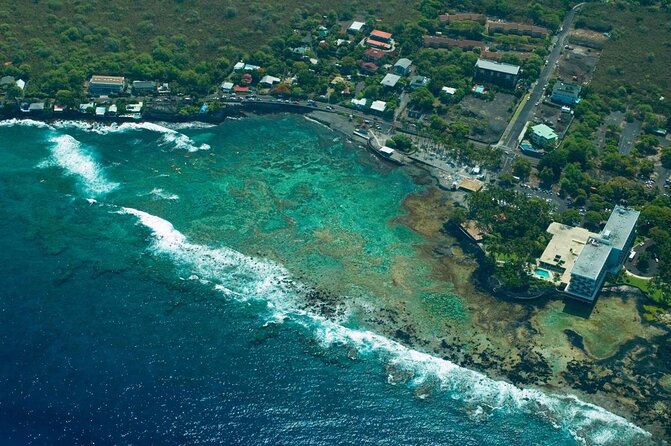
You’ll start at Keauhou Harbor, in Kailua-Kona’s Kona side. From there, the goal is simple—get you to a manta feeding spot fast and then keep you in the water long enough to actually enjoy it, not just gear up and wait around.
The experience is designed as an evening cruise, roughly 1 hour 30 minutes total. Most people book about 17 days in advance, so it’s smart to lock in your date early if you’re visiting during peak season.
You can also read our reviews of more tours and experiences in Big Island of Hawaii.
The Light Board, the Plankton, and What You’ll Be Watching
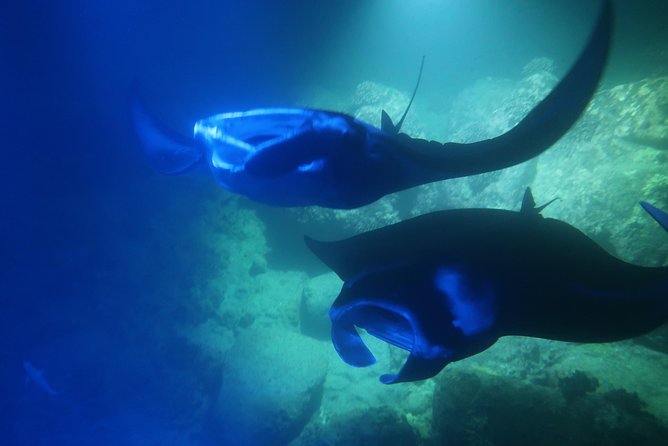
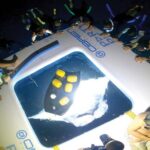
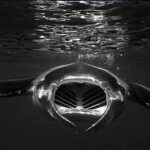
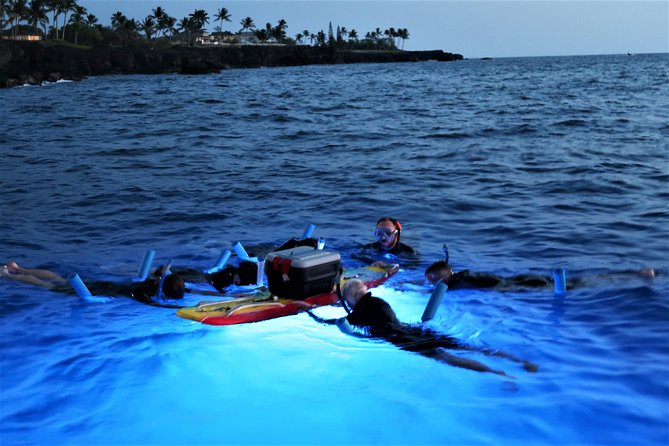
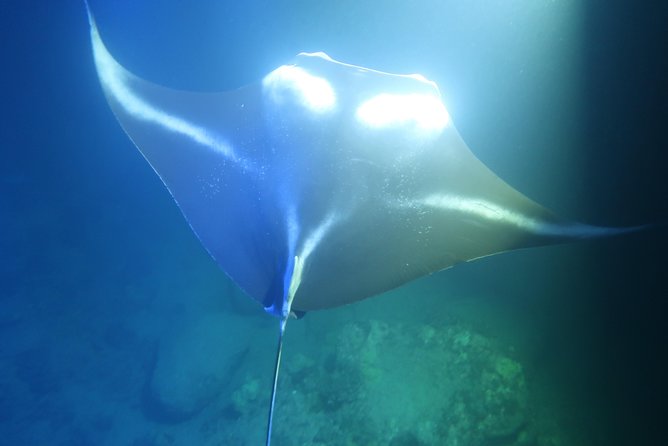
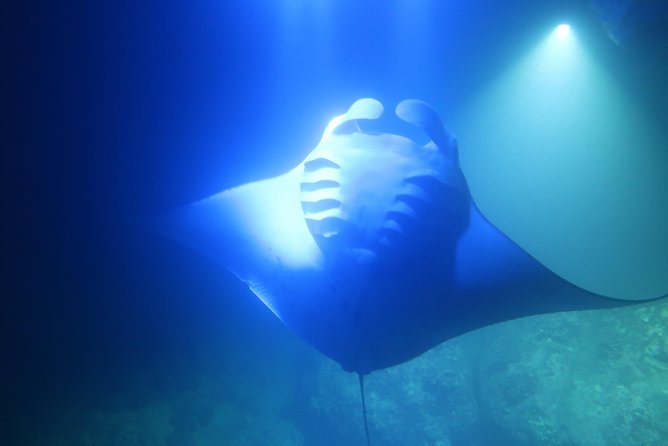
Here’s the science-meets-spectacle part: you snorkel near a custom light board with 150,000 lumens. The light attracts plankton, and plankton pulls in manta rays. So you’re not just hoping for a random sighting—you’re showing up when the feeding cycle is most likely to happen.
What it feels like (based on the way this tour is structured) is a guided hunt with rules. You’ll float with your guide, and the guide helps you position safely and calmly so you’re not churning the water or scaring animals off.
The guides are certified in-water snorkel guiding and lifeguarding. That matters because you’ll be dealing with darkness, cold-ish night water, and a real animal that you’re trying not to crowd. The whole point is a safe, non-intrusive viewing experience—close enough to be memorable, without turning the ocean into a swim meet.
Boat Ride and In-Water Time: How the Tour Keeps It Short
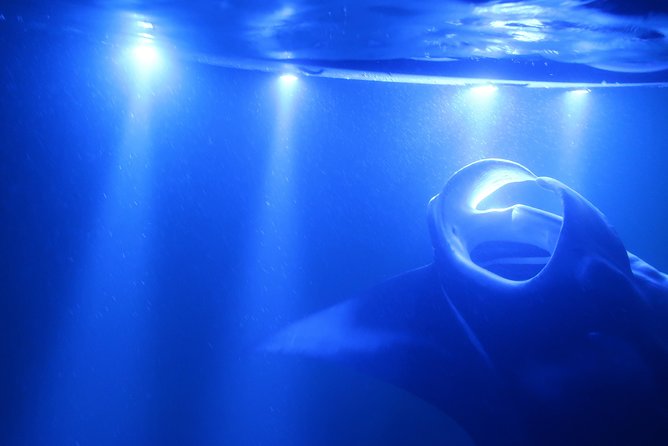
The tour builds around one big idea: don’t spend the night traveling. You get a 3-minute boat ride after dark to reach the feeding area. That’s the difference between a “we went out there” tour and a “you actually got time in the water” tour.
Once you’re in the water, you can spend up to about 30 minutes floating alongside the guide. That time window is long enough to spot movement, settle into breathing, and enjoy the moment when a manta glides in close.
Then you’re back at the meeting point area, so you don’t lose your whole evening. That’s good if you’ve got dinner plans afterward—or if you’re trying to pack in a few Kona activities without turning your vacation into an all-night checklist.
Guides, Safety, and the Small-Group Advantage
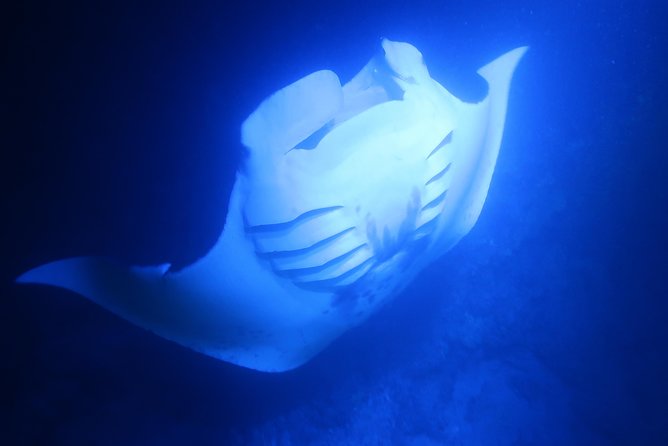
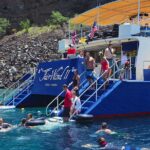
This is run by Kona Manta Ray Snorkel Tours, with a USCG captain and in-water snorkel guides who also act as lifeguards. The crew approach is built around step-by-step instruction, plus calm, clear directions in English.
The group size is capped at 17 people. I like this cap because it reduces the “too many people, too many boats, too much noise” problem. In practice, smaller groups tend to mean less scrambling, fewer overlaps at the water’s surface, and a smoother flow for ladder access and gear adjustments.
You’ll probably hear names like Deavon (often the key point of contact on site) and guides such as Greg. Other guide names that come up include Jake, Sean, Eric, and even captain Ash. You’ll also hear marine-life guidance, and on a good night, the guides keep the vibe light with humor while still staying safety-first.
Safety-wise, the tour expects you to be able to:
- climb up a boat ladder independently
- handle basic snorkeling coordination at night
- follow English instructions during briefings
Also note the weight limit: 275 pounds per person. And if you’ve had recent surgery or have mobility limitations, it’s not recommended.
Gear Choices: What’s Included, What Costs Extra, What to Bring Anyway
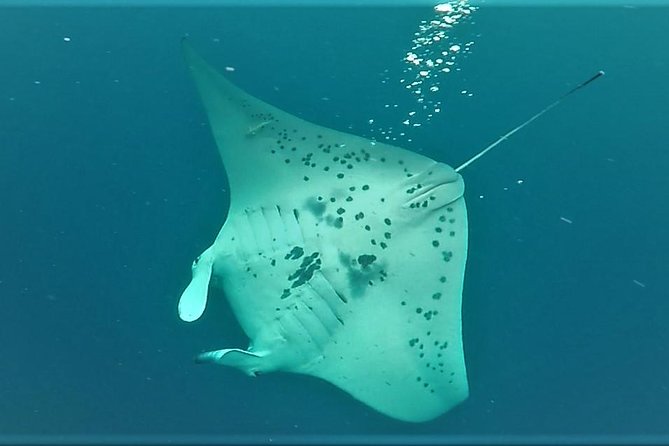
You get the core snorkeling setup: mask + snorkel. The crew also handles the wetsuit distribution process when you opt in.
Wetsuits are optional, not included. If you want one, it’s $10 per person. Night water on the Kona coast can feel cooler than daytime, and a wetsuit can make the difference between feeling relaxed and feeling rushed through the float time.
This tour also uses a light board system, so think about your phone the same way you would at night on a boat. The crew may prefer that you keep your phone handy for updates, since timing changes can happen. For photos and video, plan to keep your camera setup simple and secure.
A couple practical notes from how the experience is run:
- It’s easier if you arrive with your gear needs solved quickly at the meetup.
- If you rent a GoPro or similar device, you’ll want to make sure it’s easy to operate underwater and during ladder climb transitions.
And one more common-sense rule: don’t bring heavy or loose items that you’ll worry about in a dark, wet environment.
Timing Reality Check: Evening Delays You Should Plan For
This tour’s biggest potential downside isn’t the manta rays. It’s the schedule.
Some nights can run late, and the waiting can happen on-site, in low light. In other words, it’s not just “a few minutes.” People have reported long waits that push dinner and bedtime far later than expected.
So here’s how I’d plan your evening:
- Keep dinner flexible or make it the kind of reservation you can adjust.
- Build a buffer for the late part of your night.
- If you’re traveling with kids or someone who needs an early night, treat this as a “may run long” activity.
If timing is tight, consider booking the latest slot available for better odds of your dinner being already done—or be ready to pivot.
Where You Meet in Kailua-Kona (And Why Instructions Matter)
The meeting point is:
78-7154 Kaleiopapa St, Kailua-Kona, HI 96740, USA
The tour ends back at this same meeting point. That’s helpful because you’re not relying on a long transfer after dark.
This is also why reading the on-site instructions matters. There are other tours operating out of the harbor area, so you want to follow the crew’s instructions carefully to find the right launch spot and loading flow.
Also, since it’s in English and you need to understand safety briefings, make sure you’re comfortable with the language used for the rules of the water and the ladder steps.
Who This Kona Manta Ray Tour Is Best For
This tour is best for people who want a focused, close-up wildlife experience without spending half the night on a long boat ride.
It works well if you:
- like snorkeling and want a rare, high-probability night encounter
- prefer small-group operations (17 max)
- want a guided experience built around safety and clear coaching
- are okay with night water conditions (and possible cool temps)
It’s not a great match if you:
- can’t climb a boat ladder independently
- have mobility limits or recent surgery
- don’t have prior snorkeling experience (this tour states prior experience is required)
- don’t meet the basic swimming skill expectations
If you’re nervous because it’s dark, don’t ignore that feeling. The guides are there to help, but your best move is to be honest with the crew during the safety talk and make sure you understand what you’ll do before the water.
Value at $25: What You Get for the Money
At $25 per person, this tour is aiming at value. The biggest “value win” is that you’re paying for a specific wildlife window, not a long cruise.
You’re getting:
- a USCG captain
- an in-water snorkel guide and lifeguard support
- mask + snorkel
- up to 30 minutes in the water
- a manta ray guarantee for those nights when the mantas don’t show
The optional cost is mostly the wetsuit ($10 pp). There’s no private tour option included in that base price, and there’s no hotel pickup or drop-off. But for many people, the fixed meeting point keeps things simple.
The guarantee is also a major value factor. Night manta encounters are never 100% guaranteed in nature, so the return-free policy reduces the risk that you pay for a “meh” trip.
Just keep in mind the trade-off: if your main priority is a perfectly on-time evening, you may find that the schedule can be less rigid than you’d like.
Should You Book This Kona Manta Ray Snorkel Tour?
I’d book this if you want a short, guided, night-time manta ray experience with a real viewing setup. The combination of after-dark feeding timing, the light board system, and a small group makes it one of the more logical ways to chase manta rays without turning the day into a full production.
I’d skip it (or at least choose your date carefully) if timing is your weak spot—because schedule slippage and waiting can affect dinner plans. And if you’re uncertain about ladder access or you don’t meet the stated snorkeling expectations, choose a different style of water activity.
If you do book, plan for a relaxed evening buffer, bring a wetsuit if you run cold, and be ready to follow instructions fast. When it goes right, this is the kind of wildlife moment you’ll talk about long after the salt dries on your skin.
FAQ
How long is the Kona Manta Ray Snorkel Tour?
The tour lasts about 1 hour 30 minutes.
Where do I meet for the tour?
Meet at 78-7154 Kaleiopapa St, Kailua-Kona, HI 96740, USA. The tour also ends back at the meeting point.
Is a wetsuit included?
Mask and snorkel are included. A wetsuit is optional and costs $10 per person.
What skills do I need to participate?
You need basic swimming skills, previous snorkeling experience, and the ability to climb up a boat ladder independently. The tour is in English for safety instructions.
What is the manta ray guarantee?
If you do not see manta rays during your tour, you can come again for free.
What is the cancellation policy?
You can cancel for a full refund if you cancel at least 24 hours before the experience starts. If you cancel less than 24 hours before, the amount paid is not refunded. The tour can also be canceled due to poor weather, in which case you’ll be offered a different date or a full refund.