REVIEW · BIG ISLAND OF HAWAII
Small Group, Kona Manta Ray Snorkel Adventure!
Book on Viator →Operated by Kona Snorkel Tours · Bookable on Viator
Manta rays up close in a small group. This Kona Snorkel Tours adventure puts you at the center of a feeding setup: you float and snorkel while a light board attracts plankton, and the mantas cruise in for the concentrated meal. I love the 13-person limit (you get space and attention), and I also like how the in-water guide and crew are stationed where you’ll be snorkeling. The main drawback is simple: this is wildlife snorkeling, so there’s no guarantee you’ll see manta rays on your night.
You’ll meet in Kailua-Kona with free road parking nearby, then hop onto a quick ride to the snorkel site. Expect a straightforward schedule: a short boat transfer and a focused time in the water (20–40 minutes). One more thing to plan for up front—basic swimming is required, and prescription snorkel masks aren’t available.
In This Review
- Key things I’d bookmark before you go
- Why the manta ray light board show actually works
- Meet in Kailua-Kona, then get on the water quickly
- The short boat ride: exciting, but not the whole event
- Snorkel time: float on the surface and hold the light board
- The crew’s role: safety, plus the facts you’ll want to hear
- What you’ll actually see in the water
- Group size and why it changes the experience
- Who should book this manta ray snorkel
- Price and value: is $115 worth it?
- What to bring (and how to avoid common problems)
- Wildlife reality: weather matters and sightings aren’t controlled
- Should you book Kona’s Small Group Manta Ray Snorkel Adventure?
- FAQ
- How long is the manta ray snorkeling time?
- Where do I meet the tour?
- Do I need to be a strong swimmer?
- Are prescription snorkel masks available?
- Are manta rays guaranteed?
- What happens if the weather is bad?
Key things I’d bookmark before you go
- Light board feeding setup: plankton gathers under the lights, pulling manta rays close.
- Small-group feel (max 13): fewer bodies in the water means more control and calmer logistics.
- Crew where it matters: an experienced in-water guide/lifeguard team watches you at the viewing site.
- Quick transfer: about a 5-minute boat ride, then you settle in for your snorkel window.
- Be ready for real water: you’ll float on the surface and need the skills to climb back up the ladder.
Why the manta ray light board show actually works
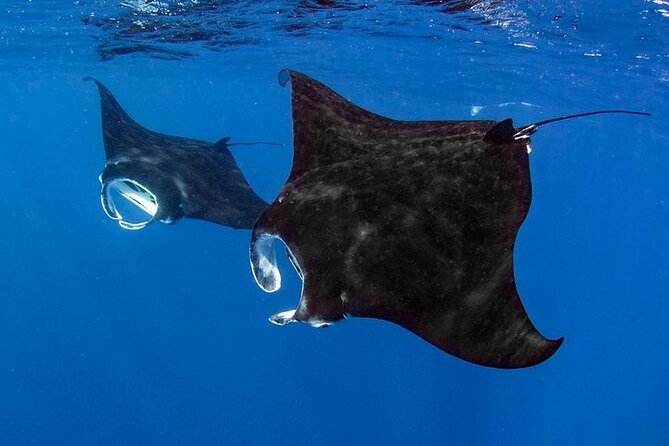
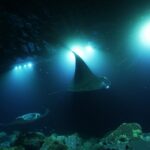
This tour is built around one practical idea: mantas follow food. The crew uses a custom light board to attract plankton, and plankton gathers in the lighted area. Then the manta rays come in close to feed, giving you that head-turning moment when they’re swimming right near your view.
You’re not racing around a reef or chasing a destination. You’re holding onto the board and staying mostly in one zone. That matters, because the best manta encounters tend to happen when you’re in the right place at the right time—and staying stable helps you focus on what’s happening in front of you.
You can also read our reviews of more tours and experiences in Big Island of Hawaii.
Meet in Kailua-Kona, then get on the water quickly
Your meeting point is at 78-7100 Kaleiopapa St, Kailua-Kona, HI 96740. The location has free parking along the road, which is a big help if you’re driving yourself. A mobile ticket is used, and the tour is offered in English, so it’s geared for straightforward safety talk and instructions.
The tour runs about 1 hour (approx.), so timing matters. A couple of reviews mention that arrivals can feel a bit uncertain until you’re actually at the pickup spot—so I’d recommend showing up a little early, staying patient, and double-checking your exact meeting area.
The short boat ride: exciting, but not the whole event
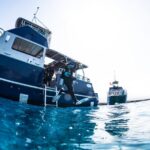
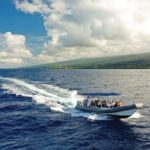
You’ll take a short 5-minute boat ride to the snorkeling destination. The ride isn’t the main spectacle; the spectacle is the water time after you reach the viewing spot.
You should expect an open-water experience. One recurring theme from the feedback is that the boat ride can feel bumpy or fast, and a few people recommend bringing motion-sickness prevention if you’re prone to it. If you’ve ever felt seasick on calm-looking days, it’s smart to plan ahead.
Snorkel time: float on the surface and hold the light board
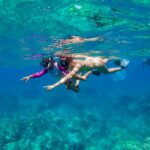
Your snorkel window is usually 20–40 minutes. You’ll float on the surface and snorkel while holding on to the custom light board. That setup keeps you in the feeding zone and gives the crew an easy way to manage everyone’s position for safety.
Here’s what you should be prepared for:
- You’re doing surface snorkeling, not a long swim.
- You may need to stay relaxed and steady while watching for movement.
- Water conditions can be a little chilly, and one rider rented a wet suit.
Most people handle it fine if they’re comfortable in the water. But you do need basic swimming skills and you must be able to climb up a boat ladder on your own. If ladder climbing feels like a challenge, you’ll want to assess that before you commit.
The crew’s role: safety, plus the facts you’ll want to hear
This is not just a boat drop-and-go. At the viewing site, the experienced in-water guide, lifeguard, and captain are positioned with light board viewing lights and guidance. The goal is that you’re not left guessing.
That shows up in the kind of details you’ll hear during the session. People talk about guides being excited, friendly, and able to answer questions about manta rays. You might hear names like Landon and Ryan (captain/crew) or Chase, Kelly/Keely, Justin, and Spinner in the mix, depending on the night’s staffing. The key point for you: there’s usually someone in the water actively managing and explaining.
If you’re the type who wants to know what you’re seeing—size, behavior, why the board matters—this tour is set up for that kind of attention.
What you’ll actually see in the water
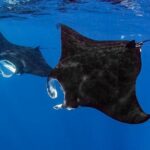
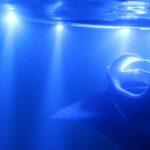
The whole idea is that mantas swim in close to the light board area to feed. When it’s working, you can get multiple sightings and sometimes several mantas at once.
One thing to keep your expectations realistic: manta rays are wild animals. The operator cannot guarantee manta ray presence. That’s not a marketing line; it’s just how wildlife snorkeling works on an island.
Still, many people describe close-up results. Some mentioned mantas cruising so near it felt like they were part of your immediate “circle.” On one night, a solo traveler reported seeing around six mantas, including a huge one with a large wingspan. That’s the upside—when the timing is right.
Group size and why it changes the experience
With a maximum of 13 travelers, you’ll feel the difference compared with bigger boats. Fewer people typically means:
- less crowding while you hold position near the board,
- less scrambling during the ladder/entry moments,
- more personal attention if someone needs extra help.
A few reviews also highlight how nice it is to be away from other boats once you’re at the viewing spot. Even if you end up near other groups, the small-group setup usually helps keep your night organized and calmer.
Who should book this manta ray snorkel
This is a great pick if you want a structured, safety-minded manta experience without the chaos of a big crowd. It’s especially good for:
- couples and families who prefer smaller groups,
- people who want a guide actively in the water,
- swimmers who can handle snorkeling in open water.
It may be a weaker fit if:
- you’re not comfortable with ladder climbs,
- you don’t have basic swimming skills,
- you rely on prescription snorkel gear (prescription snorkel masks are not available),
- you’re not comfortable speaking English for instructions and safety briefings.
If you’re nervous about water, that doesn’t automatically rule you out. One review even described using the experience to work through fear—but you’ll want to be honest with yourself about your comfort level and ability to follow instructions.
Price and value: is $115 worth it?
At $115 per person, you’re paying for more than a boat ride. You’re paying for a specialized setup: the custom light board system, the crew’s in-water monitoring, and the small-group limit that helps you stay safe and positioned where manta rays are likely to appear.
Whether it feels like a “deal” depends on your priorities:
- If you want close-range wildlife viewing and a smaller group, this price tends to feel reasonable.
- If you’re looking for a guarantee of seeing mantas, no price can promise that—wildlife doesn’t do guarantees.
Also note: one negative experience described frustration with equipment handling and a rushed-feeling flow. That’s not the general tone, but it’s a reminder to arrive flexible and ready to listen to the crew about how the session runs and what gear is available.
What to bring (and how to avoid common problems)
Bring yourself ready for water time, because that’s the whole event. You should plan for:
- swimwear (you’ll be entering the water and staying in it for a while),
- any motion-sickness support if you’re prone to it (a few people recommended Dramamine-style prevention),
- a plan for chilly water (wet suit rentals have come up in feedback),
- the ability to climb the ladder independently.
On masks: prescription snorkel masks are not available, so don’t count on that being solved at the meeting point. If you have vision needs, you should contact the reservation line before you go and ask what can be accommodated.
On safety: if you’d like a lifejacket, the tour data says you should contact the reservation line. Don’t assume you can just request it last minute.
Wildlife reality: weather matters and sightings aren’t controlled
The tour requires good weather. If it’s canceled due to poor weather, you’ll be offered a different date or a full refund.
Even with good weather, mantas are still wild. The operator can’t guarantee you’ll see them. This is why timing is smart. People often book this earlier in their Big Island trip, so they have time to adjust if the first attempt doesn’t line up.
If you’re the kind of traveler who needs a fixed agenda, this is the one part of the itinerary you can’t fully script. But if you can enjoy the waiting and watching, the chance of close encounters is exactly what makes this night snorkeling special.
Should you book Kona’s Small Group Manta Ray Snorkel Adventure?
Book it if you want:
- a small-group manta night (max 13),
- a structured setup using a light board to attract plankton,
- safety-forward guidance with crew watching you at the viewing site,
- open-water snorkeling time that’s focused and short enough to stay comfortable.
Skip it (or ask hard questions first) if:
- you can’t swim well or can’t climb the ladder independently,
- you need prescription masks,
- you need a guaranteed manta sighting.
For most people who are comfortable in the water, this is the kind of Big Island experience that feels worth planning around: you’re not just visiting a spot—you’re participating in a feeding moment that brings the ocean’s giants into your personal orbit, for a brief and unforgettable window.
FAQ
How long is the manta ray snorkeling time?
Snorkel time is about 20–40 minutes after a short boat ride.
Where do I meet the tour?
The meeting point is 78-7100 Kaleiopapa St, Kailua-Kona, HI 96740, and the tour ends back at the meeting point.
Do I need to be a strong swimmer?
Yes. Basic swimming skills are required, and you also need to be able to climb up the boat ladder independently.
Are prescription snorkel masks available?
No. Prescription snorkel masks are not available.
Are manta rays guaranteed?
No. Manta rays are wild animals, and the operator cannot guarantee their presence.
What happens if the weather is bad?
The experience requires good weather. If it’s canceled due to poor weather, you’ll be offered a different date or a full refund.