REVIEW · BIG ISLAND OF HAWAII
Manta Ray Night Snorkel at Kona, Big Island
Book on Viator →Operated by Dolphin Discoveries · Bookable on Viator
Night snorkeling for manta rays is pure Kona magic.
After dark in Keauhou Bay, you cruise out, then get in the water to watch wild manta rays feed under the lights. It’s animal-focused, guide-led, and built for people who are happy in dark, open ocean water.
I really like two things here: the tour provides a short-sleeve wetsuit top plus mask and snorkel to cut down on what you need to pack, and the crew keeps the whole session safety-first so first-timers can actually enjoy it. You’ll also hear practical manta info from the guides while you’re gearing up and during the briefing.
The main consideration is that this is a night, open-water activity. If you get seasick, if you aren’t comfortable in deep/dark water, or if you struggle with the metal ladder back onto the pontoon, this may not feel fun.
What you’ll really do: Check in, gear up, short ride/walk, then about 30 minutes in-water
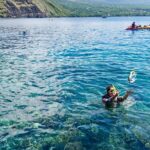
Where the action happens: Keauhou Bay, with mantas feeding after dark
No fins rule: You snorkel without fins, holding onto a lighted device instead
Wild animals, real conditions: Mantas can’t be scheduled, and ocean conditions can affect viewing
Gear included: Short-sleeve wetsuit top, mask, snorkel, plus snorkeling vest for younger kids
Group size cap: Up to 28 people, so expect a shared experience (not private)
In This Review
- Why Keauhou Bay After Dark Changes Everything
- Your 2-Hour Timeline: Check-In First, Then the Water
- Gear Included (And the No-Fins Setup)
- Entering the Night Water: What the Guides Have You Do
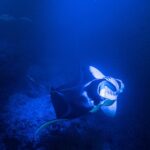
- Manta Ray Viewing: Feeding Behavior and Close Passes
- Ride Along vs. Snorkel: Choose Based on Your Comfort Level
- Seasickness and Ocean Conditions: The Main Thing to Plan For
- Safety Rules That Matter (More Than You Think)
- Price and Value: Is $44 Fair for a Night Manta?
- What I’d Watch For Based on Real Experiences
- Who This Tour Fits Best (And Who Should Skip It)
- Should You Book the Manta Ray Night Snorkel at Kona?
- FAQ
- How long is the tour, and how much time do we spend in the water?
- Do I need snorkeling experience and strong swimming skills?
- What gear is included, and are fins allowed?
- What’s the difference between the snorkel ticket and the ride along option?
- Where do I check in, and how far is the departure location?
- Is the tour offered in English?
Why Keauhou Bay After Dark Changes Everything
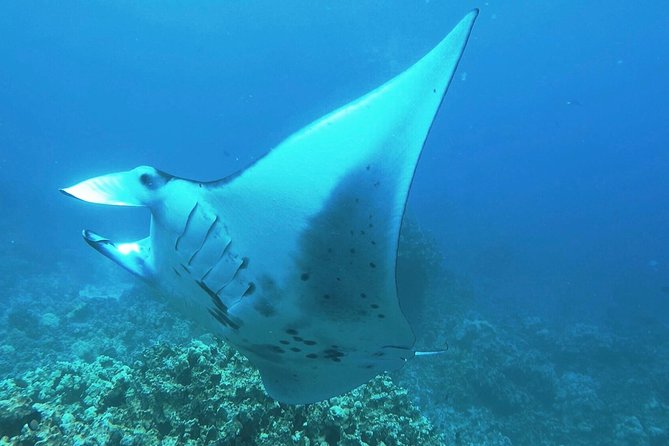
Kona’s manta snorkel scene isn’t just about seeing big fish. It’s about time. After dark, mantas come into the feeding areas where the water turns into a calm, focused kind of spectacle.
This tour is designed for snorkelers in the water, not just “boat watching.” When it works well, you’re not staring from a distance. You’re close enough to see their shapes change as they glide, and you can watch them feed in a way that feels surprisingly peaceful rather than chaotic. Several people describe mantas swimming up extremely close—sometimes with that inches-from-you feeling—because the guides place the group where the activity is happening.
Your 2-Hour Timeline: Check-In First, Then the Water
Here’s the part that trips people up: the time you see is check-in, not departure.
- Your check-in happens first at Dolphin Discoveries in Kailua-Kona
- Your departure is about 1 hour later
- The departure location is 1.4 miles from check-in
- Plan to be at the departure spot 20 minutes before departure
That means the total experience is about 2 hours when you count check-in, gear, brief, and the session on the water. People often expect a full long swim, but the actual manta time is usually focused and time-managed. You’ll spend roughly 30 minutes in the water in many cases, though conditions and the next group can make it feel shorter or more rushed.
The flow is simple: arrive, sign the electronic waiver, get outfitted, get a briefing, then head out and get suited up for the dark-water portion.
You can also read our reviews of more evening experiences in Big Island of Hawaii

Gear Included (And the No-Fins Setup)
You don’t need to show up with a full snorkel kit. The tour includes:
- Short-sleeve wetsuit top
- Mask and snorkel
- Snorkeling vest for children 12 and under
- Snorkel vest available to rent for all others
Two practical things to know:
- No fins are allowed. So don’t plan on bringing your own.
- You’ll be using a setup where you hold onto a lighted device while you float and snorkel. That’s why the motion isn’t “free swimming” so much as controlled drifting with guidance.
Because fins are out of the equation, technique matters more than strength. If you’re a confident swimmer but hate fighting water resistance, this kind of setup can actually feel easier. On the flip side, you might use more arm and core effort than you expect if you’re gripping steadily in a dark, moving environment.
Also, towels aren’t included. Bring what you need for after, plus an extra layer for the walk back.
Entering the Night Water: What the Guides Have You Do
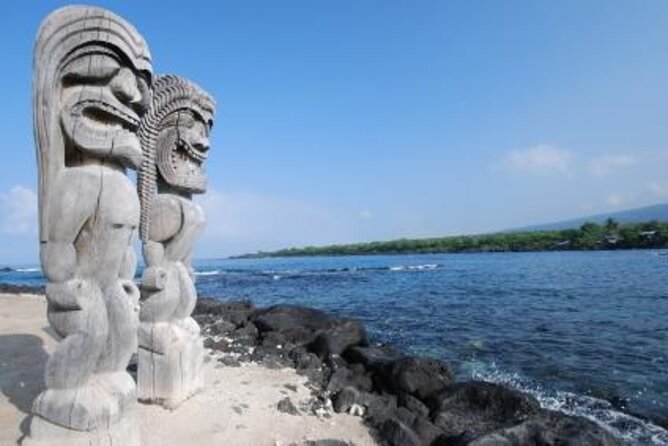
This is a guided snorkel in the open ocean at night. That means you don’t just “hop in and hope.” You’ll get instructions that focus on safety, positioning, and what to do if something feels off.
You should expect:
- A briefing right before boarding
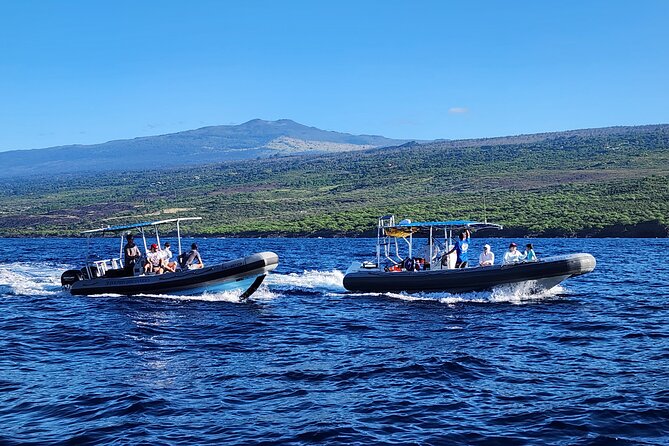
- Boarding a boat with access via a metal ladder set on a pontoon
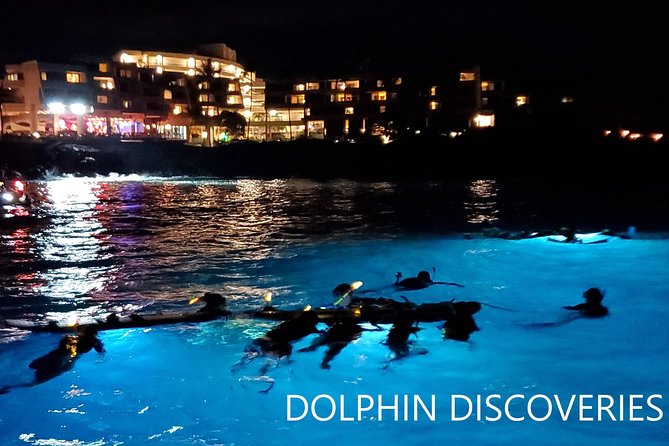
- Then an entry where you slide off and swim a short distance to the lighted viewing area
If you’re bringing kids, this is one reason families can still enjoy it when they follow instructions. The crew is used to calming people down as they adjust to dark water and the size of the animals.
Also note the rules for comfort and safety:
- This is not for people who have neck or back problems
- Restroom facilities are not available on the boat
- Young children who are frightened and crying will be escorted back aboard with a guardian (no exceptions)
Manta Ray Viewing: Feeding Behavior and Close Passes
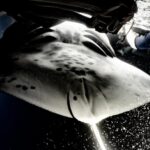
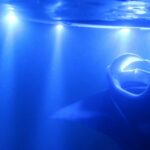
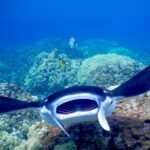
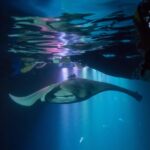
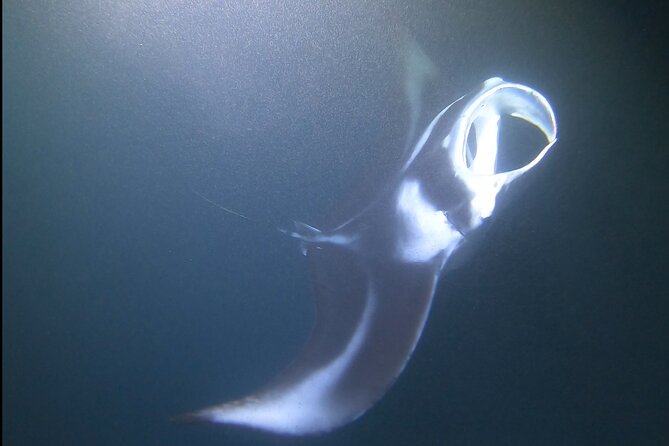
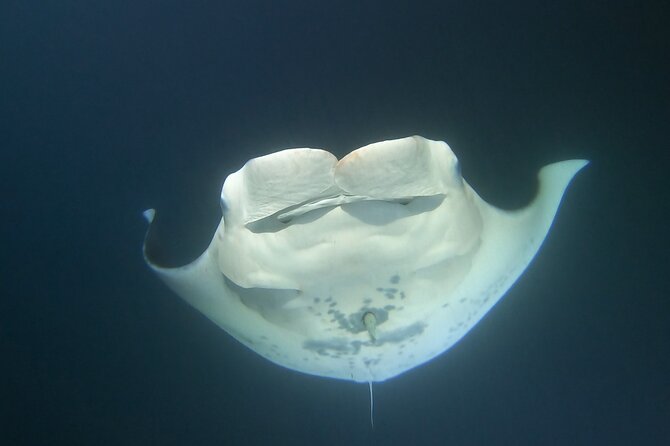
The promise is manta rays feeding after dark in Keauhou Bay. What that looks like day-to-day depends on wild animal behavior and water conditions, so it’s not a guarantee of a specific number of sightings.
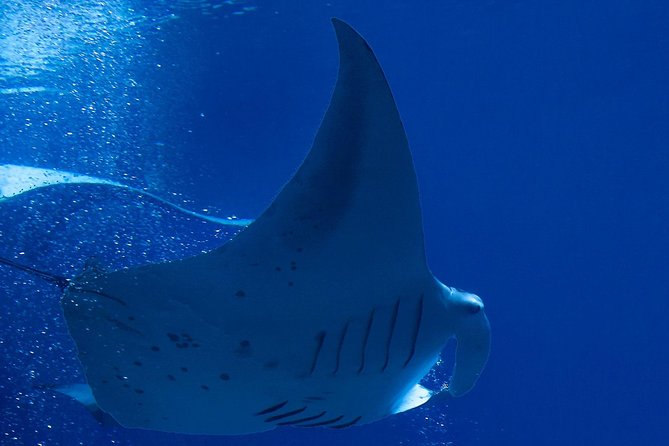
But when the viewing is good, it’s the kind of up-close encounter that makes people stop talking for a second. Many reports point to mantas coming in extremely close while gliding under the lights, sometimes drawing near enough to feel surreal. You may also see multiple manta rays in the same session, especially when the group is placed correctly.
One more honest reality: you can’t control the animals. You also can’t control roughness of the ocean. If the water is choppy, you may spend more time focusing on balance than on filming. One review described rough water making the session more challenging, but still worth it.
Ride Along vs. Snorkel: Choose Based on Your Comfort Level
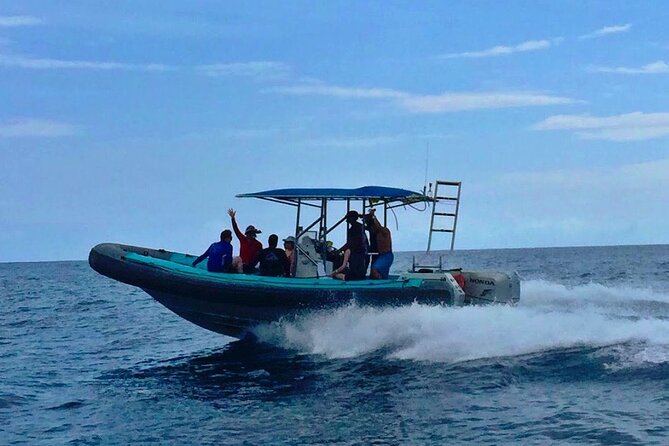
You get two ticket styles:
- Manta Ray Night Snorkel: you’re in the water with the guides
- Ride Along: you stay on the boat on a reserved seat (and may or may not see manta rays)
Ride along is a legit option if you want the experience atmosphere without being in the deep, dark water. Just be aware that ride-alongs are not guaranteed the close-up view, since mantas feed where snorkelers can reach.
My practical advice: if you know you can swim and tread water confidently, pick snorkel. That’s where the “inches away” feeling tends to happen. If you’re nervous about the dark or physical exertion, ride along helps you still feel part of it without forcing your body into a situation it doesn’t like.
Seasickness and Ocean Conditions: The Main Thing to Plan For
This tour is in open ocean water at night. That’s the setup for motion. Even if the boat ride feels short, you’re on the water before you’re in the water, and then you’re drifting while holding position.
In the feedback, seasickness shows up as the biggest complaint. People described getting sick on the boat and even while snorkeling. One couple noted multiple people vomiting off the side of the boat.
So here’s what I recommend you do:
- Bring motion-sickness medicine you’ve used before (not first-time on vacation)
- Consider eating lightly beforehand
- Bring a change of clothes so you’re not stuck in damp gear
If you get anxious in the dark or you struggle to stay steady in waves, you should take seasickness seriously. This isn’t a calm, swim-around-the-cove scenario.
Safety Rules That Matter (More Than You Think)
The tour includes clear safety requirements, and they’re there for a reason.
You must be able to:
- Swim and tread water (snorkeling experience is required)
- Climb up a metal ladder resting on a pontoon to get back aboard
- Be under 285 lbs
- Follow instructions in deep, dark conditions
There are also health limits:
- Not for neck/back problems
- Not for major medical conditions or heart conditions
- You need the mental focus to listen and obey safety directions
One more factor: English matters. This is offered in English, and international travelers must be able to speak and understand English. If you don’t understand the crew’s safety instructions, you’ll feel more stressed, which can also affect your ability to enjoy the manta time.
Price and Value: Is $44 Fair for a Night Manta?
At $44 per person, this is priced in a way that makes it feel doable compared to many island “once-in-a-lifetime” wildlife tours. The value isn’t just the animal—it’s the fact that the tour supplies key gear and runs an efficient operation.
You’re getting:
- Guided manta snorkeling with a safety setup
- Included wetsuit top and snorkel/mask
- A short boat ride and focused in-water viewing time
The trade-off is that the experience is shared and controlled by the operator and conditions. You don’t buy a private mantas-only guarantee. And there are no refunds if mantas aren’t viewed that night, so your value depends on the ocean and the animals.
Still, if your goal is a true manta encounter—rather than watching wildlife from afar—this price is hard to beat.
What I’d Watch For Based on Real Experiences
A few patterns show up that can help you set expectations.
Close mantas can mean close space. One helpful note: the experience can feel crowded in the water since you’re working as a group around the lighted viewing area. If you hate noise or you don’t like unpredictable group energy, you’ll want to mentally prepare for other people in your space.
Filming can steal time. One review mentioned expecting 30 minutes but spending time checking a camera viewfinder, which reduced how much they actually watched. In night water, it’s easy to get focused on recording and miss the simple magic.
You might get shorter water time than you expect. While about 30 minutes is commonly referenced, one person described about 15 minutes in the water during a fast turnaround. This isn’t something you can always predict, so consider the “time window” rather than assuming the full number will feel easy.
Guides often make or break the experience. Names that popped up include Vinny, Bryce, and Brianna, plus a guide whose name sounded like Cowi/Ko’i in one report. The common thread is patient reassurance for first-timers and clear guiding once people are in the water.
Who This Tour Fits Best (And Who Should Skip It)
This tour is ideal for:
- Animal lovers who want a close encounter rather than a distant look
- Confident swimmers who can handle dark, open water
- People who like guided instruction and safety structure
- Families with kids who can follow nighttime safety cues
It’s a poor fit if:
- You’re afraid of deep, dark water or large animals
- You have neck/back issues or major medical/heart concerns
- You hate boats or get seasick easily
- You’re not comfortable climbing the ladder back onto the pontoon
- You’re traveling without English understanding (since instruction is in English)
If you’re unsure, choose the option that matches your comfort. Ride along is there for a reason, and it’s better to enjoy the moment from the boat than to force yourself into stress.
Should You Book the Manta Ray Night Snorkel at Kona?
If you’re the type who loves nature experiences that feel real—wet, dark, and a little wild—then I think you’ll feel like you got your money’s worth. The best part is the combination: close manta viewing plus a crew that focuses on getting you safe and calm enough to enjoy it.
I’d book it when:
- You can swim and tread confidently
- You’re okay with night conditions
- You’re prepared for possible motion (and you bring a backup plan for seasickness)
I’d skip or switch to ride along if:
- You’re nervous in deep/dark water
- You have medical limits that don’t match the safety requirements
- You know seasickness wipes out your enjoyment
If you want one Kona wildlife experience that’s truly different from the usual beach routine, this is one of the best bets on the island.
FAQ
How long is the tour, and how much time do we spend in the water?
The tour is about 2 hours total. You can expect about 30 minutes of in-water time.
Do I need snorkeling experience and strong swimming skills?
Yes. Swimming and snorkeling experience is required. You must be able to swim and tread water.
What gear is included, and are fins allowed?
A short-sleeve wetsuit top, mask, and snorkel are provided. No fins are allowed.
What’s the difference between the snorkel ticket and the ride along option?
The snorkel option is in the water near the manta rays. Ride along stays on the boat and may or may not see manta rays.
Where do I check in, and how far is the departure location?
Check in is at Dolphin Discoveries at Boutique78-6831 Ali‘i Dr Suite F-146, Kailua-Kona. The departure location is 1.4 miles from check-in.
Is the tour offered in English?
Yes. The tour is offered in English, and international travelers must speak and understand English.