REVIEW · BIG ISLAND OF HAWAII
Snorkel With Giant Manta Rays In Kailua Kona
Book on Viator →Operated by Snorkel Big Island · Bookable on Viator
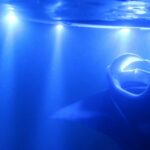
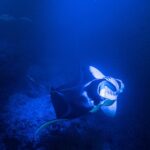
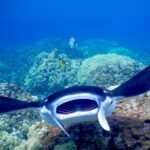
Giant manta rays feel unreal in the black water, and I like how this trip focuses on in-water guidance plus the built-in underwater light board to bring wildlife close. The wetsuit and snorkel gear are included, so you show up light and swim smarter. The only drawback to plan around: manta rays are wild animals, so you’re not guaranteed a sighting.
This is an active, night-time snorkeling outing from Honokohau Small Boat Harbor, with a short ride along the coast before you get geared up for the swim. The crew’s job is to help you relax, follow safety instructions, and maximize the odds once you’re in the water. On some nights that means multiple passes and extra time if the action is late, but ocean conditions can also affect timing.
In This Review
- Key things that make this Kona manta tour worth your time
- Night Snorkeling Off Honokohau: Why the Timing Matters
- Wetsuit, Snorkel Gear, and Staying Comfortable
- How the Manta Ray Encounter Works (and What You Can’t Control)
- Honokohau, Garden Eel Cove, and Kahaluu-Keauhou: What Each Part Does
- Boat Ride, Group Size, and Your Realistic In-Water Time
- Guides, Safety, and How They Help You See More
- Underwater Lighting: The Secret Sauce (and Why Some Nights Feel Different)
- Price and Value: Is $137 a Good Deal for Kona Mantas?
- Practical Tips Before You Go
- Who Should Book This Tour (and Who Might Skip It)
- Should You Book Snorkel With Giant Manta Rays in Kailua Kona?
- FAQ
- How long is the manta ray snorkeling experience?
- What’s included in the price?
- Do I need to bring my own snorkeling mask?
- Where do I meet for the tour?
- Are manta rays guaranteed?
- What swimming ability do I need?
- Can I bring a service animal?
- What happens if the weather is poor?
Key things that make this Kona manta tour worth your time
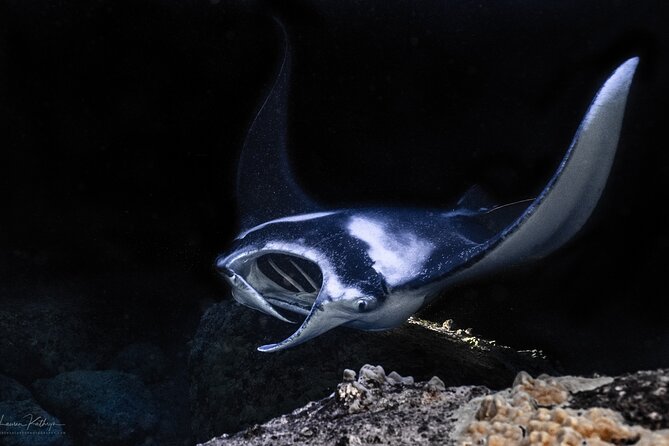
- Custom light board with powerful underwater lights to attract manta rays for your swim
- Red Cross licensed in-water guide/lifeguard plus extra floatation for anyone who requests it
- Wetsuit + snorkel gear included, no packing guesswork
- Boat-to-water workflow that’s built for night snorkeling, with crew safety checks before you enter
- Small group size (max 18), which helps keep the water experience from getting chaotic
Night Snorkeling Off Honokohau: Why the Timing Matters
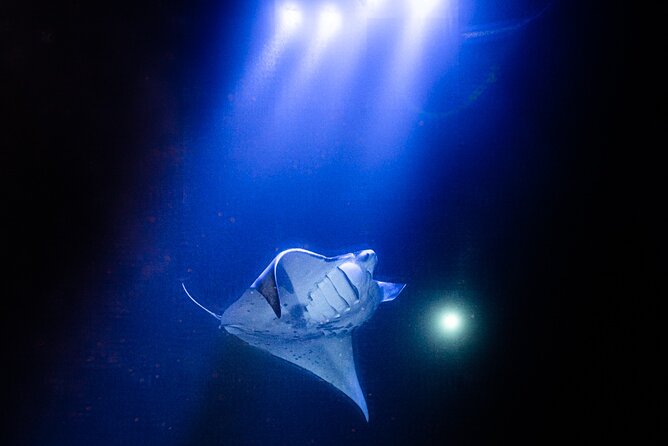
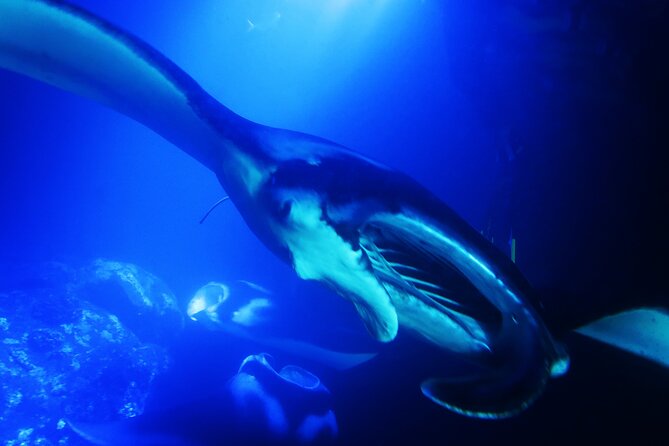
This is a night snorkeling experience in Kona, and that timing is the whole point. At night, manta rays can cruise closer to the surface, and you get that rare chance to share the water with a huge, graceful animal in its natural habitat.
You’ll start from the north side of Honokohau Small Boat Harbor, then ride out for about 15–20 minutes. Along the way, captains and guides narrate what you’re seeing, so you’re not just sitting on a boat waiting for the moment you’d rather be in the water.
The practical lesson: night rides bring real temperature swings. Even if you’re comfortable in the daylight, plan for cooler air and a chilly ride back when the sun is gone.
You can also read our reviews of more tours and experiences in Big Island of Hawaii.
Wetsuit, Snorkel Gear, and Staying Comfortable
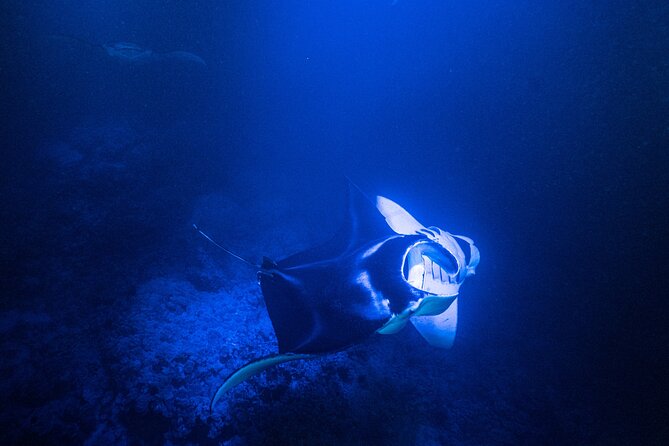
One of the easiest wins here is that the tour provides the wetsuit and snorkeling equipment. That means you don’t need to rent gear elsewhere, and you don’t have to figure out whether your own mask fits right at the last minute. If you’re traveling from another part of the island, this is real convenience.
They fit you with a shorty wetsuit at check-in to keep you comfortable during the swim. In the real world, “comfortable” is not just about warmth. It’s about having enough range of motion to kick calmly and hold your position on the float board without fighting your equipment.
Still, cold can bite. People recommend bringing warm layers for after, and a towel helps because you’ll be damp before you step back into normal life. If you run cold easily, you might consider adding your own extra insulation (one option people bring is a thicker long-sleeve wetsuit top). It’s not required, but it can make the ride-and-post-swim part feel less miserable.
How the Manta Ray Encounter Works (and What You Can’t Control)
This tour is built around a guided manta encounter, not a free-for-all. Once you arrive at the snorkeling site, the crew checks safety and helps you enter the water properly. In-water guides then share facts about manta rays and the surrounding wildlife, and they position you for better viewing as the rays move.
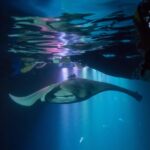
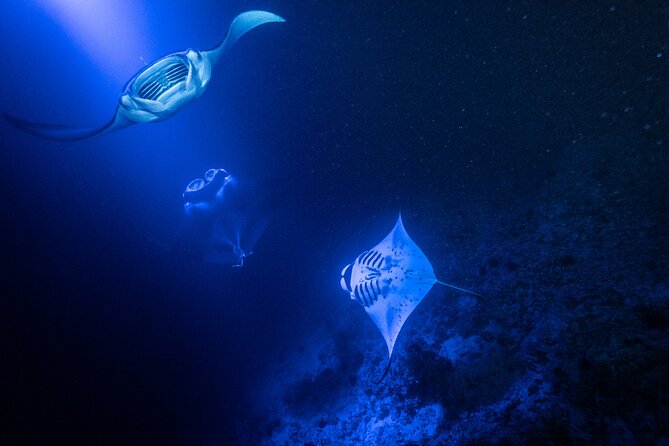
The key tech is the floating custom light board. It’s equipped with powerful underwater lights, and everyone holds onto it. That matters because night snorkeling is mostly about staying steady and not wasting energy. When you’re holding position, you’re more likely to notice the rays when they glide in close.
One detail I really appreciate from the way this operator explains their method: they aim to attract mantas using a light-and-plankton approach rather than only blasting a harsh floodlight. That shows up in real results too. On many nights, this is where you hear stories of mantas coming right under you, rolling past, and lingering long enough for real viewing instead of a fleeting glimpse.
Now the hard truth: you can’t control whether manta rays decide to show up that night. Their manta policy is clear that sightings aren’t guaranteed. If nothing is seen, they offer a rebooking option (with a rebooking fee), and they encourage you to schedule early in your trip so you have a backup date.
Honokohau, Garden Eel Cove, and Kahaluu-Keauhou: What Each Part Does
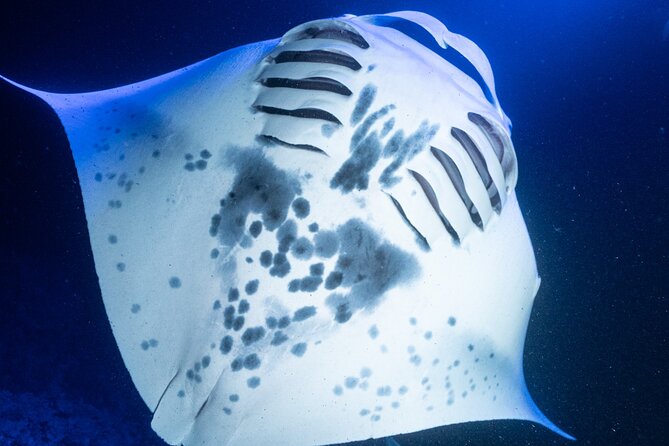
Even without needing to memorize place names like a trivia quiz, it helps to know what each part of the trip is trying to accomplish.
Honokohau Marina & Small Boat Harbor is your launch point. It’s where you get fitted with the wetsuit, get briefed, and board a USCG-documented vessel with a licensed captain and certified guides. If you’ve only ever snorkeled from shore, you’ll notice the tempo is different here: you’re moving quickly from prep to water.
From there you head to snorkeling areas such as Garden Eel Cove / Manta Heaven. That’s where the goal is to get you into that manta-rich zone at the right time of night. This is also where you might notice other wildlife activity in the dark, like the kind of excitement people get when plankton and smaller life draw bigger attention from above.
If the action shifts, the crew may move you to another nearby area such as Kahaluu-Keauhou. That mobility is valuable. When rays are cruising, they don’t hold a timetable. Switching spots when conditions or sightings change can be the difference between one shy pass and a string of close encounters.
Boat Ride, Group Size, and Your Realistic In-Water Time
This trip caps at 18 travelers, and that’s not just a number. In night snorkeling, too many people means too much bumping, too much crowding around the float board, and less calm focus on what’s swimming past.
You’ll also need to be able to climb up a ladder back onto the boat on your own. That requirement is worth taking seriously. If you’re not confident with ladders, practice in a safe setting before you travel, because the crew can help with safety, but you still have to do the climb.
Basic swimming skills are required, and they also note that previous snorkeling experience is needed. That doesn’t mean you need to be a pro, but you should be comfortable with breathing calmly in a mask, staying horizontal-ish in the water, and not panicking if visibility drops.
Then there’s time. Many reports highlight that the water portion is not long, so you’ll want to treat it like a focused sprint, not a slow float. Bring your attention with you: follow instructions, relax your legs, and keep your hands steady on the board.

Guides, Safety, and How They Help You See More
The guides are a big part of why this tour gets high scores. On one outing, a guide named Eli was highlighted for being especially knowledgeable about manta rays and for explaining what you’re about to see in a way that helps you notice the right moments.
Another name that comes up is Adam, praised for helpful guidance aboard. It’s not just about having a friendly crew; it’s about having people who can troubleshoot in the water. At night, small mistakes—kicking too hard, not listening for positioning cues, losing your grip—can turn a great sighting into a frustrating one.
For safety, you’re not going in unsupported. There’s a Red Cross licensed in-water guide/lifeguard, and the crew provides additional floatation and assistance if you request it. You can also request life jackets ahead of time by contacting their reservation line.
One more practical note: you must be able to converse in English. That’s because you need to understand verbal instructions and safety briefings quickly, especially when it’s dark and everyone’s focused on staying calm.
Underwater Lighting: The Secret Sauce (and Why Some Nights Feel Different)
Lighting is where manta ray snorkeling can go from magical to meh. This operator’s approach centers on the floating light board with underwater lights, which gives you a more controlled viewing setup.
You’ll also hear comparisons between “big floor lights” and this board approach. The people who had the best results here often credit the light-and-plankton setup for getting mantas to spend time near you. When it works, mantas don’t just pass—they glide under the board and give you that close, slow look that feels impossible until you’re there.
When it doesn’t work, it usually isn’t because you did anything wrong. The mantas might be elsewhere, or ocean conditions might affect positioning and timing. That’s also why a backup night is such a smart move if your schedule allows it.
Price and Value: Is $137 a Good Deal for Kona Mantas?
At $137 per person, this sits in the “yes, it’s an experience cost” category. The value comes less from the dollar amount and more from what’s included and what you’re paying for.
You’re getting:
- Wetsuit and snorkeling gear
- A Red Cross licensed in-water guide/lifeguard
- A guided nighttime setup built around lighting and positioning
- A boat ride that adds time on the water and context along the coast
If you were to assemble this on your own—gear rental, transportation, a qualified guide, and a night-appropriate setup—you’d likely spend more and still end up with more hassle. The price is easier to justify because you’re not doing the logistics work.
That said, it’s not “pay and guaranteed mantas.” Wild animals don’t sign contracts. So the real value test is whether you can handle the uncertainty with flexibility—especially if the operator asks you to try a different night rather than offering a cash refund when rays don’t show.
Practical Tips Before You Go
To get the most out of your night snorkeling session, prep like you’re going to be wet, cold, and focused.
Bring:
- A towel and warm dry clothes for after
- Waterproof camera gear if you want real footage (night video is a different beast, so waterproof helps)
- A robe or something easy to throw on between boat and car, if you have one
- Flip-flops for walking in wet areas (the usual Kona comfort upgrade)
Wear:
- A swimsuit you’re comfortable getting stuck in for a couple hours
- Anything warm over it that won’t melt your plans when you’re damp
Plan for:
- English instructions and safety briefings
- Ladder climbing back onto the boat
- Basic swimming comfort and calm mask breathing
- A water time window that’s short enough to require attention, not daydreaming
One small “comfort check” I like: if you’re bringing someone nervous, understand that the best outcomes happen when you follow crew guidance fast. Panic wastes energy and can reduce how clearly you see what’s swimming past.
Who Should Book This Tour (and Who Might Skip It)
This experience is best for people who want a guided, high-odds shot at close manta ray viewing at night, with proper safety support and included gear.
It’s a good match if you:
- Already snorkel comfortably
- Can swim and climb a ladder without help
- Like wildlife encounters where you follow instructions and stay steady
- Want the lighting setup that’s designed to make rays show themselves
You might think twice if you:
- Are uncomfortable in open water at night
- Struggle with ladders or basic swimming
- Need guaranteed animal sightings (nobody can promise that with wild manta rays)
For families, it can work, but kids still need to follow directions and handle the cold and dark conditions. If your group includes someone who gets spooked easily, bring extra patience and plan for them to stay calm on the board.
Should You Book Snorkel With Giant Manta Rays in Kailua Kona?
If you’re flexible and you want a guided manta ray swim with included gear, I think this is a strong choice. The most convincing reasons are the structured in-water support, the Red Cross licensed lifeguard presence, and the focus on a light board setup that helps mantas spend time close to you.
Skip it only if you can’t handle the uncertainty of a wild-animal encounter or if you’re not ready for short, focused time in the water in cold night conditions. If you can schedule early enough in your trip to allow a possible rebooking, your odds of ending the trip happy jump a lot.
FAQ
How long is the manta ray snorkeling experience?
It’s about 2 hours total, approximately.
What’s included in the price?
Snorkeling equipment, a wetsuit, and a Red Cross licensed in-water guide/lifeguard are included.
Do I need to bring my own snorkeling mask?
A prescription snorkel mask is not included. Regular snorkeling equipment is provided.
Where do I meet for the tour?
The meeting point is Snorkel Big Island at 74-380 Kealakehe Pkwy, Kailua-Kona, HI 96740, USA.
Are manta rays guaranteed?
No. Manta rays are wild animals, so sightings can’t be guaranteed. If you don’t see one, the operator offers a rebooking option with a rebooking fee.
What swimming ability do I need?
Basic swimming skills are required, and previous snorkeling experience is required.
Can I bring a service animal?
Yes, service animals are allowed.
What happens if the weather is poor?
This activity requires good weather. If it’s canceled due to poor weather, you’ll be offered a different date or a full refund.