REVIEW · BIG ISLAND OF HAWAII
Glow of the Deep: Night Snorkeling with Manta Rays
Book on Viator →Operated by Bite Me Sportfishing · Bookable on Viator
Glow of the Deep makes the ocean feel like a living light show. You’ll head offshore for the Kona sunset, then snorkel about 45 minutes at roughly 30–35 feet deep where bright lights pull giant manta rays close for a calm, respectful feed. I love the hands-on guidance and the fact you can choose to swim or stay on the boat, and I also like the promise of a manta sighting (or you get a voucher). One drawback to plan for: you must know how to swim, and in cooler months the water can feel brutally cold once you’re floating that long.
This is run out of Honokohau Harbor in Kona, and the whole experience is built around one simple idea: watch how mantas behave in their natural nighttime feeding routine. The lighting setup turns it into something visual and cinematic, with guides keeping you positioned safely while you focus on the animals.
In This Review
- Key Things You’ll Actually Notice
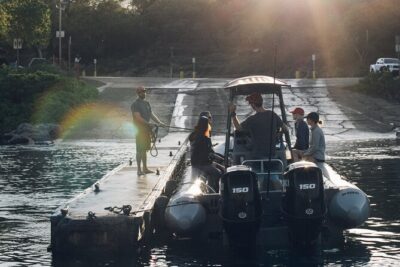
- Where You Start: Honokohau Harbor and the Meet-Up Point
- Getting Offshore: Boat Comfort and the Kona Sunset Deck
- Gear Up Fast: Wetsuit Setup, Snorkel Gear, and How to Stay Warm
- The Snorkel Window: About 45 Minutes in Manta Territory
- The Manta “Rave”: Watching the Light-Driven Feeding Ballet
- Swim vs Ride-Along: Who This Tour Works For
- What You’ll Learn (and Why It’s Not Just a Photo Op)
- Cold Water, Seasickness, and Small Prep That Saves the Trip
- Price and Value: Is $80 Worth It in Kona?
- Who Should Book, and Who Should Skip This
- Should You Book Glow of the Deep for Big Island?
- FAQ
- How long is Glow of the Deep: Night Snorkeling with Manta Rays?
- Where do I meet for the tour?
- Is hotel pickup included?
- Do I have to know how to swim?
- What snorkeling gear is provided?
- Is there time to see the Kona sunset?
- How deep is the snorkeling area and how long am I in the water?
- Is manta ray viewing guaranteed?
- What should I bring for warmth or motion sickness?
Key Things You’ll Actually Notice
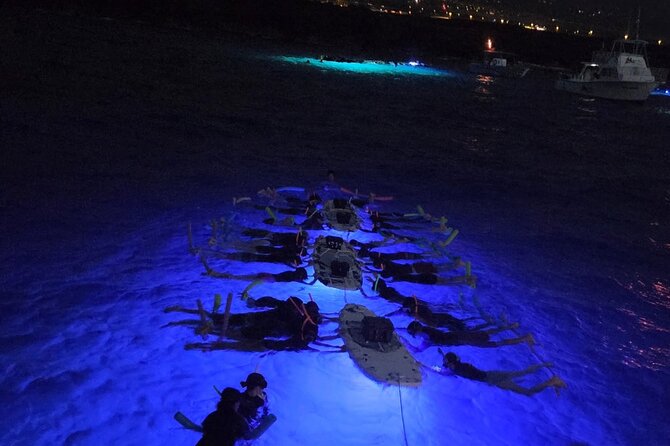
- Night lights = manta magnet: a bright custom light board helps mantas appear clearly in the water.
- Swim or watch: you can snorkel, or you can take a ride along and view from the boat.
- Real time in the water: expect about 45 minutes snorkeling, not a quick pass-by.
- Big gentle giants stay calm: mantas are described as docile, with no teeth or barbs.
- Guaranteed manta sighting: if mantas aren’t spotted, you get a voucher for another tour.
Where You Start: Honokohau Harbor and the Meet-Up Point
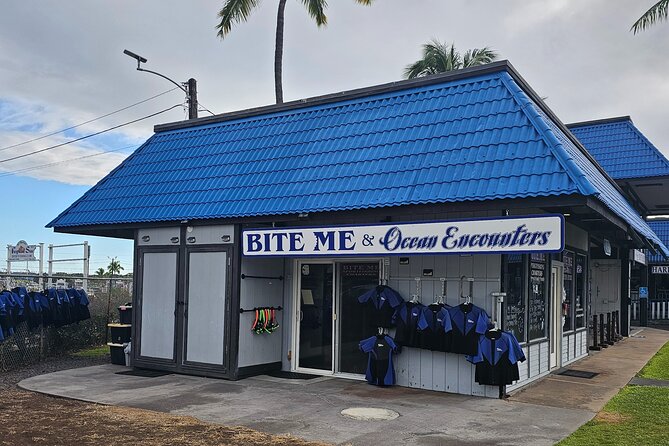
You’ll meet at Bite Me Sport Fishing at 74-425 Kealakehe Pkwy #1 in Kailua-Kona. This matters because you’re not doing a long hotel shuttle line-up, and you’ll be ready to check in, get your gear, and move.
There’s also a real timing rhythm here: departure times shift with sunset throughout the year. In winter you’ll see earlier departures (for example 5:30 PM and 8:30 PM in the Jan–Mar window), and in many months you’ll be looking at roughly 6 PM and 9 PM options. If you’re booking close to your travel dates, it’s smart to confirm your exact departure time about 24 hours ahead since it adjusts to the sun.
You can also read our reviews of more evening experiences in Big Island of Hawaii
Getting Offshore: Boat Comfort and the Kona Sunset Deck
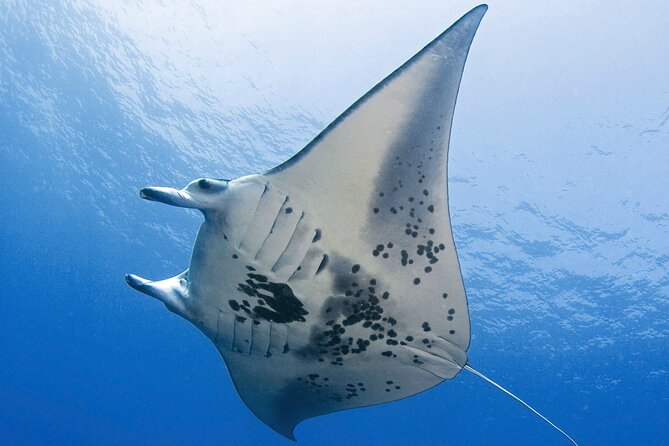
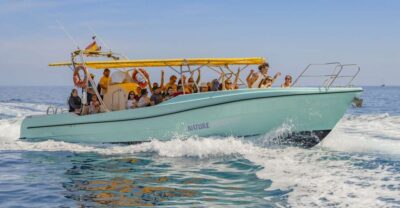
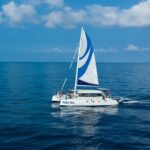
Once you check in, you board a spacious boat designed for night snorkeling. It has a top observation deck for views and an onboard cabin with an onboard bathroom, so you’re not stuck outside the whole time.
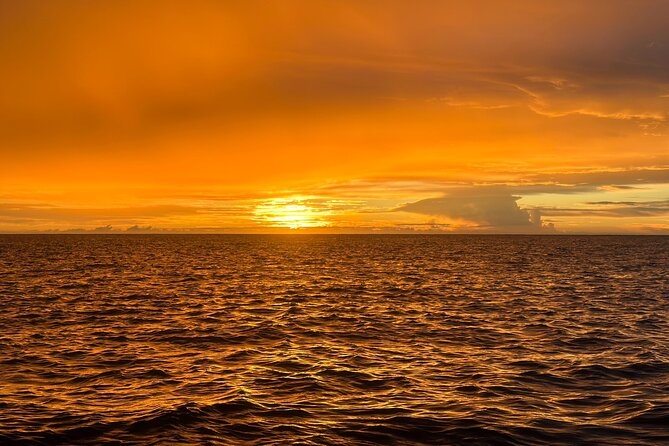
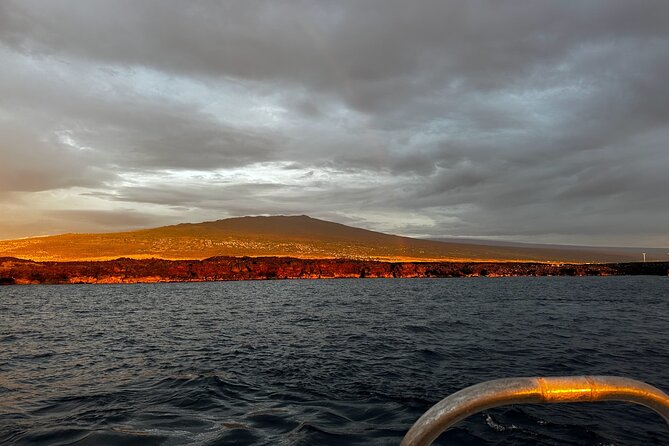
The best part before the water is that you don’t go straight to the dark ocean. You head offshore to catch the color of the Kona sunset from the boat’s deck, then you work your way into the gear-up routine for the mantas.
How long you’re on the water before snorkeling can feel different depending on where you end up—some nights require a longer offshore run. Either way, plan to settle in. Night snorkel trips are about the whole arc, not just the moment you see the rays.
Gear Up Fast: Wetsuit Setup, Snorkel Gear, and How to Stay Warm
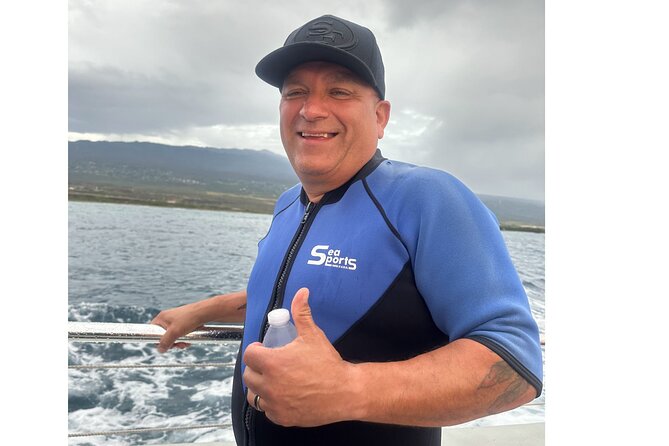
Check-in includes fitting you for snorkeling gear: wetsuit, snorkel equipment, and a flotation device (the flotation setup is part of how you stay relaxed while lights are up and mantas are moving).
This is the part where I tell you to treat warmth like a safety issue. Multiple people call out how cold it can feel once you’re wet and floating in January. Some also note the January chill can be extreme, so if you’re traveling in the cooler season, bring layers for after you get back onboard. Even if the wetsuit helps, you’ll appreciate a warm sweatshirt, a towel, or something soft to wrap yourself up with on the ride back.
Also consider electronics. If you want photos or video, a waterproof phone case is a good idea since you’ll be in and around splash zones. (People mention using phone cases so they can keep filming without worry.)
The Snorkel Window: About 45 Minutes in Manta Territory
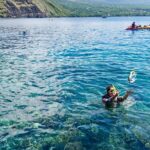
When it’s time, you’ll suit up, put on your snorkel, and enter about 30 to 35 feet (9 to 10 meters) deep water. The guides supervise you the whole time, and the area is close enough to the shoreline that you’re not out in some far-off blackness with zero orientation.
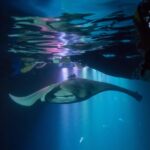
You’ll snorkel for roughly 45 minutes, and your time is structured around the light setup. Guides position a customized light board with bright illumination to make manta movement easy to see. Instead of swimming around looking for animals, you’re usually holding position and letting the mantas come into your zone.
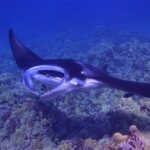
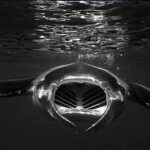
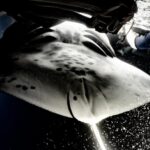
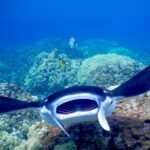
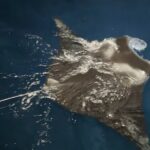
Manta biology is part of the show. Mantas feed on microscopic plankton at night, and the light draws them into the area where you can observe that behavior. They’re also described as having no barbs or teeth, and their size can be huge—wing spans can run from about 4 to 12 feet.
A practical note: this kind of snorkeling is not a free-for-all swim session. If you expect to roam, you’ll feel less comfortable. You’ll have a smoother experience if you get good at relaxing, holding onto your flotation device, and following the guide’s positioning.
The Manta “Rave”: Watching the Light-Driven Feeding Ballet
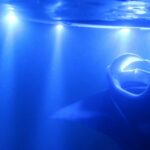
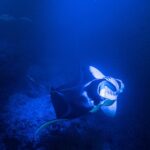
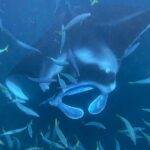
This is where Glow of the Deep earns its name. As the lights come on, the mantas’ nighttime feeding behavior turns into a pattern you can actually watch.
People describe it as a glowing mix of lights, bubbles, and mantas moving through the water close to the snorkeling area. You’re likely to see mantas approach for feeding, then move through the illuminated zone as they search for plankton. That repetitive pattern is why guides can keep the experience calm and controlled: they’re working with animal behavior, not forcing interaction.
Two things stand out in the way the trip is run:
- The guides help you see clearly by keeping the light board as the focal point.
- The interaction style stays passive and respectful. You’re there to watch, not touch.
And yes, you should expect mantas to show up as part of the experience. The trip promises a guaranteed manta sighting. If you don’t see mantas, you’ll receive a voucher for an additional tour. That’s one of the strongest value protections on any animal-adjacent outing.
You can also read our reviews of more snorkeling tours in Big Island of Hawaii
Swim vs Ride-Along: Who This Tour Works For
Your comfort level determines everything here.
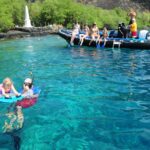
You do need to know how to swim to enter the water, but you can still participate by choosing the ride-along option from the boat. That’s especially useful if someone in your group isn’t confident in the water. The setup works because the boat deck viewing and the lights are part of the spectacle, so even non-swimmers still get the manta viewing.
This is also where guide behavior can make a difference. Reviews highlight crews that help nervous swimmers feel steadier, and names like Captain Lena and deckhand Mattie come up in praise for patient, supportive handling. There are also mentions of staff members helping families and kids with safety.
If you’re bringing children: kids must be accompanied by an adult, and children under 5 must provide their own life vests. Even with provided snorkel gear and wetsuits, kids come in different sizes, so you’ll want to make sure their flotation feels secure and comfortable before you’re in open water.
What You’ll Learn (and Why It’s Not Just a Photo Op)
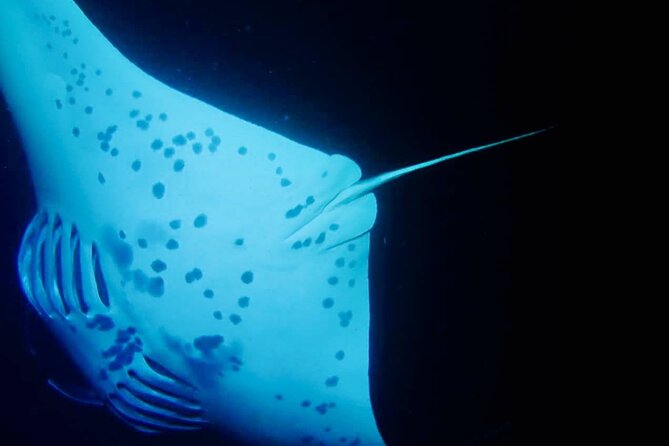
The trip isn’t only about seeing mantas. Guides share the basics: how mantas behave, why they’re drawn to the lighting, and what you’re observing in the water.
Why that matters: manta snorkeling is one of those experiences where your brain wants to do everything at once—watch movement, film, breathe, keep position. When the guide gives you the story of what’s happening, you relax faster. You stop trying to guess and start recognizing patterns, like feeding passes through the illuminated zone.
And guides are careful about keeping the mantas safe. People specifically mention how the crew works to keep interactions passive and non-stressful. That’s key, because the whole point is seeing mantas behaving like mantas, not like props.
Cold Water, Seasickness, and Small Prep That Saves the Trip
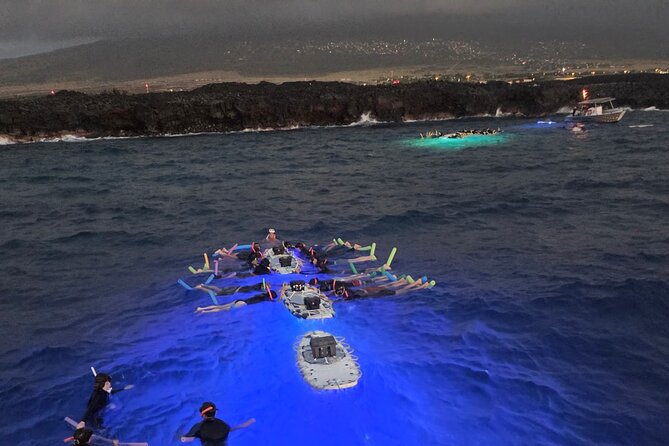
Night snorkeling in Kona is not a “light jacket and flip-flops” activity once you’re actually wet. In cooler months, people call the water freezing and say floating that long feels intense.
Here’s how to prepare without overthinking:
- Bring warm clothing for after the swim (sweatshirt, jacket, towel).
- Wear the wetsuit exactly how the staff fits it.
- If you’re prone to motion sickness, take your meds before boarding. People recommend this approach directly.
On the seasickness front, the operator also offers prevention options for purchase at their location (including products like Dramamine for adults and kids, motion sickness patches, and pressure point wrist bands). If you know you get queasy on boats, don’t wait until you’re already offshore. Handle it before you board.
And if you’re sensitive to hygiene details, bring your own snorkel gear if that’s a priority for you. One review flagged concerns about gear cleaning between groups, so if you’re picky, it’s an easy upgrade for comfort.
Price and Value: Is $80 Worth It in Kona?
At $80 per person for about 2 hours 30 minutes, this is priced like a serious animal encounter rather than a casual snorkel. The value is strongest in three places:
First, you’re getting a real nighttime experience. Mantas at night behave differently than day sightings, and the light-driven feeding setup is the main event.
Second, you get gear included: wetsuit, snorkel equipment, and flotation. For many travelers, that makes the price feel more reasonable because you aren’t doing separate rentals.
Third, you get the manta sighting guarantee with a voucher if mantas aren’t seen. That reduces the risk on a trip where the ocean is unpredictable.
What could make it feel less “deal-like” is how much time you spend waiting offshore depending on the night’s conditions. Still, even if the boat ride feels long, that time is part of the sunset-to-lights arc that makes the experience click.
Net: it’s good value if you’re comfortable in water, bring warm layers for after, and show up expecting a controlled, guided snorkeling setup rather than a free swim.
Who Should Book, and Who Should Skip This
Book this if you want:
- A night manta experience with a bright light board and focused viewing
- A guide-led setup with supervision in the water
- The option to swim or stay onboard for viewing
- A plan for risk reduction thanks to the manta sighting voucher
You might reconsider if:
- You don’t swim well and would be relying on getting in the water anyway
- You’re very sensitive to cold water without warm post-trip layers
- You’re looking for a quiet, low-density outing. The boat max is 30 travelers, but it can still feel busy at peak times, and some people report less-than-calm moments when groups are large.
If you’re the type who enjoys animal behavior more than “sports mode,” this fits you well. If you want to roam freely, you’ll need to adjust your expectations.
Should You Book Glow of the Deep for Big Island?
I’d book it if you can swim and you’re ready for a true night-on-the-water experience where your job is mostly to relax, breathe, and watch. The lighting setup, the guided supervision, and the manta sighting guarantee are strong reasons to choose it. Just be smart about the cold and seasickness—warm layers for after and motion sickness prep can turn a good night into a great one.
If you want a calmer outing, arrive with realistic expectations and pay attention to what the crew tells you once you’re on the boat. The mantas are the headline here, and the best way to enjoy them is to trust the process.
FAQ
How long is Glow of the Deep: Night Snorkeling with Manta Rays?
It’s about 2 hours 30 minutes total.
Where do I meet for the tour?
You meet at Bite Me Sport Fishing, 74-425 Kealakehe Pkwy #1, Kailua-Kona, HI 96740.
Is hotel pickup included?
No. Hotel pick-up and drop off are not included.
Do I have to know how to swim?
Yes, you must know how to swim to participate in the snorkeling. You can also opt to enjoy the experience from the boat instead of entering the water.
What snorkeling gear is provided?
Snorkel equipment, wetsuit, and flotation devices are provided, along with a guide and bottled water.
Is there time to see the Kona sunset?
Yes. You head offshore in time to watch the Kona sunset from the boat’s top deck before the manta encounter begins.
How deep is the snorkeling area and how long am I in the water?
You’ll snorkel in about 30 to 35 feet of water, and you spend around 45 minutes snorkeling.
Is manta ray viewing guaranteed?
Yes. There is a guaranteed manta sighting, or you’ll get a voucher for an additional tour if mantas aren’t spotted.
What should I bring for warmth or motion sickness?
For warmth, bring something warm for after you get out of the water since it can feel very cold in cooler months. If you’re prone to seasickness, plan medication ahead of time, and you can also ask about motion sickness options for purchase at the location.