REVIEW · BIG ISLAND OF HAWAII
Kona Manta Ray Night Snorkel Adventure! Small Group
Book on Viator →Operated by Kona Snorkel Tours · Bookable on Viator
Manta rays at night feel unreal. This Kona trip turns that fantasy into a tight, hour-long outing with small-group attention and a custom light board that helps bring mantas in close. You get a fast zodiac ride, provided snorkeling gear, and guided safety support from a team with lifeguard and CPR training.
Two things I like a lot: the short travel time once you’re checked in, and the way the setup makes the whole experience feel focused rather than rushed. The guides are in the water area, working from a viewing spot with underwater lights and a light board, so you’re not left guessing what to do.
One possible drawback to plan for: it’s not a casual float for beginners. You’ll need basic swimming skills, previous snorkeling experience, and you must be able to climb up the boat ladder on your own.
In This Review
- Key highlights you’ll feel right away
- Kona Manta Ray Night Snorkel: what makes this one-hour tour work
- Keauhou check-in and the quick path to the water
- The zodiac speedboat ride: fast, fun, and not for seasickness lovers
- The light board float: how the mantas come close
- Safety and who the crew is built for
- What you’re actually given (and what you should bring)
- Price and value: is $83.95 worth it?
- Tips to maximize your manta-ray odds and comfort
- The bottom line: who this tour is best for
- Should you book Kona Manta Ray Night Snorkel Adventure?
- FAQ
- How long is the manta ray night snorkel tour?
- Where does the tour meet in Kona?
- How long do I spend snorkeling in the water?
- What snorkeling gear is included?
- Are prescription snorkel masks available?
- Is seeing manta rays guaranteed?
- What’s the group size limit?
- What’s the cancellation policy?
Key highlights you’ll feel right away
- Small group size (max 17, often around 13) for easier coaching and personal safety checks.
- Short zodiac ride to the water so you spend more time in your gear than waiting around.
- Light board surface setup that attracts plankton, which in turn draws manta rays nearby.
- Guides positioned at the viewing site with lifeguard/CPR training and underwater dive lights.
- Clear time blocks: about 40 minutes to prep, then roughly 20–30 minutes snorkeling.
- No prescription masks provided—bring your own if you need them.
Kona Manta Ray Night Snorkel: what makes this one-hour tour work
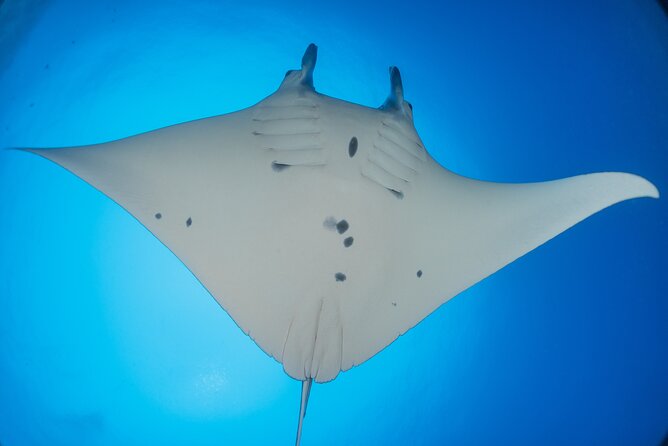
This is built as an efficient night outing on the Big Island of Hawaii. The pace matters here. After you arrive, you’re given time to get set up, then you’re off on a fast zodiac-style speedboat. Once you reach the snorkel area, the tour stays simple: you float at the surface, snorkel briefly, and follow the guide’s instructions while the manta-rain show happens around your light.
Night snorkeling for mantas can be hit-or-miss in wildlife terms. The operator makes it a little more predictable by using a light board that attracts plankton. That matters because mantas don’t live on schedules. A good setup improves your odds and also makes the experience more active—you’re not just staring into darkness hoping something swims by.
The small-group format is another advantage. With a group capped at 17 and described as 13 for safety and attention, you get more direct instructions and faster help if you need it. That’s especially important at night, when visibility is lower and you’re wearing a mask and buoyancy setup.
You can also read our reviews of more evening experiences in Big Island of Hawaii
Keauhou check-in and the quick path to the water
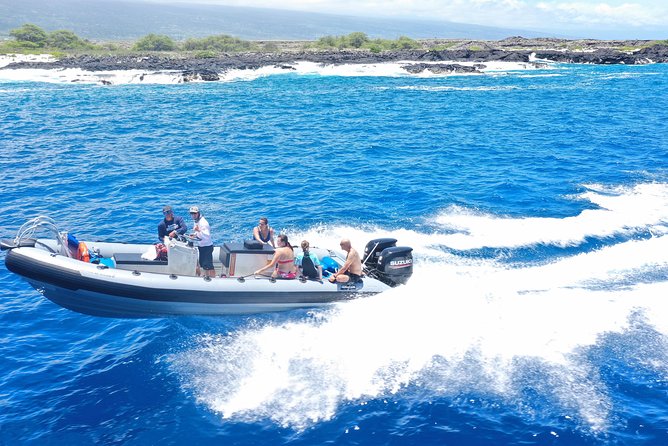
Your tour starts in Kailua-Kona at 78-7100 Kaleiopapa St. The important detail: you should arrive on time, because about 40 minutes is allocated for prep before anyone heads out on the boat.
That prep time is not wasted. It’s where you handle gear checks, get your snorkeling equipment sorted (mask and snorkel are included), and go over safety basics for the water. At night, those basics matter more than usual. You’ll be in open water conditions with a ladder climb involved, and you need to feel confident moving from boat to water and back.
Once you’re ready, you get a short 4-minute boat ride to the snorkel destination. That’s a big deal if you’re sensitive to motion or prefer not to spend half the tour riding. You’ll still feel movement—the reviews describe the ride as fast and a bit splashy—but the time on the water before snorkeling stays short.
The zodiac speedboat ride: fast, fun, and not for seasickness lovers
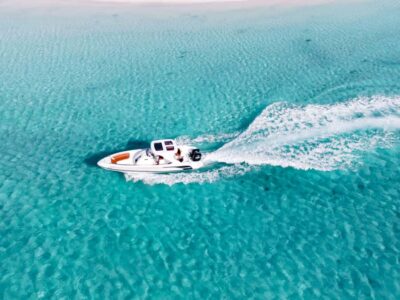
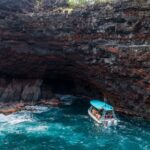
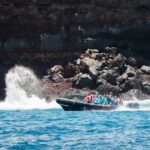
You’re going out on a speedboat style zodiac. Expect speed and sudden motion. The tour is built for quick arrival at the viewing area, and that style of boating is part of the fun for many people.
Plan for a couple realities:
- The boat ride can be bumpy at the dock-to-water transition and back.
- It’s dark at night, so you rely on the captain’s handling and your own balance more than usual.
If you get seasick easily, this is the portion you’ll want to think about. One review specifically calls out a bumpy, splashy ride and mentions feeling seasick for some while in the water. Even if you’re usually fine, I’d treat this as a “be prepared” moment: eat lightly beforehand, hydrate, and follow any guidance given by the crew.
Also, the tour requires that you climb up a boat ladder independently. If that sounds tiring or stressful, take it seriously when you’re deciding. Being physically able is not just a checkbox—it changes how calm you’ll feel when it’s time to get back aboard.
The light board float: how the mantas come close
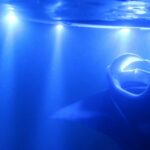
This is the heart of the experience. You float on the surface of the water and snorkel while holding onto a custom light board for up to about 30 minutes (with the snorkel time block listed as 20–30 minutes).
Here’s what’s happening:
- The light board attracts plankton.
- The plankton draws in fish.
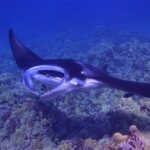
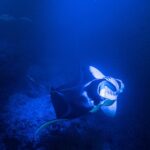
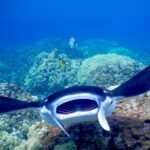
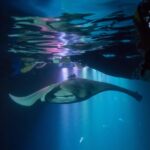
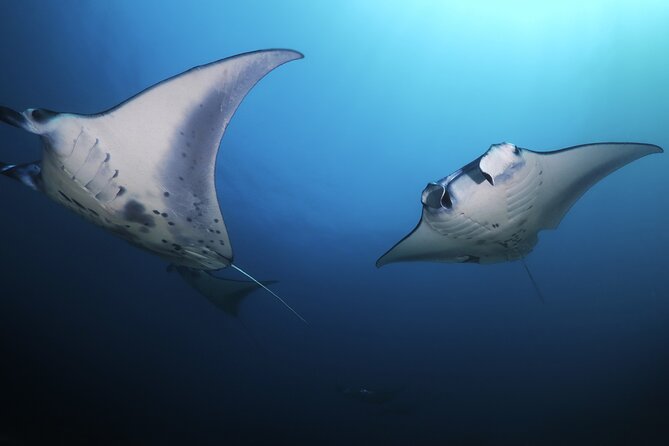
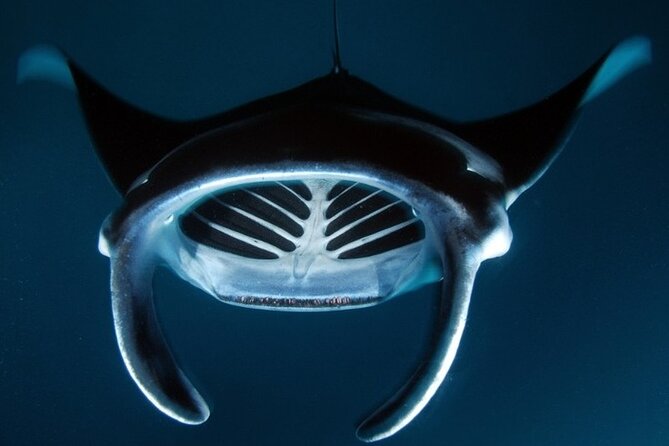
- Then the mantas move in to feed, cruising close to the lights and the food concentration below.
That explains why people describe the mantas coming inches away. When the light creates a feeding hotspot, mantas don’t just pass by at random—they patrol the area. It also helps you understand what to do. You’re not searching endlessly for movement; you’re staying in the right spot and letting the system bring the action to you.
Guides are stationed at the viewing site with a light board and underwater dive lights described as part of the setup. You’ll likely see the team coordinating where you should hold, how to position your body in the water, and when to stay still versus when to adjust for comfort.
Two practical pointers based on how these setups work:
- Keep your mask secured and your breathing steady. You’ll be close enough to the mantas that you don’t want frantic fin kicks or panic head movements.
- Stay within the area the guide indicates. The whole plan depends on you staying connected to the light board feeding zone.
Safety and who the crew is built for
This tour leans hard into safety, and it shows in the requirements. You’re snorkeling at night, in open water conditions, with a ladder climb involved. The operator also notes a max group size and emphasizes that safety is the priority.
Your guides and support crew are stationed at the viewing site, and they’re described as lifeguard/CPR certified. That isn’t just a marketing line. For night water, it means the team is trained for the most likely problems: coordination, mask issues, panic or fatigue, and basic rescue response.
The requirements also tell you who this works for:
- You should know how to swim and snorkel already.
- You need basic swimming skills and the ability to converse in English to follow safety briefings and verbal instructions.
- You should be physically fit enough to climb a boat ladder.
- Prescription snorkel masks are not available, so bring your own if you need a prescription lens.
You can also request a lifejacket if you want one. The tour notes you should contact the reservation line if anyone in your group would like a lifejacket, which is a smart move if you’re unsure how you feel floating at night.
Finally, remember one wildlife truth: mantas are wild animals and you cannot guarantee their presence. The light board setup improves the odds, but nature stays nature.
What you’re actually given (and what you should bring)
Included gear is straightforward: mask and snorkel. That’s helpful because you don’t have to pack your own basic snorkeling items just for this tour.
But there are a couple things you should plan for:
- Prescription snorkel masks are not provided, so if you need them, pack your own.
- You may be cold even if the air feels warm. Reviews mention fitting wetsuits and talk about the water being chilly when you’re floating and not moving much. So I recommend dressing as if you’ll be stationary and chilly for a while, not as if you’ll be swimming hard.
Also, bring a calm mindset for the boat ride and the night water. Some people find the ride back darker and colder than expected, and that’s where having patience with the process helps.
Price and value: is $83.95 worth it?
At $83.95 per person for about an hour, this is not a bargain-snorkel add-on. The value comes from what you can’t DIY easily: night timing, a small-group setup, a fast zodiac ride to get you to the right spot, and a controlled surface setup using a light board that concentrates feeding activity.
Here’s the honest value math I’d use when deciding:
- If you want a once-in-a-trip moment with manta rays close to your face, the experience is built specifically around that feeding behavior.
- If you’re expecting “just snorkeling,” you may feel underwhelmed, especially if the water has limited visibility or if you’re not comfortable in open water.
This also isn’t a huge group experience. That matters because more attention can mean faster corrections, smoother ladder transitions, and better guidance while you’re holding position in the water.
One more value point: the tour time is tight. You’re not spending hours on a large boat. The plan is designed to reduce wasted time and get you to the key moment—floating at the surface with the lights.
Tips to maximize your manta-ray odds and comfort
You can’t control mantas. But you can control how well you’re set up.
- Arrive early enough that you feel calm during the 40 minutes of prep. If you’re rushing, you’ll be less relaxed in the water.
- Use a mask that fits you well. Since prescription masks aren’t provided, comfort is on you.
- Wear what keeps you warm. Reviews mention wetsuits, and night floating can chill you quickly.
- Listen closely at the safety briefing and practice your plan: ladder down in a controlled way, mask settled, and how you’ll move once you’re in the water.
- Stay with the light board zone. If you wander, you drift away from the feeding hotspot that brings the mantas in.
Also, if you’re going with kids or nervous first-timers, keep expectations realistic. The tour requires you already know how to snorkel. Some families do report feeling safe, but the requirement still stands—choose this when your group is ready for open water coaching and night conditions.
The bottom line: who this tour is best for
This works best for you if:
- You already snorkel and feel comfortable in open water.
- You want a close-up manta experience with a structured feeding setup.
- You prefer small-group attention over large-boat crowds.
- You’re okay with a fast zodiac ride and understand it can be bumpy at night.
You might want to skip or look for another option if:
- You’re new to snorkeling and not confident with surface floating and mask breathing.
- You’re uneasy about ladder climbs or struggling with balance.
- You get seasick easily.
- You need a prescription mask and don’t have one you can bring.
The mantas are wild and never guaranteed, but the tour’s design—light board, night timing, and guide support—tries hard to make the experience happen.
Should you book Kona Manta Ray Night Snorkel Adventure?
If you’re chasing the iconic Kona night mantas-at-close-range moment, I’d call this a strong choice—especially because it’s small-group and focused, and because the light board gives the trip a clear purpose once you’re in the water.
Book it if you match the activity requirements: you can swim, you can snorkel, you can climb the ladder, and you’re comfortable following English safety instructions. If that’s you, the short ride, guided surface float, and chance at mantas close by make the price feel like it buys time where it counts.
Skip it if you’re hoping for a beginner-friendly float without conditions. This one is for people ready to be in the water and listen closely.
FAQ
How long is the manta ray night snorkel tour?
It’s about 1 hour total.
Where does the tour meet in Kona?
The meeting point is 78-7100 Kaleiopapa St, Kailua-Kona, HI 96740, USA. The tour ends back at the meeting point.
How long do I spend snorkeling in the water?
Snorkel time is listed as 20–30 minutes. You’ll float at the surface while holding a custom light board.
What snorkeling gear is included?
The tour includes snorkel and a mask.
Are prescription snorkel masks available?
No. Prescription snorkel masks are not available.
Is seeing manta rays guaranteed?
No. Mantas are wild animals, and the tour states you cannot guarantee their presence.
What’s the group size limit?
The tour/activity has a maximum of 17 travelers.
What’s the cancellation policy?
You can cancel for a full refund up to 24 hours in advance. If you cancel less than 24 hours before the experience starts, the amount paid is not refunded.