REVIEW · BIG ISLAND OF HAWAII
Manta Magic: Small-Group Manta Ray Night Snorkel in Kailua Kona
Book on Viator →Operated by Hawaii Oceanic · Bookable on Viator
Manta rays at night feel unreal. This small-group snorkel is built for up-close views at Keauhou Harbor, and the star tool is the glowing light board that helps concentrate plankton right where you’re watching. I like how the guides keep the experience tight and calm, with people like Sarah and Jason showing they care about both manta rays and guest safety. One thing to plan for: you’re snorkeling in open water at dusk, and Kona can get a bit choppy, so motion sickness and feeling cold can matter—especially since the standard wetsuit option is usually a light top, not a full suit.
You’ll meet near Keauhou Harbor, then head out just in time for sunset. Snorkeling is optional—if you’d rather not get in, you can stay on board and enjoy the evening while the feeding action happens below. Expect a certified swim guide in the water, a short 1-hour overall run, and a moment that feels like a bucket-list nature show rather than a crowded attraction.
In This Review
- Key things that make Manta Magic worth your time
- Keauhou Harbor at sunset: why the timing works
- Small group limits (11 max): more personal, less chaotic
- The light board system: how you get mantas close
- Gear, wetsuit tops, and comfort in Kona waters
- What actually happens on the water: intro to the manta ballet
- If you’re staying on the boat
- Choppy water, motion sickness, and the real comfort checklist
- Who should book this manta ray night snorkel
- Price and value: what $145 buys you
- Booking advice: how to decide quickly
- FAQ
- How long is the Manta Magic night snorkeling tour?
- Where do I meet for the tour?
- Is snorkeling required?
- What’s included in the price?
- Do I need to be a strong swimmer?
- What’s the group size limit?
Key things that make Manta Magic worth your time
Small-group cap (11 travelers): more personal attention and less jostling around gear and the viewing board.
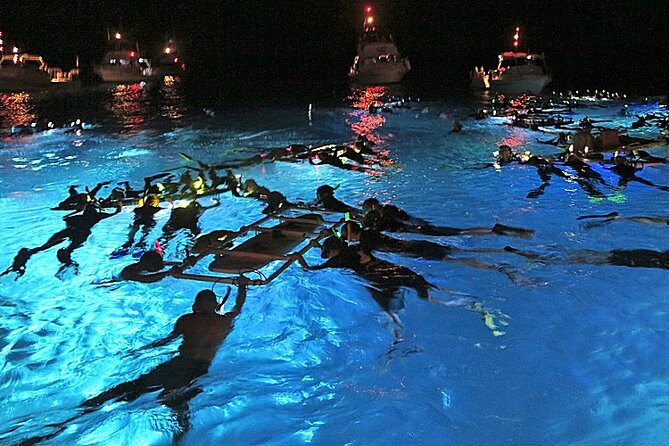
Light board plankton attraction: the glow pulls the action toward you instead of you chasing it.
In-water certified swim guidance: you’re not left to figure it out once you’re in the dark water.
Snorkeling is optional: you can choose the swim or stay aboard for the sunset.
Practical photo tips from real use: waterproof phone cases and GoPro setups help you capture mantas close-up.
Wild-animal reality: manta sightings aren’t guaranteed every time, because this is nature, not a theme park.
Keauhou Harbor at sunset: why the timing works
This tour is built around one simple idea: manta rays feed near the surface at night, and you want to be there right when the water scene comes alive. You board at Keauhou Harbor and ride out to the snorkel area so you’re in place by sunset. The goal isn’t a long boat cruise. It’s quick, focused time in the manta zone.
That timing matters for two reasons. First, the feeding behavior you’re hoping to see is tied to nightfall and plankton activity. Second, you don’t spend your limited hour waiting around. Even on trips where conditions vary, the flow is designed to get you ready, get you in, and maximize the window you have.
If you’re the type who likes a clear schedule, this one has it. You’ll get an intro before you enter the water, then you’ll be guided step-by-step once you’re holding position near the light board.
You can also read our reviews of more evening experiences in Big Island of Hawaii

Small group limits (11 max): more personal, less chaotic
The biggest practical win here is the group size. You’re capped at 11 travelers, and that shows up in how the crew can run the moment. With fewer people, you’re less likely to get tangled in the logistics of who goes in when, who has gear confusion, and who ends up standing around waiting for instructions.
In Kona, a lot of these manta tours can become a cattle-line operation—boat, gear shuffle, quick shove into the water. This experience aims to avoid that by staying compact. In many situations, the difference is obvious: you get clearer direction, and you don’t feel like you’re trying to snorkel in a crowd.
You’ll also feel it in the way you’re positioned near the light board. When mantas come close, it’s usually quick. A smaller group helps you stay calm and ready, rather than constantly adjusting for the person beside you.
The light board system: how you get mantas close
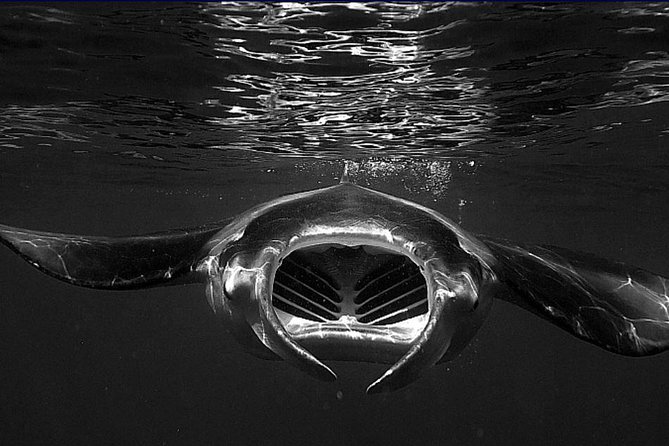
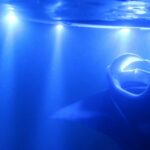
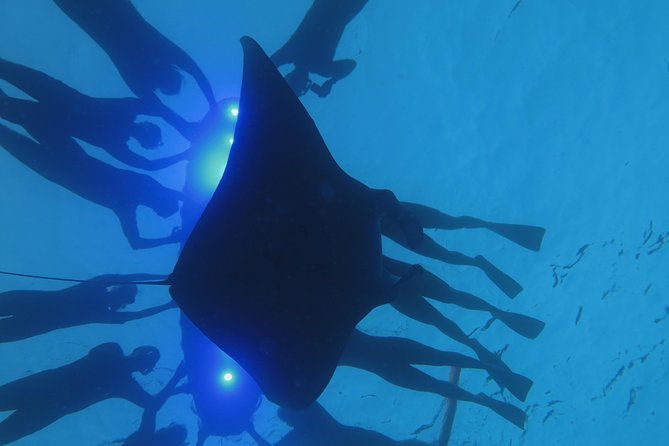
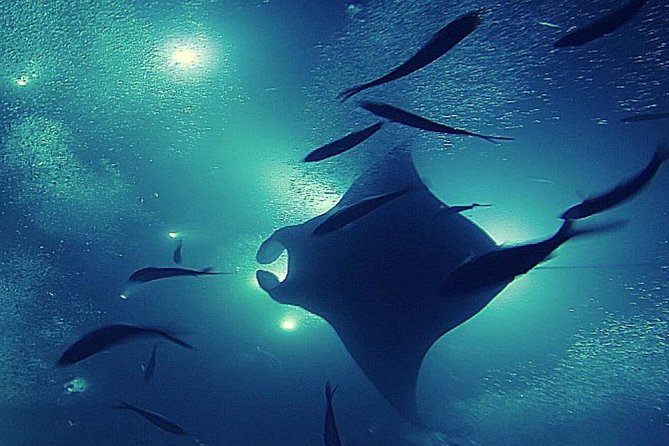
Here’s how the tour turns ocean darkness into a viewing platform: you hold onto a light board with a glowing surface that attracts plankton. Manta rays follow that food. So instead of hoping the animals wander past you, the tour creates a small feeding hotspot.
This also changes how the experience feels. It’s less like swimming randomly and more like station-keeping while the show arrives. You’re not fighting currents for distance. You’re doing a controlled, low-effort hold while mantas come to you.
The light board is also part of why the tour has a clear swim requirement. Since you’re expected to swim without relying on a flotation device, the board supports your upper body while you float. That support is practical, but it also means this isn’t for people who want a very assisted, sit-on-the-raft kind of outing.
Gear, wetsuit tops, and comfort in Kona waters
Included gear covers the basics: snorkeling equipment, beverages, and an optional wetsuit. The wetsuit detail is worth your attention. Some guests are expecting full wetsuits. What you should plan for is a wetsuit top style option, since warm Kona water means many operators keep it lighter.
In other words, don’t assume you’ll be fully insulated head-to-toe. If you tend to get cold easily, bring that into the decision. You might also want to wear layers underneath only if the tour allows it for comfort and safety, since the provided setup is designed around the snorkeling gear and board.
A practical comfort move: protect your electronics. People have had great results bringing a waterproof case for phones, plus GoPros attached to a wrist or chest mount so you can film mantas when they glide in close. Night snorkeling can make it hard to line up shots by feel, so a simple mount helps a lot.
What actually happens on the water: intro to the manta ballet
After you board, the flow is straightforward. You’ll get a short introduction to the feeding habits and how to handle your position. Then you suit up (if you’re using the wetsuit top), grab gear, and enter the water if you’re snorkeling.
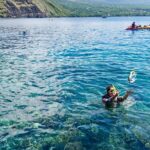
Once you’re in, your job is simple but not passive. You’ll hold onto the light board and stay steady while manta rays swim through the feeding zone. The tour keeps a certified swim guide with you to support your comfort and keep the process smooth.
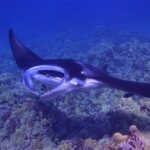
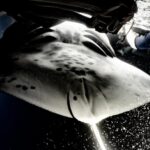
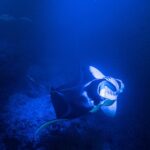
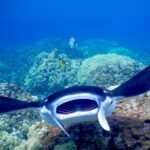
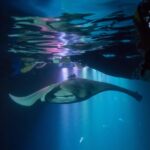
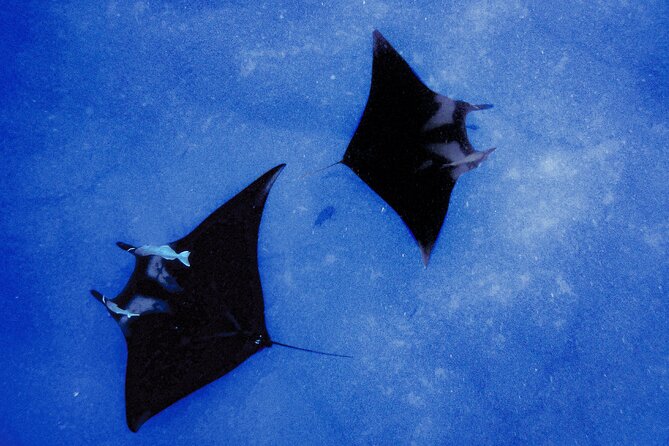
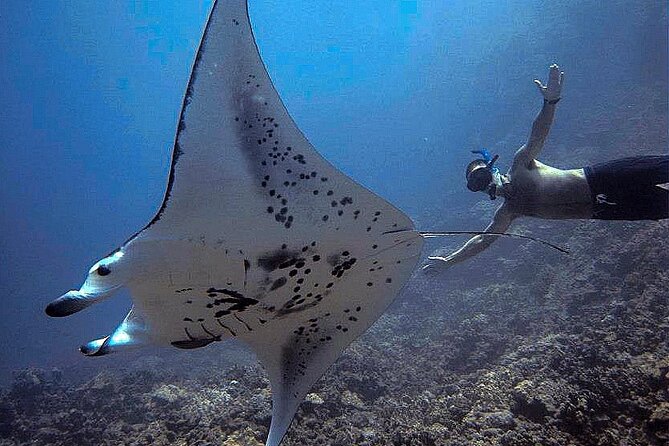
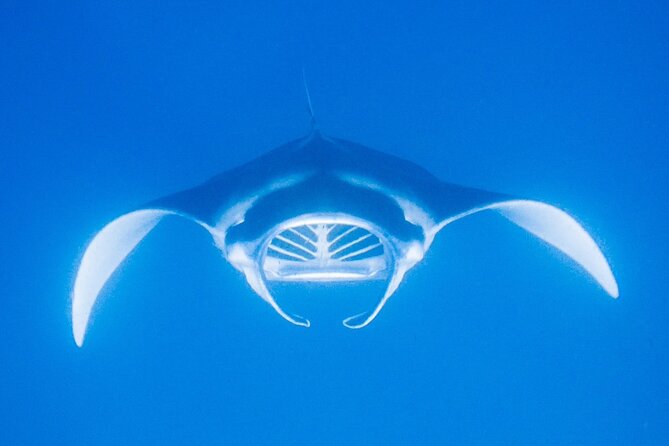
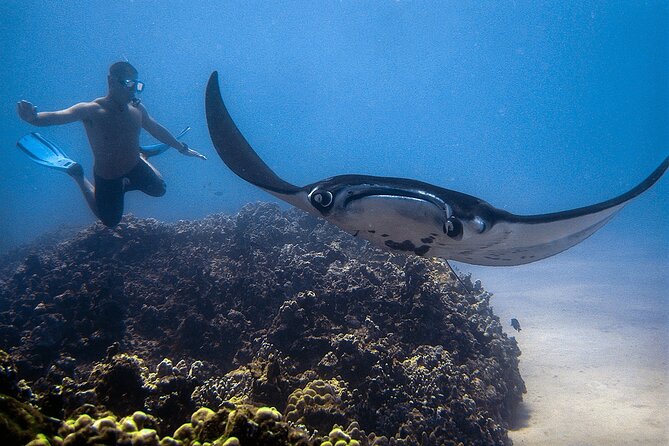
When mantas arrive, it can be fast. People have reported everything from a few rays to a lot of mantas at once, circling and moving right underneath the board. Sometimes they’re curious enough to pass very close. You may even feel like they’re right there in your personal space, even though they stay calm and gentle.
The viewing window is not endless. You’ll have a set snorkel time, then you’ll head back toward your starting point.
If you’re staying on the boat
Snorkeling is optional, so you can stay aboard and watch the sunset while others snorkel. That’s a smart pick if you want the nighttime atmosphere without the physical exertion. It also works if you’re unsure about being in open water at night.
Just know that the most intense manta moments are, by design, happening right where snorkelers hold position near the light board.
Choppy water, motion sickness, and the real comfort checklist
Night on the Big Island can mean a rockier ride than you expect, even when the snorkeling area is fairly sheltered. If you’re sensitive to motion, plan ahead. Some visitors recommend taking motion-sickness medication before you get on the boat. If that’s you, I’d treat it as part of preparation, not a last-minute fix.
For comfort, also think about this: the faster you’re in the water, the less time you spend sitting on a rocking boat. That timing is built into the tour style, and it usually helps people who get seasick—though not everyone will feel it the same way.
Cold is the other comfort factor. Even if water is warm most of the year, night snorkeling plus wind-chill can make you feel cool. If you run cold, bring a plan:
- Use the wetsuit option provided, and consider bringing your own thicker full suit if that’s your preference.
- Wear swim gear that dries fast.
- Keep your expectations realistic: short snorkel time is great, but you still feel the night.
Finally, keep your medical constraints in mind. This tour isn’t recommended for travelers with neck problems, and it requires moderate physical readiness.
Who should book this manta ray night snorkel
This tour fits best if you want one of those Hawaii moments that feels natural and close-up, without needing advanced scuba skills. You don’t need scuba training here. You need:
- comfort swimming
- the ability to snorkel without flotation assistance
- willingness to be in the water in the dark, holding position near a light board
It also works nicely for mixed groups. If someone isn’t ready to swim, they can stay on board for the sunset. That flexibility makes it easier for families and couples planning around different comfort levels.
On the flip side, skip this if you’re looking for a fully cushy, heavily assisted experience. The tour style is active and streamlined. You’ll be successful when you follow instructions, stay calm, and focus on the manta zone rather than trying to “swim around” for extra distance.
Price and value: what $145 buys you
At $145 per person for about 1 hour, you’re paying for a very specific kind of access: nighttime manta viewing with a guided setup that concentrates plankton near you. This isn’t a generic snorkeling trip where you just happen to see wildlife.
What makes it feel like good value:
- you’re not paying for a long boat day
- the crew runs a focused light-board feeding setup
- the group size stays compact, so the experience doesn’t feel like a slot machine
- gear and beverages are included
What can make it feel expensive:
- the wetsuit option may be lighter than what some people expect
- water conditions can affect comfort
- manta sightings aren’t guaranteed, since they’re wild animals on their own schedule
So here’s the honest math I’d use. If you want the highest chance of a truly close manta experience, you’re paying for the right kind of guide support and the plankton attraction technique. If you’re the type who needs maximum comfort frills, thicker wetsuits, and a big floating platform, you may find better fit elsewhere.
Booking advice: how to decide quickly
If you’re leaning toward booking, I’d base your call on three questions.
First: can you swim without flotation help? This tour requires it. If you can’t, you’ll struggle with the whole setup, even though the board provides support.
Second: do you handle water movement well? If you’re prone to motion sickness, plan for it before you step onto the boat.
Third: are you okay with the wetsuit being a lighter top option? If you get cold easily, plan to supplement with your own suit or prepare for feeling cool.
If you answer yes to those, this is a strong pick. The whole experience is designed around being near the mantas during their feeding ballet, with small-group attention and a guide in the water keeping things smooth.
FAQ
How long is the Manta Magic night snorkeling tour?
It runs about 1 hour.
Where do I meet for the tour?
The meeting point is 78-7130 Kaleiopapa St, Kailua-Kona, HI 96740, USA. The tour ends back at the meeting point.
Is snorkeling required?
No. Snorkeling is optional. If you don’t snorkel, you can stay on the boat and enjoy the sunset.
What’s included in the price?
The tour includes beverages, a professional guide, snorkeling equipment, local taxes, and an optional wetsuit. Transportation to and from the activity is not included.
Do I need to be a strong swimmer?
Yes. You must be able to swim without the assistance of a flotation device.
What’s the group size limit?
The tour caps at a maximum of 11 travelers.